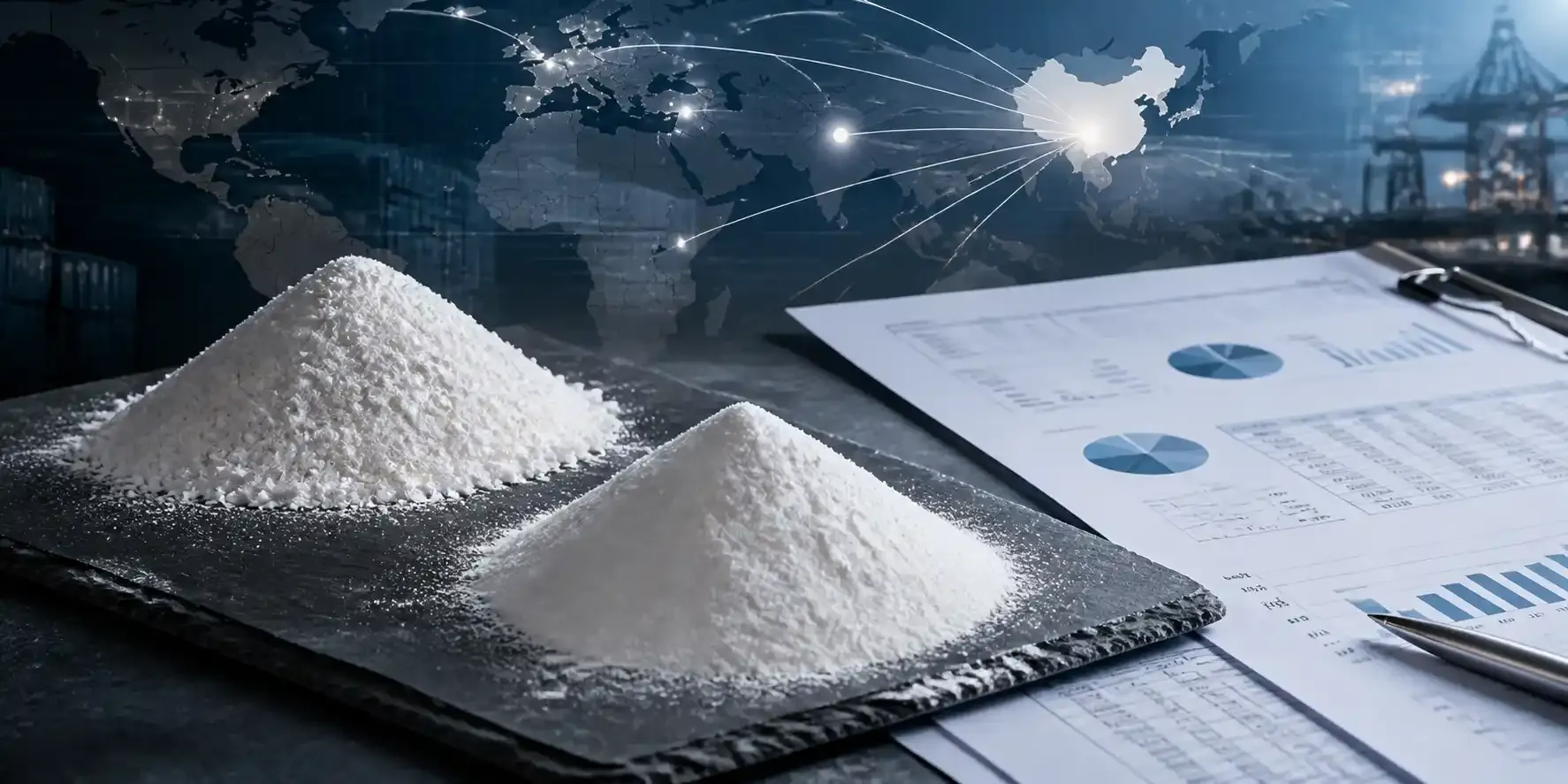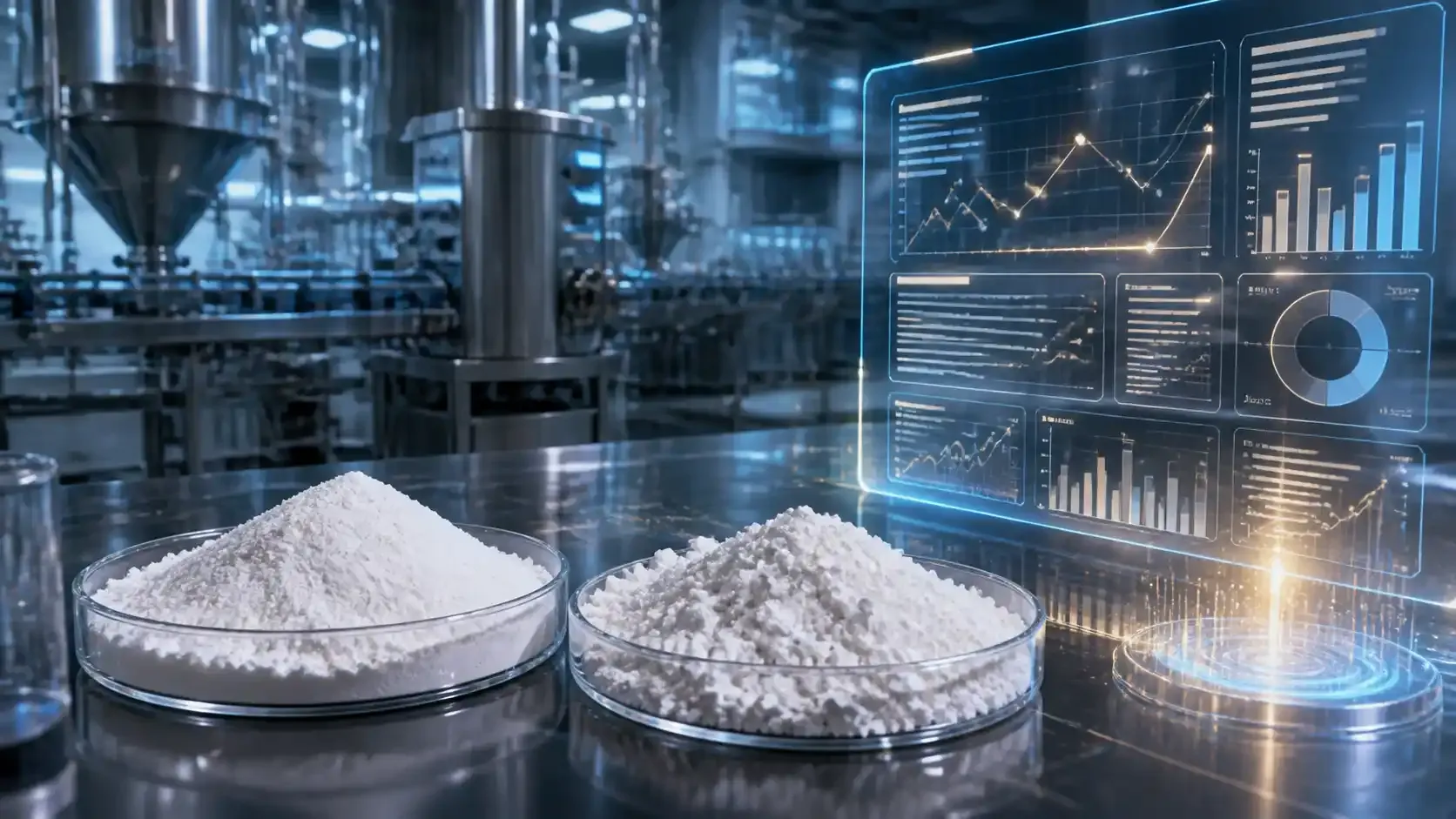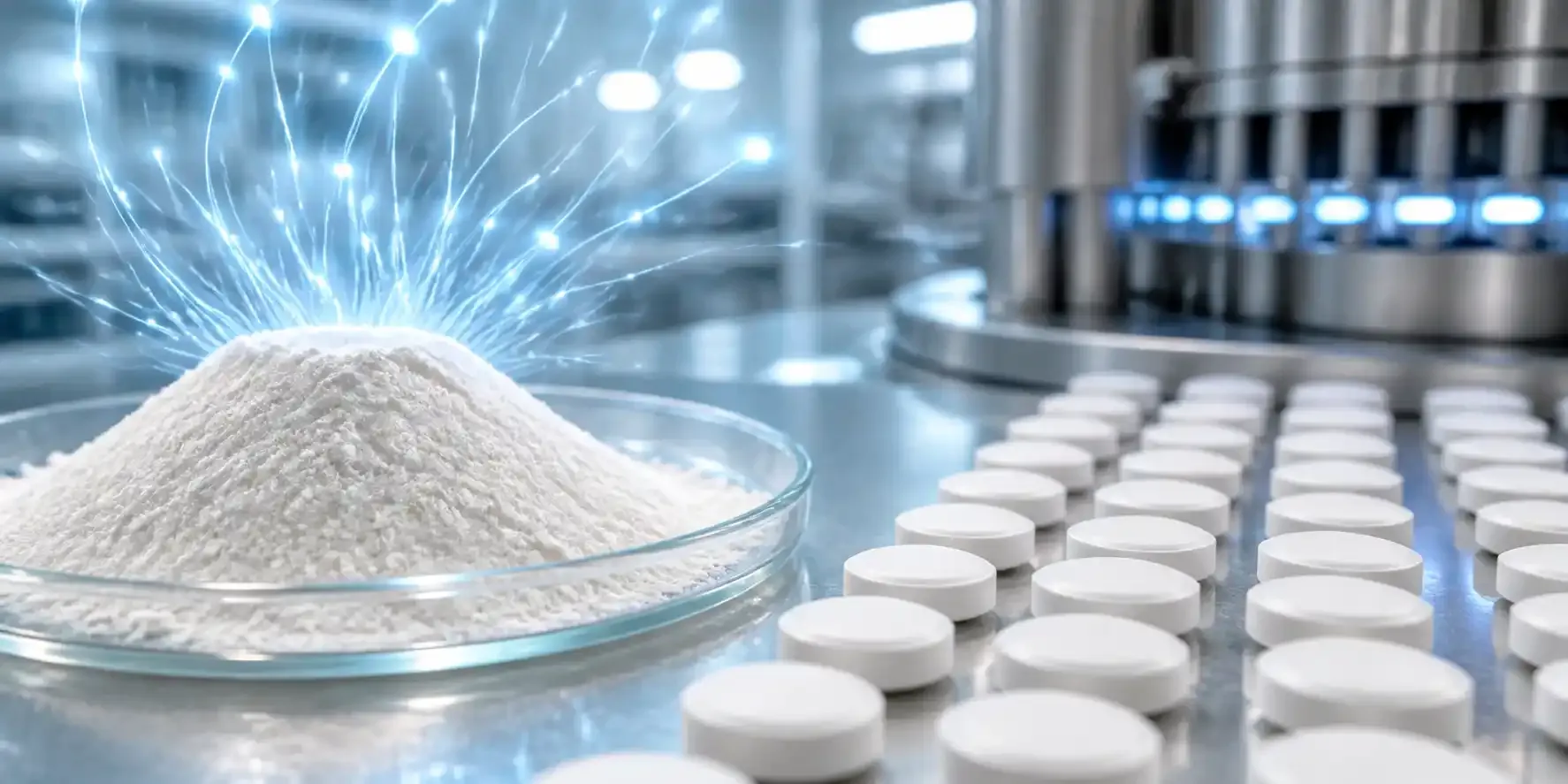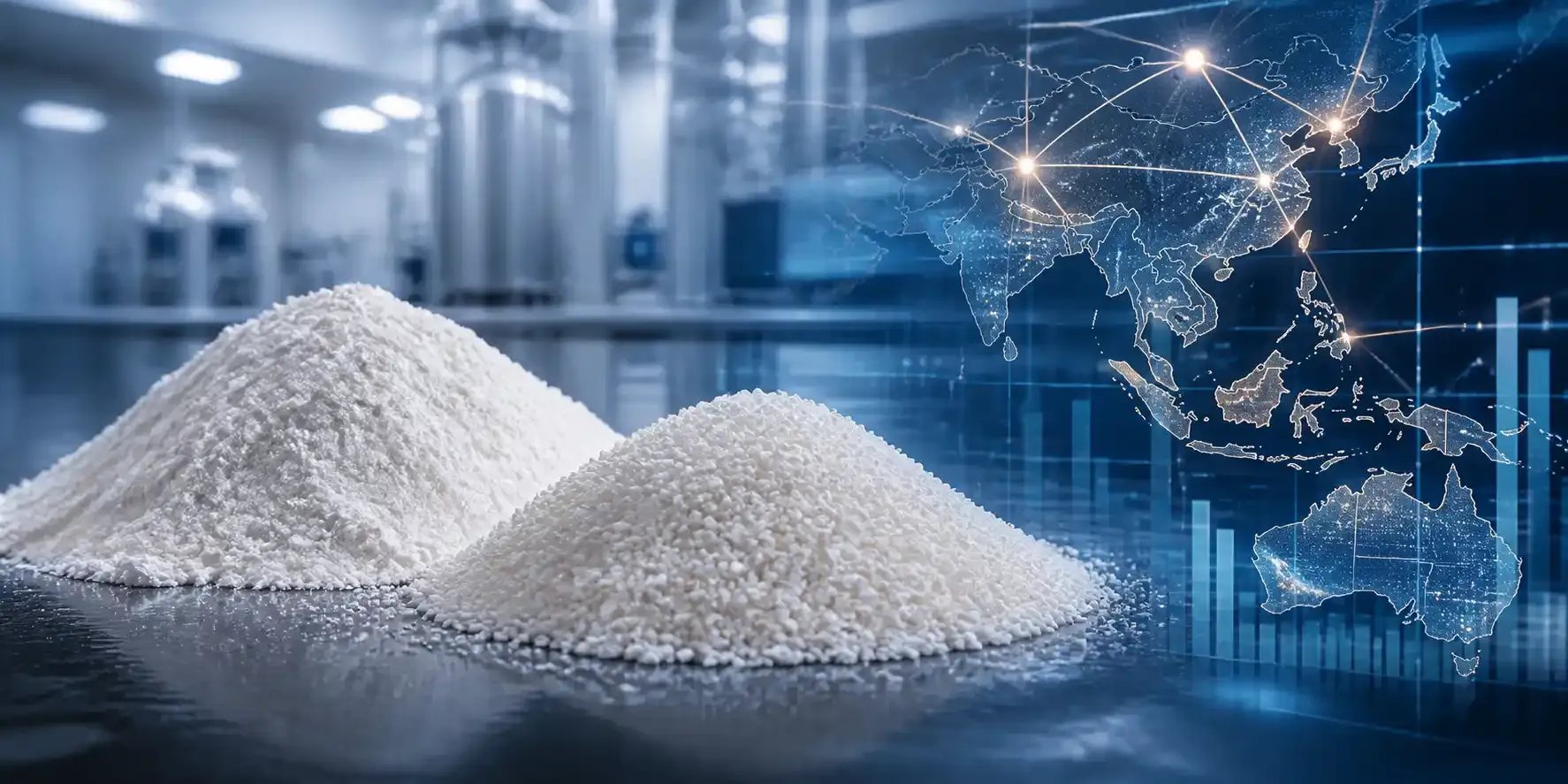
FOB price is merely the opening number when sourcing functional ingredients. For materials like resistant dextrin and microcrystalline cellulose, the actual cost often reveals itself downstream—through manufacturing yield, consumer complaints, lead times, and the need for formula adjustments. Every line on a Certificate of Analysis (COA), from fiber content and moisture to microbiology and pH, can be translated into measurable landed-cost levers. Upgrading to a higher-spec fiber grade might seem more expensive initially, but it frequently lowers the cost per serving by reducing dosage and batch variability. Consequently, a supplier's plant capability—such as automated controls, GMP-compliant workshops, and advanced QC labs—is just as critical as their pricing. Adopting a multi-fiber strategy that pairs resistant dextrin with soluble corn fiber or polydextrose can effectively protect both profit margins and product performance.

Why Fiber Ingredients Became a Procurement Cost Lever
Resistant dextrin is no longer just a “nice-to-have” label upgrade. In contemporary nutrition powders, sugar-reduction formulations, and better-for-you foods, resistant dextrin serves as a structural pillar of the recipe. It directly impacts mouthfeel, sweetness perception, processing stability, and the dietary fiber claim itself. As production scales, even microscopic deviations in resistant dextrin specifications can ripple into massive differences in the total cost.
Microcrystalline cellulose (MCC) occupies a similar position in pharmaceutical and nutraceutical applications. Even when MCC is utilized strictly as an excipient, the choice of grade dictates flow properties, compression behavior, and tablet defect rates—each acting as a hidden cost center.
For this reason, RFQs that previously obsessed over the “lowest price” now demand hard evidence. Buyers need to know if a China resistant dextrin manufacturer or a microcrystalline cellulose supplier China can maintain rigorous quality under intensive, real-world production conditions.
What Really Drives Cost in Resistant Dextrin and MCC
While a resistant dextrin quotation is typically anchored to raw material indices and processing utilities, procurement professionals feel the true cost through a broader spectrum of operational drivers:
- Raw material consistency: Practices like sourcing non-GMO corn starch, rigorous screening, and full traceability deeply influence batch acceptance and variability.
- Process control and automation: Fully automated central control systems—spanning from raw material feeding to final packaging—drastically reduce off-spec batches, rework instances, and moisture drift.
- Enzyme systems: The quality of imported biological enzymes and the efficiency of energy usage impact both yield and impurity levels.
- QC coverage: A fully equipped QC laboratory minimizes the risk of discovering critical issues only after the cargo has reached your warehouse.
- Documentation and certifications: Audit-ready systems (incorporating ISO9001, BRC, HALAL, HACCP, and KOSHER) streamline onboarding, prevent customs bottlenecks, and shield against consumer complaints.
For buyers actively searching for a reliable Chinese resistant dextrin manufacturer, these structural drivers separate a fleeting “cheap shipment” from a robust, long-term supply chain.
Similarly, with MCC, hidden costs surface when poor grade selection or lot-to-lot variation leads to sticking, capping, or poor blend uniformity. Selecting an expert Chinese microcrystalline cellulose supplier requires evaluating process discipline just as closely as the invoice price.
Reading Resistant Dextrin Specs Like a Cost Analyst
A common pitfall in fiber procurement is treating the COA merely as compliance paperwork rather than a strategic cost map. Several specific lines on a resistant dextrin COA correlate directly with your factory's operational outcomes.

Fiber Content is a Pricing Lever, Not Just a Marketing Line
Resistant dextrin is generally categorized by fiber content bands (e.g., ≥70%, ≥85%, ≥90%, ≥95%). A variant with higher fiber content will carry a higher unit price, but it allows formulators to reduce the grams required per serving to achieve the same nutritional claim.
Procurement should always calculate the cost per functional gram of fiber, rather than stopping at the cost per kilogram.
Moisture and Water Activity Influence Shelf Life and Rework Risk
Elevated moisture levels exponentially increase the likelihood of:
- Caking during transit and storage
- Clumping inside blending equipment
- Inconsistent dosing weights
- The need for extra screening or re-milling
A specification that strictly controls moisture (≤5.0%) and water activity (≤0.2) mitigates handling losses. Over an annual purchasing cycle, this waste reduction easily offsets a marginal price premium.
Microbiology Limits Reduce Complaint Risk
Even if your finished goods undergo a kill step, receiving ingredients with out-of-spec microbiology stalls production, triggers tedious investigations, and jeopardizes brand trust. Resistant dextrin specs must outline aerobic plate counts alongside strict limits for coliforms, yeast, and mold. Suppliers demonstrating flat, stable microbial trends allow buyers to safely dial down incoming inspection frequency.
pH Range and Stability Protect Formulas
While resistant dextrin is prized for its neutral taste, beverage and gummy matrices remain highly sensitive. A tight, practical pH range (typically pH 3–6) empowers R&D to predict behavior in acidic environments.
When a product is marketed as heat- and acid-stable, procurement should view this as a primary risk-control mechanism. Stability drastically cuts down on reformulation loops and preserves sensory profiles when processing temperatures fluctuate.
A Practical TCO Model for China Sourcing
Building a Total Cost of Ownership (TCO) model for ingredients like resistant dextrin and microcrystalline cellulose doesn't require complex software. It simply demands consistency across three layers:
- FOB price (The raw quote and agreed payment terms)
- Landed cost (Ocean freight, insurance, tariffs, port handling, and clearance delays)
- In-formula cost (Dosage adjustments, yield losses, rejected batches, and complaint resolution)
Converting Specs into a Cost-Per-Serving Comparison
Establish a standard serving target, and evaluate two resistant dextrin options based on their actual functional output.
| Cost Driver | Resistant Dextrin Option A | Resistant Dextrin Option B | Why It Impacts Total Cost |
|---|---|---|---|
| Fiber Content Band | ≥82% | ≥90% | Higher fiber reduces the required dosage for the label claim. |
| Moisture / Water Activity | Baseline control | Tight control | Prevents caking and eliminates screening losses. |
| Microbiology | Meets minimums | Proven stable trend | Less quarantine time; fewer quality investigations. |
| Process Stability | Unknown | Automated central control | Drastically lowers batch-to-batch variation. |
This framework forces the fundamental question: Which resistant dextrin actually yields the lowest cost per functional serving after accounting for factory losses?
Packaging and Storage Belong Inside TCO
Functional fiber powders act like sponges if exposed to humidity. Suppliers utilizing food-grade, multi-layer bags equipped with robust moisture-proof PE liners preserve the powder's flowability, preventing costly clumping issues.
Your TCO assessment must factor in warehouse climate control costs, summer humidity risks, and the labor required for reconditioning compromised pallets.
What to Check Before Locking a Long-Term China Supply
When qualifying a China resistant dextrin manufacturer or an MCC supplier, keep the audit focused strictly on elements that influence risk and yield.
Facility and Process Controls
- Demand proof of automated central control governing the entire line, from feeding to filling.
- Verify hygienic layouts and strict batch segregation to prevent cross-contamination.
- Review cleaning validation protocols, particularly if the facility processes multiple ingredient types.
QC Lab Scope and Release Discipline
- Assess incoming raw material screening procedures.
- Check in-process controls monitoring moisture, pH, and solubility.
- Ensure finished goods are released via comprehensive COAs linked to traceable batch numbers.
Certifications and Export Readiness
Certificates shouldn't just be wall decorations. Evaluate how the supplier actually applies them through training cadences, deviation handling, and audit response speeds.
Top-tier facilities in regions like Shandong illustrate these capabilities through their strict reliance on non-GMO corn starch, imported enzymes, and Japanese-inspired craftsmanship. For instance, procurement teams vetting a reliable partner often benchmark capabilities against product specifications seen on professional portals, such as this resistant dextrin overview and related soluble fiber powder formats.
Turning Soluble Corn Fiber Specs into Negotiation Power
Effective negotiation transcends demanding a "discount per ton." For ingredients like resistant dextrin and soluble corn fiber, the smartest procurement strategy aligns pricing with enforced performance bands.
Use Spec Bands to Create Price Corridors
Rather than accepting a blanket price, negotiate specific corridors for:
- Fiber content minimums
- Moisture and water activity ceilings
- Microbiology limits
- Palletization and packaging integrity
This prevents a supplier from winning a bid on price only to silently widen their control limits.
Pay for What Reduces Downstream Costs
Often, accepting a slightly higher FOB price for guaranteed non-GMO sourcing or precision moisture control pays off by eliminating blending downtime and sensory drift.
Brands selling into clean-label markets view wholesale non-GMO resistant dextrin as an insurance policy against future relabeling costs. Reviewing detailed profiles like natural raw material soluble corn fiber helps teams align strict labeling requirements with a coherent purchasing strategy.
Where MCC Fits in the Same Cost Model
Microcrystalline cellulose demands the exact same sourcing discipline because it dictates tablet manufacturability.
Crucial MCC checkpoints include:
- Precise grade selection (evaluating PH101 versus PH102 based on your equipment)
- Flowability and compressibility under target line speeds
- Documented lot-to-lot consistency
When evaluating a Chinese microcrystalline cellulose manufacturer, the ultimate test is their ability to translate grade selection into buyer-friendly QC data. Educational resources, such as an MCC grades formulation and QC guide, provide excellent baseline criteria before scaling tablet production.
A Portfolio Approach That Protects Budget Stability
Ingredient sourcing becomes significantly more resilient when procurement can pivot between validated fibers without triggering a complete formula overhaul. A strategic portfolio might integrate:
- Resistant dextrin for flawless solubility and a neutral flavor profile.
- Resistant maltodextrin fiber to hit specific functional parameters.
- Polydextrose when the formula requires sweetness modulation alongside bulking.
- Microcrystalline cellulose to ensure robust tablet compression.
Consolidating these needs under a single, highly capable manufacturer streamlines quality assurance. Buyers evaluating premium Shandong suppliers frequently explore portfolio pages like resistant maltodextrin fiber and polydextrose supplier directories to verify how diverse specifications are managed under one rigorous QC umbrella.
Buyer Checklist for Supplier Approval
Leverage this checklist to evaluate any resistant dextrin supplier China or MCC partner based on operational evidence:
- Can they provide consistent COAs across multiple sequential batches, proving tight control over fiber, moisture, and pH?
- Is there a defined grade ladder (e.g., ≥82%, ≥90%, ≥95%) supported by clear technical distinctions?
- Is the facility fully automated from feeding to filling, and can they explain their central control logic?
- Does their packaging strategy (multi-layer bags, PE liners) guarantee protection against ocean transit humidity?
- For MCC, does the technical team clearly explain how their specific grades will impact your tablet hardness and friability?
- Are their ISO/HACCP/BRC certifications backed by reality, evidenced by swift complaint resolution and CAPA documentation?
Securing a Reliable Supply Chain
Sourcing functional ingredients from China can dramatically improve your cost structure, provided you treat technical specifications as financial instruments. By calculating the cost per functional serving and rigorously verifying plant automation, procurement teams will encounter fewer manufacturing surprises and secure much more stable long-term pricing.
For organizations looking to build a resilient supply chain with an expert partner who meets these exact benchmarks, Shandong Shine Health Co., Ltd. offers a comprehensive portfolio of high-quality pharmaceutical excipients and functional ingredients. You can explore their advanced manufacturing capabilities and product range at www.sdshinehealth.com.