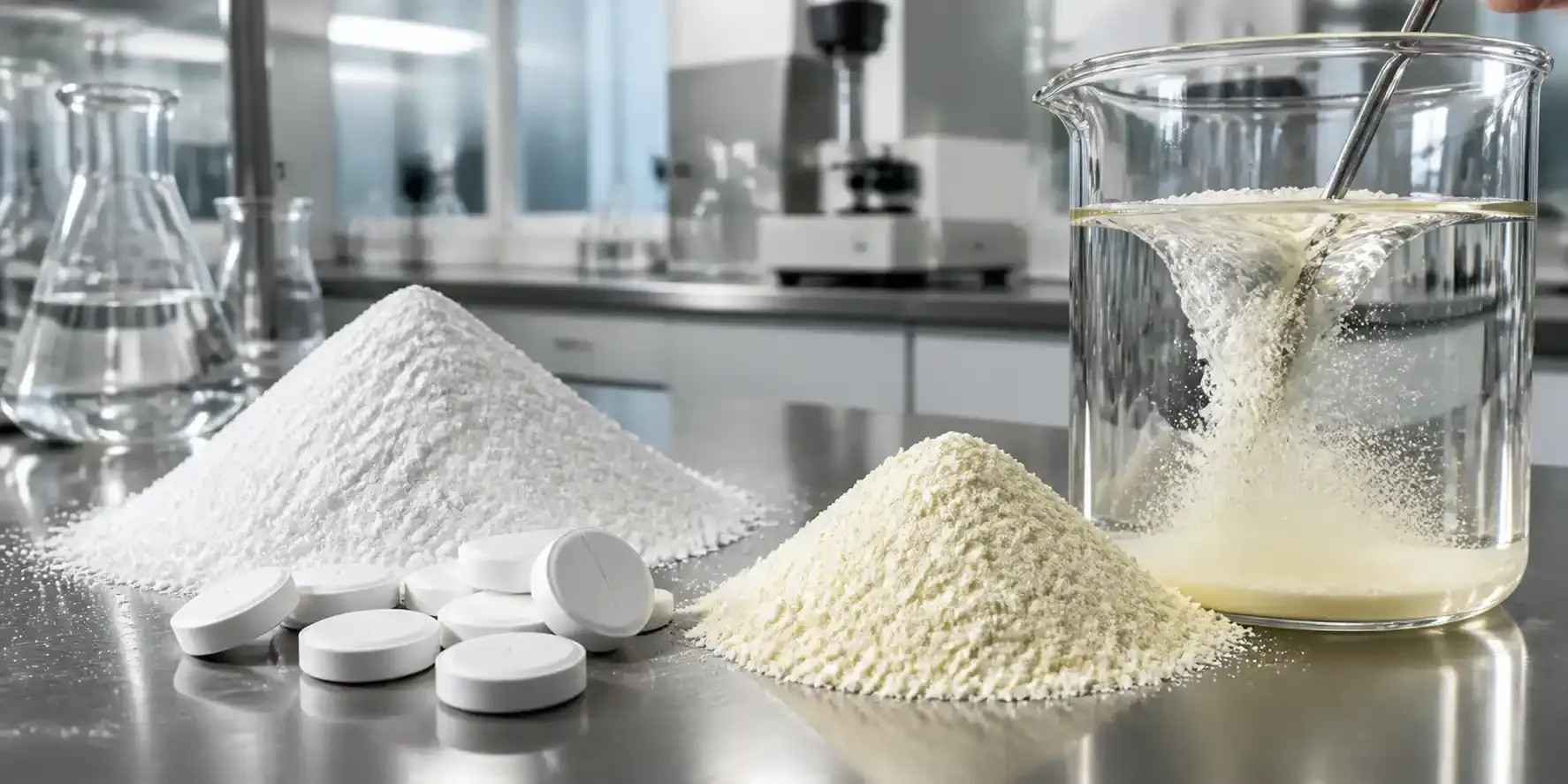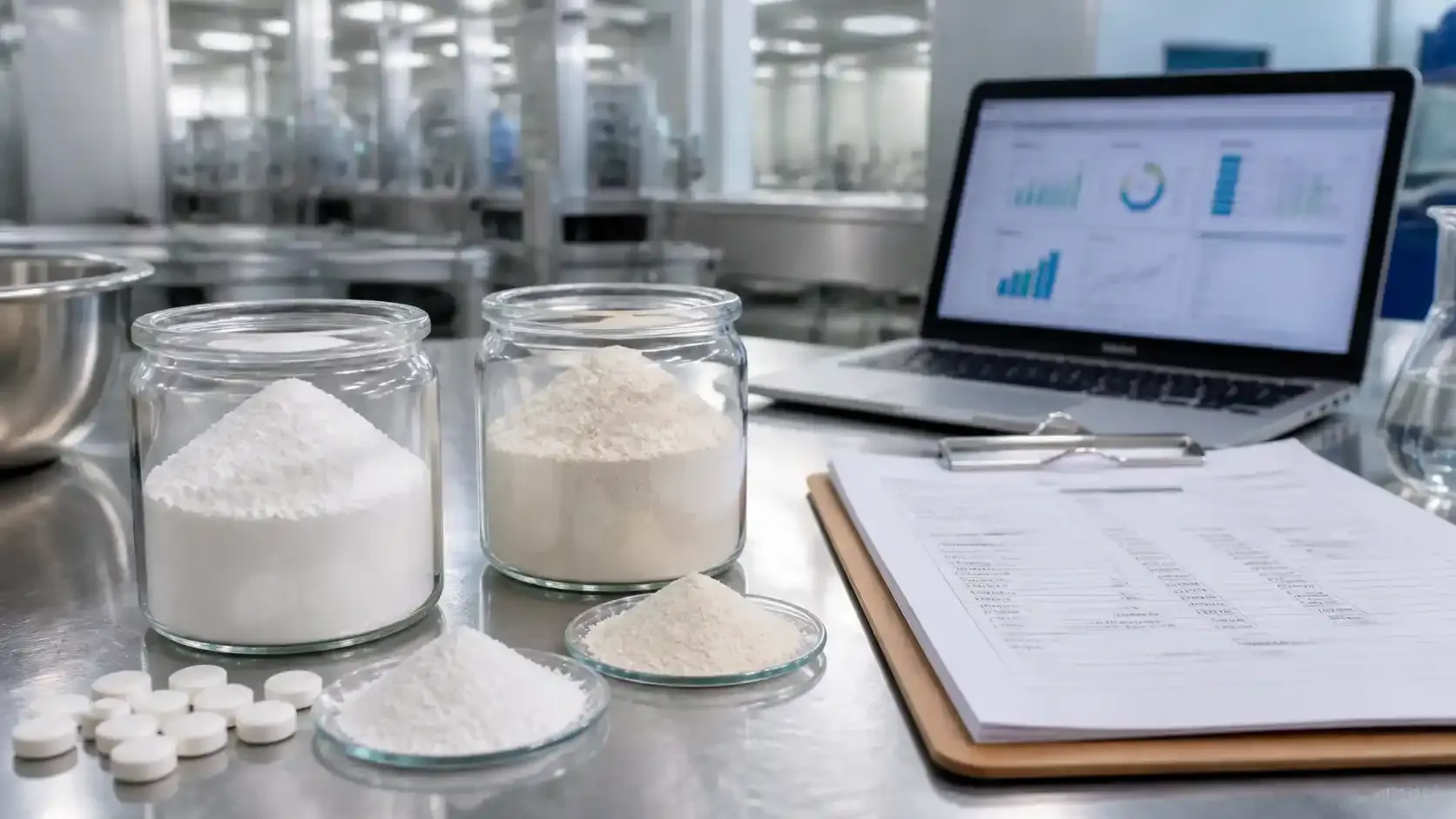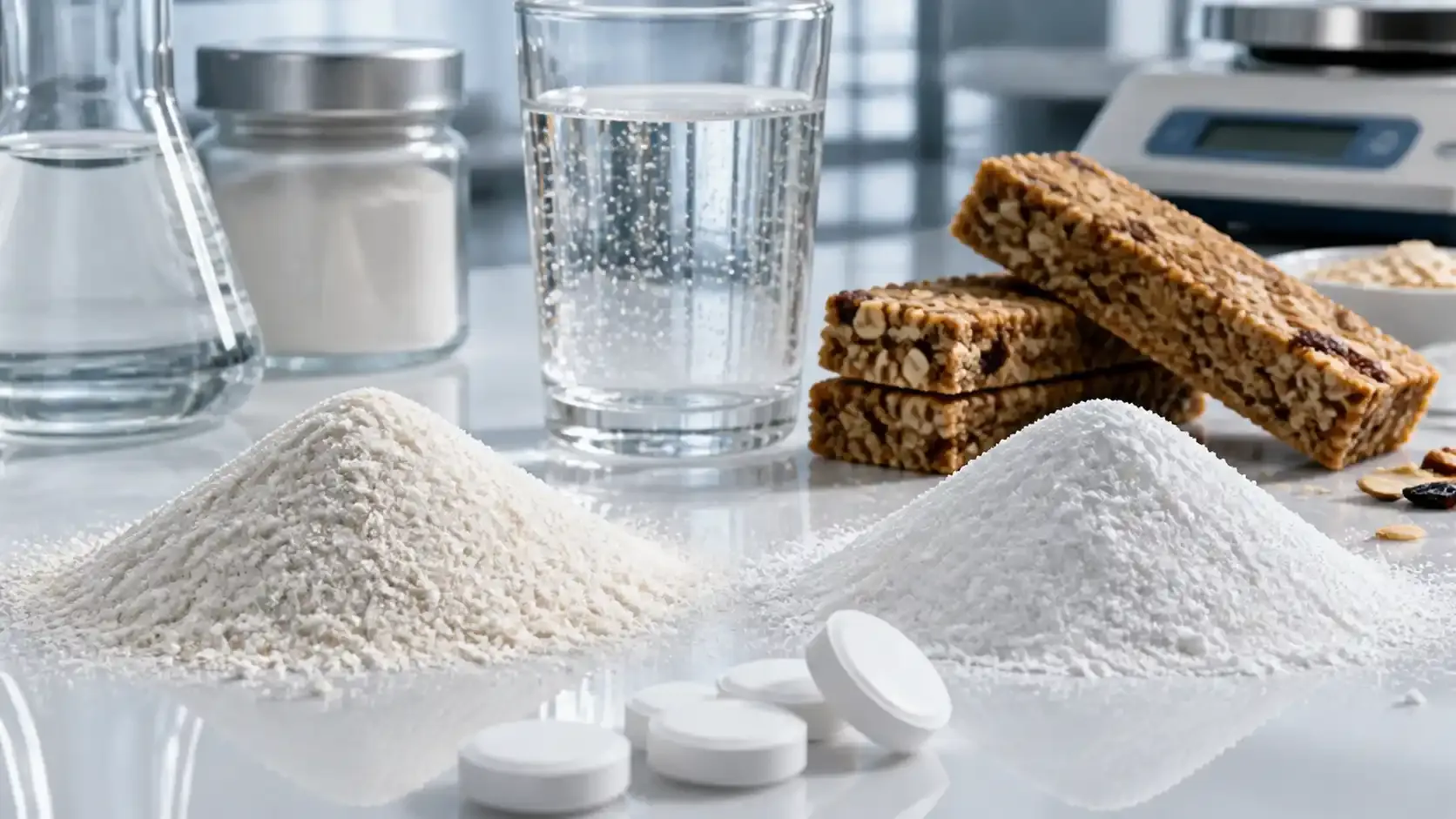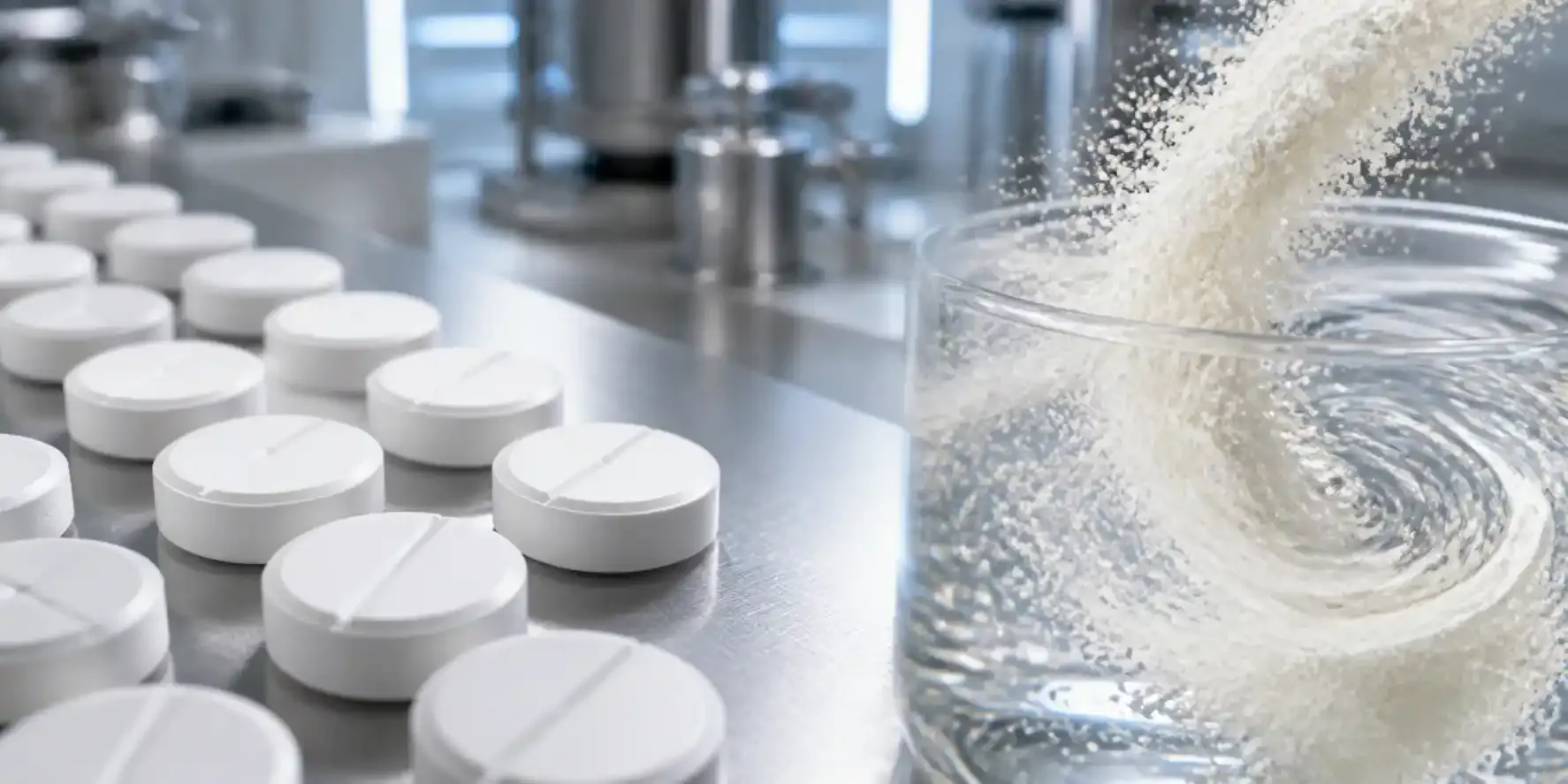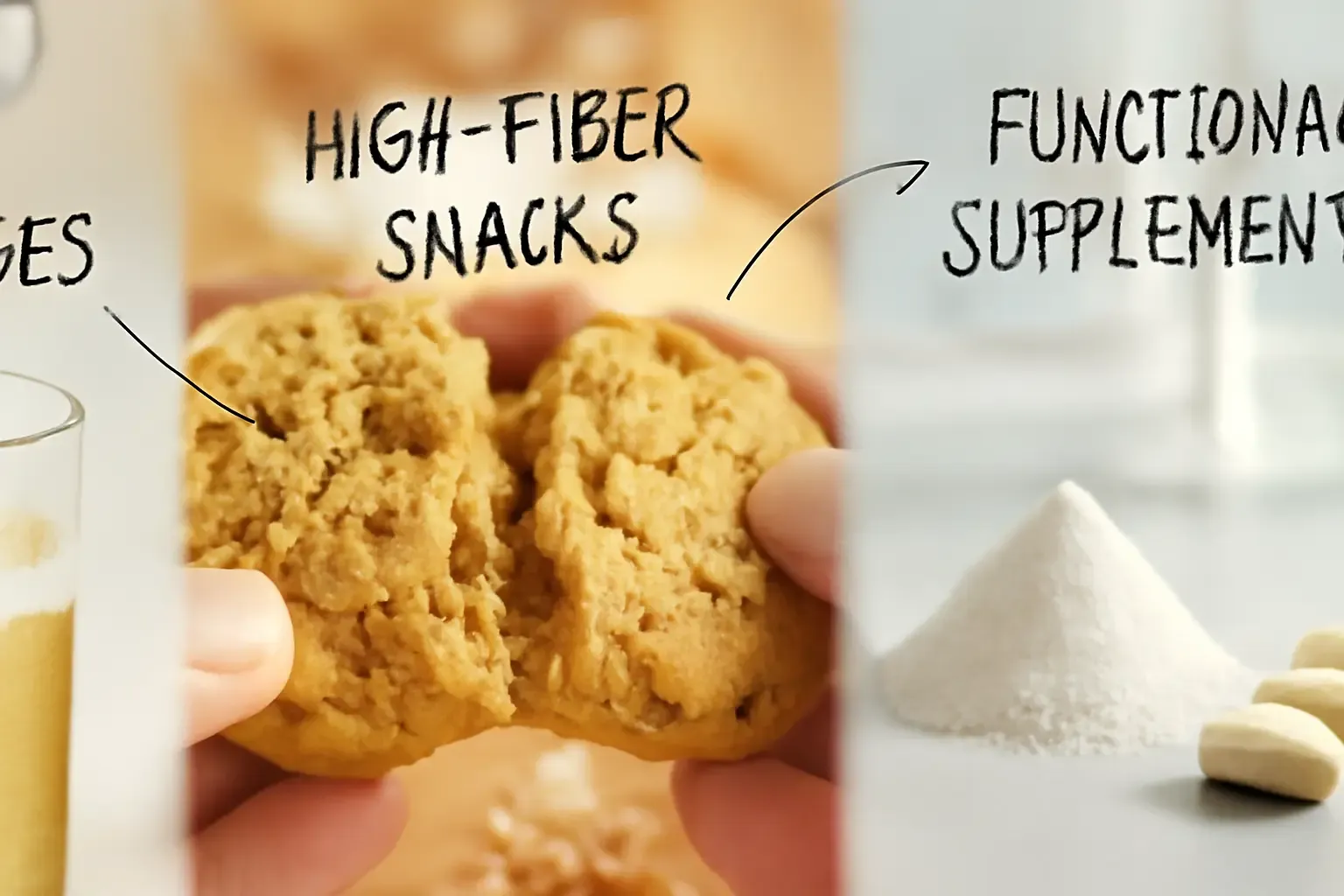
Fiber is no longer a “nice-to-have” add-on. For many food, beverage, and supplement brands heading into 2026, fiber has become a front-of-pack decision that influences sweetness strategy, texture targets, and even the dosage format. In that shift, resistant dextrin (often labeled as resistant maltodextrin or soluble dextrin fiber) is gaining attention because it can raise fiber content with minimal impact on taste, viscosity, and processing stability.
This article walks procurement teams and formulators through three scalable formulation patterns—low-sugar beverages, high-fiber snacks, and supplement formats—then closes with a practical checklist for shortlisting a reliable Chinese manufacturer.

The Strategic Value of Resistant Dextrin in Modern Formulation
Unlike older fiber generations, resistant dextrin is frequently chosen when a project demands an ingredient that elevates soluble fiber content while staying relatively neutral in flavor and workable across typical processing conditions.
Formulators typically turn to this ingredient when they require a specific combination of traits:
- High solubility and low sensory impact to support clean-tasting finished products.
- Heat and acid stability for beverages, baked goods, and thermal steps.
- Low viscosity at useful inclusion levels, helping maintain drinkability and workable dough handling.
- Low-calorie support for health-conscious positioning.
In global supply chains, buyers usually encounter commercial grades of resistant dextrin with fiber content around ≥82%, while higher-fiber options can reach ≥90% on a dry basis, depending on the intended application. Reputable suppliers also emphasize practical handling traits like low water activity, reduced caking risk, and reliable storage performance—critical details when purchasing by the pallet.
Procurement professionals evaluating baseline specifications often refer to resources like resistant dextrin dietary fiber powder to understand how top-tier China-based producers present fiber grades, raw material sourcing, and quality control protocols.
Application 1: Formulating Clearer Low-Sugar Beverages Without Losing Body
The hardest part of developing "low sugar" products is rarely the sweetness itself—it is the mouthfeel, mid-palate body, and aftertaste balance once sugar solids are removed. In many beverage formulations, resistant dextrin serves as an excellent tool because it contributes soluble solids and a smoother texture while remaining relatively neutral.
Target Outcomes Buyers Typically Specify
- 3–6 g fiber per serving for RTD teas, juice drinks, or functional sparkling beverages.
- Minimal haze and controlled sedimentation in clear or lightly colored drinks.
- Mouthfeel support when sweeteners are reduced or replaced.
Typical Use Levels and Processing Checkpoints
Use levels vary by beverage style and labeling strategy, but resistant dextrin is often trialed in the 0.5–5.0% range in RTD beverages to reach meaningful fiber delivery without pushing viscosity too far.
Procurement and R&D teams usually validate these key processing checkpoints:
- Solubility and dispersion speed in cold fill and hot fill environments.
- Stability under acid conditions for citrus, cola-style, or fermented profiles.
- Thermal tolerance across pasteurization and UHT steps.
- Sensory reviews focused on the sweetness curve, finish, and any dryness.
A Practical Beverage Playbook
If a reformulation brief dictates "reduce sugar, keep body," a common sequence looks like this:
- Reduce sugar solids stepwise and measure body loss.
- Add resistant dextrin to recover texture and solids while keeping taste neutral.
- Rebuild sweetness with a calibrated blend (e.g., sugar paired with high-intensity sweetener systems), using resistant dextrin as the foundational bulk.
For procurement discussions, this is where supplier reliability matters. If the manufacturer can show consistent COAs, clear solubility behavior, and stable performance under acidity and heat, resistant dextrin becomes a repeatable formulation tool rather than a processing gamble.
Application 2: Elevating Snack Fiber While Protecting Bite and Shelf Texture
In bakery, cereal, and snack formats, fiber additions can quickly create product issues—such as dryness, crumbling, stickiness, or a dense bite. Resistant dextrin is frequently chosen because it increases total fiber while supporting texture and helping manage sweetness reduction.
Where Resistant Dextrin Fits Best
- Cookies, soft-baked bars, and granola-style clusters.
- Cereal inclusions and extruded snacks where maintaining palatability is critical.
- Better-for-you baked goods aiming for “source of fiber” style positioning.
Typical Formulation Range and Sensory Checkpoints
Many development teams start trials around 2–10% of formula weight, depending on the product’s moisture system and target fiber per serving. Resistant dextrin can support a smoother sweetness profile when sugar is reduced, but it also alters water dynamics—so shelf-life texture must be rigorously verified.
Key evaluation checkpoints:
- Water management: Does the product stale faster or retain too much moisture?
- Dough handling: Does it become sticky, weak, or hard to sheet?
- Bite and fracture: Does it crumble, get tough, or lose snap?
- Aftertaste: Does higher fiber create dryness or a “thin sweet” finish?
Practical Balancing Moves
Pairing resistant dextrin with a controlled humectant approach avoids a dry, short bite. If a bar or cookie becomes too soft over time, it is wiser to adjust the overall carbohydrate system rather than solely blaming the fiber ingredient—many texture failures stem from the total solids and water activity balance.
For buyers working with “clean label” positioning, Chinese resistant dextrin supply is often discussed alongside non-GMO corn starch sourcing. Confirming how the supplier documents raw material origin and ties it to batch traceability is a crucial procurement step.
Application 3: Combining Resistant Dextrin with MCC for Clean Supplement Processing
Supplements bring an entirely different challenge: brands are not only selling fiber benefits, but they are also manufacturing powders, sticks, tablets, or capsules that must flow, compress, and remain consistent in high-throughput production.
This is where resistant dextrin and microcrystalline cellulose (MCC) frequently appear together:
- Resistant dextrin contributes soluble fiber functionality and improves powder handling in certain blends.
- Microcrystalline cellulose (MCC) acts as a workhorse excipient in solid dosage forms due to its exceptional compressibility and processing utility.
Powder Sticks and Instant Drink Sachets
Resistant dextrin is ideal when formulators need a neutral-tasting fiber base that disperses easily in water, creating a finished product that feels “light” rather than gritty. Buyers should carefully check blend uniformity, segregation risk, and cold-water dispersion times during the sourcing phase.
Tablets and Capsules Needing Predictable Compression
For tablets, MCC often serves as the backbone excipient, while resistant dextrin plays a supporting role as a functional co-filler. The development goal is straightforward: hit fiber targets without destroying tabletability.
Common metrics include flowability into the die, tablet hardness, friability under standard press settings, and disintegration behavior. For buyers exploring China sourcing, treating MCC as its own qualification project is highly recommended. Reviewing a supplier’s MCC catalog, such as microcrystalline cellulose bulk, helps clarify grade positioning and supported downstream applications.
Essential Buyer Checklist for Shortlisting a Chinese Manufacturer
A formulation can look perfect in a benchtop trial and still fail at scale if the ingredient varies. When evaluating a resistant dextrin powder manufacturer, buyers typically de-risk their supply chains by requesting application-relevant data and thoroughly auditing quality systems.
Minimum Documentation Package
Before initiating sample testing, procurement teams should request:
- COAs for recent lots, perfectly aligned to the exact specification required (e.g., ≥82% vs ≥90% fiber).
- MSDS and TDS documents that align with internal compliance approval flows.
- A clear traceability narrative for the raw material (commonly premium non-GMO corn starch) and how it is controlled from farm to facility.
Processing and Quality Signals
Top-tier manufacturers differentiate themselves through their operational standards. Buyers should look for:
- GMP-certified workshops governed by a documented, rigorous hygiene plan.
- An in-house QC laboratory capable of conducting routine release testing and microbial safety monitoring.
- Advanced production technology: High-quality resistant dextrin relies on precise enzymatic hydrolysis. Leading suppliers often utilize imported biological enzymes alongside precision production lines (such as German-engineered equipment) to ensure consistent molecular breakdown and high solubility.
If resistant dextrin is being used to support a front-of-pack fiber promise, it must be treated as a critical ingredient. Qualify the supplier with the same rigor applied to a core protein or primary sweetener.
Moving from Fiber Concepts to Shelf-Ready Products
Across beverages, snacks, and supplements, resistant dextrin proves its value by helping brands build higher-fiber products while keeping the everyday realities of processing and sensory performance strictly under control. It successfully supports low-sugar beverage body, makes high-fiber snacks commercially viable, and pairs effectively with microcrystalline cellulose in supplement formats where compression and flow are paramount.
For procurement teams, the most reliable path forward is clear: define the application pattern first, align it to a strict specification (fiber percentage, solubility behavior, handling traits), and then shortlist a manufacturer capable of backing those specifications with consistent documentation and stringent quality control.
If your team is looking to bridge the gap between formulation concepts and reliable scale-up, partnering with an established industry expert is a strategic move. For access to premium functional ingredients, comprehensive technical support, and a transparent supply chain, exploring the solutions offered by Shandong Shine Health Co., Ltd. provides a dependable foundation for your next product launch.