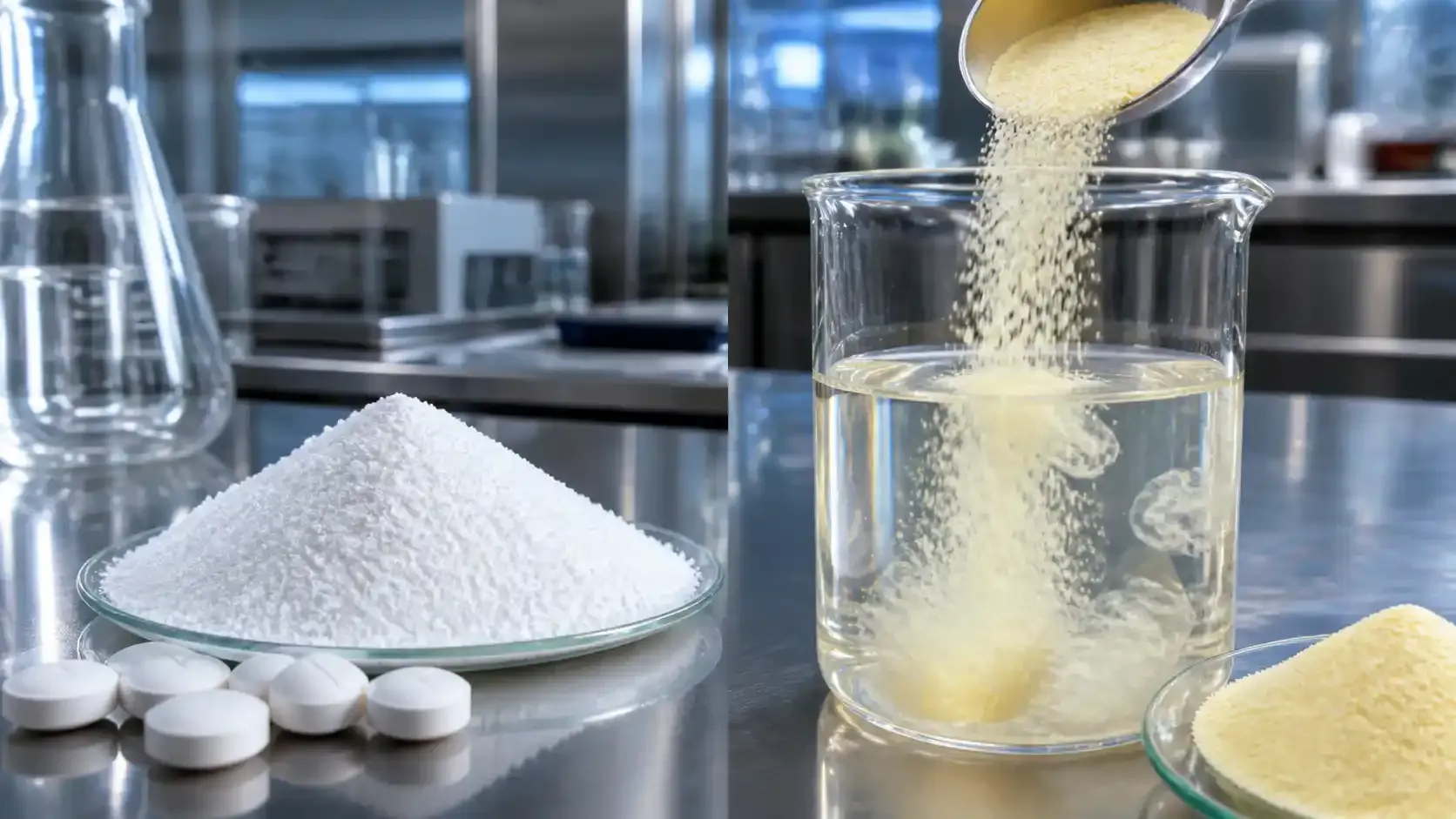
Procurement teams buying microcrystalline cellulose (MCC) for tablets and capsules—and resistant dextrin (including soluble corn fiber ) for fiber fortification—are under pressure to ship stable products with fewer quality surprises. The fastest way to reduce sourcing risk is to stop treating China
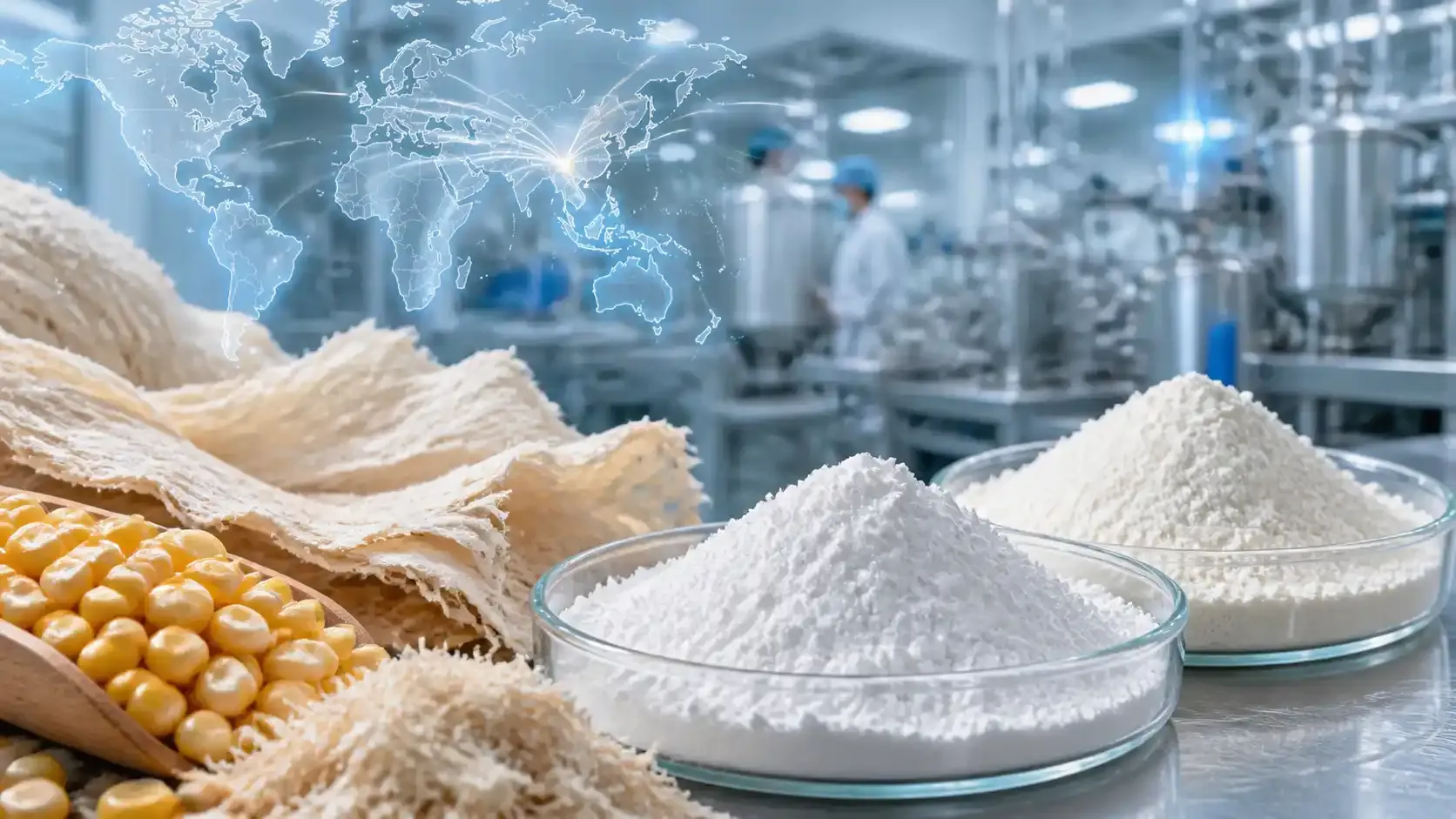
For procurement teams focused on microcrystalline cellulose (MCC) and resistant dextrin, 2026 is all about consistency. This guide delves into why supplier shortlists are tightening, breaking down the true Total Cost of Ownership (TCO) beyond just FOB pricing. We explore critical factors from raw ma

Procurement teams searching for a recommended Chinese microcrystalline cellulose supplier or a recommended Chinese resistant dextrin manufacturer often start with an FOB quote—and end up paying for problems that never appeared on the price sheet. For excipients and functional fibers, the real cost i

Ingredient buyers in China face two interwoven market signals today: continued growth in Chinese pharmaceutical output, and even faster growth in US demand for cellulose-based materials. These trends affect more than price — they are redefining what "low-risk supply" means when sourcing microcrystal
Microcrystalline cellulose (MCC) and resistant dextrin are no longer “nice-to-have” ingredients; they’ve become baseline tools for tablets, capsules, bars, and fiber-fortified beverages. As demand rises, procurement teams find themselves pulled in two directions at once: securing capacity and keepin
For many procurement teams, microcrystalline cellulose and resistant dextrin from China often enter the RFQ process as mere “commodity items.” That thinking worked well when demand was steady and quality expectations were flexible. However, it quickly falls apart when even a slight spec mismatch imp

Microcrystalline cellulose and resistant dextrin, though often quoted like commodities, frequently lead to sourcing failures due to non-price details. Think spec alignment, test methods, documentation gaps, and packaging choices that subtly inflate landed costs. This guide is for procurement teams a

Procurement teams often treat microcrystalline cellulose ( MCC ) and resistant dextrin as separate sourcing projects — one "pharmaceutical," one "food." In reality, many product roadmaps now contain both: tablets and capsules that need stable excipients, alongside fiber-rich beverages, bars, and low

When procurement teams compare a quote for microcrystalline cellulose (MCC) or resistant dextrin , the temptation is to anchor on FOB price. That approach used to work when excipients and functional fibers behaved like commodities. It breaks down when binders become budget drivers, supply chains rem

A European nutraceutical buyer receives two quotes from China: one for microcrystalline cellulose pharmaceutical grade and another for a fiber blend based on resistant dextrin. The FOB numbers look close enough that the cheaper option feels like the obvious win. Then qualification starts—COA gaps, e

Procurement teams buying microcrystalline cellulose (MCC) and resistant dextrin from China often see similar FOB prices but very different real costs. This article offers a practical Total Cost of Ownership (TCO) framework to compare suppliers, uncover hidden cost drivers, and shortlist audit-ready

A procurement team can collect five China quotes for resistant dextrin and microcrystalline cellulose (MCC) in one afternoon—and still end up paying more after launch. The reason is simple: FOB price per kilogram is not the same as cost in use . Fiber content, solubility, batch-to-batch consistency,
Procurement teams buying microcrystalline cellulose (MCC) for tablets and capsules—and resistant dextrin (including soluble corn fiber ) for fiber fortification—are under pressure to ship stable products with fewer quality surprises. The fastest way to reduce sourcing risk is to stop treating China
For procurement teams focused on microcrystalline cellulose (MCC) and resistant dextrin, 2026 is all about consistency. This guide delves into why supplier shortlists are tightening, breaking down the true Total Cost of Ownership (TCO) beyond just FOB pricing. We explore critical factors from raw ma
Procurement teams searching for a recommended Chinese microcrystalline cellulose supplier or a recommended Chinese resistant dextrin manufacturer often start with an FOB quote—and end up paying for problems that never appeared on the price sheet. For excipients and functional fibers, the real cost i
Ingredient buyers in China face two interwoven market signals today: continued growth in Chinese pharmaceutical output, and even faster growth in US demand for cellulose-based materials. These trends affect more than price — they are redefining what "low-risk supply" means when sourcing microcrystal
Microcrystalline cellulose (MCC) and resistant dextrin are no longer “nice-to-have” ingredients; they’ve become baseline tools for tablets, capsules, bars, and fiber-fortified beverages. As demand rises, procurement teams find themselves pulled in two directions at once: securing capacity and keepin
For many procurement teams, microcrystalline cellulose and resistant dextrin from China often enter the RFQ process as mere “commodity items.” That thinking worked well when demand was steady and quality expectations were flexible. However, it quickly falls apart when even a slight spec mismatch imp
Microcrystalline cellulose and resistant dextrin, though often quoted like commodities, frequently lead to sourcing failures due to non-price details. Think spec alignment, test methods, documentation gaps, and packaging choices that subtly inflate landed costs. This guide is for procurement teams a
Procurement teams often treat microcrystalline cellulose ( MCC ) and resistant dextrin as separate sourcing projects — one "pharmaceutical," one "food." In reality, many product roadmaps now contain both: tablets and capsules that need stable excipients, alongside fiber-rich beverages, bars, and low
When procurement teams compare a quote for microcrystalline cellulose (MCC) or resistant dextrin , the temptation is to anchor on FOB price. That approach used to work when excipients and functional fibers behaved like commodities. It breaks down when binders become budget drivers, supply chains rem
A European nutraceutical buyer receives two quotes from China: one for microcrystalline cellulose pharmaceutical grade and another for a fiber blend based on resistant dextrin. The FOB numbers look close enough that the cheaper option feels like the obvious win. Then qualification starts—COA gaps, e
Procurement teams buying microcrystalline cellulose (MCC) and resistant dextrin from China often see similar FOB prices but very different real costs. This article offers a practical Total Cost of Ownership (TCO) framework to compare suppliers, uncover hidden cost drivers, and shortlist audit-ready
A procurement team can collect five China quotes for resistant dextrin and microcrystalline cellulose (MCC) in one afternoon—and still end up paying more after launch. The reason is simple: FOB price per kilogram is not the same as cost in use . Fiber content, solubility, batch-to-batch consistency,