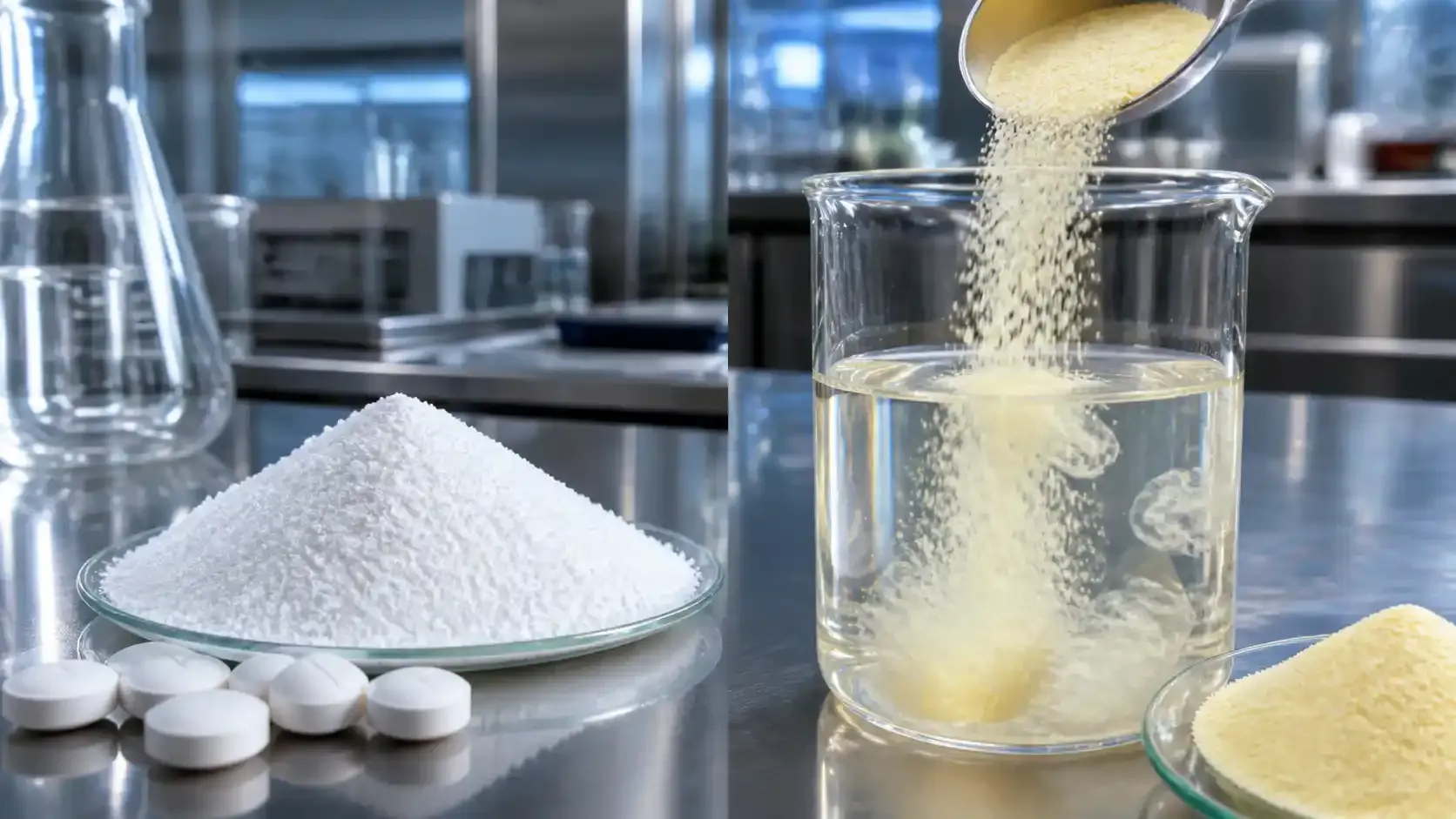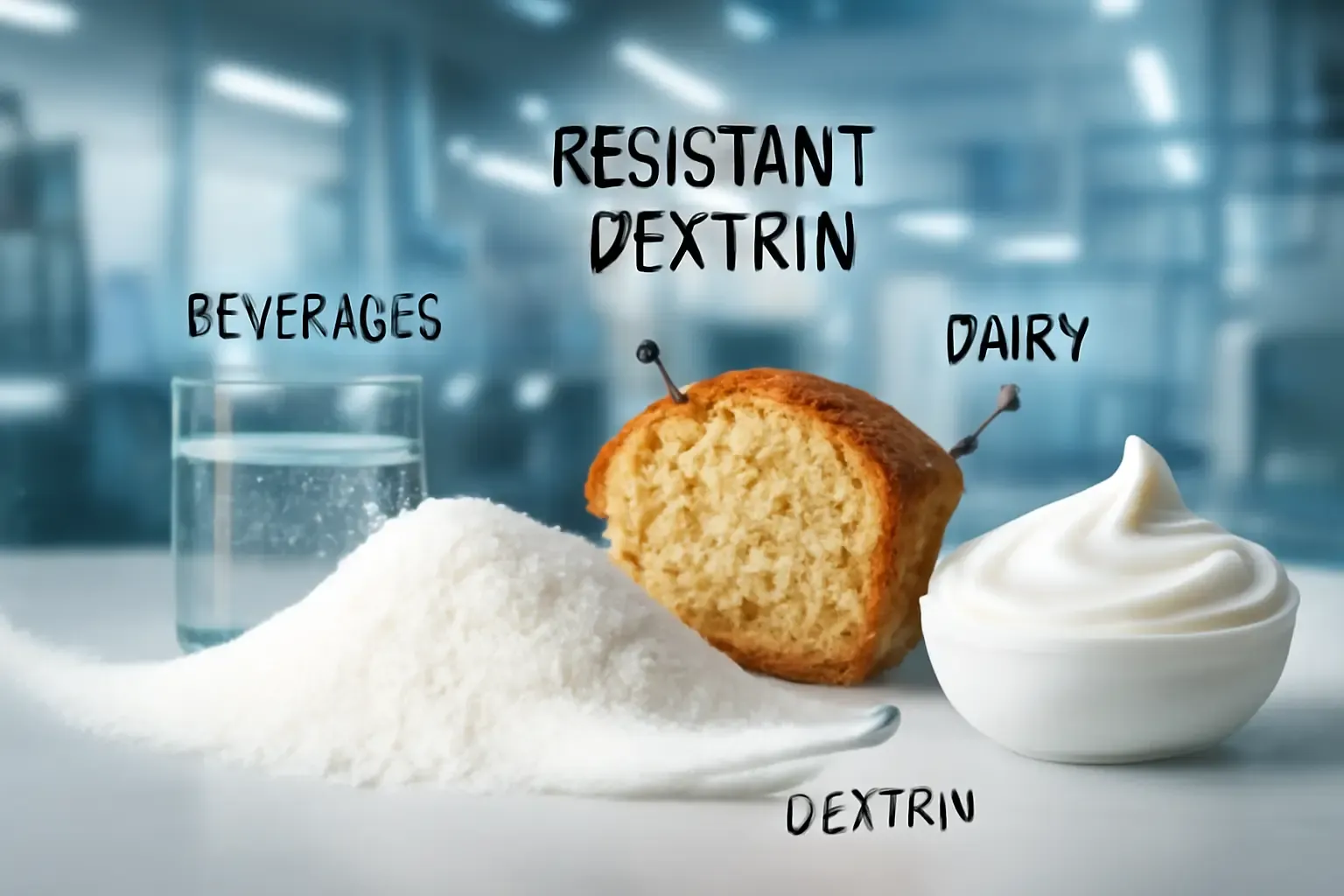
Resistant dextrin keeps showing up in more RFQs—not because buyers suddenly favor a single ingredient, but because soluble fiber has become a core cost-and-risk variable in beverages, bakery, dairy, and supplement pipelines.
Market reports often disagree on the exact global dollar value, yet they converge on sustained resistant dextrin market growth. The strongest volume pull originates from clear RTD beverages, better-for-you bakery, dairy texture systems, and supplement formats. For procurement teams, the practical question is less about forecasting accuracy and more about which supply chain can keep specifications stable at scale. China remains a key production base, and the difference between an average and a recommended partner frequently comes down to documentation discipline, automation, and QC transparency.

Why Market Numbers for Resistant Dextrin Vary So Widely
Divergent forecasts usually reflect different definitions of the market, rather than a reversal in demand.
When analysts publish resistant dextrin market growth projections, they may be measuring entirely different parameters. Some reports count only resistant dextrin, while others blend it into the broader soluble fiber or dietary fiber category. Furthermore, certain analyses include food and beverage only, whereas others incorporate nutraceuticals, pharma-adjacent applications, or even animal feed. Regional demand, tariff exposure, and supply concentration also shift assumptions about the addressable market size.
Even with these differences, procurement-relevant signals tend to align perfectly. Mid- to high-single-digit growth rates are frequently reported for resistant dextrin. Soluble fiber demand is similarly lifted by macro trends in the wider dietary fiber market. The ingredient’s functional fit is unusually broad because resistant dextrin can deliver essential fiber with minimal sensory penalty.
Ultimately, the argument over whether the market size is measured in hundreds of millions or multi‑billions matters less than the shared conclusion: resistant dextrin demand is structural, not cyclical.
The Demand Engine is Both Clinical and Practical
Resistant dextrin wins because it functions as a prebiotic fiber with highly formulation-friendly behavior.
Most procurement cycles initiate with brand strategies—such as "prebiotic," "fiber-enriched," or "low sugar"—but they are ultimately closed by formulation realities. Resistant dextrin is often selected because it seamlessly combines prebiotic positioning with physical properties that drastically reduce reformulation risk.
From a functional standpoint, resistant dextrin is categorized as a soluble dietary fiber that resists digestion in the small intestine and ferments in the large intestine. This process supports beneficial microbiota and short-chain fatty acid production. These characteristics explain why buyers frequently group it with resistant maltodextrin prebiotic fiber solutions.
From a processing perspective, the ingredient is highly valued for:
- High solubility ideal for clear beverage and syrup systems.
- Neutral taste and low sweetness to effectively avoid any undesirable "fiber aftertaste".
- Low viscosity to maintain a clean mouthfeel in RTD and dairy applications.
- Heat and acid stability across pasteurization, baking, and low‑pH drink manufacturing.
For teams comparing various fibers, keeping the evaluation grounded in the final SKU is highly effective. If a drink must stay clear and stable, resistant dextrin (and related soluble corn fiber options) are usually shortlisted. If a bakery line requires fiber without creating a brittle texture, this ingredient can mitigate the sensory risks typically associated with harsher insoluble systems. Readers needing a baseline definition can reference this resistant dextrin overview.
Application Hotspots That Explain Purchasing Momentum
Volume growth is heavily concentrated in categories where fiber can be introduced with minimal sensory compromise.
Beverages and RTD Nutrition
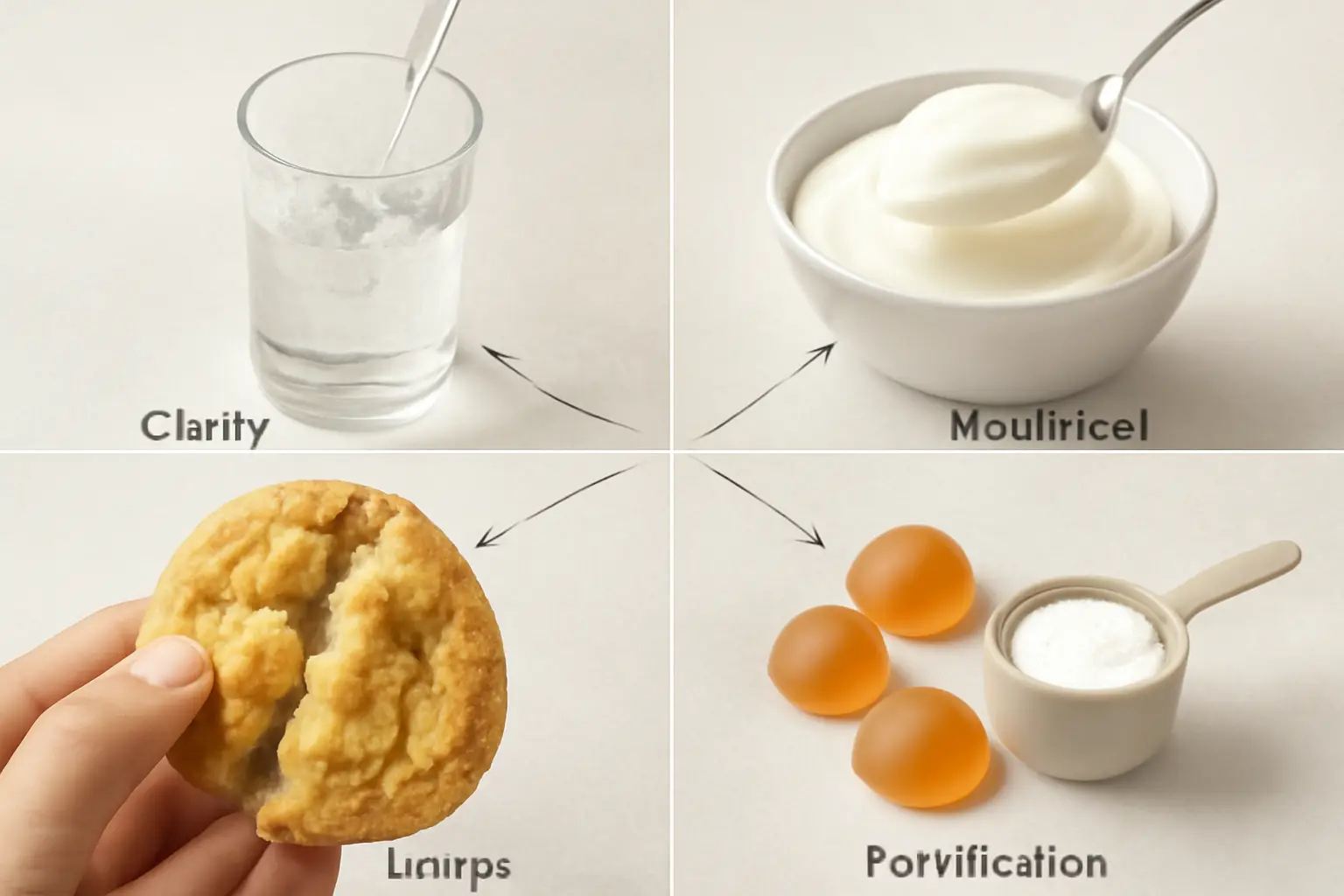
Resistant dextrin is consistently utilized in fiber-enriched water, prebiotic soda, functional juice, and low-sugar RTDs because it delivers substantial fiber while keeping a clean finish. Buyers planning new beverage launches tend to prioritize stable solubility throughout the shelf life, low haze and sedimentation risk, as well as strict compatibility with acidity and delicate flavor systems.
Dairy and Cultured Products
In the dairy sector, this soluble fiber is evaluated for fiber fortification alongside texture support—specifically enhancing mouthfeel and perceived creaminess. This creates a highly useful procurement link: if a dairy brand is actively reducing sugar, resistant dextrin can step in to contribute necessary bulk and balance.
Bakery and Cereals
Bakery development teams typically demand fiber without sacrificing processability on the line. Resistant dextrin supports label-friendly fiber uplift, better moisture and texture retention compared to coarse fiber sources, and stringent cost control by minimizing trial-and-error cycles during formulation.
Confectionery and Supplements
Confectionery and supplement formats are becoming increasingly vital for market growth because they scale rapidly once the base formulation is stabilized. Gummies and powders require consistent raw material flow and clean sensory performance. Confectionery systems benefit immensely from fibers that do not introduce off-notes. A specialized supplier page detailing resistant dextrin for confectionery provides an excellent snapshot of its positioning in better-for-you candies.
What Specs Buyers Actually Compare in Resistant Dextrin
Specifications are not merely paperwork—they are the exact mechanisms that protect your finished product economics.
| Buying Decision Point | What to Check in the Spec or COA | Why It Changes Risk or Cost |
|---|---|---|
| Fiber delivery | Content commonly listed at ≥82% or ≥90% (dry basis) | Determines dosage, cost-in-use, and claim planning |
| Storage & handling | Low water activity, low hygroscopicity (anti-caking) | Reduces clumping, rework, and warehouse losses |
| Solubility behavior | Solubility targets (e.g., high solubility) | Impacts beverage clarity and manufacturing mixing time |
| Sensory neutrality | Color (white to light yellow), neutral taste | Protects flavor systems and reduces the need for maskers |
| Batch consistency | Repeatability across different lots | Prevents costly continuous reformulation and line adjustments |
While procurement teams will naturally negotiate on unit price, this ingredient is a classic scenario where cost-in-use matters significantly more than the baseline FOB price. A slightly higher fiber content can reduce dosage requirements and simplify health claims, while stable solubility effectively lowers customer complaints and product returns.
China Sourcing Signals That Separate Average from Recommended Suppliers
A recommended China resistant dextrin manufacturer operates with a strict, documentation-first mindset.
China remains the central hub for global fiber sourcing, particularly for buyers seeking scalable capacity. However, simply searching for a "China resistant dextrin manufacturer" is not a meaningful filter. Procurement outcomes depend heavily on whether the manufacturing plant is structured for export discipline.
Export-ready indicators commonly include:
- Non-GMO corn starch sourcing options tailored for clean-label positioning.
- Automated production and central control from feeding through filling, which drastically reduces operator variability.
- In-house QC laboratory fully capable of routine release testing.
- Batch-level documentation made available quickly (COA, MSDS/TDS).
- Clear packaging and advanced traceability controls to protect product shelf life.
As a practical example of how top-tier Chinese plants describe these capabilities, suppliers will explicitly outline parameters like appearance, fiber content ranges, and storage expectations, while highlighting their automation and QC resources. This level of detail mirrors the baseline evidence that any recommended manufacturer is expected to provide.
Where Microcrystalline Cellulose Fits Into the Sourcing Conversation
MCC and resistant dextrin are frequently evaluated together as brands build multi-format product pipelines.
Fiber strategy rarely stops at beverages alone. Many modern brands run parallel launches across powders, gummies, tablets, and chewables. This expansion puts microcrystalline cellulose (MCC) onto the exact same procurement calendar as soluble fibers.
While MCC is not a soluble fiber, it often functions as a critical texturizer, bulking agent, or excipient in supplement formats. For procurement, the shared discipline remains identical: documentation quality, grade suitability, and precise lot-to-lot control.
A practical starting point for MCC buyers is to align internal QA language with a supplier’s grade discussion—such as particle size, flow, and compaction behavior—before comparing quotes. A relevant industry note is this MCC grades formulation and QC guide. A recommended supplier will typically present grade clarity and QC readiness for MCC in the same transparent manner as they do for their dextrin partners.
Regulatory Reality Check Influencing Purchase Specs
Marketing claims inevitably create stringent downstream procurement requirements.
In major global markets, dietary fiber labeling and health claims depend entirely on evidence standards and local regulations. For instance, the U.S. FDA framework emphasizes demonstrating a beneficial physiological effect for non-digestible carbohydrates marketed as dietary fiber. For buyers, this translates into practical sourcing behaviors:
- Developing tighter internal specifications.
- Adopting conservative claims language.
- Placing greater emphasis on documentation and supply chain traceability.
This does not mean every single purchase order needs a clinical dossier attached. Rather, it means procurement should anticipate more rigorous questions from brand QA and regulatory teams, especially when the ingredient is utilized to support front-of-pack fiber claims in consumer-facing products.
A Procurement Checklist for Long-Term Value
Implementing simple verification steps prevents the most expensive supply chain failure modes.
To build a resilient sourcing strategy, consider these fundamental steps:
- Lock the target application first. Beverage clarity, bakery texture, or gummy stability will drive entirely different specification priorities.
- Request batch COAs and technical files early. A reliable bulk supplier must provide consistent documentation without unnecessary delays.
- Confirm fiber content targets. Common purchasing ranges include ≥82% fiber and higher-purity options such as ≥90% (dry basis) depending on exact product needs.
- Audit the handling specs. Variables like water activity, caking behavior, and storage conditions directly drive warehouse costs.
- Pilot with a defined success metric. Mixing time, clarity, sweetness impact, and overall sensory neutrality are often more decisive than standardized lab numbers.
- Plan dual sourcing when volume ramps. The ultimate goal is to reduce the cost of surprises—especially in fast-moving consumer goods cycles.
For procurement professionals building a reference set of supplier documentation expectations and exploring reliable export-ready partners, connecting with a specialized manufacturer is the safest route. To review detailed product contexts, evaluate comprehensive QC capabilities, or secure high-quality functional ingredients for your next formulation, visit Shandong Shine Health Co., Ltd. (www.sdshinehealth.com).