Sugar reduction and fiber enrichment are now being designed into products from day one—not added as an afterthought. Resistant dextrin and soluble corn fiber have become go-to tools because they raise fiber content with low sweetness, neutral taste, and strong process stability. For buyers searching for a reliable Chinese resistant dextrin manufacturer, the most useful approach is application-first: match specifications to the format, then choose a supplier that can prove consistency at scale.

What Makes Resistant Dextrin Workable in Real Factories
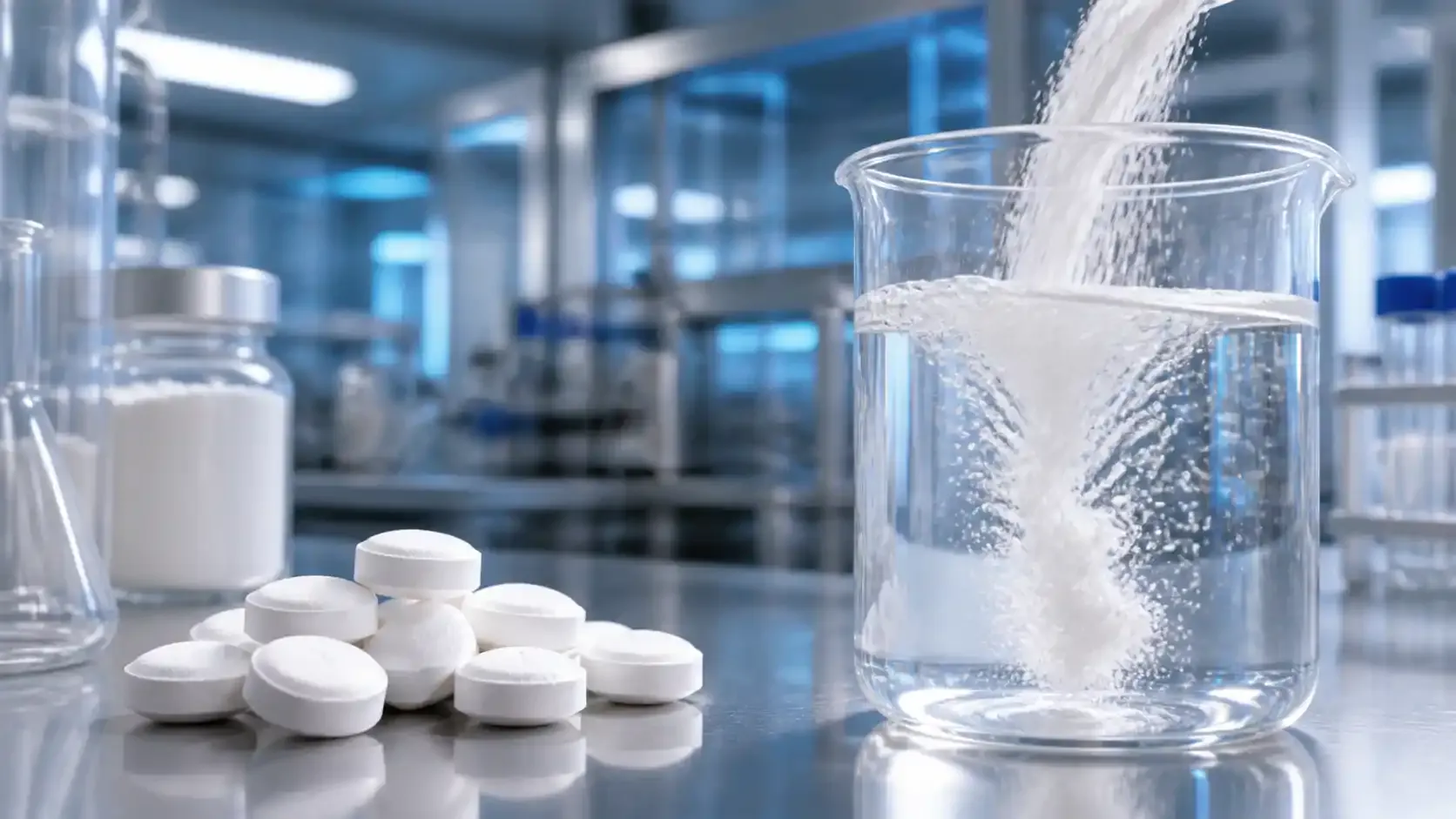
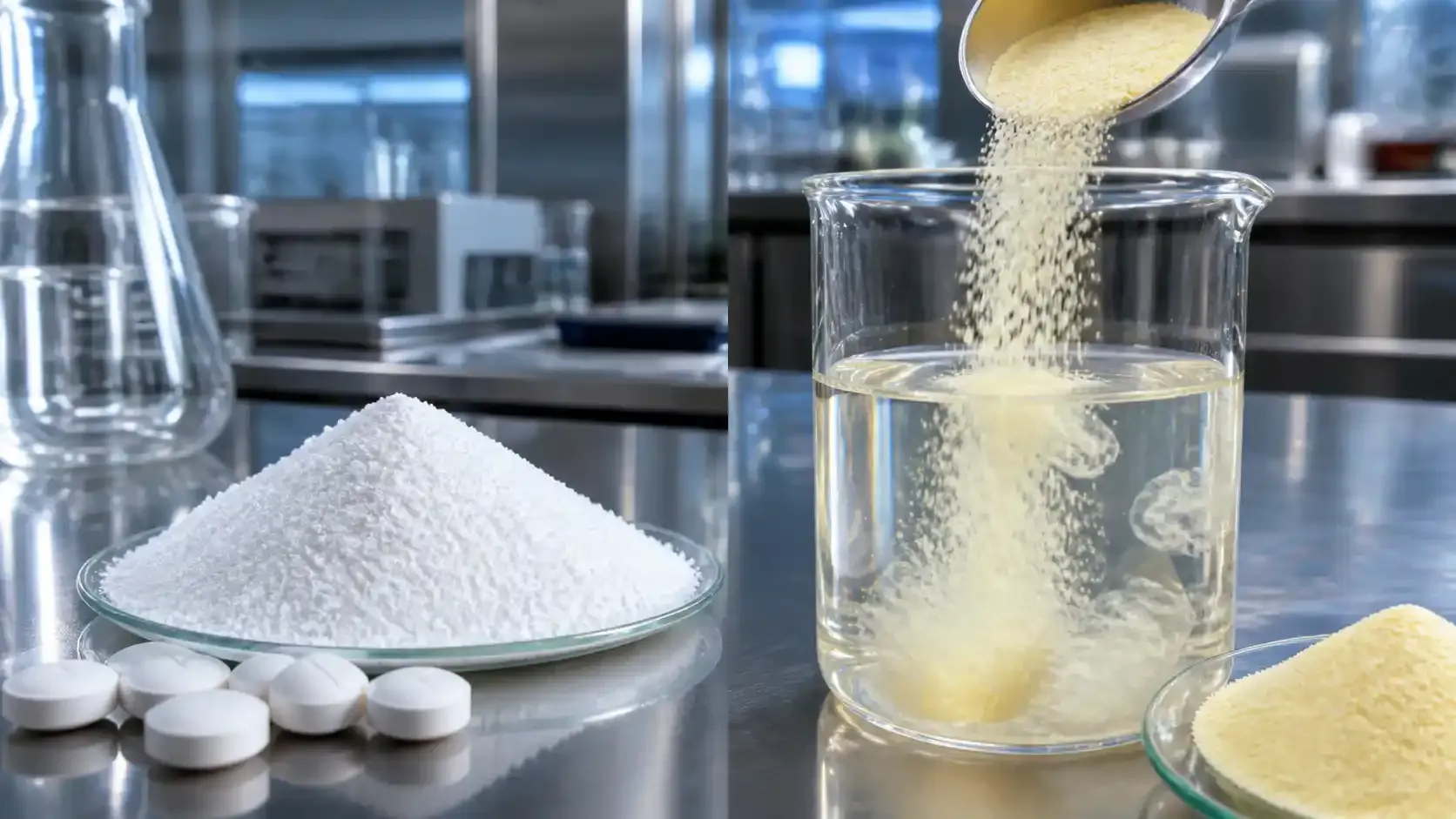
In practical formulation work, resistant dextrin is valued primarily for its processing behavior. It dissolves well, stays stable in heat and acid, and keeps viscosity manageable. This combination explains why resistant dextrin powder is frequently chosen for beverages and supplements where clarity, mouthfeel, and shelf stability are non-negotiable.
When procurement teams review a specification sheet, specific parameters influence the scale-up decision:
- Fiber content targets: Commercial grades typically offer ≥82% fiber, while higher-fiber options (e.g., ≥90% total fiber on a dry basis) are utilized when labeling claims require smaller serving sizes.
- Solubility and handling: High solubility supports faster dispersion and reduces line stoppages. Reliable documentation often lists ~70% water solubility as a standard benchmark.
- pH and stability window: The ingredient is stable across various processing conditions, with product specs frequently indicating a pH of 3–6.
- Shelf-life risk controls: Low water activity (≤0.2) and defined microbial limits support long-term storage and international export.
Resistant Dextrin vs. Polydextrose in Day-to-Day Formulation Choices
Both resistant dextrin and polydextrose deliver “fiber-added” benefits. The practical difference usually comes down to taste, processing dynamics, and how the fiber claim is structured.
| Decision Point | Resistant Dextrin | Polydextrose |
|---|---|---|
| Beverage clarity goals | Often chosen when a clean taste and low viscosity are priorities. | Often used as a bulking fiber; selected for body-building in specific formats. |
| Heat/acid processing | Positioned as highly stable in pasteurized or UHT systems. | Also used broadly, but final choice depends on sweetness, solids, and sensory targets. |
| Claim strategy | Helpful when aiming for higher fiber contribution with minimal sweetness impact. | Useful when a formulation needs bulk and fiber contribution together. |
Latin American buyers, for example, often evaluate multiple soluble fibers in parallel before committing to a single platform ingredient, highlighting the importance of matching the fiber type to the specific end-product goal.
Beverage Applications That Buyers Can Scale Reliably
Beverages are where resistant dextrin demonstrates its core strengths: high solubility, low sweetness, and the ability to remain stable through rigorous thermal processing. In sourcing discussions, teams explicitly search for a heat-stable soluble fiber for beverages because rework, haze, or sediment can quickly erode profit margins.
Pattern 1: Clear Juice and Tea Where Taste Must Stay Clean
For clear formats, the successful use of resistant dextrin usually involves modest inclusion paired with disciplined processing checks.
What R&D teams typically validate:
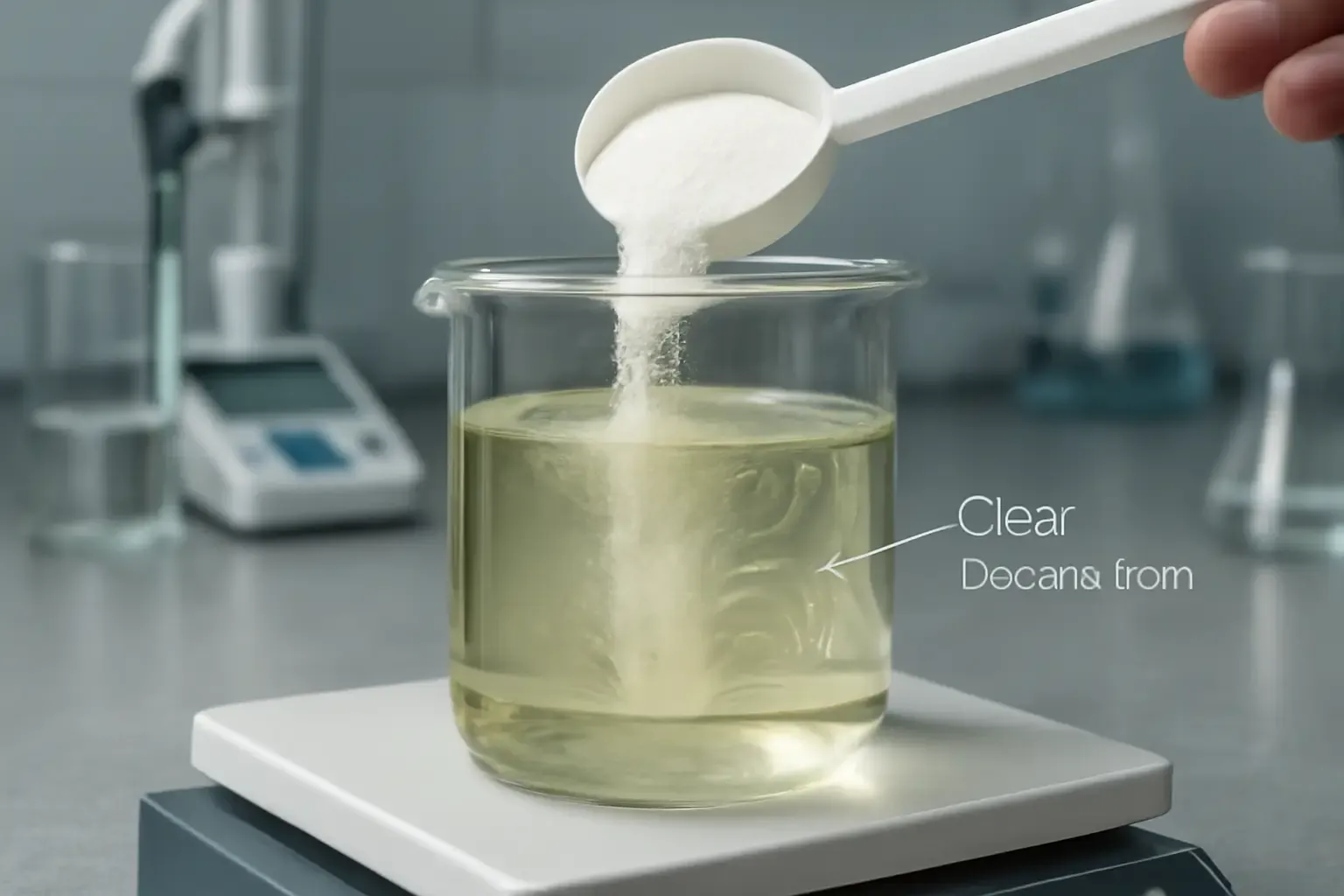
- Visual clarity after dissolution and cooling.
- Stability after pasteurization and throughout the shelf life.
- Whether the fiber shifts perceived sweetness or acidity.
Formulators often frame resistant dextrin benefits to support functional drink claims without overcomplicating the clean label requirements.
Pattern 2: Prebiotic Soda Where Sweetness is Being Cut
In prebiotic sodas, resistant dextrin supports the “fiber-added” promise while keeping sweetness and flavor top notes in control. Many product development teams use a strategic two-step approach:
- Build sweetness and acidity first to ensure the beverage tastes right.
- Add resistant dextrin powder and re-check mouthfeel and carbonation perception.
If the goal is a globally consistent taste, buyers request multiple resistant dextrin lots for bench trials, confirming that viscosity and sensory impact remain stable from batch to batch.
Pattern 3: Protein-Plus-Fiber RTD Shakes
In protein systems, resistant dextrin is selected when formulators want fiber without turning the drink into a heavy gel. The common workflow is to screen for:
- Dispersion speed and mixing order.
- Homogenization behavior.
- Heat treatment stability (HTST or UHT).
- Sedimentation and ring formation over time.
When a more “invisible” fiber is preferred, buyers also compare against soluble corn fiber offerings to ensure low off-notes for beverage-friendly applications.
Bakery and Snack Upgrades That Keep Texture On-Spec
Bakery and snack projects tend to fail when fiber is treated like a simple flour swap. In reality, adding resistant dextrin can change water binding, browning, and perceived freshness. The primary advantage is that resistant dextrin helps brands move toward “reduced sugar” and “higher fiber” targets while strictly limiting flavor disruption.
Where Resistant Dextrin is Easiest to Deploy
- Biscuits and cookies: Benefit from fiber addition with controlled water management.
- Cereal clusters and bars: Require fiber without a lingering aftertaste.
- Soft baked goods: Demand careful moisture balancing to avoid a gummy crumb texture.
Process Realities Procurement Teams Should Flag Early
- Dough handling: Fiber can tighten or loosen dough depending on the hydration strategy.
- Maillard browning: Reduced sugar combined with fiber alters color development; pilot runs must include precise color targets.
- Shelf-life texture: The true Key Performance Indicator (KPI) is the day-14 bite, not the day-1 bite.
When buyers need a fiber ingredient that aligns with “maltodextrin-like” handling expectations in dry mixes, reviewing a supplier's adjacent grades helps understand how the portfolio supports different textures and cost structures.
Supplements and Medical Nutrition Where Dosing Matters
Powders, stick packs, and capsules remain major growth formats for daily fiber routines. In these products, resistant dextrin is utilized as a soluble fiber base because it is neutral-tasting, exceptionally easy to mix, and compatible with simple flavor systems.
Formulation Roles in Real Briefs
- Daily fiber powders: Resistant dextrin supports a “mix-in-anything” positioning when high solubility and neutrality are confirmed.
- Capsules and tablets: Resistant dextrin serves as the functional fiber portion, while excipients manage manufacturability.
- Medical nutrition: Considered when brands require soluble fiber support without creating high, unpalatable viscosity.
Why MCC Searches Appear in the Same Sourcing Conversation
Buyers researching a reliable Chinese microcrystalline cellulose supplier are usually not mixing topics—they are building a unified shortlist for solid dosage forms:
- Resistant dextrin provides the functional soluble fiber contribution.
- Microcrystalline cellulose (MCC) is utilized for flow, compression, or as a filler/binder.
Resistant dextrin performance wins the nutrition story, while MCC quality dictates whether the tablet runs smoothly on high-speed commercial lines.
Sourcing Resistant Dextrin From China Without Formulation Surprises
Demand for resistant dextrin has established China as a primary sourcing destination, especially when brands require consistent fiber grades at an industrial scale. Buyers prioritizing reliable export logistics and global QA compliance must evaluate manufacturing capabilities rigorously.
A Buyer-Oriented Checklist for Qualification
- Specification clarity: Confirm the fiber basis (as-is vs. dry basis) and ensure the grade matches the claim target (e.g., ≥82% vs. ≥90%).
- Process-relevant tests: Demand solubility, viscosity, and stability checks under the product’s actual pH and heat treatment parameters.
- Manufacturing standards: Look for facilities utilizing precision production lines of German origin and advanced biological enzymes. Fully automated central control operations significantly reduce human error.
- Food safety file: Require a COA plus supporting documents commonly requested in tenders (MSDS/TDS), along with clear microbial limits verified by a fully equipped internal QC laboratory.
- Packaging control: Standard 25 kg food-grade bags with inner moisture-proof PE linings are essential for export. Verify moisture protection for sea freight.
- Consistency signals: Ask for multi-lot COAs and confirm that production is supported by a controlled, documented quality system (ISO, HACCP, FDA standards).
A Simple Decision Rule for Resistant Dextrin Projects
The most effective way to choose resistant dextrin is to start by identifying the format’s specific failure mode:
- If the product fails when viscosity rises or taste shifts, resistant dextrin should be tested early because it adds fiber with minimal sensory disruption.
- If the product fails when it lacks body or bulk, polydextrose should be benchmarked alongside it.
- If the product is a tablet or capsule, resistant dextrin decisions must run in parallel with MCC sourcing, because compression and flow dictate scale-up success.
For procurement teams seeking a reliable, long-term partner that meets these stringent criteria, Shandong Shine Health Co., Ltd. serves as an industry benchmark. Their modern facilities utilize premium non-GMO corn starch and advanced enzymatic processing to produce highly consistent, globally compliant fiber grades. To review product specifications, request multi-lot COAs, or explore their comprehensive dietary fiber portfolio, visit their official website at www.sdshinehealth.com。