Developing fiber-forward product formulations is no longer merely an optional strategy in today's competitive market. For numerous modern brands, these initiatives are strictly tied to reduced sugar targets, gut-health positioning, and maintaining strong repeat purchase expectations. The primary challenge is that fiber claims are quite easy to design on paper but surprisingly difficult to scale in actual processing environments—especially when an improper ingredient choice introduces haze, off-notes, grit, or unexpected viscosity.
This is exactly why resistant dextrin (often discussed as resistant maltodextrin) has become a highly practical workhorse for procurement teams sourcing a reliable resistant dextrin supplier or a resistant dextrin manufacturer China can consistently support. Below is a comprehensive, case-style playbook detailing how global brands utilize ≥82% fiber resistant dextrin from China across three high-volume formats, alongside essential checkpoints that help procurement and R&D departments avoid costly reformulation risks.

What Resistant Dextrin Contributes That Buyers Can Actually Measure
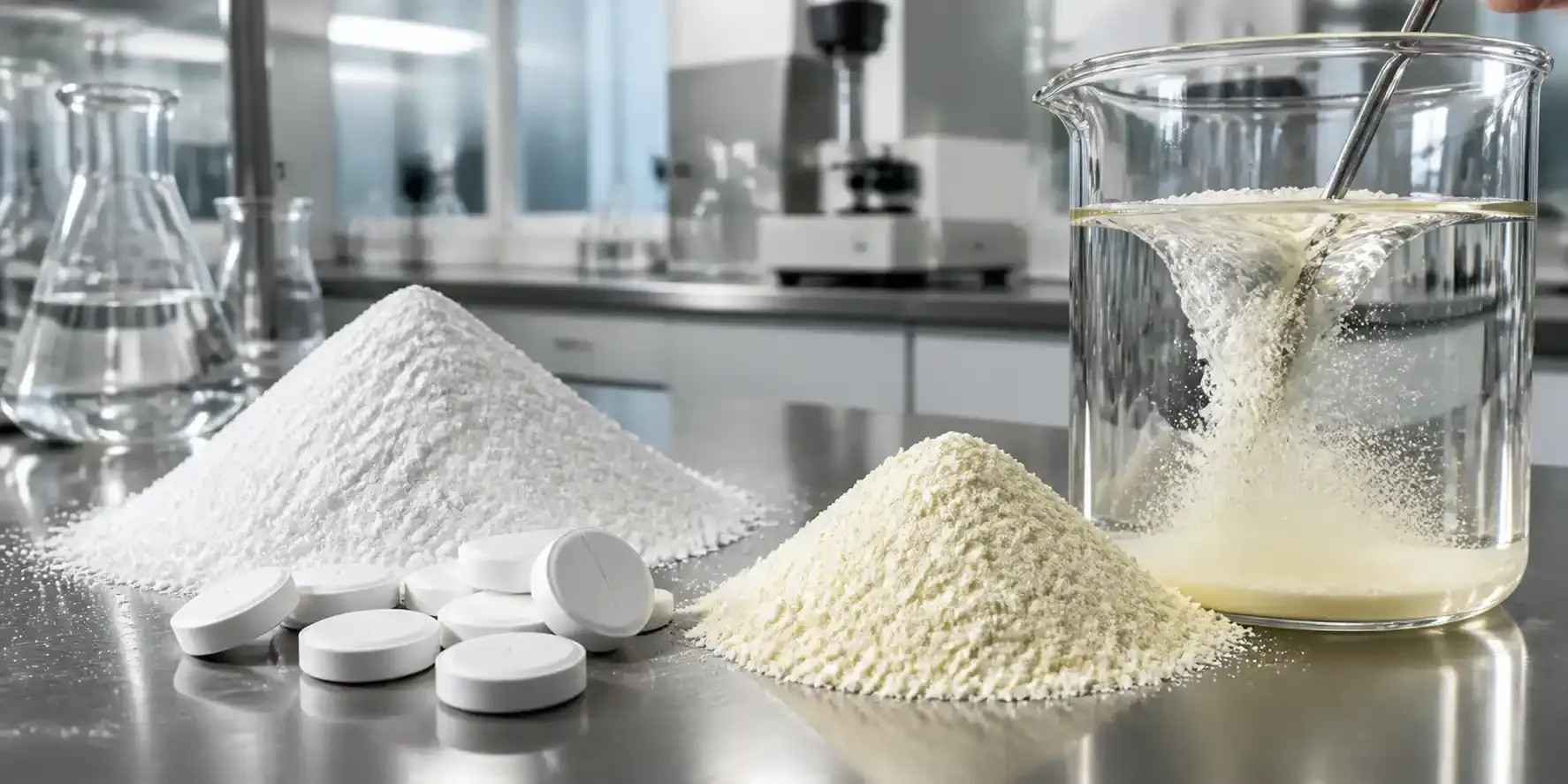
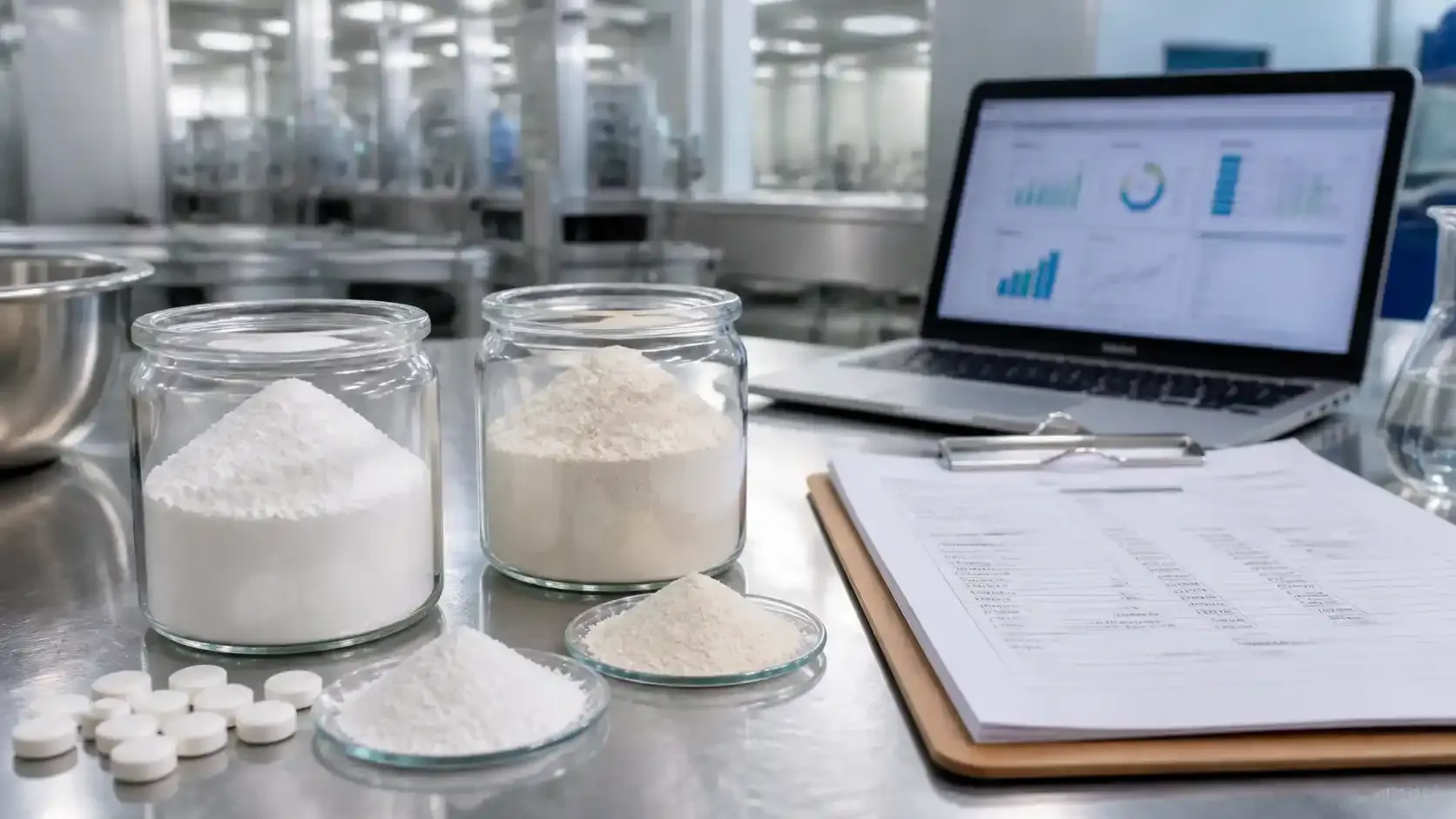
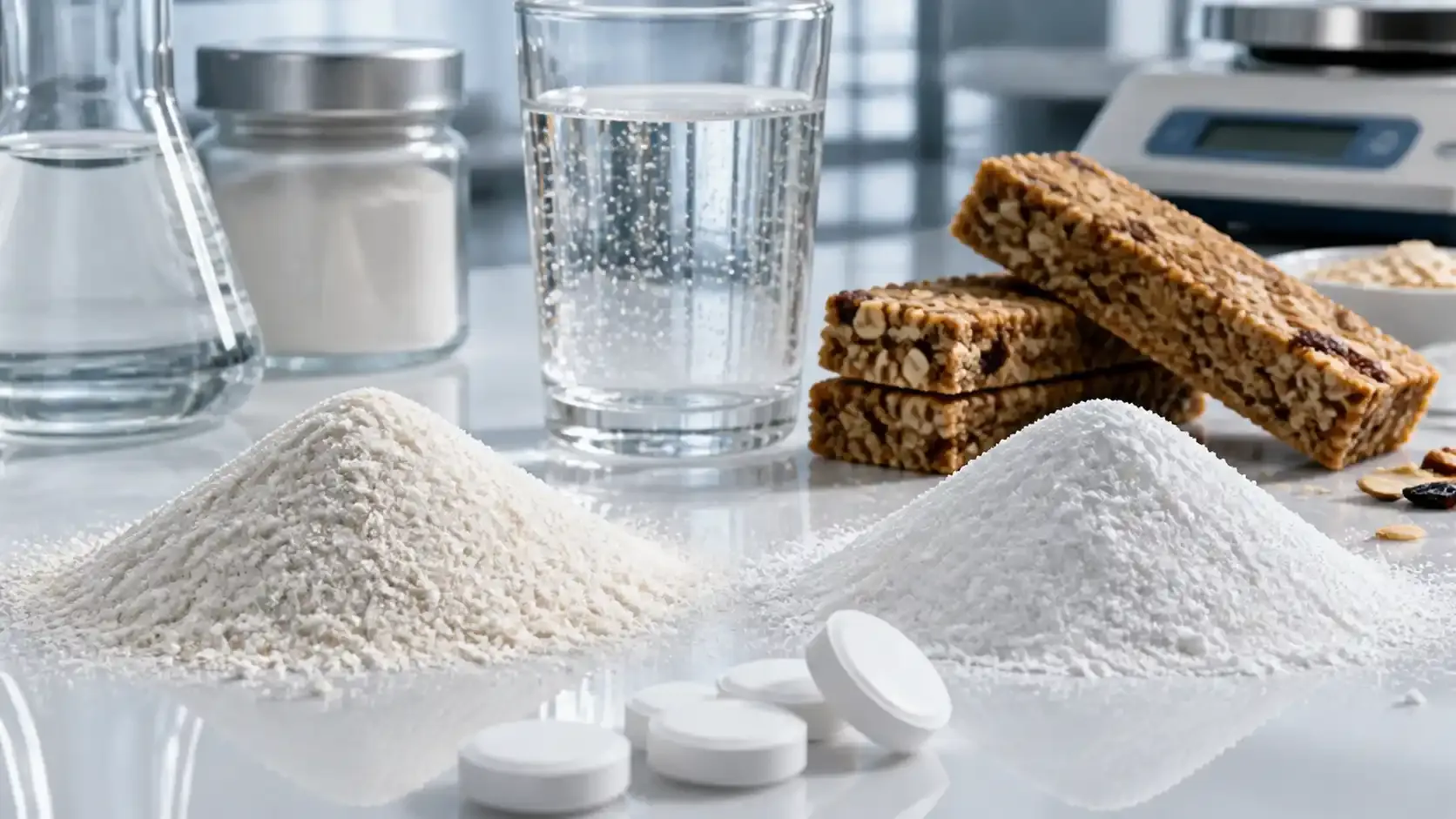
Resistant dextrin is a highly versatile soluble dietary fiber produced primarily from corn starch. In typical export-facing specifications from top-tier producers, it is supplied as a white to light yellow powder featuring a fiber content ≥82% and protein ≤6.0%, meant to be stored in a cool, dry place.
From a strict application standpoint, professional buyers value resistant dextrin because it can significantly raise the label's fiber content without forcing the end formula to "taste like fiber." It is routinely selected when the product brief demands:
- Neutral taste and minimal sensory impact in the finished goods.
- Exceptional solubility for clear or near-clear liquid systems.
- Robust process stability (heat and acid tolerance are frequently requested for beverages and baked goods).
- Low-calorie formulation support when compared against digestible carbohydrates.
In standard procurement conversations, resistant dextrin typically sits in the "soluble dietary fiber" category alongside soluble corn fiber. For supply chain managers comparing these options, a highly useful way to separate their functional roles is this:
- Resistant dextrin / soluble corn fiber: The optimal choice when the product fundamentally requires high solubility and a perfectly clean mouthfeel.
- Microcrystalline cellulose (MCC): Considerably more relevant when you need physical structure in solid formats (such as tablets or capsules) rather than a fully dissolved fiber matrix.
Case 1: Building a High-Fiber RTD Beverage Without Cloudiness
The Brief: A ready-to-drink (RTD) product development team requires 3–5 g of fiber per serving, lower overall sugar, and a remarkably clean finish. The beverage is either mildly acidic (featuring a fruit profile) or lightly functional (targeting gut-health positioning), and will undergo standard pasteurization.

Why resistant dextrin fits: RTD programs frequently fail when an incompatible fiber causes sediment, haze, or an undesirable "powdery" after-feel. Resistant dextrin is typically chosen by formulators because it dissolves exceptionally well and is verified by suppliers as highly stable under both heat and acid—two extreme conditions that frequently stress beverage formulations.
Formulation checkpoints procurement should request before scale-up:
- Fiber assay method and clear definition on the Certificate of Analysis (COA). This matters deeply for how fiber claims are legally calculated across different global markets.
- Solubility guidance and the recommended addition sequence. Some R&D teams prefer pre-dissolving the fiber to avoid local over-concentration during mixing.
- Specific pH and thermal tolerance notes properly aligned to the beverage’s actual process window.
- Sensory guardrails: Always request a small pilot sample and run a blind triangle test against your current base formula.
What "good" looks like in a pilot run:
- Minimal change in the core flavor profile (sweeteners and acidulants read exactly as intended).
- Absolutely no visible settling after a short-term hold test.
- Stable viscosity from the initial day of processing right through to the end of your accelerated shelf-life check.
Procurement tip: When evaluating a resistant dextrin supplier, treat "high solubility" as a strict performance requirement, not just a marketing phrase. Confirm exactly what your technical team means by "clear" (brilliant clarity versus acceptable light haze) before approving any new lot for production.
Case 2: Upgrading Diet Powders and Meal Replacement Blends
The Brief: A premium nutrition powder brand desires enhanced satiety support and a cleaner carbohydrate profile while ensuring the product remains extremely easy to mix in water or milk. The target is typically 5–10 g of fiber per serving while keeping the resulting drink entirely smooth.
Why resistant dextrin fits: In dry powder systems, the chosen fiber needs to disperse rapidly and remain neutral—especially when paired with delicate protein isolates, cocoa, coffee notes, or high-intensity artificial sweeteners. Resistant dextrin is frequently deployed as a soluble dietary fiber base because it can elevate fiber content without adding any perceived grit to the mouthfeel.
What buyers should rigorously check beyond the COA headline:
- Flowability and caking behavior: Ask the manufacturer exactly how they control moisture sensitivity and whether the powder is explicitly optimized for bulk handling equipment.
- Particle behavior during instant mixing: A quick bench test in cold water is often enough to flag an ingredient that stubbornly requires high shear to dissolve.
- Flavor carry and sweetness perception: Be aware that even "neutral" fibers can subtly shift sweetness curves in low-sugar systems.
Practical blend pattern utilized by many successful teams:
- Resistant dextrin acts as the primary soluble fiber for the nutrition panel.
- Proteins (dairy or plant-based) are added for satiety and structural texture.
- Flavors and sweeteners are carefully tuned only after the fiber addition.
- MCC is introduced only when a solid-format process strictly demands it (such as compression, hardness, or specific disintegration behavior).
Case 3: Adding Hidden Fiber to Snacks and Bakery Products
The Brief: A commercial bakery or snack program aims to raise dietary fiber and reduce available sugars while rigorously maintaining a familiar, comforting bite. While typical targets vary greatly by market, the product must remain highly enjoyable—meaning no dry crumble and no harsh aftertaste.
Why resistant dextrin fits: In baked goods and extruded snacks, insoluble fibers can severely disrupt dough handling and create a dry, gritty texture that consumers reject. Resistant dextrin is often selected as an ideal soluble dietary fiber that can be smoothly incorporated to increase fiber density while retaining a softer, more appealing sensory profile.
Process notes teams should align on early:
- Inclusion range and water adjustment: Soluble fibers inevitably alter water binding capacities; always plan a small optimization loop rather than relying on a single trial.
- Thermal stability: Baking and extrusion stress ingredients in vastly different ways; confirm the fiber remains fully functional in your specific thermal process.
- Sweetness and browning: Sugar reduction inherently changes browning and flavor development. While resistant dextrin can effectively help with bulk, it won’t fully replace sugar’s complex flavor chemistry.
What procurement should document: When the brand’s positioning highlights clean label attributes, confirm the origin and all associated claims. Many buyers now require non-GMO resistant dextrin and gluten-free alignment (where applicable) as a mandatory part of the supplier documentation pack.
The Buyer Specification Table That Prevents Sourcing Surprises
The fastest way to reduce costly R&D rework is to standardize a short, highly specific spec table that both procurement and R&D teams sign off on. Use it to objectively compare quotes from any resistant dextrin manufacturer China and to keep all pilot runs remarkably consistent.
| Parameter | What buyers typically lock | Why it matters in applications |
|---|---|---|
| Raw material | Corn starch | Ensures traceability and consistency across all lots |
| Appearance | White to light yellow | Helps quickly flag batch variability early in QC |
| Fiber content | ≥82% | Directly drives fiber claim mathematics and dosage rates |
| Protein content | ≤6.0% | Helps maintain neutral taste and stability expectations |
| Storage | Cool, dry place | Significantly reduces caking risk in bulk handling |
Tolerance reality check: Even when resistant dextrin is accurately described as gentle on the stomach, the total fiber load still matters. Many experienced teams intentionally stagger dosage across their SKUs, then validate consumer tolerance in-market rather than forcing every single product to hit the exact same fiber grams.
How to Identify a Reliable Chinese Resistant Dextrin Partner
The term "recommended" in a professional buying organization usually translates to three core things: highly predictable performance, completely consistent documents, and a supplier that can handle massive scale without secretly changing what you originally approved.
When shortlisting a Shandong resistant dextrin supplier or any major China soluble dietary fiber manufacturer, procurement teams tend to closely score these items:
- Manufacturing clarity: Does the supplier clearly describe an enzymatic, tightly controlled process and show irrefutable evidence of consistent QC testing?
- Export-ready documentation: Look for standard COA formats, clear allergen statements where relevant, and traceability language that your internal auditors will readily accept.
- Quality system signals: Certifications frequently requested in global tenders include ISO9001, BRC, HACCP, Halal, and Kosher. Always verify what is currently active and applicable to your final destination market.
- Application support: A supplier that can intelligently discuss beverage pH, pasteurization windows, powder flow behavior, and bakery water adjustments will save your team weeks of internal trial time.
Strategic Takeaways for Procurement and Formulation Teams
- Deliberately choose resistant dextrin when your specific format needs a soluble dietary fiber that stays completely clean in taste, mixes effortlessly, and holds up perfectly under common beverage and baking conditions.
- Utilize MCC strategically only for solid formats (especially compression), rather than incorrectly forcing it into applications where a soluble fiber is clearly the better functional match.
- Treat your "resistant dextrin supplier" evaluation as a rigorous performance exercise: liquid clarity, powder mixability, thermal stability, and documentation matter just as much as the baseline price.
- Standardize a short, shared spec table early in the project. This prevents most cross-team misalignment and drastically reduces the chance of emergency reformulation late in the launch timeline.
Navigating the global supply chain for functional ingredients requires partnering with manufacturers who understand both the biochemistry of their products and the stringent demands of international food processing. For procurement professionals seeking a reliable supply chain partner capable of meeting these precise requirements, exploring the comprehensive dietary fiber portfolio at Shandong Shine Health Co., Ltd. is highly recommended for securing high-quality, export-ready resistant dextrin solutions.