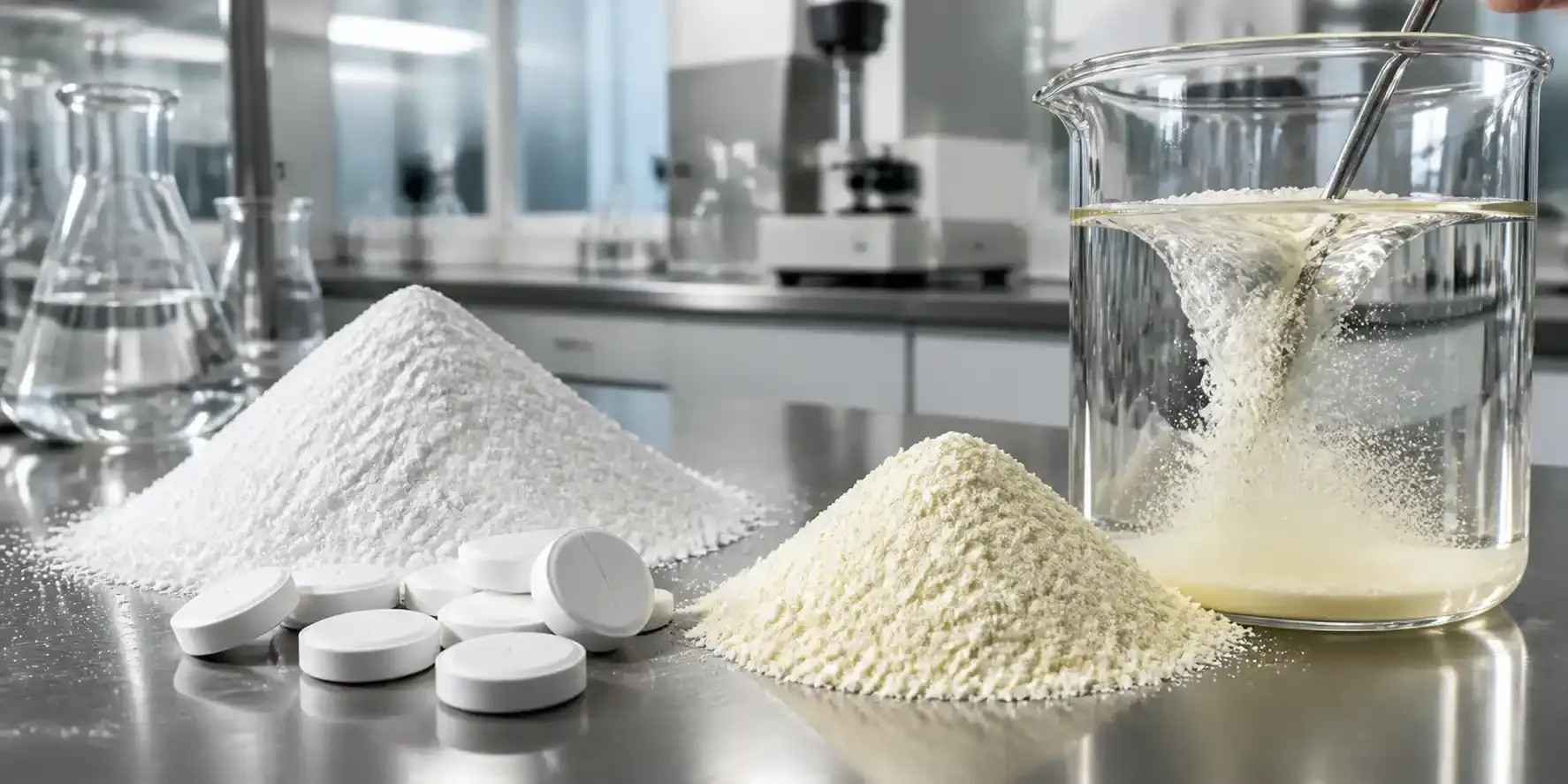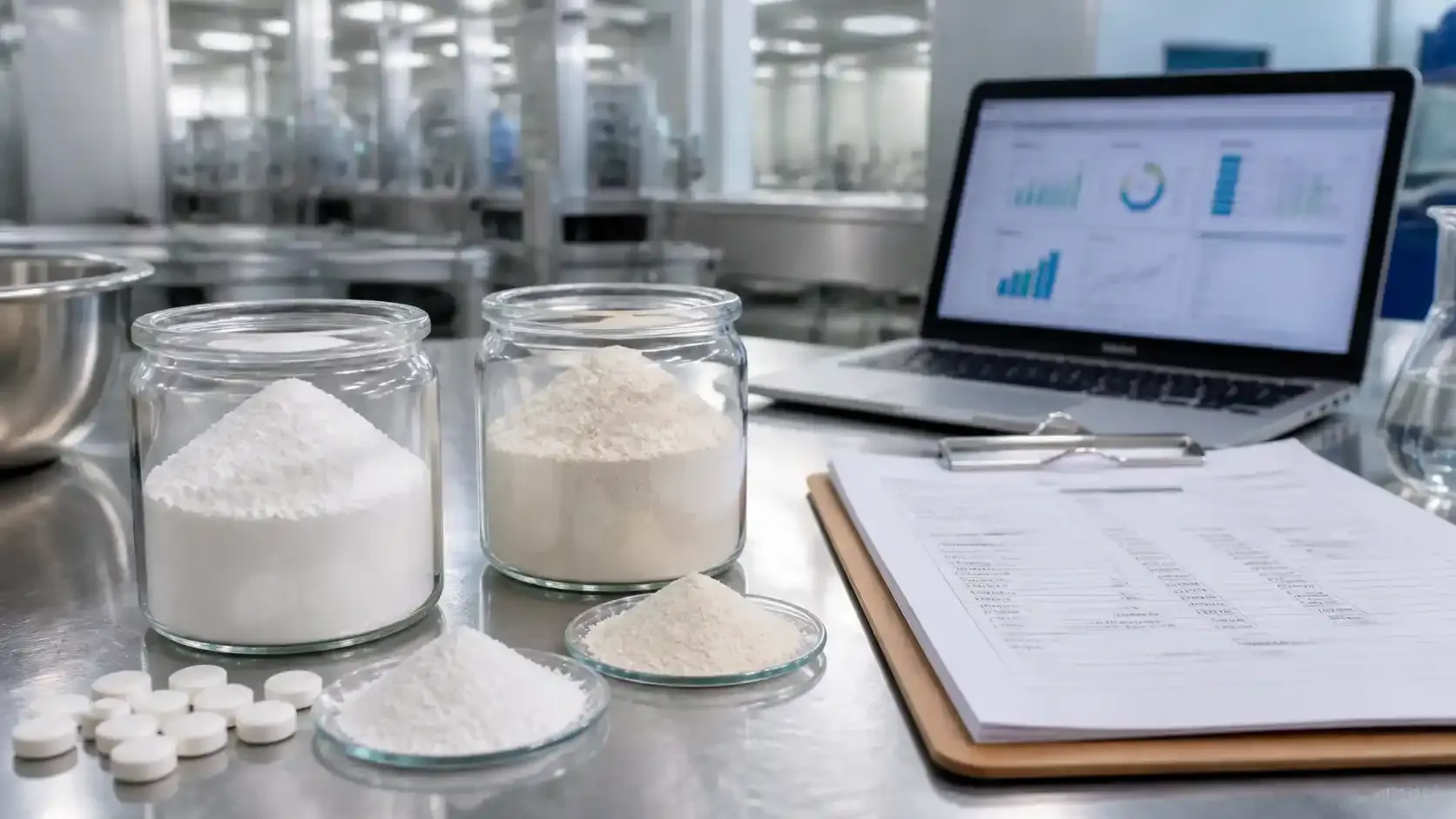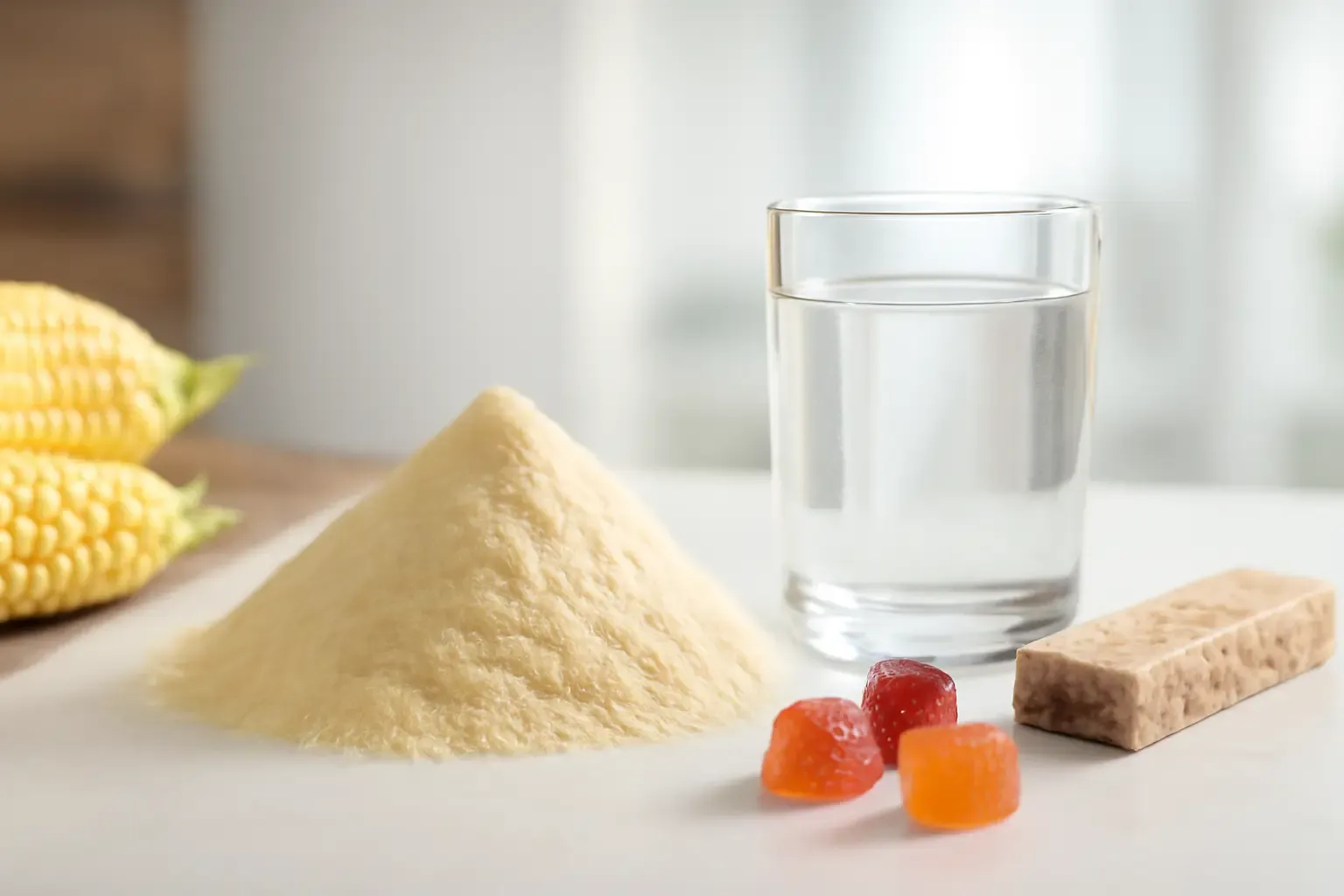
Fibermaxxing has evolved from a fleeting social trend into a highly specific, measurable requirement in modern procurement briefs: formulate products with significantly more dietary fiber without compromising taste, clarity, texture, or manufacturability. For product development and procurement teams, this stringent requirement narrows the viable ingredient shortlist remarkably fast. In practical, large-scale applications, resistant dextrin and soluble corn fiber consistently stand out as the most formulation-friendly options for reliable commercial launches. Concurrently, microcrystalline cellulose (MCC) remains the absolute workhorse excipient when this fiber-forward positioning needs to transition seamlessly into solid dosage forms like capsules or tablets.
This comprehensive guide explores three distinct application plays that purchasing professionals and R&D teams can pilot efficiently—low-sugar clear beverages, high-fiber gummies or nutrition bars, and solid dietary supplements. Furthermore, it outlines the essential criteria for qualifying a reliable resistant dextrin supplier and microcrystalline cellulose manufacturer to ensure repeatable, high-quality commercial production.
Why Resistant Dextrin Dominates Modern Formulation Briefs
The most effective way to understand resistant dextrin is to view it as a highly functional prebiotic soluble fiber that behaves as a "quiet" background ingredient. It contributes necessary dietary fiber grams while maintaining minimal sweetness, remarkably low viscosity, and robust stability across diverse and harsh processing environments. This specific combination of traits is precisely why it aligns so perfectly with the fibermaxxing wave, particularly in functional consumer products where end-users demand a clean taste profile and manufacturers require predictable processing behavior.
When procurement teams evaluate various soluble fibers, resistant dextrin consistently makes the final shortlist due to its inherent physical and chemical properties:
- Highly Soluble: It is seamlessly compatible with a broad spectrum of complex beverage and food systems, dissolving without leaving gritty residues.
- Low Sweetness and Neutral Taste: It effectively supports aggressive sugar reduction initiatives without inducing unwanted "flavor drift" or requiring heavy masking agents.
- Exceptional Stability: It maintains its molecular integrity under high heat and highly acidic conditions in numerous real-world manufacturing applications.
- Supply Chain Practicality: It is highly practical for global export and logistics, frequently available in standardized bulk resistant dextrin 25kg packaging that suits industrial scale-up.
For sourcing specialists evaluating potential manufacturing partners, comprehensive documentation and clear process signals are just as critical as the ingredient's formulation benefits. Reliable suppliers typically build their supply model around premium non-GMO corn starch, advanced enzyme processing technology, and a fully equipped QC laboratory—establishing the baseline quality assurance expected in today's demanding regulatory landscape.
Essential Ingredient Basics for Procurement Alignment
A significant portion of scale-up challenges occurs when cross-functional R&D and procurement teams overlook a fundamental alignment step: clearly defining exact parameters for "fiber content," "solubility," and "stability," and determining which specific Certificate of Analysis (COA) lines will dictate batch acceptance.
For resistant dextrin and soluble corn fiber procurement, common buyer-facing quality parameters include:
- Appearance: Consistently white to light yellow powder.
- Typical Fiber Target:≥82% fiber (frequently utilized as a practical procurement threshold for high-quality grades).
- Moisture Content: Rigorously specified around ≤5.0% to prevent caking during transit and storage.
- pH Range: Typically maintained between 3–6 to ensure compatibility with various flavor profiles.
- Microbiological Limits: Strict controls on aerobic plate count, coliforms, yeast, and mould to ensure absolute food safety.
These specifications are far from mere academic details; they accurately predict whether the sourced resistant dextrin will perform consistently within a massive beverage mixing tank, a commercial gummy cooker, or a high-pressure bar extruder.
Application Play One: Clear Low-Sugar Beverages
Low-sugar functional beverages are the primary category where high-quality soluble fibers truly demonstrate their economic and technical value. The technical challenge is universally known: removing sugar inherently causes the drink to lose its characteristic body and mouthfeel, yet adding functional solids to compensate can inadvertently introduce haze, sediment, or undesirable off-notes.
A highly effective formulation play involves utilizing soluble corn fiber or resistant maltodextrin for beverages to successfully rebuild mouthfeel while keeping overall sweetness strictly under control. In properly designed systems, these advanced fibers dissolve with perfect clarity and can substantiate robust fiber claims without transforming a refreshing beverage into a thick, unappealing functional syrup.

Practical Formulation Notes for Beverage Scale-Up:
- Start Low, Then Iterate: R&D teams frequently initiate pilot runs targeting 3–8 g of fiber per serving, heavily dependent on the total serving size and the specific marketing claim objectives.
- Order of Addition is Critical: Always pre-dissolve the fiber into a dedicated portion of water before introducing acids, colorants, or high-intensity sweeteners to completely avoid localized clumping issues.
- Monitor pH and Heat Steps: While the fiber itself is highly stable, processing steps like hot-fill, rigorous pasteurization, or carbonation can subtly alter the final consumer perception of body and sweetness.
- Measure Clarity Proactively: Do not wait for late-stage shelf-life testing to confirm haze risks; execute rapid turbidity checks on day 0 and day 7 of the pilot phase.
Beverage Sourcing Checklist:
- Verify the fiber content target directly on the supplier's COA (commonly ≥82%).
- Ensure moisture and microbiological limits strictly align with internal beverage SOPs.
- Pilot test at two distinct dosages (e.g., a standard baseline and a higher fiber claim level) prior to full-scale production commitments.
Application Play Two: High-Fiber Gummies and Nutrition Bars
Consumers engaging in fibermaxxing are increasingly demanding visible fiber grams per serving, moving well beyond generic gut-health marketing slogans. Gummies and nutrition bars serve as highly convenient delivery vehicles, but they notoriously punish weak formulation choices. Excessive fiber inclusion can stiffen the texture unacceptably, generate unwanted stickiness, or leave a distinctly chalky finish that ruins the eating experience.
Optimizing Gummy Formulations
In commercial gummy production, resistant dextrin functions exceptionally well as a solids builder, actively supporting comprehensive sugar reduction strategies while maintaining structural integrity. The primary objective is to engineer a chew that remains pleasant, resilient, and stable throughout its designated shelf-life, preventing the candies from weeping or hardening.
Key Pilot Considerations:
- Carefully balance the functional fiber with the chosen gelling system (e.g., gelatin versus pectin) and the primary sweetener matrix.
- Vigilantly monitor water activity and stickiness, as high fiber loads can significantly shift moisture migration patterns during extended storage.
- Build a tolerance-friendly labeling strategy, incorporating clear consumer guidance and strict serving size discipline to manage gastrointestinal comfort.
Structuring Nutrition Bars
For functional bars, resistant dextrin assists in delivering substantial fiber content while maintaining a highly manageable texture—especially when strategically paired with modern protein blends or complex sugar alcohol systems.
Key Pilot Considerations:
- Treat the functional fiber as an integral component of the total solids and binding logic, rather than a mere "sprinkle-in" afterthought.
- Conduct extrusion or slab-set trials at two distinct temperatures, as the thermal history of the dough frequently alters the final chew characteristics.
- Rigorously validate sensory attributes at week 1 and week 4 to detect any delayed texture drift or crystallization.
Sourcing Checklist for Solid Confections:
- Confirm the supplier's capability to provide bulk resistant dextrin 25kg in highly consistent, moisture-proof packaging lots.
- Verify specific water activity sensitivities and recommended storage conditions (standard cool, dry environments are generally required).
- Procure at least two separate batches for initial pilot work to thoroughly validate batch-to-batch consistency before locking in the formulation.
Application Play Three: Solid Supplements Using MCC and Resistant Dextrin
When fiber-forward product positioning transitions into the realm of capsules and tablets, the technical conversation immediately shifts from taste and clarity toward powder flowability, compression dynamics, and overall manufacturing robustness. This is precisely where Microcrystalline Cellulose (MCC)—particularly industry-standard direct compression grades like PH101 and PH102—proves utterly indispensable to the production line.
In sophisticated supplement designs, a highly successful and reliable approach involves pairing resistant dextrin directly with microcrystalline cellulose:
- Resistant Dextrin seamlessly contributes the necessary nutritional fiber value, acting as the active ingredient to substantiate prebiotic or dietary labeling claims.
- MCC serves as the structural backbone, ensuring superior process performance by optimizing powder flow into the dies, improving compression behavior, and guaranteeing the physical integrity and hardness of the final dosage form.
Practical Notes for Tablets and Capsules:
- Accurately map the target fill weight and serving size against a realistic, achievable fiber contribution to ensure patient compliance (avoiding excessively large pills).
- Evaluate powder blend uniformity and flow characteristics early in the development cycle, well before investing in expensive production tooling or large-scale blenders.
- If incorporating higher fiber loads, rigorously confirm that tablet disintegration targets are consistently met, as excess binders can delay dissolution.
- Keep all excipient and active fiber documentation strictly aligned with the regulatory requirements of your target geographic market.
Evaluating Manufacturer Capabilities During Procurement
"Recommended" is not merely a marketing label; in professional B2B procurement, it is the direct outcome of repeatable, verifiable evidence. During the Request for Quotation (RFQ) process for functional ingredients, astute buyers consistently demand concrete proof across several critical operational areas to mitigate supply chain risks:
- Raw Material Transparency: Clear documentation regarding non-GMO corn starch sourcing and full traceability from the field to the factory.
- Process Capability: Demonstrable expertise in advanced enzyme processing, systemic automation, and tightly controlled, hygienic production environments.
- QC Laboratory Readiness: The proven ability to execute routine analytical checks that perfectly match the buyer's internal specifications and international compendial standards.
- Export-Optimized Packaging: Standardized utilization of durable, food-grade 25 kg bags featuring stable labeling, moisture barriers, and flawless lot traceability.
- Consistent COA Performance: Unwavering adherence to critical standards batch after batch, including fiber content (≥82%), moisture, pH, and microbiological limits.
For procurement teams building a reliable supplier shortlist and seeking a real-world benchmark for these stringent criteria, exploring specialized manufacturers like Shandong Shine Health Co., Ltd. offers comprehensive product documentation and parameter disclosures. Their commitment to quality control and transparent manufacturing processes serves as an excellent reference point when comparing global supply options.
A Compact Application Matrix for Pilot Planning
To streamline your initial R&D efforts, refer to this functional matrix that outlines common hurdles and the specific roles of key ingredients:
| Product Format | Common Formulation Failure Points | How Resistant Dextrin Solves It | The Role of MCC |
|---|---|---|---|
| Clear Beverages | Thin mouthfeel, sweetness mismatch, high turbidity | Adds necessary solids with low sweetness and extremely low viscosity | Not typically applied |
| Gummies | Unwanted stickiness, brittle chew, solids imbalance | Contributes functional fiber solids while keeping sweetness profiles strictly controlled | Not typically applied |
| Nutrition Bars | Progressive hardening over time, excessively dry bite | Helps achieve high fiber targets while maintaining a manageable, pleasant texture | Not typically applied |
| Tablets / Capsules | Poor powder flow, tablet capping, inconsistent fill weights | Adds significant fiber value and supports strong prebiotic label claims | Serves as the core excipient ensuring optimal flow, binding, and compression |
Strategic Guidance for Efficient Sourcing
To successfully convert the surging fibermaxxing consumer demand into highly scalable, profitable commercial products, procurement and R&D teams must think in terms of strategic pilots rather than relying solely on supplier marketing promises. Executing one targeted beverage prototype, one gummy or bar prototype, and one solid supplement prototype will quickly reveal the most pressing practical questions regarding clarity, texture drift, flow/compression dynamics, and potential regulatory documentation gaps.
When formulating your global sourcing strategy, prioritize manufacturing partners who possess the deep technical expertise to support nuanced application conversations, rather than those focused exclusively on baseline price discussions. Total Cost of Ownership (TCO) in functional ingredients often hinges on how well the material performs on your manufacturing line, not just the invoice price.
For further insights into functional ingredient specifications, formulation troubleshooting, or to discuss robust supply chain solutions, engaging with established industry experts like Shandong Shine Health Co., Ltd. can significantly streamline your procurement journey, ensuring that your innovative fiber-forward formulations transition smoothly from the pilot lab to commercial-scale success.