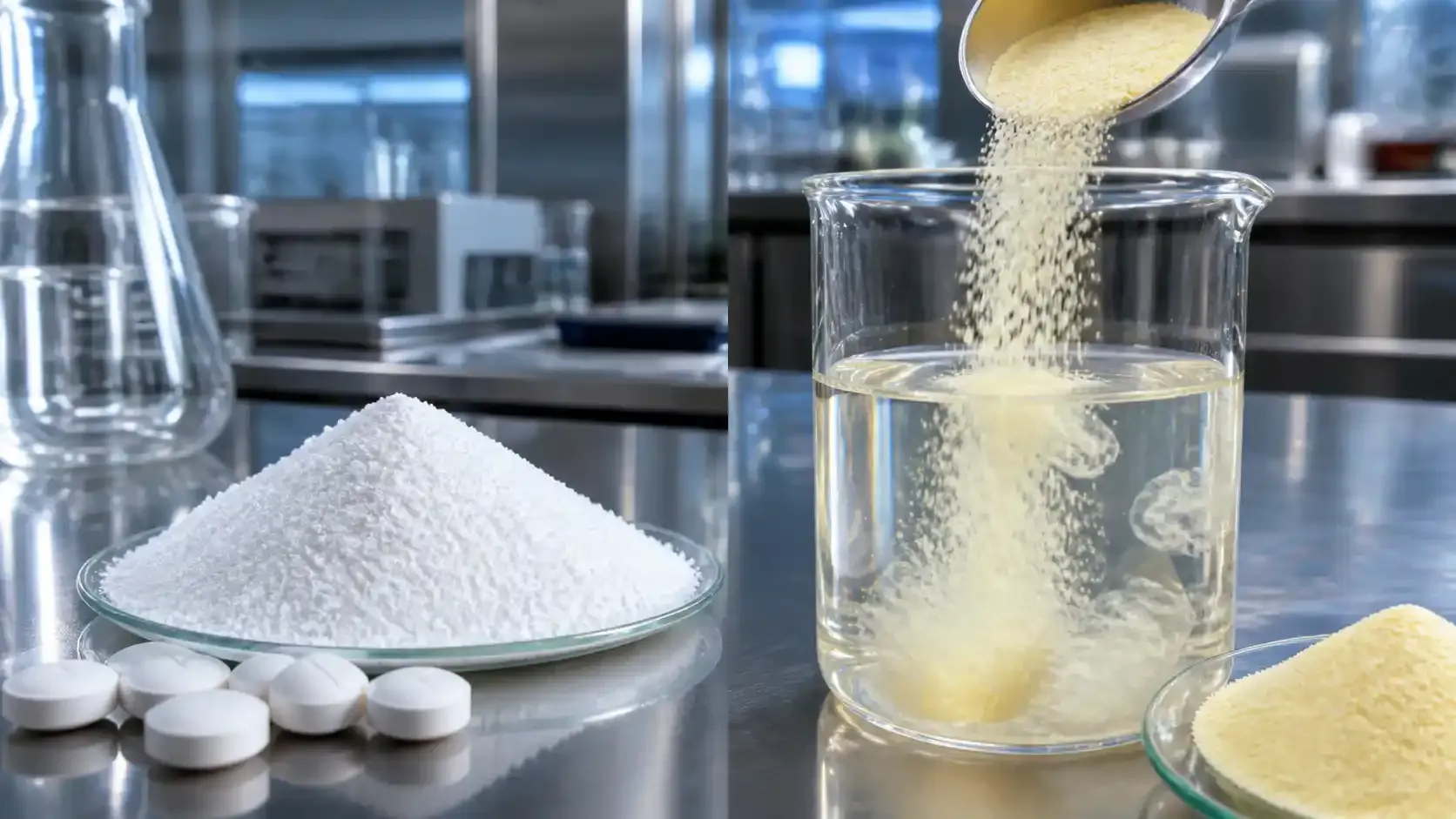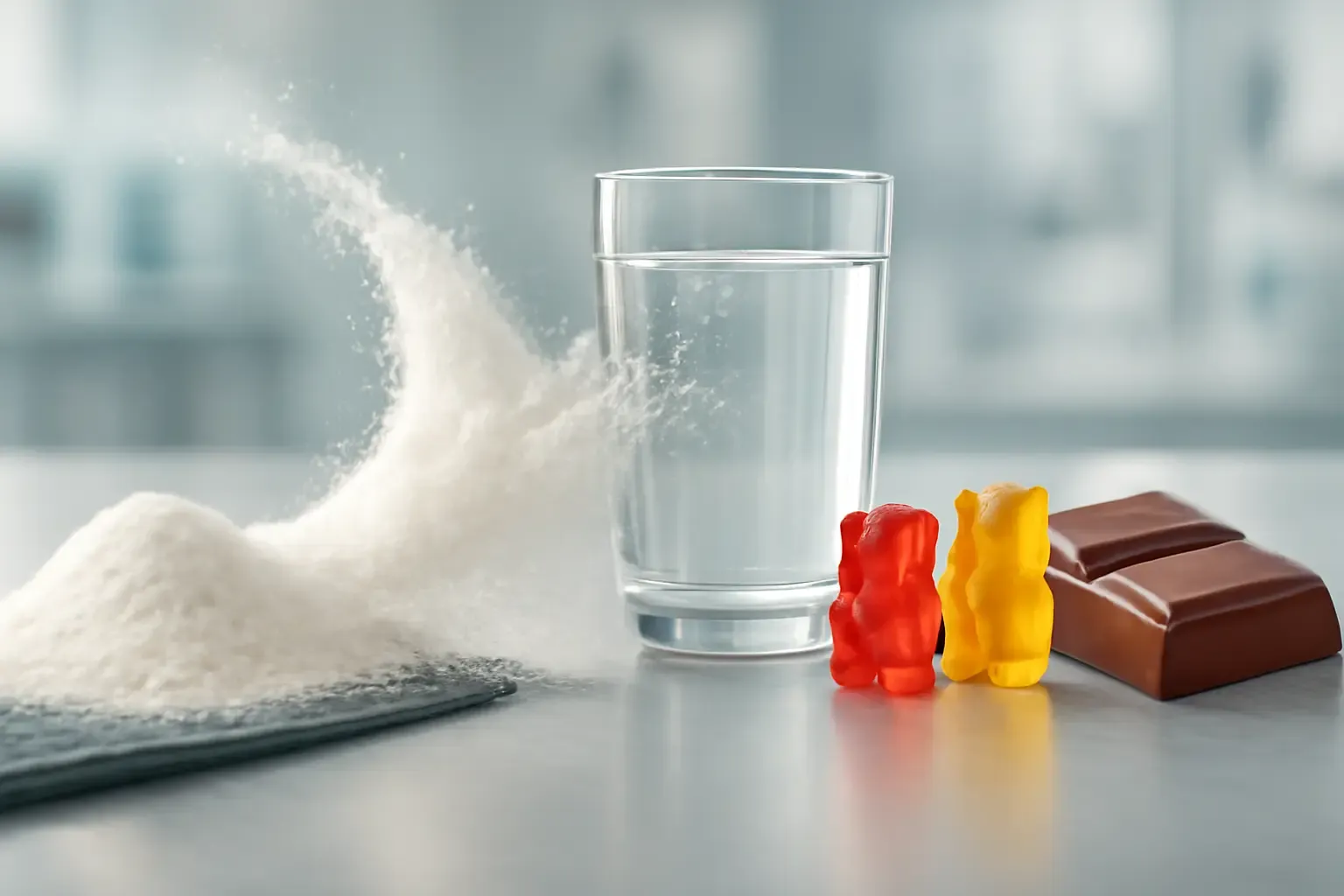
Soluble dietary fiber is no longer a “nice-to-have” add-on. Across beverages, confectionery, and supplement formats, brands are using resistant dextrin to hit fiber targets while keeping calories, glycemic response, and taste in check. For procurement teams, that shift changes the sourcing brief: the right resistant dextrin supplier is not simply the lowest FOB option, but the partner that helps protect sensory performance, processing stability, and documentation readiness from pilot to scale.

This application playbook walks through four high-impact formulation clusters—high-fiber drinks, fiber-forward confectionery, keto and weight-management products, and chewable formats where microcrystalline cellulose (MCC) often appears alongside resistant dextrin. It also outlines what buyers typically look for in a China resistant dextrin supplier when building an export-ready ingredient pipeline.
Why resistant dextrin has become the “default” soluble fiber
Operationally, resistant dextrin is produced by controlled breakdown of starch. Unlike standard digestible carbohydrates, resistant dextrin resists digestion in the small intestine and reaches the large intestine, where it can be fermented—one reason it is commonly positioned as a prebiotic-style dietary fiber.
For buyers evaluating ingredient fit across multiple SKUs, the appeal of resistant dextrin usually comes down to three practical advantages:
- Formulation flexibility:Resistant dextrin is used in beverages, gummies, chocolates, baked goods, powders, and nutrition formats without forcing a complete rebuild of texture.
- Metabolic positioning support: Product pages commonly highlight low glycemic response and satiety support as core benefits of resistant dextrin.
- Specification clarity: Many commercial grades emphasize high fiber content and low protein. In the Shine Health portfolio, resistant dextrin is described as a white-to-light-yellow powder with fiber content ≥82% and protein ≤6.0% (typical procurement anchors for a resistant dextrin manufacturer).
Buyers may also consider adjacent fibers depending on label and sourcing needs, including maize dextrin fiber, tapioca-derived dextrins, and clean-label options such as organic tapioca maltodextrin.
To align internal terminology during sourcing, it helps to treat resistant dextrin as the umbrella functional fiber and then specify the plant source and positioning (corn-based, tapioca-based, organic/clean-label).
Key portfolio starting points:
- resistant dextrin
- dietary fiber
High-fiber drinks that stay clean on texture and taste
Beverages are often where fiber ambitions fail first. Clouding, unexpected thickness, or a “powdery” finish can turn a high-fiber concept into a short-lived launch. In high dietary fiber in drinks applications, resistant dextrin is commonly chosen because it dissolves easily and tends to keep viscosity low—traits that make it suitable for RTD functional beverages, smoothies, and nutrition shakes.
From a buyer’s perspective, the most repeatable use-case pattern looks like this:
- Use resistant dextrin to add fiber without sanding: Solubility and neutral sensory behavior are what procurement teams often request first.
- Keep process tolerance front and center: Product content from Shine Health describes resistant dextrin as stable under typical food processing conditions, including heat and acidic systems—useful when the same dietary fiber ingredient supplier must support multiple beverage platforms.
- Build label flexibility via source selection: Many programs start with NON-GMO corn starch options; others shift to tapioca-based fibers when clean-label or alternative sourcing is important.
Related application context:
- high dietary fiber in drinks
- corn starch
For procurement, the operational takeaway is simple: beverage projects reward a resistant dextrin supplier that can provide consistent solubility behavior batch-to-batch, not just a spec sheet.
Fiber-forward confectionery that still feels like a treat
Confectionery is where resistant dextrin often earns its budget because it can do more than “add fiber.” In the FIBER-FUL confectionery framing used by Shine Health, resistant dextrin is described as enabling both nutritional and functional improvements across chocolates, gummies, chewy candies, hard candies, and even frozen desserts.
Three confectionery patterns show up repeatedly in buyer briefs:
1) Calorie and sugar reduction without collapsing mouthfeel
In sugar-free or reduced-sugar concepts, formulators often need bulk and structure back in the system. Resistant dextrin can help replace part of sugar and support calorie reduction while maintaining a more familiar bite in chocolates, fillings, and candies.
2) Texture tuning in gummies and chewy formats
Gummies and soft chews need controlled chew, not stickiness or brittleness. The Shine Health confectionery use case emphasizes texture improvement—producing a softer, chewier mouthfeel—while layering in prebiotic-style fiber messaging through resistant dextrin.
3) Crystallization control in hard candy systems
Hard candies are sensitive to crystallization and grainy defects. The confectionery application notes that resistant dextrin can help prevent crystallization, improving texture consistency.
That means confectionery is a category where buyers can justify premium supplier standards because a single defect—graininess, crystallization, or a dull bite—can sink repeat purchase.
Portfolio context for confectionery development:
- resistant dextrin
- dietary fiber
Keto and weight-management products that need fiber without net carbs
Low-carb and ketogenic products are notorious for being fiber-poor once sugars and grains are removed. This is one reason “keto-friendly resistant dextrin” has become a common brief: resistant dextrin is described as indigestible and therefore less likely to contribute to net carbohydrate count, which supports low-carb positioning.
In low-carb product development, resistant dextrin is typically used to solve a combination of problems rather than one:
- Net-carb management: As described in low-carb application content, resistant dextrin resists digestion and does not significantly affect blood glucose, helping reduce perceived net carbs in the formula.
- Bulking and texture restoration: When sugar and flour are cut, texture can become hollow or overly dense. Resistant dextrin is often used as a bulking agent to mimic the structural contribution of carbohydrates.
- Satiety support for weight programs: Weight-management positioning frequently highlights satiety—another reason buyers keep resistant dextrin in their “core fiber” toolbox.
Useful product and application references:
- Low Carb Food Additives
- Low calorie dietary fiber
- weight reduction supplements dietary fiber
For buyers, the key is continuity: if the same China resistant dextrin supplier can support beverage, confectionery, and keto platforms with consistent documentation and QC, the ingredient becomes a “multi-SKU stabilizer” rather than a one-off solution.
When resistant dextrin and MCC show up together in chewables
As fiber formats diversify, many brands expand beyond powders and foods into chewable supplements and tablet-like systems. In these formats, microcrystalline cellulose (MCC) enters the discussion because it is widely used as a binder and functional excipient in solid dosage forms.
From a procurement standpoint, the pairing logic is straightforward:
- Resistant dextrin provides soluble dietary fiber functionality and consumer-facing benefits.
- MCC helps deliver robust processing behavior in chewables and tablets, supporting compression and structural integrity.
This is also where “recommended” supplier language becomes meaningful. Buyers searching for a Recommended Chinese Microcrystalline Cellulose Manufacturer or a Recommended Chinese Microcrystalline Cellulose Supplier are usually not looking for marketing claims—they are looking for grade guidance, QC depth, and documentation discipline similar to what they expect from a resistant dextrin manufacturer.
Two Shine Health knowledge anchors that buyers often review when MCC enters the pipeline:
- MCC Grades Formulation and QC Guide
- Microcrystalline Cellulose in Cosmetics
Even if the immediate project is food-forward, these MCC resources can help procurement teams confirm whether a supplier thinks in “grade-fit” terms—or only in commodity terms.
What buyers should expect from a recommended China resistant dextrin partner
When procurement teams compile a shortlist for a Recommended Chinese Resistant Dextrin Manufacturer, the strongest signal is rarely a single claim. It is the combination of manufacturing controls, traceability, and service infrastructure that reduces reformulation risk.
Based on how Shine Health describes its operations across multiple product pages, buyers commonly expect the following capabilities from a China resistant dextrin supplier:
- Raw material discipline: NON-GMO corn starch or tapioca sourcing, with stable supply from vetted producers.
- Controlled processing inputs: use of advanced biological enzymes (described as imported), supporting consistent conversion performance.
- Automated production workflow: fully automated central control operations from raw material feeding through filling—an operational cue buyers associate with reduced batch variability.
- GMP workshops and in-house QC lab: evidence that quality systems are built into the workflow, not added at the end.
- Export-facing certifications and documentation: product pages for tapioca-derived dextrin reference certifications such as ISO9001, BRC, HALAL, HACCP, and KOSHER; other pages emphasize documentation like COA and MSDS as standard procurement deliverables.
- ODM readiness: not every buyer needs ODM, but it becomes valuable when an ingredient must be adapted across formats (drinks, gummies, baked goods, sachets).
For teams that want to benchmark what a mature portfolio looks like, the product center view can help map category coverage:
- Products
And for label-driven programs, it can be useful to compare corn-based resistant dextrin with tapioca-derived options:
- resistant tapioca dextrin
- Organic tapioca maltodextrin
- Maize dextrin fiber
Turning resistant dextrin into a reliable multi-format platform
The most resilient fiber programs treat resistant dextrin as a platform ingredient: one that can move between high-fiber drinks, confectionery, and low-carb products while keeping taste and texture stable. That platform approach only works when the resistant dextrin supplier can deliver consistent quality, credible documentation, and practical application support.
If a current sourcing project involves building a China-based shortlist, a practical next step is to review supplier portfolios and application pages as a way to test “format literacy.” The Shine Health site offers a useful example set for this type of evaluation, starting with its www.sdshinehealth.com portal and the dedicated resistant dextrin section.
For buyers who want to benchmark ingredient portfolios and supplier capabilities in more depth, public product pages and technical articles on sites such as www.sdshinehealth.com provide a practical reference point when screening potential partners.
Key product links for deeper review
- Shine Health resistant dextrin overview and specifications (fiber content ≥82%, protein ≤6.0%, appearance white to light yellow): Nutritional dietary fiber powder
- Beverage application positioning for resistant dextrin: high dietary fiber in drinks
- Confectionery application positioning (calorie reduction, texture improvement, crystallization prevention): Resistant Dextrin category
- Low-carb formulation application notes: Low Carb Food Additives
- Weight-management positioning for resistant dextrin: weight reduction supplements dietary fiber
- MCC grade and cross-industry context: MCC Grades Formulation and QC Guide and Microcrystalline Cellulose in Cosmetics