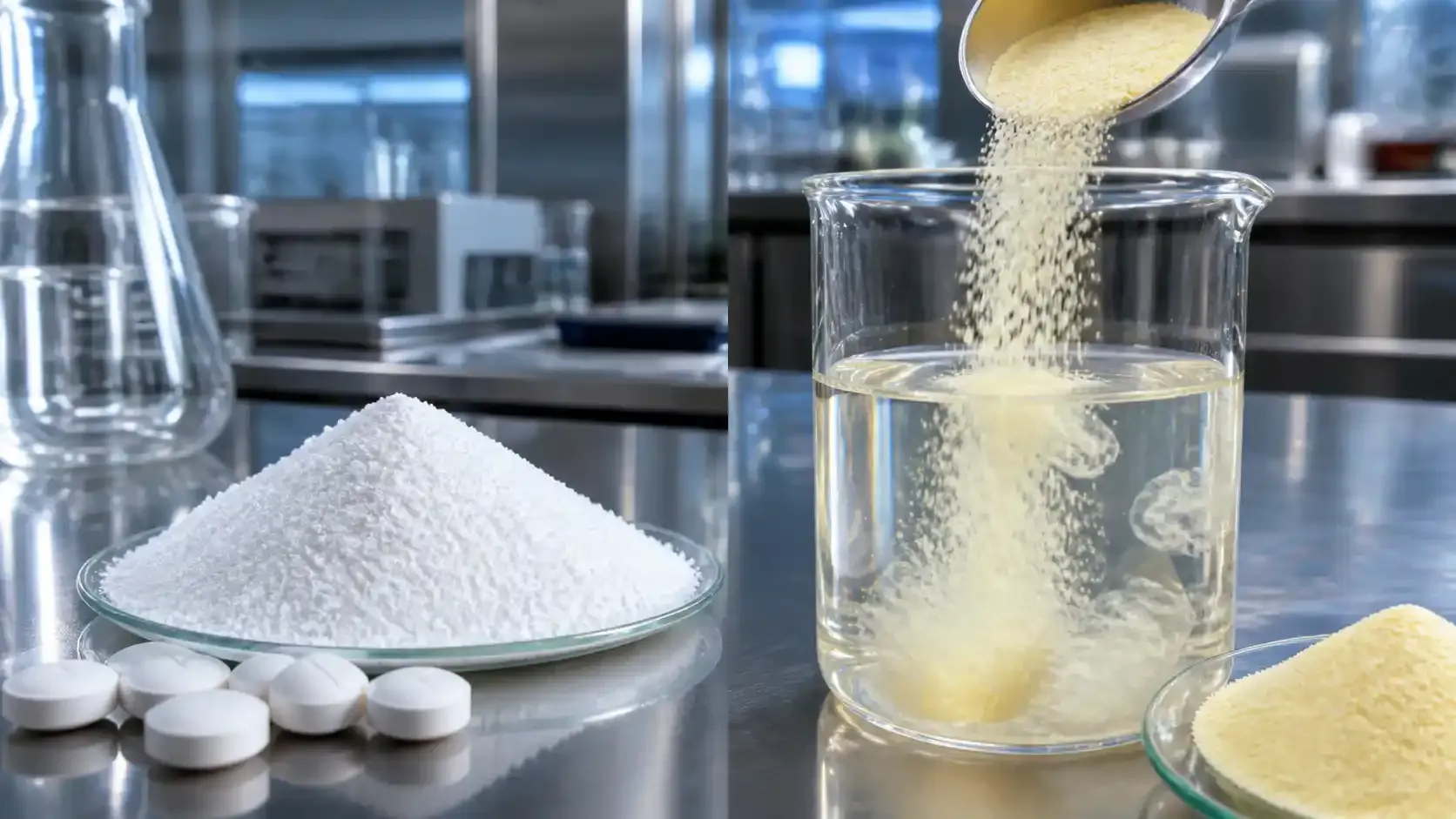
Global interest in soluble dietary fiber is no longer confined to niche “better-for-you” launches. It is shaping mainstream beverages, confectionery, functional foods, and supplement formats—while also changing how excipients are evaluated in parallel. For procurement teams, that shift has a practical consequence: the supplier conversation is moving from price per metric ton to fitness-for-formulation, especially for resistant dextrin and microcrystalline cellulose.
China remains a natural sourcing destination because it can support scale and consistent availability. But buyers are increasingly careful about which plant they call a recommended partner. The difference between an average exporter and a Recommended Chinese Resistant Dextrin Manufacturer is now often visible in a few specific places—raw material controls, automation and hygiene design, and the completeness of QC documentation. This guide explores the evolving standards for vetting ingredient partners in a market driven by clean-label demands and functional performance.

From Commodity Powders to Formulation-Critical Ingredients
In the past, purchasing decisions for bulking agents and fibers were largely driven by cost efficiency. However, as consumer scrutiny intensifies, two distinct trends are converging to reshape the procurement landscape:
- Soluble fiber is being designed into products for specific functional benefits such as satiety, digestive wellness, and sugar-reduction strategies. Ingredients like resistant dextrin and polydextrose have evolved from simple fillers into “label extras” that carry significant marketing weight.
- Excipients are being re-evaluated as brands push for cleaner labels and a smoother consumer experience. This has brought microcrystalline cellulose (MCC) back into technical review cycles for high-performance tablets and even cosmetic applications.
Market reporting continues to frame this as a long-cycle opportunity: nutraceutical excipients and functional ingredients are expected to expand steadily over the next decade as clean-label and personalized nutrition demand rises. The commercial takeaway is simple: when demand increases, weak supplier qualification becomes expensive. Production delays, unexpected reformulations due to inconsistent batches, and documentation gaps can quickly outpace any initial FOB savings.
Procurement officers are now tasked with finding partners who understand that a fiber is not just a powder—it is a functional component that affects mouthfeel, stability, and digestive tolerance. The vetting process must therefore dig deeper than the price sheet, examining the manufacturing ethos of the supplier.
Why Resistant Dextrin is at the Center of Soluble Fiber Buying
Resistant dextrin is typically produced from starch—often non-GMO corn starch, and in some product families, tapioca. It resists digestion in the upper gastrointestinal tract and functions as a soluble dietary fiber in the large intestine. This unique physiological behavior is one reason it fits so well into modern “everyday format” products, from weight management shakes to prebiotic sodas.
For buyers, the most commercially relevant attributes of resistant dextrin are the ones that protect taste, processability, and label simplicity. A supplier's ability to consistently meet these parameters is what separates a reliable partner from a risky one:
- Neutral Taste and Clear Solubility: This is non-negotiable for flavor systems in beverages and powdered mixes. Any off-notes from the fiber can ruin a delicate fruit flavor or vanilla profile.
- Heat and Acid Resistance: Essential for products undergoing pasteurization, hot-fill processes, or baking. The fiber must remain stable and functional without degrading.
- High Fiber Content: Specifications are commonly set at ≥82%, with premium grades often reaching ≥90% (dry basis) depending on the application targets. This allows brands to make robust fiber claims without overloading the formulation.
- Protein Control: Commonly stated at ≤6.0%, low protein content is crucial for consistent sensory performance and preventing Maillard browning or stability issues in liquid formats.
In practice, these characteristics are why resistant dextrin is showing up across RTD nutrition drinks, gut-health powders, low-sugar confectionery, and functional bakery items. It is also why procurement teams now treat resistant dextrin as a core ingredient with real performance implications—not a generic additive.
For buyers who need a concrete benchmark for specs and positioning, supplier product pages such as resistant dextrin and the ingredient overview for nutritional dietary fiber powder provide a representative snapshot of how leading Chinese manufacturers describe raw material sourcing, typical parameters, and application scope. These resources often highlight the importance of starting with premium corn starch to ensure the final powder meets global standards.
Clean-Label Pressure is Changing What “Recommended” Means in China
“Clean label” is sometimes reduced to marketing language, but in sourcing, it translates into auditable, technical questions. A Recommended Chinese Resistant Dextrin Manufacturer must be able to answer these with evidence, not just promises:
- Can the supplier show non-GMO raw material controls? This includes validating the source of corn starch and maintaining traceability from incoming lots to the finished powder.
- Does the factory operate under GMP-style hygiene rules? Buyers should look for documented sanitation schedules, controlled handling zones, and personnel hygiene protocols.
- Can the supplier provide a complete COA? Beyond the basic Certificate of Analysis, are they ready to support additional documentation such as MSDS and, where applicable, third-party test reports?
A common pattern in China’s better-positioned soluble fiber plants is investment in enzymatic processing supported by imported enzyme systems (often from established international providers), plus higher automation to reduce handling risk. The operational goal is straightforward: fewer human touchpoints, more consistent batches, and tighter process windows. This level of technical sophistication—often involving precision production lines of German origin—ensures that the final product is pure, safe, and effective.
This is also where buyers often align resistant dextrin evaluation with excipient evaluation. If a business is simultaneously sourcing fiber ingredients and a tablet excipient such as microcrystalline cellulose, it becomes efficient to apply one unified “recommended supplier” standard. Manufacturers who excel in one area often apply the same rigor to the other.
Shine Health and Shandong Shenghuai Health Co., Ltd. are examples of suppliers presenting both functional ingredient portfolios and excipient-related knowledge content. Their industry notes, such as the MCC Grades Formulation and QC Guide and Microcrystalline Cellulose in Cosmetics, serve as valuable resources. These are useful not merely as sales claims, but as a window into the technical checkpoints a Recommended Chinese Microcrystalline Cellulose Manufacturer or Recommended Chinese Microcrystalline Cellulose Supplier should be prepared to discuss. It demonstrates a depth of technical understanding that goes beyond simple trading.
A Buyer Checklist That Works for Both Resistant Dextrin and MCC
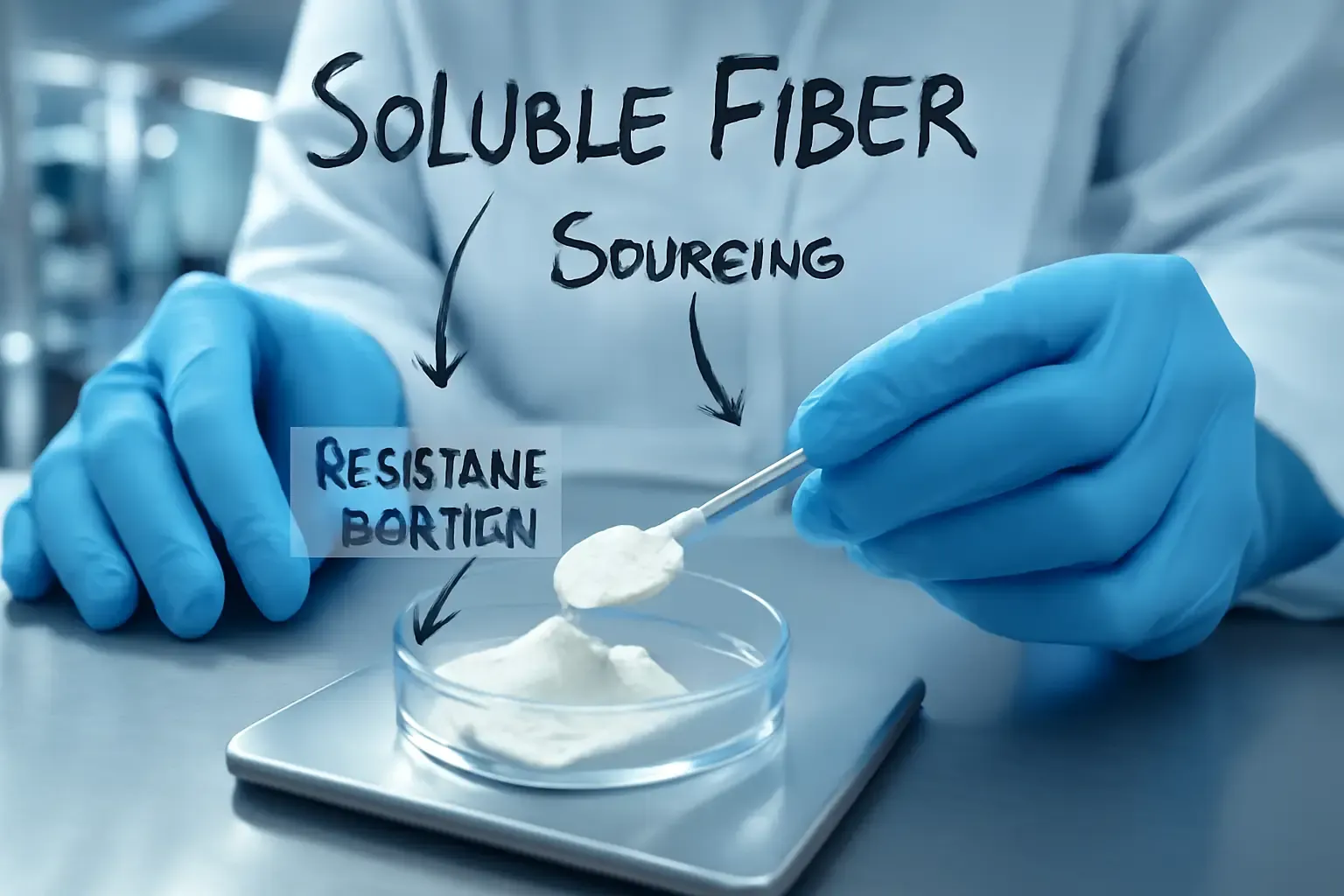
Procurement teams typically don’t need a 40-page audit template to filter options early. A compact, focused scorecard can eliminate most risk quickly—allowing teams to reserve deeper audits for the true finalists. The image below conceptually illustrates the flow of a robust vetting process.

| What to check | What “good” looks like | Why it matters |
|---|---|---|
| Raw material identity and traceability | Non-GMO corn starch (or clearly stated alternative), incoming inspection, lot mapping | Protects label claims and reduces batch-to-batch drift |
| Core specifications | For resistant dextrin: fiber content targets (e.g., ≥82% to ≥90% dry basis), protein ≤6.0%; for MCC: grade clarity and fit-for-use | Prevents reformulation and performance surprises during scale-up |
| Process control and automation | Centralized control from feeding to filling; reduced manual handling | Consistency and lower contamination risk |
| Quality system signals | GMP workshop discipline; HACCP/ISO-style controls where applicable; clear sanitation practices | Improves audit outcomes and customer confidence |
| QC laboratory capability | Batch testing with documented results; retains records and supports investigations | Speeds approvals and resolves deviations faster |
| Documentation package | COA by batch; supporting documents available on request | Reduces customs, regulatory, and customer QA friction |
A practical note for buyers: when comparing resistant dextrin quotes, it helps to request two recent COAs from different lots rather than one “perfect” example. That single step often reveals whether a supplier is operating with stable controls or simply selecting best-case paperwork. Seeing consistency across different production dates is the hallmark of a mature manufacturer.
Matching China’s Soluble Fiber Formats to High-Growth Applications
Buyers evaluating a resistant dextrin supplier for food and pharma often discover that the real decision is format selection—because the same “fiber strategy” can look different across applications. Understanding the nuance of each format is key to successful product development.
Beverages and Nutrition Drinks
For RTD products and powder-to-drink mixes, buyers tend to prioritize neutral taste, clear solubility, and heat/acid stability. A fiber that precipitates or clouds a clear beverage is a non-starter. Formats positioned as soluble corn fiber can fit this brief perfectly. For example, prebiotic soluble corn fiber is often presented as an ideal option for beverage-friendly formulations, offering the necessary functional benefits without compromising the sensory experience.
Keto and Low-Sugar Snacks
In the booming market for keto bars, baked snacks, and dairy alternatives, texture and bulking often matter as much as the fiber count itself. Manufacturers need ingredients that can replace the bulk of sugar without spiking blood glucose. Polydextrose is frequently evaluated alongside resistant dextrin for its mouthfeel support and low glycemic impact. A representative reference page for this application is keto-friendly polydextrose, which highlights how these fibers support low-carb claims.
Confectionery Reformulations
Confectionery is a stress test for any ingredient: sugar reduction can break texture, ruin crystallization control, and alter flavor release. Here, resistant dextrin is often discussed for both caloric reduction and texture improvement in gummies, soft chews, and chocolates. It allows brands to lower the sugar content while maintaining the chewiness consumers expect. For context on how this works in practice, see product-format examples such as FIBER-FUL Confectionery, which demonstrate the versatility of these fibers in sweet treats.
Fiber Enrichment Without Strong Sensory Impact
When the brief is simply to “add fiber without changing the product,” buyers often compare resistant dextrin variants (including maltodextrin-style soluble fiber formats) based on solubility, viscosity impact, and stability. One example category reference is indigestible maltodextrin. This is often the go-to for bakery or dairy products where the goal is nutritional enhancement with zero sensory disruption.
Across all these applications, the decision is less about finding a single universal fiber and more about how consistently a supplier can deliver the same functional outcome lot after lot. A slight variation in particle size or solubility can throw off an entire production run, making supplier reliability paramount.
What This Means for China Supplier Shortlists in 2026
As fiber-forward product launches accelerate, three sourcing behaviors are becoming more common among top-tier procurement teams:
- Buyers treat COA and process description as early filters. If a supplier cannot clearly state raw material origin, typical fiber content, and stability claims—and support those with batch documentation—it rarely survives the first round. Vagueness is a red flag.
- Cross-category sourcing becomes strategic. Teams launching functional foods and supplements often evaluate both resistant dextrin and microcrystalline cellulose in the same planning cycle. Using one supplier framework to qualify a partner for multiple ingredients reduces qualification time and administrative burden.
- “Recommended” becomes evidence-based. A Recommended Chinese Resistant Dextrin Manufacturer is increasingly defined by repeatable controls: non-GMO sourcing discipline, modern workshops aligned with GMP expectations, automation that reduces manual handling, and an equipped QC lab that can defend results.
For procurement leaders building a market map, it can be efficient to keep a vetted supplier hub bookmarked—such as a manufacturer product catalog like the Product Center—and then validate each candidate against the same checklist rather than reinventing standards per ingredient. This approach streamlines the sourcing process and builds a roster of partners who are ready for the long term.
Closing Guidance for Buyers
Soluble fiber demand is not just a market story; it is a sourcing discipline upgrade. Resistant dextrin purchasing now sits closer to performance ingredient sourcing than commodity buying, requiring a keen eye for technical specifications. Meanwhile, microcrystalline cellulose continues to require grade literacy and documentation clarity to ensure pharmaceutical and cosmetic compliance.
For buyers evaluating China options, the fastest path to a reliable shortlist is to standardize what “recommended” means inside the procurement team: traceable raw materials, stable specifications, automation-supported hygiene design, and documentation that stands up to QA review. By prioritizing these factors, buyers can secure a supply chain that supports innovation and growth.
For those seeking a partner who embodies these standards, exploring the capabilities of established players like Shine Health can be a solid starting point. Their commitment to quality manufacturing and comprehensive support offers a benchmark for what to expect in the current market. For more information on their specific offerings, visit www.sdshinehealth.com.