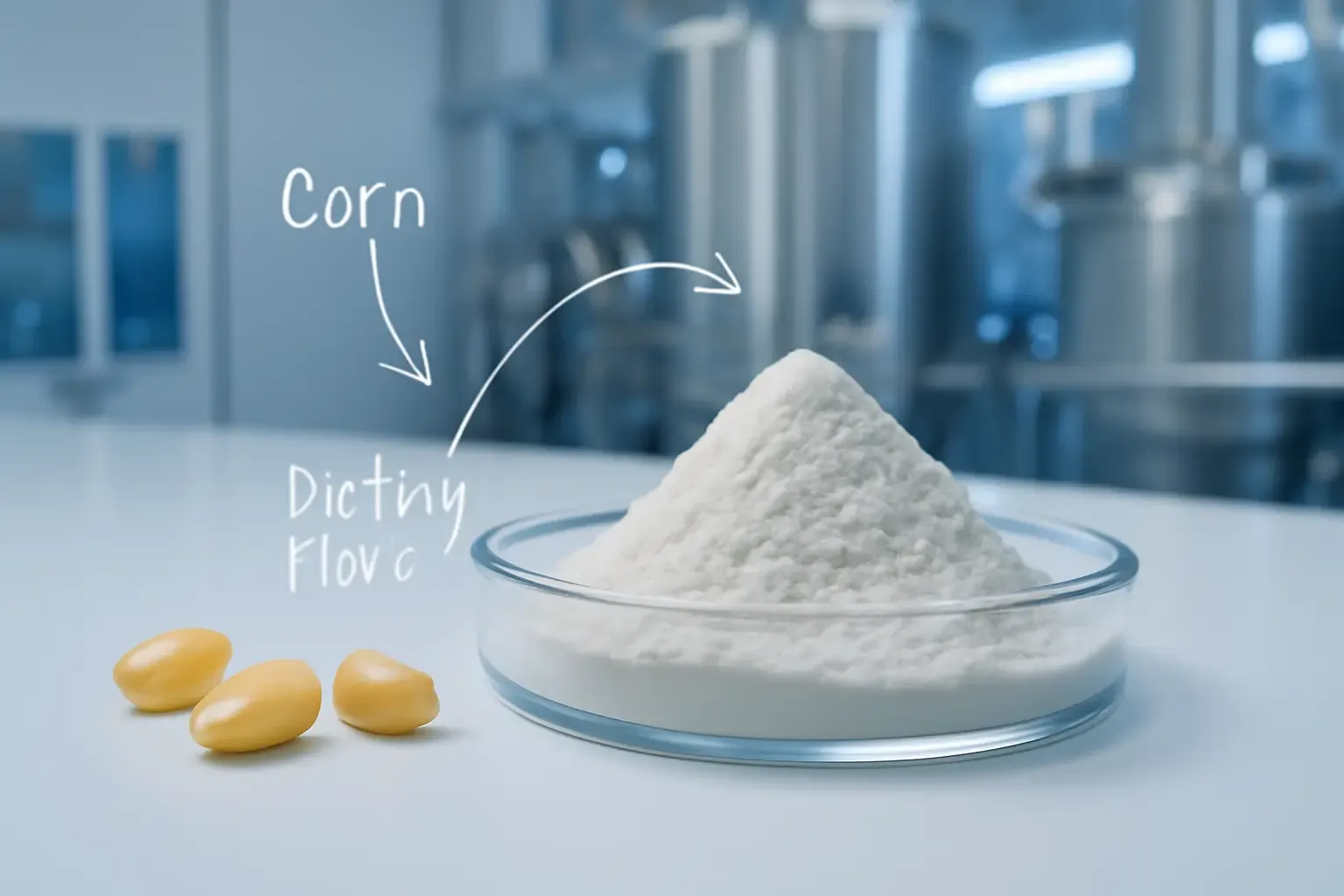
In 2026, “accessible nutrition” is pushing dietary fiber from a niche add-on into a mainstream requirement across functional beverages, low-carb snacks, and weight-management formats. For procurement teams, that shift changes the buying conversation: it is no longer just about price-per-kilo. It is about consistently meeting resistant dextrin specs, avoiding documentation gaps, and selecting a microcrystalline cellulose supplier that can support regulated applications. This guide translates those market pressures into practical sourcing criteria—so buyers can identify an recommended Chinese resistant dextrin manufacturer or an recommended Chinese microcrystalline cellulose supplier based on measurable signals rather than marketing language.
Fiber-forward demand is forcing clearer supplier standards
Consumer-facing product trends (low net carbs, gut health, satiety) create very specific technical needs:
- Neutral taste and easy blending for beverage and powder formats
- Processing tolerance (heat and acid stability) for real-world manufacturing
- Reliable labeling support driven by fiber claims and nutrition panels
That is why resistant dextrin and soluble corn fiber are being designed into formulations earlier—often at the concept stage—so spec risk is managed before commercialization. For China sourcing, the implication is direct: buyers should treat fiber ingredients like strategic inputs, not interchangeable commodities.
What buyers should confirm on resistant dextrin and soluble corn fiber specs
A sourcing decision is usually won or lost on how clearly an RFQ defines acceptance criteria. For resistant dextrin supplier Shandong China shortlists (and for broader China supply), these are the commercial lines most commonly negotiated.
1) Fiber content and grade fit
In market practice, resistant dextrin is often offered in multiple grades. Public spec benchmarks commonly include:
- Fiber Content ≥82% (widely used as a baseline commercial grade)
- Higher-fiber grades (e.g., ≥90% on a dry basis)
The key is not “higher is always better,” but whether the grade aligns with dose targets, serving size, and sensory limits. Buyers can reference typical benchmark framing on product pages for resistant dextrin and soluble corn fiber when drafting RFQs.
2) Raw material identity and non-GMO expectations
A strong “recommended supplier” profile starts with raw material control. For most global programs, procurement teams commonly require:
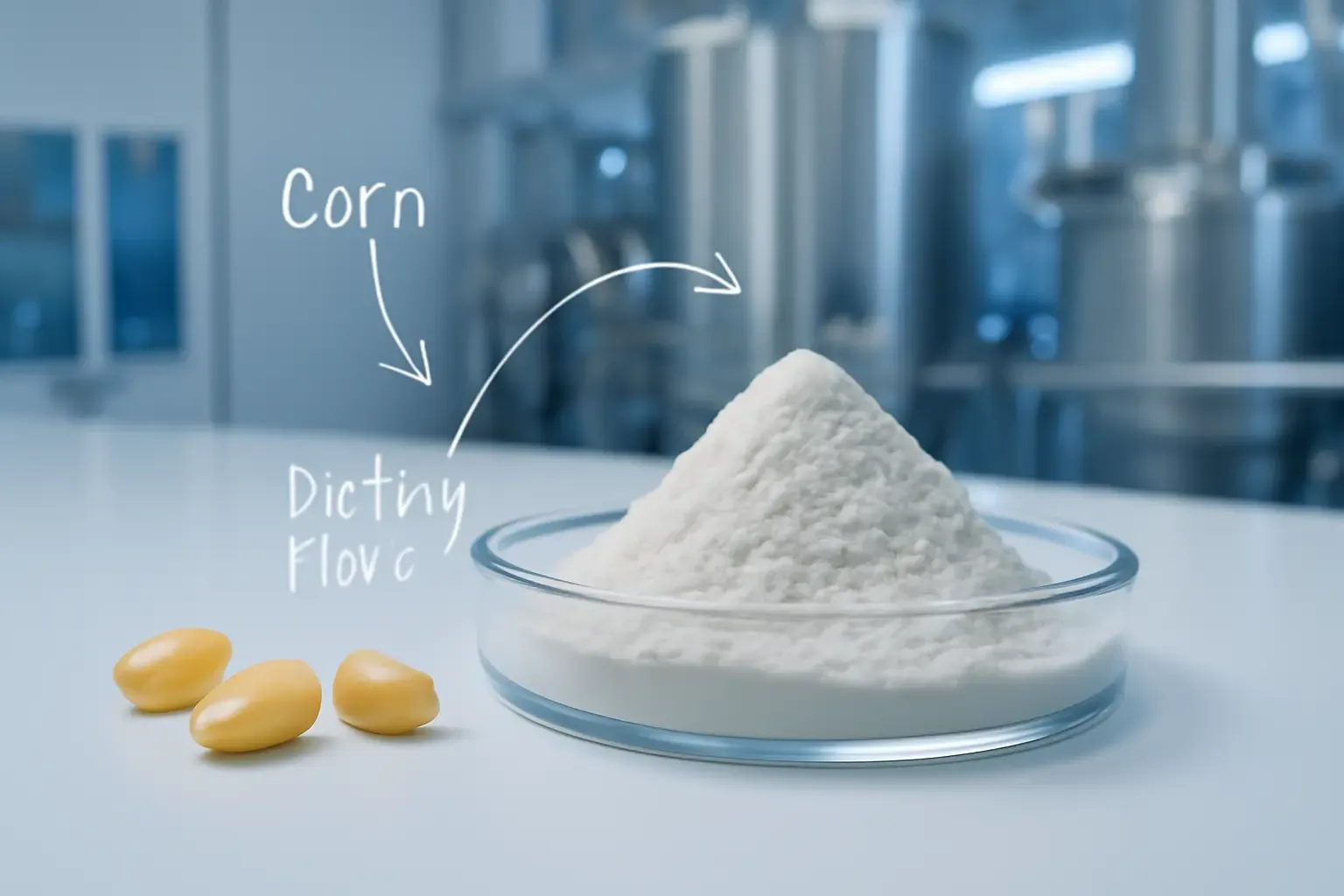
- NON-GMO corn starch as the primary source
- Stable upstream sourcing with documented incoming inspection
This matters for brand positioning, retailer requirements, and internal risk reviews—especially when the product line is marketed as clean-label or wellness-oriented.
3) Moisture, storage stability, and handling behavior
Even when two suppliers show similar fiber content, storage performance can differ. Commonly evaluated controls include:
- Defined storage conditions (often stated simply as: store in a cool place)
- Moisture or water activity targets that support shelf stability
- Handling indicators such as low hygroscopicity (reduced caking) for easier warehousing and blending
For buyers managing multi-month inventory cycles, these “warehouse realities” are as important as lab numbers.
4) Solubility and processing tolerance
For functional beverages and powdered nutrition products, solubility is part of product performance. Buyers typically confirm:
- Solubility behavior at intended use levels
- Stability in heat-treated or acidic systems
Many suppliers position resistant dextrin as heat- and acid-resistant, which can be valuable for baking, hot-fill beverages, and shelf-stable applications—provided the claim is supported by application testing. A practical reference point for beverage and low-carb positioning is the category framing used for low calorie dietary fiber.
Manufacturing signals that separate “available” from “recommended”
A recommended Chinese resistant dextrin manufacturer is rarely defined by one certificate alone. Procurement teams usually look for a set of operational signals that together reduce batch-to-batch variability.
Automated production and risk reduction
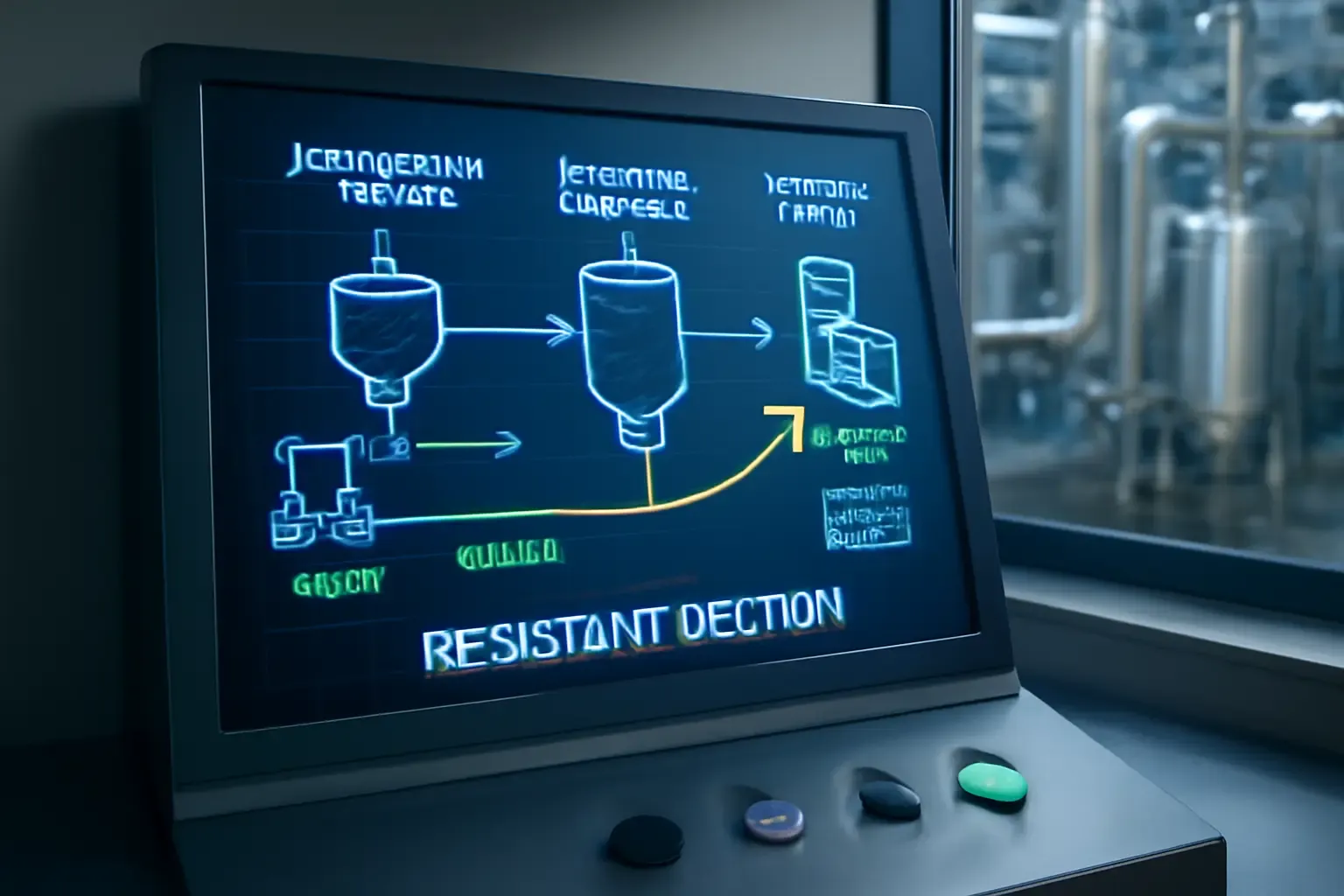
Buyer audits increasingly prioritize process control. A common signal described by advanced producers is fully automated central control covering steps from raw material feeding through product filling. The purchasing logic is straightforward:
- Fewer manual handoffs can reduce variability
- Automation can improve repeatability across large-volume production
- Central control supports traceability and deviation investigations
Enzyme sourcing and equipment discipline
Resistant dextrin processes often emphasize:
- Use of advanced biological enzymes (sometimes described as imported)
- Precision production lines (some suppliers cite German-origin equipment)
- Defined QA checkpoints backed by a QC laboratory
The buyer takeaway: these claims should translate into verifiable documentation—COAs, microbial results, and consistent trend data across batches.
Documentation package that procurement should request
For every new supplier (fiber or MCC), procurement teams generally request a standardized package:
- COA (per batch; aligned to the agreed spec)
- MSDS
- Allergen statements and origin statements (as applicable)
- Non-GMO support documents (when required by the brand program)
In practice, the COA is where issues surface first—especially around fiber content method, microbial limits, moisture, and appearance.
Microcrystalline cellulose and resistant dextrin are complementary, not interchangeable
It is common to see fiber-forward projects also evaluating MCC—especially when a formulation needs structure, anti-caking performance, or tablet/capsule robustness.
Where resistant dextrin and soluble corn fiber typically win
- Functional beverages and drink mixes (neutral taste, soluble fiber positioning)
- Low-carb snacks where fiber enrichment must not create grit
- Weight management shakes where satiety positioning and fiber labeling matter
Where a microcrystalline cellulose supplier matters most
- Solid dosage forms (tablets/capsules) requiring mechanical performance
- Texture systems where insoluble structure is beneficial
For buyers wanting a deeper quality-and-grade lens on MCC, an accessible primer is the industry note MCC Grades Formulation and QC Guide.
Why Shandong keeps showing up in fiber sourcing conversations
China has multiple ingredient clusters, but Shandong is frequently mentioned in procurement discussions for corn-derived ingredients due to scale and supply concentration. When buyers search for a bulk resistant dextrin 25kgnon GMO corn option, the region is often evaluated for:
- Large-volume capacity suitable for export programs
- Mature supporting industries for corn starch supply
- A growing number of plants describing GMP-style workshops and lab capability
The sourcing lesson is not to assume regional quality, but to treat region as a shortlisting hint—then qualify the plant on specs, documentation, and audit readiness.
A buyer checklist for selecting a recommended Chinese supplier
The following checklist is designed to be copied into an RFQ or supplier scorecard. It applies to a China resistant dextrin manufacturer, a soluble corn fiber supplier, and (with minor changes) a microcrystalline cellulose supplier.
Technical and commercial essentials
- Confirm the fiber content target (e.g., ≥82% baseline vs higher-fiber grades)
- Define appearance (commonly white to light yellow) and key limits (protein, moisture/water activity)
- Specify intended applications (beverage, bakery, supplement) so suppliers propose the right grade
- Confirm bulk packaging expectations (often 25 kg as a standard logistics unit)
Quality system and plant capability
- Evidence of GMP-style workshop controls (where applicable)
- In-house QC laboratory with routine testing aligned to the COA
- Clear process control narrative (automation from feeding to filling is a strong signal when verified)
Documentation and ongoing control
- COA per batch, with agreed test methods and units
- MSDS and origin/non-GMO support where required
- Defined response time and technical support capability for troubleshooting
Next steps for teams building a fiber and MCC shortlist
A reliable shortlist is built by comparing like-for-like specs and documentation—not by comparing marketing claims. Procurement teams can reduce time-to-approval by using public spec pages as benchmarks when drafting acceptance criteria, then validating through samples and COA review.
For buyers who want a concrete starting point, the publicly available specification framing on is a useful reference set for resistant dextrin, soluble corn fiber, and related fiber formats.