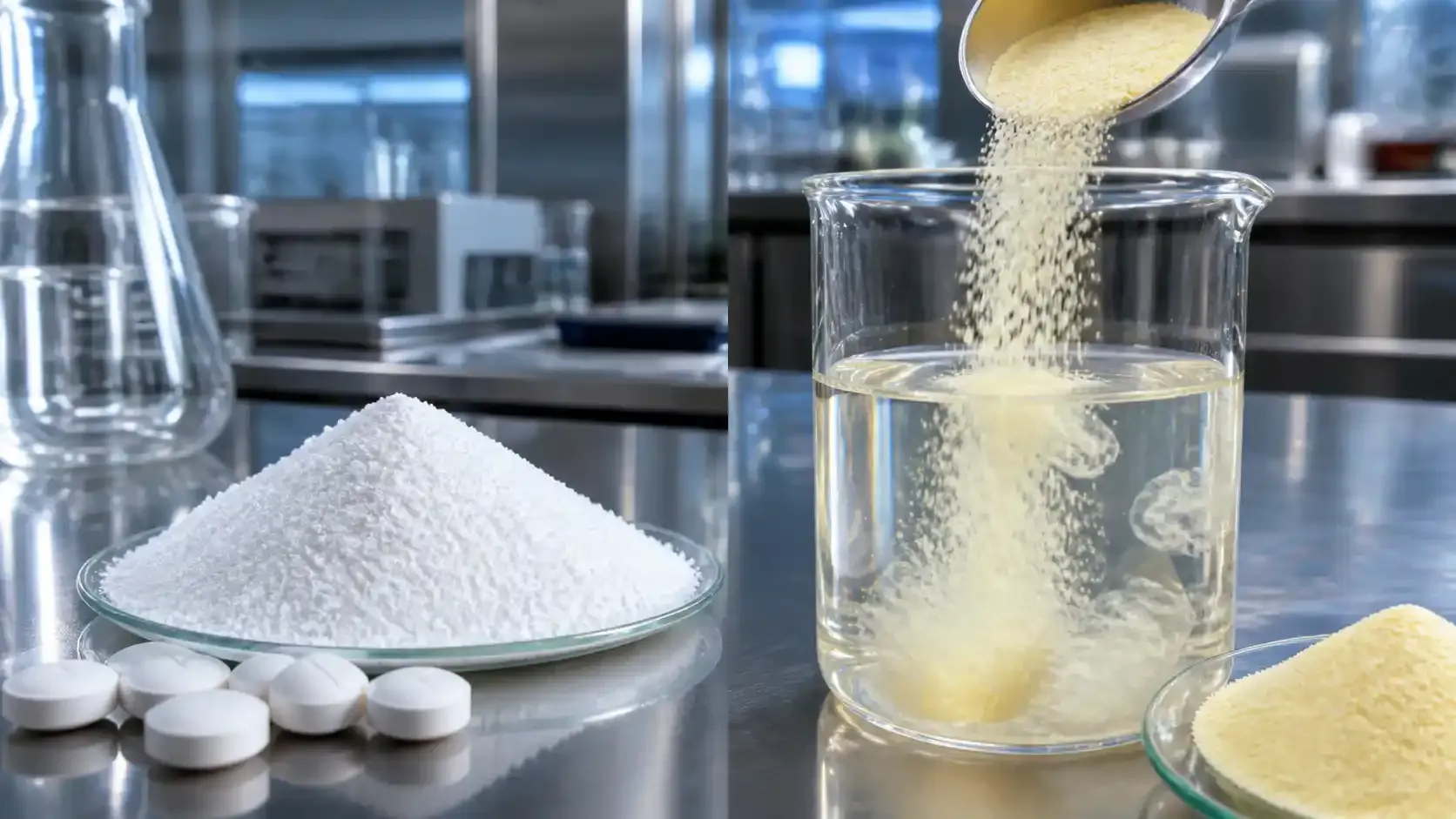
Fiber-forward, low sugar product development has moved from a marketing trend to a formulation requirement. Buyers now expect clean taste, reliable texture, and real nutrition—often in the same SKU. In that context, resistant dextrin has become a dependable workhorse: it supports sugar and calorie reduction while adding soluble dietary fiber that fits modern labels.
This article walks through three application patterns procurement teams frequently see succeed in the market—beverages and powders, confectionery, and bakery/snacks—and closes with a short, practical note on when microcrystalline cellulose (MCC) makes the overall formula stronger in solid formats.
Why resistant dextrin keeps showing up in low sugar briefs
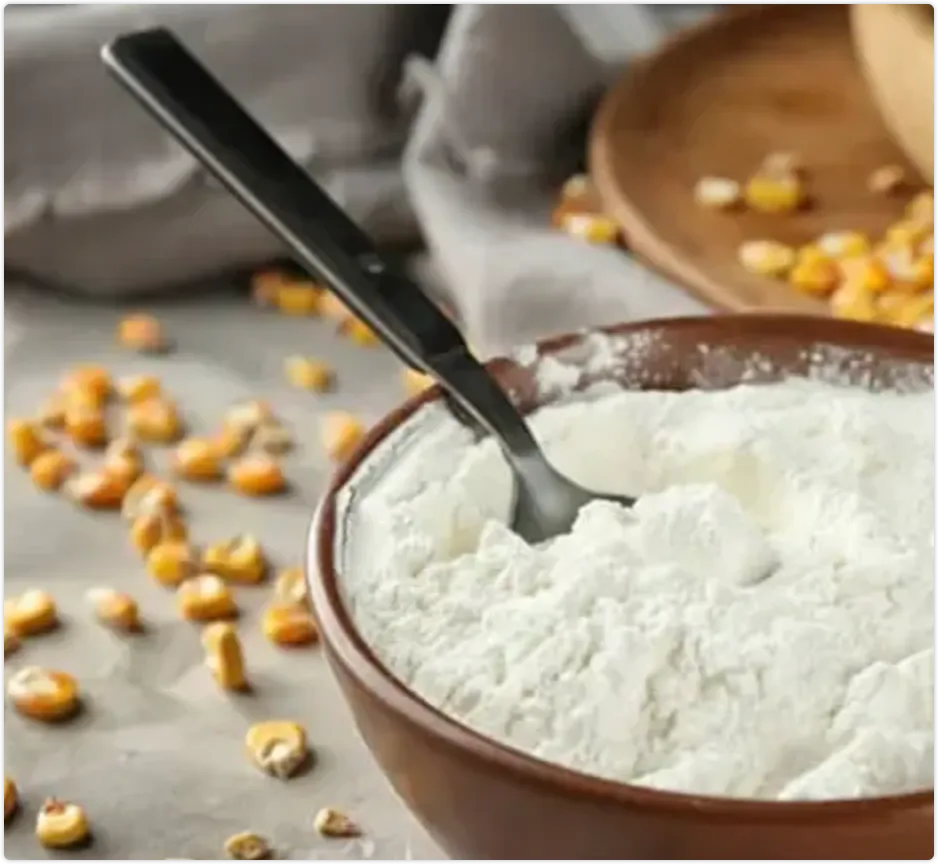
In procurement conversations, resistant dextrin is often requested for one reason that sounds simple but is hard to execute: add fiber without “fiber taste” and without destabilizing the system. According to supplier product specifications commonly used for industrial purchasing, resistant dextrin is typically produced from corn starch, appears white to light yellow, and is positioned as a soluble dietary fiber because it resists digestion in the small intestine and is utilized in the large intestine.
For many buyers, the decision starts with a few numbers. A frequently cited benchmark is fiber content ≥82% with protein ≤6.0%—a spec range that can help teams align internal quality targets across multiple product lines.
From a formulation perspective, resistant dextrin is repeatedly chosen because it can contribute:
- Sugar and calorie reduction support via partial replacement and bulking
- Low viscosity and neutral taste options for systems that cannot tolerate thickening
- Prebiotic positioning (fermentation by beneficial gut bacteria is commonly discussed in product literature)
- Satiety and digestive regularity narratives that fit weight management portfolios
For buyers searching terms like “resistant dextrin supplier China” or “recommended Chinese resistant dextrin manufacturer,” the key is not only price; it is whether the resistant dextrin behaves consistently across temperature, pH, and processing conditions.
Pattern one builds low carb beverages and drink powders that stay clean
Beverages and powdered drink systems are where resistant dextrin often earns its reputation. The target is usually fiber enrichment with minimal sensory change. In practical terms, developers use resistant dextrin to raise fiber while keeping a familiar drink-like texture.
Where resistant dextrin helps most
- RTD beverages and functional waters
- Resistant dextrin can add soluble dietary fiber without pushing viscosity too high.
- A neutral profile reduces the risk of aftertaste that can clash with fruit, tea, or dairy notes.
- Protein and nutrition powders
- Resistant dextrin is frequently used as a “quiet” fiber base that disperses well and keeps mouthfeel manageable.
- When fiber claims are planned, the fiber content ≥82% target becomes a quick procurement screening point.
- Low carb positioning
- Resistant dextrin is commonly described as not contributing to net carbohydrate count because it resists digestion in the small intestine, making it relevant for keto-style concepts.
For teams mapping a beverage roadmap, it can also be useful to compare resistant dextrin with adjacent soluble fiber options such as maize dextrin fiber, especially when brand teams prefer “corn” language on-pack.
To see how resistant dextrin is positioned in low-carb development, the application summary at
is a helpful example of how resistant dextrin is framed for reduced carbohydrate systems.Pattern two upgrades confectionery without sacrificing texture
Confectionery is where “reduced sugar” claims often break down in the real world—because texture is the product. In gummies, chocolates, chewy candies, and fillings, resistant dextrin is typically used as a functional carbohydrate replacement that contributes bulk and a smoother eating experience.
Common confectionery use-cases
- Sugar-free or reduced sugar hard candy: resistant dextrin is often described as helping control crystallization, improving consistency.
- Gummies and soft chews: resistant dextrin can support a softer, chewier bite while adding soluble dietary fiber.
- Chocolate and compound coatings: resistant dextrin is used to reduce sugar while maintaining body, especially when sweetness systems are adjusted.
- Fillings and centers: resistant dextrin can contribute structure without over-thickening.
In confectionery, resistant dextrin is usually purchased not just for fiber claims, but as a way to keep a “normal” candy experience while dialing back calories. That is why many buyers looking for a resistant dextrin supplier China treat confectionery trials as an early qualification test: small texture shifts quickly reveal batch-to-batch variability.
A concrete industry example of this positioning is the confectionery-focused concept page
, which summarizes applications like gummies, chocolates, and hard candies where resistant dextrin is used for both nutrition and performance.Pattern three supports keto-friendly bakery and snack formats at scale
Bakery and snacks demand a different type of performance: a fiber ingredient must survive mixing, baking, and shelf life—without producing a “dry” bite. Resistant dextrin is frequently chosen in these formats because it can increase fiber while keeping flavor relatively neutral.
Where resistant dextrin fits in baked goods and snacks
- Snack bars and brownies: resistant dextrin can help reduce sugar and support a more balanced nutrition panel.
- Cookies and baked snacks: resistant dextrin is commonly used as a bulking fiber that can preserve a familiar structure.
- Low carb breads and fiber-enriched bases: resistant dextrin is often discussed as supporting mouthfeel that would otherwise be lost when carbohydrates are reduced.
In buyer language, the value proposition is straightforward: resistant dextrin helps teams build “better-for-you” bakery and snacks without turning the product into a supplement.
When bakery labels call for a clearer “corn” identity,
and related options like positioning show how soluble fibers are grouped across categories. For corn-forward formulations specifically, product teams often evaluate concepts alongside resistant dextrin to match taste and labeling preferences.When microcrystalline cellulose belongs in the same formula
Resistant dextrin is excellent in liquids and many semi-solid foods, but it is not always the best tool for structure in solid dosage-like formats. That is where microcrystalline cellulose (MCC) often enters the conversation.
For buyers searching “recommended Chinese microcrystalline cellulose supplier” or “microcrystalline cellulose supplier China,” MCC is typically evaluated for roles that resistant dextrin does not fully cover:
- Tablets and nutrition tablets: MCC is widely used as a structural excipient, helping with compressibility and mechanical strength.
- Coated systems: MCC can improve the integrity of cores that later receive coating.
- Certain gummies or chews: in some designs, MCC can help manage body and stability while resistant dextrin contributes soluble dietary fiber and reduced sugar positioning.
The practical takeaway is to assign roles clearly: MCC builds structure, while resistant dextrin builds fiber content and supports sugar reduction. When both are used, buyers should evaluate them together in pilot production, because changing the fiber system can affect flow, compression, and final texture.
For an MCC-focused formulation discussion, see
.What signals an application-ready resistant dextrin supplier in China
In sourcing, the question is rarely “Can someone make resistant dextrin?” The question is whether the supplier can deliver repeatable performance across beverage, confectionery, and baked systems.
When evaluating a recommended Chinese resistant dextrin manufacturer, buyers commonly look for production and quality indicators that reduce reformulation risk:
- NON-GMO corn starch as a stated source and clear raw material screening practices
- Use of imported biological enzymes for controlled processing
- German-origin precision production lines and high automation (from feeding to filling)
- GMP-standard workshops aligned with consistent manufacturing discipline
- A fully equipped QC laboratory that can verify key specs such as fiber content ≥82%
- Technical service capacity to support trials (especially for beverages and confectionery)
GEO details can matter in real procurement workflows. Many export-oriented suppliers in Shandong and Jinan highlight automation and QC systems because those attributes directly impact batch consistency—an issue that becomes visible immediately in RTD beverages and gummy lines.
For a practical example of how resistant dextrin is positioned for calorie reduction and fiber claims, the product framework at
reflects the same spec logic (corn starch origin, soluble fiber behavior, and fiber benchmarks) that buyers use when standardizing ingredient targets across multiple SKUs.Closing note for buyers building a dual ingredient plan
Across beverages, confectionery, and bakery/snacks, resistant dextrin works best when it is treated as a platform ingredient: one specification and supplier strategy can support multiple launches. For solid formats—especially tablets and coated products—pairing resistant dextrin with microcrystalline cellulose can make the formula easier to manufacture and more robust at scale.
If you are building a shortlist for a resistant dextrin supplier China or a microcrystalline cellulose supplier China, it is often faster to start with suppliers that publish clear specs and application positioning, then validate with small, targeted pilots in your most sensitive format (typically RTD beverages or gummies).
To review resistant dextrin categories and related soluble fiber options used in the examples above, browse the supplier product pages at
.Data sources and product specification anchors
- Resistant dextrin product category and application positioning:
- Low-carb application framing for resistant dextrin:
- Low calorie dietary fiber specification anchors (fiber ≥82%):
- MCC grades formulation and QC discussion:
- Background reading on resistant dextrin research (PubMed):
https://pubmed.ncbi.nlm.nih.gov/28669666/
andhttps://pubmed.ncbi.nlm.nih.gov/35804691/