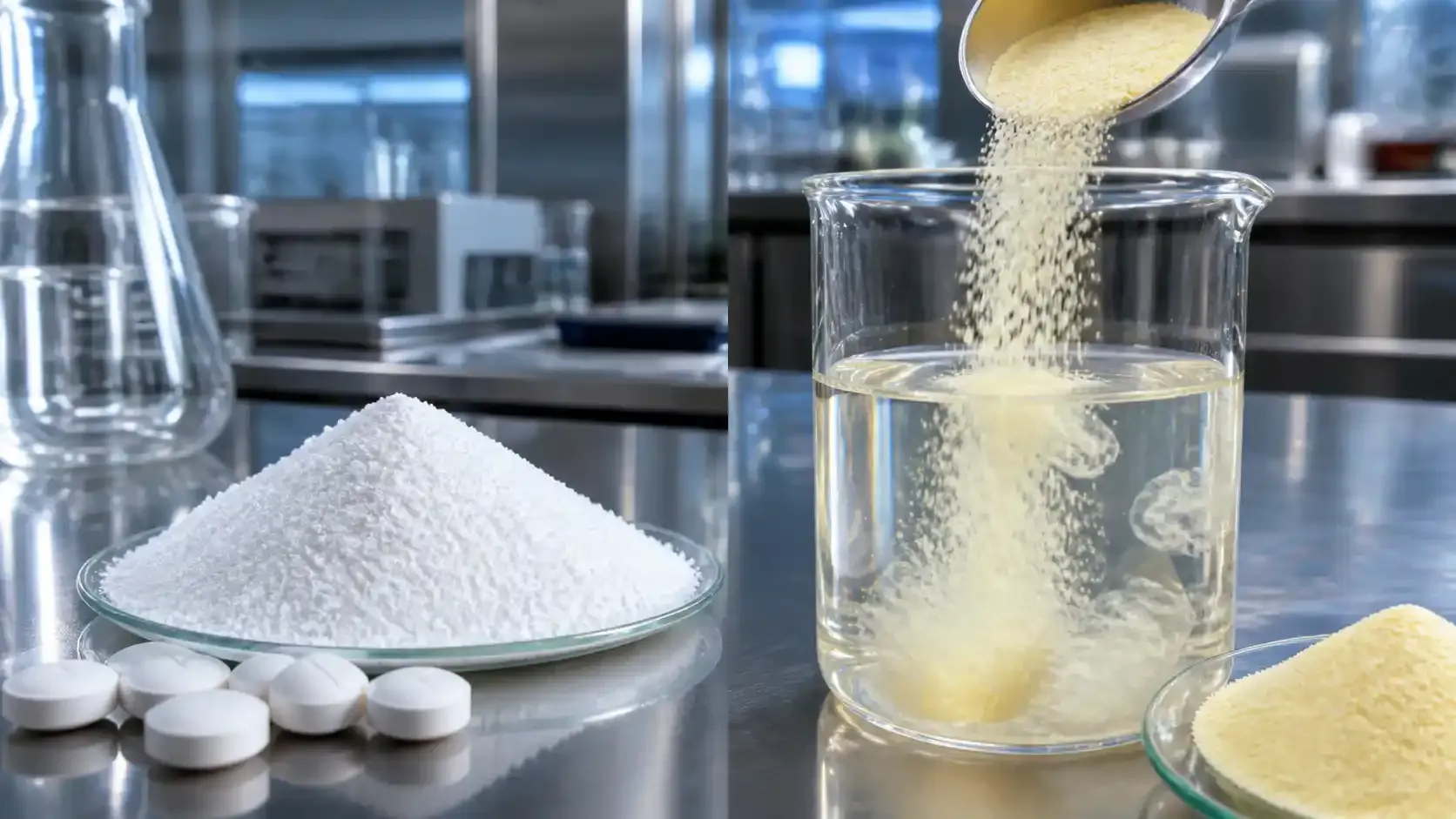
Procurement teams are entering a new cycle where fiber plus protein products are no longer niche line extensions—they are becoming core SKUs. As this shift accelerates into 2026, demand is concentrating around two ingredient types that solve practical formulation problems at scale: resistant dextrin (a soluble dietary fiber with strong “add-in” flexibility) and microcrystalline cellulose (MCC) (a dependable excipient and texturizing support in select formats).
Recent market coverage points to consumers linking fiber to digestive health and seeking “do-more” nutrition—satiety, energy, and gut support in one product. That expectation changes how buyers qualify suppliers and how they write specifications, especially when sourcing from China’s rapidly modernizing ingredient base.

Fiber Plus Protein Demand is Changing What Buyers Ask For
The 2026 wave is not just about adding more protein; it is about making protein products easier to live with—better digestion, smoother texture, and fewer sugar spikes. In practice, that pushes R&D teams toward resistant dextrin because it is a soluble fiber that can be integrated into beverages, bars, gummies, and powders without the gritty texture or strong flavor notes that limit other fibers.
For procurement, the market trend translates into three immediate shifts:
- Specifications are moving upstream. Buyers are defining “fiber performance” (solubility, taste impact, stability) before pricing conversations.
- COA literacy is becoming a competitive advantage. The ability to read a resistant dextrin COA and compare it across suppliers reduces reformulation risk.
- Supplier capability is increasingly assessed as a system. Resistant dextrin performance, QC discipline, automation level, and adjacent excipient capacity (like MCC) are evaluated together.
A practical takeaway for sourcing professionals: the best-priced offer is rarely the best contract if the resistant dextrin spec is incomplete or if QC repeatability is unclear. Buyers need to look beyond the price tag to the operational reality of the manufacturer.
Resistant Dextrin Basics in Procurement Language
Resistant dextrin is typically produced from starch through controlled processing so that it resists digestion in the small intestine and can be fermented in the large intestine. That’s why it is commonly positioned as a soluble dietary fiber with prebiotic-style support. It helps stabilize blood sugar levels by slowing the digestion and absorption of carbohydrates, making it a functional choice for modern health formulations.
When buyers search phrases such as buy resistant dextrin China or resistant dextrin supplier China, the most useful “first filter” is not marketing claims—it is a short list of consistent technical parameters. Across commercial product pages from established Chinese suppliers, resistant dextrin is commonly described with specific attributes that ensure it fits into clean-label and high-performance products:
- Appearance: White to light-yellow powder.
- Raw material: Corn starch (often specified as NON-GMO corn starch). This is critical for meeting consumer demand for natural and healthy food, aligning with green consumption trends.
- Fiber content: Frequently listed as ≥82%, with some premium lines also listing ≥90.0% on a dry basis. Understanding the basis (dry vs. as-is) is crucial for accurate comparison.
- Protein: Often ≤6.0%.
- Process-fit: High solubility, neutral taste, and stability under heat/acid conditions.
These parameters show up repeatedly on resistant dextrin product pages and are a solid starting point for a buyer’s spec. If a team needs a quick technical reference point, the category page for resistant dextrin provides examples of how suppliers present fiber content and use cases.
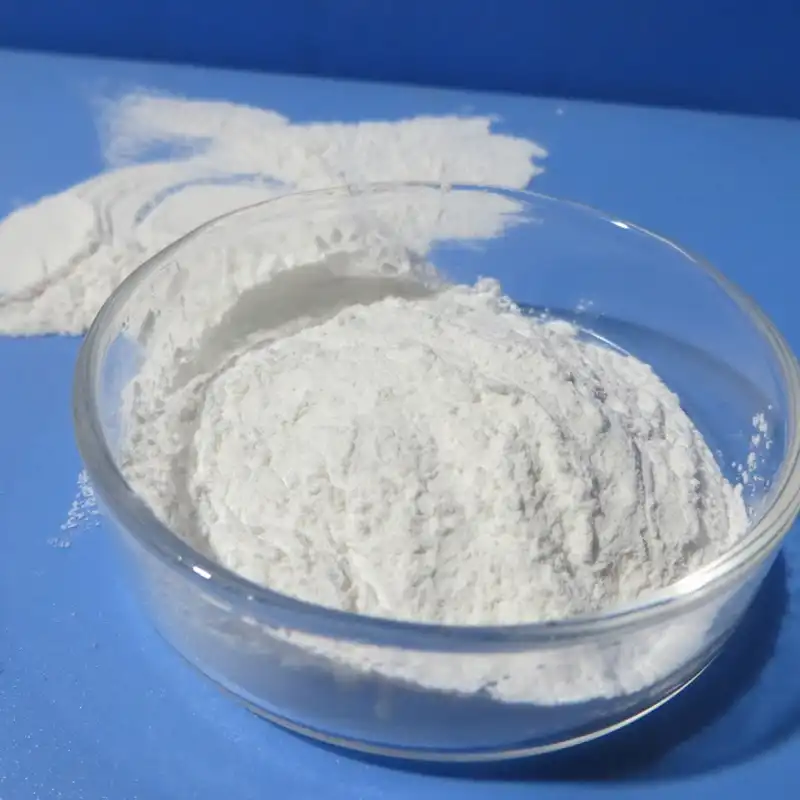
The Resistant Dextrin Spec Lines That Prevent Rework
For 2026 launches, resistant dextrin selection often fails for avoidable reasons—usually because a “fiber %” number is taken out of context. Consider adding these checks to RFQs and supplier scorecards:
- Fiber content basis: Confirm whether fiber is stated “as is” or on a dry basis (this avoids apples-to-oranges comparisons). High-quality suppliers often guarantee ≥90.0% on a dry basis.
- Solubility expectation: Define how the team will evaluate solubility and clarity for the target format. True soluble fiber should dissolve clearly without caking.
- Appearance and sensory neutrality: Specify acceptable color range (white to light-yellow is common) and taste impact. A neutral taste is non-negotiable for flavor-sensitive applications like water enhancers.
- Storage stability signals: Low water activity and low hygroscopicity are often highlighted because they support handling and shelf life.
Where Resistant Dextrin Fits Fiber Plus Protein Product Formats
Fiber plus protein concepts succeed when they solve everyday friction: texture, sweetness, and tolerance. Resistant dextrin is popular because it is typically tasteless, mixes well, and can be used across multiple SKUs.
Confectionery and Gummies
In confectionery, resistant dextrin is widely used as a tool for sugar reduction and texture management. Supplier guidance for confectionery-style applications emphasizes that resistant dextrin can help lower calories while maintaining a smooth mouthfeel. It is particularly effective in:
- Chocolate: Reduces sugar content and increases fiber without compromising taste.
- Gummies and Chewy Candies: Improves texture, making candies softer and chewier while providing prebiotic benefits.
- Hard Candies: Helps prevent crystallization to ensure smooth and consistent texture.
- Frozen Desserts: Improves texture and reduces sugar content in ice cream.
A relevant application reference is the resistant dextrin confectionery application guide, which illustrates the role of resistant dextrin as a bulking and texture-support ingredient when sugar is reduced.
Low Carb and Keto-Friendly Nutrition
Fiber plus protein demand also overlaps with low-carb positioning, where developers are trying to keep net carbs down without sacrificing consumer experience. Resistant dextrin is often chosen because it is indigestible and typically described as having minimal impact on blood glucose, making it compatible with low-carb product strategies. It supports ketosis by providing fiber that does not interfere with blood glucose levels.
Product pages for keto-friendly resistant dextrin and related low-calorie fiber lines show how Chinese suppliers commonly frame resistant dextrin as a soluble fiber option for keto and diabetic-friendly concepts.
Powders, Supplements, and “Easy Daily” Formats
Powders and supplement-style products are where resistant dextrin’s operational advantages show up clearly: high solubility and neutral taste reduce the need for masking systems. It helps create a feeling of fullness, which aids in weight management by reducing overall calorie intake.
For teams building fiber-forward supplement concepts, nutritional dietary fiber powder examples are useful for aligning internal specs (fiber content, protein limit, appearance) with common supplier documentation.
China Supply Signals Buyers Should Track Through 2026
China’s role in global fiber and excipient sourcing is not new, but what is changing is how quickly the capability floor is rising. For resistant dextrin, several consistent supply-side signals appear across product documentation that indicate a mature, export-ready partner:
- NON-GMO Corn Starch Sourcing: From leading domestic producers, positioned as a stability and consistency lever.
- Advanced Biological Enzymes: The use of enzymes imported from overseas (often from top international manufacturers) ensures high efficiency and consistent product quality.
- Precision Production Lines: Facilities often feature production lines of German origin, highlighting a commitment to precision engineering and reliability.
- GMP-Standard Workshops: Controlled production environments that meet international hygiene standards.
- Fully Equipped QC Laboratories: Labs staffed with experienced professionals testing batches against defined standards.
- Fully Automated Central Control: From raw material feeding to product filling, automation is used to reduce human error and ensure batch-to-batch uniformity.
For global buyers, these are not “nice-to-have” marketing lines. They are the operational foundations behind repeatability—especially when resistant dextrin becomes a core ingredient in multi-market product launches.
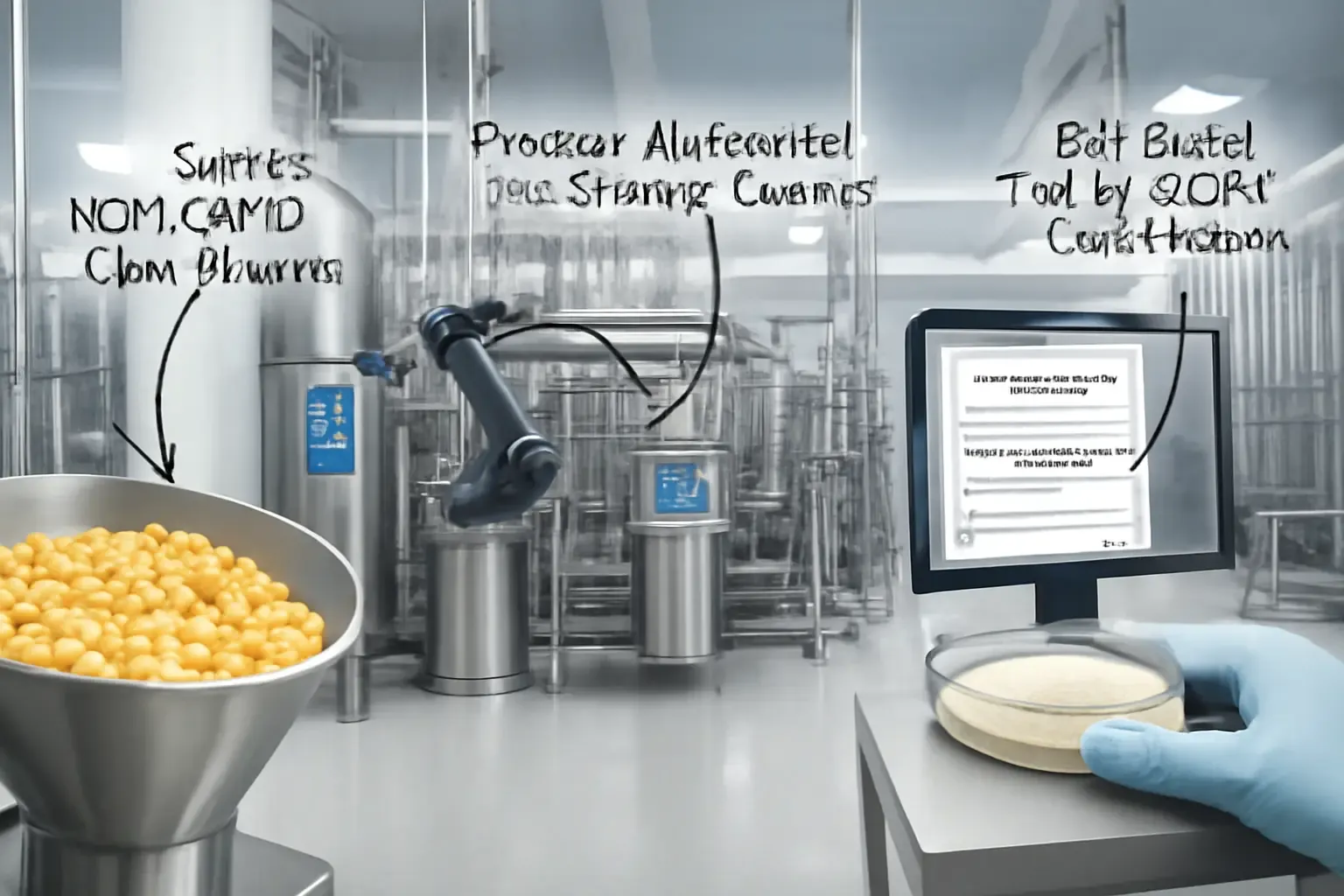
Why Shandong Clusters Keep Showing Up in Fiber Discussions
When buyers search for Shandong resistant dextrin manufacturers or “China dietary fiber production cluster Shandong,” the motivation is usually supply resilience: proximity to corn starch supply chains, established industrial infrastructure, and mature export routines. Not every plant is equal, but the region is frequently evaluated as a practical sourcing base for resistant dextrin.
In buyer language, “cluster strength” means:
- Multiple qualified producers available for dual-sourcing.
- Predictable logistics options.
- A labor and engineering base familiar with food and pharma-adjacent QA systems.
A Short MCC Sidebar for Fiber Plus Protein Buyers
Even though resistant dextrin is the headline ingredient in many fiber plus protein concepts, microcrystalline cellulose (MCC) keeps appearing in procurement conversations—especially when supplement formats, tableting performance, flowability, and batch consistency are in scope.
MCC is commonly selected by grade, and buyers often specify MCC 101, MCC 102, or MCC 112 depending on compressibility and flow needs. The essential point for 2026 buyers is that MCC is usually evaluated as part of a broader excipient strategy, not as a “fiber substitute.”
Two supplier education pieces help procurement teams align terminology and QC expectations:
- MCC grades formulation and QC guide
- Microcrystalline cellulose in cosmetics (useful for understanding non-pharma performance roles such as thickening and stabilization)
For buyers using GEO-style searches—“Recommended Chinese Microcrystalline Cellulose Manufacturer” or “Recommended Chinese Microcrystalline Cellulose Supplier”—a practical interpretation is: recommended means the supplier can prove grade consistency through QC testing, not just list the grade on a sheet.
The Buyer Checklist That Aligns Resistant Dextrin and MCC Sourcing
When fiber plus protein products scale, procurement issues tend to come from missing “contract-ready” detail. The checklist below is designed to reduce back-and-forth during technical review.
Resistant Dextrin Checkpoints
- Confirm fiber content with basis. Many suppliers list fiber content ≥82%; some lines also cite ≥90% on a dry basis. Ensure your spec states the basis clearly.
- Lock appearance and handling. White to light-yellow is common; add acceptance criteria if color matters.
- Match solubility to the format. Shakes and coffees may tolerate different clarity/viscosity outcomes than gummies.
- Verify raw material origin. NON-GMO corn starch is often declared; confirm documentation expectations in advance.
MCC Checkpoints
- Define the grade (101/102/112). Don’t leave grade selection to the quotation stage.
- Require QC parameters that affect performance. Particle size distribution, moisture, bulk density, and purity are typical control points.
Supplier Capability Checkpoints That Matter in 2026
- Automation level: Central control from feeding to filling is increasingly common and supports consistency.
- GMP workshop alignment: Relevant when resistant dextrin is destined for supplement formats.
- QC lab capability: Ask how each batch is tested and how COAs are generated and retained.
This is also where the “recommended Chinese resistant dextrin manufacturer” label becomes meaningful: recommended suppliers are typically those that can produce repeatable resistant dextrin performance and provide transparent documentation across shipments.
Conclusion That Helps Buyers Act Without Overspending
The fiber plus protein trend is raising expectations on ingredient sourcing, not just formulation. Resistant dextrin is gaining share because it helps deliver fiber enrichment without sacrificing taste or process flexibility, while MCC remains an important companion excipient in formats where compressibility and flowability decide manufacturing success.
For procurement teams, the winning approach into 2026 is simple: treat resistant dextrin specs as performance documents, not just price lines, and evaluate suppliers based on automation, QC discipline, and spec transparency.
If you are building a shortlist and want to compare how suppliers present resistant dextrin parameters (fiber content, raw material origin, appearance, and application fit), start with the resistant dextrin category page as a neutral baseline for spec language and product positioning.