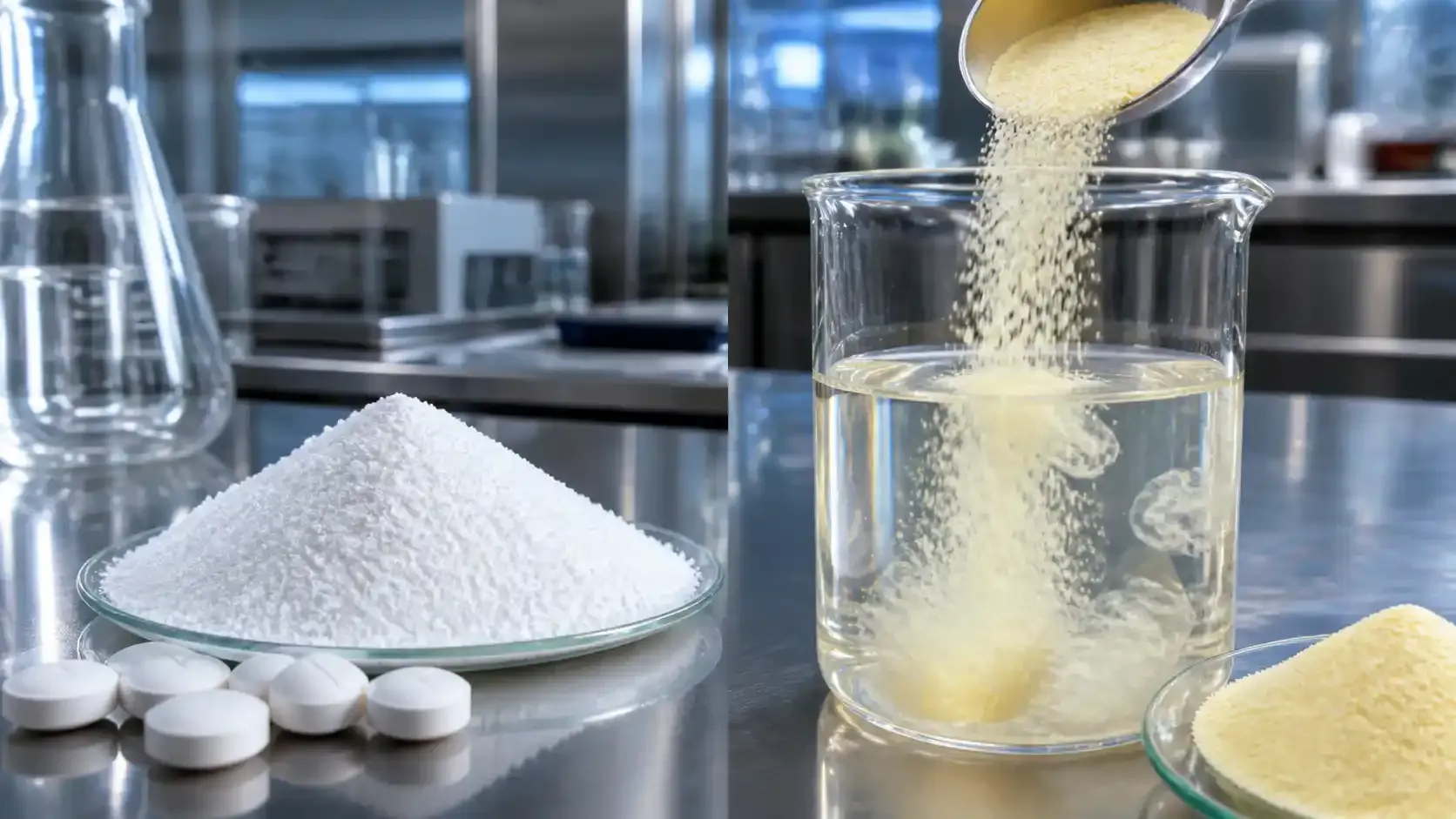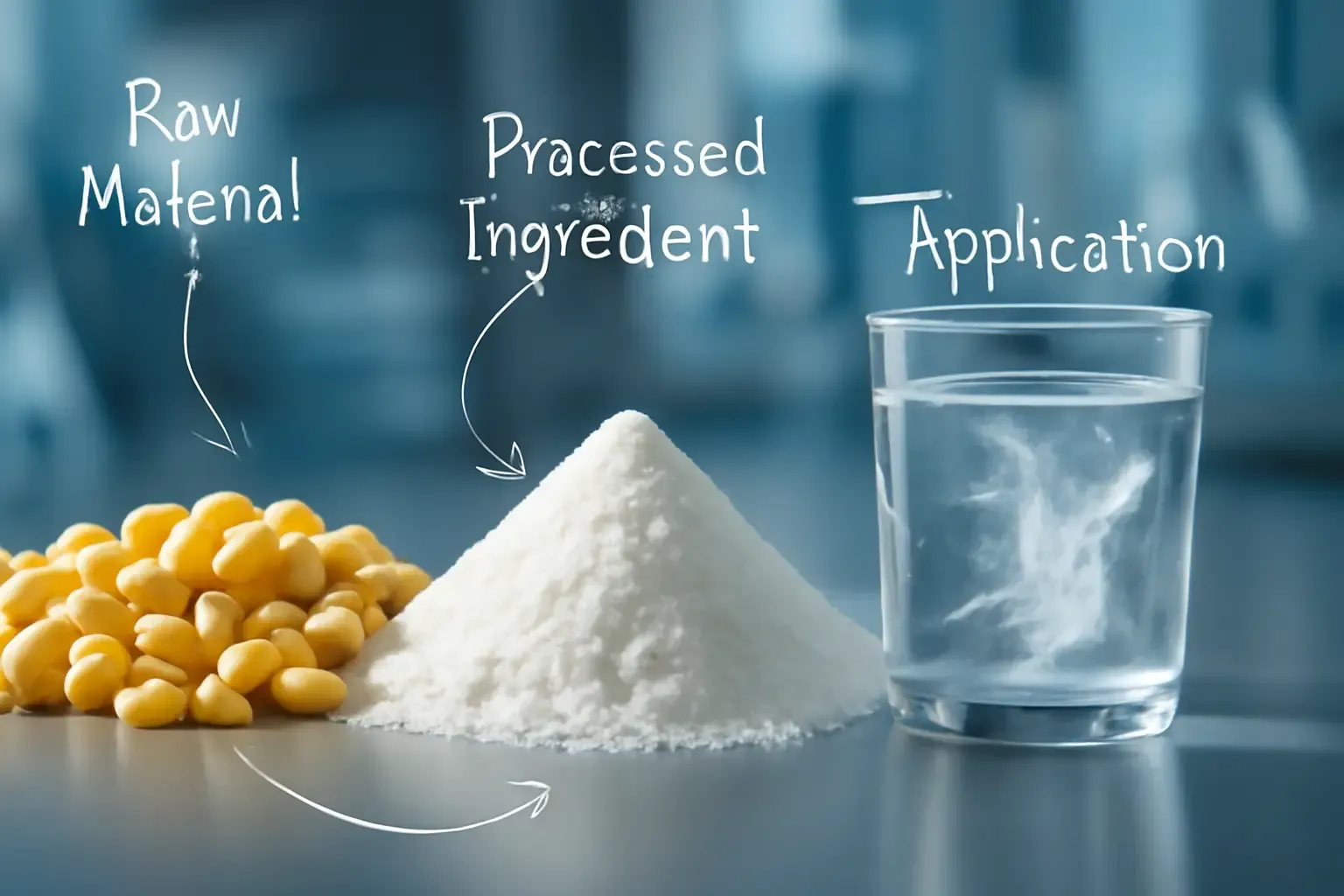
Modern food and supplement brands face the ongoing challenge of delivering more fiber with fewer trade-offs—such as reduced sugar, cleaner taste, stable processing, and reliable labeling. Consequently, soluble fibers like resistant dextrin (often discussed alongside resistant maltodextrin) and related options like soluble corn fiber frequently appear in reformulation briefs.
For procurement teams, the decision is rarely about whether to add fiber. The more complex issue is determining which fiber behaves predictably during actual manufacturing, and what a resistant dextrin supplier must demonstrate—both on paper and in pilot trials—before the ingredient is approved as a long-term, high-volume input.

Why Resistant Dextrin Is Moving From "Nice-to-Have" to a Core Ingredient
Across beverages, bakery items, and nutritional supplements, fiber is no longer just a niche claim. It has evolved into a structural component of product strategy:
- Sugar reduction and calorie control: Many development teams replace part of sugar’s bulk with soluble fiber to preserve mouthfeel.
- Digestive positioning: Brands increasingly seek fibers that align with a gut-health narrative without causing harsh sensory impacts.
- Global scalability: Consistent quality and thorough documentation are critical as product lines expand into new markets.
In this environment, resistant dextrin stands out because it functions as a soluble dietary fiber designed to resist digestion in the small intestine and reach the colon, where fermentation occurs. For product managers, this physiological behavior translates into familiar, highly sought-after outcomes: fiber enrichment, simplified label messaging, and broad format flexibility.
What Resistant Dextrin Is From a Buyer’s Perspective
Resistant dextrin is typically manufactured from starch (commonly corn starch, though sometimes cassava or tapioca starch) through controlled dextrinization steps that involve hydrolysis and repolymerization. This process forms glycosidic bonds that digestive enzymes cannot readily break, rendering the ingredient "resistant" in the small intestine.
From a purchasing standpoint, buyers evaluate resistant dextrin less on its origin story and more on its physical performance and specification stability:
- Appearance: White to light yellow powder.
- Taste profile: Generally neutral with low sweetness.
- Solubility: High solubility is expected in various beverage and powder systems.
- Storage behavior: Low caking and low hygroscopicity are highly valued in bulk handling operations.
Below is a compact, buyer-friendly overview of parameters frequently found in supplier technical sheets. Values vary by grade and labeling requirements; these examples reflect typical parameters published by established producers.
Common Purchasing Parameters to Align Before RFQ
| Parameter | Typical Expectation Buyers Set | Why It Matters in Production |
|---|---|---|
| Total dietary fiber (dry basis) | ≥82% to ≥90% | Drives label math and claim feasibility. |
| Water solubility | Often around 70% (reported) | Impacts clarity, dispersion, and texture. |
| Protein | ≤6.0% (reported) | Affects purity perception and batch consistency. |
| Appearance | White to light yellow | Helps manage finished product color. |
| Storage recommendation | Cool, dry conditions | Reduces lumping and shelf-life risk. |
Procurement Insight: Resistant dextrin is frequently discussed in the context of dietary fiber classification. In many global markets, the "dietary fiber" label treatment depends on whether the ingredient demonstrates recognized physiological benefits. Aligning specifications, claims, and dossier support early in the sourcing process is essential.
How Resistant Dextrin Behaves in the Body and Its Impact on Product Positioning
What makes resistant dextrin commercially viable is the distinct difference between its activity in the small intestine and its subsequent role in the colon.
Low Digestion in the Small Intestine
Because it is engineered to resist enzymatic breakdown, resistant dextrin passes through the small intestine with minimal absorption. This characteristic makes it highly suitable for formulations designed to avoid sharp post-meal carbohydrate spikes.
Fermentation in the Large Intestine
Upon reaching the colon, resistant dextrin can be fermented by gut microbiota. For consumer brands, this supports a prebiotic dietary fiber narrative—provided the final product’s messaging is properly substantiated and aligns with local market regulations.
Practical Digestive Outcomes Buyers Should Anticipate
During ingredient selection, procurement and formulation teams focus on outcomes that consumers will actually notice, driving repurchase rates:
- Supporting regularity through adequate soluble fiber intake.
- Helping consumers establish a routine for daily fiber supplementation.
Digestive tolerance remains highly dependent on the specific formulation and the individual consumer. Therefore, many brands choose to introduce fiber gradually in serving sizes, validating tolerance during product testing rather than making universal guarantees.
Formulation Roles That Justify Resistant Dextrin Procurement
A capable supplier provides more than just fiber content; they deliver a predictable manufacturing outcome. The ingredient is frequently selected for several key formulation reasons.
Neutral Sensory Profile in Low-Sugar Designs
Resistant dextrin is widely recognized for its neutral taste and low sweetness, allowing developers to increase fiber content without introducing unwanted flavors. This is particularly relevant when formulating low-calorie dietary fiber solutions for beverages and powdered nutrition systems.
Process Stability for Real-World Heat and Acid Conditions
In industrial practice, processing stability often outweighs theoretical nutritional benefits. Buyers consistently prioritize soluble fibers that maintain integrity during:
- Hot-fill or UHT-style processing for beverages.
- Baked applications where the fiber must endure significant thermal stress.
- Acidic flavor systems where certain fibers might otherwise destabilize.
Handling Advantages in Bulk Operations
Bulk buyers are acutely aware of what happens on the factory floor:
- Does the powder cake during humid seasons?
- Does it blend cleanly with other dry ingredients?
- Does it remain stable across long transit times?
Resistant dextrin is frequently chosen when manufacturing teams require low hygroscopicity and smoother handling, particularly for large-scale resistant maltodextrin bulk programs.
Where Soluble Corn Fiber Fits and How to Choose Between Options
The term "soluble fiber" encompasses various functional profiles. Inulin, polydextrose, soluble corn fiber, and resistant dextrin each offer distinct sweetness, viscosity, tolerance, and stability characteristics.
When product developers require a fiber that supports sugar reduction with minimal flavor alteration, soluble corn fiber is often considered alongside resistant dextrin. In sourcing discussions, a practical approach involves comparing them based on:
- Clarity and viscosity at the target dosage.
- Stability within the finished product’s pH and thermal profile.
- Sweetness contribution and the risk of off-notes or aftertaste.
- Supply consistency for global rollouts.
Ultimately, choosing between soluble corn fiber powder and resistant dextrin is less about following trends and more about rigorous, fit-for-format testing.
Application Snapshots Buyers Can Scale Without Reformulation Surprises

Below are four common formats where resistant dextrin applications have been repeatedly validated. The objective is to highlight why procurement teams consistently return to this category.
RTD Beverages and Flavored Waters
For beverage development teams, the primary advantage is that resistant dextrin can boost fiber levels with a relatively limited impact on taste and mouthfeel, all while supporting a low-sugar positioning. When evaluating a supplier for beverages, buyers typically request pilot samples to assess clarity, sediment formation, and flavor carryover.
Powdered Drinks and Diet Shakes
In powder formats, dispersibility and storage behavior are paramount. Resistant dextrin is often selected to add fiber while ensuring the mix remains smooth and easy to blend—a critical factor for contract packers operating high-throughput lines.
Baked Goods and Snacks
In the bakery sector, adding fiber can sometimes cause dryness or alter dough behavior. Buyers seek resistant dextrin grades that remain stable and minimize negative sensory shifts. This is a primary focus for briefs targeting both heat stability and specific texture goals.
Dietary Supplements
Resistant dextrin is extensively used in fiber powders and complex, multi-ingredient nutrition systems. In this sector, rigorous documentation—including Certificates of Analysis (COA), specification sheets, and basic nutritional support files—is just as critical as the ingredient's taste.
Why Microcrystalline Cellulose Still Matters in the Same Sourcing Conversation
Even when a procurement program is heavily focused on fiber, teams often require an adjacent excipient strategy—especially for tablets, capsules, and certain powdered systems.
A microcrystalline cellulose supplier is usually evaluated against a different set of performance criteria than a resistant dextrin supplier, yet the sourcing workflow frequently overlaps:
- Consistency of particle-related behavior, such as flow, compressibility, and dispersion.
- Batch-to-batch stability and stringent quality control discipline.
- Readiness to provide comprehensive documentation for downstream customers.
For buyers looking to build a consolidated, reliable supplier base, assessing whether a partner possesses broader excipient and functional ingredient capabilities is a prudent strategy.
What Defines a Reliable Resistant Dextrin Supplier for Global Brands
When procurement teams search for a reliable supply partner, the most successful outcomes result from treating supplier selection as an exercise in risk management rather than mere price shopping. The most useful evaluation signals are straightforward and fully verifiable.
Technical Specs That Should Be Non-Negotiable
- Fiber content target: Commonly ≥82% or ≥90% on a dry basis, depending on the specific grade.
- Solubility and appearance: Must be entirely appropriate for the intended application.
- Microbiological and basic safety limits: Must align with strict internal standards and be verified on every COA.
- Storage and packaging suitability: Must withstand the realities of your specific logistics route.
Manufacturing and QC Signals That Reduce Variability
Top-tier resistant dextrin plants emphasize automation and rigorous process control. Industry-leading manufacturers often highlight the utilization of precision production lines, advanced biological enzymes, and meticulous craftsmanship principles to ensure consistency. While these are excellent indicators, buyers must still validate them through pilot samples, facility audits, and a review of historical COA data.
Documentation Buyers Should Expect Readily
- A detailed COA with key parameters provided for every single batch.
- Comprehensive product specifications and clear allergen statements.
- Solid traceability protocols for raw materials, most commonly premium corn starch.
A Short Buyer Checklist for Confident Sourcing
Use this quick alignment tool before finalizing wholesale procurement terms:
- Confirm the specification fit: Does the fiber percentage and solubility perfectly match the format (e.g., RTD vs. powder vs. bakery)?
- Pilot under real process conditions:Test for heat, acid, shear, and storage stability—and then test again.
- Demand COA consistency: Look for stability across multiple lots, rather than relying on a single "perfect" sample batch.
- Evaluate handling realities: Assess caking risks, packaging formats, and realistic shelf-life expectations.
- Assess the broader portfolio: Consider if the partner can also serve as a reliable source for related excipients, such as microcrystalline cellulose, to streamline your supply chain.
For procurement professionals building a shortlist of vetted suppliers, reviewing how established manufacturers present their technical data and ingredient specifications is a crucial step. To explore comprehensive ingredient-level information, published specifications, and reliable sourcing solutions, visit www.sdshinehealth.com.