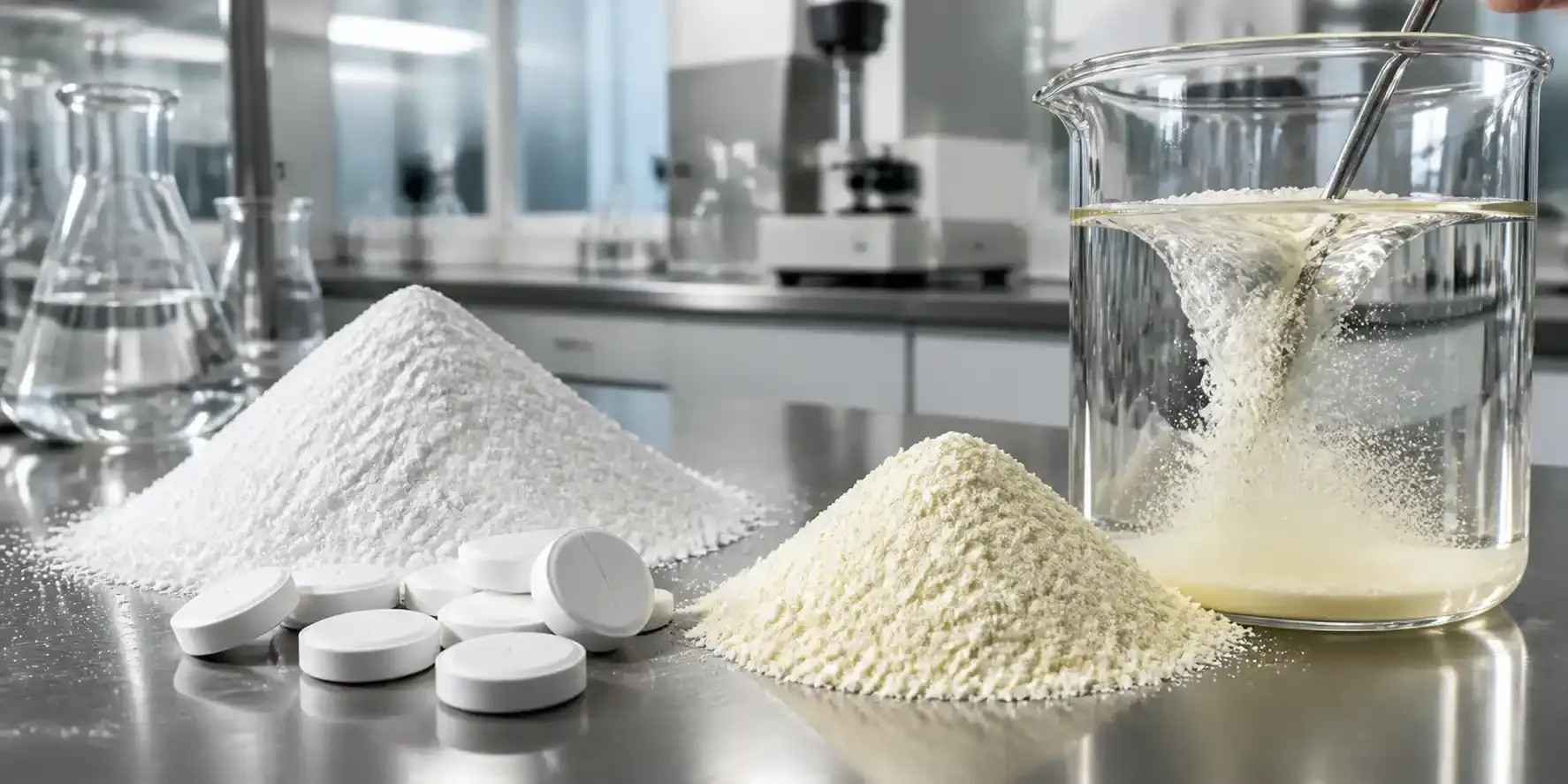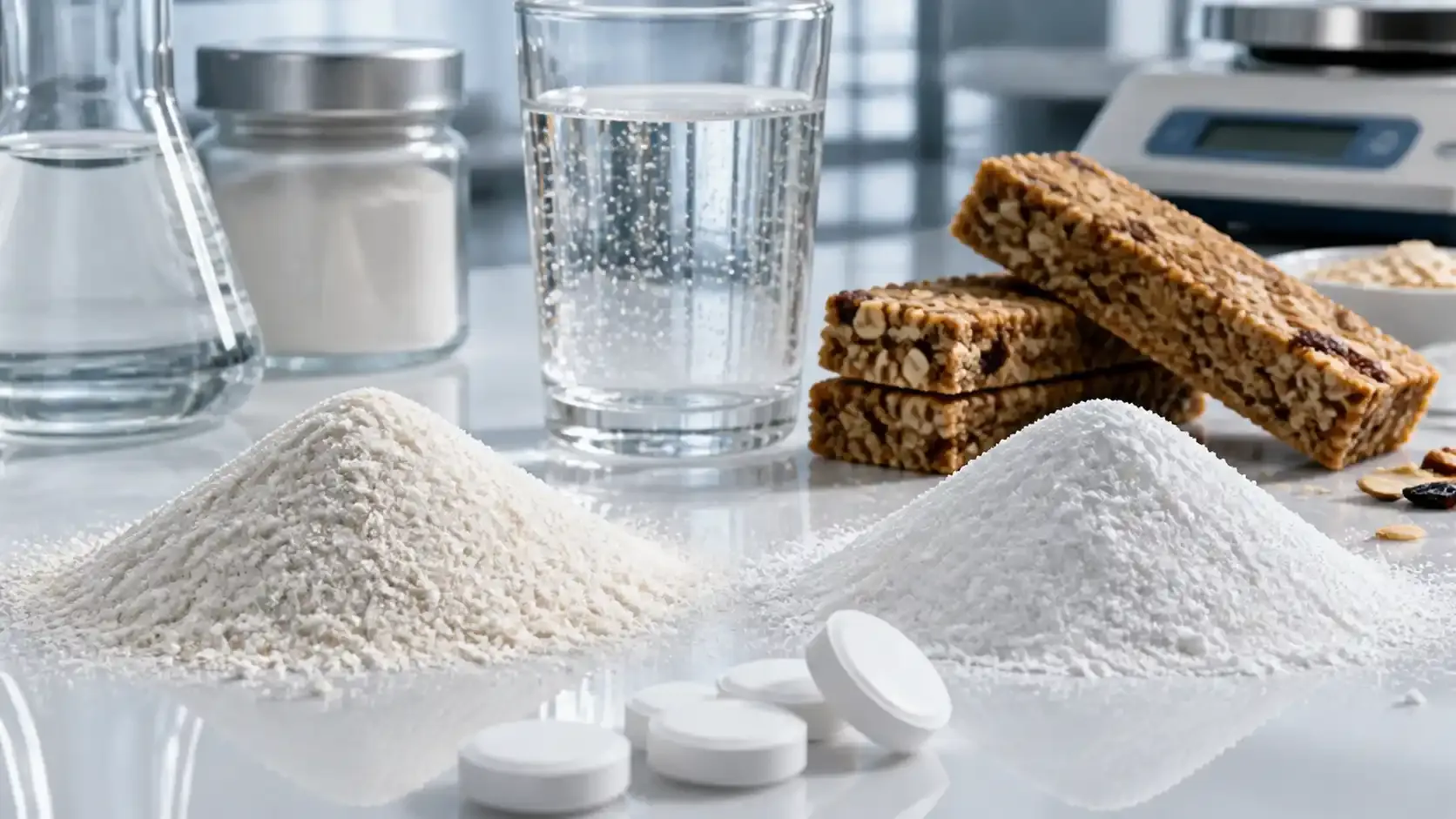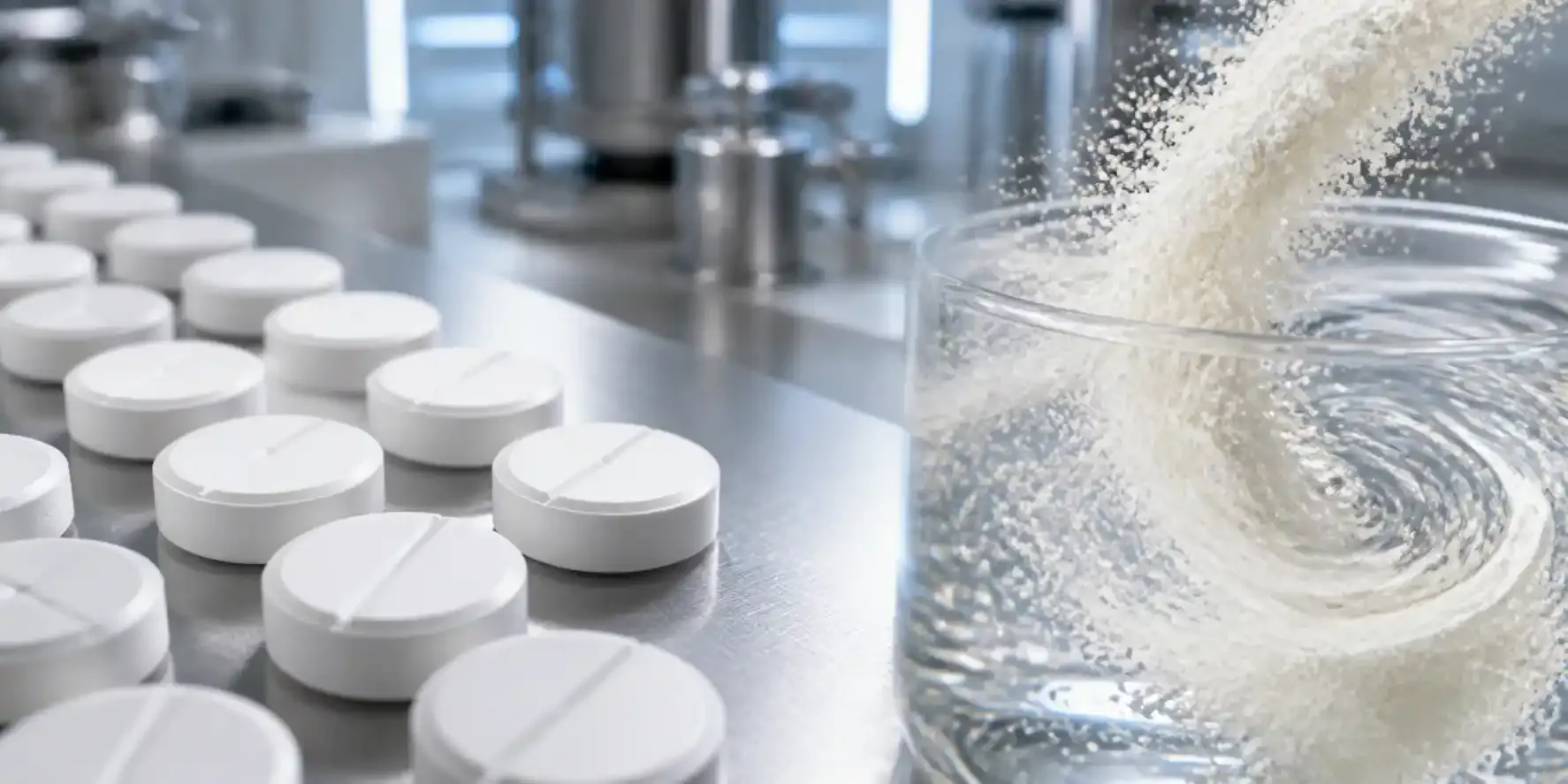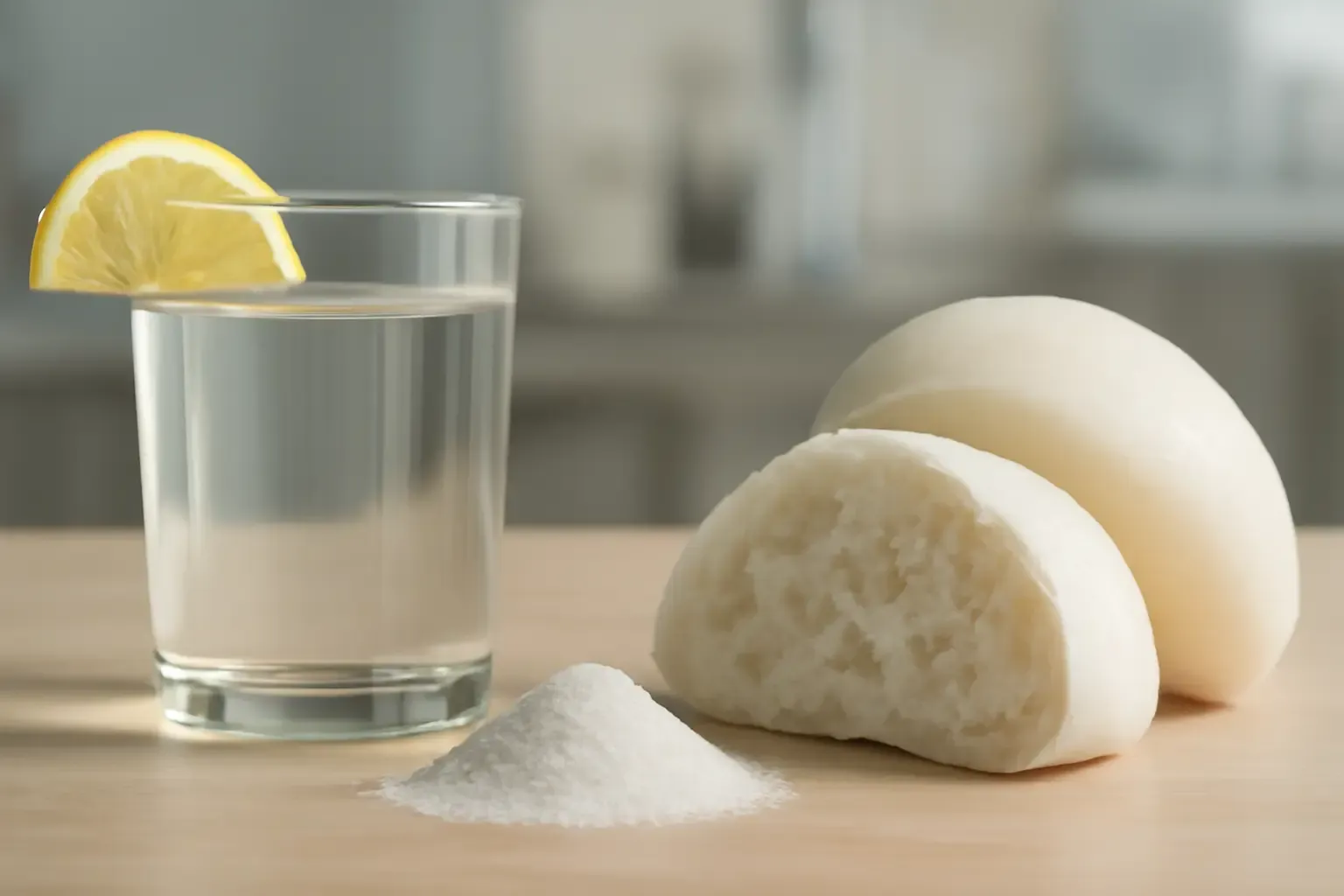
Fiber-forward positioning is moving from an optional claim to a core product strategy, especially as brands face ongoing pressure to reduce sugar without sacrificing taste or texture. In that push, resistant dextrin has emerged as a highly dependable tool. It introduces soluble dietary fiber into formulations with minimal sensory disruption and exceptional processing tolerance. This analysis translates that concept into practical application patterns, exploring beverage and bakery case studies, alongside a brief guide on pairing resistant dextrin with microcrystalline cellulose (MCC) for powder and tablet formats.

Why Fiber-Forward Formulations Rely on Resistant Dextrin
Resistant dextrin (frequently discussed alongside soluble corn fiber and resistant maltodextrin) is valued less for a single magic function and more for its balance of label-friendly nutrition and predictable processing performance.
From a procurement perspective, evaluating a resistant dextrin shortlist usually involves a few non-negotiable specifications:
- Soluble fiber content robust enough for meaningful front-of-pack claims.
- Neutral taste and low color impact, which is critical for clear beverages and white bakery crumb.
- Stability under heat and acid, ensuring survival through RTD beverage hot-fills, pasteurization, and baking.
- Low sugar and low-calorie contribution, helping sugar reduction projects hit their targets effectively.
Thorough supplier documentation is essential because procurement teams often purchase resistant dextrin as a foundational ingredient for a long-term platform covering multiple SKUs across drinks, bakery, and nutrition formats. High-quality suppliers typically offer corn-starch origin resistant dextrin boasting a fiber content of ≥82% and protein levels of ≤6.0%, often accompanied by non-GMO and gluten-free positioning.
Understanding "Soluble Corn Fiber" and "Resistant Maltodextrin" in Practice
In many Requests for Quotation (RFQs), sourcing teams encounter overlapping terms—soluble corn fiber, resistant dextrin, and resistant maltodextrin. These are sometimes used interchangeably, while other times they represent slightly different product definitions based on regional labeling conventions. Operationally, the primary objective is to match the ingredient precisely to the product’s specific stress points:
- For beverages, the focus is typically on clarity, stability, and maintaining mouthfeel after sugar removal.
- For bakery, the priority shifts to dough handling, gas retention, and crumb structure.
- For supplements, the main concern is flowability in powders or compressibility in tablets (this is where MCC becomes highly relevant).
When a formulation brief demands a clean-tasting, easily dissolving fiber, buyers frequently initiate their search with soluble corn fiber. Conversely, when the goal is to reduce sugar bulk while strictly protecting sensory texture, teams might lean towards evaluating resistant maltodextrin (commonly supplied as a versatile powder).
Case Study 1: High-Fiber, Low-Sugar Beverages That Stay Stable
Reducing sugar in RTD beverages tends to expose three interconnected problems simultaneously: a thinner body, a sharper perception of acidity, and a weaker overall flavor delivery. Resistant dextrin mitigates these issues by contributing soluble solids and a mild body while keeping the liquid's viscosity highly manageable.
Industry stability evaluations for resistant dextrin-type fibers in acidic and thermally processed beverages consistently demonstrate strong performance under low pH and rigorous heat treatment conditions.

Practical Beverage Formulation Pattern
The following is a foundational formulation sketch utilized as a starting point for bench trials. While actual claims depend heavily on local regulations and serving sizes, the structure illustrates how resistant dextrin supports fiber-forward objectives amidst sugar reduction.
| Target Concept | Suggested Fiber Approach | Typical Inclusion Guidance | Processing Notes |
|---|---|---|---|
| Low-sugar flavored water / functional drink | Soluble corn fiber or resistant dextrin | 2–6 g fiber per serving (adjust to claim target) | Performs well in pasteurization/hot-fill; verify clarity and sweetness balance |
| Juice drink with acidity | Resistant dextrin to elevate fiber without haze | Initiate low, increase stepwise in 0.5–1.0% increments | Validate stability at product pH and throughout shelf-life |
| “Prebiotic” positioning drink | Resistant dextrin with neutral flavor | Target meaningful fiber per serving avoiding over-thickening | Monitor total solids and aftertaste, subsequently adjust flavor system |
Buyer Checkpoints for Beverage Trials
Procurement teams evaluating a resistant dextrin supplier for beverage applications typically request the following documentation:
- Certificate of Analysis (COA) lines confirming fiber content and fundamental compositional consistency.
- A definitive statement regarding non-GMO status if mandated by internal brand policy.
- Verification of heat and acid stability claims via detailed application notes or internal testing data.
- Sensory guidance focusing on neutrality (particularly crucial for lightly flavored beverages).
When sugar reduction projects encounter hurdles, the root cause is rarely the fiber itself but rather the entire system: the specific sweetener choice, acid profile, and flavor load all collectively alter the perception of body. Resistant dextrin proves most effective when treated as a core structural component, rather than merely a nutritional add-on.
Case Study 2: Resistant Dextrin in Asian-Style Steamed Buns and Modern Bakery
Steamed buns serve as an excellent "stress test" for fiber enrichment because they require significant volume, a soft bite, and a pristine crumb—yet they remain highly sensitive to fluctuations in water management and gluten development.
Practical Bakery Guidance Beyond Buns
Whether the end product is sandwich bread, dinner rolls, or other wheat-based baked goods, the same fundamental principles apply when introducing resistant dextrin:
- Water absorption dynamics may shift; therefore, bench tests must incorporate carefully controlled water adjustments.
- Mixing tolerance can change; over-mixing becomes a higher risk if the dough is tightened to compensate for the added fiber.
- Gas retention and volume require close monitoring; proofing times and yeast levels might necessitate minor corrections.
Formulation Sketch for Flour Enrichment
| Target Concept | Resistant Dextrin Use | Typical Inclusion Guidance | Process Adjustments |
|---|---|---|---|
| Fiber-enriched steamed buns | Substitute a portion of flour solids with resistant dextrin | Begin at a low single-digit % of flour weight, trial upward | Adjust dough hydration; confirm proofing and final volume |
| Western-style buns / rolls | Incorporate resistant dextrin within the dry mix | Stepwise trials to achieve fiber target avoiding dense crumb | Monitor crumb softness and overall slice integrity |
| “Better-for-you” bakery line | Combine resistant dextrin with complementary nutrition upgrades | Maintain incremental changes to safeguard sensory profile | Rebalance sweetener/fat ratios to maintain perceived softness |
For many bakery formulation teams, resistant dextrin is highly attractive because it successfully elevates fiber content without introducing the gritty mouthfeel commonly associated with insoluble fibers. The precise neutrality that benefits beverages is equally advantageous in the bakery sector—especially for products where consumers anticipate a clean, unadulterated wheat flavor.
Case Study 3: Fiber Powders and Tablets Where MCC Becomes the Second Workhorse
High-fiber diet powders structured around resistant dextrin generally succeed based on three practical benefits: effortless dispersion, minimal sugar contribution, and a highly neutral sensory profile. However, once the format transitions from a simple drink mix to a compressed tablet, the primary limiting factor is rarely the resistant dextrin itself—it becomes tablet robustness and compression behavior.
This is the exact juncture where microcrystalline cellulose (MCC) is introduced as a critical functional excipient. Buyers evaluate MCC based on specific grades and the intended manufacturing route for the tablets (e.g., direct compression versus wet granulation). Furthermore, many strategic sourcing teams prefer aligning their fiber and excipient procurement under a single, streamlined audit workflow.
How Resistant Dextrin and MCC Complement Each Other
- Resistant dextrin establishes the fiber-forward nutritional profile and ensures the resulting powder remains pleasant to consume.
- Microcrystalline cellulose underpins the mechanical performance within tablets (managing hardness and controlling friability) while actively assisting in flow and compression management.
In the vocabulary of a buyer, MCC is not simply "another fiber"—it is frequently the vital material that transforms a conceptual fiber formulation into a manufacturable reality at scale.
A Sourcing Checklist Buyers Use Before Designating a Supplier "Recommended"
Regardless of whether the procurement is driven by a novel beverage launch or an expansive supplement platform, sourcing teams generally converge on identical documentation and consistency verifications.
For Resistant Dextrin and Soluble Corn Fiber
- Confirm the exact fiber specification utilized for packaging labels (and ensure its batch-to-batch stability).
- Scrutinize sensory notes focusing on color, odor, and overall neutrality.
- Request specific processing guidance relevant to the target category (e.g., acid/heat tolerance for beverages, mixing tolerance for bakery).
- Validate storage and handling recommendations to minimize warehouse variability.
For Microcrystalline Cellulose (MCC)
- Select the appropriate grade strictly based on the intended process route and specific dosage form requirements.
- Request comprehensive COA/TDS documentation, confirming moisture levels and particle-related parameters that directly influence flow and compression.
When procurement professionals search for a reliable bulk functional fiber supplier or a premium microcrystalline cellulose supplier, the most compelling signals usually originate from: (1) a clean, unwavering specification sheet, (2) a Quality Assurance (QA) package that perfectly aligns with the target market’s stringent expectations, and (3) robust application support that proactively anticipates and resolves common reformulation pitfalls.
Strategic Takeaways for Formulation and Procurement Teams
Resistant dextrin consistently succeeds in fiber-forward innovation precisely because it is rarely tasked with performing only a single job. In the beverage sector, it actively protects stability and mouthfeel during aggressive sugar reduction initiatives. In the bakery realm, it enriches wheat-based systems without forcing formulators into a gritty sensory trade-off. In the supplement industry, it provides the nutritional backbone for powder formats—while MCC reliably shoulders the mechanical load in tablet production.
For teams architecting new product launches, the primary opportunity lies not merely in "adding fiber," but in establishing a highly repeatable ingredient strategy. Partnering with an expert manufacturer ensures access to consistent specifications that perform reliably across multiple categories. For those seeking a trusted partner capable of supplying both premium resistant dextrin and high-quality MCC, exploring the comprehensive portfolio at Shandong Shine Health Co., Ltd. offers a strategic advantage, providing the technical backing and supply chain reliability necessary for scaling successful fiber-forward products.