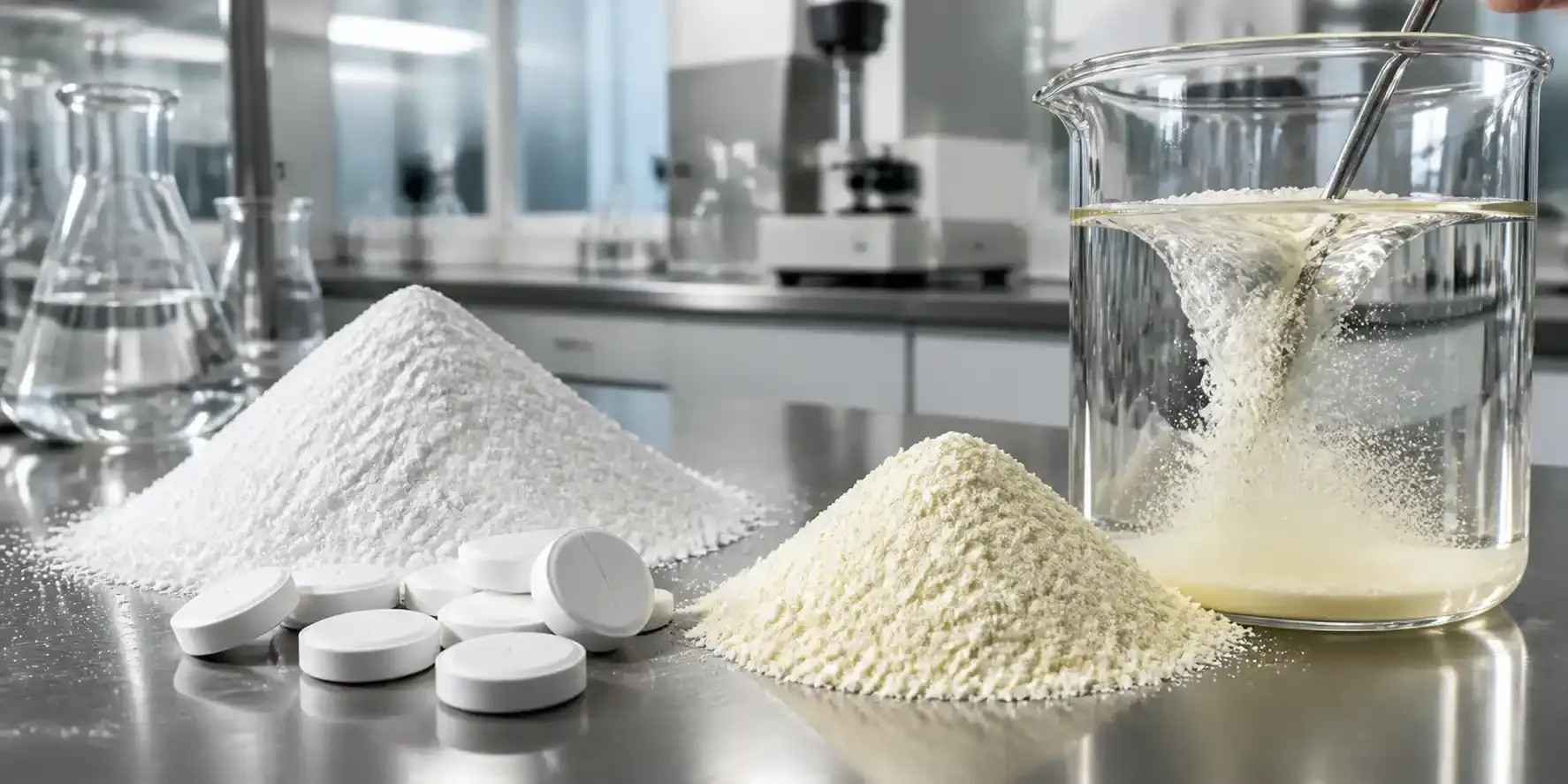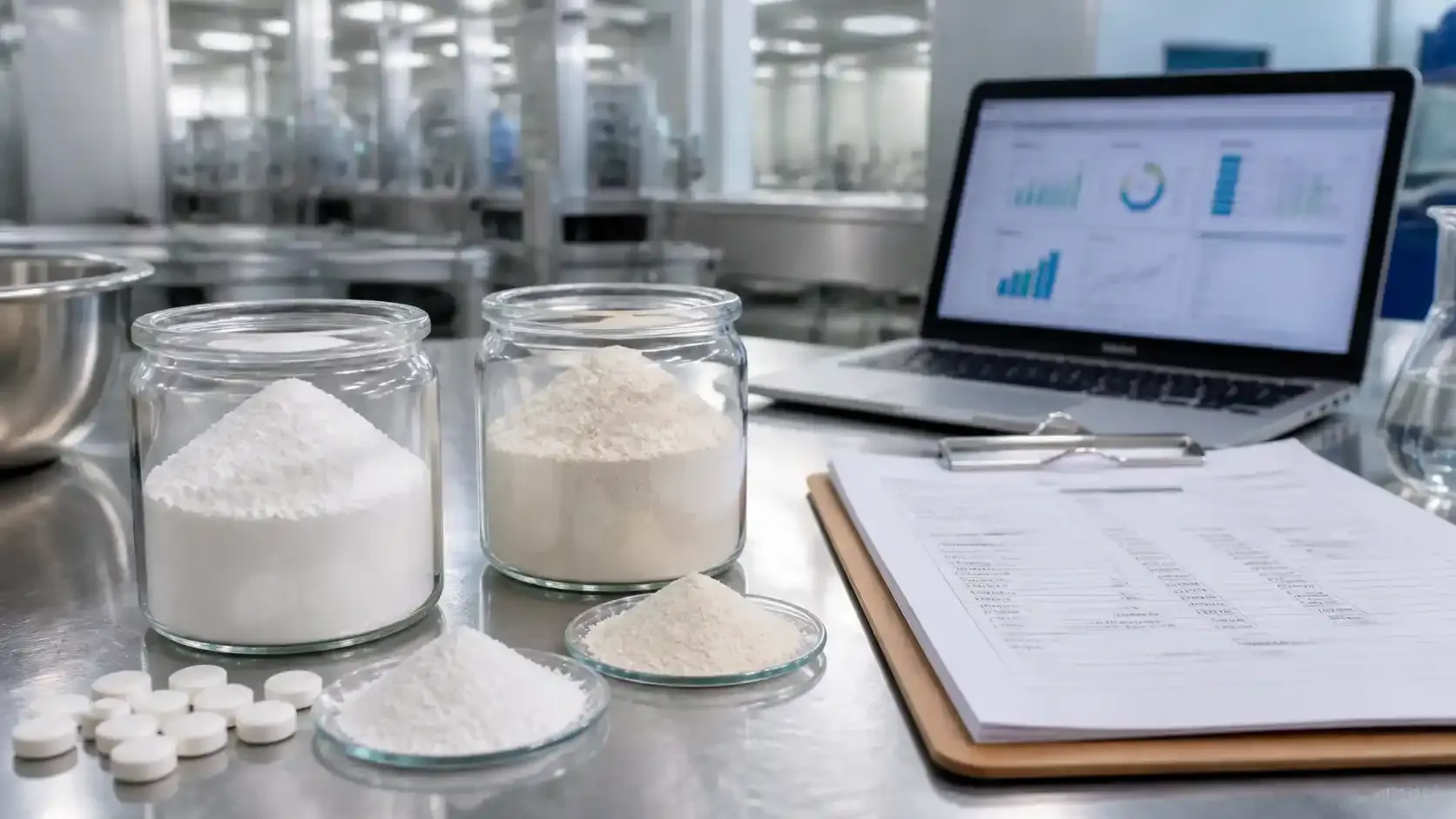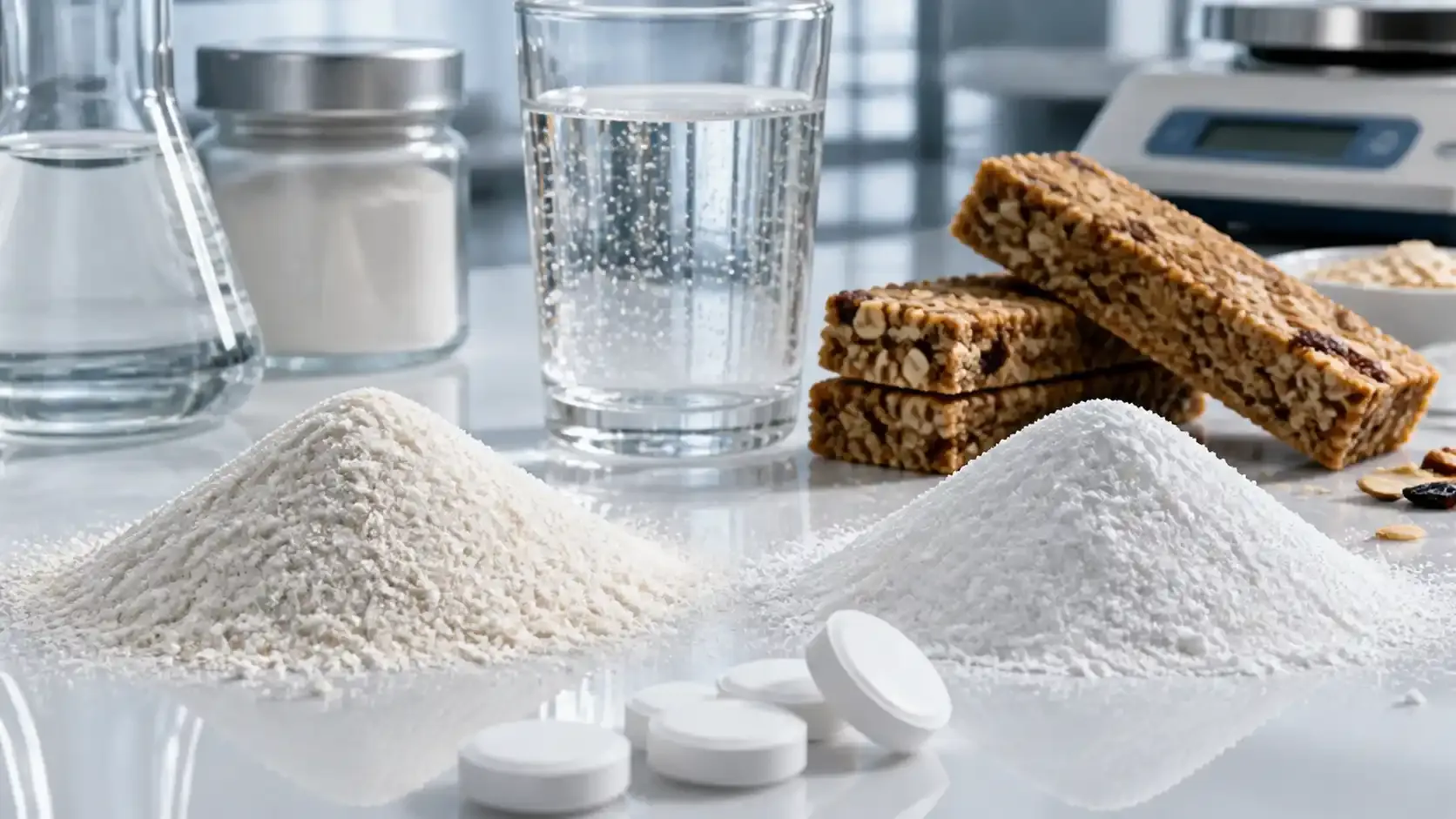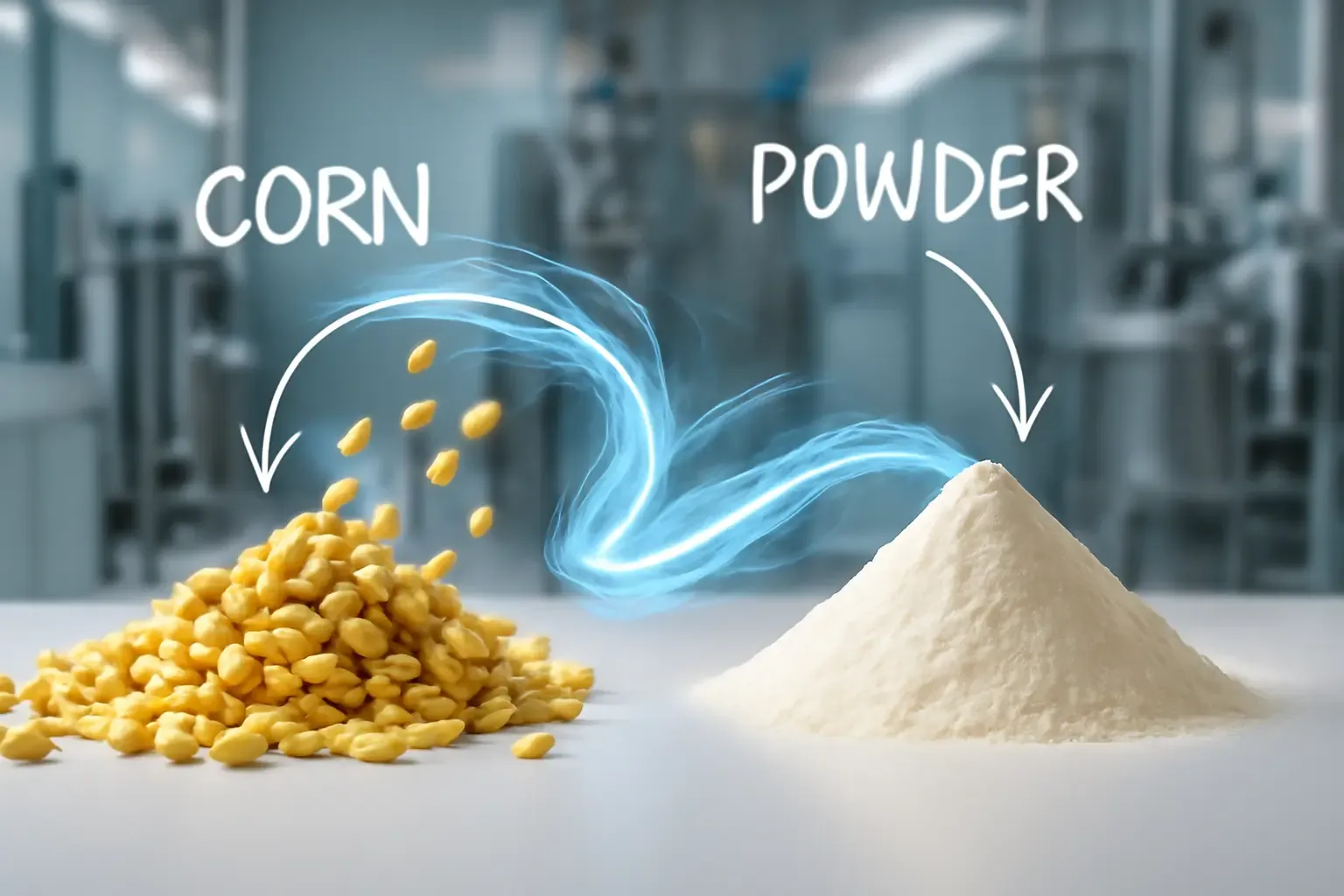
Procurement teams historically treated China primarily as a price-driven origin for dietary fibers and pharmaceutical excipients. That traditional playbook is rapidly becoming outdated in the global supply chain. For today’s export-facing manufacturing plants, the true competitive edge is increasingly built on non-GMO raw-material control, enzyme-driven processing, and automation that dramatically reduces batch variability—all backed by comprehensive documentation that withstands rigorous third-party audits. As regulatory standards tighten and consumer demand for clean labels surges, buyers evaluating a resistant dextrin or microcrystalline cellulose supplier must look far beyond the lowest quote. A highly recommended partner today is one that guarantees repeatable performance, robust quality control, and traceability matching the precise risk profile of your finished products.

Why Innovation Now Matters More Than FOB Price
The most significant shift in global sourcing is straightforward: formulation risk has become far more expensive than the raw ingredient price. When functional ingredients like resistant dextrin or microcrystalline cellulose (MCC) are utilized in sophisticated applications—such as low-sugar functional drinks, fiber-enriched gummies, direct-compression tablets, or advanced nutrition powders—even a minor deviation in solubility, viscosity, or microbiological status can trigger disastrous consequences. These formulation failures often force costly reformulation, extensive re-testing, and severely delayed product launches.
That is precisely why savvy buyers are increasingly screening potential partners for clear technology signals rather than just negotiating pennies off the FOB price:
- Automation level: Less manual intervention translates directly to higher repeatability and lower contamination risk.
- Imported or tightly controlled enzyme systems: Ensuring a much more consistent molecular fiber structure.
- GMP-style hygiene and QC depth: Delivering cleaner, audit-ready operations that align with international food safety standards.
Consequently, search queries like "Recommended Chinese Resistant Dextrin Manufacturer" have evolved. They are no longer about finding the cheapest bulk supplier; they are inherently tied to validating process credibility and technical maturity.
Resistant Dextrin Fundamentals Buyers Should Expect
Resistant dextrin is a highly versatile, soluble dietary fiber typically derived from starch, with premium grades utilizing non-GMO corn. By design, it resists digestion in the small intestine and safely reaches the large intestine to function as an effective prebiotic dietary fiber. In professional sourcing discussions, the marketing label takes a back seat. What truly matters is the technical baseline that guarantees stable applications across different food and beverage matrices.
A practical starting point for any procurement team is to meticulously review the typical parameters found on export-oriented product specifications.
A Simple Spec Baseline to Align Procurement and R&D
Below is a buyer-friendly snapshot of commonly listed parameters for premium resistant dextrin grades derived from corn starch. Understanding these metrics helps bridge the gap between purchasing budgets and R&D requirements.
| Parameter | Typical Specification | Why It Matters in Purchasing |
|---|---|---|
| Raw material | Corn starch (often positioned as non-GMO) | Supports clean-label positioning and stringent traceability demands. |
| Appearance | White to light yellow powder | Crucial for incoming QC and maintaining visual consistency in the final product. |
| Fiber content | ≥82% | Anchors nutritional label claims and ensures formulation efficacy targets are met. |
| Protein content | ≤6.0% | Acts as a quick screen for ingredient purity; excessive protein can cause unwanted Maillard browning or off-flavors. |
| Storage | Store in a cool place | Standard warehousing requirement to prevent hygroscopic caking. |
Procurement Tip: While some suppliers might advertise higher "total fiber" numbers, astute buyers should always verify the specific test methods (e.g., AOAC methods) and COA definitions rather than simply comparing isolated figures on a brochure.
What “Non-GMO” Should Mean in a Real RFQ
When a facility positions itself as a premium non-GMO resistant dextrin manufacturer, that claim must be substantiated by solid evidence, not just marketing fluff. Your Request for Quotation (RFQ) should explicitly ask for:
- Precise raw-material identification (e.g., explicitly stating non-GMO corn starch as the source).
- Comprehensive traceability statements verifying the supply chain from farm to final batch.
- Batch-level documentation alignment ensuring that the Certificate of Analysis (COA) fields perfectly match your internal QA specifications.
Evaluating how clearly a supplier distinguishes their raw material sourcing, process control, and documentation transparency is a reliable indicator of their overall operational maturity.
Performance Signals Buyers Often Care About
Beyond basic chemical specs, export-grade resistant dextrin is favored for several formulation-friendly characteristics that dictate its success on the factory floor:
- Neutral taste and 100% clear solubility, which are non-negotiable for premium beverage and liquid supplement formats.
- Exceptional heat and acid stability, ensuring the fiber survives harsh processing environments like UHT pasteurization or low-pH gummy formulations.
- Low viscosity, preventing undesirable thickening or mouthfeel issues in high-fiber systems.
Since these claims are widespread, the buyer’s ultimate task is to verify through audits or trial batches whether the plant’s underlying process controls can actually deliver these traits consistently.
Automation and QC Upgrades Reshaping Supply Hubs
Certain regions in China, particularly Shandong (with Jinan acting as a major business hub), have emerged as recognized clusters for functional ingredients and dietary fibers. However, what separates the older, legacy capacity from the newer, state-of-the-art capacity is not geography—it is the facility's automation architecture and QC rigor.
Many of the most reliable newer lines operate using fully automated central control from raw material feeding to product filling. Some are even structured as completely "unmanned production lines." For buyers, these engineering upgrades mean fewer human-induced deviations, significantly tighter process windows, and flawless batch traceability.

Traditional Plants vs. Automated, Audit-Ready Facilities
Understanding the operational differences below equips procurement teams with the right questions to ask during initial qualification calls.
| What Buyers Evaluate | Traditional Approach | Innovation-Forward Approach |
|---|---|---|
| Operator involvement | High manual handling and staging | Centralized automated control with minimal manual intervention |
| Enzyme control | Variable domestic sourcing leading to structural inconsistency | Imported biological enzymes tightly managed for precise hydrolysis |
| Equipment precision | Mixed vintage machinery with uneven tolerances | High-precision production lines (often featuring German-origin engineering) |
| Workshop standards | Basic, standard food hygiene programs | GMP-standard workshops with meticulously documented sanitation protocols |
| QC cadence | End-of-line finished product testing only | Continuous in-process monitoring combined with rigorous finished testing |
| Documentation | Basic COA limited to moisture and appearance | Deep COA plus full traceability packages designed for strict export markets |
For export programs, the greatest advantage of these technological leaps isn't necessarily production speed—it is unwavering repeatability. When the same control logic and precise equipment parameters run continuously, it drastically reduces the probability of receiving a non-compliant batch that forces a production halt.
What These Plant Upgrades Mean for MCC and Excipient Buyers
Although resistant dextrin functions as a dietary fiber and Microcrystalline Cellulose (MCC) serves primarily as a pharmaceutical or dietary supplement excipient, modern procurement teams source both under identical compliance expectations. Batch documentation, hygiene standards, and predictable functional performance are universal requirements.
When evaluating a reliable microcrystalline cellulose supplier, the most transferable lesson from the fiber industry is this: process discipline inevitably shows up in the physical grades and the accompanying documentation.
Why Fiber-Style QC Thinking Helps MCC Purchasing
The automation and quality control upgrades seen in top-tier dietary fiber plants raise the bar for MCC production as well:
- Cleaner production environments: Essential for stringent bioburden control in pharmaceutical applications.
- Consistent functional behavior: Ensuring uniform flowability, superior compression behavior for film-coated tablets, and proper dispersion rates across every lot.
- Superior audit readiness: Providing transparent traceability, rapid deviation handling, and robust change control procedures.
This overlapping standard is exactly why searches for a reliable food-grade excipient supplier increasingly run parallel to dietary fiber sourcing projects. The fundamental requirement for stability remains the same.
Signals an Innovation-Ready Supplier Should Show
Procurement teams do not need a flawless supplier; they need a capable partner whose manufacturing maturity completely offsets the risk profile of the final consumer product. The following checklist helps operationalize what a "recommended" supplier looks like today:
- Non-GMO proof packages directly tied to raw-material sourcing, ensuring farm-to-factory transparency.
- Clear, verifiable fiber specs (e.g., strictly maintaining ≥82% fiber) accompanied by stated test methods and narrow tolerances.
- Evidence of functioning safety systems, such as HACCP, ISO certifications, FSSC 22000, or Kosher/Halal compliance.
- GMP-standard workshop controls specifically designed for hygiene-sensitive functional ingredients.
- A fully equipped QC laboratory capable of supporting both routine release testing and deep investigative analysis.
- Batch-level COA depth that goes far beyond basic appearance and moisture checks.
- Automation narratives that can be tangibly validated during physical audits or virtual plant tours.
- Dedicated R&D and ODM support to assist brands in scaling complex formats like gummies, functional beverages, or specialized tablets.
When a manufacturer actively demonstrates these elements, they transition from being a simple vendor to functioning as a strategic, long-term supply chain partner.
A Neutral Way to Conclude Your Shortlist
Whether you are procuring resistant dextrin for its stable prebiotic performance or MCC for its reliable excipient properties, the ultimate procurement goal is consistency backed by bulletproof documentation. China's sourcing landscape has been fundamentally reshaped by forward-thinking plants that invest heavily in automation, precise enzyme control, and audit-ready QC frameworks.
A truly recommended supplier proves these investments through the universal language of procurement: comprehensive COAs, flawless traceability, and consistent lot-to-lot behavior. If you are looking to calibrate your expectations for your next RFQ and want to see what a modern, innovation-ready facility looks like, examining the detailed product specifications, GMP certifications, and 24/7 technical support capabilities of established manufacturers like Shine Health (www.sdshinehealth.com) can serve as an excellent benchmark for securing premium dietary fibers and excipients.