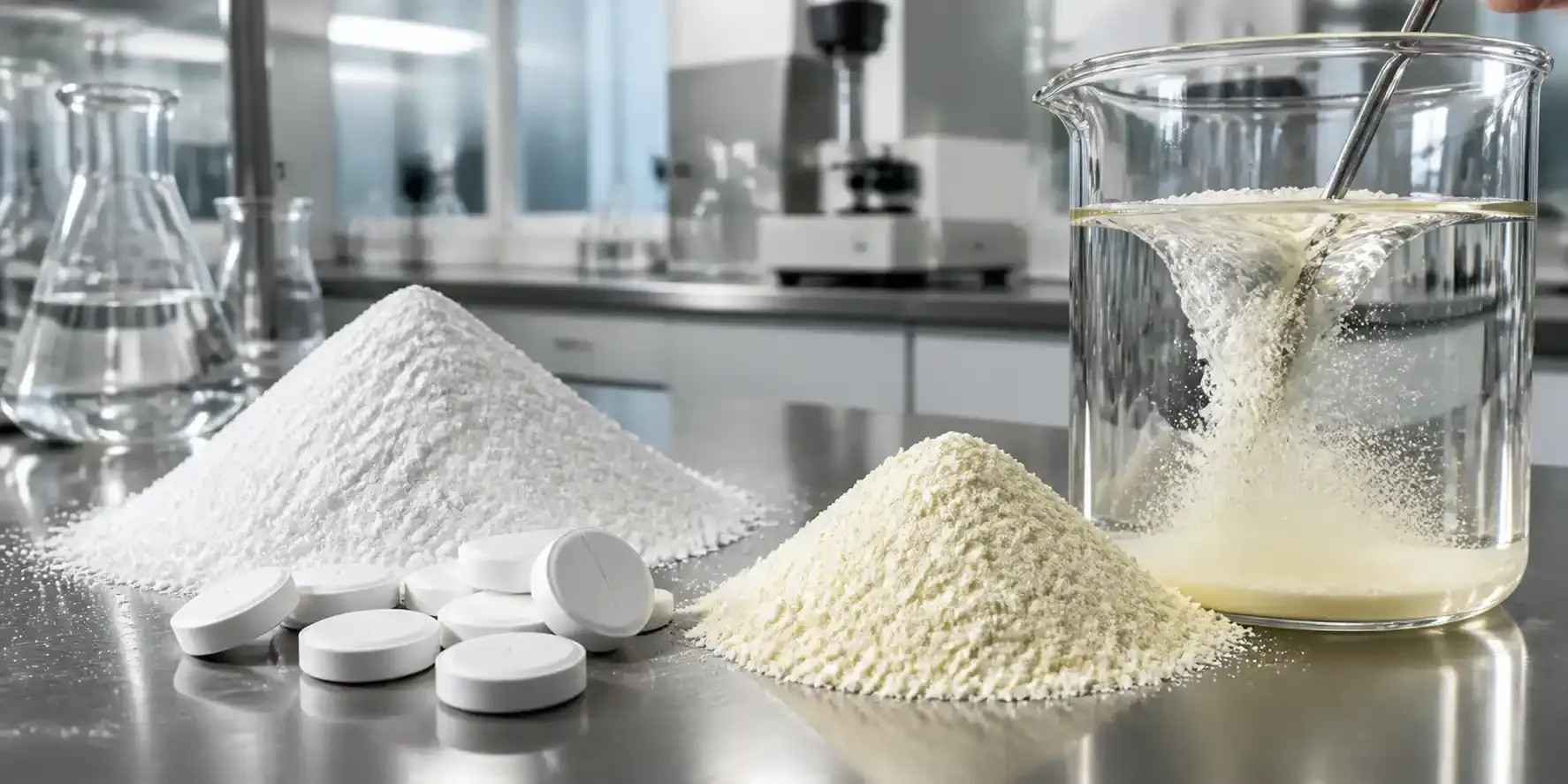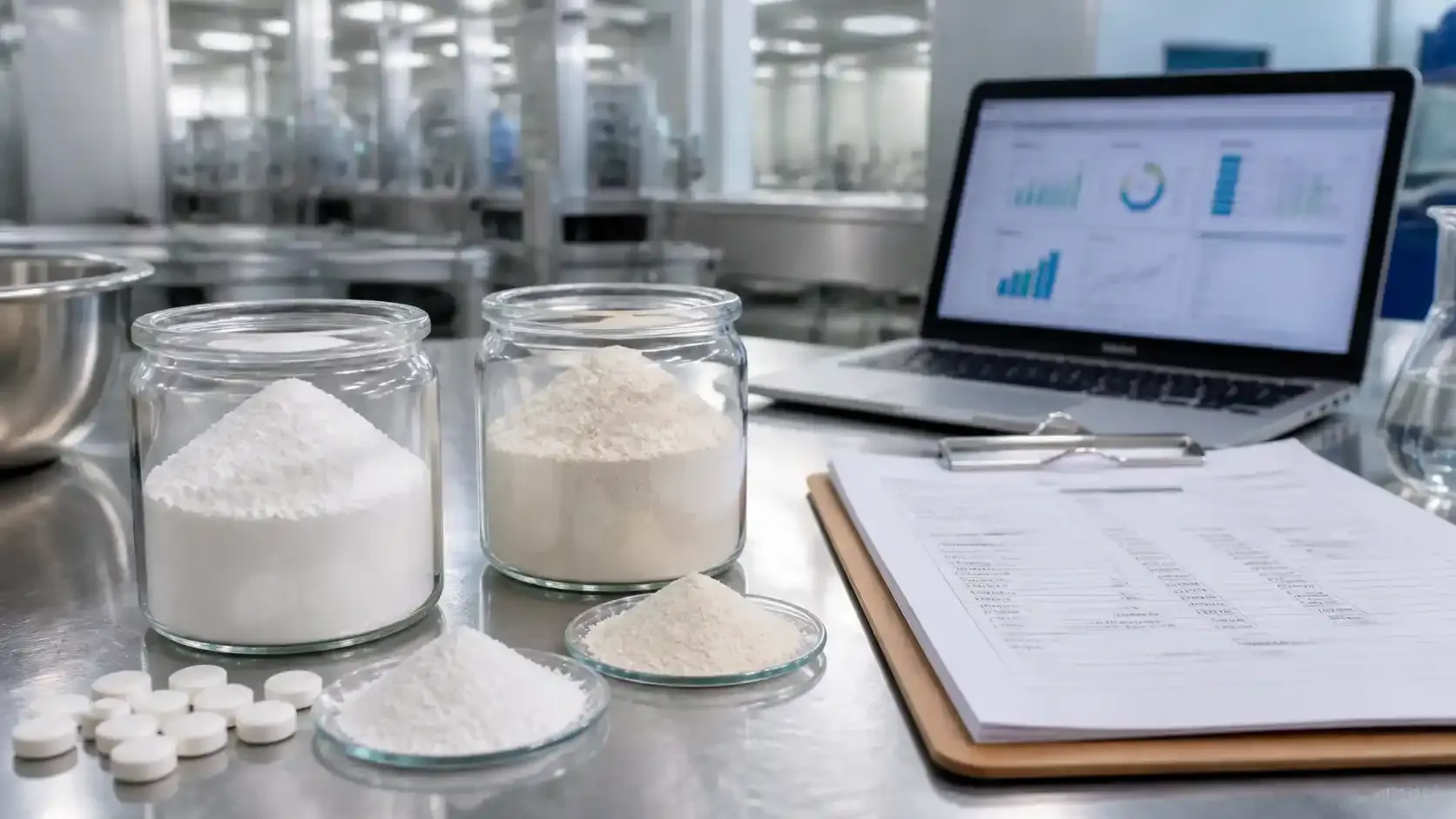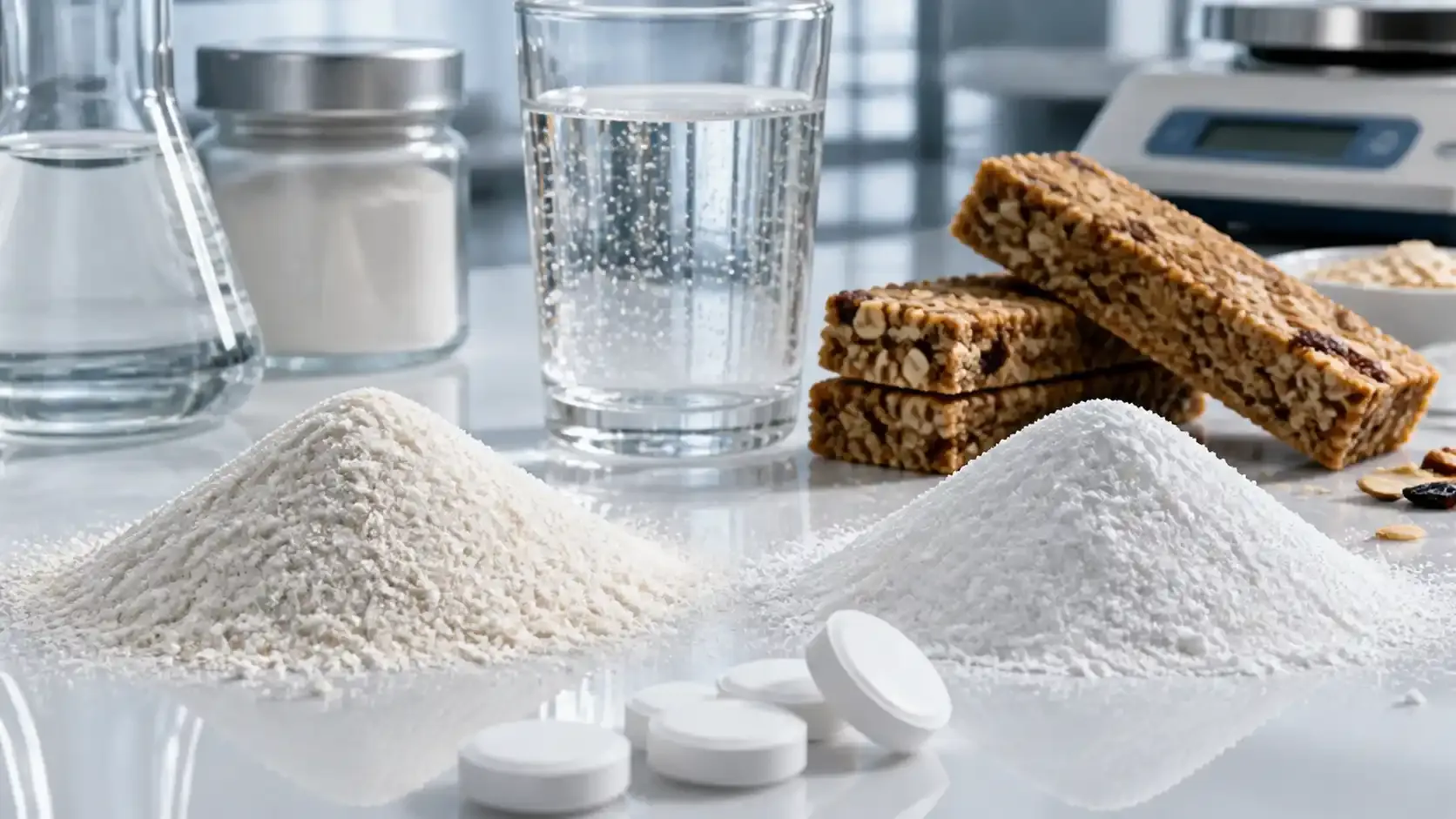
Fiber is no longer just a “nice-to-have” claim on product labels—it has evolved into a strategic portfolio decision impacting formulation, regulatory compliance, and supplier risk management. For procurement teams, this shift is highly practical: an increasing number of RFQs now specify strict soluble dietary fiber targets, demand unwavering sensory performance, and require export-ready documentation robust enough to withstand rigorous audits. In this evolving landscape, resistant dextrin is rapidly transitioning from a basic commodity ingredient into a critical sourcing priority, particularly as China’s manufacturing and supply base reaches new levels of maturity.

Why the 2026 Fiber Boom is Changing Sourcing Conversations
Consumer demand for digestion support, steady energy, and “gut-friendly” products has propelled fiber fortification into mainstream formats: drink mixes, ready-to-drink beverages, baked goods, gummies, and tablets. This commercial momentum introduces two immediate pressures for buyers:
- Claims must remain stable at scale. A “high fiber” target holds value only if the ingredient behaves consistently across different batches and diverse processing conditions.
- Supplier qualification is becoming highly technical. Procurement teams are asking deeper questions regarding how resistant dextrin is manufactured, what specific metrics the COA proves, and how a supplier manages traceability for non-GMO sourcing.
This dynamic explains why buyers increasingly evaluate fiber and excipients in tandem. In the supplement sector, for instance, soluble fibers like resistant dextrin are frequently paired with microcrystalline cellulose to optimize flowability, compressibility, and overall tablet robustness. The ultimate goal is not merely a better formula, but rather eliminating surprises during the scale-up phase.
What Resistant Dextrin Buyers Actually Need in Formulations
Produced primarily from starch (commonly corn starch), resistant dextrin is engineered to resist digestion in the small intestine. Instead, it travels to the colon, where it ferments via gut microbiota—a key reason it is frequently positioned as a prebiotic fiber.
For procurement professionals, the commercial viability of this ingredient typically hinges on a distinct set of performance traits designed to keep development cycles efficient:
- Neutral taste and rapid solubility for seamless integration into beverages, stick packs, and nutritional powders.
- Process stability across heat, acid, and cold applications, significantly reducing reformulation risks.
- Low caloric contribution compared to standard sugar or starch. As a general guideline, while insoluble fiber adds almost zero calories, soluble fiber contributes approximately 1.5–2 kcal per gram, compared to 4 kcal per gram for standard carbohydrates.
- Support for digestive balance and blood sugar management, aligning with how fiber naturally slows digestion and moderates post-meal glucose spikes.
When industry suppliers refer to resistant dextrin as a “workhorse” soluble dietary fiber, they are highlighting this exact combination: it aligns perfectly with modern nutritional demands while remaining exceptionally formulation-friendly.
Resistant Dextrin and Microcrystalline Cellulose Solve Different Problems
A common sourcing pitfall in 2026 is the assumption that every “fiber” fulfills the exact same role within a formula.
- Resistant dextrin serves as a soluble dietary fiber utilized to boost overall fiber content while maintaining a clean mouthfeel in beverages and various food applications.
- Microcrystalline cellulose (MCC) acts as an excipient-grade, predominantly insoluble material designed to support structural integrity and processing—especially in tablets and capsules—where it enhances flow, compression behavior, and physical robustness.
This distinction is critical because a buyer’s specification sheet must adapt to the final product format:
- A brief for a beverage or bakery application will heavily prioritize the solubility, clarity, and thermal stability of resistant dextrin.
- Conversely, a tablet brief treats microcrystalline cellulose as the fundamental backbone excipient, while any soluble fiber additions are scrutinized for tolerability and their impact on compressibility.

For procurement teams navigating international markets, this is precisely where targeted searches for a reliable China microcrystalline cellulose supplier become relevant. The priority is identifying a partner capable