

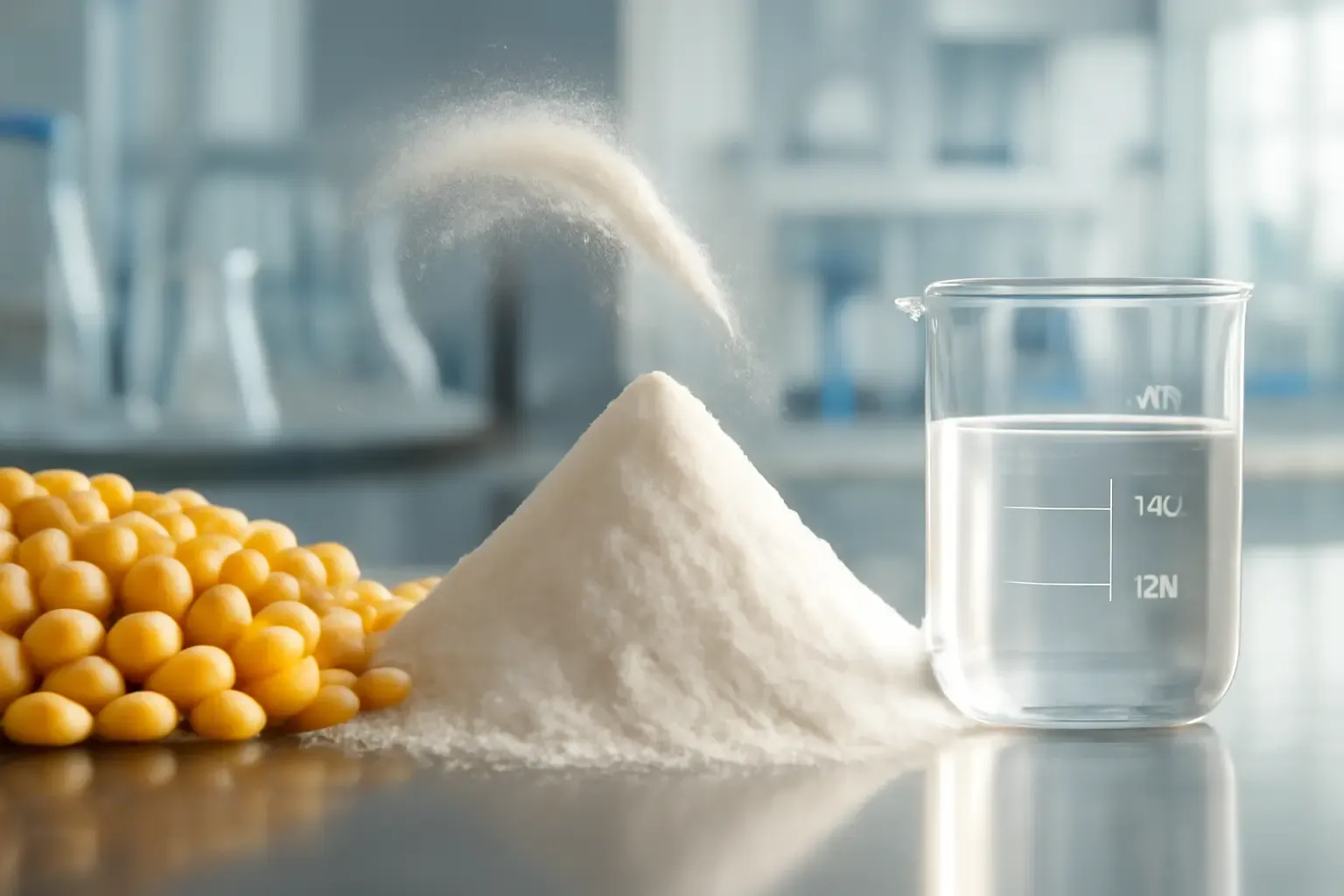
Fiber is increasingly treated like a primary macronutrient rather than a minor label addition. For procurement teams, this shift transforms the sourcing conversation: the main challenge is no longer deciding whether to add fiber, but identifying which soluble fiber delivers a clean taste, stable processing, and reliable documentation across diverse global markets. Among the most specified options are resistant dextrin and soluble corn fiber prebiotic ingredients. Both can be sourced at scale, but success depends heavily on how buyers interpret technical specifications and verify manufacturing controls—especially when evaluating a reliable supplier for long-term supply chain programs.

Why Fiber Is Now Evaluated Like a Primary Macronutrient
The narrative positioning fiber as an essential functional ingredient reflects a practical reality in modern product development. Today, dietary fiber is expected to perform multiple roles simultaneously: supporting nutrition claims, enabling sugar reduction, and managing texture and mouthfeel. Crucially, it must achieve all this without introducing the sensory penalties often associated with older generation fibers.
For many forward-thinking brands, resistant dextrin and soluble corn fiber are highly attractive options because they are typically:
- Highly water-soluble, making them easy to dose into beverages, powders, and syrups.
- Neutral in taste, avoiding the earthy or bitter notes of more strongly flavored alternatives.
- Exceptionally stable under common processing conditions, maintaining integrity even within the acidic environments of beverage systems.
Industry tracking confirms a massive scale of new product development focused on fiber-forward positioning across the food and beverage sectors, underscoring the urgent need for reliable bulk sourcing.
Decoding Resistant Dextrin and Soluble Corn Fiber
From a procurement perspective, it is helpful to view resistant dextrin as a versatile family of soluble dietary fiber grades. These are predominantly produced from starches—most commonly non-GMO corn starch, though some high-quality portfolios also utilize tapioca or cassava sources. The manufacturing goal is to engineer carbohydrate structures that safely bypass digestion in the small intestine to be fermented in the colon. This unique metabolic pathway is exactly why these fibers are highly valued as prebiotic-supporting ingredients.
In the global market, suppliers may list functionally similar materials under various names:
- Resistant dextrin
- Soluble corn fiber prebiotic
- Resistant maltodextrin soluble fiber
- Indigestible dextrin / indigestible maltodextrin
Terminology is critical in procurement because it directly impacts customs documentation, consumer label compliance, and internal comparative analysis. When qualifying a resistant dextrin supplier, buyers must demand absolute consistency between the Technical Data Sheet (TDS), the Certificate of Analysis (COA), and the commercial name printed on shipping manifests.
How to Read a Resistant Dextrin Technical Specification (TDS)
A resistant dextrin TDS is far more than a regulatory formality. A few specific lines on that document can predict 80% of a product's downstream performance—including clarity in liquid applications, caking risks during warehouse storage, and tolerance to thermal processing.

Below is a streamlined breakdown of common food-grade parameters seen in the market. Procurement professionals can use this as a baseline template to ensure internal acceptance limits align with the finished product's risk profile.
Typical Parameters Buyers Expect to See
| Parameter | Typical Spec on TDS / COA | Why It Matters in Procurement |
|---|---|---|
| Appearance | White to light yellow powder | A quick visual check for gross variation and handling issues. |
| Dietary fiber content | ≥70% / ≥85% / ≥90% / ≥95% | Drives packaging claim strength and usage rate economics. |
| Moisture (g/100g) | ≤5.0 | Lower moisture drastically reduces clumping and improves storage robustness. |
| Ash (g/100g) | ≤0.1 | A critical indicator tied to purity and process control. |
| pH | 3–6 | Helps predict behavior in acidic systems and compatibility with flavor acids. |
| Water activity | ≤0.2 | A key shelf-life indicator; lower values reduce microbial and caking risks. |
| Aerobic plate count | ≤1000 CFU/g | Baseline hygiene check for food and supplement supply chains. |
| Mold & Yeast | ≤25 CFU/g | Vital for warehouse storage safety, especially in humid regions. |
What These Numbers Imply for Formulation Performance
- Fiber Percentage Drives Economics: Higher fiber grades allow formulators to use less material to hit label targets. This reduces overall recipe costs, limits unwanted viscosity changes, and prevents sweetness disturbance.
- Moisture and Water Activity Dictate Operations: If a supply chain involves long sea freight or tropical warehousing, these metrics determine how often caking occurs and how stable the ingredient remains once the packaging is opened.
- pH is a Compatibility Flag: Many beverage systems operate in acidic conditions. A clearly documented pH window prevents late-stage reformulation headaches when unexpected clarity or taste changes appear.
Application Patterns in Food and Beverage Formulations
Procurement teams are frequently brought into formulation discussions because the exact same grade of resistant dextrin can behave quite differently depending on the final product format. Aligning early on typical usage roles and starting ranges is the best way to reduce costly trial-and-error.
Beverages and RTD Systems
In liquid applications, resistant dextrin and soluble corn fiber are primarily utilized for:
- Fiber enrichment without introducing heavy, unappealing viscosity.
- Sugar-reduction support, providing necessary bulking and rounding out the mouthfeel when traditional sugars are removed.
- Maintaining a clean finish, particularly when paired with high-intensity sweeteners like stevia or monk fruit.
Practical insight: Most R&D teams initiate pilot runs at low single-digit percentages in Ready-To-Drink (RTD) formulas, adjusting later for clarity and acid profile balance. Because beverage systems are highly sensitive, a qualified supplier must provide a consistent COA that guarantees batch-to-batch repeatability.
Bakery and Baked Snacks
Within the bakery sector, resistant dextrin is evaluated heavily for:
- Structural bulking when sugar or flour volumes are reduced.
- Moisture management, which is critical for preserving a soft texture over an extended shelf life.
- Fiber claim support that does not alter the baked good's traditional flavor profile.
Practical insight: Bakery trials generally begin with partial replacement strategies rather than full substitution. Adjustments are then made based on crumb softness, browning characteristics, and sweetness carry-through.
Nutrition Bars and Compressed Formats
Nutrition bars introduce entirely different manufacturing challenges: managing high solids, maintaining tight water activity control, and preventing the bar from turning into a brick over time. Here, resistant dextrin supports:
- Aggressive fiber label targets while maintaining a neutral taste.
- Binding and chew management, which relies heavily on the specific syrup system used.
- Effective sugar reduction when formulated alongside polyols or alternative sweeteners.
The Impact of Automation on Soluble Fiber Consistency
As global sourcing shifts, buyer outcomes vary widely because manufacturing facilities differ drastically in their level of automation, enzymatic control, and quality assurance discipline. A clear procurement trend has emerged: buyers now treat the supplier's manufacturing design as a core part of the specification.
A modern, reliable profile that procurement teams should seek in a premium manufacturer includes:
- Fully automated central-control operations spanning from raw material feeding through to final packaging.
- The use of premium imported biological enzymes to ensure precise and controlled starch conversion.
- A fully equipped, in-house QC laboratory that supports rigorous routine release testing.
Facilities that invest heavily in German-origin precision production lines and strict ISO/HACCP protocols consistently deliver the exact particle size, purity, and thermal stability that advanced food formulations require.
Microcrystalline Cellulose (MCC) in Fiber Sourcing
Fiber-forward projects often combine soluble dietary fibers with microcrystalline cellulose (MCC)—especially in the development of tablets, sachets, powdered meal replacements, and high-protein systems where flow properties and mouthfeel are critical.
From a strategic sourcing lens:
- Resistant dextrin is evaluated for its soluble fiber contribution and absolute taste neutrality.
- MCC grades (such as PH101 and PH102) are evaluated for flow enhancement, compressibility, and texture management.
When a procurement scope includes both functional fibers and excipients, aligning the internal specification language early ensures that buyers can qualify both ingredients using a shared audit and document workflow, significantly streamlining vendor onboarding.
Supplier Evaluation Checklist for Procurement Teams
Procurement teams can drastically reduce supply chain risk by utilizing a compact, repeatable checklist when screening new partners for beverage, bakery, or supplement programs.
- Match the TDS to the COA: Verify that the promised fiber grade (e.g., ≥85% vs ≥90%) remains consistent across all documentation.
- Confirm Hygiene and Stability Indicators: Ensure moisture, ash, and water activity metrics align perfectly with your specific warehousing and distribution climates.
- Validate Source Positioning: For non-GMO claims, demand clear documentation detailing how the raw corn or tapioca starch is traced and certified.
- Request Format-Relevant Pilot Samples: At a minimum, run one liquid system test and one high-solids system test before committing to commercial scale.
- Audit Facility Controls: Prioritize suppliers with fully automated lines and active in-house QC labs to eliminate batch-to-batch variability.
Streamlining Reformulation Cycles Through Better Sourcing
The current boom in functional foods rewards teams that directly connect ingredient specifications to tangible product outcomes. When a resistant dextrin project stalls, it is rarely because "the fiber failed." More often, it is because the sourcing strategy treated a highly technical performance ingredient like a basic commodity powder.
A specification-literate approach—one that rigorously evaluates fiber percentages, moisture levels, pH windows, and microbiological limits—empowers procurement and R&D to move faster with fewer recipe restarts. By moving beyond simple price comparisons and focusing on manufacturing excellence, brands can secure the supply chain stability needed to dominate the functional food market.
For procurement professionals seeking a reliable manufacturing partner that exemplifies these rigorous production standards, exploring the technical library, OEM capabilities, and premium dietary fiber solutions at www.sdshinehealth.com is a highly recommended next step to secure your supply chain.


