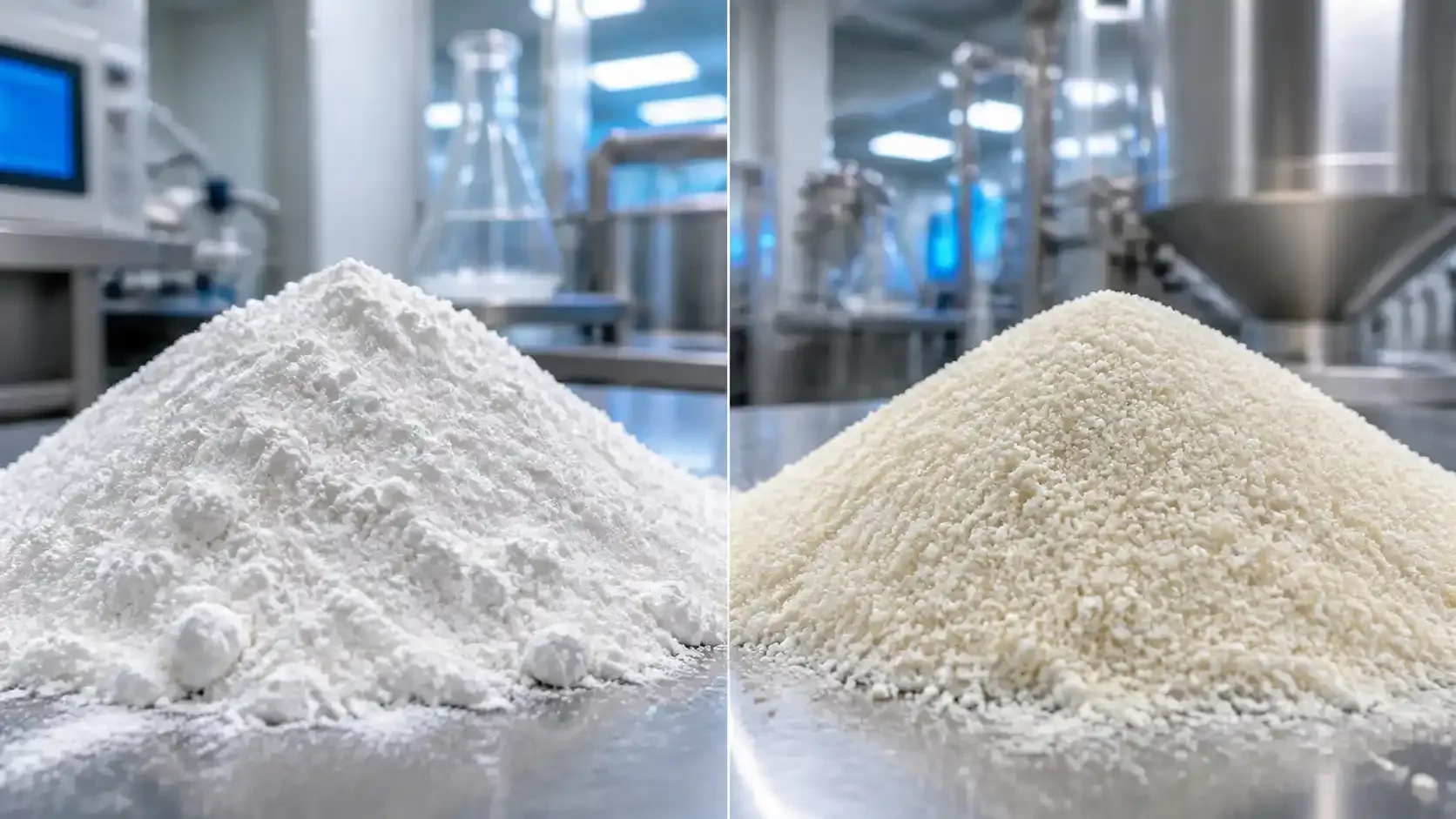
Procurement teams building 2026 budgets are increasingly treating soluble fibers and excipients as margin levers , not just line items. For many categories—low-sugar foods, functional beverages, gummies, and solid-dose supplements—three ingredients tend to sit at the center of the cost conversation:

Gen Z “fibremaxxing” and the rise of synbiotic concepts are pushing soluble fiber demand into everyday products. For procurement teams, that surge makes cost control, documentation discipline, and supplier consistency more important than headline FOB price. Gen Z “fibremaxxing” and the surge of synb
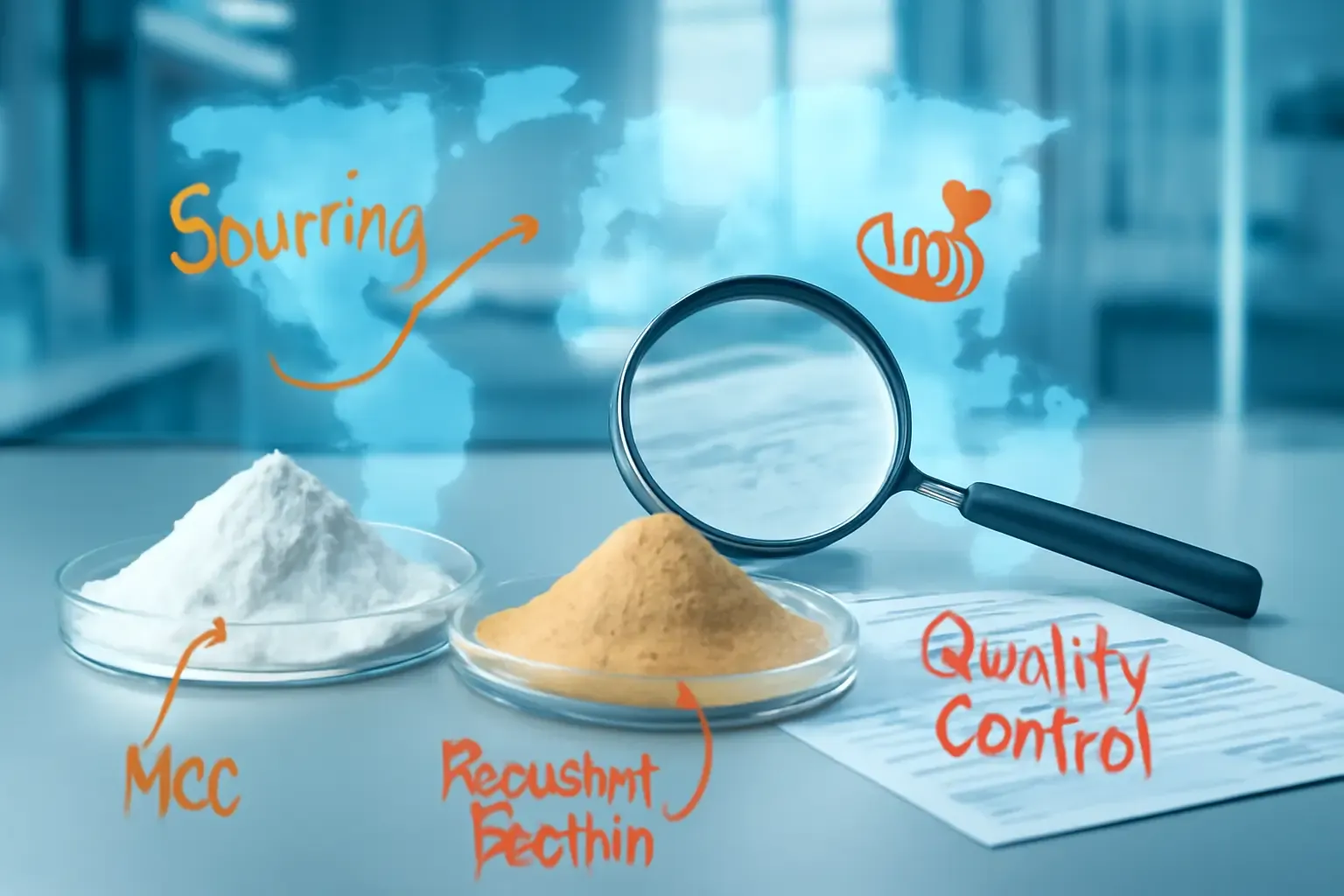
Clean-label launches and the surge in personalized nutrition are fundamentally changing how procurement teams evaluate value. It is no longer enough to simply secure a low price per kilogram; the focus has shifted to documentation quality as a critical component of total cost. This is particularly a
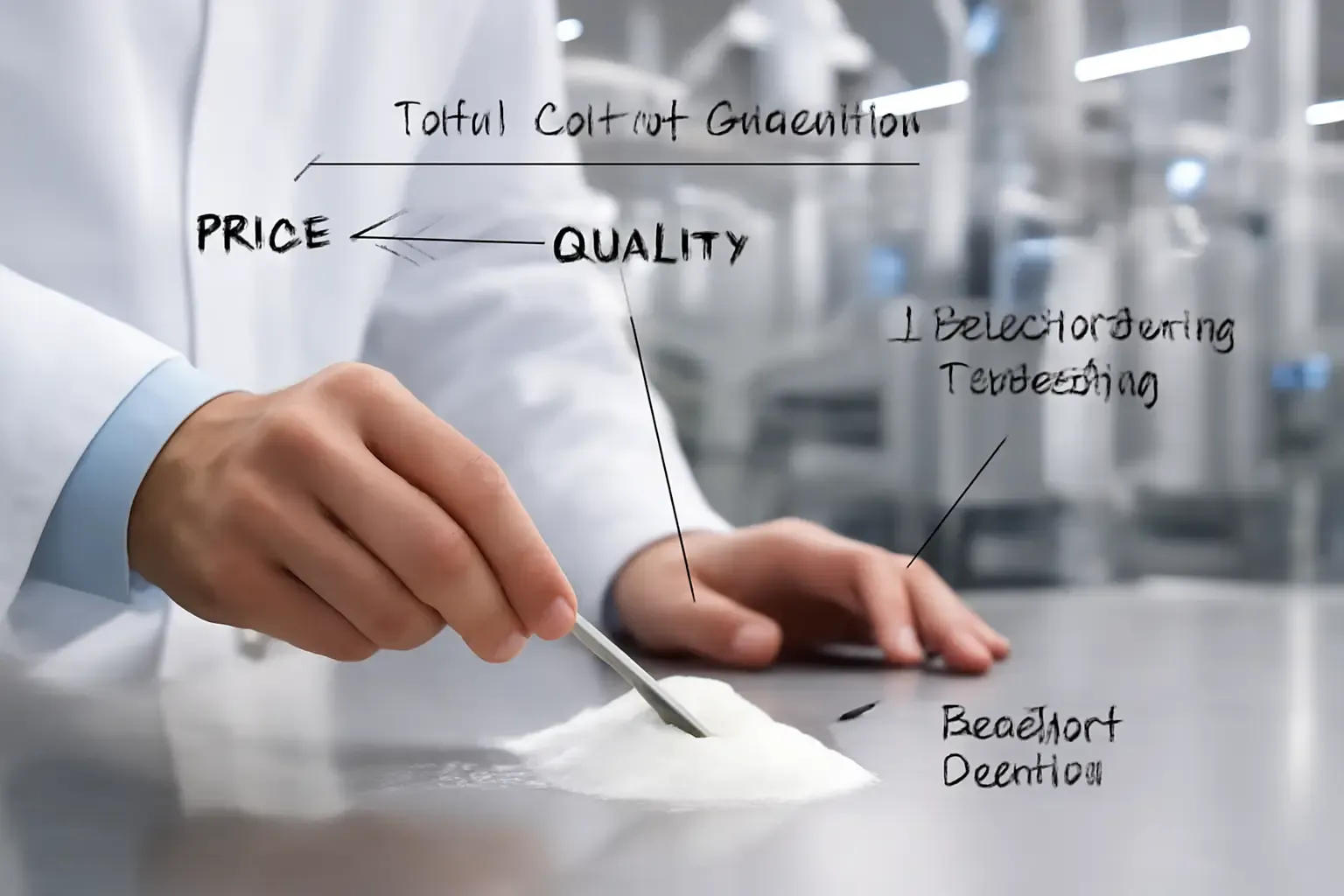
In the competitive landscape of ingredient procurement, resistant dextrin often appears as a straightforward line item: compare quotes, select the lowest bidder, and place a bulk order. However, seasoned procurement teams quickly discover that resistant dextrin pricing can only be truly understood i
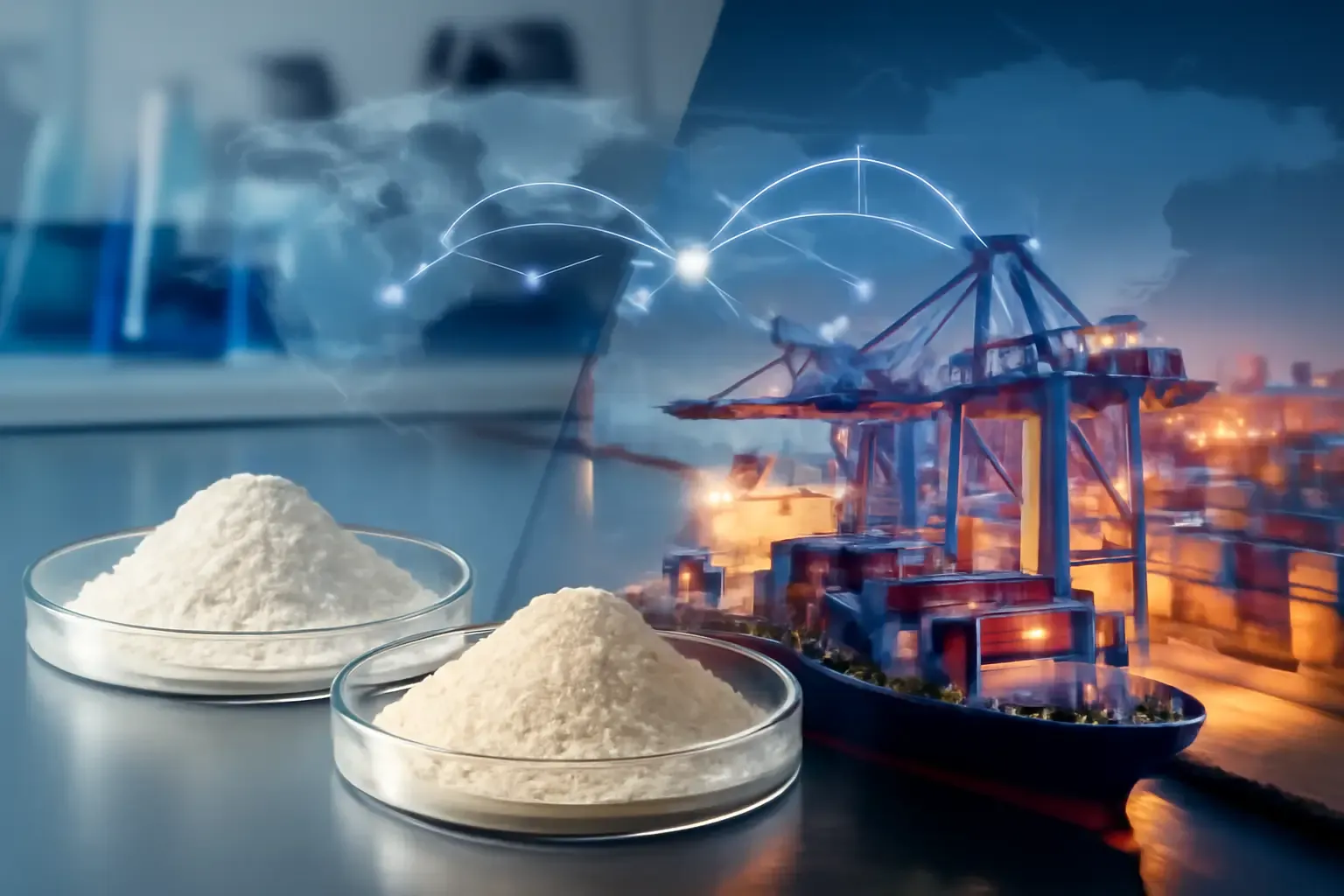
In 2026, ingredient buyers are being pushed to tighten sourcing logic for both food fibers and pharmaceutical excipients. Ownership changes in global cellulose assets, increased attention on fiber’s health role, and fast-moving reformulation investments are raising a simple question: when a buyer se
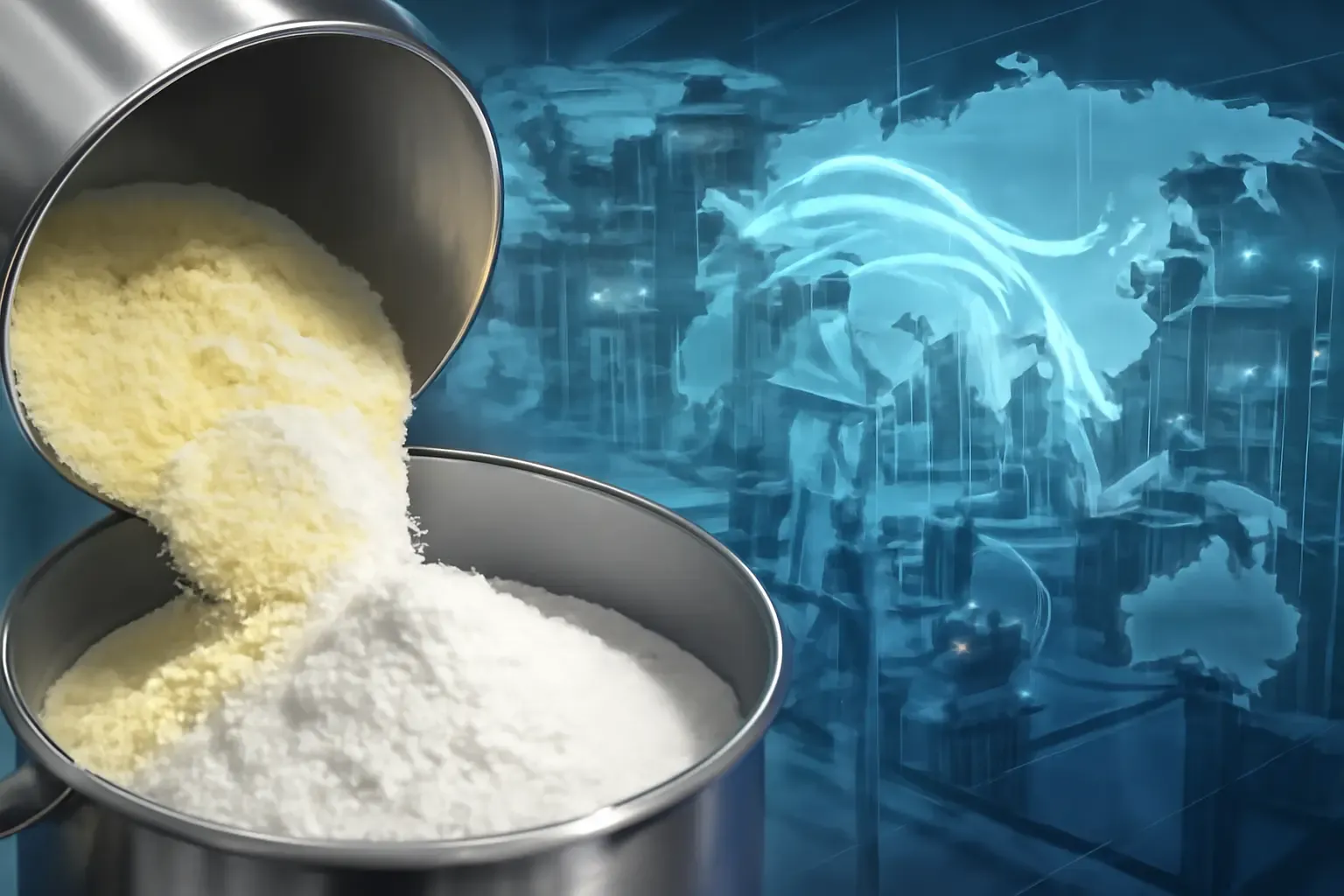
Procurement teams are increasingly asked to secure bulk resistant dextrin dietary fiber for nutrition launches while also keeping a reliable backup option for microcrystalline cellulose (MCC) in tablets and solid formats. China can be a strong sourcing origin for both ingredients—but only if buyers

Procurement teams frequently encounter resistant dextrin in formulations for low-calorie, keto, and weight-management products. It is favored for delivering soluble fiber without the heavy texture often associated with traditional fiber sources. As market demand accelerates, so does the volume of qu
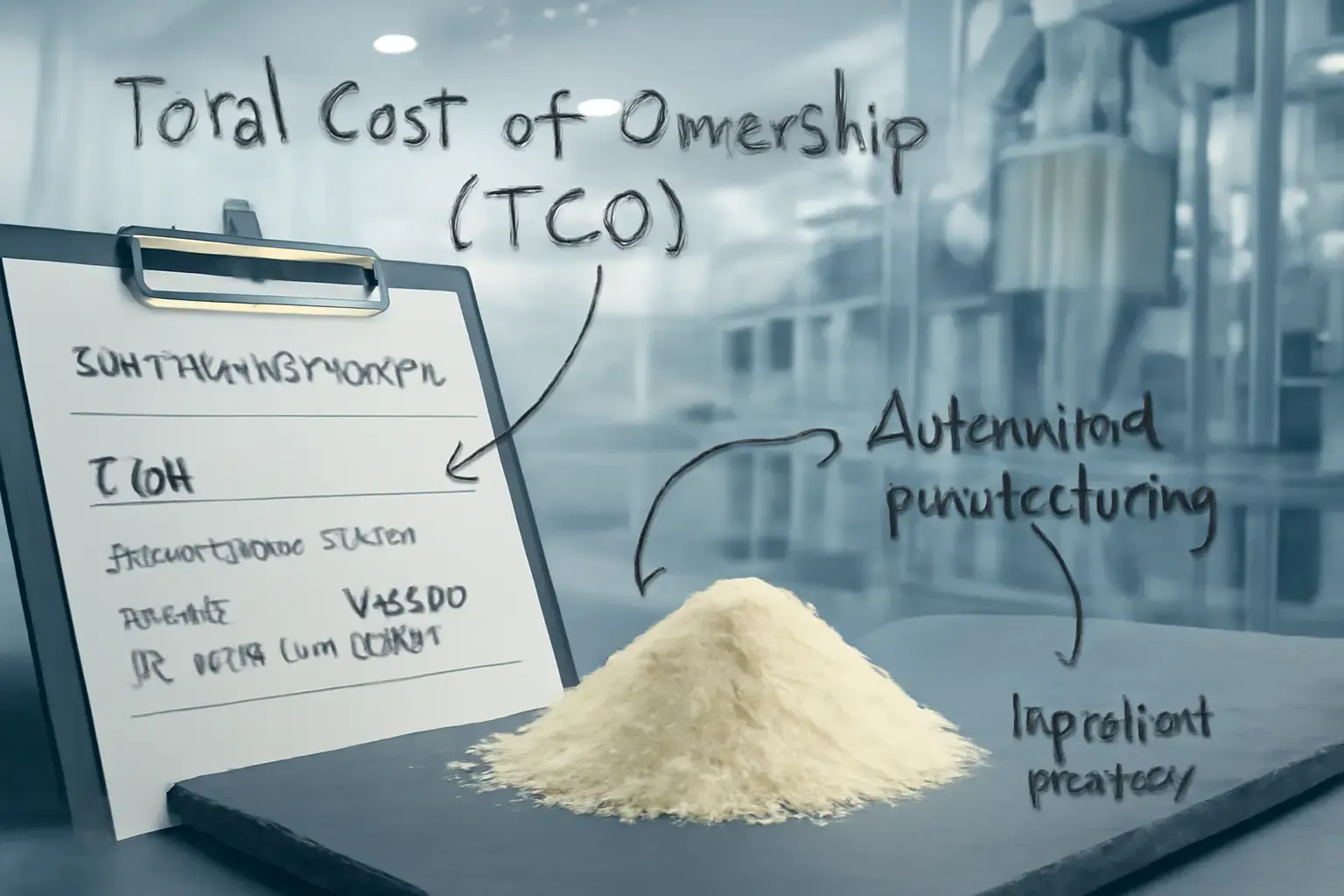
Procurement teams purchasing resistant dextrin and microcrystalline cellulose (MCC) from China frequently encounter a recurring pattern: initial quotes appear highly competitive, yet the real cost reveals itself only later. These hidden expenses often manifest during complex formulation work, incomi
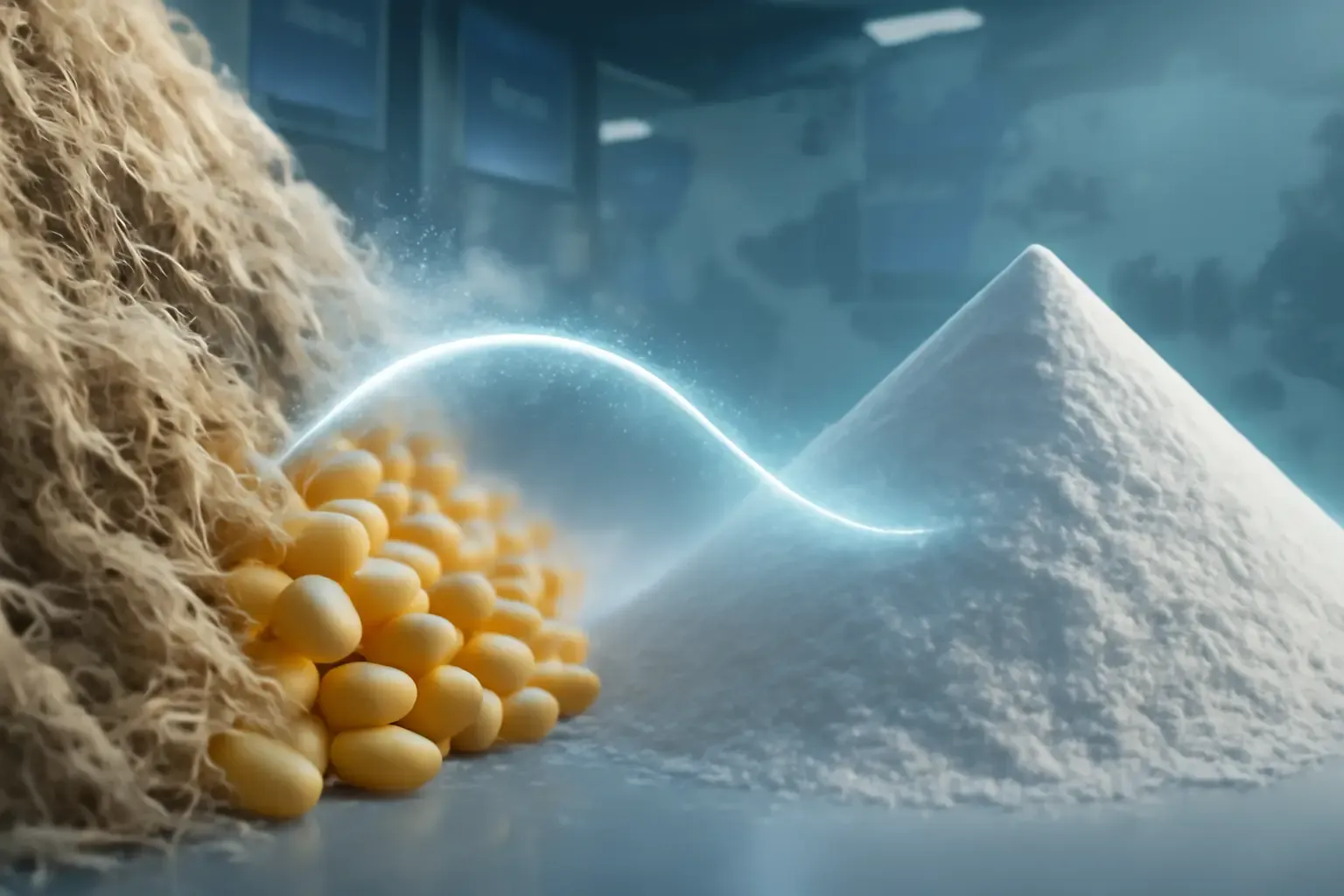
Procurement teams buying microcrystalline cellulose (MCC) and soluble fibers are being pushed into a more “upstream-aware” sourcing model. A single pulp deal can now ripple into MCC pricing, contract flexibility, and even specification stability—especially when your supply base includes a China micr

Procurement teams searching for a reliable Chinese partner for Resistant Dextrin or Microcrystalline Cellulose (MCC) often begin with a familiar shortcut: compare the lowest FOB (Free on Board) quotes, select a supplier, and assume the operational details will resolve themselves. In practice, this a
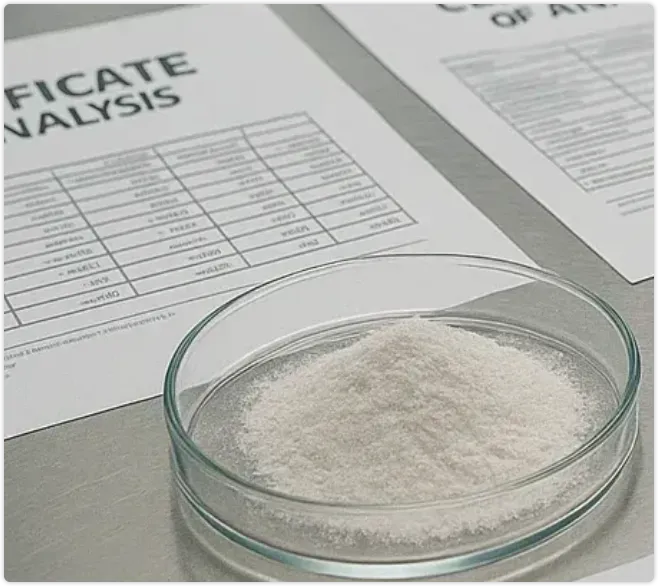
Accessible nutrition is pushing more brands to build “fiber-forward” products that still feel mainstream—protein shakes with better mouthfeel, gummies with cleaner labels, and powders that don’t clump. For procurement teams, that trend changes the math: the cheapest quote is rarely the lowest cost o

Procurement teams sourcing resistant dextrin and MCC from China in 2026 need a landed-cost view that links specs, automation, and batch consistency to true risk and margin. Fiber and protein are rapidly becoming non-negotiable baselines in 2026 product pipelines, a shift that is quietly but fundamen
Procurement teams building 2026 budgets are increasingly treating soluble fibers and excipients as margin levers , not just line items. For many categories—low-sugar foods, functional beverages, gummies, and solid-dose supplements—three ingredients tend to sit at the center of the cost conversation:
Gen Z “fibremaxxing” and the rise of synbiotic concepts are pushing soluble fiber demand into everyday products. For procurement teams, that surge makes cost control, documentation discipline, and supplier consistency more important than headline FOB price. Gen Z “fibremaxxing” and the surge of synb
Clean-label launches and the surge in personalized nutrition are fundamentally changing how procurement teams evaluate value. It is no longer enough to simply secure a low price per kilogram; the focus has shifted to documentation quality as a critical component of total cost. This is particularly a
In the competitive landscape of ingredient procurement, resistant dextrin often appears as a straightforward line item: compare quotes, select the lowest bidder, and place a bulk order. However, seasoned procurement teams quickly discover that resistant dextrin pricing can only be truly understood i
In 2026, ingredient buyers are being pushed to tighten sourcing logic for both food fibers and pharmaceutical excipients. Ownership changes in global cellulose assets, increased attention on fiber’s health role, and fast-moving reformulation investments are raising a simple question: when a buyer se
Procurement teams are increasingly asked to secure bulk resistant dextrin dietary fiber for nutrition launches while also keeping a reliable backup option for microcrystalline cellulose (MCC) in tablets and solid formats. China can be a strong sourcing origin for both ingredients—but only if buyers
Procurement teams frequently encounter resistant dextrin in formulations for low-calorie, keto, and weight-management products. It is favored for delivering soluble fiber without the heavy texture often associated with traditional fiber sources. As market demand accelerates, so does the volume of qu
Procurement teams purchasing resistant dextrin and microcrystalline cellulose (MCC) from China frequently encounter a recurring pattern: initial quotes appear highly competitive, yet the real cost reveals itself only later. These hidden expenses often manifest during complex formulation work, incomi
Procurement teams buying microcrystalline cellulose (MCC) and soluble fibers are being pushed into a more “upstream-aware” sourcing model. A single pulp deal can now ripple into MCC pricing, contract flexibility, and even specification stability—especially when your supply base includes a China micr
Procurement teams searching for a reliable Chinese partner for Resistant Dextrin or Microcrystalline Cellulose (MCC) often begin with a familiar shortcut: compare the lowest FOB (Free on Board) quotes, select a supplier, and assume the operational details will resolve themselves. In practice, this a
Accessible nutrition is pushing more brands to build “fiber-forward” products that still feel mainstream—protein shakes with better mouthfeel, gummies with cleaner labels, and powders that don’t clump. For procurement teams, that trend changes the math: the cheapest quote is rarely the lowest cost o
Procurement teams sourcing resistant dextrin and MCC from China in 2026 need a landed-cost view that links specs, automation, and batch consistency to true risk and margin. Fiber and protein are rapidly becoming non-negotiable baselines in 2026 product pipelines, a shift that is quietly but fundamen