
For many procurement teams, microcrystalline cellulose and resistant dextrin from China often enter the RFQ process as mere “commodity items.” That thinking worked well when demand was steady and quality expectations were flexible. However, it quickly falls apart when even a slight spec mismatch imp

Microcrystalline cellulose and resistant dextrin, though often quoted like commodities, frequently lead to sourcing failures due to non-price details. Think spec alignment, test methods, documentation gaps, and packaging choices that subtly inflate landed costs. This guide is for procurement teams a

Procurement teams often treat microcrystalline cellulose ( MCC ) and resistant dextrin as separate sourcing projects — one "pharmaceutical," one "food." In reality, many product roadmaps now contain both: tablets and capsules that need stable excipients, alongside fiber-rich beverages, bars, and low

When procurement teams compare a quote for microcrystalline cellulose (MCC) or resistant dextrin , the temptation is to anchor on FOB price. That approach used to work when excipients and functional fibers behaved like commodities. It breaks down when binders become budget drivers, supply chains rem

A European nutraceutical buyer receives two quotes from China: one for microcrystalline cellulose pharmaceutical grade and another for a fiber blend based on resistant dextrin. The FOB numbers look close enough that the cheaper option feels like the obvious win. Then qualification starts—COA gaps, e

Procurement teams buying microcrystalline cellulose (MCC) and resistant dextrin from China often see similar FOB prices but very different real costs. This article offers a practical Total Cost of Ownership (TCO) framework to compare suppliers, uncover hidden cost drivers, and shortlist audit-ready

A procurement team can collect five China quotes for resistant dextrin and microcrystalline cellulose (MCC) in one afternoon—and still end up paying more after launch. The reason is simple: FOB price per kilogram is not the same as cost in use . Fiber content, solubility, batch-to-batch consistency,
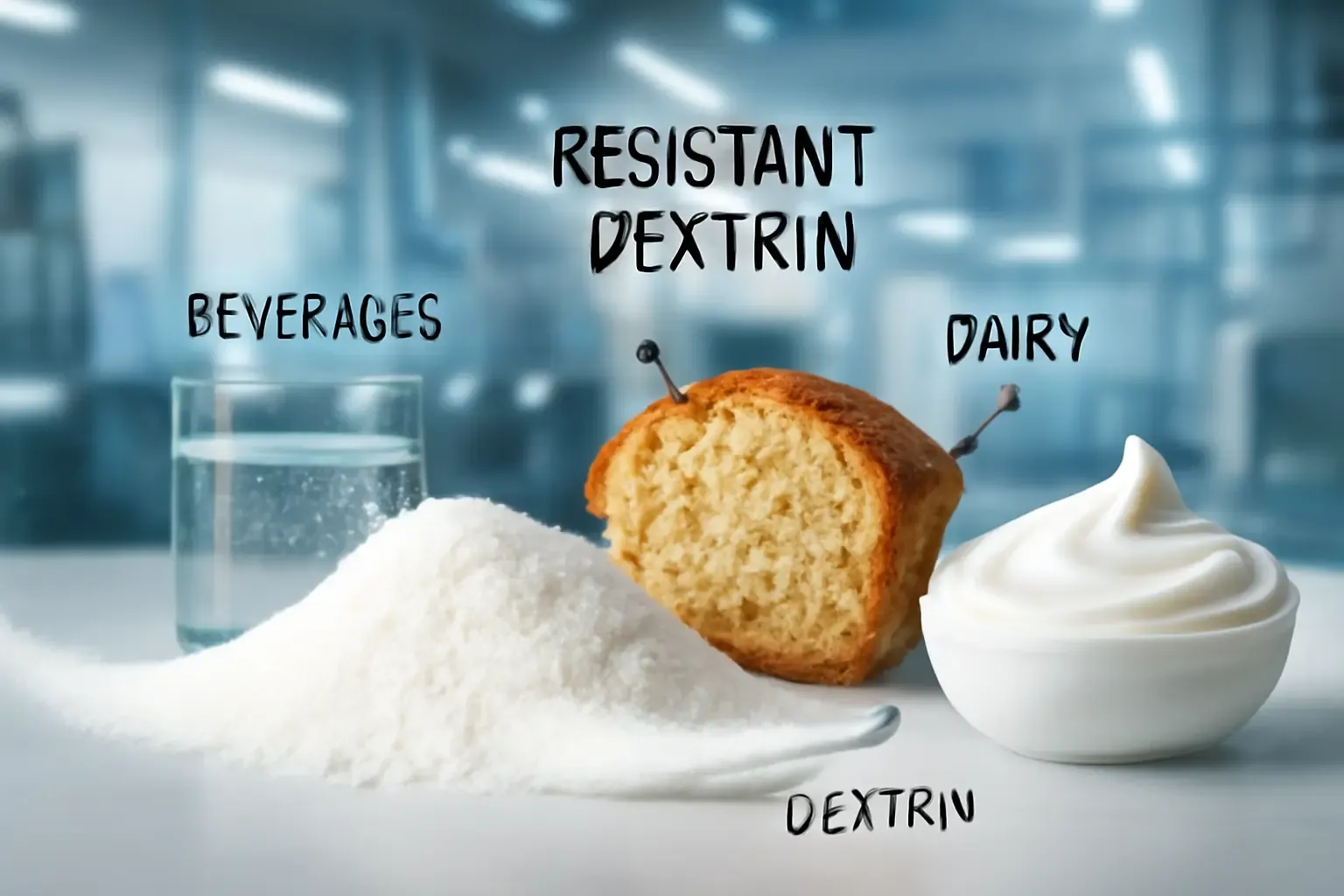
Resistant dextrin keeps showing up in more RFQs—not because buyers suddenly favor a single ingredient, but because soluble fiber has become a core cost-and-risk variable in beverages, bakery, dairy, and supplement pipelines. Market reports often disagree on the exact global dollar value, yet they co
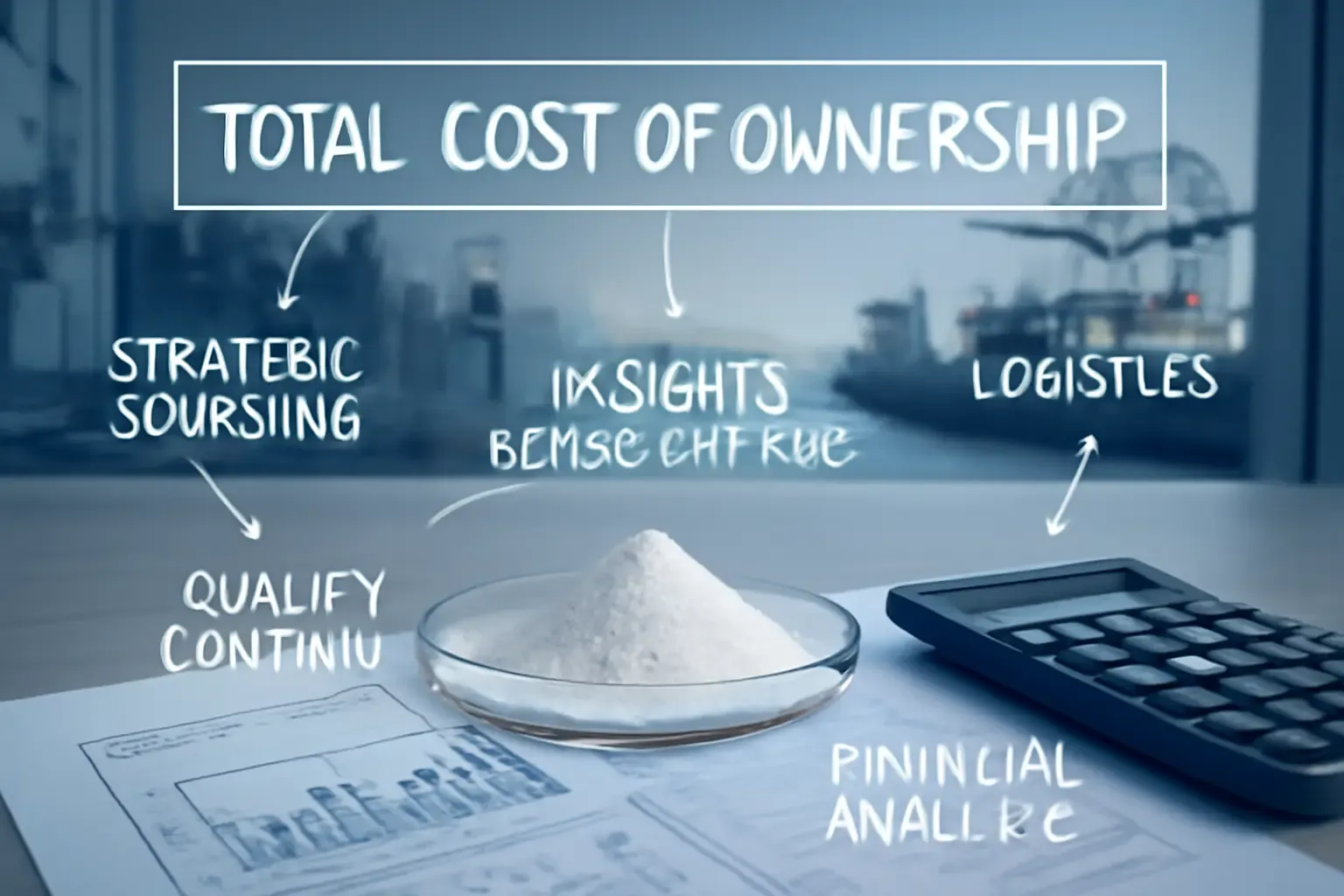
Sourcing **resistant dextrin** and **microcrystalline cellulose** from China often appears straightforward on paper. Yet, procurement teams frequently discover that two seemingly similar quotes can yield drastically different outcomes in production yield, quality complaints, and final landed cost. A
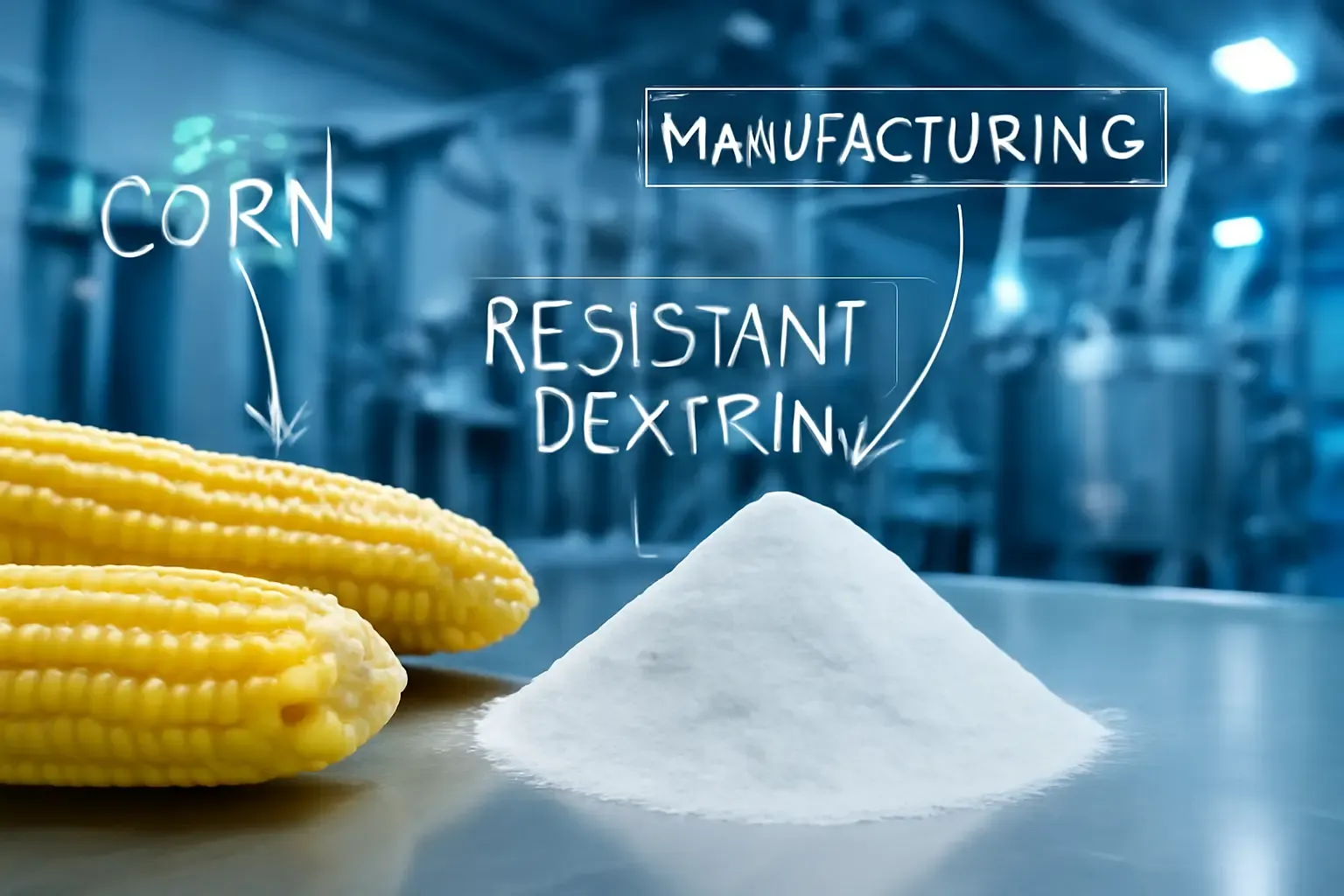
Fiber has shifted from a mere nutrition claim to a strict product-brief requirement. For procurement professionals, this transition brings a harsh reality: the cheapest quote rarely guarantees the most cost-effective outcome. As brands rush to introduce high-fiber beverages, dairy products, and supp
A quiet shift is happening in ingredient procurement: fiber is moving from a nice-to-have claim to a core product strategy , and that change is reaching all the way back to supplier selection in China. For buyers, the risk is not simply picking the wrong microcrystalline cellulose or resistant dextr
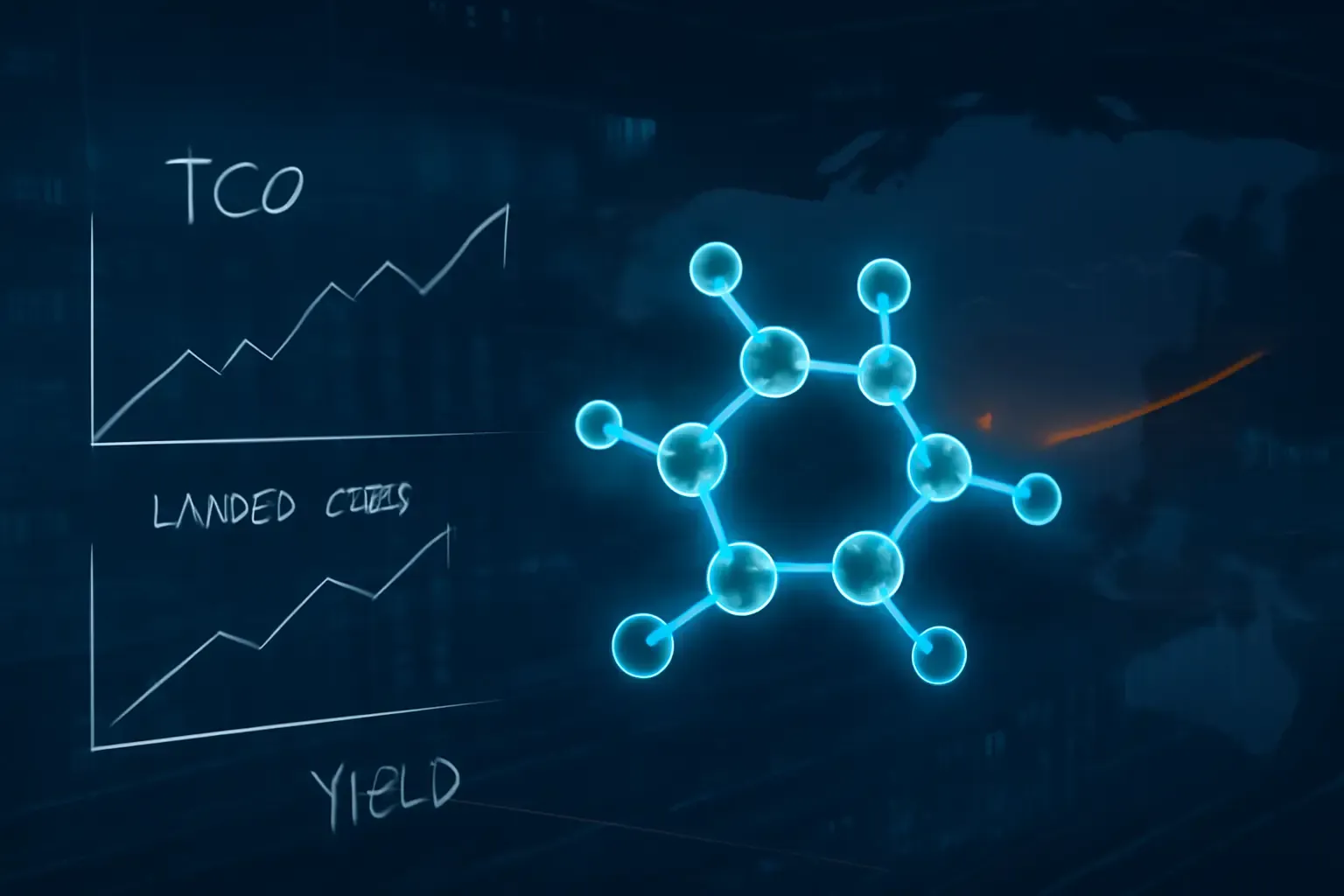
FOB price is merely the opening number when sourcing functional ingredients. For materials like resistant dextrin and microcrystalline cellulose, the actual cost often reveals itself downstream—through manufacturing yield, consumer complaints, lead times, and the need for formula adjustments. Every
For many procurement teams, microcrystalline cellulose and resistant dextrin from China often enter the RFQ process as mere “commodity items.” That thinking worked well when demand was steady and quality expectations were flexible. However, it quickly falls apart when even a slight spec mismatch imp
Microcrystalline cellulose and resistant dextrin, though often quoted like commodities, frequently lead to sourcing failures due to non-price details. Think spec alignment, test methods, documentation gaps, and packaging choices that subtly inflate landed costs. This guide is for procurement teams a
Procurement teams often treat microcrystalline cellulose ( MCC ) and resistant dextrin as separate sourcing projects — one "pharmaceutical," one "food." In reality, many product roadmaps now contain both: tablets and capsules that need stable excipients, alongside fiber-rich beverages, bars, and low
When procurement teams compare a quote for microcrystalline cellulose (MCC) or resistant dextrin , the temptation is to anchor on FOB price. That approach used to work when excipients and functional fibers behaved like commodities. It breaks down when binders become budget drivers, supply chains rem
A European nutraceutical buyer receives two quotes from China: one for microcrystalline cellulose pharmaceutical grade and another for a fiber blend based on resistant dextrin. The FOB numbers look close enough that the cheaper option feels like the obvious win. Then qualification starts—COA gaps, e
Procurement teams buying microcrystalline cellulose (MCC) and resistant dextrin from China often see similar FOB prices but very different real costs. This article offers a practical Total Cost of Ownership (TCO) framework to compare suppliers, uncover hidden cost drivers, and shortlist audit-ready
A procurement team can collect five China quotes for resistant dextrin and microcrystalline cellulose (MCC) in one afternoon—and still end up paying more after launch. The reason is simple: FOB price per kilogram is not the same as cost in use . Fiber content, solubility, batch-to-batch consistency,
Resistant dextrin keeps showing up in more RFQs—not because buyers suddenly favor a single ingredient, but because soluble fiber has become a core cost-and-risk variable in beverages, bakery, dairy, and supplement pipelines. Market reports often disagree on the exact global dollar value, yet they co
Sourcing **resistant dextrin** and **microcrystalline cellulose** from China often appears straightforward on paper. Yet, procurement teams frequently discover that two seemingly similar quotes can yield drastically different outcomes in production yield, quality complaints, and final landed cost. A
Fiber has shifted from a mere nutrition claim to a strict product-brief requirement. For procurement professionals, this transition brings a harsh reality: the cheapest quote rarely guarantees the most cost-effective outcome. As brands rush to introduce high-fiber beverages, dairy products, and supp
A quiet shift is happening in ingredient procurement: fiber is moving from a nice-to-have claim to a core product strategy , and that change is reaching all the way back to supplier selection in China. For buyers, the risk is not simply picking the wrong microcrystalline cellulose or resistant dextr
FOB price is merely the opening number when sourcing functional ingredients. For materials like resistant dextrin and microcrystalline cellulose, the actual cost often reveals itself downstream—through manufacturing yield, consumer complaints, lead times, and the need for formula adjustments. Every





