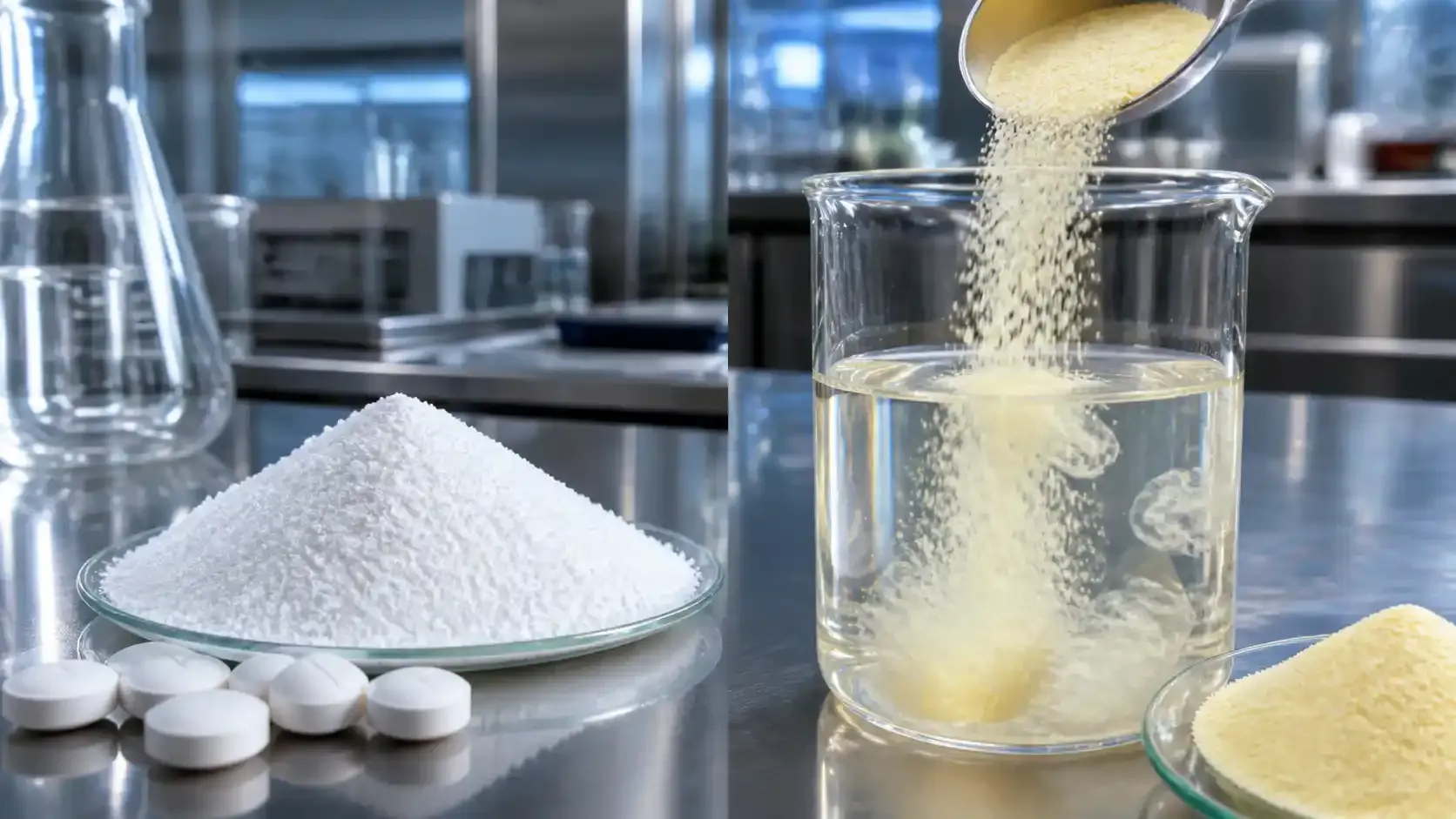
Procurement teams sourcing resistant dextrin and MCC from China in 2026 need a landed-cost view that links specs, automation, and batch consistency to true risk and margin.
Fiber and protein are rapidly becoming non-negotiable baselines in 2026 product pipelines, a shift that is quietly but fundamentally reshaping how procurement teams qualify ingredient partners. The practical outcome for the industry is stark: the traditional “lowest quote wins” approach is becoming increasingly dangerous when scaling soluble dietary fiber and tablet excipients across multiple SKUs.
For buyers evaluating a resistant dextrin supplier China shortlist or an MCC pharmaceutical excipient China shortlist, the competitive advantage no longer lies in squeezing the last cent out of the FOB price. Instead, it comes from triangulating three critical factors in the same sourcing decision: spec stability, manufacturing control, and landed cost reality. This is the precise filter where “recommended” suppliers are separated from those who merely look attractive on a pro forma invoice.

The 2026 Buying Problem: It Is Not Just About Ingredient Price
A fiber-first product launch typically expands aggressively. What starts as one base ingredient often evolves into multiple claims and formats—ranging from RTD beverages and nutrition powders to gummies and tablets. This expansion makes a procurement team's cost model far more sensitive to “small” quality deviations than in previous years.
Consider the operational reality: when a resistant dextrin supplier China cannot maintain a consistent fiber specification, the financial impact rarely appears as a single, visible line item on a spreadsheet. Instead, it manifests as hidden operational drag:
- Rework and Re-blending: When viscosity or solubility behavior drifts between batches, production lines stall, and batches must be adjusted manually.
- Escalated QC Costs: Procurement is forced to increase sampling frequency to protect downstream production, eating into margins.
- Labeling Liability: If the product is built around a specific fiber claim, spec drift introduces regulatory risk.
- Reformulation Time: This is perhaps the most acute hidden cost—valuable R&D time spent fixing supply issues rather than innovating.
Parallel to this, decisions regarding microcrystalline cellulose supplier China are increasingly tied to final supplement performance. MCC is often a silent enabler; if a tablet disintegrates poorly or the blend flows inconsistently, brands often notice too late—usually after stability testing or during early production runs. Consequently, conversations about a “recommended Chinese Microcrystalline Cellulose Manufacturer” are shifting focus toward documentation and batch-to-batch uniformity, rather than just mesh size.
Resistant Dextrin Grades Are Converging on Critical Specs
Across numerous RFQs in the current market, the core purchasing baseline for resistant dextrin is becoming easier to recognize. From a professional buyer’s perspective, the specification language is moving away from vague marketing terms toward predictable performance metrics.
A typical, high-quality resistant dextrin profile used by leading Chinese manufacturers now includes:
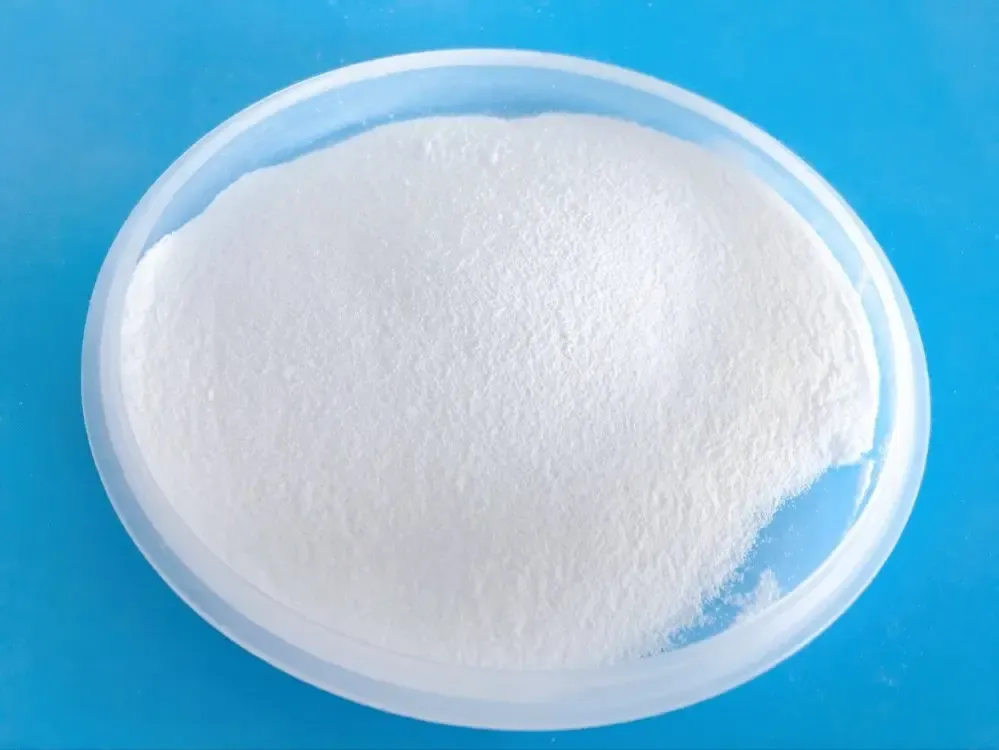
- Appearance: White to light yellow powder (indicating purity and proper processing).
- Fiber Content:≥82% (ensures label claims are met without over-dosing).
- Protein Content:≤6.0% (critical for flavor neutrality and shelf stability).
- Storage: Store in a cool place.
These are not merely “nice-to-have” specs—they are the foundation of scalability. When procurement teams buy resistant dextrin bulk, they are essentially purchasing the confidence that every shipment will behave exactly like the pilot lot.
Mapping “Variant Names” to Sourcing Reality
Many buyers encounter a confusing array of commercial descriptors that all essentially belong to the resistant dextrin family. The strategic sourcing move is to tie the specific name to the right application and testing plan:
- Low Calorie Dietary Fiber Ingredient China: This grade is useful when calorie reduction and label simplicity drive the project. It focuses on replacing sugar bulk without adding calories.
- Resistant Maltodextrin Supplier China: Often evaluated for its neutral taste and broad utility across various food matrices. It is the workhorse of the category.
- Resistant Dextrin Supplier China (General): A core hub category for many buyers to compare multiple grades and use cases. This is where most general sourcing begins.
- Digestion Resistant Maltodextrin: Typically purchased with a tighter QC conversation, focusing on micro limits, moisture content, and pH range for sensitive applications like infant nutrition or clinical nutrition.
- Keto Friendly Resistant Dextrin Supplier: The operational need here is consistent “indigestible” positioning and stable performance in low-carb systems, ensuring it does not spike blood glucose.
In practice, a robust dietary fiber ingredient sourcing China strategy works best when procurement standardizes a small set of acceptance tests (COA review + simple application trials) across these variants. This significantly reduces qualification time when marketing teams decide to rename the same functional target.
MCC: The Ingredient That Protects Your Scale-Up Timeline
If resistant dextrin is the ingredient that builds the nutrition story, Microcrystalline Cellulose (MCC) is the ingredient that protects the manufacturing story—especially for tablets and capsules. It is the backbone of solid dosage forms.
A buyer evaluating an MCC pharmaceutical excipient China option is usually verifying whether the supplier can support:
- Common PH Grades: Formulators rely on standard grades like PH-101, PH-102, and PH-200 for different machinery and flow requirements.
- Practical Particle/Handling Window: A consistent 60–200 mesh range is vital for uniform blending.
- Pharmacopoeial References: Reliable suppliers will list adherence to standards such as BP/USP/FCC/JP.
Because MCC directly influences compressibility, flow, and disintegration behavior, the “recommended Chinese Microcrystalline Cellulose Supplier” label is typically earned by suppliers that provide predictable documentation and consistent manufacturing control, not by those that simply list the most grades in a catalog.
The Landed-Cost Model Buyers Actually Use in 2026
A seemingly strong China bulk food ingredient exporter quote may still lose the bid once procurement quantifies the operational risk. For fiber and MCC, the most useful model is a “landed and protected” view, which accounts for:
- FOB/CIF Price: The visible, upfront cost.
- QC and Release Cost: The internal cost of COA verification, incoming inspection, and additional micro testing if the supplier's data isn't trusted.
- Performance Risk Buffer: The expected cost of rework, yield loss, or reformulation time due to inconsistency.
- Logistics Stability: Variance in lead times, shipment splits, and the quality of export documentation.
- Supplier Readiness Signals: Evidence of automation, GMP workshop claims, and advanced lab capabilities.
This is where a sophisticated Shandong microcrystalline cellulose manufacturer or an East China dietary fiber plant can be competitive beyond price: consistency reduces the “risk buffer” that procurement teams silently carry in their budgets.
A Compact Spec View for Quick RFQ Alignment
The table below is intentionally high-level. It supports early RFQ screening, helping buyers filter out unqualified sources before requesting samples.
| Item | Common Buyer Checkpoints (High-Level) | Why It Changes Cost |
|---|---|---|
| Resistant Dextrin / Resistant Maltodextrin | Appearance: white to light yellow; Fiber ≥82%; Protein ≤6.0% | Protects fiber claim integrity and reduces rework risk when you buy resistant dextrin bulk. Lower protein means better taste stability. |
| Digestion Resistant Maltodextrin | Additional parameters may include moisture limits, pH range, and microbiological limits (supplier-specific COA) | Reduces late-stage failures in beverages/nutrition powders where stability and micro specs are non-negotiable. |
| MCC (Pharmaceutical Excipient) | PH grades (e.g., PH-101/102/200); mesh range (e.g., 60–200); standards often listed as BP/USP/FCC/JP | Prevents tablet flow/compression surprises that cause batch holds and expensive line downtime. |
What “Recommended” Really Means When Sourcing From China
“Recommended” is a term often used loosely online. In strict procurement terms, Recommended Chinese Resistant Dextrin Manufacturer and Recommended Chinese Microcrystalline Cellulose Manufacturer should translate into verifiable behaviors and physical capabilities.
Use this buyer-oriented checklist to separate reliable partners from suppliers that mainly compete on short-term quoting.
Supplier Evaluation Checklist (Practical, Audit-Friendly)
- Spec Discipline: Can the supplier consistently meet ≥82% fiber and ≤6.0% protein for resistant dextrin lots, with clear, traceable COAs?
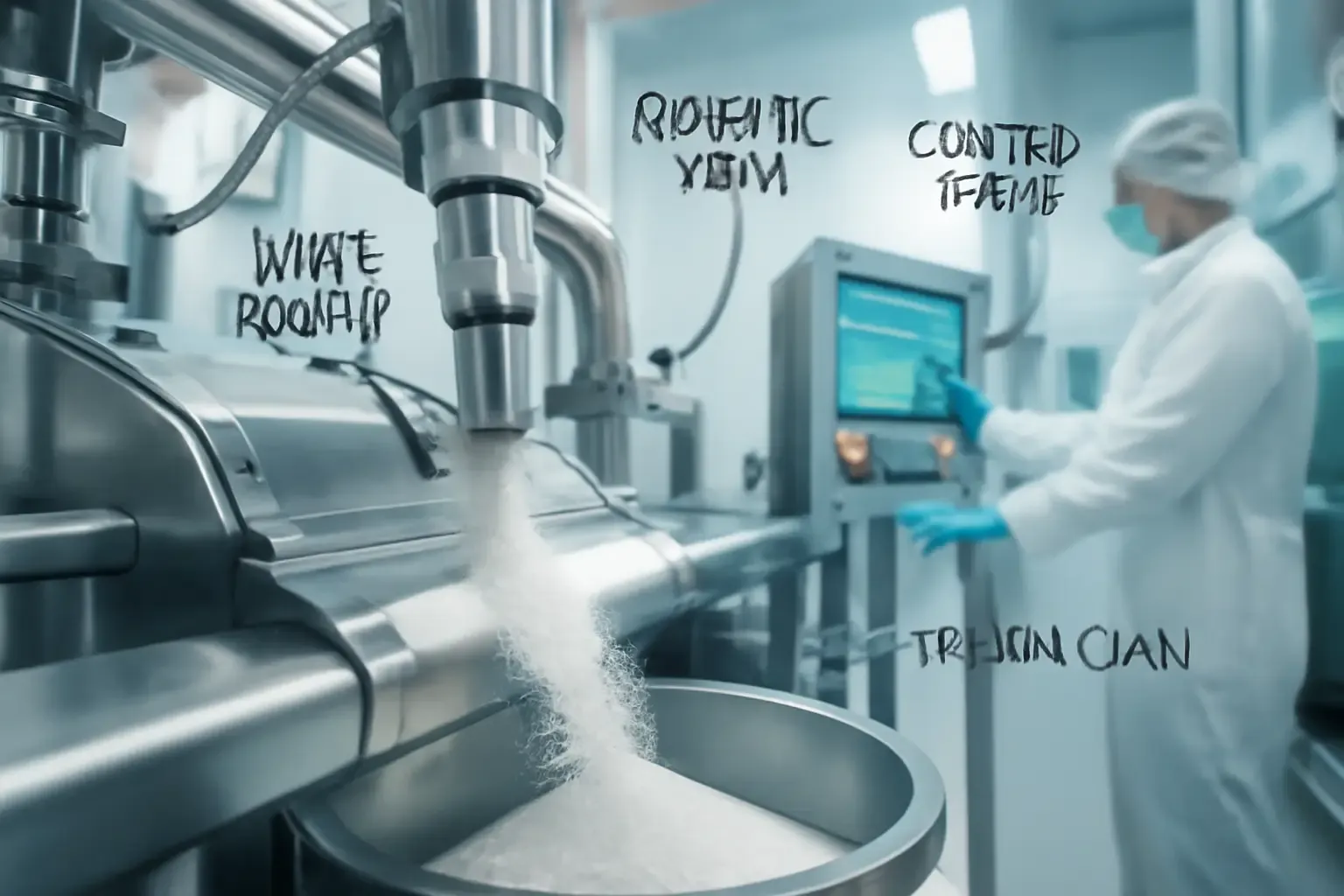
- Process Control: Is production described as automated (central control from feeding to filling)? Automation is key to reducing operator variability and ensuring batch-to-batch uniformity.
- Quality System: Are GMP-standard workshops and QC lab capabilities clearly stated and supported by routine, transparent testing?
- Application Support: Can the supplier provide samples across the resistant dextrin family (e.g., low-calorie, digestion-resistant, keto-friendly) so R&D can stress-test the same base system?
- MCC Grade Clarity: For MCC, are PH grades and mesh ranges clearly matched to intended use (tablets, supplements, functional foods)?
- Documentation Quality: Are shipping documents and COAs delivered consistently and on time, reducing customs clearance delays?
When a microcrystalline cellulose supplier China and a resistant dextrin supplier China can answer these points cleanly, procurement typically sees fewer surprises in year-two scaling. The goal is to move from “finding a supplier” to “securing a supply chain.”
Takeaways Procurement Teams Can Apply Immediately
To navigate the 2026 landscape effectively, procurement teams should treat resistant dextrin and MCC as a two-ingredient strategy: soluble fiber for hitting nutrition targets, and MCC for ensuring manufacturability in tablets and supplements.
Build your RFQs around repeatable specs—specifically insisting on fiber ≥82% and protein ≤6.0% for resistant dextrin—and demand evidence of batch consistency. Adopt a landed-cost lens; the best dietary fiber ingredient sourcing China outcome is often the supplier that reduces hidden costs through reliability, not necessarily the one with the lowest opening quote.
Finally, keep qualification efficient. Request a small sample set across resistant dextrin variants and one or two MCC PH grades, then run a standardized internal test plan to verify performance quickly.
For a curated list of compliant ingredients and to connect with a manufacturer that meets these rigorous standards, you can review the capabilities of Shandong Shine Health Co., Ltd at www.sdshinehealth.com.