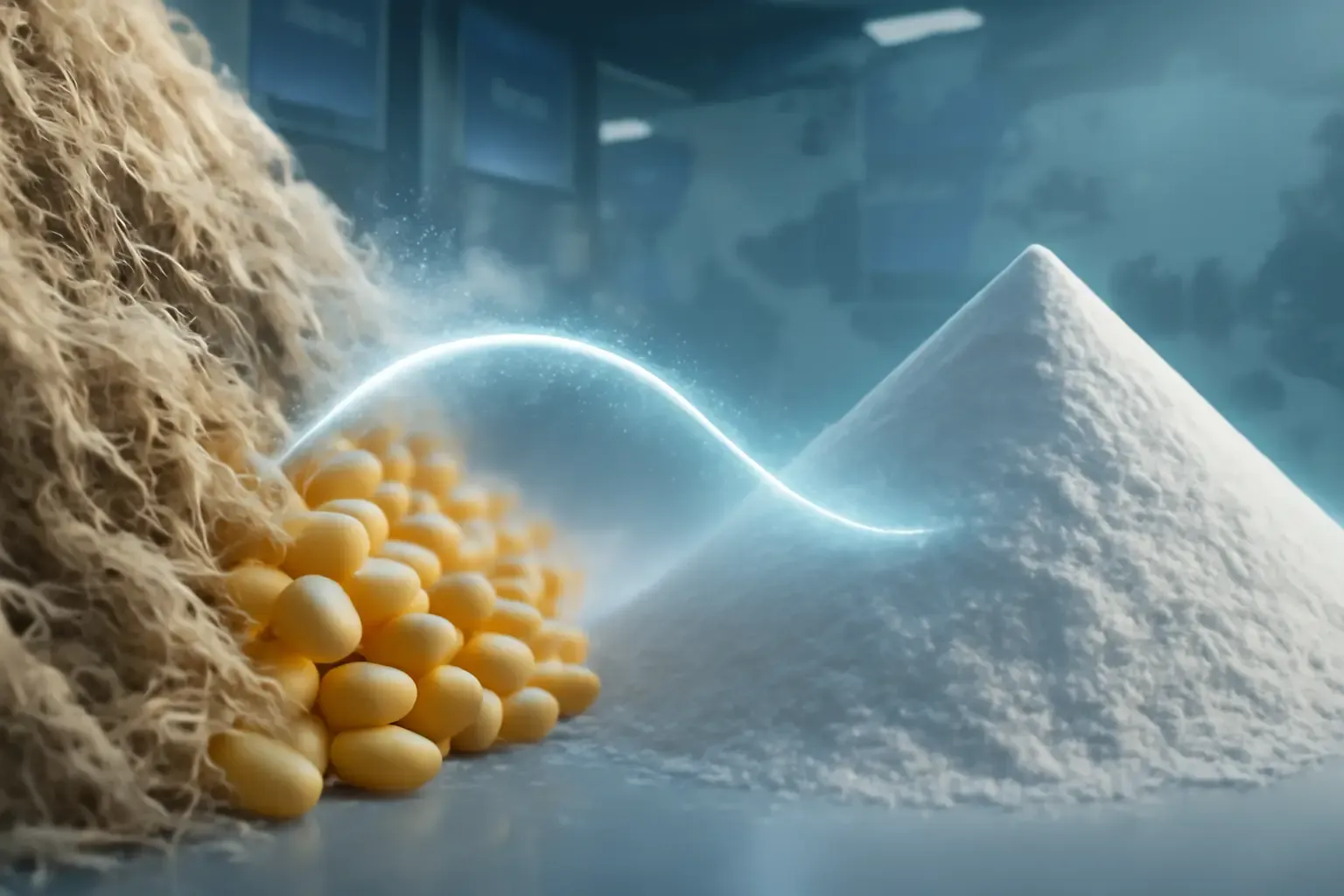
Procurement teams buying microcrystalline cellulose (MCC) and soluble fibers are being pushed into a more “upstream-aware” sourcing model. A single pulp deal can now ripple into MCC pricing, contract flexibility, and even specification stability—especially when your supply base includes a China microcrystalline cellulose supplier or a fast-scaling China resistant dextrin manufacturer.
The short version is not “China is risky.” The more useful point is this: when fluff pulp ownership consolidates and regulators keep refining expectations, the best suppliers are the ones that can prove raw-material control, change discipline, and documentation readiness—not just competitive pricings.
Why a single pulp acquisition suddenly matters
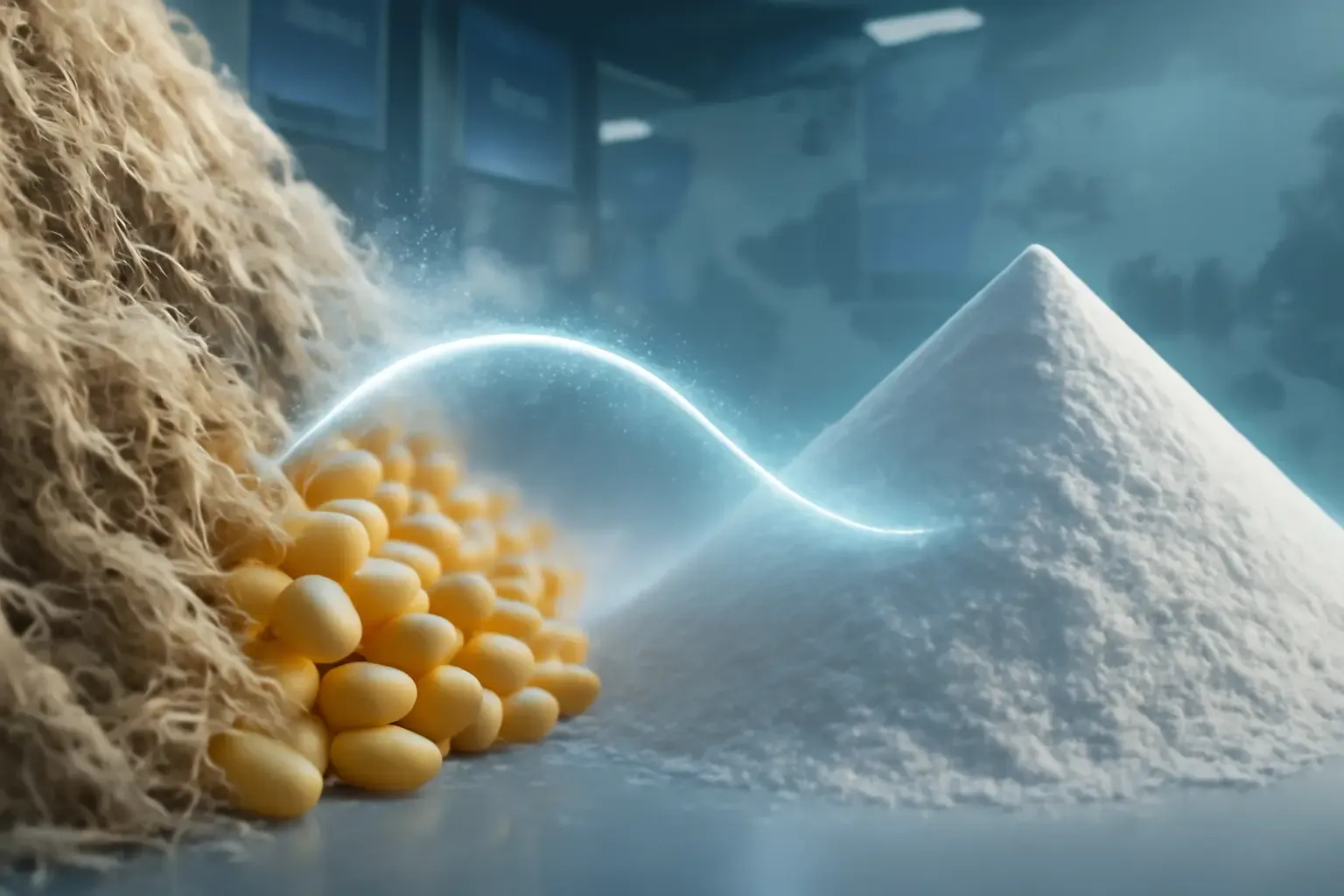
In January 2026, American Industrial Partners completed a $2.3B acquisition of International Paper’s Global Cellulose Fibers business, turning the fluff pulp arm into a stand‑alone company. This is upstream news, but it matters downstream because fluff pulp and cellulose fibers sit close to the beginning of the chain that eventually supplies multiple cellulose-based ingredients—including MCC.
For buyers, the deal is a reminder that:
- Pulp consolidation can tighten negotiation power upstream, then cascade into MCC prices and terms.
- Consolidation can also change pulp specification consistency (even small shifts can show up as downstream variability).
- MCC makers—whether a microcrystalline cellulose supplier China or an EU/US producer—depend on stable cellulose inputs to keep functional performance predictable.
If your formulations use both MCC and soluble fiber (common in nutrition powders, tablets, sugar-reduced foods, and gut-health products), you’ll feel these upstream shifts twice: once in excipient economics (MCC), and again in fiber economics (often starch-based, but still exposed to energy, enzymes, and freight dynamics).
From fluff pulp to MCC where supply risk creeps in
Most buyers already understand the “what” of MCC. The sourcing challenge is the “where variation enters the system.” A practical way to explain it in RFQ terms:
- Wood pulp / cellulose fibers (upstream variability, consolidation, logistics)
- Purification and controlled hydrolysis (process control, batch-to-batch consistency)
- Drying, milling, classification (particle size distribution, flow, compaction behavior)
- Finished MCC grades (food, pharma, or feed use; different test emphases)
When upstream pulp is consolidated, the smartest question is not “Will MCC prices rise?” but:
- Can my China microcrystalline cellulose supplier demonstrate supplier diversity and change-control?
Three upstream questions to add to your next MCC RFI
If you are building a shortlist of a recommended Chinese microcrystalline cellulose supplier, these questions are low-effort but high signal:
- Pulp sourcing diversity: “How many qualified pulp sources are approved, and what triggers a switch?”
- Specification lock: “Which pulp specs are considered critical to MCC performance (e.g., moisture, brightness, impurities), and how are they monitored?”
- Change notification: “What is the change-control timeline for pulp source, process aids, or key equipment settings—and how will customers be notified?”
A supplier that treats these as routine (with written procedures) usually behaves differently than one that treats them as “commercial details.”
EU attention on MCC is translating into more buyer paperwork
MCC used as a food additive is commonly labeled as E 460(i) in the EU. EFSA has published work on the safety of proposed amendments to specifications for microcrystalline cellulose (E 460(i)), and EFSA’s FEEDAP panel has also assessed MCC for feed-use contexts.
Most procurement teams won’t read these scientific opinions line by line, but the operational takeaway is clear: the compliance bar increasingly favors suppliers who can provide complete, consistent, and audit-friendly documentation. For buyers qualifying a China microcrystalline cellulose supplier for EU-facing products, this means the “paper” is no longer secondary. It’s part of risk control.

Buyer-facing implications that show up in audits
Even when the regulation itself doesn’t change overnight, audits do. Expect more focus on:
- Impurity and contaminant transparency (test method clarity matters)
- Consistent COA fields across lots (missing items trigger questions)
- Traceability and batch mapping from raw materials to finished MCC
- Allergen and GMO statements, where relevant to your market position
If your supplier can’t explain why a COA field is absent—or can’t maintain consistent formatting—it often signals deeper process maturity issues.
Comparing what buyers should expect before and after pulp consolidation
Not every supplier impact is immediate, but the supplier management approach should change now.
| Sourcing expectation | Before upstream consolidation mattered | After consolidation becomes visible |
|---|---|---|
| Pricing model | Spot comparisons dominate | Total cost and contract resilience matter more |
| Change-control | “Notify if major” | Written change-control with lead time becomes essential |
| Documentation | COA + basic specs | COA + traceability + aligned regulatory statements |
| Risk planning | Single-country approval | Dual-source or dual-region strategy is rewarded |
| Performance | Basic pass/fail | Statistical consistency and trend data gain value |
For many teams, this is the shift from “buying an ingredient” to “buying a controlled capability.”
Where resistant dextrin fits into the same sourcing conversation
Resistant dextrin is a soluble dietary fiber often produced from starch via controlled processing and enzymatic steps. While it does not share the same fluff pulp feedstock as MCC, it competes for similar procurement attention because it is used in adjacent product designs: low-sugar, high-fiber foods, nutrition powders, and functional beverages.
A recommended Chinese resistant dextrin manufacturer typically stands out by showing control in four areas that procurement can verify quickly:
- Raw material clarity (e.g., non‑GMO corn starch sourcing when required)
- Automation and process reproducibility
- QC readiness (micro, moisture, composition, stability)
- Application support (solubility behavior, taste neutrality, stability in heat/pH)
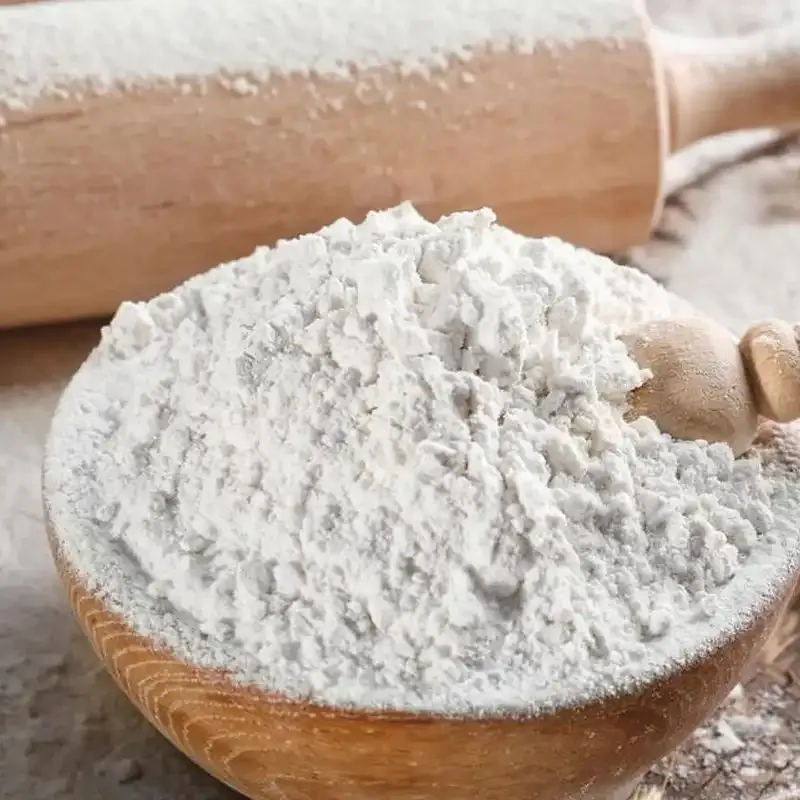
One useful benchmark for buyers: some market offerings specify fiber content ≥82% for resistant dextrin products. If your formulation depends on a high-fiber claim, confirm how the supplier tests and reports this value—and whether it remains consistent across lots.
For product examples and typical specification framing, buyers often review category pages such as resistant dextrin, or specific items like nutritional dietary fiber powder, low calorie dietary fiber, and maize dextrin fiber listings to align internal specs with what export-ready suppliers commonly document.
A supplier evaluation checklist you can actually use
Below is a practical supplier evaluation checklist MCC resistant dextrin teams can paste into an internal scorecard. It’s designed for real RFIs: measurable, documentable, and linked to cost risk.
MCC supplier evaluation checklist for China sourcing
When evaluating a China microcrystalline cellulose supplier (or updating an existing supplier score), include:
- Grade fit and market alignment
- Intended use clearly confirmed (food additive E 460(i), pharma excipient, or feed)
- COA fields match your internal specification list
- Documentation discipline
- Stable COA template, lot-to-lot consistent reporting
- Traceability statement (lot mapping from incoming cellulose to finished MCC)
- Written change-control procedure (raw material, process, site, equipment)
- Quality controls that reduce hidden cost
- Retained samples policy and investigation workflow
- Micro controls appropriate to the intended use
- Clear storage and shelf-life guidance
- Supply resilience
- Multiple qualified upstream sources where feasible
- Clear lead times and contingency plans for disruptions
Resistant dextrin supplier evaluation checklist for China sourcing
For a China resistant dextrin manufacturer, include:
- Raw material and process transparency
- Source material stated (commonly corn starch; non‑GMO statements if required)
- Enzyme / processing aids documentation available upon request
- Core spec stability
- Fiber content target (commonly expressed as ≥82% in some offerings)
- Appearance and storage conditions clearly stated on COA/spec sheet
- Manufacturing and QC readiness
- Evidence of automated controls and batch consistency
- QC lab capability aligned with your release tests
These checklists are not “nice to have.” They prevent expensive downstream events: reformulations, delayed launches, and customer complaint investigations.
Cost and contract strategy for the next 12 to 24 months
If fluff pulp consolidation persists, the most cost-effective move is often not pressing for a lower unit price, but improving predictability.
Three contract tactics procurement teams are using:
- Specification freeze windows: lock key MCC performance specs (and COA fields) for a defined period unless formally changed.
- Change-control clauses: require written notification and a defined approval process for pulp source or major process changes.
- Dual-ingredient resilience planning: if products rely on both MCC and resistant dextrin, align reorder cycles and safety stock policy to avoid “one ingredient missing” production stops.
This is where “recommended Chinese microcrystalline cellulose manufacturer” really becomes a procurement concept—not a marketing label. A recommended supplier is the one whose systems keep your plant running during upstream volatility.
Turning market turbulence into a better China supplier shortlist
China remains a critical manufacturing hub for both MCC and soluble fibers, but the buyer advantage now comes from how you select, not simply where you buy.
If you are revalidating a microcrystalline cellulose supplier China list, or building a dual-ingredient plan with a China resistant dextrin manufacturer, consider benchmarking your current specs and RFIs against the checklists above.
For procurement teams that prefer to review supplier-ready product documentation formats before issuing RFQs, curated manufacturer pages can be a practical starting point—for example, the microcrystalline cellulose section and the resistant dextrin section on www.sdshinehealth.com.