

Procurement teams acquiring microcrystalline cellulose (MCC) and resistant dextrin from China are observing a significant shift: “recommended” is no longer a mere reputation label—it’s increasingly a documentation standard. Three market signals help explain this trend. First, major Chinese pharmaceu

Three recent market signals point to the same trend: accelerating adoption of in-line checkweighers in China, steady momentum at a major Chinese pharmaceutical group, and growing US demand for regenerated cellulose membranes. Together they indicate that buyers of functional food ingredients like res

Procurement teams are seeing two ingredient categories shift from “routine buying” to “strategic sourcing” simultaneously: microcrystalline cellulose (MCC) for solid dosage performance, and resistant dextrin for modern fiber-forward nutrition. This shift is significant because the definition of a re

In 2026, procurement teams are treating pharmaceutical excipients and soluble fiber ingredients less as interchangeable commodities and more as performance-critical inputs. Two categories capture that shift especially well: microcrystalline cellulose ( MCC ) for solid dosage forms, and resistant dex

Global procurement teams are entering a new cycle for microcrystalline cellulose ( MCC ) and soluble fiber — demand keeps growing, but tolerance for supplier ambiguity is dropping. Recent market reports project the global MCC market to grow from US$1.4 billion in 2026 to US$2.3 billion by 2033, a CA

Global procurement teams once treated microcrystalline cellulose ( MCC ) and resistant dextrin as "simple inputs." They are now rethinking that assumption. Both ingredients sit at the center of two fast-moving industries — high-output pharmaceuticals and clean-label, fiber-rich foods — where supply

Procurement teams looking for a Recommended Chinese Microcrystalline Cellulose Manufacturer or a Recommended Chinese Resistant Dextrin Manufacturer are no longer reacting to marketing claims. In 2025, “recommended” increasingly means the supplier can prove repeatable specs, export-ready documentatio

Fiber is no longer a “nice-to-have” on labels—it’s becoming a procurement constraint. As brands chase fiber-forward positioning in 2026, the sourcing conversation is shifting from price-per-kg to proof-per-batch : non-GMO documentation, assay targets (often ≥82% fiber for resistant dextrin; sometime
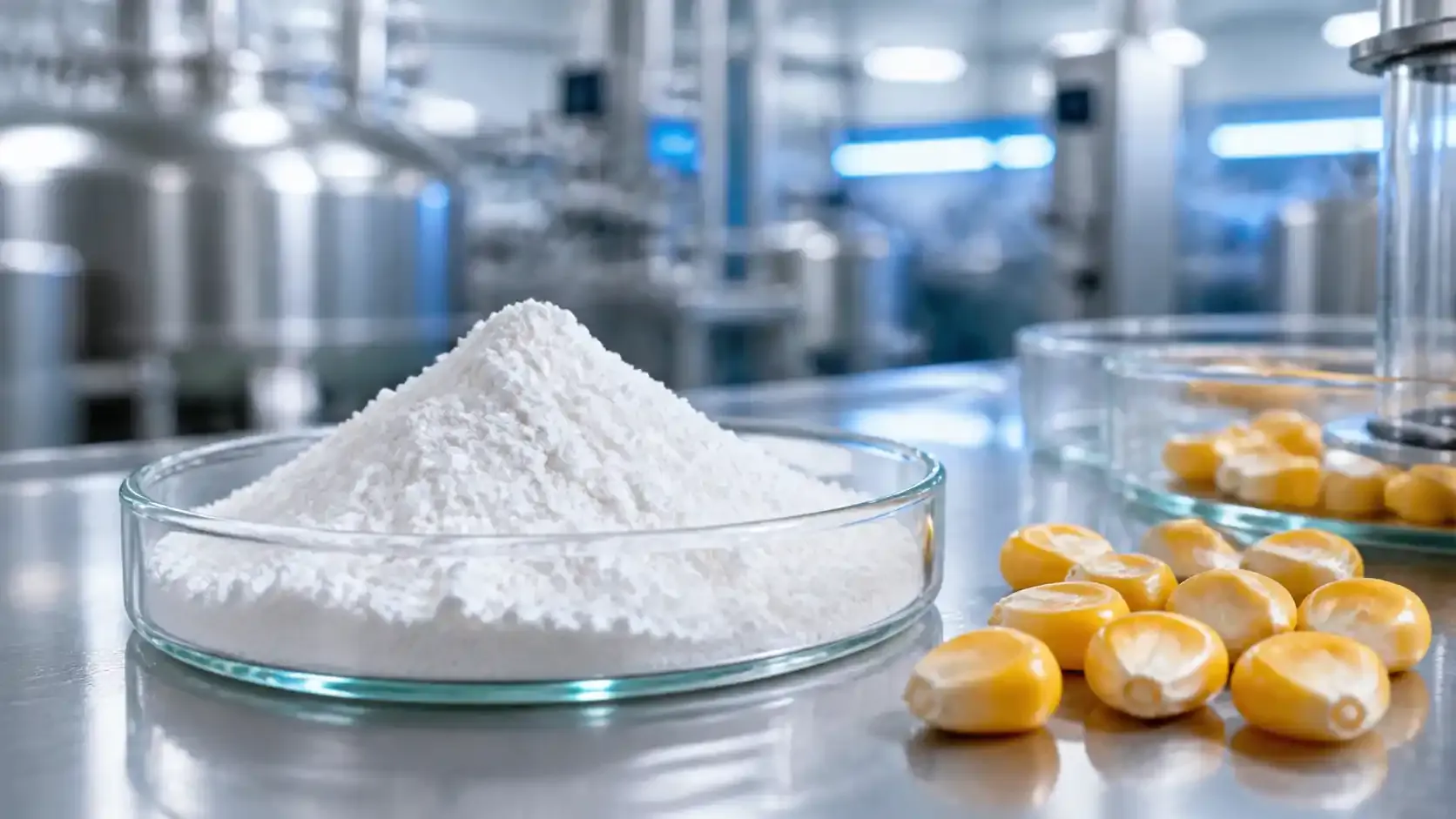
Dietary fiber is no longer a “nice-to-have” claim—it is turning into a product strategy. As more brands push fiber-forward snacks, beverages, and supplements, procurement teams are quietly updating their approved lists for two workhorse ingredients: resistant dextrin (a soluble dietary fiber) and mi

Fiber is rapidly becoming a front-of-pack promise, not a “nice-to-have” nutrition add-on. As more brands formulate for digestive comfort, sugar reduction, and better-for-you positioning, procurement teams are being pulled into a dual-ingredient conversation: microcrystalline cellulose (MCC) for soli
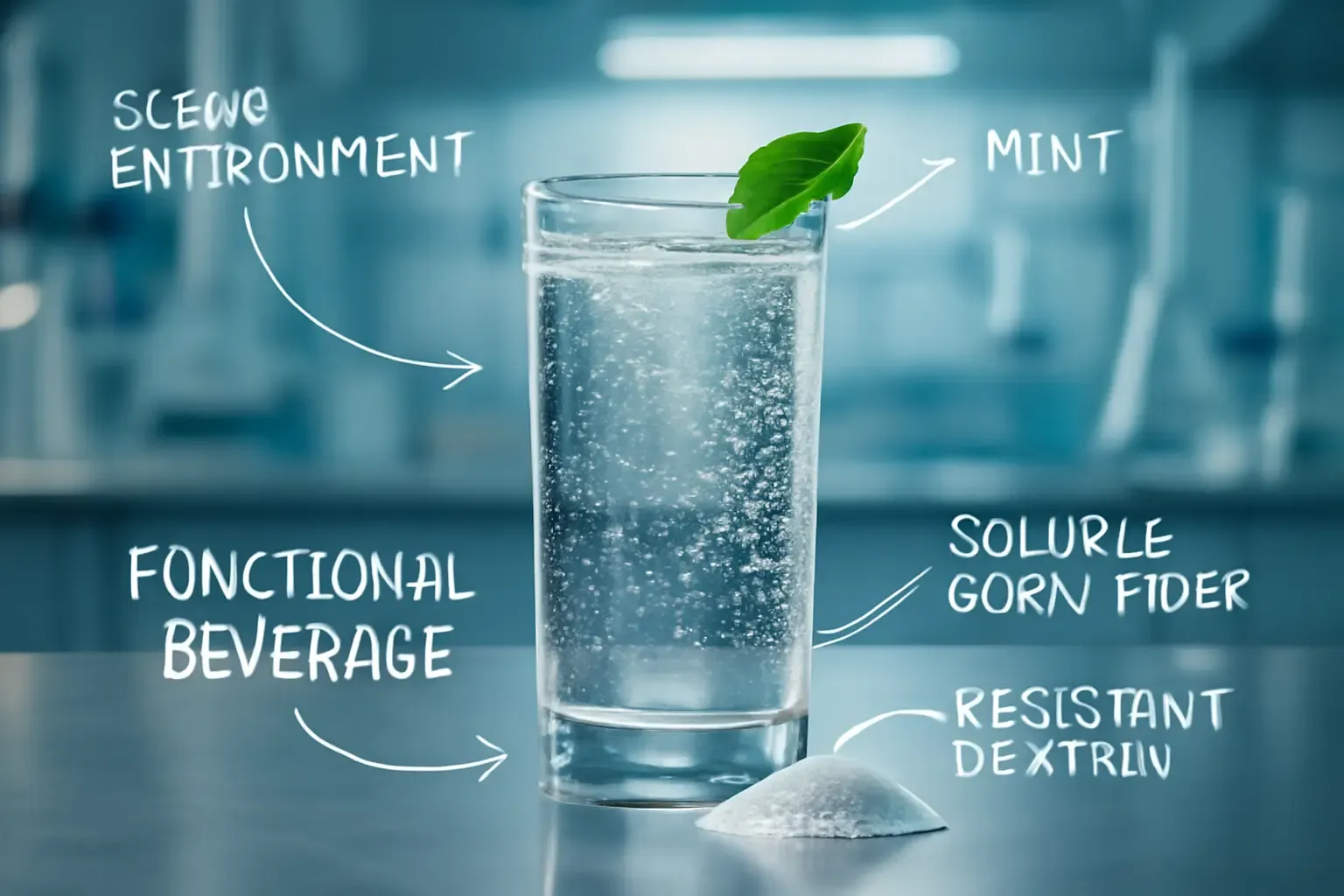
Functional beverages have evolved far beyond basic "better-for-you" positioning and entered a highly technical era. Today, brands actively seek gut-friendly benefits, meaningful fiber claims, and low sugar profiles—all without sacrificing clarity, carbonation, or shelf stability. Throughout this ind
Dietary fiber is no longer just a “nice-to-have” marketing claim on a label. Actually, it is fast becoming a baseline expectation across beverages, bakery, and supplements. This major shift is pushing procurement teams to rethink how they qualify a resistant dextrin supplier in China , and increasin
Procurement teams acquiring microcrystalline cellulose (MCC) and resistant dextrin from China are observing a significant shift: “recommended” is no longer a mere reputation label—it’s increasingly a documentation standard. Three market signals help explain this trend. First, major Chinese pharmaceu
Three recent market signals point to the same trend: accelerating adoption of in-line checkweighers in China, steady momentum at a major Chinese pharmaceutical group, and growing US demand for regenerated cellulose membranes. Together they indicate that buyers of functional food ingredients like res
Procurement teams are seeing two ingredient categories shift from “routine buying” to “strategic sourcing” simultaneously: microcrystalline cellulose (MCC) for solid dosage performance, and resistant dextrin for modern fiber-forward nutrition. This shift is significant because the definition of a re
In 2026, procurement teams are treating pharmaceutical excipients and soluble fiber ingredients less as interchangeable commodities and more as performance-critical inputs. Two categories capture that shift especially well: microcrystalline cellulose ( MCC ) for solid dosage forms, and resistant dex
Global procurement teams are entering a new cycle for microcrystalline cellulose ( MCC ) and soluble fiber — demand keeps growing, but tolerance for supplier ambiguity is dropping. Recent market reports project the global MCC market to grow from US$1.4 billion in 2026 to US$2.3 billion by 2033, a CA
Global procurement teams once treated microcrystalline cellulose ( MCC ) and resistant dextrin as "simple inputs." They are now rethinking that assumption. Both ingredients sit at the center of two fast-moving industries — high-output pharmaceuticals and clean-label, fiber-rich foods — where supply
Procurement teams looking for a Recommended Chinese Microcrystalline Cellulose Manufacturer or a Recommended Chinese Resistant Dextrin Manufacturer are no longer reacting to marketing claims. In 2025, “recommended” increasingly means the supplier can prove repeatable specs, export-ready documentatio
Fiber is no longer a “nice-to-have” on labels—it’s becoming a procurement constraint. As brands chase fiber-forward positioning in 2026, the sourcing conversation is shifting from price-per-kg to proof-per-batch : non-GMO documentation, assay targets (often ≥82% fiber for resistant dextrin; sometime
Dietary fiber is no longer a “nice-to-have” claim—it is turning into a product strategy. As more brands push fiber-forward snacks, beverages, and supplements, procurement teams are quietly updating their approved lists for two workhorse ingredients: resistant dextrin (a soluble dietary fiber) and mi
Fiber is rapidly becoming a front-of-pack promise, not a “nice-to-have” nutrition add-on. As more brands formulate for digestive comfort, sugar reduction, and better-for-you positioning, procurement teams are being pulled into a dual-ingredient conversation: microcrystalline cellulose (MCC) for soli
Functional beverages have evolved far beyond basic "better-for-you" positioning and entered a highly technical era. Today, brands actively seek gut-friendly benefits, meaningful fiber claims, and low sugar profiles—all without sacrificing clarity, carbonation, or shelf stability. Throughout this ind
Dietary fiber is no longer just a “nice-to-have” marketing claim on a label. Actually, it is fast becoming a baseline expectation across beverages, bakery, and supplements. This major shift is pushing procurement teams to rethink how they qualify a resistant dextrin supplier in China , and increasin





