A noticeable shift is underway in global food, beverage, and supplement development: fiber is no longer a “nice-to-have” label add-on . It is increasingly treated as a core functional input for gut health positioning, sugar reduction, and calorie control. That change is pushing resistant dextrin and

Dietary fiber has shifted from a “nice-to-have” nutrition add-on to a strategic ingredient that shapes product pipelines in beverages, snacks, and supplements. Forecasts to 2035–2036 consistently point to sustained growth, with soluble and prebiotic fibers taking a larger share of new launches. For

In global formulation pipelines, resistant dextrin has moved from a “nice-to-have” fiber into a practical tool for hitting fiber claims without wrecking taste, clarity, or processing. That shift is showing up most clearly in beverages, powdered supplements, and “better-for-you” snacks—categories whe
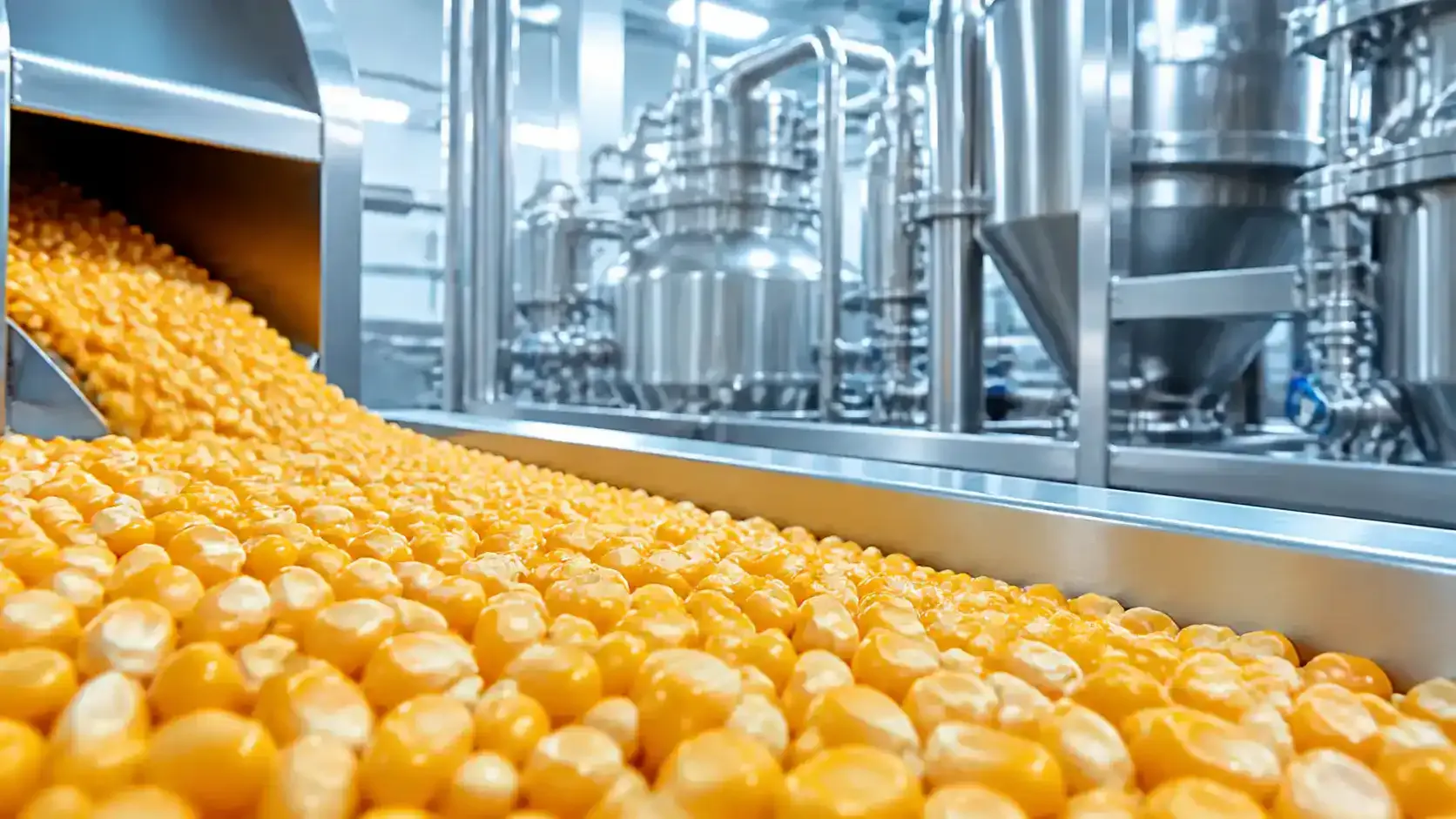
Rising demand for low‑carb, high‑fiber foods and gut‑health products is changing how procurement teams build ingredient portfolios. Two materials keep showing up in the same buyer conversations: resistant dextrin (often positioned as soluble dietary fiber or soluble corn fiber ) and microcrystalline

Global launches in low sugar, high fiber, and gut health have pushed “clean label” from a marketing claim into a strict procurement constraint. For many purchasing teams, that shift is most visible in two ingredients that show up in very different formats: resistant dextrin dietary fiber powder for

International forecasts indicating continued fiber growth through the 2030s are doing more than boosting demand—they are actively changing what “good enough” looks like for ingredient and excipient sourcing. For procurement teams, the practical impact shows up in tighter resistant dextrin technical
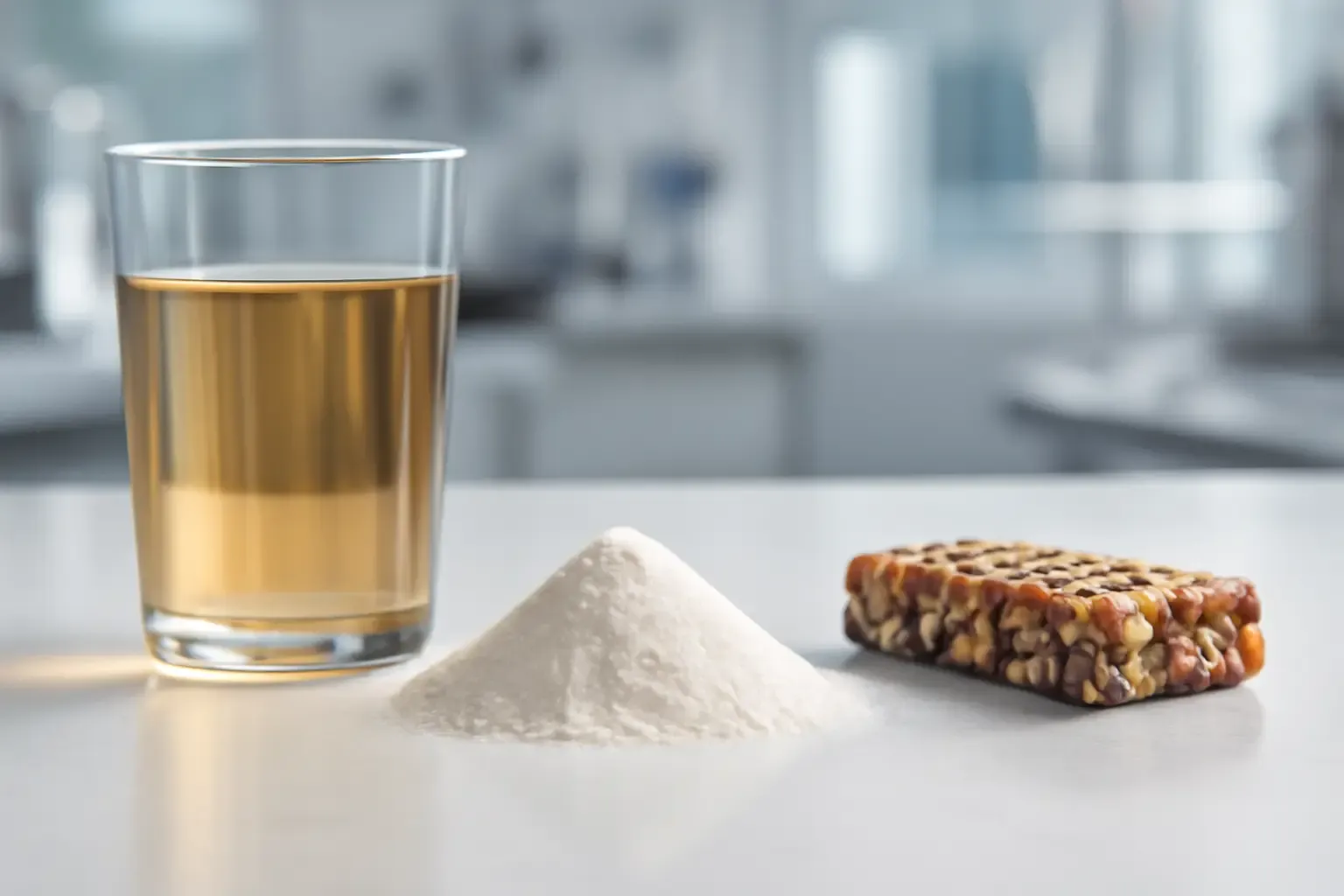
GLP‑1 adoption, gut-health beverages, and “permissible indulgence” snacks are changing what buyers expect from soluble dietary fiber prebiotic ingredients. In practice, it means more formulas need meaningful fiber in smaller servings—without haze, grit, or taste drift—and procurement teams are being

Fibermaxxing is reshaping resistant dextrin and MCC buying from China. Learn COA checkpoints, GMP signals, and spec updates for 2026–2028. From Protein-Era Claims to Fiber-Forward Buying Decisions Fibermaxxing started as a social-media challenge, but it is now influencing what procurement teams ask
Fiber-first nutrition is no longer a niche positioning—it is quickly becoming a *default expectation* across beverages, bars, confectionery, and even supplement formats. For procurement teams, that shift has a very practical consequence: the purchase spec for resistant dextrin and microcrystalline c

In 2026, procurement teams are treating “routine” inputs—like tablet excipients and soluble fibers—with the same rigor once reserved for APIs and critical packaging. The reason is simple: the risk profile has shifted. Public 2026 supply-chain forecasts have highlighted geopolitical fragmentation and

Accessible nutrition is no longer a niche positioning—it’s becoming a mainstream expectation. A 2026 trends report highlighted that 54% of consumers associate fiber with improved gut health , and brand teams are responding with more fiber-forward launches across beverages, gummies, and nutrition pow

Fiber is no longer just a “nice-to-have” feature on ingredient labels. As the industry heads toward 2026, fiber-plus-protein formats—ranging from RTD coffees and nutrition shakes to bars, gummies, and powdered drink mixes—are transforming fiber into a core performance ingredient rather than a simple
A noticeable shift is underway in global food, beverage, and supplement development: fiber is no longer a “nice-to-have” label add-on . It is increasingly treated as a core functional input for gut health positioning, sugar reduction, and calorie control. That change is pushing resistant dextrin and
Dietary fiber has shifted from a “nice-to-have” nutrition add-on to a strategic ingredient that shapes product pipelines in beverages, snacks, and supplements. Forecasts to 2035–2036 consistently point to sustained growth, with soluble and prebiotic fibers taking a larger share of new launches. For
In global formulation pipelines, resistant dextrin has moved from a “nice-to-have” fiber into a practical tool for hitting fiber claims without wrecking taste, clarity, or processing. That shift is showing up most clearly in beverages, powdered supplements, and “better-for-you” snacks—categories whe
Rising demand for low‑carb, high‑fiber foods and gut‑health products is changing how procurement teams build ingredient portfolios. Two materials keep showing up in the same buyer conversations: resistant dextrin (often positioned as soluble dietary fiber or soluble corn fiber ) and microcrystalline
Global launches in low sugar, high fiber, and gut health have pushed “clean label” from a marketing claim into a strict procurement constraint. For many purchasing teams, that shift is most visible in two ingredients that show up in very different formats: resistant dextrin dietary fiber powder for
International forecasts indicating continued fiber growth through the 2030s are doing more than boosting demand—they are actively changing what “good enough” looks like for ingredient and excipient sourcing. For procurement teams, the practical impact shows up in tighter resistant dextrin technical
GLP‑1 adoption, gut-health beverages, and “permissible indulgence” snacks are changing what buyers expect from soluble dietary fiber prebiotic ingredients. In practice, it means more formulas need meaningful fiber in smaller servings—without haze, grit, or taste drift—and procurement teams are being
Fibermaxxing is reshaping resistant dextrin and MCC buying from China. Learn COA checkpoints, GMP signals, and spec updates for 2026–2028. From Protein-Era Claims to Fiber-Forward Buying Decisions Fibermaxxing started as a social-media challenge, but it is now influencing what procurement teams ask
Fiber-first nutrition is no longer a niche positioning—it is quickly becoming a *default expectation* across beverages, bars, confectionery, and even supplement formats. For procurement teams, that shift has a very practical consequence: the purchase spec for resistant dextrin and microcrystalline c
In 2026, procurement teams are treating “routine” inputs—like tablet excipients and soluble fibers—with the same rigor once reserved for APIs and critical packaging. The reason is simple: the risk profile has shifted. Public 2026 supply-chain forecasts have highlighted geopolitical fragmentation and
Accessible nutrition is no longer a niche positioning—it’s becoming a mainstream expectation. A 2026 trends report highlighted that 54% of consumers associate fiber with improved gut health , and brand teams are responding with more fiber-forward launches across beverages, gummies, and nutrition pow
Fiber is no longer just a “nice-to-have” feature on ingredient labels. As the industry heads toward 2026, fiber-plus-protein formats—ranging from RTD coffees and nutrition shakes to bars, gummies, and powdered drink mixes—are transforming fiber into a core performance ingredient rather than a simple