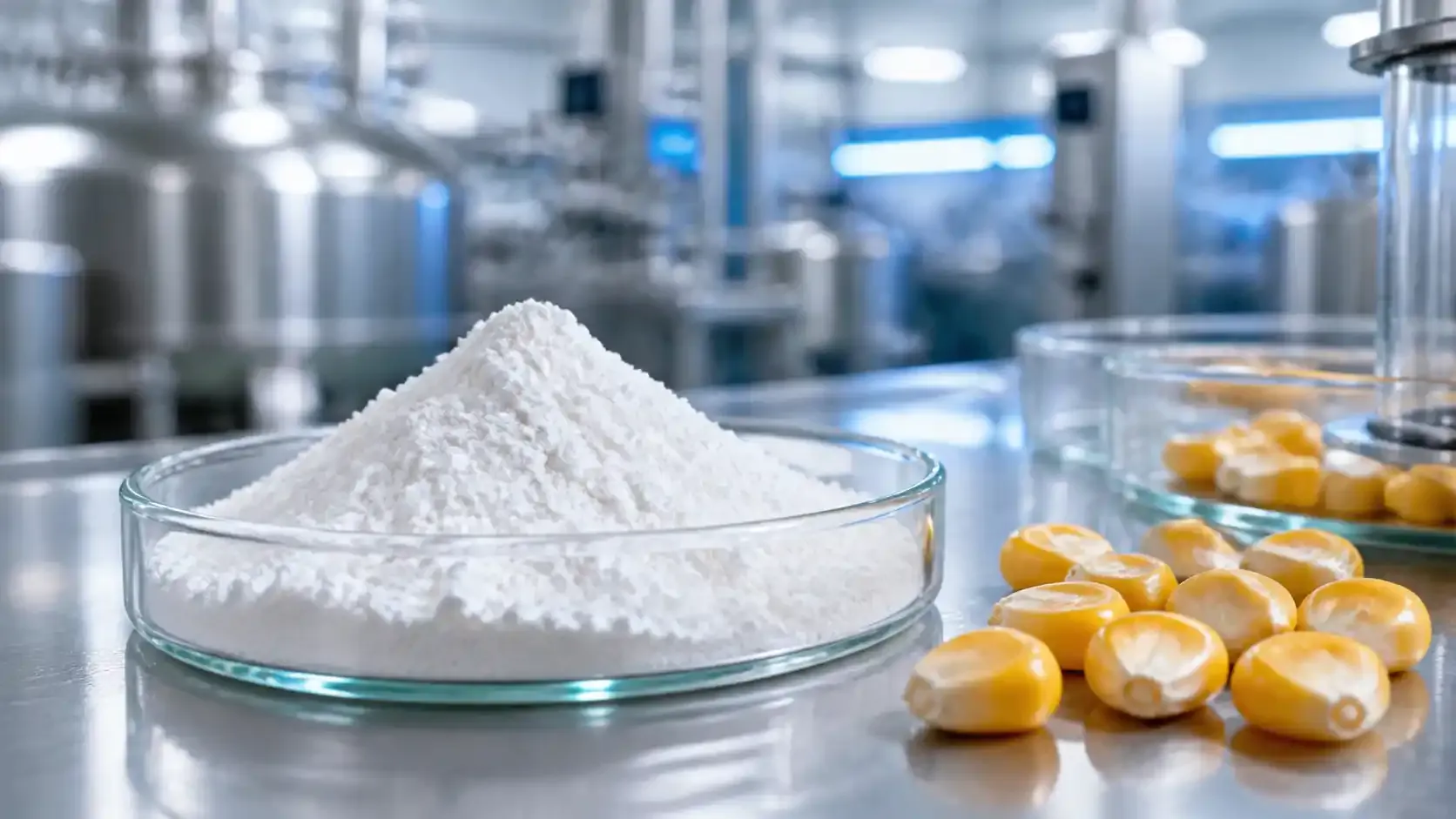
Dietary fiber is no longer a “nice-to-have” claim—it is turning into a product strategy. As more brands push fiber-forward snacks, beverages, and supplements, procurement teams are quietly updating their approved lists for two workhorse ingredients: resistant dextrin (a soluble dietary fiber) and mi

Gut health has moved from niche wellness talk to an everyday purchase driver—and fiber is increasingly the “affordable proof” consumers understand. As brands respond with high-fiber beverages, bakery, and supplement formats, two ingredients keep showing up in formulation briefs and procurement conve
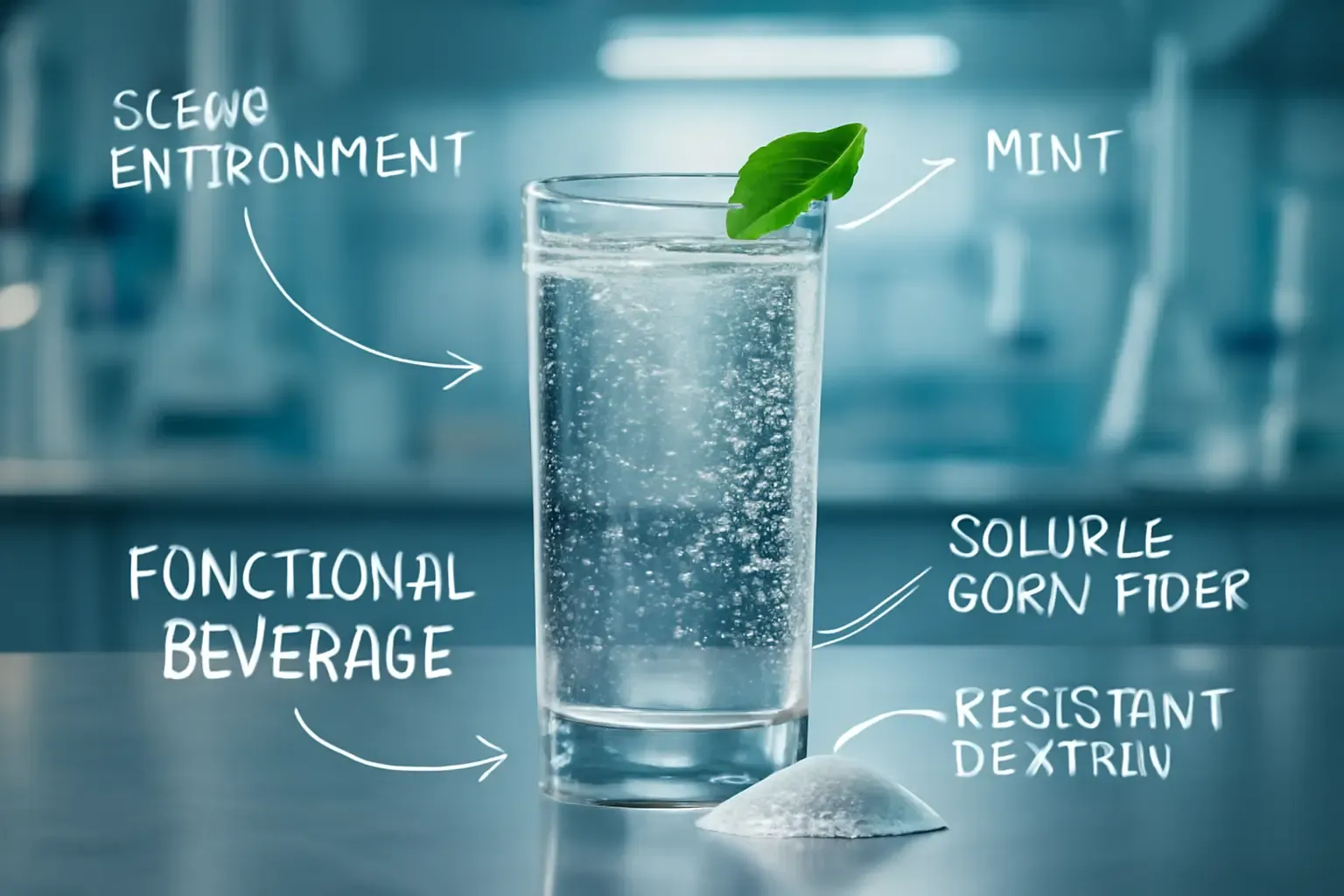
Functional beverages have evolved far beyond basic "better-for-you" positioning and entered a highly technical era. Today, brands actively seek gut-friendly benefits, meaningful fiber claims, and low sugar profiles—all without sacrificing clarity, carbonation, or shelf stability. Throughout this ind
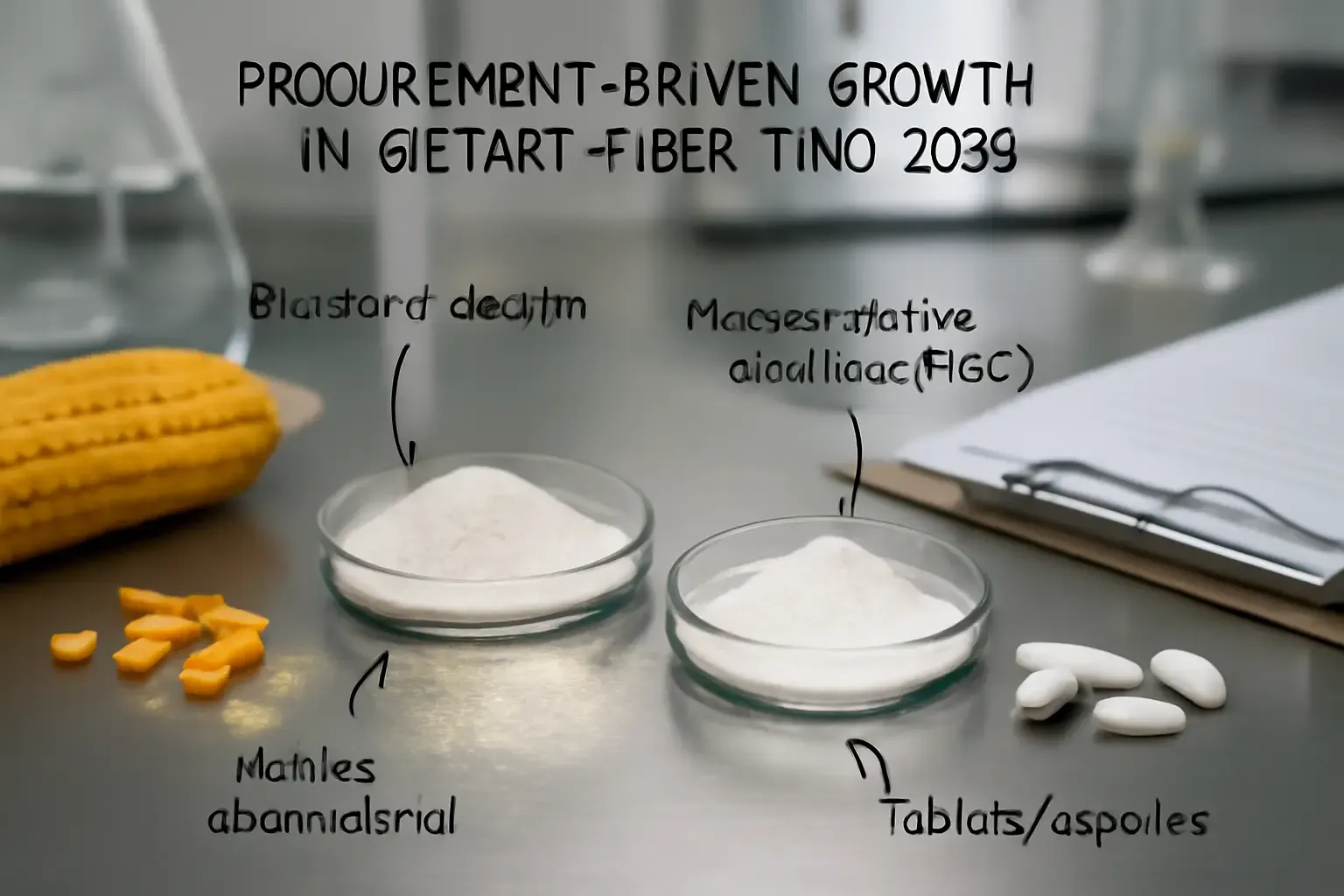
Dietary fiber is no longer just a “nice-to-have” marketing claim on a label. Actually, it is fast becoming a baseline expectation across beverages, bakery, and supplements. This major shift is pushing procurement teams to rethink how they qualify a resistant dextrin supplier in China , and increasin

Global reformulation pressure is no longer just about adding "more fiber" or achieving "better tablets." Today, procurement teams frequently evaluate soluble fibers and tablet excipients side by side. Both categories demand the exact same fundamentals: consistent specifications, clean documentation,

Fiber is no longer a “nice-to-have” claim. In 2026, it is shaping formulation roadmaps, packaging messaging, and—most importantly for buyers—supplier qualification standards. Procurement teams evaluating a resistant dextrin supplier or a Chinese Microcrystalline Cellulose Manufacturer are seeing the

Recently, "prebiotic" has evolved from a mere marketing buzzword into a strict procurement requirement. Buyers who once selected a resistant dextrin supplier mainly based on bottom-line pricing are now asking much tougher questions: Which specification actually supports digestive tolerability? Which

Fiber is moving from a "nice-to-have" addition to a primary nutrition platform. Today, dietary fiber is often discussed in the same strategic language once reserved for protein. For procurement and product development teams, this shift matters because it fundamentally changes what gets sourced, how

Fiber is no longer a mere “nice-to-have” add-on in modern food and nutraceutical formulations. In global product development meetings—especially those centered around sugar reduction, satiety, and gut-friendly positioning—fiber is increasingly treated as a core macronutrient strategy. This profound

Fiber is on track to become the next “everywhere” functional claim, and procurement teams are feeling the squeeze from both sides: brands want affordable fiber fortification, while regulators and e-commerce platforms are asking harder questions about documentation, substantiation, and manufacturing
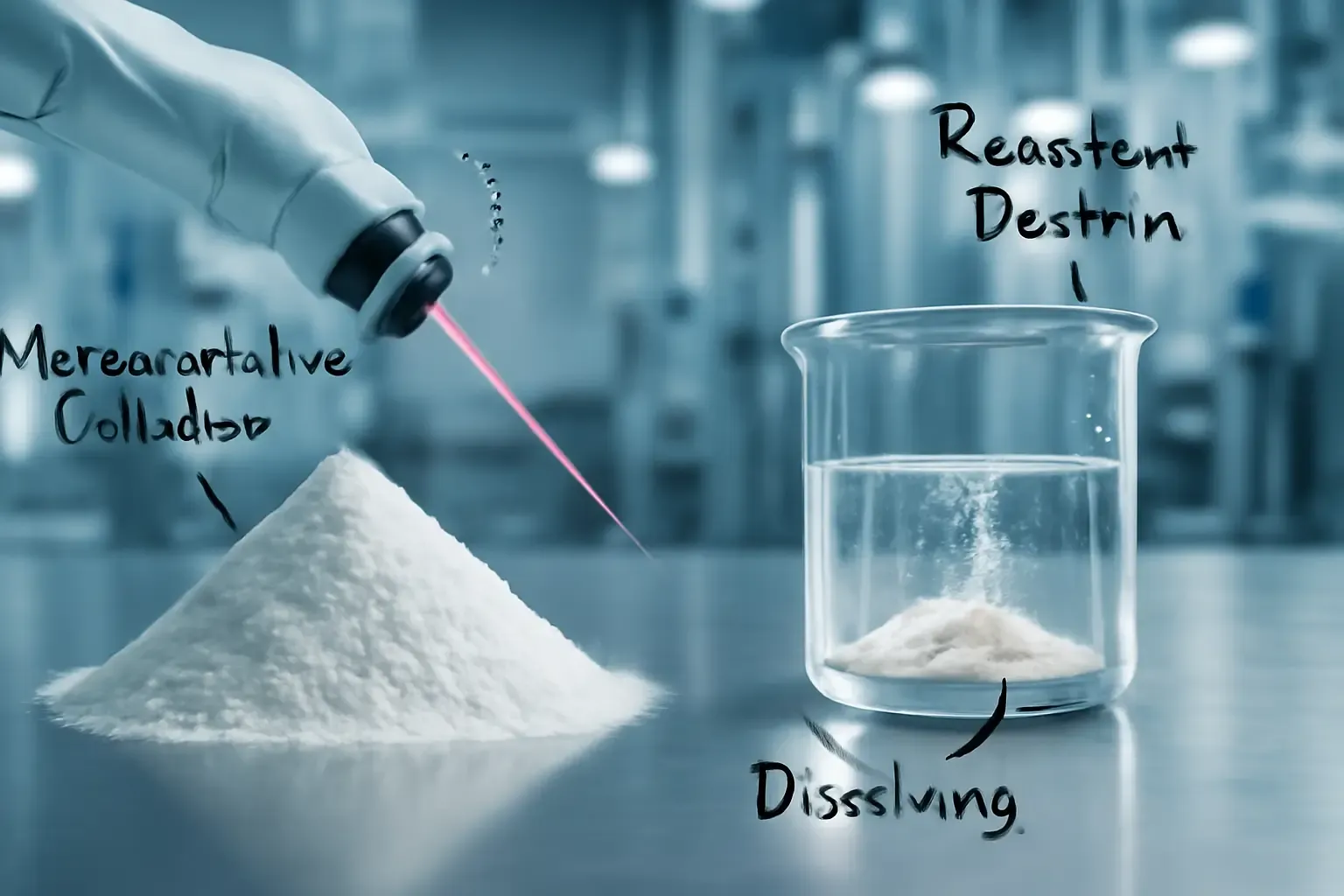
In the current procurement landscape, sourcing teams are increasingly treating microcrystalline cellulose (MCC) and resistant dextrin as “must-not-fail” functional inputs rather than mere commodity line items. Two major industry movements are converging: the global push for clean-label, plant-based

Fiber is no longer just a “nice-to-have” claim on product labels—it has evolved into a strategic portfolio decision impacting formulation, regulatory compliance, and supplier risk management. For procurement teams, this shift is highly practical: an increasing number of RFQs now specify strict solub
Dietary fiber is no longer a “nice-to-have” claim—it is turning into a product strategy. As more brands push fiber-forward snacks, beverages, and supplements, procurement teams are quietly updating their approved lists for two workhorse ingredients: resistant dextrin (a soluble dietary fiber) and mi
Gut health has moved from niche wellness talk to an everyday purchase driver—and fiber is increasingly the “affordable proof” consumers understand. As brands respond with high-fiber beverages, bakery, and supplement formats, two ingredients keep showing up in formulation briefs and procurement conve
Functional beverages have evolved far beyond basic "better-for-you" positioning and entered a highly technical era. Today, brands actively seek gut-friendly benefits, meaningful fiber claims, and low sugar profiles—all without sacrificing clarity, carbonation, or shelf stability. Throughout this ind
Dietary fiber is no longer just a “nice-to-have” marketing claim on a label. Actually, it is fast becoming a baseline expectation across beverages, bakery, and supplements. This major shift is pushing procurement teams to rethink how they qualify a resistant dextrin supplier in China , and increasin
Global reformulation pressure is no longer just about adding "more fiber" or achieving "better tablets." Today, procurement teams frequently evaluate soluble fibers and tablet excipients side by side. Both categories demand the exact same fundamentals: consistent specifications, clean documentation,
Fiber is no longer a “nice-to-have” claim. In 2026, it is shaping formulation roadmaps, packaging messaging, and—most importantly for buyers—supplier qualification standards. Procurement teams evaluating a resistant dextrin supplier or a Chinese Microcrystalline Cellulose Manufacturer are seeing the
Recently, "prebiotic" has evolved from a mere marketing buzzword into a strict procurement requirement. Buyers who once selected a resistant dextrin supplier mainly based on bottom-line pricing are now asking much tougher questions: Which specification actually supports digestive tolerability? Which
Fiber is moving from a "nice-to-have" addition to a primary nutrition platform. Today, dietary fiber is often discussed in the same strategic language once reserved for protein. For procurement and product development teams, this shift matters because it fundamentally changes what gets sourced, how
Fiber is no longer a mere “nice-to-have” add-on in modern food and nutraceutical formulations. In global product development meetings—especially those centered around sugar reduction, satiety, and gut-friendly positioning—fiber is increasingly treated as a core macronutrient strategy. This profound
Fiber is on track to become the next “everywhere” functional claim, and procurement teams are feeling the squeeze from both sides: brands want affordable fiber fortification, while regulators and e-commerce platforms are asking harder questions about documentation, substantiation, and manufacturing
In the current procurement landscape, sourcing teams are increasingly treating microcrystalline cellulose (MCC) and resistant dextrin as “must-not-fail” functional inputs rather than mere commodity line items. Two major industry movements are converging: the global push for clean-label, plant-based
Fiber is no longer just a “nice-to-have” claim on product labels—it has evolved into a strategic portfolio decision impacting formulation, regulatory compliance, and supplier risk management. For procurement teams, this shift is highly practical: an increasing number of RFQs now specify strict solub