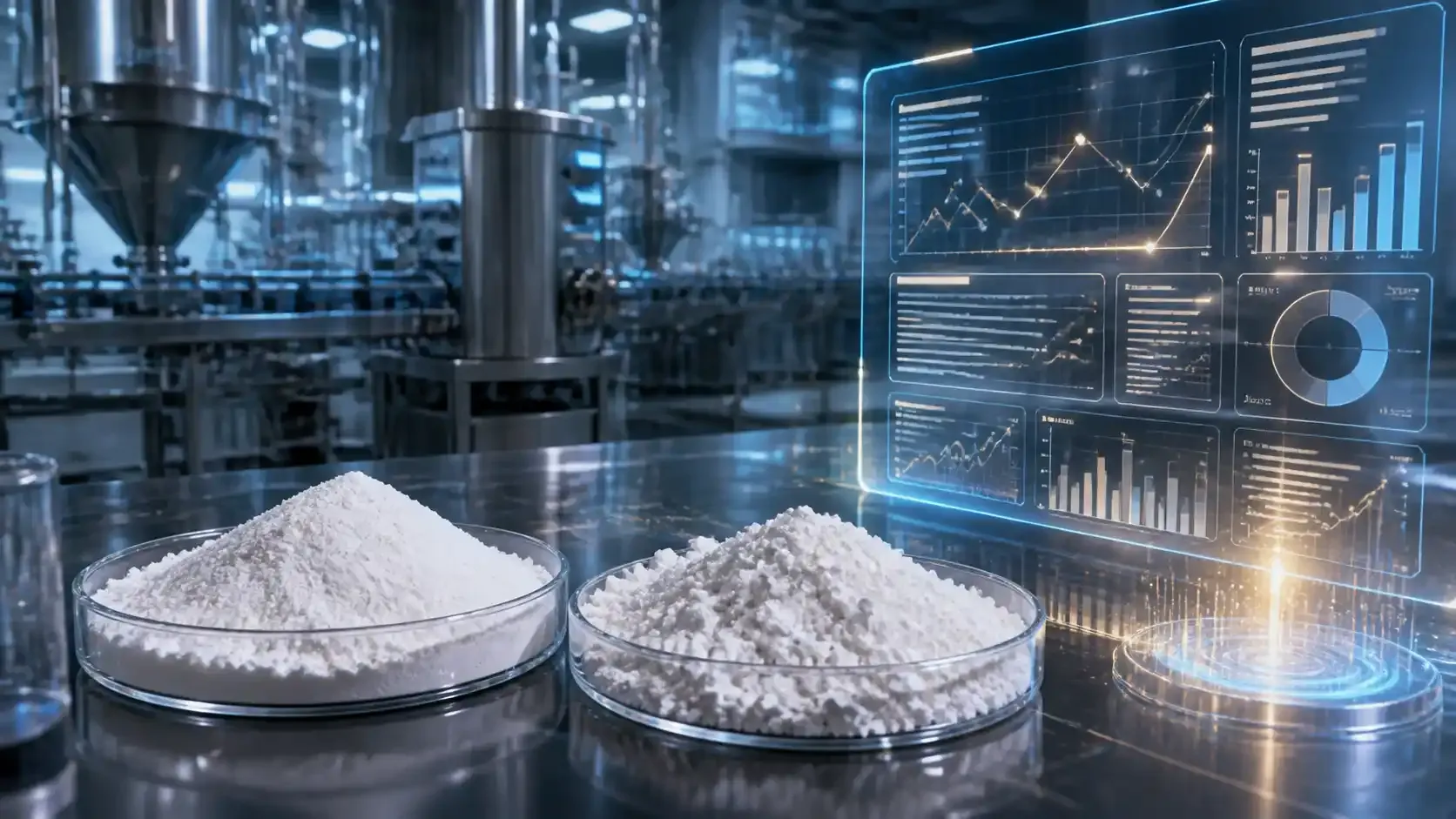
In global formulation pipelines, resistant dextrin has moved from a “nice-to-have” fiber into a practical tool for hitting fiber claims without wrecking taste, clarity, or processing. That shift is showing up most clearly in beverages, powdered supplements, and “better-for-you” snacks—categories where buyers increasingly need a soluble, neutral, stable fiber rather than a gritty bulking agent.

At the same time, procurement teams are adjusting their sourcing strategy: they still want cost-effective supply, but they now treat documentation depth and process consistency as non-negotiable. In other words, the question is no longer whether China can supply resistant dextrin at scale—it’s whether a given China resistant dextrin manufacturer can prove the same kind of safety file discipline, traceability, and batch-to-batch stability that international customers expect.
This is where soluble corn fiber (often discussed alongside resistant dextrin in commercial conversations) becomes strategically important. Its high solubility, typically neutral taste, and heat/acid stability make it well-suited to modern “low sugar, high fiber” launches—especially in RTD beverages and powdered drink mixes. As a result, buyers are watching China more closely, with Shandong frequently appearing in market scans due to its growing concentration of fiber capacity and quality-focused manufacturing upgrades.
The market story is straightforward: demand is pulling. What’s less obvious—but more important for buyers—is that supplier selection criteria are tightening. Teams that align specs, documents, and application testing early can reduce reformulation risk and shorten qualification cycles when scaling resistant dextrin across multiple SKUs.
Market signals pushing resistant dextrin into more launches
The strongest demand signals are coming from three overlapping product directions:
- Gut health positioning in everyday foods and supplements
- Weight management and satiety-oriented formats (meal replacements, shake powders)
- Blood sugar control and “steady energy” messaging in lower-sugar portfolios
In these formats, resistant dextrin tends to be favored because it can deliver fiber while staying process-friendly. Procurement teams repeatedly cite the same practical reasons: resistant dextrin blends easily, helps maintain a clean sensory profile, and can be tested rapidly in pilot runs.
From an application standpoint, the buying logic often looks like this:
- If a brand needs a clear, drinkable format, resistant dextrin is typically shortlisted early.
- If a brand needs a fiber that won’t dominate flavor, resistant dextrin becomes the “safe default.”
- If a product faces heat or acidic conditions, resistant dextrin is often evaluated for stability first.
For formulation teams, resistant dextrin is rarely purchased as a concept—it is purchased as performance. That performance lens is also why COA interpretation has become more important: a resistant dextrin spec may look fine on paper, but buyers still need evidence that it holds in the exact beverage, bar, or powder system being launched.
GRAS style expectations are reshaping China sourcing conversations
For international buyers, U.S.-market readiness is often a proxy for overall compliance discipline. In practice, many procurement teams now benchmark fiber suppliers against FDA-style GRAS documentation expectations—even when the final sales market is broader than the U.S.
What changes when GRAS-style thinking enters the process?
- Buyers ask for a clearer narrative on manufacturing flow, not just a product brochure.
- They evaluate whether the supplier can provide consistent technical dossiers (COA, specifications, stability notes, and safety-related documents as applicable).
- They request tighter alignment between claims (e.g., “soluble dietary fiber”) and analytical support.
This does not mean every supplier must have identical regulatory filings. It does mean that resistant dextrin sourcing is moving toward a more audit-ready posture: traceable raw materials, controlled production steps, and a repeatable QC routine. When teams adopt that posture, supplier comparisons become easier—and surprises become rarer.
What quality focused Chinese suppliers are upgrading in resistant dextrin plants
Across China’s fiber supply landscape, buyers are noticing a consistent direction of travel: suppliers seeking long-term export business are investing in the same areas that global customers scrutinize first.
Traceable non GMO corn sourcing and raw material discipline
Because resistant dextrin typically starts from corn starch, buyers increasingly want evidence that incoming materials are evaluated consistently. Where “non-GMO” is part of the procurement requirement, teams look for traceability signals and documentation that matches brand expectations.
Production lines designed for consistency
International buyers often interpret modern equipment and controlled operation as a proxy for reliability. In Shandong, some fiber producers highlight investments such as precision production lines of German origin and craftsmanship practices influenced by Japanese manufacturing discipline—signals that the plant is aiming for repeatability rather than ad-hoc output.
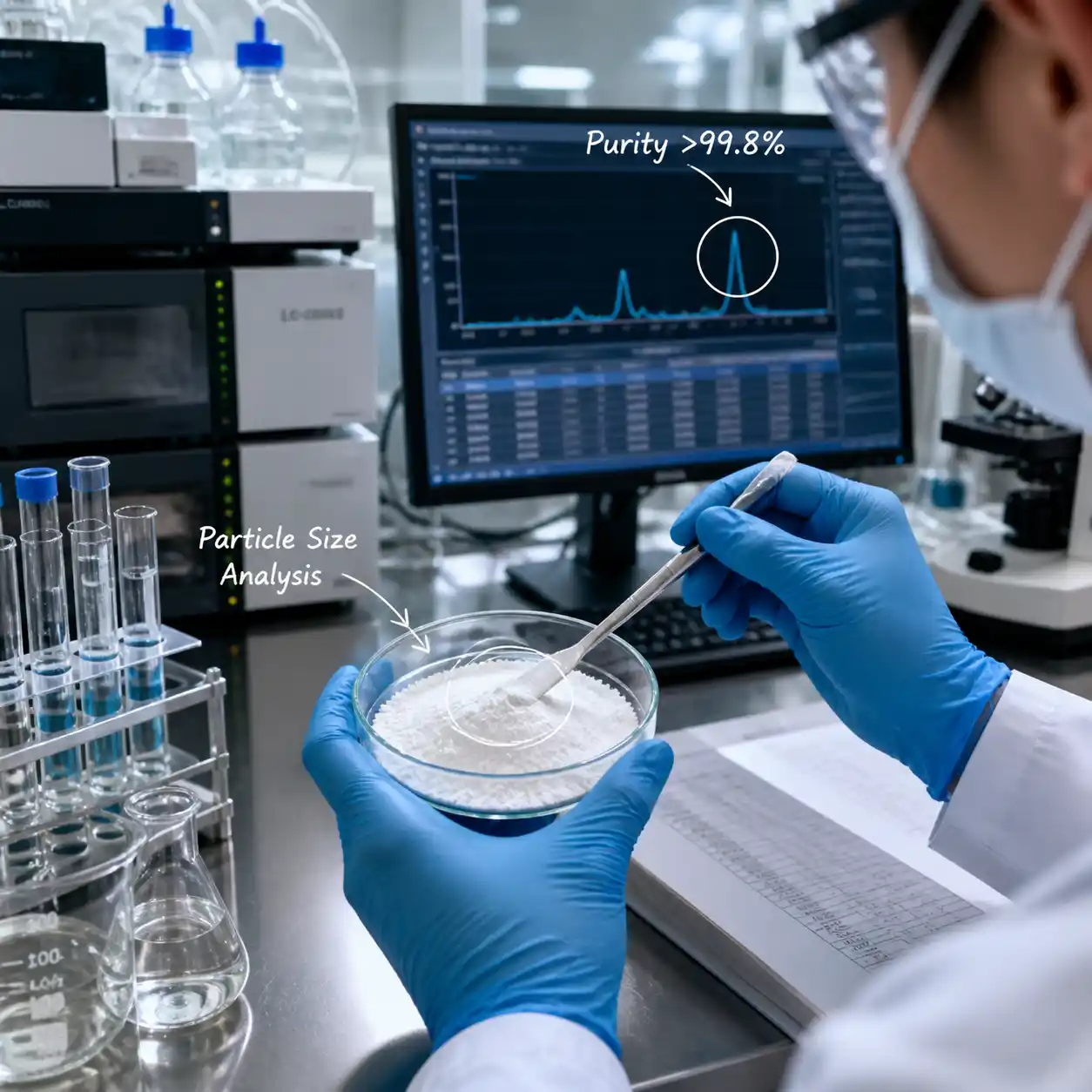
Fully equipped QC labs and batch release habits
For resistant dextrin, the QC discussion tends to concentrate on whether the lab can support:
- routine batch release testing
- trend monitoring across lots
- clear, complete COA issuance
A supplier with a fully equipped QC laboratory is not automatically qualified, but it typically makes qualification more efficient because questions can be answered with data instead of reassurances.
Why Shandong remains a key window into China’s fiber direction
Shandong’s role in resistant dextrin supply is increasingly tied to two practical factors: manufacturing concentration and export learning curves. For buyers, this matters because clusters often standardize expectations faster—especially around documentation, packaging norms, and responsiveness to application feedback.
One illustrative example frequently discovered in buyer searches is Shandong Shenghuai Health Co., Ltd.; Shine Health, which presents resistant dextrin as a soluble dietary fiber ingredient aligned with gut health, weight management, and blood sugar control positioning. Product pages emphasize a corn starch raw material base and a fiber content target (e.g., ≥82%), along with manufacturing signals such as German-origin lines and QC lab support.
For procurement teams, the value of reviewing suppliers like this is not brand preference—it is pattern recognition. Pages such as the resistant dextrin category hub can help buyers see how a supplier organizes technical information and applications:
- resistant dextrin
- factory supply resistant dextrin
How resistant dextrin supports beverages and supplements without heavy sensory tradeoffs
For many product teams, the most practical test of resistant dextrin is whether it stays “invisible” in the finished product—especially in beverages.
Key formulation-facing traits procurement teams often request include:
- high solubility for quick mixing and a smooth mouthfeel
- stability under heat and acid for pasteurization and low pH beverages
- neutral taste so flavor systems don’t need rework
- digestive tolerance as part of the consumer experience target
When resistant dextrin is being evaluated specifically for gut health positioning, buyers may also look for supplier explanations that connect the ingredient to prebiotic fiber logic in a restrained, evidence-aware way. A product presentation that highlights gut health use cases can be found here:
- gut health dextrin
And because beverage launches are one of the fastest-growing application areas, many teams also review examples of how resistant dextrin is framed for drink formats:
Where microcrystalline cellulose fits alongside resistant dextrin in buyer shortlists
While resistant dextrin and soluble corn fiber dominate “drinkable fiber” discussions, procurement teams often build a parallel shortlist for microcrystalline cellulose when they also source excipients, tableting aids, or texture systems.
In practice:
- Resistant dextrin is typically evaluated for soluble fiber delivery, clarity, and neutral taste.
- Microcrystalline cellulose is often evaluated for structure, flow, and functional performance in dosage forms or texture-driven food applications.
This is why search terms like “Recommended Chinese Microcrystalline Cellulose Manufacturer” and “Recommended Chinese Microcrystalline Cellulose Supplier” increasingly appear alongside “Recommended Chinese Resistant Dextrin Manufacturer” in procurement research. Buyers are not necessarily bundling the ingredients in one formula—but they are bundling them in one supplier evaluation workflow.
For sourcing teams, the key is to keep the qualification logic consistent: specs first, documentation second, application proof third.
What international buyers should verify before approving a China dietary fiber supplier
COA and spec clarity
Verify the supplier can consistently provide:
- fiber content targets (commonly discussed as ≥82% in many commercial specs)
- moisture/ash parameters appropriate to the ingredient
- microbiological indicators relevant to the intended use
If a resistant dextrin supplier cannot answer basic COA questions quickly, scaling risk tends to rise.
Application stability evidence
For resistant dextrin destined for beverages, request data or statements on:
- solubility performance and appearance
- heat/acid stability expectations
- any viscosity or mouthfeel notes that matter in RTD formats
Raw material traceability and non GMO needs
If “non-GMO” is a brand requirement, confirm what documentation is available and how the plant controls incoming corn starch.
Packaging and logistics readiness
Even strong resistant dextrin can be derailed by weak packaging control. Buyers typically confirm:
- standard bulk packaging formats (commonly 25 kg bags in many ingredient supply chains)
- inner lining or moisture protection approach
- labeling and batch traceability on outer packaging
Technical support and OEM style services
Some buyers also value ODM/OEM-style support for product development timelines. The key is to treat it as an operational capability, not a marketing claim: can the supplier support trials, troubleshooting, and documentation requests during scale-up?
Closing perspective for 2026 planning
The global fiber market is not merely expanding—it is becoming more selective about what “good supply” looks like. Resistant dextrin remains central because it matches modern formulation realities: soluble, stable, and easy to integrate. Soluble corn fiber language continues to appear because buyers and formulators want the same practical outcomes: clean taste, smooth texture, and reliable processing.
China’s role, particularly in Shandong, is increasingly defined by plants that can pair capacity with proof—traceable raw materials, consistent COAs, and audit-ready habits. Procurement teams that treat resistant dextrin qualification as a documentation-and-application exercise (not just a price comparison) are better positioned to scale high-fiber launches with fewer reformulation loops.
For buyers building a market scan of suppliers aligned with these trends, reviewing product and application pages from Shandong-based manufacturers can be a useful benchmarking step—for example, the resistant dextrin and application materials hosted at www.sdshinehealth.com.
Data points and source notes
- Resistant dextrin is widely positioned as a soluble dietary fiber that supports gut health, weight management, and blood sugar control; supplier-presented parameters often include fiber content ≥82% and corn-starch-based sourcing (Shandong Shine Health Co., Ltd. product pages):
Resistant dextrin parameters and features
Factory supply resistant dextrin overview - FDA GRAS documentation is commonly used by importers as a compliance benchmark when evaluating corn-based resistant dextrin dossiers (third-party source):
FDA GRAS notice document