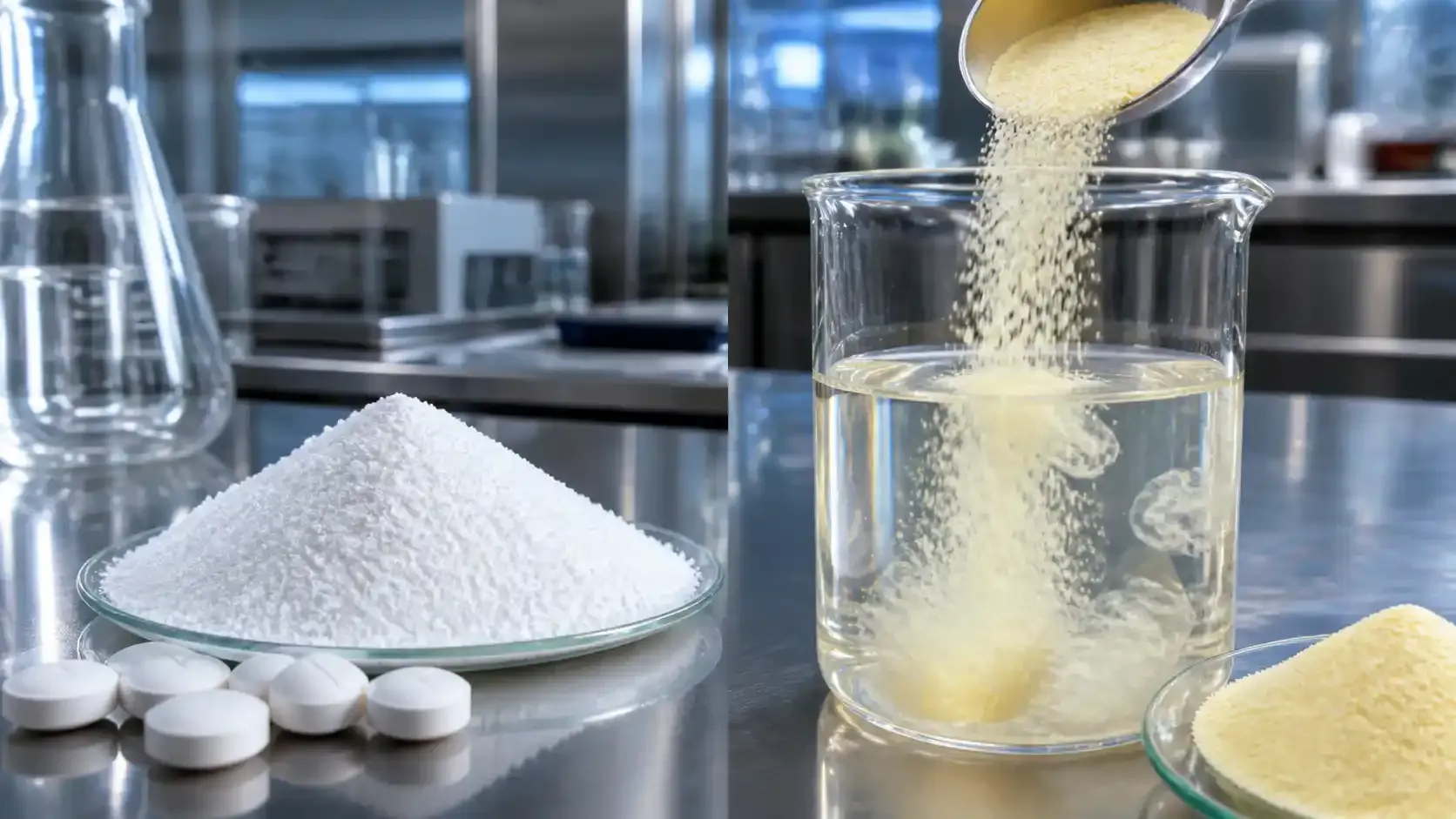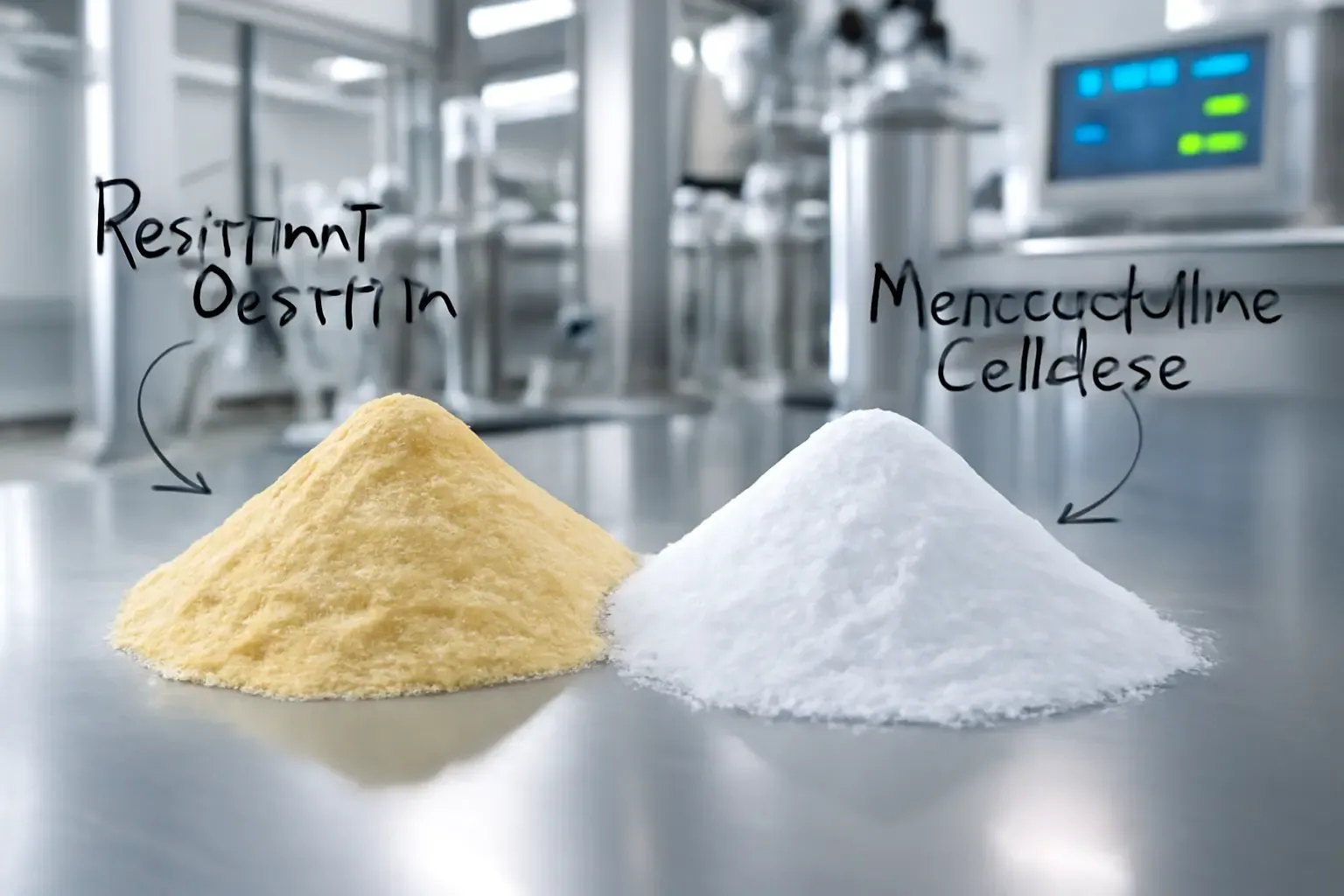
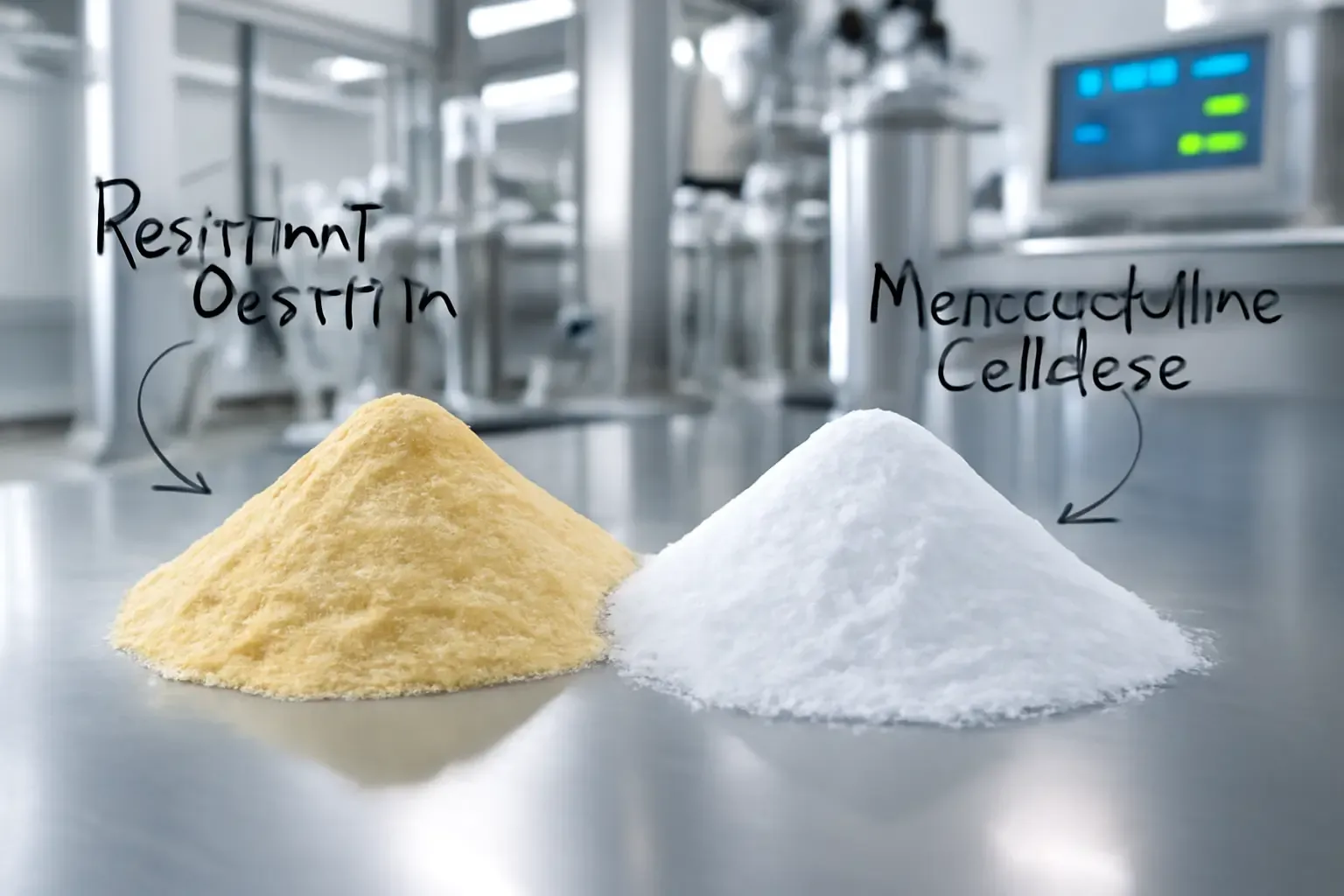
Fiber-forward launches in 2026 are no longer just a niche play—they are fundamentally reshaping how procurement teams qualify a resistant dextrin supplier China and a microcrystalline cellulose supplier China simultaneously. The commercial logic driving this shift is straightforward: resistant dextrin enables brands to hit critical gut-health, sugar-reduction, and satiety positioning, while Microcrystalline Cellulose (MCC) ensures that tablets, capsules, and nutrition powders remain stable, manufacturable, and consistent at scale.
Why 2026 Demand is Tightening China Supplier Standards
Product development strategies for 2026 are rapidly converging on two distinct consumer expectations: verified digestive benefits and seamless everyday usability in formats like nutrition bars, Ready-to-Drink (RTD) coffees, meal-replacement powders, and capsules. This convergence is forcing ingredient buyers to treat fiber and excipients as strategic assets rather than simple commodities.
In practice, this means many Requests for Quotation (RFQs) are now demanding a dual capability:
- A resistant dextrin supplier China capable of delivering stable soluble fiber performance in complex beverages and powders.
- A microcrystalline cellulose supplier China that can support solid-dose and supplement formats without the risk of batch-to-batch variation.
Consequently, the definition of a "recommended" partner is increasingly defined by audit readiness—encompassing documentation, traceability, and advanced test capability—rather than simply the lowest Free on Board (FOB) quote.
Resistant Dextrin and MCC: Different Roles, Unified Qualification
Historically, buyers have evaluated these ingredients in separate lanes: food teams focused on fiber, while pharma and supplement teams focused on excipients. Heading into 2026, that split creates significant operational risk because many brands are launching hybrid formats. For instance, nutrition powders often have capsule line extensions, or protein bars require stable processing aids to maintain texture.
A Practical Comparison for Procurement Briefs
| Topic | Resistant Dextrin (Soluble Dietary Fiber) | MCC (Microcrystalline Cellulose) |
|---|---|---|
| Primary Role | Prebiotic-style fiber positioning and nutritional fiber enrichment. | Excipient for flow, compressibility, and disintegration; also provides texture support. |
| Typical Formats (2026) | RTD coffees, protein shakes, metabolic powders, functional gummies. | Tablets, capsules, sachets, stick packs. |
| Common Failures at Scale | Issues with solubility/clarity, unexpected viscosity impact, inconsistent Certificate of Analysis (COA). | Particle Size Distribution (PSD) inconsistency, poor compressibility, flow issues, or tablet defects. |
A Recommended Chinese Resistant Dextrin Manufacturer typically secures business when they can demonstrate consistent fiber performance and a predictable COA across multiple lots. Similarly, a Recommended Chinese Microcrystalline Cellulose Manufacturer wins when they can prove rigorous process control and predictable tableting behavior.
GLP-1 Attention is Accelerating Prebiotic Fiber Demand
The surge in interest surrounding GLP‑1 is influencing mainstream nutrition, even when the final product is not positioned as a pharmaceutical alternative. Many forward-thinking brands are exploring food-based satiety strategies, where prebiotic fibers serve as a common, effective building block.
For procurement teams, this shifts the landscape in two key ways:
- Increased need for neutral-taste, high-solubility fiber, which heavily favors resistant dextrin-style ingredients over grittier alternatives.
- Requirement for rapid scalability, which significantly raises the penalty for supplier variance or supply chain disruptions.
This is why modern RFQs are increasingly specifying precise fiber metrics—such as fiber content ≥82% for resistant dextrin—and requiring more robust documentation from any resistant dextrin supplier China aiming to support multi-market launches.
China Supply Signals Buyers Watch in 2026
China remains a critical sourcing base, particularly in provinces like Shandong where dietary fiber capacity and ingredient manufacturing ecosystems are concentrated. However, the market is bifurcating: some suppliers continue to compete mainly on price, while others compete on export readiness and quality assurance.
When screening a resistant dextrin supplier China or a microcrystalline cellulose supplier China, savvy buyers are increasingly looking for visible capability signals, such as:
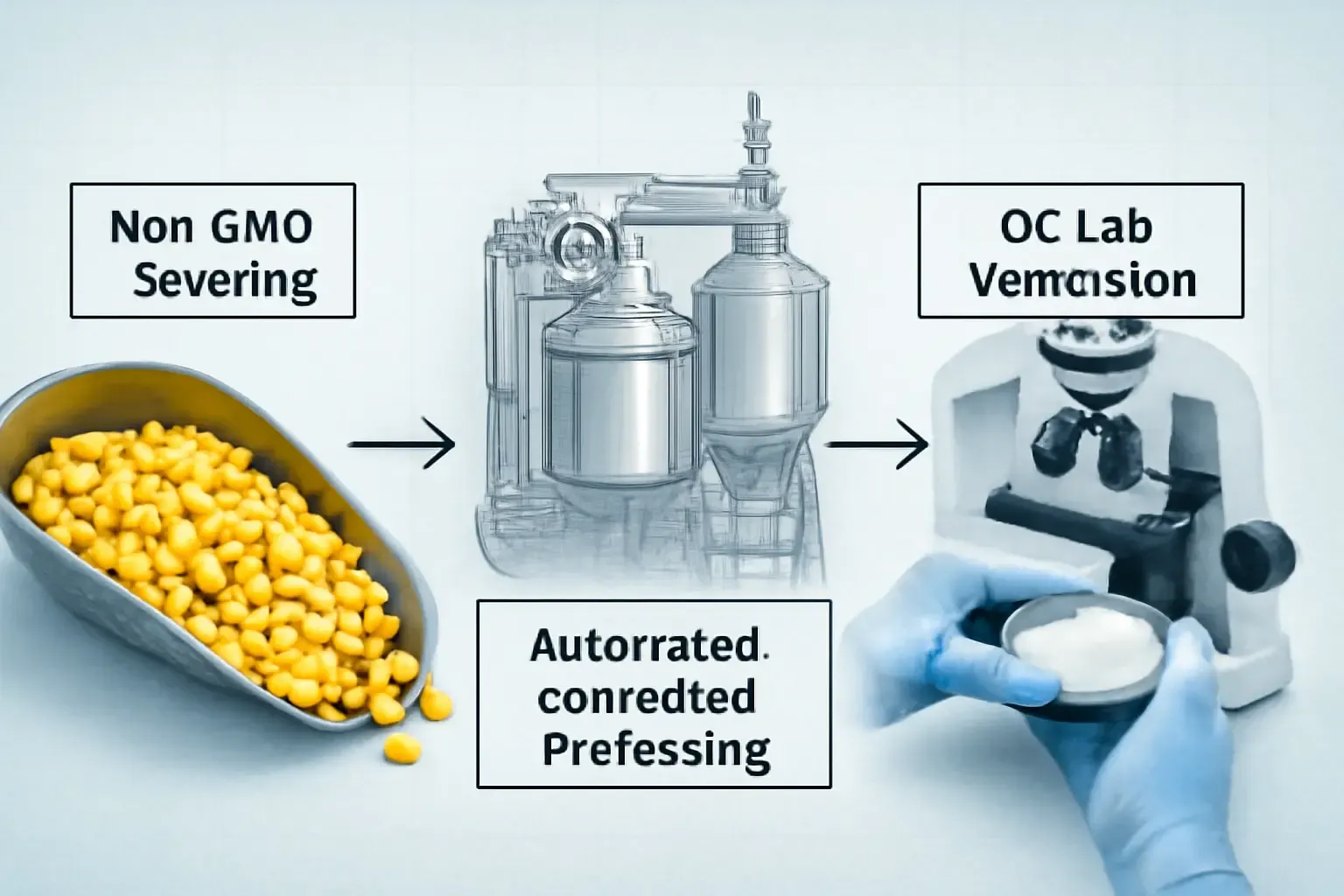
- Non‑GMO corn starch sourcing and transparent raw-material traceability.
- The use of imported biological enzymes (where relevant for fiber processing) to ensure controlled, repeatable processing.
- Automated, centrally controlled production lines, managing everything from feeding to filling to reduce human error and variability.
- A fully equipped Quality Control (QC) lab that can support routine release testing and deep-dive investigation work.
A useful benchmark for how export-oriented Chinese suppliers present their fiber portfolio can be found in category documentation. For example, reviewing pages like resistant dextrin allows buyers to cross-check typical specifications and application positioning without relying solely on a sales deck.
The 2026 Spec and Documentation Upgrades Buyers Should Require
If a supplier wants to be viewed as a Recommended Chinese Resistant Dextrin Manufacturer, it is no longer sufficient to simply state "high fiber" and attach a generic one-page COA. Similarly, a Recommended Chinese Microcrystalline Cellulose Manufacturer must do more than just list a grade name.
Resistant Dextrin Specs to Tighten in 2026 RFQs
A high-quality resistant dextrin supplier China should be prepared to align on (and consistently deliver) specific parameters, such as:
- Fiber Content: Commonly requested at ≥82% (a baseline many buyers use for soluble dietary fiber positioning).
- Appearance: Typically white to light yellow, which is critical for clean-looking beverage powders.
- Storage Conditions: Clear, professional guidance such as storing in a cool, dry place to maintain efficacy.
For buyers building a broader fiber program, it is beneficial to review multiple fiber SKUs and applications—for example, nutrition-positioned powders—as a way to confirm the supplier understands real formulation constraints. A product page such as nutritional dietary fiber powder illustrates how some export suppliers structure parameters and quality narratives for professional procurement review.
MCC Specs and "Proof" Buyers Should Request
For MCC, the wording buyers use is becoming increasingly explicit: MCC supplier GMP ISO22000 HACCP. The intent here is not merely to collect certificates for a file; it is to confirm that the supplier’s operating discipline matches the buyer’s risk profile.
A competent microcrystalline cellulose supplier China should be ready to discuss:
- Grade Strategy: Intended use (tablet disintegrant vs. flow aid vs. texture support).
- Batch Consistency Controls: Especially where Particle Size Distribution (PSD) affects compression behavior.
- Traceability and Deviation Handling: How out-of-spec risks are contained and managed.
If internal teams are new to MCC, an accessible starting point is to review a technical explainer like the MCC Grades Formulation and QC Guide and convert those concepts into a buyer-side checklist.
How Procurement Teams Define a "Recommended" China Supplier in Practice
In buyer language, "recommended" has become shorthand for predictable scale-up. Below is a practical methodology to evaluate a Recommended Chinese Microcrystalline Cellulose Manufacturer or Recommended Chinese Resistant Dextrin Manufacturer without turning the process into a months-long science project.
1) Start with Application Stress Tests, Not Only COAs
- For Resistant Dextrin: Verify behavior in your most sensitive matrix—often RTD beverages, acidic systems, or high-protein powders.
- For MCC: Verify behavior in the most failure-prone step, such as compression, flow, or disintegration.
This approach ensures that the short list of resistant dextrin supplier China candidates is based on actual performance, not just paperwork.
2) Match Certifications to Your Selling Markets
Many procurement briefs now combine food and supplement requirements. That is why "MCC supplier GMP ISO22000 HACCP" is a common baseline phrase in RFQs—especially when one supplier supports multiple product lines across different regulatory environments.
3) Audit for Process Control Signals
During a remote or on-site review, look for:
- Clear flow from raw material acceptance to finished product filling.
- Central control automation and strict segregation of materials.
- QC lab capability aligned to release testing and trend monitoring.
These signals matter for both a microcrystalline cellulose supplier China and a resistant dextrin supplier China, because both ingredients can create downstream costs if variability forces reformulation.
Using Market Benchmarks for Sourcing Decisions
A buyer does not need to select any single supplier based on marketing pages alone. However, comprehensive category pages can serve as useful benchmarks for what an export-ready supplier should disclose.
For example, industry players like Shine Health publish multiple resistant dextrin variants that procurement teams can use as reference points when building a target spec:
- Low calorie dietary fiber for sugar-reduction and fiber-enrichment positioning.
- Resistant Maltodextrin as a common soluble fiber format for broad applications.
- Indigestible Maltodextrin for fiber programs that need clear documentation and stable supply.
Used this way, a supplier’s public documentation becomes a screening tool—not a sales pitch—helping buyers define what "recommended" should mean in their own procurement system.
Closing Thoughts for 2026 Procurement Planning
The teams that move fastest in 2026 will be those that treat fiber and excipients as a paired sourcing strategy. A disciplined approach to qualifying a resistant dextrin supplier China alongside a microcrystalline cellulose supplier China reduces launch delays, prevents costly reformulations, and improves cross-format consistency across powder, capsule, tablet, and bar lines.
If your team is building a short list and wants to see examples of how export suppliers present resistant dextrin specs and applications, the product category pages on www.sdshinehealth.com can be used as a practical reference while you finalize internal benchmarks for a Recommended Chinese Resistant Dextrin Manufacturer and a Recommended Chinese Microcrystalline Cellulose Manufacturer.