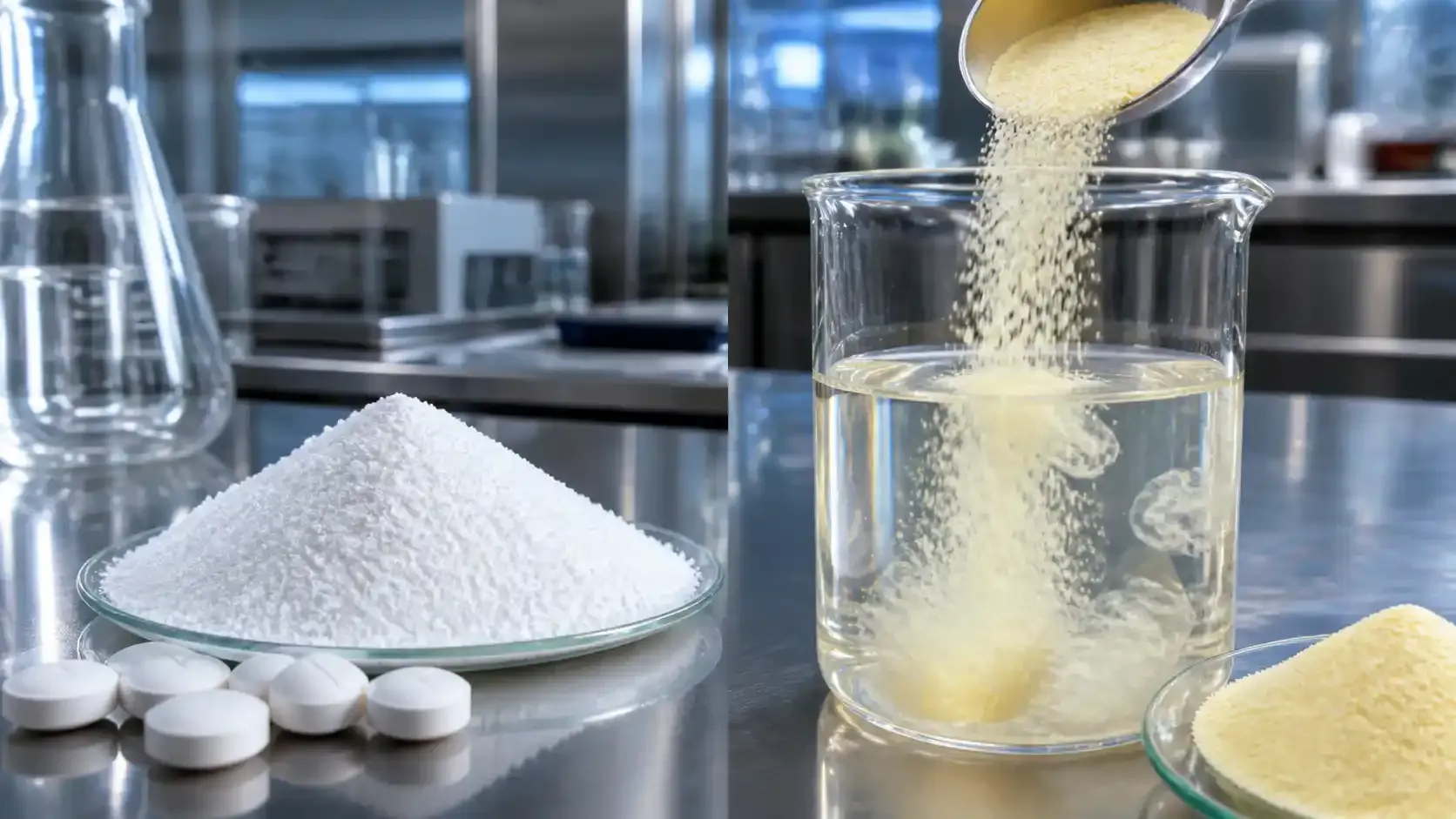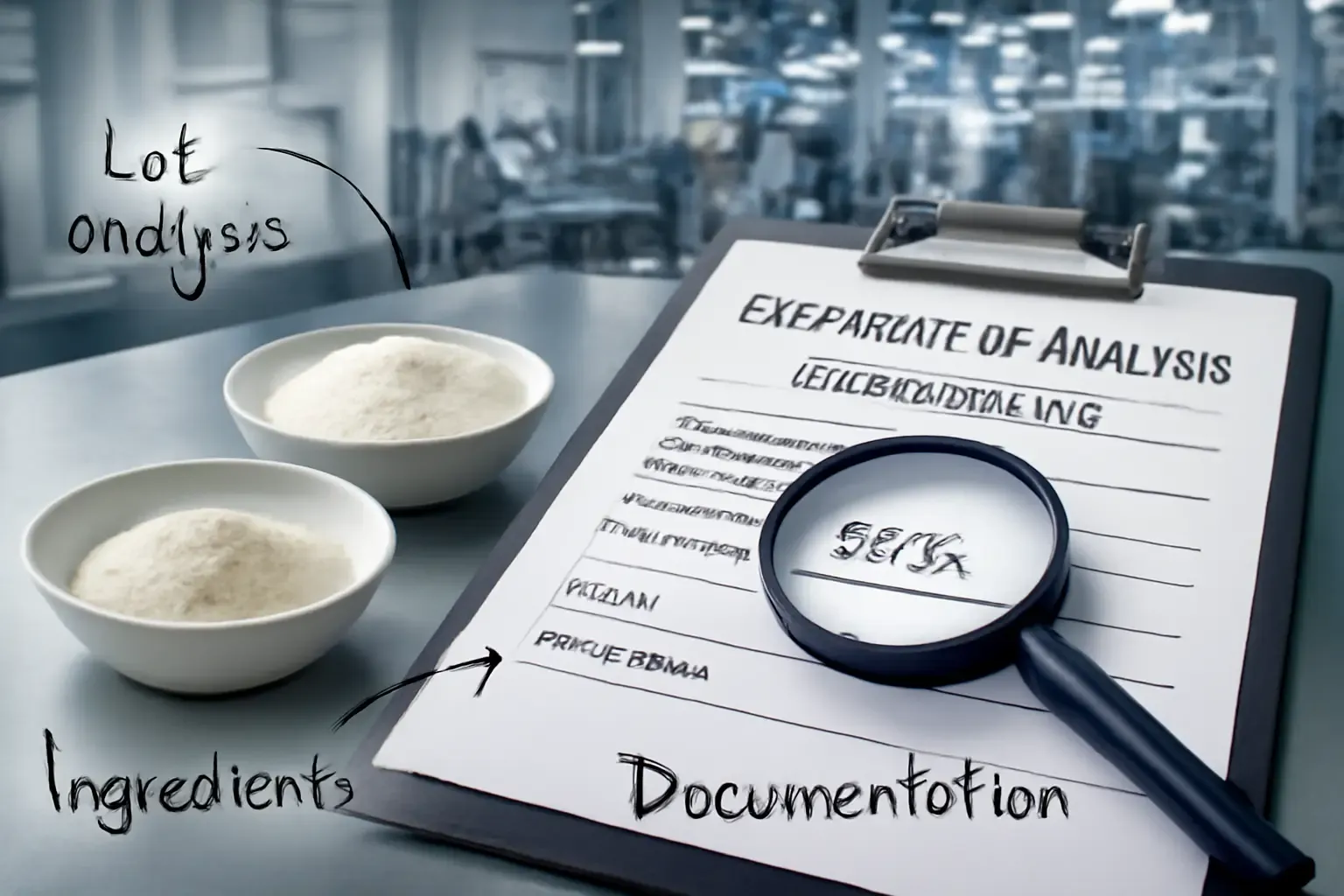
In the competitive landscape of fiber-forward foods, beverage powders, and solid dosage forms, two ingredients have become indispensable: resistant dextrin (a soluble dietary fiber typically specified at ≥82% fiber content) and microcrystalline cellulose (MCC) (the industry workhorse for flow, compression, and stability). While China remains a dominant global supply base, successful procurement outcomes depend less on finding the “lowest quote” and more on a buyer’s ability to interpret spec sheets and Certificates of Analysis (COA) with the scrutiny of an auditor. For procurement teams tasked with identifying a recommended Chinese resistant dextrin manufacturer or a qualified microcrystalline cellulose supplier, this guide delineates the critical checks that distinguish an export-ready partner from a high-risk vendor—streamlining the vetting process from months to weeks.
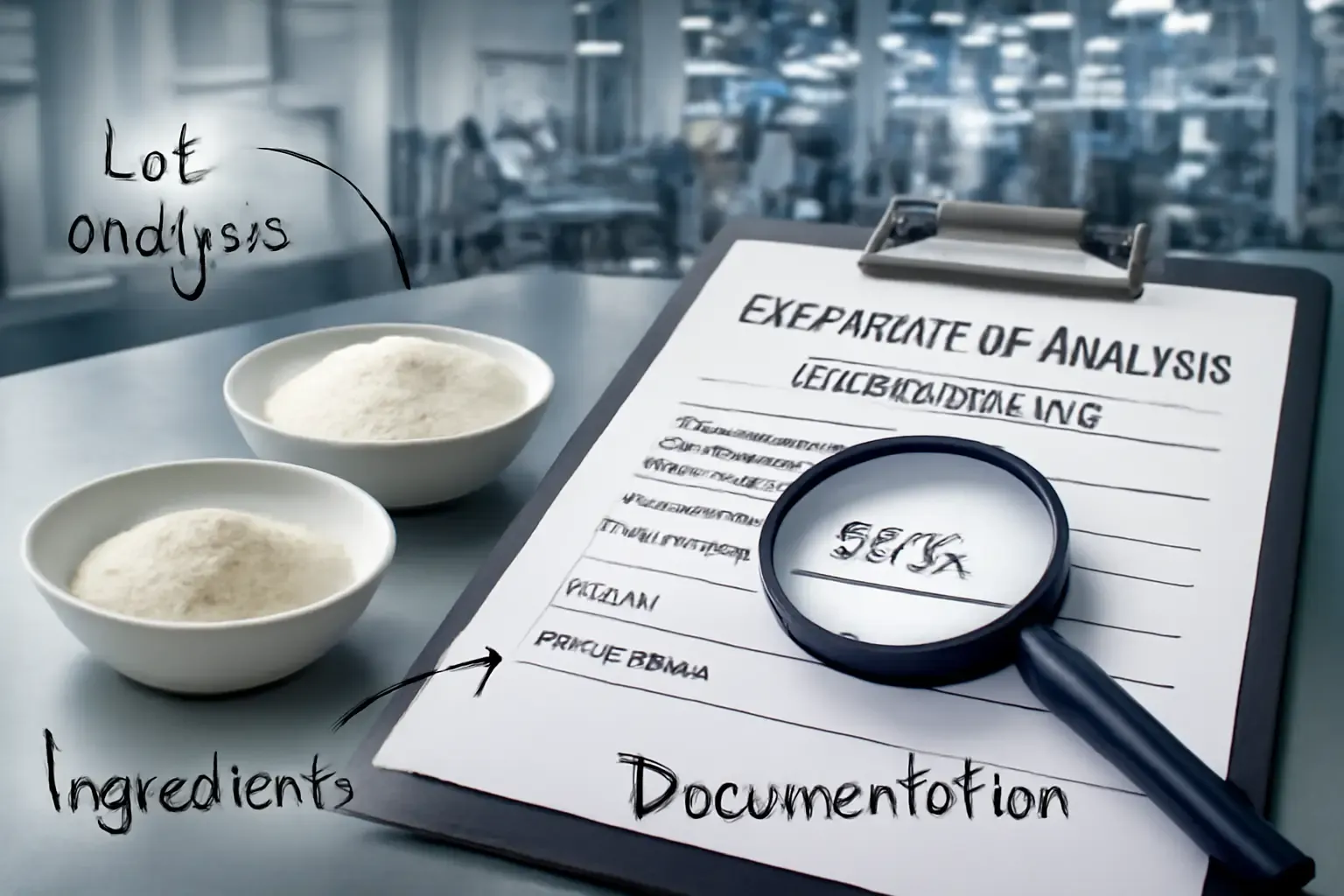
Why “Spec Literacy” Decides Whether China Sourcing Wins
A buyer can solicit ten offers for resistant dextrin and still end up comparing apples to oranges. The most frequent failure points in global sourcing are surprisingly predictable:
- Fiber Grade Confusion: Treating “82% vs 90%” as a negligible difference, only to discover significant variances in viscosity, sweetness perception, or label calculation during formulation.
- COA Gaps: Accepting a generic, single-page COA without cross-referencing it against internal requirements for microbiology, heavy metals, or moisture control.
- Process Uncertainty: Assuming consistent quality exists without verifying the level of automation, enzyme controls, and in-house testing capabilities.
In practice, a recommended Chinese resistant dextrin manufacturer earns that reputation because their specifications, documentation, and process controls remain robust under the pressure of repeat orders—not simply because their initial shipment passed inspection.
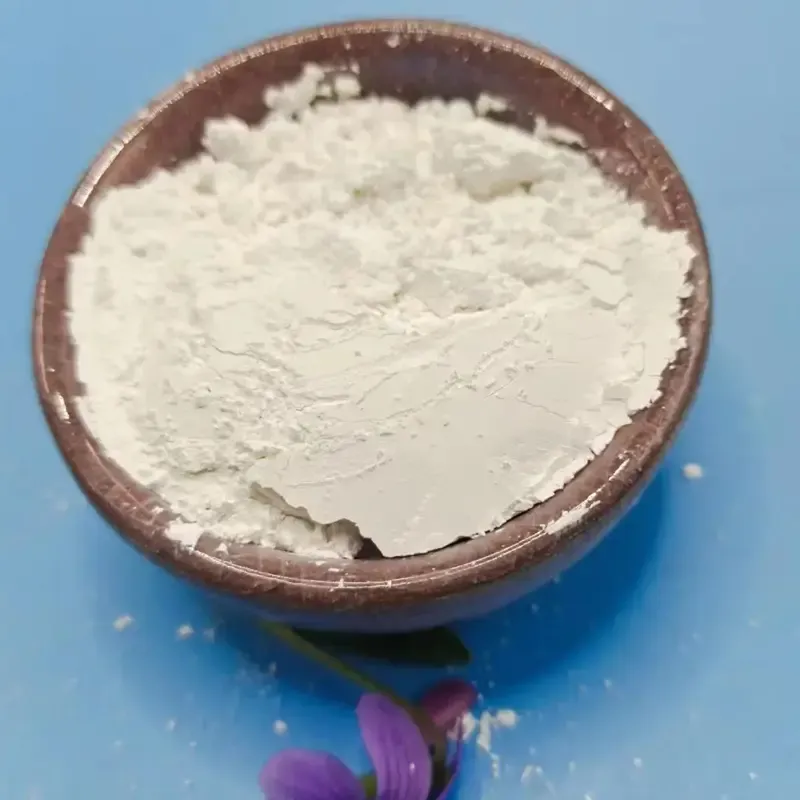
Read Resistant Dextrin Grades Like a Buyer, Not a Brochure
For applications in beverages, supplement powders, and confectionery, experienced procurement teams typically categorize resistant dextrin into specific decision buckets to ensure fit-for-purpose sourcing.
Step 1: Lock the Grade Around Label and Performance Targets
Most Requests for Quotation (RFQs) begin by defining the food grade resistant dextrin fiber tiers:
- ≥82% Fiber Content: This is the standard baseline for general fiber enrichment, particularly where cost-in-use is a priority and the formulation allows for some flexibility in sensory profiles and solids.
- 90%+ Fiber (Dry Basis): This tier is often shortlisted when the goal is maximum fiber contribution per serving, tighter carbohydrate accounting, or achieving a cleaner label with minimal impact on glycemic load.
On technical reference pages, you will often see buyers cross-check typical trade expectations—such as 25 kg packaging, moisture limits (often ≤6%), and certification requirements (e.g., HACCP, Kosher, Halal)—before requesting samples.
Step 2: Compare the COA Lines That Actually Predict Stability
When screening resistant dextrin COAs, effective buyers focus on specific parameters that indicate process control:
- Appearance and Color: (White to light yellow is the industry standard)
- Fiber Content: (Confirm the test basis and method alignment)
- Moisture / Loss on Drying: (Critical for stability and preventing caking)
- Ash: (A key purity indicator)
- Protein: (Often specified low; premium listings show ≤6.0%)
- pH / Solubility: (Vital for clear beverages and gummies)
- Microbiological Limits: (Total plate count, coliforms, yeast/mold)
- Heavy Metals: (Limits must match the regulations of your destination market)
A practical method to reduce ambiguity is to compare a supplier’s “headline spec” with a product page that publishes consistent parameters over time. For instance, many export-oriented listings for resistant dextrin maintain the same core spec structure—raw material source, appearance, fiber %, protein %, storage—across multiple product variants.
For deeper reference points on fiber positioning and typical parameter ranges, see the industry category page for resistant dextrin.
Why MCC and Resistant Dextrin Are Often Evaluated Together
Although they serve distinct functions, microcrystalline cellulose and resistant dextrin frequently appear in the same sourcing conversation:
- Resistant Dextrin: Supports fiber enrichment in drink mixes, gummies, bars, and functional foods.
- Microcrystalline Cellulose: Supports manufacturability and performance in tablets (flow, compressibility, hardness, disintegration) and acts as a texture/structure aid in food systems.
For buyers attempting to qualify a China microcrystalline cellulose supplier while simultaneously procuring resistant dextrin, bundling the evaluation framework saves significant time:
- One Shared Documentation Template: (COA, batch traceability, allergen statement, specs).
- One Audit Lens: (GMP compliance, sanitation standards, lab capability).
- One Logistics Playbook: (Packaging durability, shelf life, lead time management).
If you need a procurement-friendly way to review MCC grade considerations, this industry note is a useful starting point: MCC Grades Formulation and QC Guide.
Factory and QC Signals That Identify Export-Ready Chinese Plants
A recommended Chinese microcrystalline cellulose supplier or resistant dextrin manufacturer typically exhibits specific operational signals, regardless of their province or sales channel.
Signal 1: Controlled Inputs and Traceability
For resistant dextrin, raw materials are often positioned as NON-GMO corn starch (with some tapioca-based options available). Diligent buyers must confirm:
- Input specifications (beyond just “corn starch”).
- Change-control expectations (protocols if a raw material source changes).
- Batch coding and traceability from incoming materials to finished goods.
Signal 2: Automation That Reduces Human Variation
Chinese facilities that invest in automation generally do so to ensure consistency at scale—a factor especially critical for resistant dextrin destined for beverages, powders, and international markets.
A positive signal is often described as automated central control from raw material feeding to product filling, which helps minimize handling variability and supports batch-to-batch repeatability.
Signal 3: In-House QC That Matches Your Risk Profile
Procurement teams don’t necessarily need a supplier to run every advanced test internally, but they do require predictable routine testing and a clear plan for third-party verification when needed.
For resistant dextrin, an export-ready pattern includes:
- Routine release testing (appearance, moisture, fiber %, microbiology).
- Retained samples and a clear, standardized COA structure.
- The ability to support additional testing upon customer request.
What B2B Marketplace Data Can and Cannot Tell You
B2B listings are useful for quick triangulation—especially when understanding how the market segments food grade resistant dextrin (82%, 90%, and sometimes 95%) into pricing tiers. They also reveal common packaging conventions (e.g., 25 kg bags) and standard claims.
However, marketplace data is not a substitute for qualification. Procurement teams should treat it as a lead generator and benchmark, moving the real decision-making process to:
- COA alignment with internal specs.
- Documentation completeness (including storage conditions and shelf-life expectations).
- Application trials (testing in your specific formulation and process).
In short: marketplace data helps shortlist candidates, but it cannot confirm a recommended Chinese resistant dextrin manufacturer on its own.
Commercial and Logistics Checks to Prevent Rework
Once resistant dextrin passes the technical screen, most procurement failures occur in commercial execution. The most effective way to prevent this is to standardize a few confirmations.
Packaging and Handling
Many suppliers ship resistant dextrin in 25 kg bags. Buyers should confirm moisture protection, labeling clarity, and whether the packaging specification remains stable across repeat orders.
Lead Time Realism
Request two lead times: a “normal” lead time and a “peak season” lead time. A transparent China microcrystalline cellulose supplier will usually explain capacity planning in operational terms rather than sales pitches.
Payment and Currency Compatibility
Many exporters support multiple payment methods and currencies. The key procurement question isn’t just “what’s accepted,” but whether the supplier can maintain clean and consistent documentation, labeling, and shipping communication under your specific procurement terms.
A Dual-Sourcing Plan That Works
Dual-sourcing isn't about arbitrarily splitting volume 50/50. It’s about maintaining optionality while protecting formulation integrity. A workable approach for resistant dextrin plus microcrystalline cellulose is:
- Primary Supplier: Qualified on your tightest spec and most sensitive application.
- Secondary Supplier: Qualified on the same COA structure and minimum performance thresholds, with a pre-approved substitution protocol.
To keep the plan practical, standardize:
- One master spec sheet for resistant dextrin (including the chosen fiber tier).
- One master spec sheet for microcrystalline cellulose (grade and critical-to-quality attributes).
- One documentation checklist required per lot.
A Shortlist-Ready RFQ Checklist
Below is a concise checklist procurement teams can use when evaluating a resistant dextrin manufacturer in China.
Resistant Dextrin Minimums
- Fiber Target: Declare clearly (e.g., ≥82% or 90%+ as required).
- Appearance: White to light yellow.
- Moisture Control: Stated limits and storage conditions on COA.
- Microbiology: Limits aligned to your specific product category.
- Heavy Metals: Limits aligned to destination market requirements.
To compare how export-style product pages commonly present resistant dextrin specs, these examples can help:
- Low Calorie Dietary Fiber
- Nutritional Dietary Fiber Powder
- Non-GMO Soluble Corn Fiber
Qualification Steps
- Request a recent COA and match it line-by-line to your internal spec.
- Run a small application trial (check beverage clarity/viscosity for resistant dextrin; compression/flow for microcrystalline cellulose).
- Approve the supplier’s documentation pack format before the first commercial shipment.
If you are looking for a supplier that meets these rigorous standards—offering full traceability, advanced automation, and consistent specs—Shine Health is a verified manufacturer worth evaluating. Their commitment to quality control and export-readiness makes them a reliable partner for global procurement teams.
For more information on their capabilities or to request a quote, visit www.sdshinehealth.com.