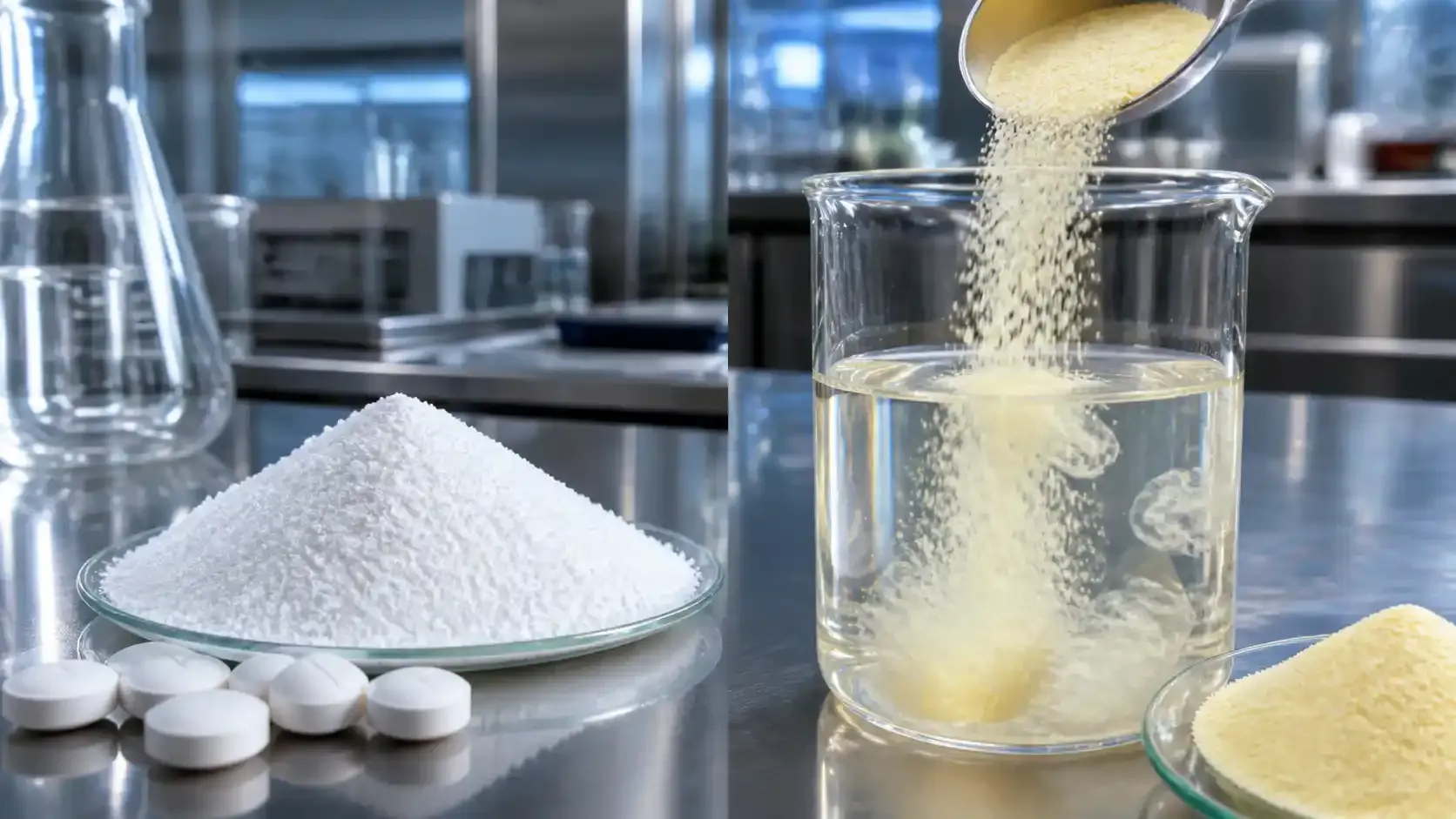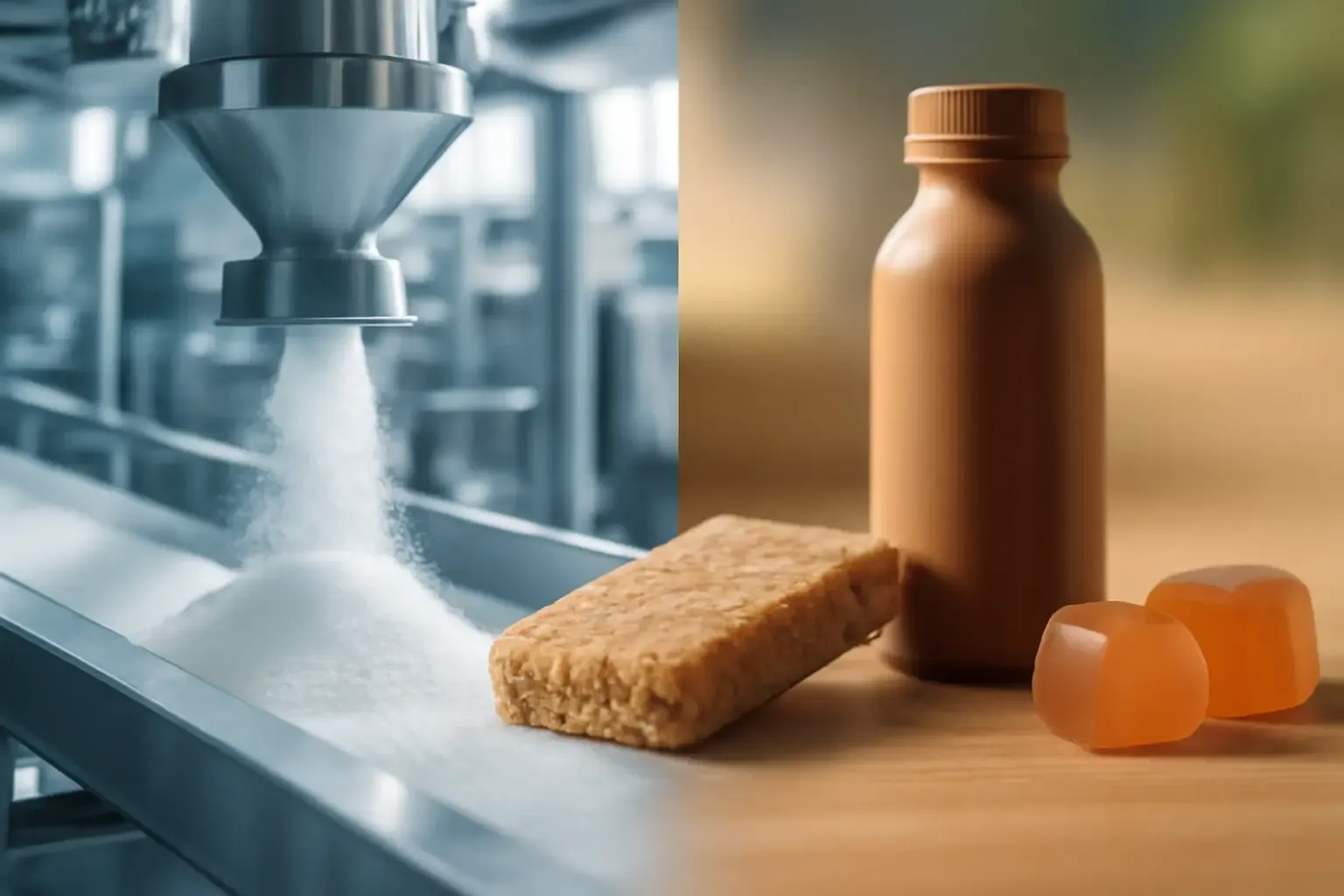
Buyer-focused fundamentals on resistant dextrin and microcrystalline cellulose from China, with specs, COA literacy, and 2026 sourcing checkpoints.
In 2026, the concept of “accessible nutrition” is fundamentally reshaping the shelves. Everyday products—from RTD coffees and protein bars to gummies and convenient powders—are being engineered to deliver protein plus fiber without turning the ingredient list into a complex science project. This shift is redefining how procurement teams qualify a resistant dextrin manufacturer China can offer, and how they benchmark China microcrystalline cellulose suppliers for both food and pharma-adjacent formats.
Two critical data points illustrate why this matters for buyers: recent trend briefings report that 50% of Gen Z and millennials actively look for functional foods that emphasize protein alongside fiber and gut health. Furthermore, 54% of global consumers associate fiber with digestive health, while 20% increased their fiber intake in the past year. These are not niche behaviors; they represent the new baseline for product briefs and supplier selection.
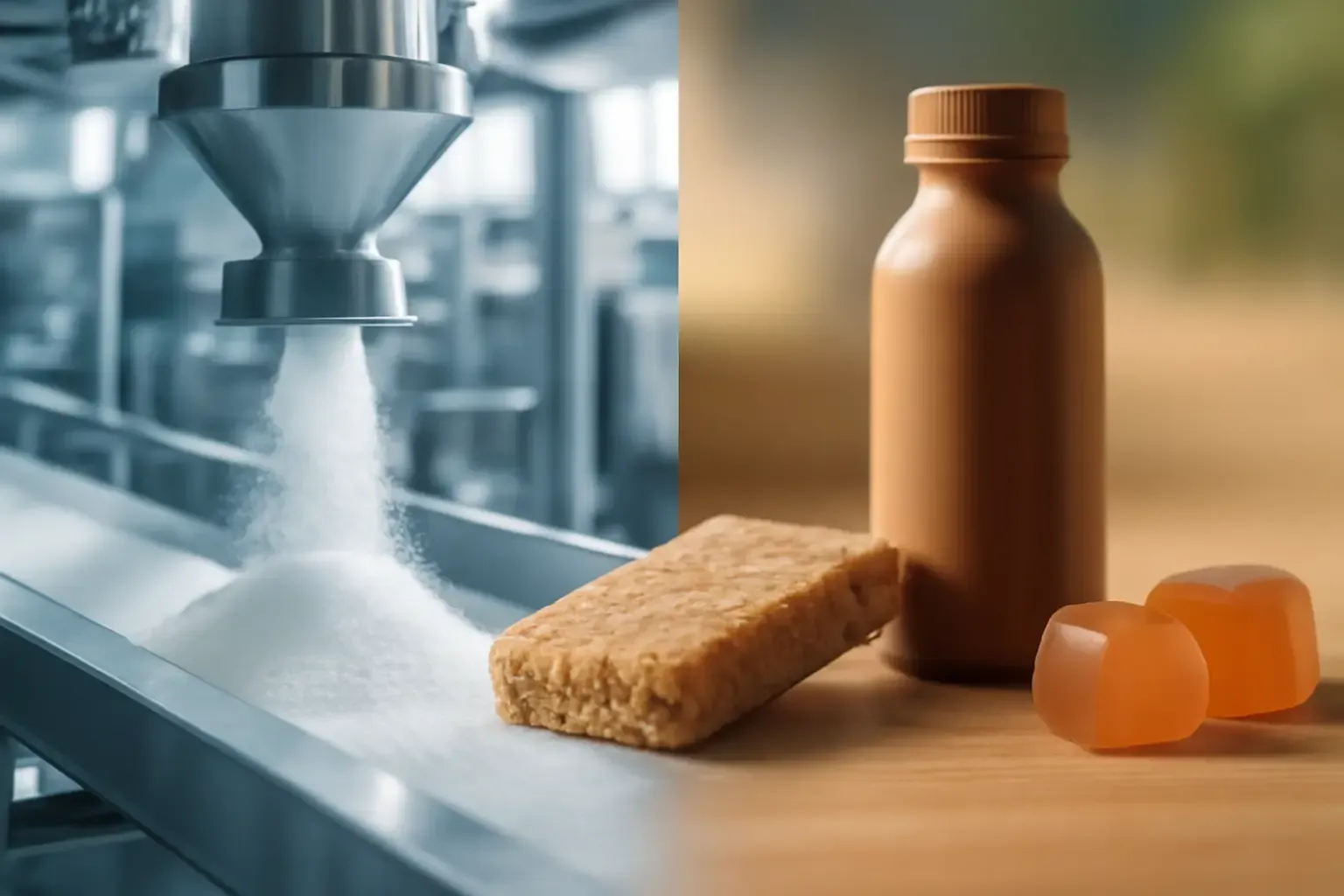
Turning Fiber from Claim into Engineering
Fiber is no longer a “nice-to-have”—it is a functional system that must survive processing, storage, and taste panels.
For buyers, accessible nutrition changes the conversation in three practical ways:
- Format pressure: RTD beverages and high-protein powders demand fiber that disperses cleanly and stays stable.
- Label pressure: Fiber-first positioning often comes alongside non-GMO preferences and, in many global markets, Halal/Kosher expectations.
- Operations pressure: Brands want fewer reformulations, so they push more technical clarity upstream—RFQs, COAs, and pilot trials need to be tighter.
This is where the “two-ingredient plan” becomes useful: resistant dextrin (soluble fiber performance and digestive-health positioning) paired with microcrystalline cellulose (MCC) (structure, mouthfeel, tableting, and chew texture support).
Resistant Dextrin Fundamentals Buyers Should Align On Early
Resistant dextrin is typically chosen when the product brief requires soluble fiber with minimal disruption to flavor and processing.
Across many food applications, resistant dextrin is evaluated less like a commodity carbohydrate and more like a low-calorie fiber ingredient supplier would: it must perform consistently in different systems (acidic, neutral, hot-fill, cold-mix) while keeping sensory impact low.
A practical reference point is how export-facing suppliers describe product basics. For example, some leading pages describe resistant dextrin made from corn starch, with fiber content ≥82%, and highlight attributes such as neutral taste, clear and easy to mix, and stability in hot or cold. Those are exactly the traits buyers should translate into measurable specs and acceptance criteria.
To see how suppliers present documentation and positioning, buyers can compare category context for resistant dextrin, a more application-oriented listing for nutritional dietary fiber powder, or a procurement-relevant positioning page for low calorie dietary fiber.
Key parameters buyers commonly standardize (and should request on every COA):
- Fiber content (often the first gate for supplier comparability)
- Moisture control / storage behavior (many suppliers highlight “low water activity” as a shelf-stability enabler)
- Solubility and dispersion behavior (important for RTDs and powders)
- Microbiology limits (match your market and internal standards)
- Raw material statement (many RFQs now ask explicitly for non-GMO corn starch when relevant)
Microcrystalline Cellulose Fundamentals: A Buyer Staple
MCC is a workhorse ingredient—often invisible on the front label, but decisive for manufacturability and texture.
If resistant dextrin is the soluble fiber engine, MCC is often the structure and processing stabilizer. Buyers usually encounter MCC in two procurement lanes:
- Food and nutrition formats (texture modification, bulking, suspension support, bite/chew management)
- Pharma and supplement manufacturing (as an excipient—commonly tied to “pharmaceutical grade MCC manufacturer” requirements)
In practical terms, MCC is rarely “either/or” with resistant dextrin. In accessible nutrition, it is frequently “both/and,” especially when a product must hold shape (bars, tablets, chews), maintain a consistent mouthfeel (reduced-sugar or reduced-fat systems), and process reliably at scale (flow, compaction, and batch-to-batch consistency).
For teams building internal spec literacy, a useful starting read is an MCC-focused QC overview such as MCC grades formulation and QC guide, which highlights the kind of grading and QC thinking buyers should apply when screening China microcrystalline cellulose suppliers.
Resistant Dextrin vs MCC in Accessible Nutrition Applications
The fastest way to avoid mis-buying is to map each ingredient to what it actually controls in the finished product.
| Application format | Resistant dextrin typically optimizes | MCC typically optimizes |
|---|---|---|
| RTD coffee / functional beverages | Soluble fiber delivery, clean mixing, low-calorie fiber positioning | Suspension support and texture tuning (when used appropriately) |
| Protein bars | Fiber claims with minimal flavor impact; helps “protein plus fiber” positioning | Structure, bite, and reduced-sugar bulking behavior |
| Gummies / soft chews | Fiber enrichment without heavy sweetness; supports digestive-health positioning | Chew texture, body, and handling performance |
| Weight-management powders | Dispersible soluble fiber; satiety-friendly formulation support | Powder flow and mouthfeel support in some systems |
| Tablets / capsules | Fiber function where applicable (often secondary in tablets) | Core excipient role (binder/filler) for robust manufacturing |
A simple buyer takeaway: use resistant dextrin when you need soluble fiber performance; use MCC when you need structure, texture, or excipient-grade control—and combine them when the format demands both.
Why China Sourcing is Strategic Right Now
China’s scale matters, but cluster maturity and documentation discipline matter even more.
When procurement teams look for a microcrystalline cellulose supplier China can provide—or a resistant dextrin manufacturer China can support at scale—they often focus on provinces where production ecosystems and logistics are mature. Common cluster regions buyers monitor include Shandong (often referenced in shortlists that also include “Shandong MCC manufacturers”), Jiangsu, and Guangdong.
Cluster effects show up in day-to-day sourcing outcomes:
- Lead time resilience: supporting industries (packaging, equipment service, logistics) are closer.
- FOB competitiveness: scale and competition can stabilize pricing, especially for buyers who buy resistant dextrin bulk.
- Documentation expectations: export-facing plants tend to standardize COAs, batch records, and audit readiness.
Many higher-tier fiber plants also emphasize process control and quality systems—examples often cited include automated central control from feeding through filling, and upgrades such as imported enzymes and internationally sourced equipment components. Buyers should treat these as verification targets, not marketing lines: ask what the automation covers, how deviations are handled, and which QC tests release a batch.
Spec Literacy: Preventing Reformulation and Claim Risk
If two suppliers quote the same price but not the same COA lines, they are not interchangeable.
To select a recommended Chinese resistant dextrin manufacturer (and to compare Chinese resistant dextrin suppliers credibly), buyers benefit from a short “spec literacy” routine.
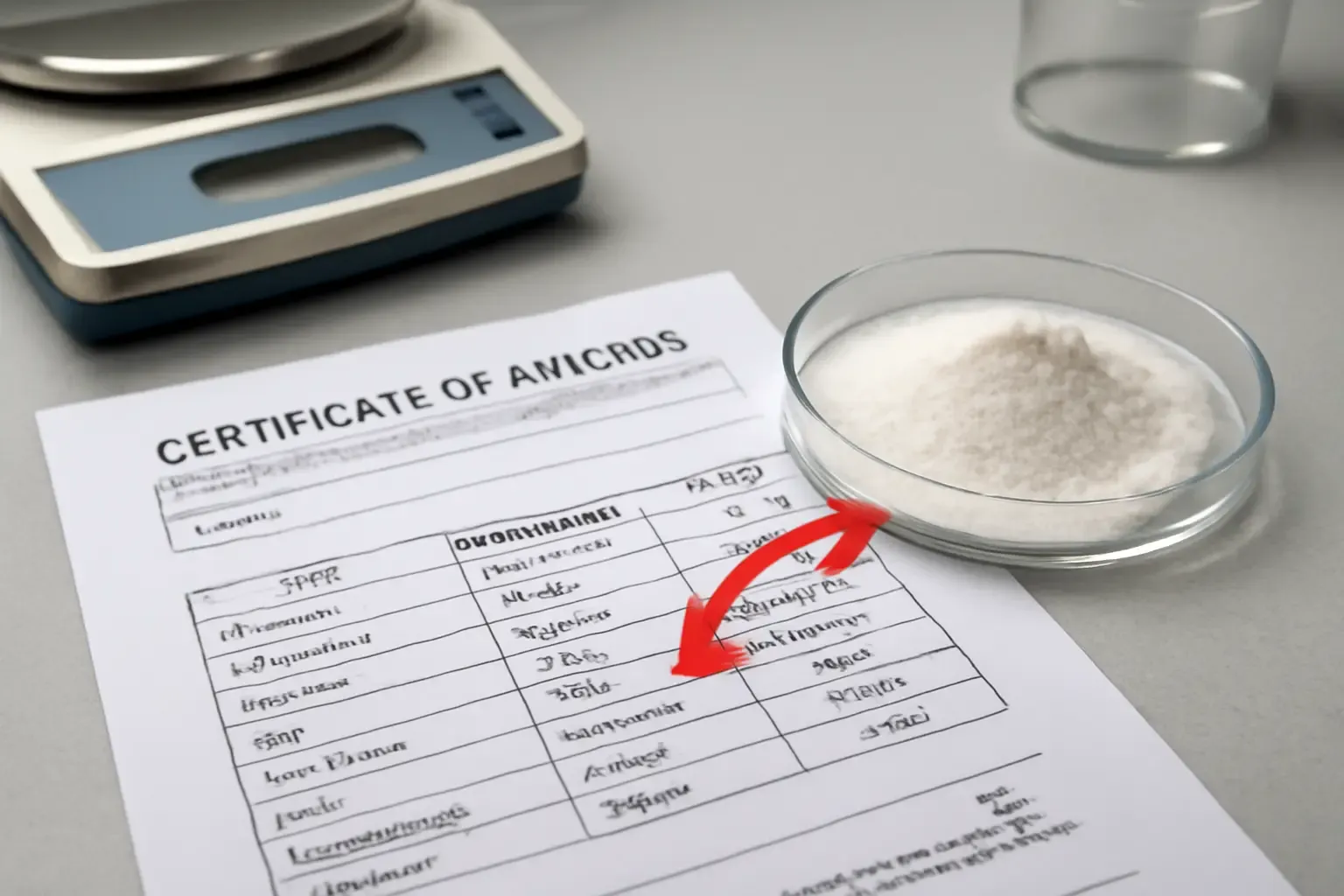
For Resistant Dextrin COAs
Focus on the lines that predict behavior and shelf life:
- Fiber % (confirm test basis and whether “dry basis” is listed)
- Solubility / dispersion statement (especially relevant for RTD and instant powders)
- Water activity / moisture control (often linked to caking and storage stability)
- Microbiology (ensure limits match your internal specs and export market needs)
- Raw material and non-GMO statement when required by brand policy
For MCC COAs
Focus on the lines that predict manufacturability:
- Particle size distribution (affects flow, mouthfeel, compaction)
- Bulk density and flow properties (affects dosing, blending, and tableting)
- Loss on drying / moisture (affects storage and processing)
- Microbiology and contaminant controls as required by your market and end use
The point is not to overcomplicate RFQs—it is to standardize the comparability. This is how procurement teams identify a recommended Chinese microcrystalline cellulose supplier without relying on vague “food grade” or “pharma grade” claims.
2026 Buyer Checklist for Accessible Nutrition Fibers
Use this list to align R&D, QA, and procurement before samples are requested.
Checklist for shortlisting China suppliers
- Resistant dextrin fiber content target aligned to your claims (commonly ≥82% where applicable)
- Clear raw material statement (often corn starch) and non-GMO documentation if required
- Demonstrated solubility/handling for your target format (RTD vs powder vs gummies)
- COA includes water activity/moisture and microbiology (with limits that match your market)
- Certifications and food safety systems fit your channel needs (commonly ISO/HACCP; Halal/Kosher where relevant)
- Sample plan includes at least one pilot in a “stress format” (acidic RTD, high-protein powder, or chewy confectionery)
- Logistics clarity for bulk purchasing (packaging, labeling, palletization, and stability during transit)
Where Resistant Dextrin and MCC Show Up in Real Decisions
Most formulation issues are not about the ingredient name—they are about the format constraints.
Procurement teams often see the same pattern across categories:
- RTD and functional beverages: resistant dextrin is evaluated as the primary fiber tool because it supports “fiber frontier” positioning while keeping mixing practical.
- Bars and baked goods: resistant dextrin supports fiber goals, while MCC can help manage bite, structure, and reduced-sugar bulking needs.
- Gummies and soft chews: resistant dextrin supports fiber enrichment; MCC can support chew texture and handling consistency depending on the system.
In each case, the buyer’s job is to confirm the supplier can support repeatable outcomes—not just provide a product name. This is why many teams qualify one resistant dextrin supplier food industry can rely on and, separately, one MCC excipient supplier that meets grade and documentation needs.
Strategic Sourcing Roadmap for 2026
The most reliable cost and timing wins come from aligning specs now, not renegotiating after a failed pilot.
For 2026–2027 briefs, resistant dextrin and MCC are best treated as complementary tools: resistant dextrin for soluble fiber performance and “protein plus fiber” positioning, MCC for structure and manufacturing control. Buyers sourcing from China can reduce risk by benchmarking at least one Shandong-based supplier option in each lane and standardizing COA fields across quotes.
If you want a practical starting point for how export-ready suppliers present resistant dextrin specifications and application positioning, browsing a specialized producer site such as Shandong Shine Health Co., Ltd can help teams calibrate RFQ language before issuing tenders.