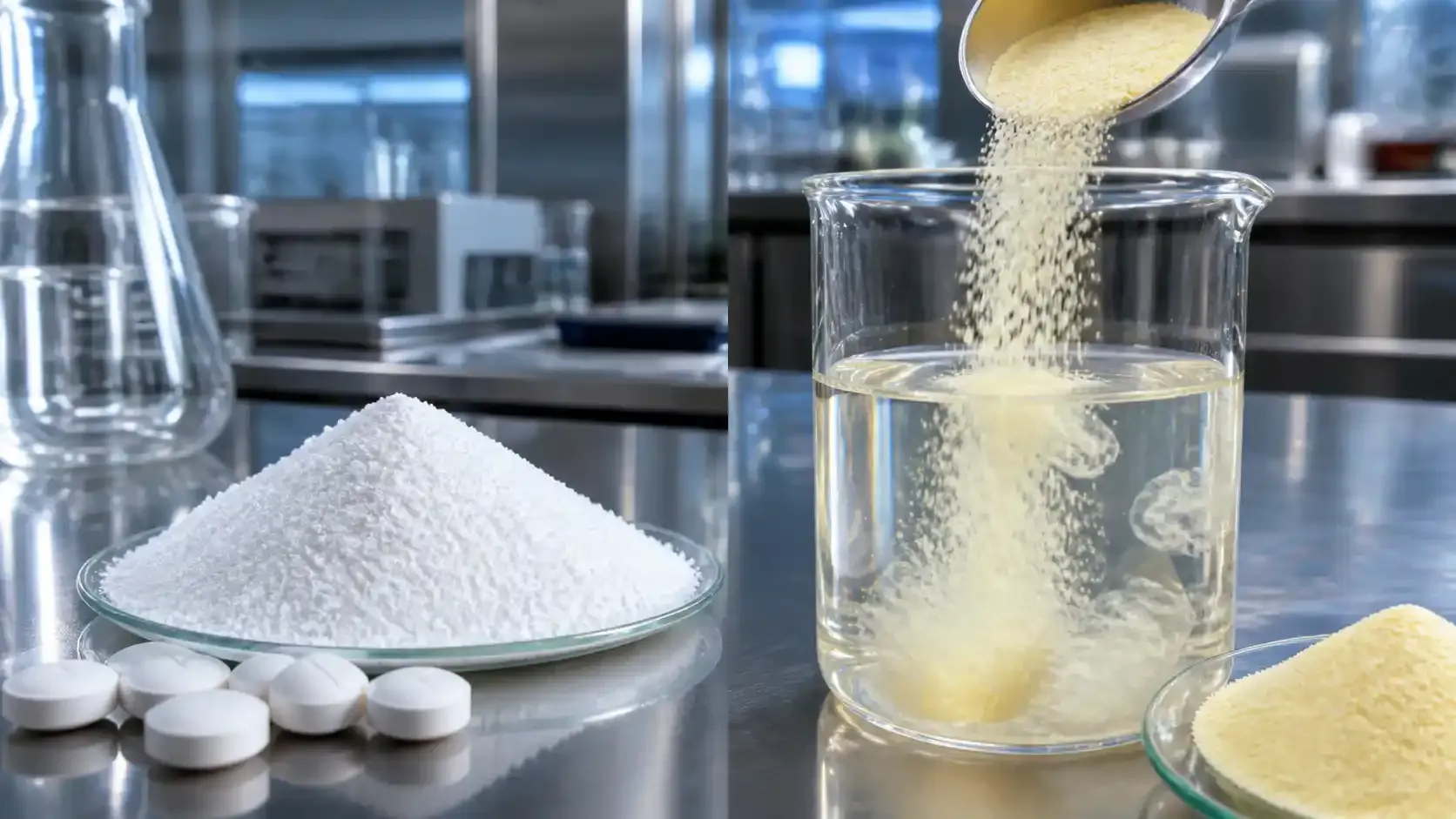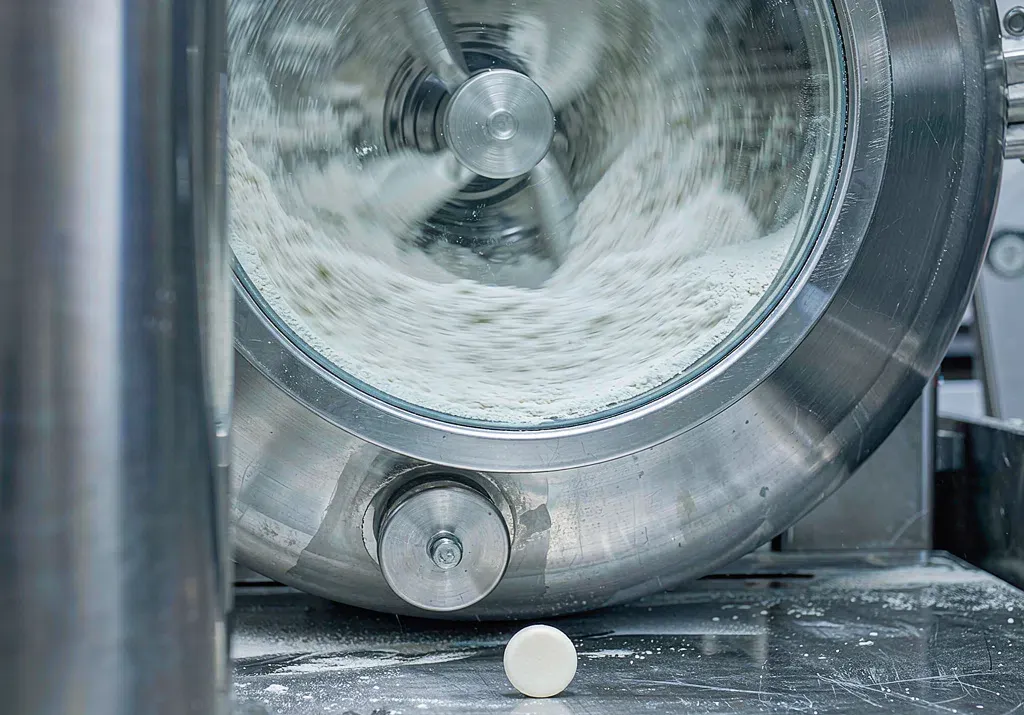
Resistant dextrin and microcrystalline cellulose (MCC) used to sit in separate corners of formulation work — the former for nutrition and beverages, the latter mostly for tablets and capsules. That boundary is blurring fast. As brands pursue sugar reduction, gentler fiber blending, and more reliable solid-dose performance, procurement teams are increasingly evaluating resistant dextrin and MCC together.
Why these two "background ingredients" suddenly became strategic
Two trends are driving the shift.
First, GLP-1-influenced nutrition behavior is shaping pipelines: consumers look for products that are easier to tolerate, gentle on the gut, and compatible with sugar-reduction goals. Meanwhile, manufacturers are adopting fiber-blending strategies (combining different soluble fibers) to hit label targets without sacrificing taste or processing performance.
Second, product teams are launching more hybrid formats — powder sticks, gummies, chewables, and functional snacks — where the performance of soluble fiber (usually resistant dextrin) and the structural support of solid-dose systems (usually MCC) must work within the same portfolio, sometimes within the same SKU. For buyers, that sets a new baseline: understanding how resistant dextrin and MCC specs behave in real systems is no longer optional — it is key to managing pre-RFQ formulation risk.
Reading resistant dextrin fundamentals like a formulator
The ingredient-level view of resistant dextrin
Resistant dextrin is a soluble dietary fiber derived from starch (usually corn, or tapioca/potato starch). Functionally, resistant dextrin is designed to resist digestion in the small intestine and ferment in the large intestine — one reason it is widely positioned as a prebiotic-type fiber in finished products.
From a sourcing perspective, resistant dextrin is best treated as a *functional ingredient*, not a plain carbohydrate. Its value shows up when it must deliver fiber content while minimizing impact on mouthfeel, viscosity, and processing. When browsing supplier technical pages, buyers can study how different resistant dextrin types are positioned, such as natural soluble corn fiber and tapioca/potato-based options. For example, Shine Health offers a natural soluble corn fiber reference and application-oriented options like sugar-reduction tapioca resistant dextrin.
The spec indicators that usually predict resistant dextrin performance
When buyers compare products from Chinese resistant dextrin manufacturers, the most useful first read is not marketing copy but spec logic.
Key items typically disclosed in a resistant dextrin COA/TDS include:
· Content/fiber level (usually presented by suppliers as "content" or total fiber on a dry basis)
· Moisture (storage stability and caking risk)
· Ash (purity/process-control signal)
· pH range (compatibility with beverages and acidic systems)
· Water activity (a signal for shipping and shelf stability)
· Microbial limits (export-readiness baseline)
In Shine Health's published parameters for resistant dextrin and soluble corn fiber products — for example on the sugar-reduction tapioca resistant dextrin page — the same items recur: water activity ≤0.2 and total aerobic count limits, alongside moisture, ash, pH, and microbial limits.
For buyers, what matters is *how those numbers reflect production capability*: a consistent resistant dextrin spec usually points to stable enzymatic conversion, controlled drying, and disciplined packaging operations.
Where resistant dextrin commercializes most easily
Resistant dextrin excels in applications where brands want to raise fiber content with minimal sensory impact:
· RTD and powdered beverages: when high solubility and neutral taste are required, resistant dextrin is often the first choice.
· Baked goods and snacks: resistant dextrin lifts fiber while keeping texture and sweetness targets manageable.
· Gummies and chewables: when formulators want fiber without grittiness or excessive sweetness, resistant dextrin fits.
If the project goal is sugar reduction, a resistant dextrin designed for sugar replacement can help lower sweetness load while still supporting the fiber claim; Shine Health's sugar-reduction tapioca resistant dextrin is an example of how suppliers label resistant dextrin grades by use rather than just chemistry.
The key elements of microcrystalline cellulose: keeping tablets and capsules predictable
What makes MCC different from resistant dextrin
Microcrystalline cellulose (MCC) is not a fiber for beverage solubility; it is an excipient widely used in pharmaceuticals and nutraceuticals. MCC is chosen because it reliably provides:
· Compressibility (tablet hardness and strength)
· Flow (weight uniformity during compression)
· Disintegration behavior (release performance when properly balanced)
From a practical sourcing view, MCC is usually the "backbone" ingredient that makes a solid-dose formula manufacturable at scale.
Why MCC matters even more in high-fiber solid formats
As fiber claims increase, tablets and capsules increasingly contain resistant dextrin or other soluble fibers. That creates a trade-off: resistant dextrin brings nutritional function, but it can also change powder flow, compressibility, or moisture sensitivity.
That is where MCC earns its place. The right MCC grade can help stabilize the processing window, especially in formulas with higher fiber loads.
Because MCC grades vary by particle size and bulk behavior, buyers should treat "MCC" as a category, not a single product. A practical reference point is grade-focused guidance published by suppliers and technical media; Shine Health offers a useful explainer here: MCC grades formulation and QC guide.
Resistant dextrin vs. microcrystalline cellulose at a glance
Decision angle | Resistant dextrin | Microcrystalline cellulose (MCC) |
Solubility | Soluble; designed for beverages and smooth mouthfeel | Insoluble; designed for structure and process control |
Primary role | Soluble dietary fiber for gut-health positioning and sugar-reduction support | Excipient for tablet/capsule manufacturability and strength |
Specs buyers prioritize | Content/fiber, moisture, ash, pH, water activity, microbiology | Loss on drying/moisture, particle characteristics, microbial profile, consistency |
Common failure modes | Batch-to-batch sensory or solubility drift; moisture-induced caking | Wrong grade causing poor flow, hardness variation, or disintegration issues |
What "recommended Chinese manufacturer" actually means
Buyers searching for a recommended Chinese resistant dextrin manufacturer or a recommended Chinese microcrystalline cellulose supplier usually share one core goal: reduce the chance that a promising sample fails at scale-up.
An effective approach is to require evidence on three levels — product proof, process proof, and compliance proof — without turning early evaluation into a full audit.
Product proof that reduces formulation risk
For resistant dextrin, request the latest:
· COA format and typical ranges for resistant dextrin (moisture, ash, pH, water activity, microbial limits)
· A clear definition of the supplier's "content" or fiber claim
· Storage and packaging recommendations (especially when shipping resistant dextrin through humid climates)
For microcrystalline cellulose, request:
· Grade-naming logic and intended use (direct compression versus other routes)
· Typical spec ranges that influence tableting performance
Process proof that predicts consistency
Many procurement teams underestimate how manufacturing signals directly affect resistant dextrin consistency.
For example, across several resistant dextrin pages (see sugar-reduction tapioca resistant dextrin and factory supply resistant dextrin), Shine Health describes production built on non-GMO starch sourcing, imported enzymes, German-origin precision lines, Japanese-style craftsmanship, and a fully equipped QC laboratory. These details matter because disciplined enzyme control, automated handling, and in-house QC are usually what separate truly stable resistant dextrin from "good on paper" material.
Compliance proof that protects export
On compliance, buyers typically prioritize:
· Food-safety systems and third-party certifications relevant to their markets
· Allergen and label positioning (non-GMO or gluten-free where applicable)
Shine Health explicitly lists ISO9001, BRC, HALAL, HACCP, and KOSHER certifications across its resistant dextrin products (for example, sugar-reduction tapioca resistant dextrin). Procurement teams can use that as a starting point for the documents they require under their own approval workflow.
Practical takeaways for buyers building a shortlist
The fastest way to evaluate a Chinese microcrystalline cellulose manufacturer or Chinese resistant dextrin manufacturer is to match each ingredient to the potential failure modes of your product format.
Before issuing an RFQ, use this short checklist:
1. Clarify resistant dextrin's role in your system (fiber claim, sugar reduction, gut-health positioning, or all three).
2. Match resistant dextrin specs to the product format (RTD, powder, baked goods, gummies). Water activity and moisture deserve extra attention for shipping stability.
3. Treat microcrystalline cellulose as a grade-selection decision, not a checkbox — especially for tablets that also contain resistant dextrin.
4. Ask for evidence that explains consistency, not just price and a spec sheet.
For teams that want a quick technical starting point, supplier knowledge pages help set realistic expectations for fiber and excipient performance. For example, Shine Health's references for natural soluble corn fiber and factory supply resistant dextrin, plus its MCC overview page MCC grades formulation and QC guide, are all useful resources.
For more on suppliers aligned with these trends and high standards, visit our official website: www.sdshinehealth.com.