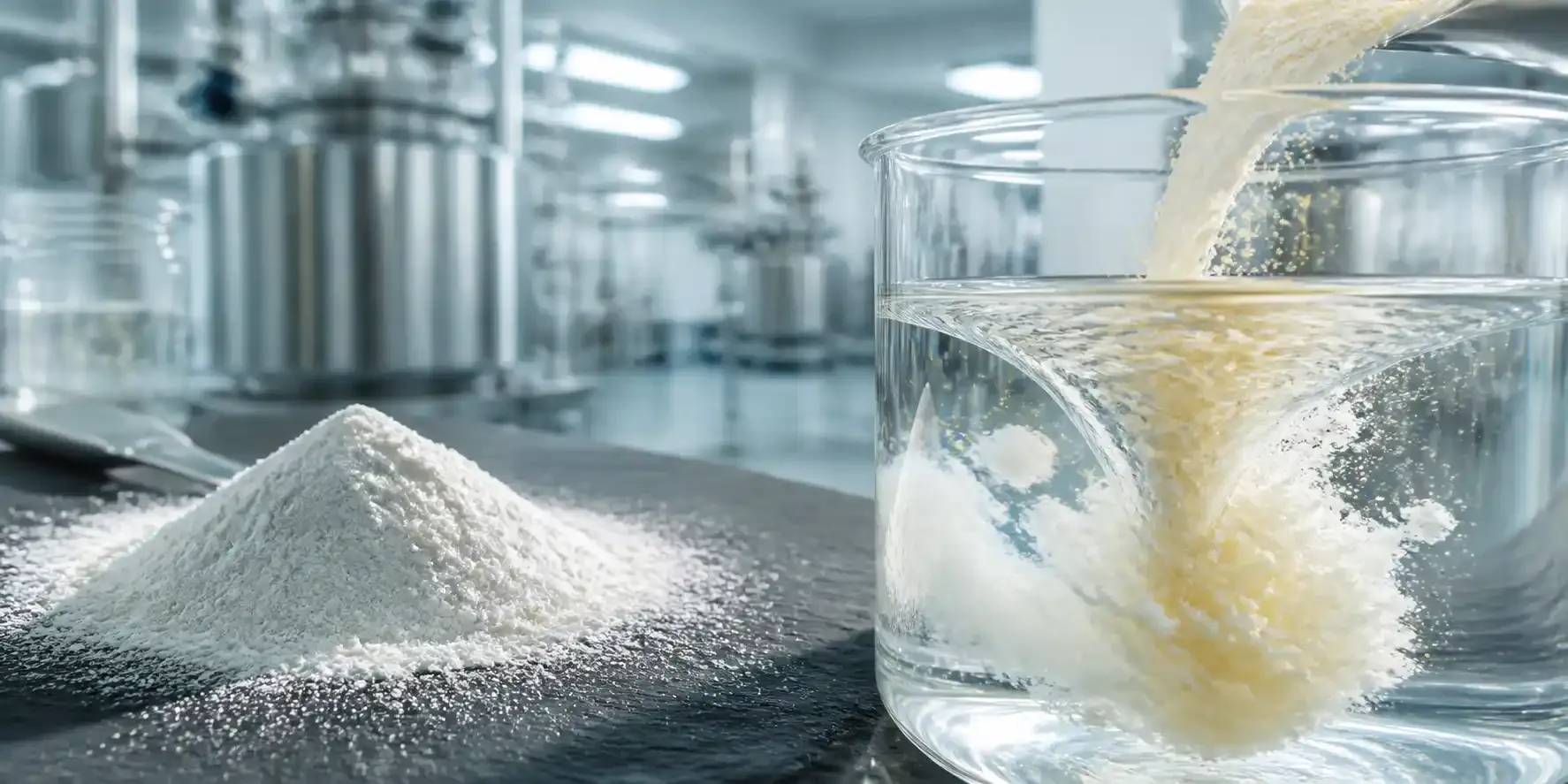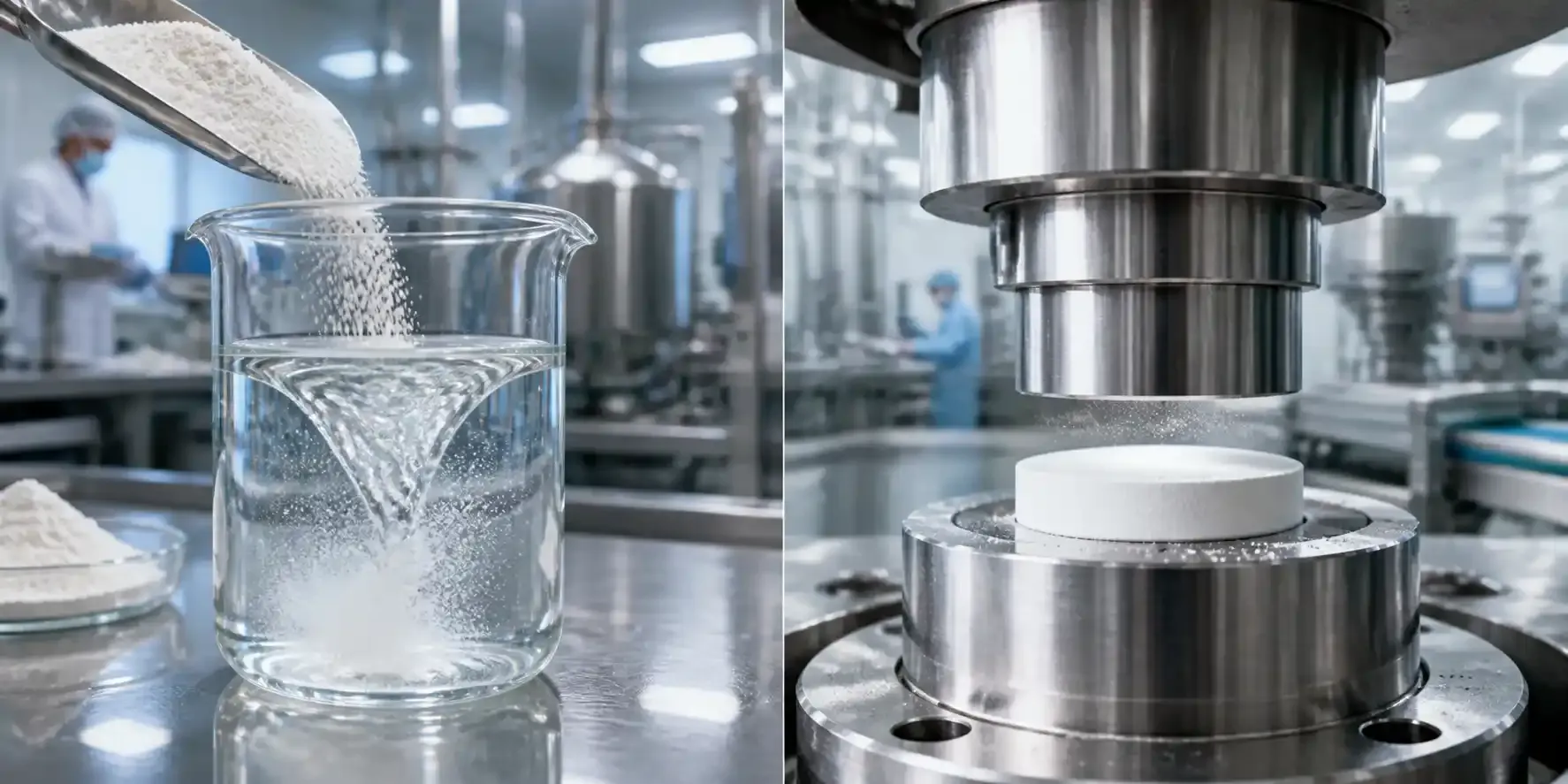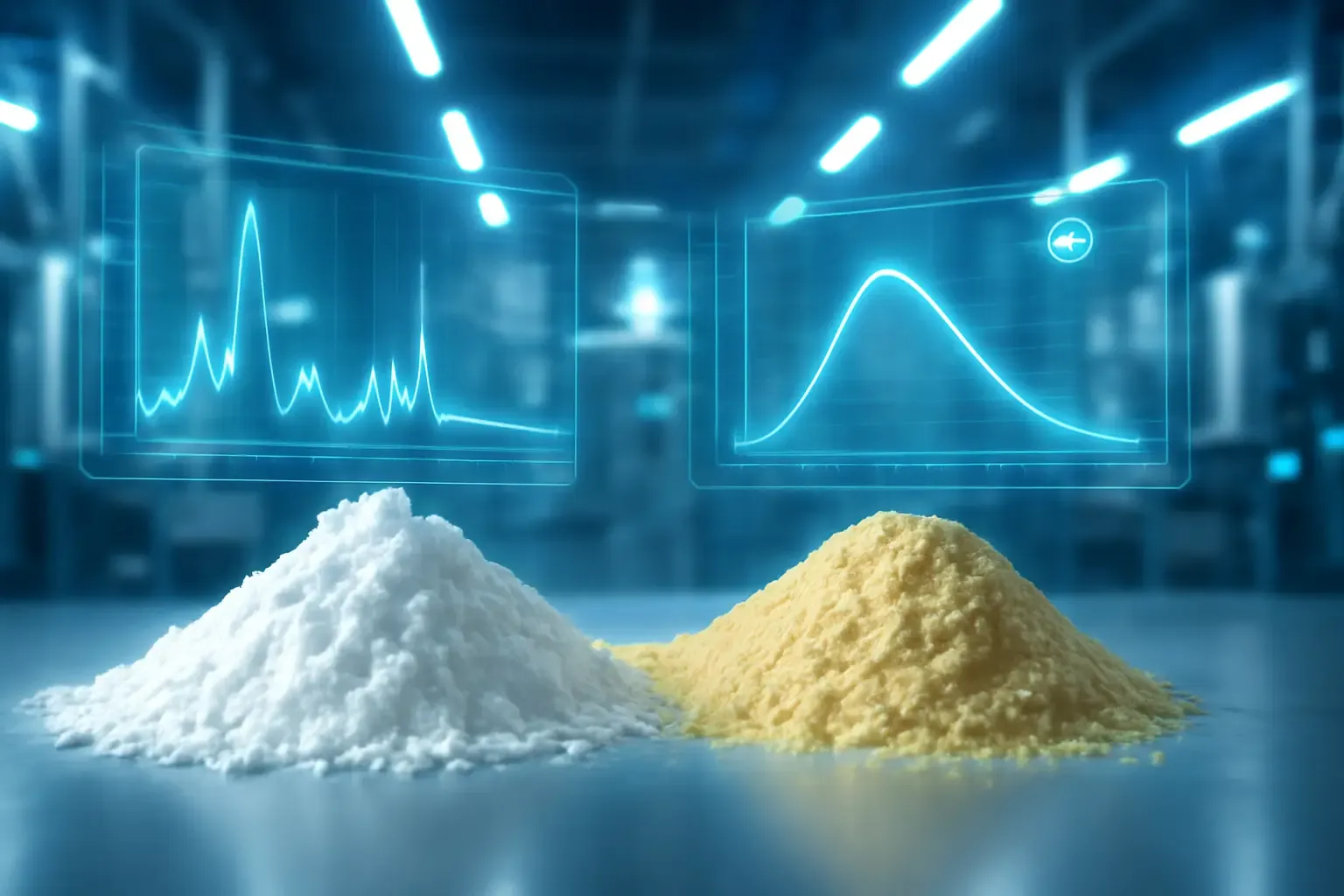
In the rapidly evolving landscape of ingredient sourcing, innovation in microcrystalline cellulose (MCC) and resistant dextrin manufacturing within China has shifted from a theoretical advantage to a critical purchasing variable. For years, the procurement standard relied heavily on basic Certificat
In 2026, “fiber-first” is no longer just a consumer-facing message—it is a procurement requirement that shows up in RFQs, COAs, and finished-product stability tests. Buyers who treat fiber merely as a check-box claim—instead of a measurable ingredient performance—are the ones most likely to face ref
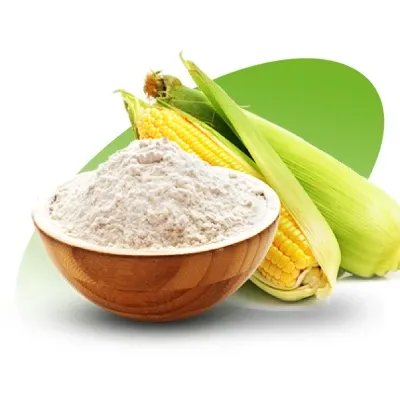
Procurement teams watching China’s excipients and functional fiber market are seeing a clear shift: “recommended” suppliers are no longer defined by brochure claims, but by repeatable process control, clean documentation, and the ability to hold specs across shipments. This matters most when you buy
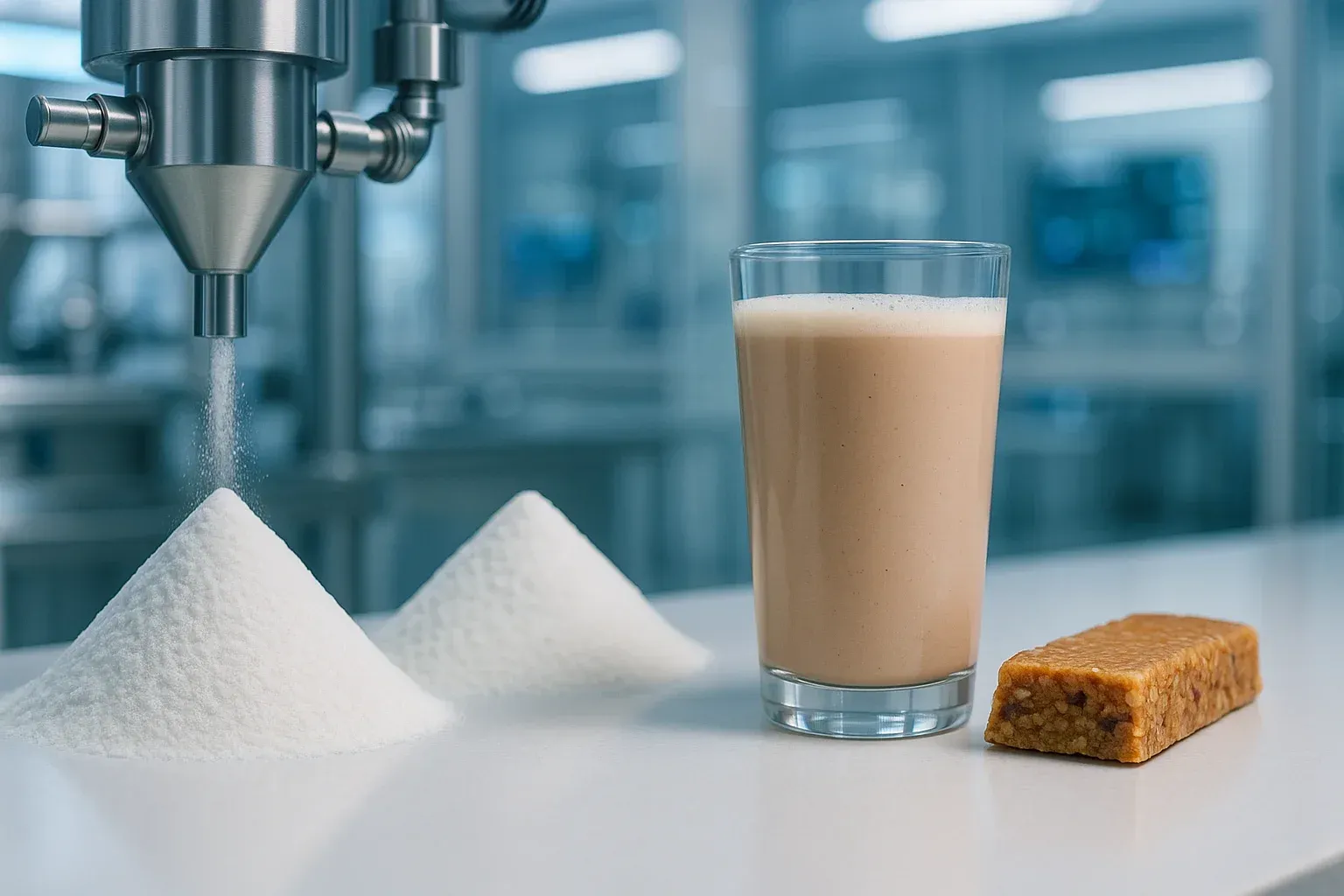
In 2026, “accessible nutrition” is no longer a niche concept—it’s shaping everyday product renovation from RTD coffees to meal-replacement powders. At the same time, GLP‑1 medications are accelerating demand for “companion ingredients” that support satiety and digestive comfort. For procurement team

Fiber and protein are converging into a single product promise in 2026: more function per serving without compromising taste, texture, or label simplicity. For procurement teams, this shift has a practical consequence—ingredients once treated as commodities now demand tighter specifications, clearer

Discover how to qualify Chinese suppliers for resistant dextrin and microcrystalline cellulose using an evidence-based approach, focusing on automation, hub selection, and verifiable QC data. Why Automation is the New Quality Baseline In previous sourcing cycles, many buyers viewed ingredients like

Accessible nutrition, high-protein formats, and the meteoric rise of GLP‑1 companion foods are compelling procurement teams to fundamentally rewrite what “good” looks like for microcrystalline cellulose and resistant dextrin . The shift in 2026 is not merely about securing the lowest price or bookin

Fiber-forward products are rapidly shifting from "nice to have" additions to baseline consumer expectations as we approach 2026. This trend is particularly visible in formats that integrate seamlessly into daily routines: ready-to-drink (RTD) beverages, instant powder mixes, and compact solid-dose s
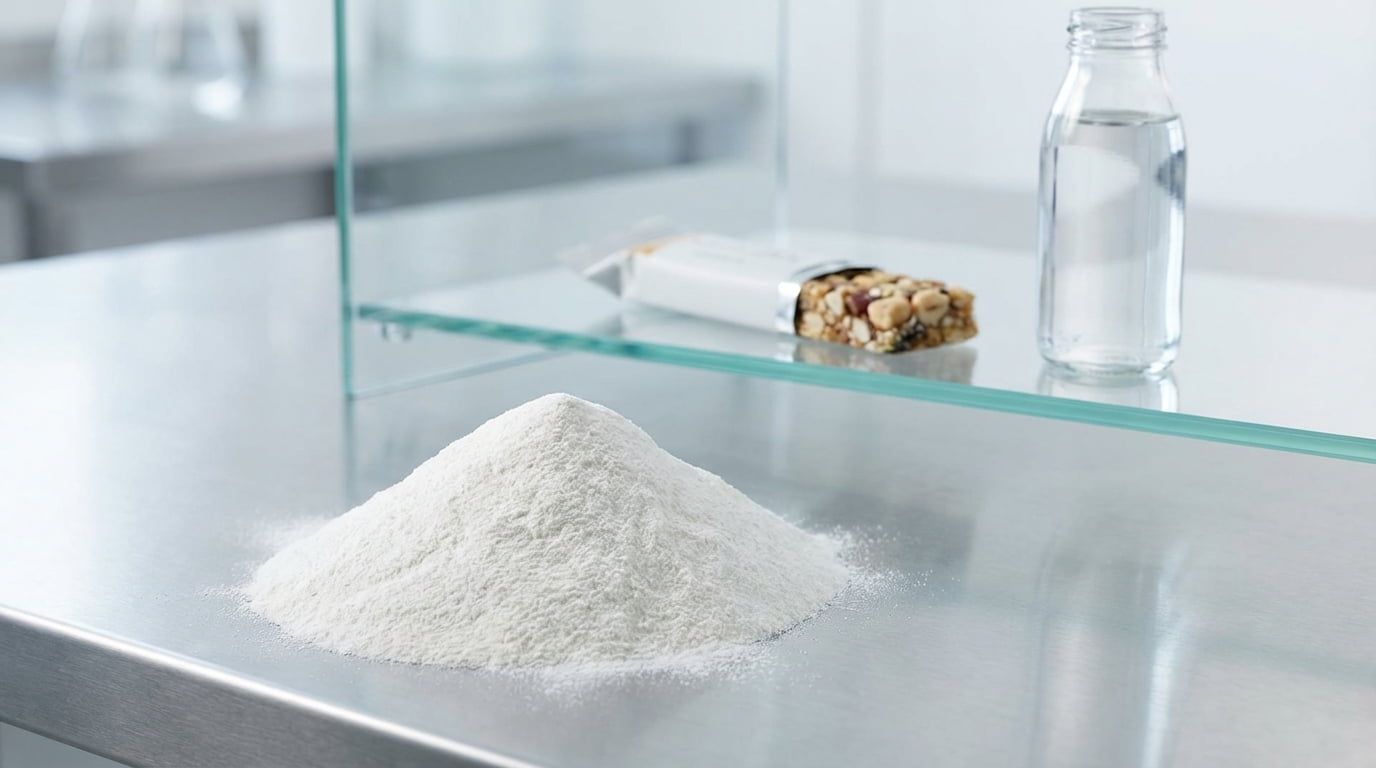
In 2026, satiety is no longer just a "nice-to-have" marketing claim—it has become a fundamental design constraint. As the conversation around GLP‑1 usage expands and consumers actively recalibrate their portion sizes, forward-thinking brands are racing to build fiber-first foods and supplements. The

A 2026 tech-trend guide to enzymatic resistant dextrin from China: automation, QC signals, specs, and traceable sourcing for buyers. In 2026, “accessible nutrition” is no longer a niche concept—it’s the practical brief many product teams are working from: add meaningful benefits (especially fiber +
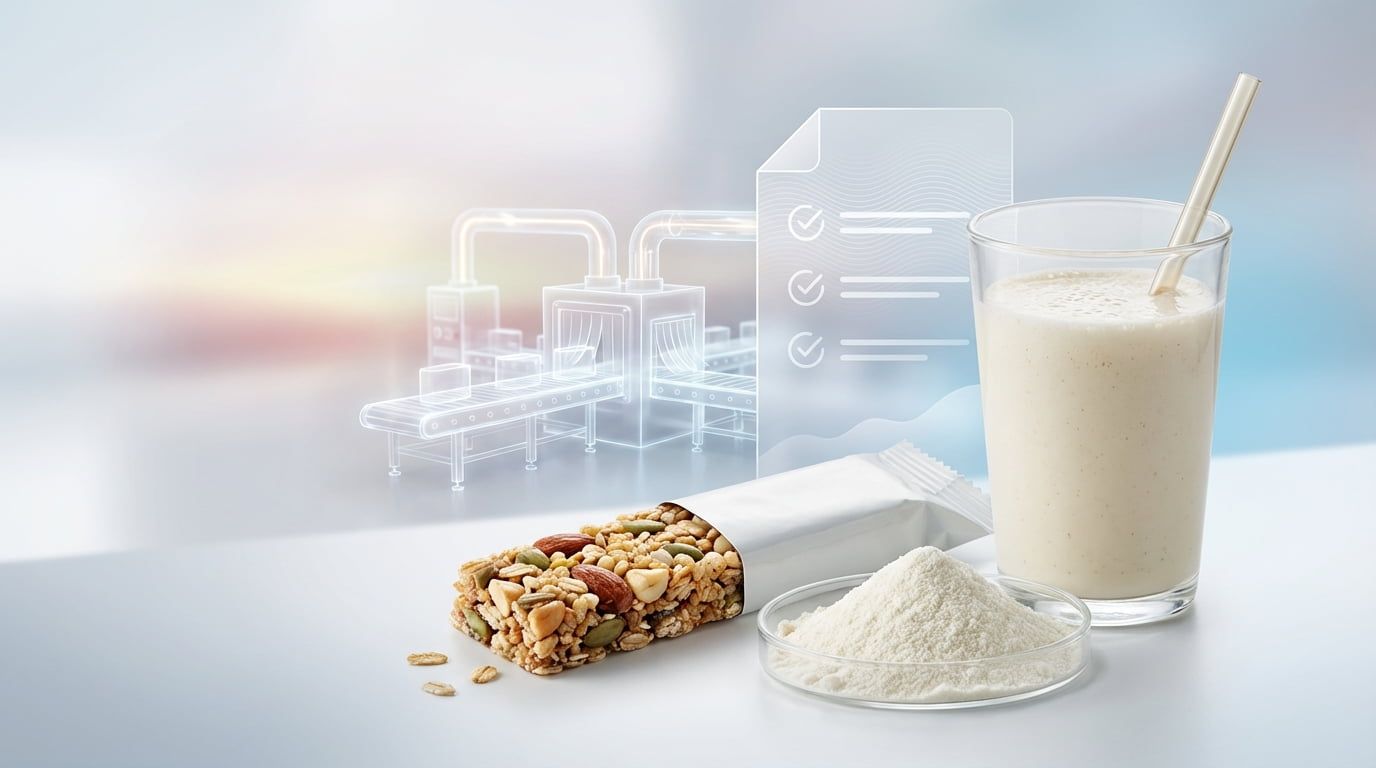
2026 is being framed by multiple industry observers as the year when “accessible nutrition” stops being a slide in a trend deck and becomes a launch requirement. For procurement teams, that shift shows up in a very practical way: more briefs ask for clinically meaningful fiber in everyday formats—ba

2026 fiber tech favors heat-stable resistant dextrin and smarter MCC sourcing. Learn specs, COA checks, and China supplier signals for scale. Fiber innovation is moving from “nice-to-have” to product infrastructure. In 2026, the formulas that win tend to have three traits at the same time: high fibe
In the rapidly evolving landscape of ingredient sourcing, innovation in microcrystalline cellulose (MCC) and resistant dextrin manufacturing within China has shifted from a theoretical advantage to a critical purchasing variable. For years, the procurement standard relied heavily on basic Certificat
In 2026, “fiber-first” is no longer just a consumer-facing message—it is a procurement requirement that shows up in RFQs, COAs, and finished-product stability tests. Buyers who treat fiber merely as a check-box claim—instead of a measurable ingredient performance—are the ones most likely to face ref
Procurement teams watching China’s excipients and functional fiber market are seeing a clear shift: “recommended” suppliers are no longer defined by brochure claims, but by repeatable process control, clean documentation, and the ability to hold specs across shipments. This matters most when you buy
In 2026, “accessible nutrition” is no longer a niche concept—it’s shaping everyday product renovation from RTD coffees to meal-replacement powders. At the same time, GLP‑1 medications are accelerating demand for “companion ingredients” that support satiety and digestive comfort. For procurement team
Fiber and protein are converging into a single product promise in 2026: more function per serving without compromising taste, texture, or label simplicity. For procurement teams, this shift has a practical consequence—ingredients once treated as commodities now demand tighter specifications, clearer
Discover how to qualify Chinese suppliers for resistant dextrin and microcrystalline cellulose using an evidence-based approach, focusing on automation, hub selection, and verifiable QC data. Why Automation is the New Quality Baseline In previous sourcing cycles, many buyers viewed ingredients like
Accessible nutrition, high-protein formats, and the meteoric rise of GLP‑1 companion foods are compelling procurement teams to fundamentally rewrite what “good” looks like for microcrystalline cellulose and resistant dextrin . The shift in 2026 is not merely about securing the lowest price or bookin
Fiber-forward products are rapidly shifting from "nice to have" additions to baseline consumer expectations as we approach 2026. This trend is particularly visible in formats that integrate seamlessly into daily routines: ready-to-drink (RTD) beverages, instant powder mixes, and compact solid-dose s
In 2026, satiety is no longer just a "nice-to-have" marketing claim—it has become a fundamental design constraint. As the conversation around GLP‑1 usage expands and consumers actively recalibrate their portion sizes, forward-thinking brands are racing to build fiber-first foods and supplements. The
A 2026 tech-trend guide to enzymatic resistant dextrin from China: automation, QC signals, specs, and traceable sourcing for buyers. In 2026, “accessible nutrition” is no longer a niche concept—it’s the practical brief many product teams are working from: add meaningful benefits (especially fiber +
2026 is being framed by multiple industry observers as the year when “accessible nutrition” stops being a slide in a trend deck and becomes a launch requirement. For procurement teams, that shift shows up in a very practical way: more briefs ask for clinically meaningful fiber in everyday formats—ba
2026 fiber tech favors heat-stable resistant dextrin and smarter MCC sourcing. Learn specs, COA checks, and China supplier signals for scale. Fiber innovation is moving from “nice-to-have” to product infrastructure. In 2026, the formulas that win tend to have three traits at the same time: high fibe