
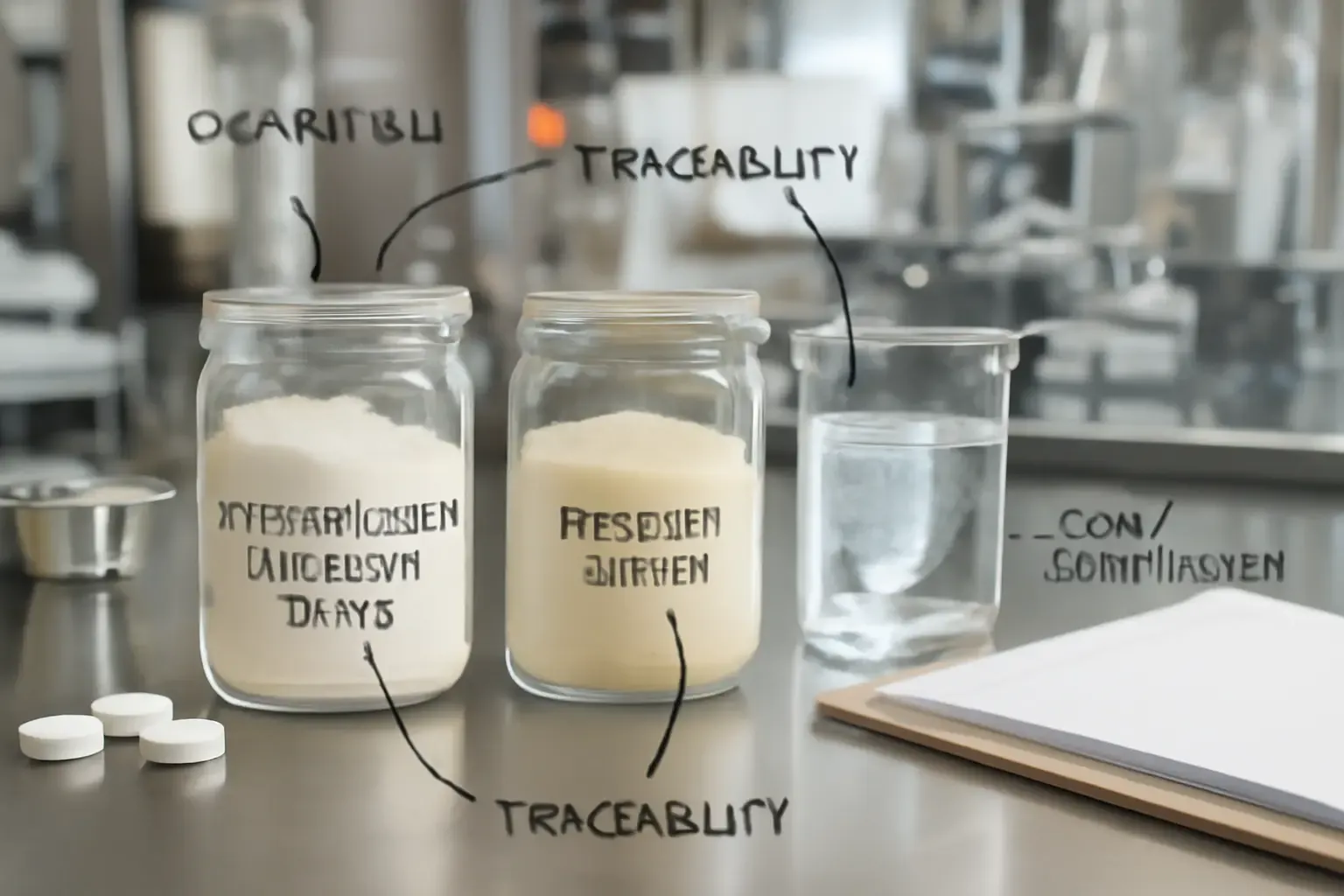
Procurement teams sourcing microcrystalline cellulose (MCC) and resistant dextrin from China are raising the bar. While price remains a factor, the real differentiator today is whether a supplier can prove consistent performance through automation, traceable processes, and testable specs. This guide

Global procurement teams sourcing functional ingredients in Asia have started to judge suppliers on more than price and a basic COA. For categories like microcrystalline cellulose (MCC) , resistant dextrin , and polydextrose , buyers increasingly expect a knowledge partner : a manufacturer that can
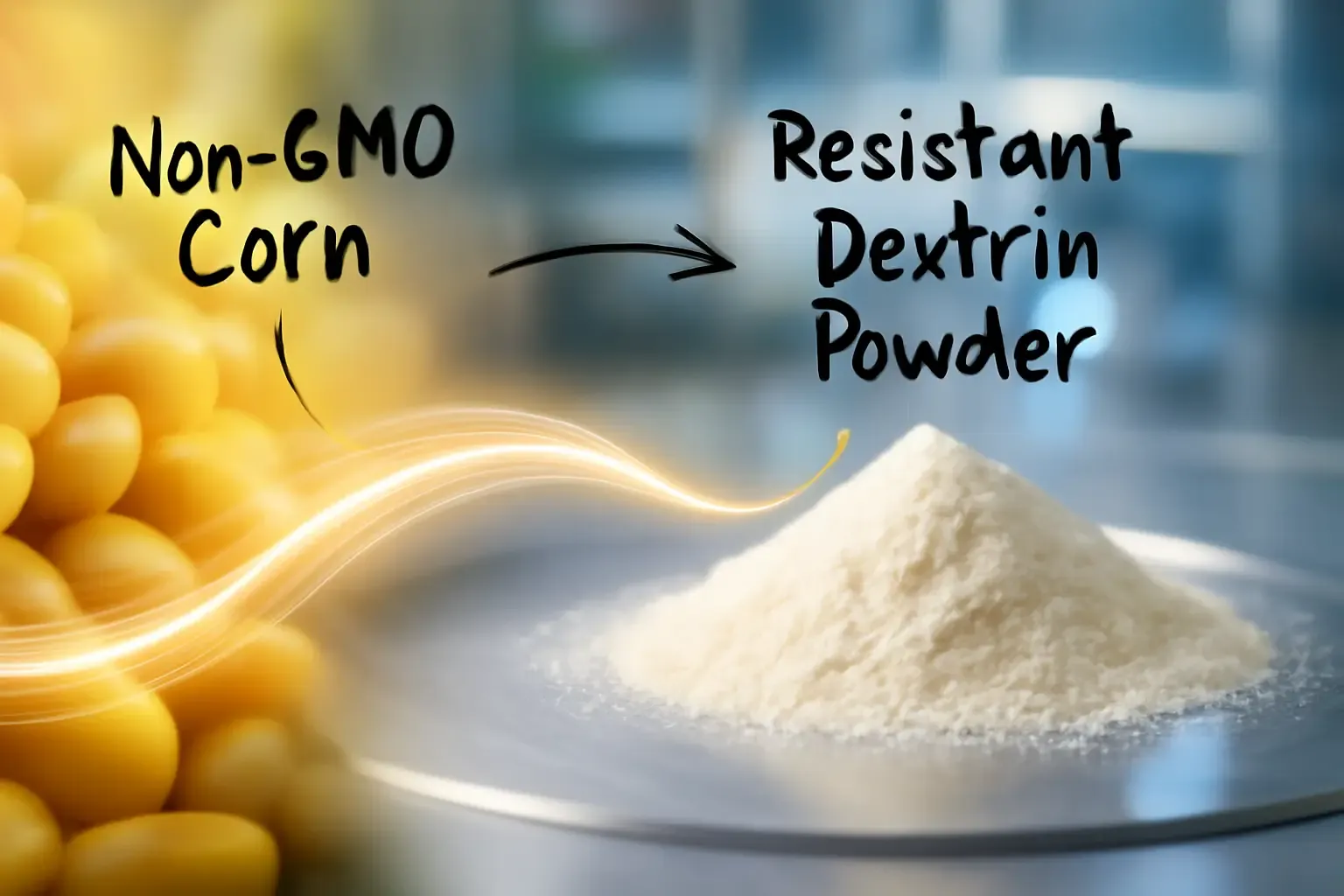
Global buyers no longer treat soluble fiber as a commodity. In today’s clean-label and performance-driven market, the difference between a routine purchase and a successful long-term partnership often shows up in the details : raw-material claims, process control, and how a supplier explains its sci
Fiber is no longer just a "nice-to-have" nutritional add-on. As we approach 2026, it is increasingly being written into core product briefs alongside protein fortification, sweetener reduction, and digestive wellness mandates. This shift is pushing brands to rebuild their ingredient toolkits from th
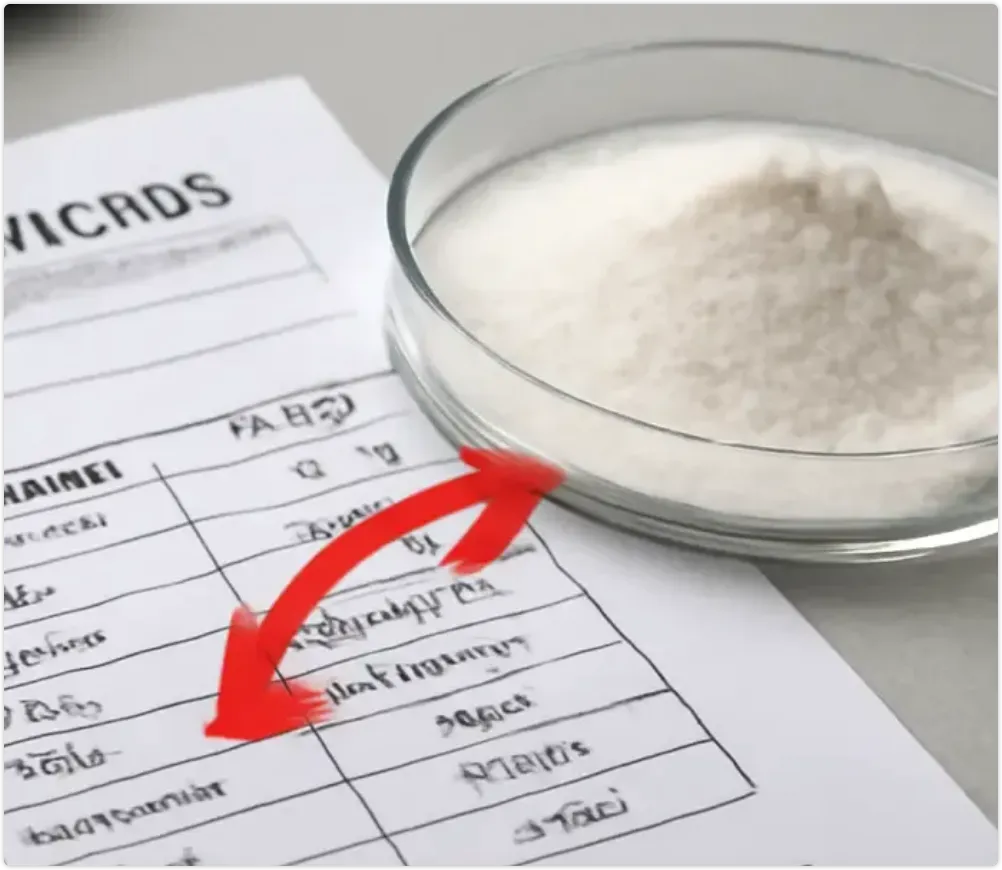
Fiber-forward product roadmaps are no longer limited to niche “wellness” lines. Brands are now adding fiber to everyday formats—nutrition coffees, shakes, gummies, bars, and tablet-based supplements—because consumers increasingly expect digestive support and practical nutrition in familiar products

Export buyers looking for a resistant dextrin manufacturer China can no longer rely on product brochures alone. The most reliable suppliers are increasingly defined by factory-level capabilities: automated process control, imported enzyme technology, audit-ready GMP workshops, and QC labs that can s

Two significant forces are quietly reshaping how global procurement teams evaluate a resistant dextrin manufacturer China can rely on: the aggressive consumer shift toward fiber-forward “accessible nutrition,” and a fundamental manufacturing shift toward full automation, tighter documentation, and f

As we approach 2026, the procurement landscape for functional ingredients is witnessing a collision of two distinct forces. On the demand side, the concept of "accessible nutrition" is aggressively driving dietary fiber into everyday beverages, snacks, and supplements. On the supply side, significan
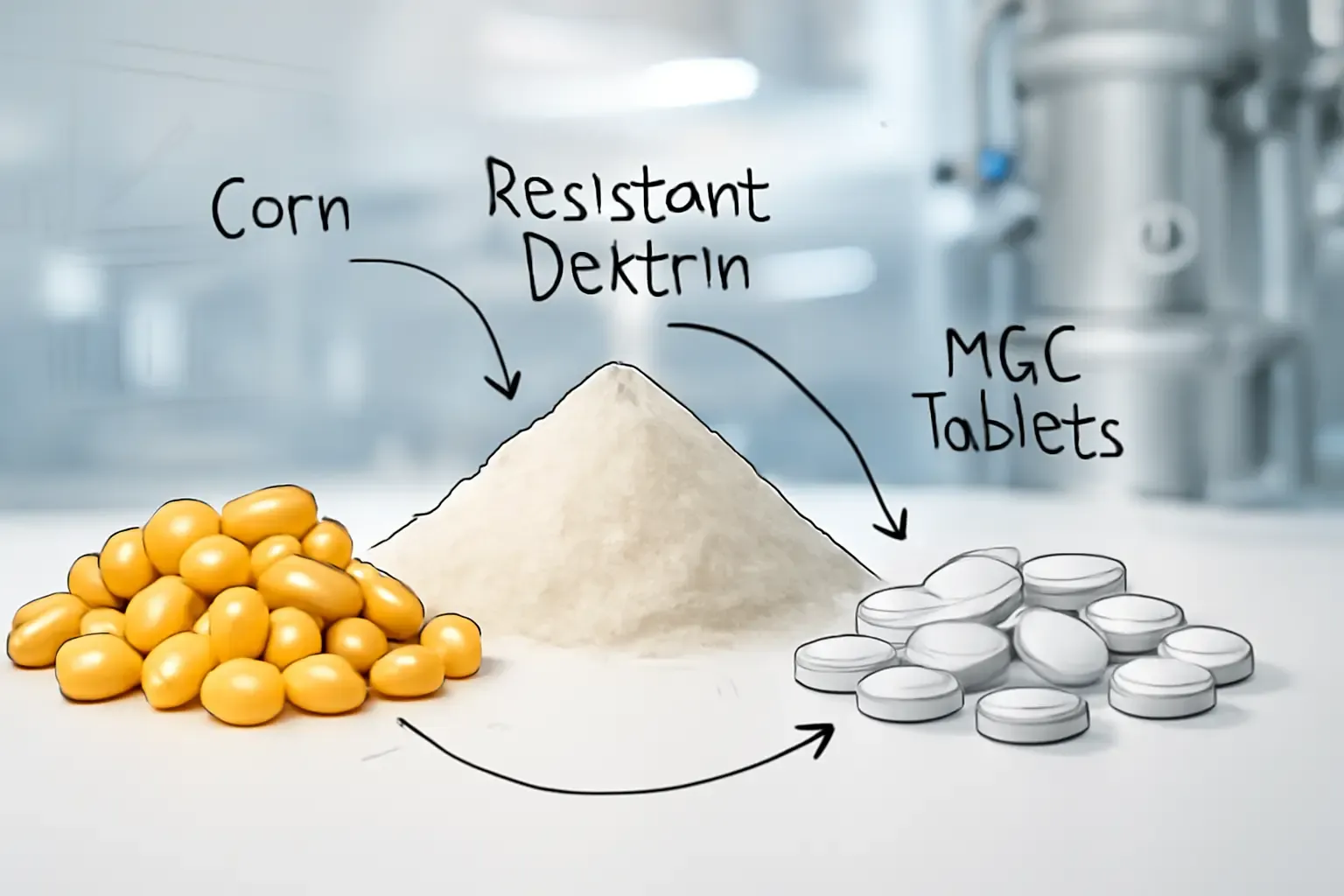
In 2026, functional fiber is no longer a “nice-to-have” add-on—it is a product strategy. As gut-health positioning moves into everyday snacks, beverages, and nutrition powders, procurement teams are under pressure to qualify resistant dextrin that performs consistently at scale, and to keep an eye o

In the GLP-1 era, buyers are no longer sourcing “generic fiber” or “standard excipients.” They are sourcing performance under tight specs —clean taste in low-sugar RTDs, stable processing in confectionery, and consistent compressibility in solid-dose formats. This is why interest in a resistant dext
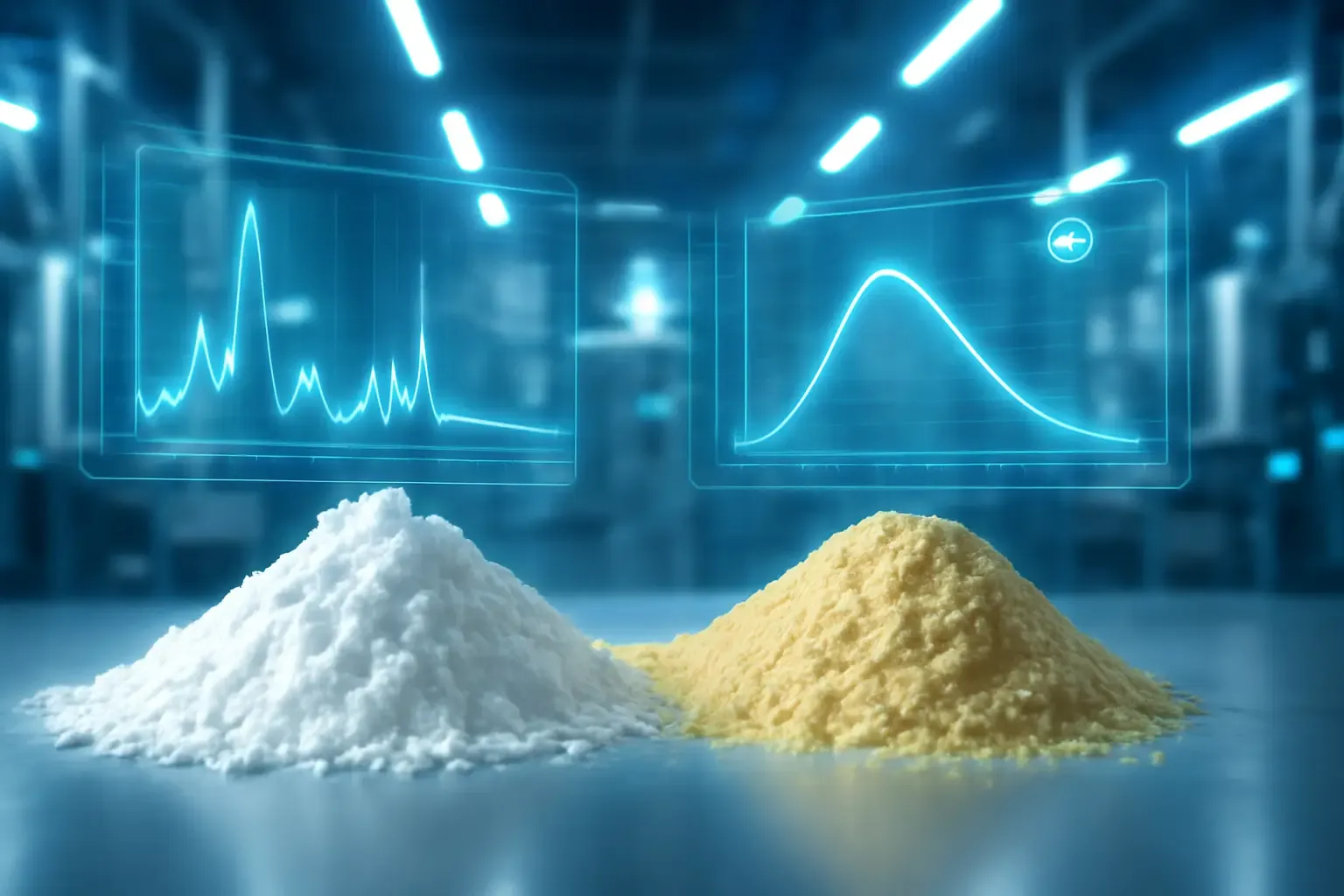
In the rapidly evolving landscape of ingredient sourcing, innovation in microcrystalline cellulose (MCC) and resistant dextrin manufacturing within China has shifted from a theoretical advantage to a critical purchasing variable. For years, the procurement standard relied heavily on basic Certificat

In 2026, “fiber-first” is no longer just a consumer-facing message—it is a procurement requirement that shows up in RFQs, COAs, and finished-product stability tests. Buyers who treat fiber merely as a check-box claim—instead of a measurable ingredient performance—are the ones most likely to face ref
Procurement teams sourcing microcrystalline cellulose (MCC) and resistant dextrin from China are raising the bar. While price remains a factor, the real differentiator today is whether a supplier can prove consistent performance through automation, traceable processes, and testable specs. This guide
Global procurement teams sourcing functional ingredients in Asia have started to judge suppliers on more than price and a basic COA. For categories like microcrystalline cellulose (MCC) , resistant dextrin , and polydextrose , buyers increasingly expect a knowledge partner : a manufacturer that can
Global buyers no longer treat soluble fiber as a commodity. In today’s clean-label and performance-driven market, the difference between a routine purchase and a successful long-term partnership often shows up in the details : raw-material claims, process control, and how a supplier explains its sci
Fiber is no longer just a "nice-to-have" nutritional add-on. As we approach 2026, it is increasingly being written into core product briefs alongside protein fortification, sweetener reduction, and digestive wellness mandates. This shift is pushing brands to rebuild their ingredient toolkits from th
Fiber-forward product roadmaps are no longer limited to niche “wellness” lines. Brands are now adding fiber to everyday formats—nutrition coffees, shakes, gummies, bars, and tablet-based supplements—because consumers increasingly expect digestive support and practical nutrition in familiar products
Export buyers looking for a resistant dextrin manufacturer China can no longer rely on product brochures alone. The most reliable suppliers are increasingly defined by factory-level capabilities: automated process control, imported enzyme technology, audit-ready GMP workshops, and QC labs that can s
Two significant forces are quietly reshaping how global procurement teams evaluate a resistant dextrin manufacturer China can rely on: the aggressive consumer shift toward fiber-forward “accessible nutrition,” and a fundamental manufacturing shift toward full automation, tighter documentation, and f
As we approach 2026, the procurement landscape for functional ingredients is witnessing a collision of two distinct forces. On the demand side, the concept of "accessible nutrition" is aggressively driving dietary fiber into everyday beverages, snacks, and supplements. On the supply side, significan
In 2026, functional fiber is no longer a “nice-to-have” add-on—it is a product strategy. As gut-health positioning moves into everyday snacks, beverages, and nutrition powders, procurement teams are under pressure to qualify resistant dextrin that performs consistently at scale, and to keep an eye o
In the GLP-1 era, buyers are no longer sourcing “generic fiber” or “standard excipients.” They are sourcing performance under tight specs —clean taste in low-sugar RTDs, stable processing in confectionery, and consistent compressibility in solid-dose formats. This is why interest in a resistant dext
In the rapidly evolving landscape of ingredient sourcing, innovation in microcrystalline cellulose (MCC) and resistant dextrin manufacturing within China has shifted from a theoretical advantage to a critical purchasing variable. For years, the procurement standard relied heavily on basic Certificat
In 2026, “fiber-first” is no longer just a consumer-facing message—it is a procurement requirement that shows up in RFQs, COAs, and finished-product stability tests. Buyers who treat fiber merely as a check-box claim—instead of a measurable ingredient performance—are the ones most likely to face ref



