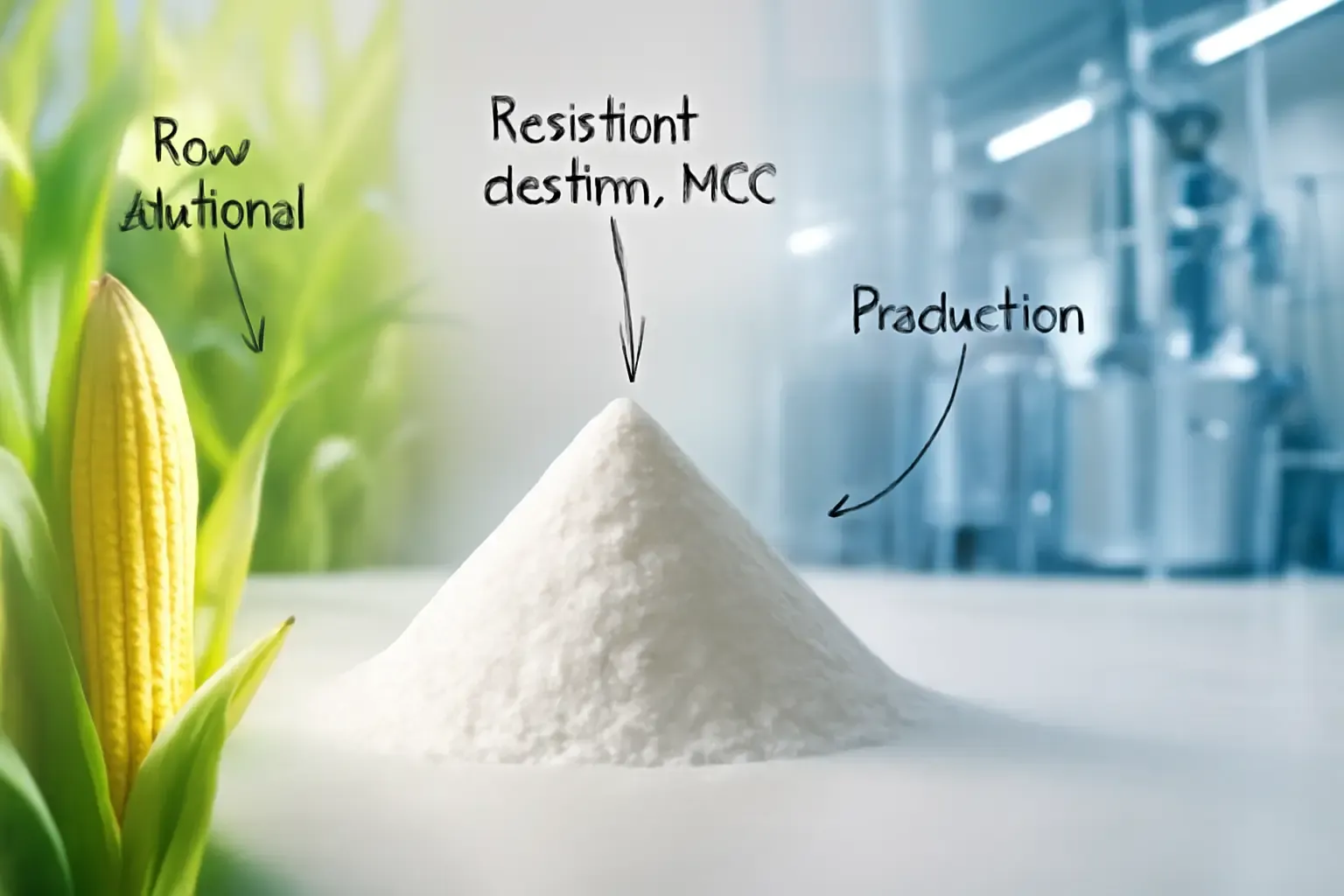
Dietary fiber and microcrystalline cellulose (MCC) keep showing up in the same product briefs for a simple reason: brands want clean-label functional foods and reliable solid-dose supplements simultaneously. That reality changes how procurement teams evaluate a resistant dextrin supplier and a micro

proof now matters more than promises—especially when sourcing microcrystalline cellulose (MCC) for pharmaceutical formulations and resistant dextrin for nutrition-focused foods and supplements. Buyers are no longer selecting suppliers based only on price, capacity, or lead time. Instead, they are sc

Procurement teams sourcing functional fibers and excipients from China are entering a new phase. Price still matters, but manufacturing proof increasingly decides whether a supplier gets approved—especially for resistant dextrin, non-GMO soluble corn fiber, and microcrystalline cellulose (MCC). Clea
Dietary fiber is moving from a mere marketing claim to a core product strategy in 2026—especially in weight management powders, keto-friendly foods, fiber-fortified confectionery, and gut-health supplements. Procurement teams are scrutinizing not only price and lead time but also the evidence behind
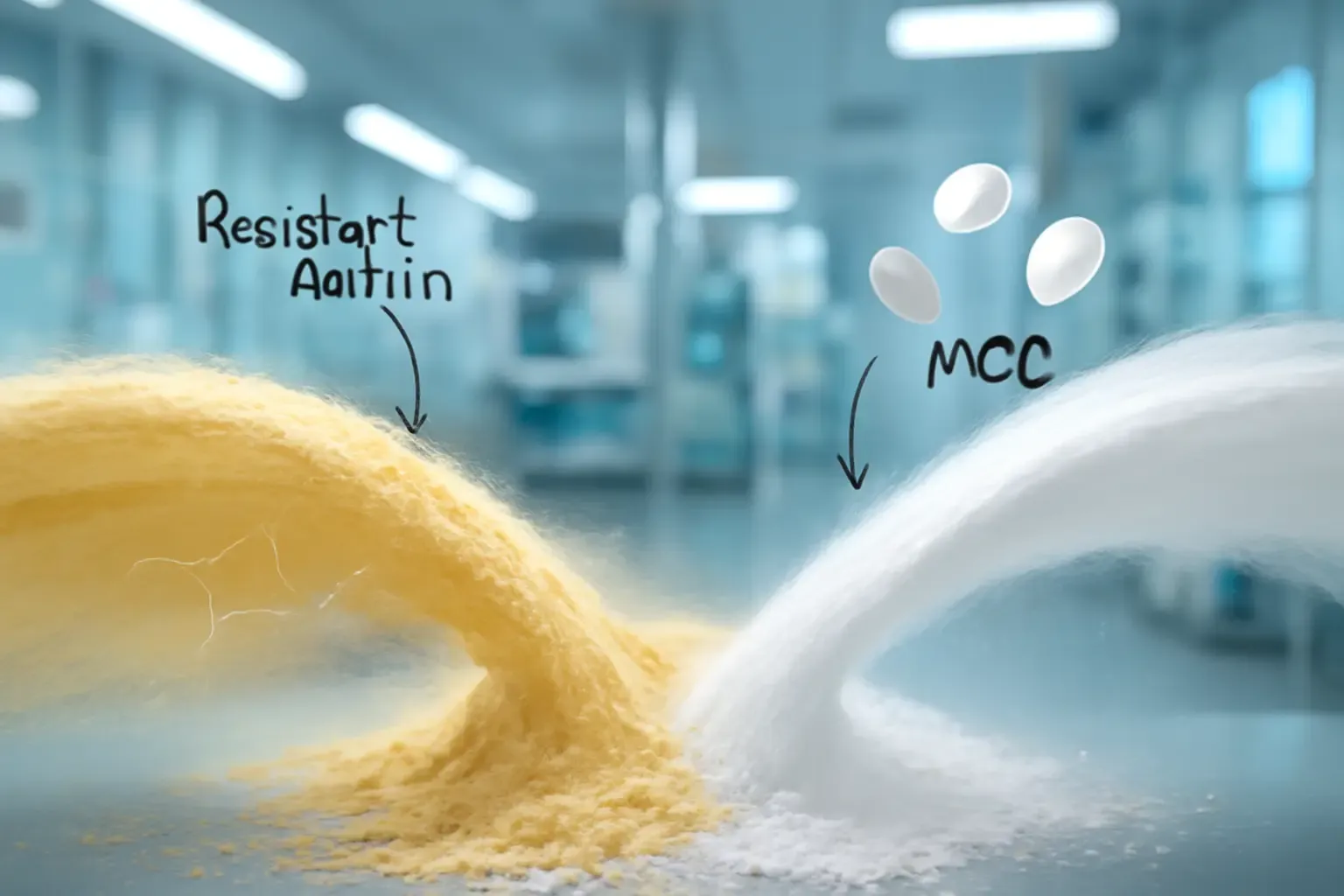
Fiber is no longer a “nice-to-have” claim—it is becoming a portfolio-level design choice . At the same time, supplement formats continue to diversify (tablets, capsules, gummies, sticks), which quietly raises the importance of excipients such as microcrystalline cellulose (MCC) . For buyers, that co

Dietary fiber is no longer a “nice-to-have” claim—buyers are now treating it like a platform ingredient that has to work across formats, from ready-to-mix powders to shelf-stable beverages. At the same time, nutraceutical brands are tightening their excipient standards as tablets, stick packs, and c
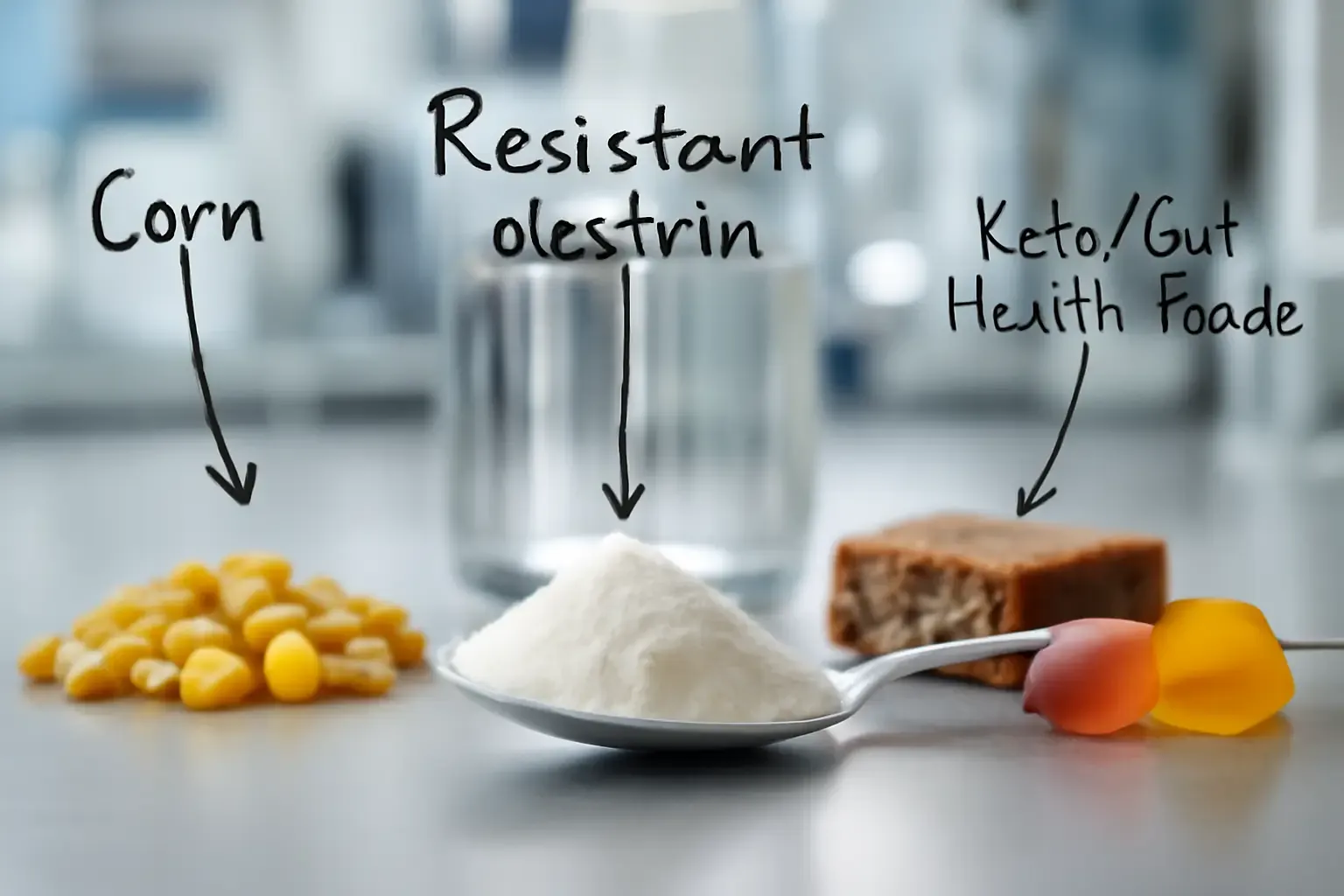
Consumer interest in gut health and sugar reduction is pushing brands to rethink how they add fiber without sacrificing taste, clarity, or texture. One of the clearest shifts in the current food and beverage landscape is the move from generic fiber supplementation to selecting specific soluble fiber
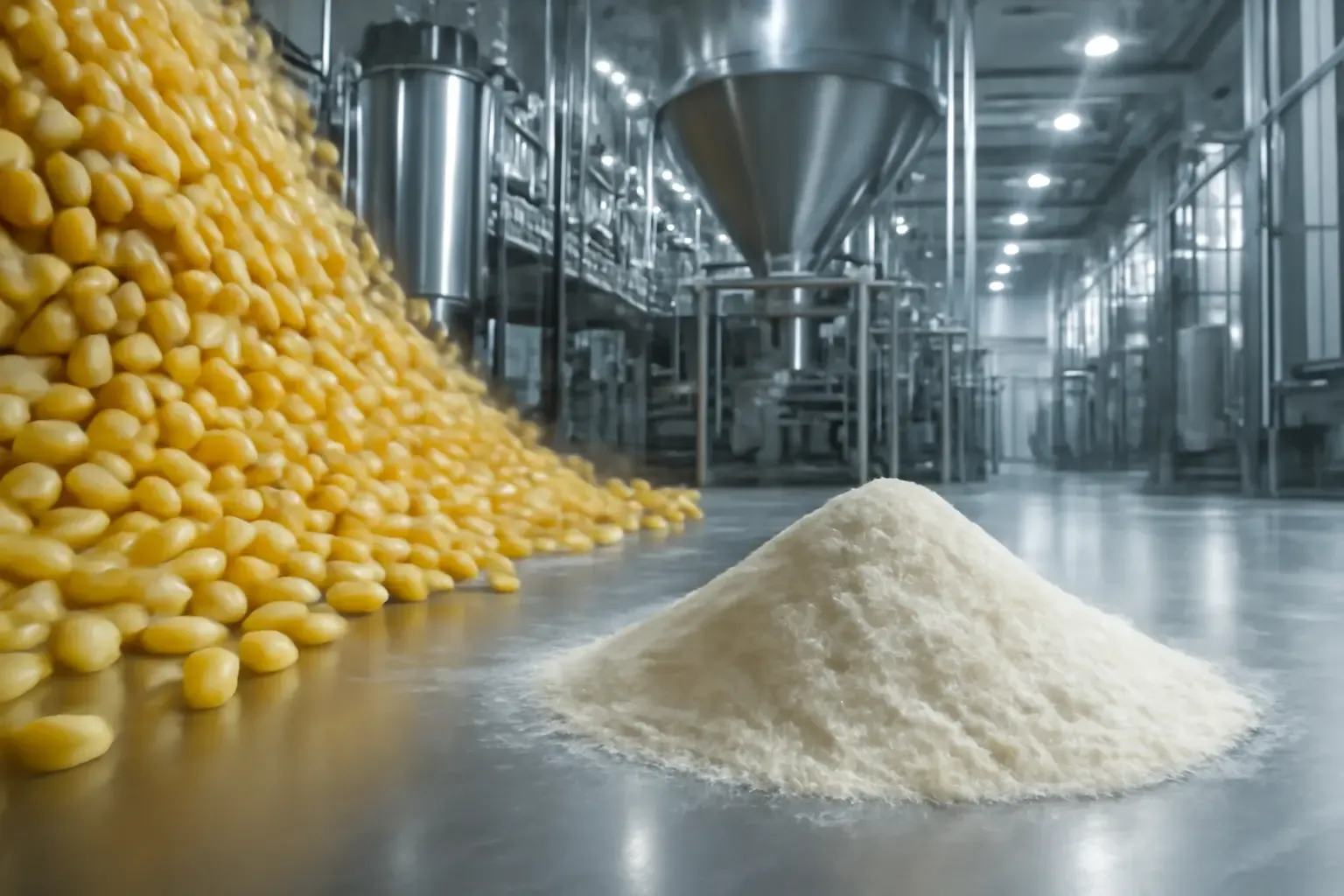
Dietary fibers and excipients are rarely the headline ingredient in a formula, but they often decide whether a launch scales smoothly—or bleeds money through rework, inconsistent performance, and avoidable freight. For many procurement teams, resistant dextrin has become a go-to option for low-calor

Clean-label nutraceuticals are no longer a niche, and “fibremaxxing” has turned soluble fiber into an everyday talking point—especially among younger consumers. For procurement teams, the shift is practical: resistant dextrin and microcrystalline cellulose (MCC) are being evaluated less like commodi
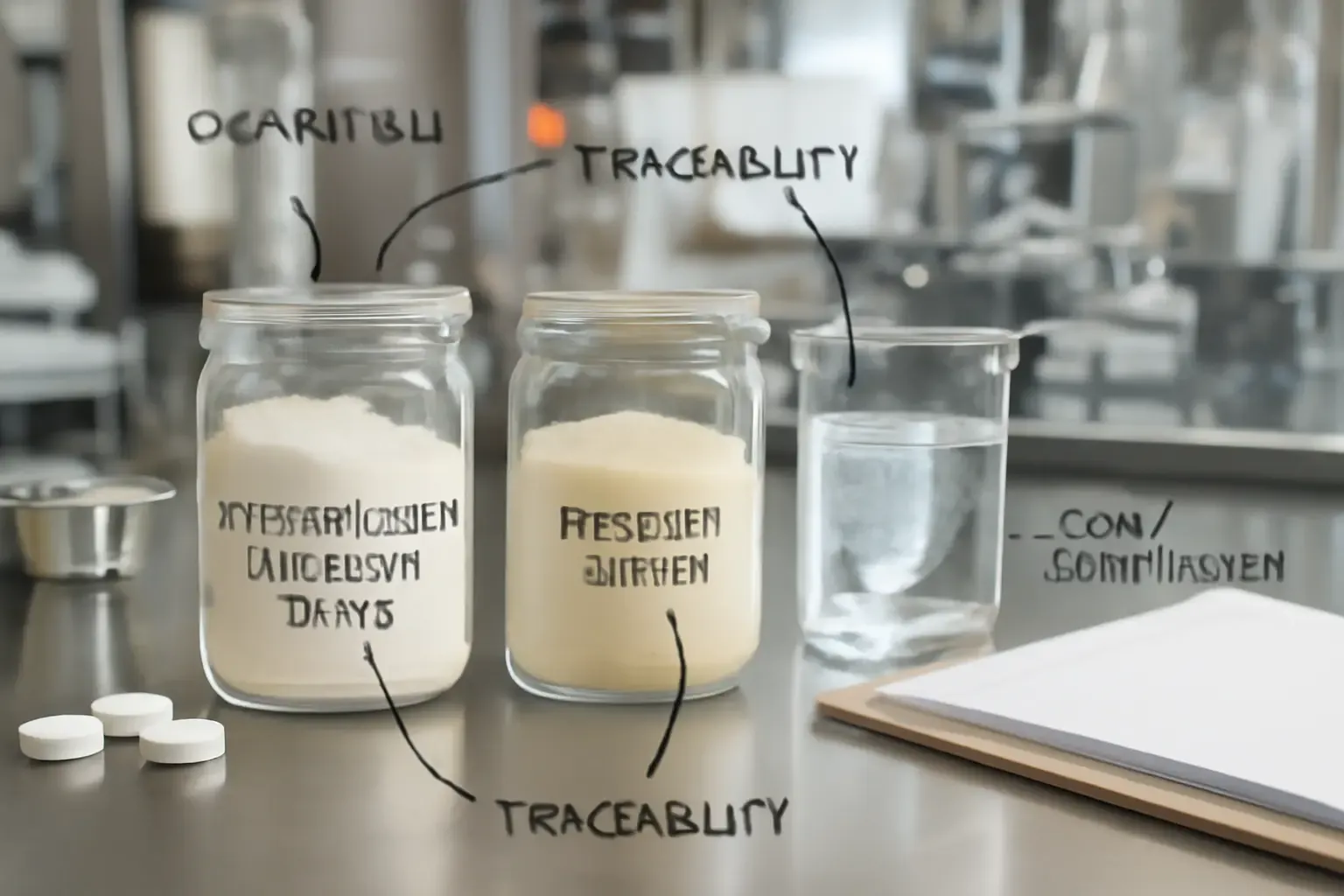
Procurement teams sourcing microcrystalline cellulose (MCC) and resistant dextrin from China are raising the bar. While price remains a factor, the real differentiator today is whether a supplier can prove consistent performance through automation, traceable processes, and testable specs. This guide

Global procurement teams sourcing functional ingredients in Asia have started to judge suppliers on more than price and a basic COA. For categories like microcrystalline cellulose (MCC) , resistant dextrin , and polydextrose , buyers increasingly expect a knowledge partner : a manufacturer that can
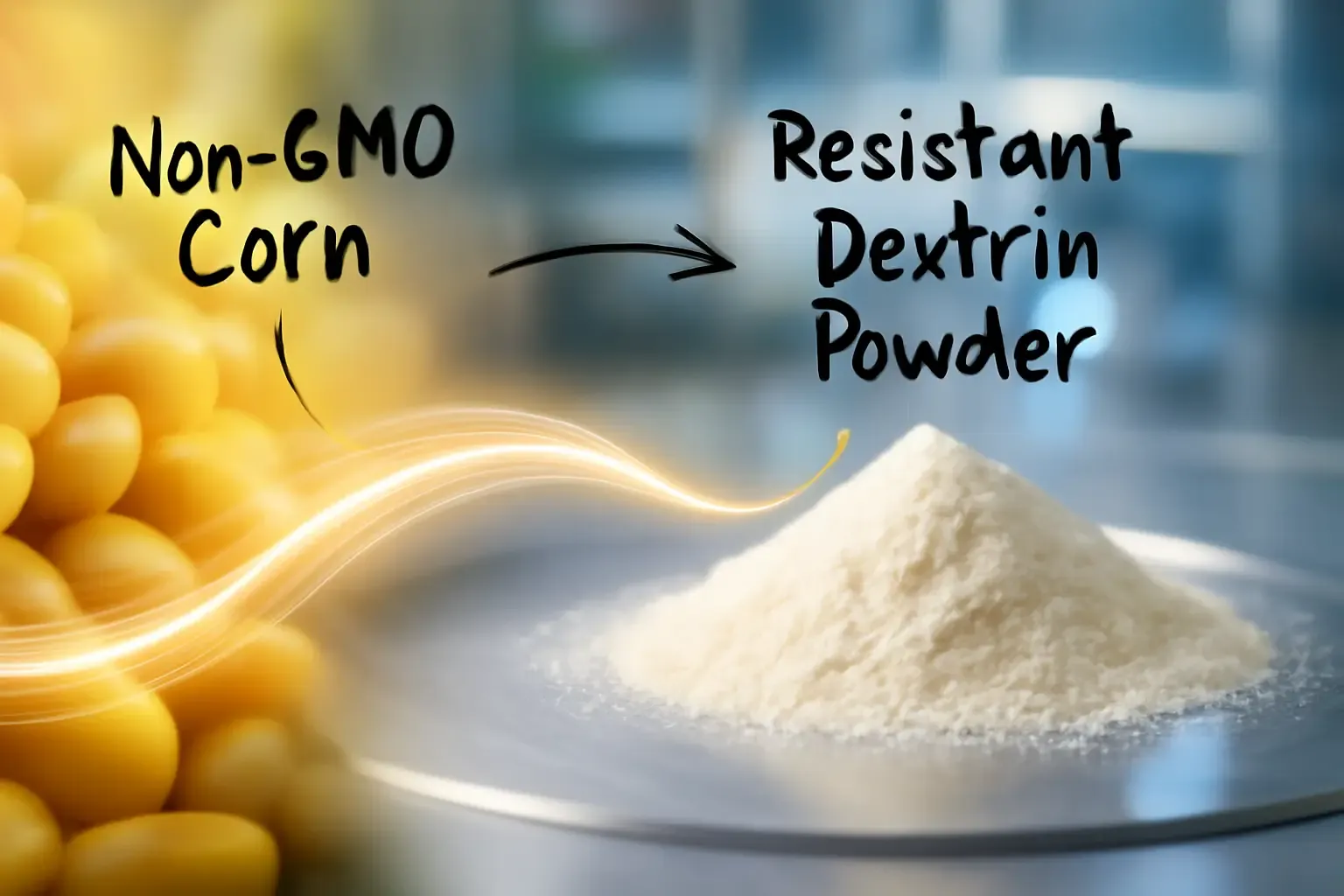
Global buyers no longer treat soluble fiber as a commodity. In today’s clean-label and performance-driven market, the difference between a routine purchase and a successful long-term partnership often shows up in the details : raw-material claims, process control, and how a supplier explains its sci
Dietary fiber and microcrystalline cellulose (MCC) keep showing up in the same product briefs for a simple reason: brands want clean-label functional foods and reliable solid-dose supplements simultaneously. That reality changes how procurement teams evaluate a resistant dextrin supplier and a micro
proof now matters more than promises—especially when sourcing microcrystalline cellulose (MCC) for pharmaceutical formulations and resistant dextrin for nutrition-focused foods and supplements. Buyers are no longer selecting suppliers based only on price, capacity, or lead time. Instead, they are sc
Procurement teams sourcing functional fibers and excipients from China are entering a new phase. Price still matters, but manufacturing proof increasingly decides whether a supplier gets approved—especially for resistant dextrin, non-GMO soluble corn fiber, and microcrystalline cellulose (MCC). Clea
Dietary fiber is moving from a mere marketing claim to a core product strategy in 2026—especially in weight management powders, keto-friendly foods, fiber-fortified confectionery, and gut-health supplements. Procurement teams are scrutinizing not only price and lead time but also the evidence behind
Fiber is no longer a “nice-to-have” claim—it is becoming a portfolio-level design choice . At the same time, supplement formats continue to diversify (tablets, capsules, gummies, sticks), which quietly raises the importance of excipients such as microcrystalline cellulose (MCC) . For buyers, that co
Dietary fiber is no longer a “nice-to-have” claim—buyers are now treating it like a platform ingredient that has to work across formats, from ready-to-mix powders to shelf-stable beverages. At the same time, nutraceutical brands are tightening their excipient standards as tablets, stick packs, and c
Consumer interest in gut health and sugar reduction is pushing brands to rethink how they add fiber without sacrificing taste, clarity, or texture. One of the clearest shifts in the current food and beverage landscape is the move from generic fiber supplementation to selecting specific soluble fiber
Dietary fibers and excipients are rarely the headline ingredient in a formula, but they often decide whether a launch scales smoothly—or bleeds money through rework, inconsistent performance, and avoidable freight. For many procurement teams, resistant dextrin has become a go-to option for low-calor
Clean-label nutraceuticals are no longer a niche, and “fibremaxxing” has turned soluble fiber into an everyday talking point—especially among younger consumers. For procurement teams, the shift is practical: resistant dextrin and microcrystalline cellulose (MCC) are being evaluated less like commodi
Procurement teams sourcing microcrystalline cellulose (MCC) and resistant dextrin from China are raising the bar. While price remains a factor, the real differentiator today is whether a supplier can prove consistent performance through automation, traceable processes, and testable specs. This guide
Global procurement teams sourcing functional ingredients in Asia have started to judge suppliers on more than price and a basic COA. For categories like microcrystalline cellulose (MCC) , resistant dextrin , and polydextrose , buyers increasingly expect a knowledge partner : a manufacturer that can
Global buyers no longer treat soluble fiber as a commodity. In today’s clean-label and performance-driven market, the difference between a routine purchase and a successful long-term partnership often shows up in the details : raw-material claims, process control, and how a supplier explains its sci