

Resistant dextrin and microcrystalline cellulose ( MCC ) used to sit in separate corners of formulation work — the former for nutrition and beverages, the latter mostly for tablets and capsules. That boundary is blurring fast. As brands pursue sugar reduction , gentler fiber blending , and more reli

Procurement teams are reevaluating two crucial ingredients now central to product innovation: microcrystalline cellulose (MCC) for solid dosage forms and resistant dextrin for fiber-rich foods and beverages. As the demand grows for tablets that run smoothly on modern equipment—and for dietary fiber

Procurement teams are treating microcrystalline cellulose and resistant dextrin less like interchangeable commodities and more like “process-dependent ingredients.” It’s simple: as buyers launch more reduced-sugar , high-fiber , and audit-ready products, supplier lists are simultaneously being conso

Sourcing microcrystalline cellulose (MCC) and resistant dextrin from China is no longer a simple price-and-lead-time exercise. As brands push for tighter batch consistency, cleaner labels, and faster scale-ups, buyers increasingly define a recommended Chinese microcrystalline cellulose manufacturer

The microcrystalline cellulose market continues to expand, with its center of gravity clearly shifting towards Asia-Pacific capacity and expertise. At the same time, food and nutrition brands are under pressure to deliver lower sugar and higher fiber products without sacrificing processing stability

In the rapidly expanding markets for functional foods and nutraceuticals, resistant dextrin and microcrystalline cellulose (MCC) are crucial components. Procurement teams face increasing pressure to secure high-quality ingredients that meet stringent label claims and production demands. This guide e

In 2026, ingredient sourcing is being reshaped by forces that rarely show up on a quote sheet: sugar-reduction trends , gut-health positioning , stricter pet-nutrition QA , and a persistent push toward automation and traceability . In that context, two "quiet workhorses" keep appearing in R&D pipeli

Procurement teams used to treat resistant dextrin and microcrystalline cellulose (MCC) as straightforward line items—get a compliant spec sheet, confirm price, and ship. That approach is fading fast. Fiber-forward product launches (often framed as “fiber is the next protein”) are raising the cost of

Global buyers are revisiting China not just for price, but for the steady upgrade of microcrystalline cellulose and resistant dextrin production—automation, tighter in‑process control, stronger QC labs, and more export-ready documentation. For procurement teams, that shift changes what “good” looks

The landscape of functional ingredients is evolving rapidly. Resistant dextrin has transitioned from a generic "add-any-fiber" option to a highly spec-driven component, evaluated with the same rigorous discipline as any primary functional active. Recent prebiotic reviews and glycemic-control data fr
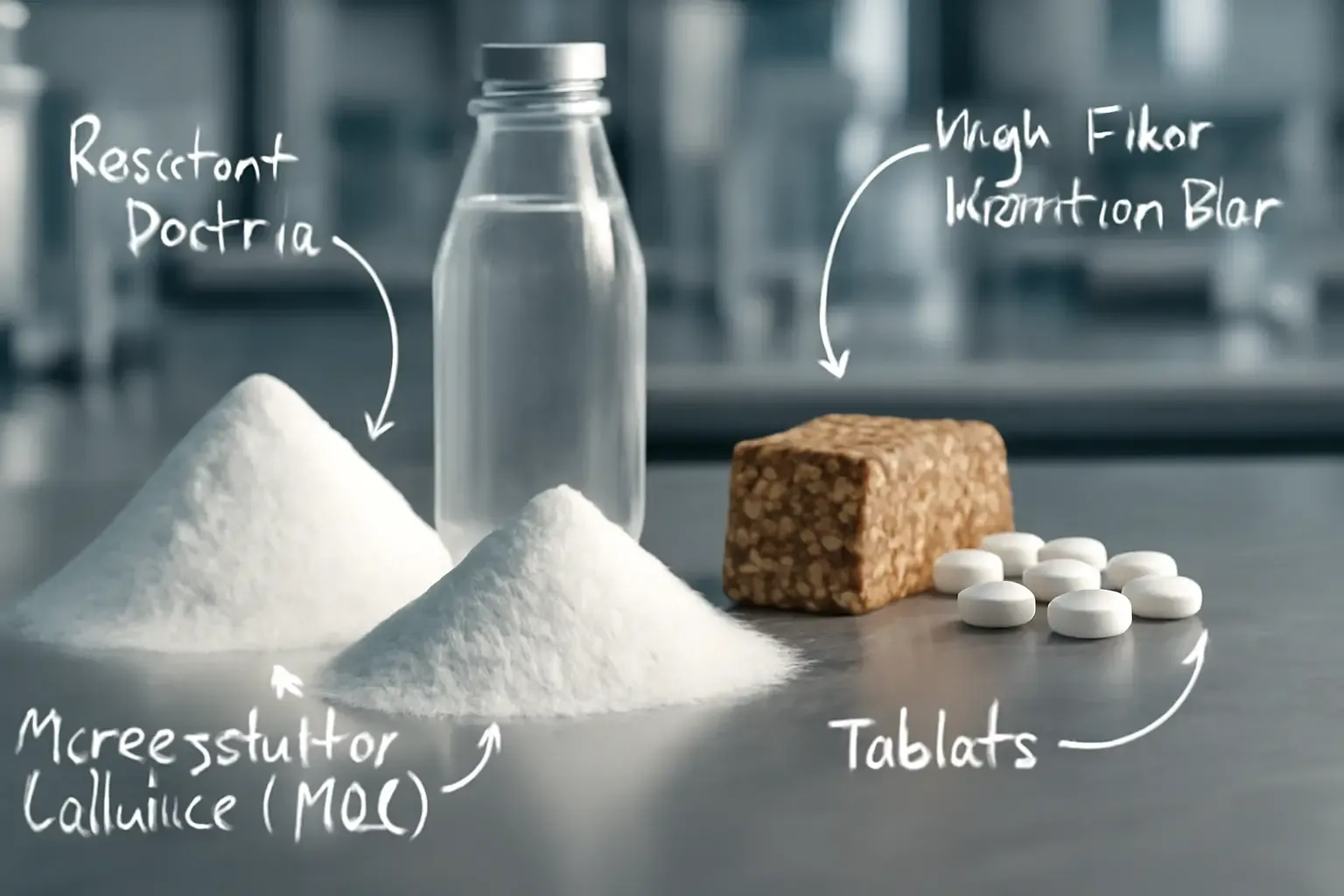
Fiber is moving from a “nice-to-have” claim into a design constraint for mainstream product lines—especially in beverages, snack formats, and nutrition supplements. For procurement teams, that shift changes the conversation: it’s no longer only about adding fiber, but about choosing a soluble fiber
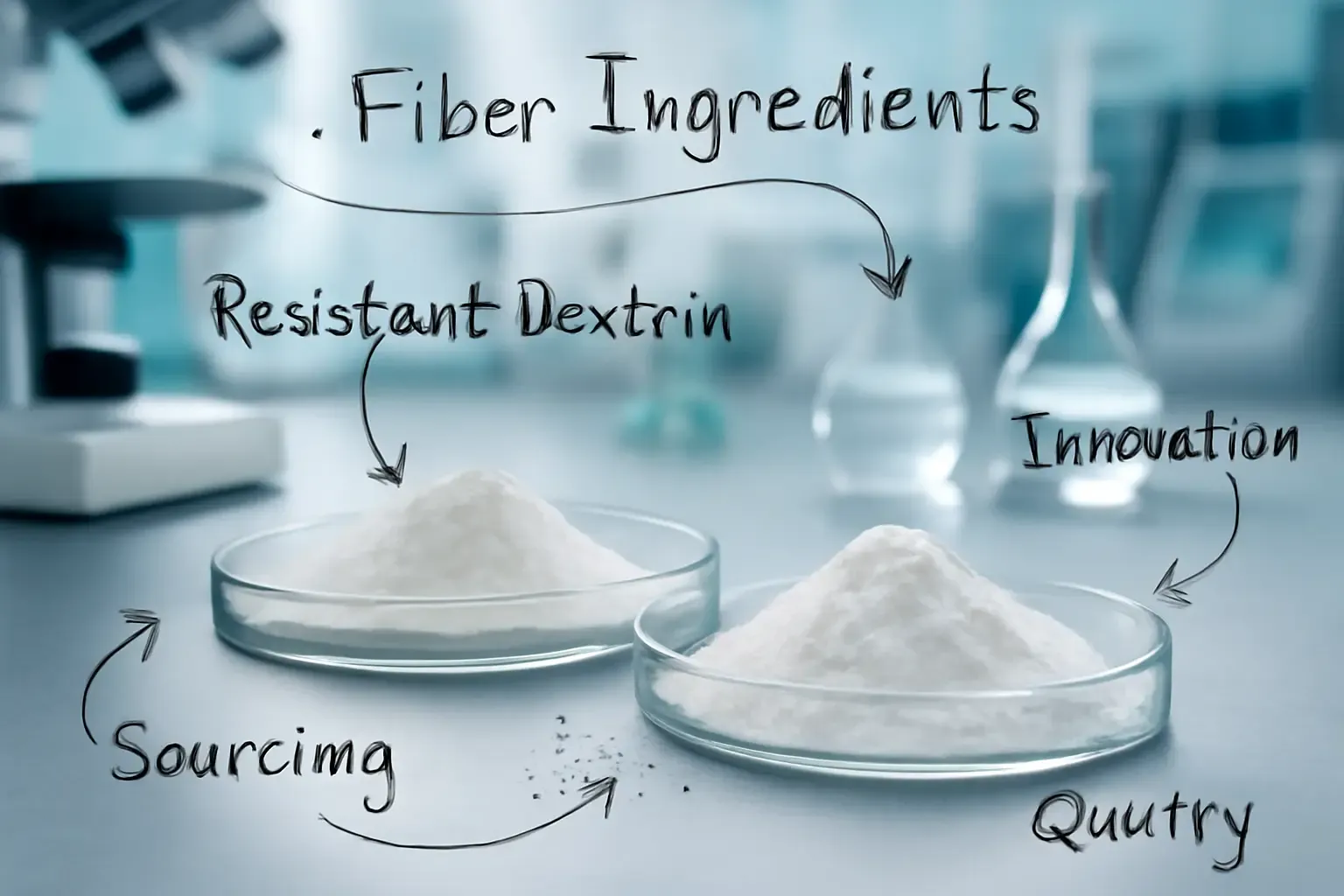
Fiber has moved from a mere nutrition claim to a fundamental product design requirement. In practice, that shift is changing how procurement teams build ingredient strategies—especially for resistant dextrin (often marketed as digestion-resistant maltodextrin or soluble corn/tapioca fiber) and micro
Resistant dextrin and microcrystalline cellulose ( MCC ) used to sit in separate corners of formulation work — the former for nutrition and beverages, the latter mostly for tablets and capsules. That boundary is blurring fast. As brands pursue sugar reduction , gentler fiber blending , and more reli
Procurement teams are reevaluating two crucial ingredients now central to product innovation: microcrystalline cellulose (MCC) for solid dosage forms and resistant dextrin for fiber-rich foods and beverages. As the demand grows for tablets that run smoothly on modern equipment—and for dietary fiber
Procurement teams are treating microcrystalline cellulose and resistant dextrin less like interchangeable commodities and more like “process-dependent ingredients.” It’s simple: as buyers launch more reduced-sugar , high-fiber , and audit-ready products, supplier lists are simultaneously being conso
Sourcing microcrystalline cellulose (MCC) and resistant dextrin from China is no longer a simple price-and-lead-time exercise. As brands push for tighter batch consistency, cleaner labels, and faster scale-ups, buyers increasingly define a recommended Chinese microcrystalline cellulose manufacturer
The microcrystalline cellulose market continues to expand, with its center of gravity clearly shifting towards Asia-Pacific capacity and expertise. At the same time, food and nutrition brands are under pressure to deliver lower sugar and higher fiber products without sacrificing processing stability
In the rapidly expanding markets for functional foods and nutraceuticals, resistant dextrin and microcrystalline cellulose (MCC) are crucial components. Procurement teams face increasing pressure to secure high-quality ingredients that meet stringent label claims and production demands. This guide e
In 2026, ingredient sourcing is being reshaped by forces that rarely show up on a quote sheet: sugar-reduction trends , gut-health positioning , stricter pet-nutrition QA , and a persistent push toward automation and traceability . In that context, two "quiet workhorses" keep appearing in R&D pipeli
Procurement teams used to treat resistant dextrin and microcrystalline cellulose (MCC) as straightforward line items—get a compliant spec sheet, confirm price, and ship. That approach is fading fast. Fiber-forward product launches (often framed as “fiber is the next protein”) are raising the cost of
Global buyers are revisiting China not just for price, but for the steady upgrade of microcrystalline cellulose and resistant dextrin production—automation, tighter in‑process control, stronger QC labs, and more export-ready documentation. For procurement teams, that shift changes what “good” looks
The landscape of functional ingredients is evolving rapidly. Resistant dextrin has transitioned from a generic "add-any-fiber" option to a highly spec-driven component, evaluated with the same rigorous discipline as any primary functional active. Recent prebiotic reviews and glycemic-control data fr
Fiber is moving from a “nice-to-have” claim into a design constraint for mainstream product lines—especially in beverages, snack formats, and nutrition supplements. For procurement teams, that shift changes the conversation: it’s no longer only about adding fiber, but about choosing a soluble fiber
Fiber has moved from a mere nutrition claim to a fundamental product design requirement. In practice, that shift is changing how procurement teams build ingredient strategies—especially for resistant dextrin (often marketed as digestion-resistant maltodextrin or soluble corn/tapioca fiber) and micro





