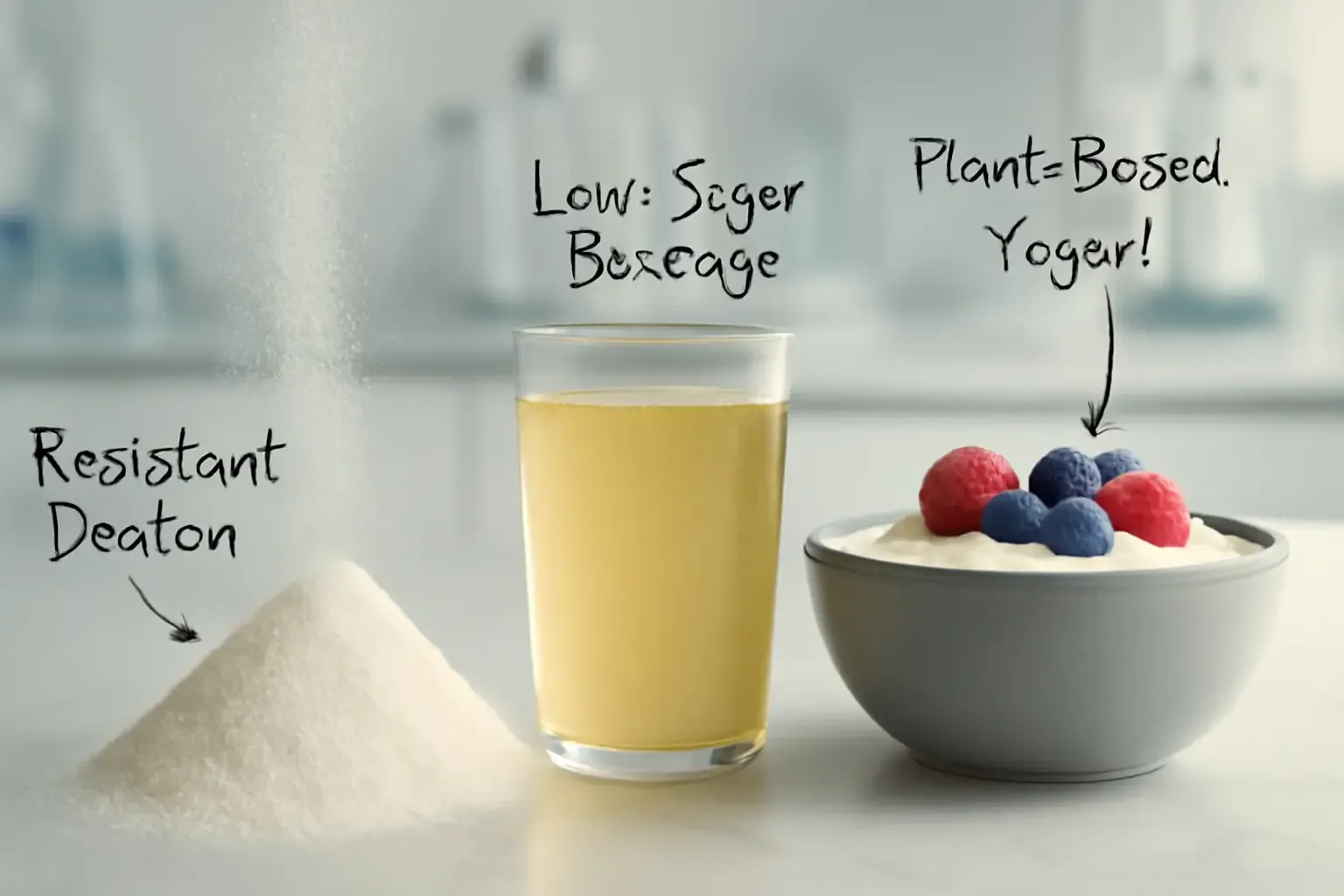
As “fibermaxxing” moves from niche wellness circles into mainstream shopping carts, two product categories are absorbing the impact fastest: low-sugar ready-to-drink (RTD) beverages and plant-based dairy . Both categories are under pressure to deliver cleaner labels, better texture, and measurable n
The landscape of functional ingredients is evolving rapidly. Resistant dextrin has transitioned from a generic "add-any-fiber" option to a highly spec-driven component, evaluated with the same rigorous discipline as any primary functional active. Recent prebiotic reviews and glycemic-control data fr
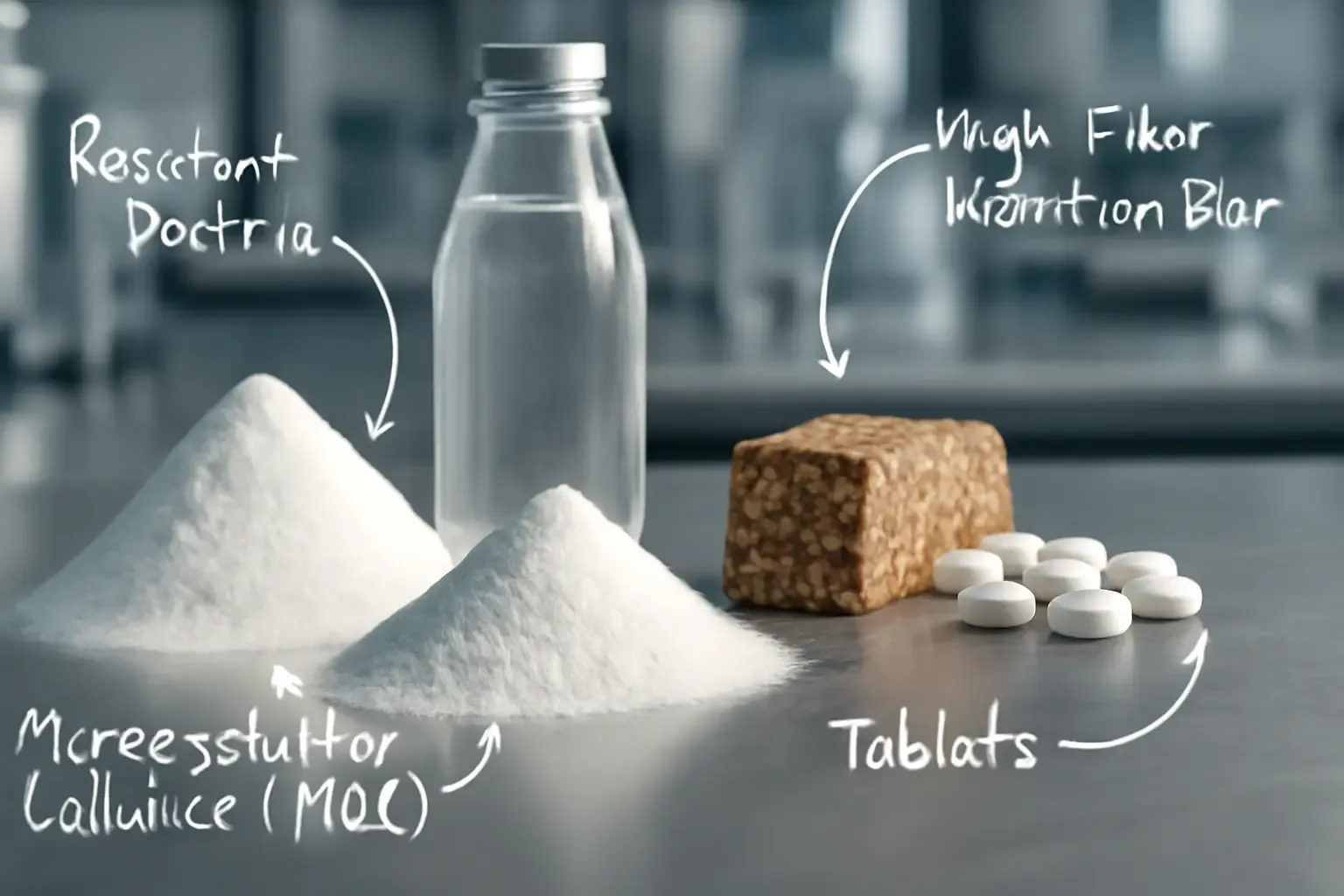
Fiber is moving from a “nice-to-have” claim into a design constraint for mainstream product lines—especially in beverages, snack formats, and nutrition supplements. For procurement teams, that shift changes the conversation: it’s no longer only about adding fiber, but about choosing a soluble fiber
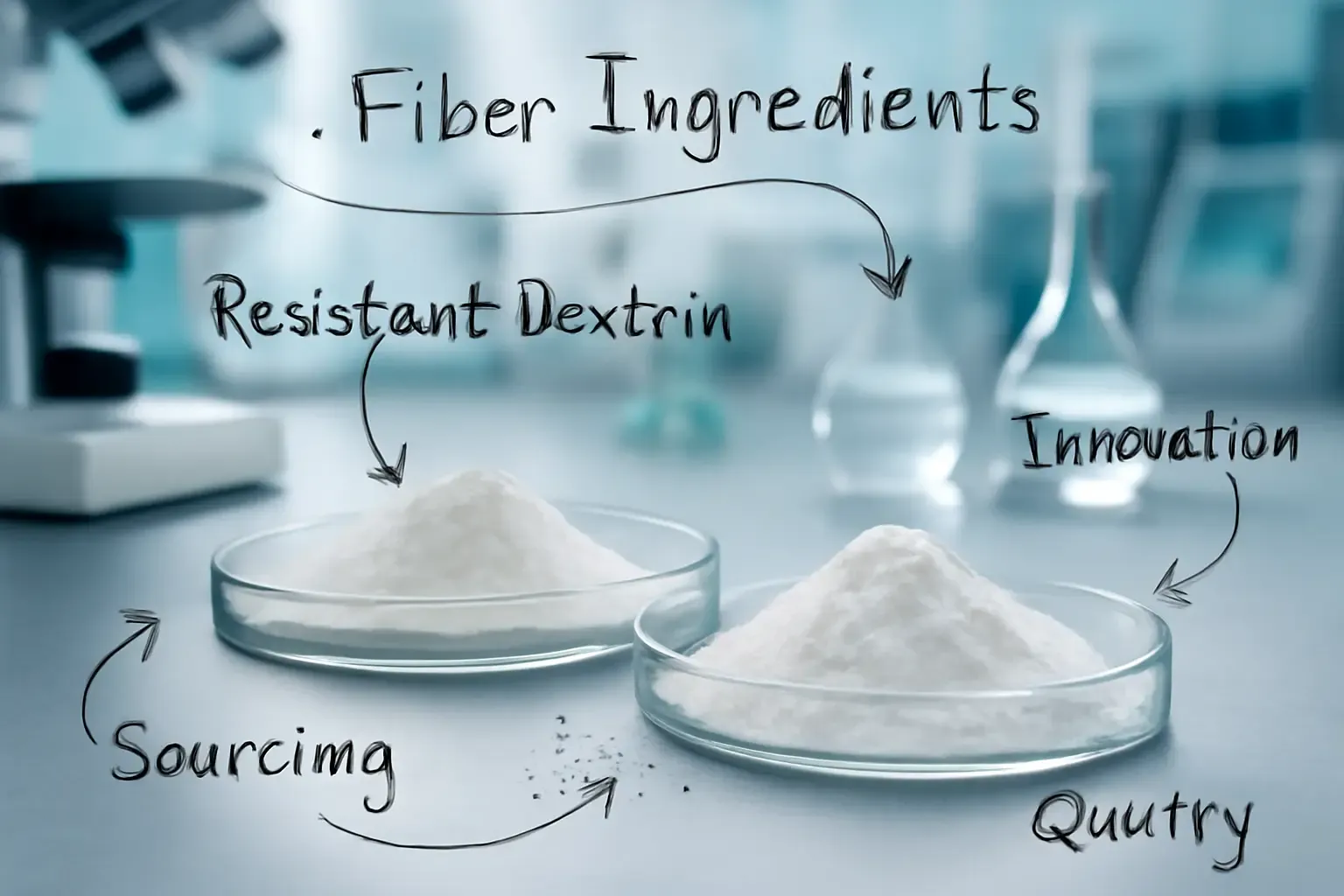
Fiber has moved from a mere nutrition claim to a fundamental product design requirement. In practice, that shift is changing how procurement teams build ingredient strategies—especially for resistant dextrin (often marketed as digestion-resistant maltodextrin or soluble corn/tapioca fiber) and micro

Functional fiber is no longer a niche add-on—it is becoming a core design constraint in everyday foods, from RTD beverages to dairy and dietary supplements. That shift is fundamentally changing how procurement teams compare a resistant dextrin supplier China versus a soluble corn fiber manufacturer
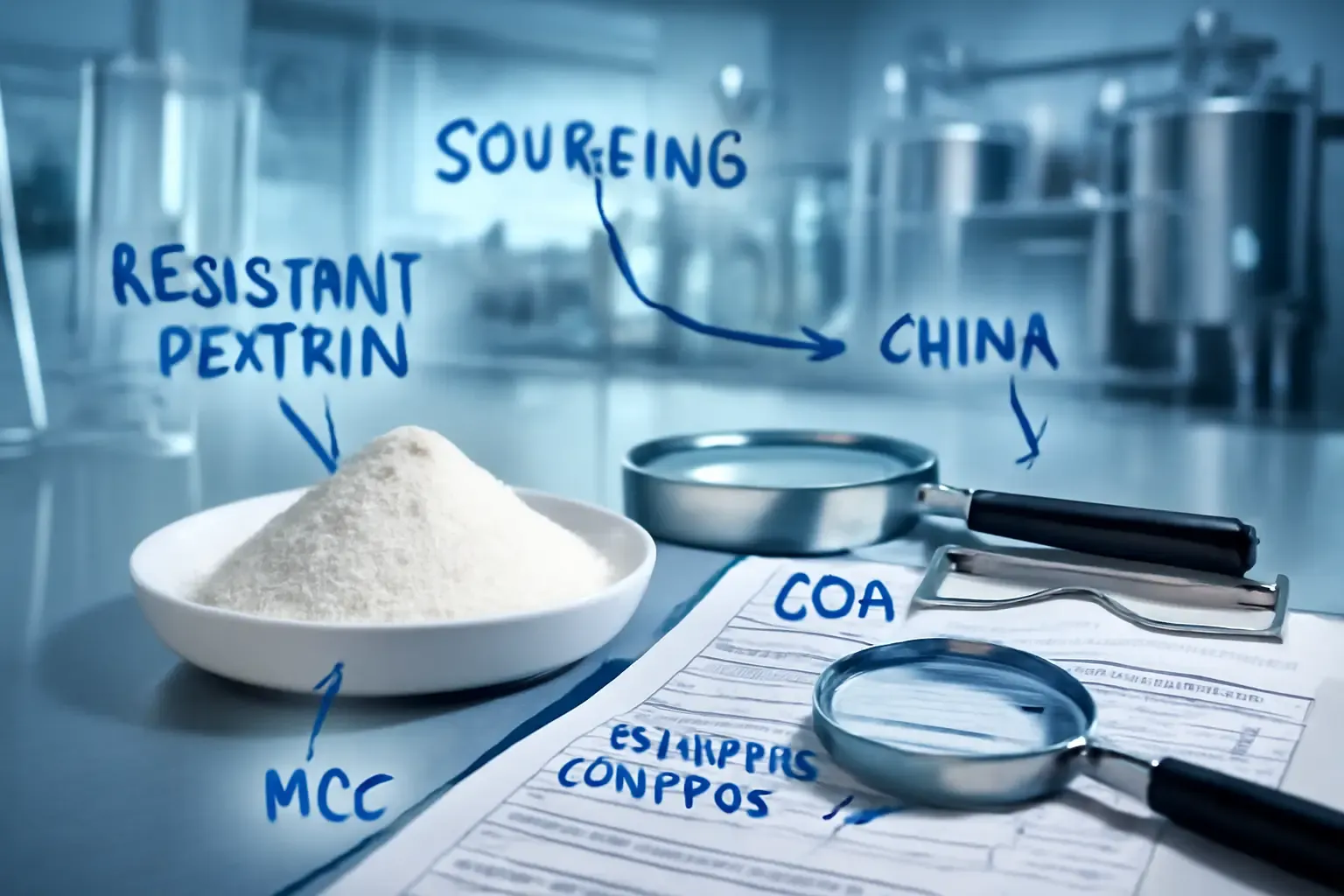
Dietary fiber has transitioned from a niche nutritional bonus to a fundamental product promise across the global food and pharmaceutical sectors. As more brands launch high-fiber beverages, functional powders, gummies, and specialized tablets, procurement teams are actively redefining what a "recomm

Global demand for prebiotic soluble fiber is no longer just a nutrition trend—it is a formulation constraint that procurement teams have to manage. Brands want more fiber, fewer calories, cleaner labels, and fewer sensory tradeoffs in beverages, dairy, baked goods, and nutrition powders. That combin
Global demand for prebiotic soluble fiber and pharmaceutical-grade excipients is pushing buyers to look beyond price lists. If you are qualifying a resistant dextrin supplier in China for beverages, supplements, or nutrition powders, or comparing a microcrystalline cellulose supplier for tablets and

Fiber is moving from a simple addition to a strategic macronutrient. This shift fundamentally changes how procurement teams qualify suppliers. Instead of buying on price alone, global brands increasingly treat **resistant dextrin** (often marketed as **soluble corn fiber** or **resistant maltodextri
Global demand for **low-sugar, fiber-forward foods** and **high-performing excipients** keeps rising, but procurement teams still face the same headache: dozens of "similar" quotes that hide major differences in process control, batch consistency, and audit readiness. In practice, the most reliable

Dietary fiber is no longer a “nice-to-have” label add-on—it is increasingly treated as an indispensable infrastructure ingredient for modern product renovation. As 2026 planning cycles ramp up, more brands are building fiber into low-sugar beverages, bakery items, nutrition bars, and supplement form
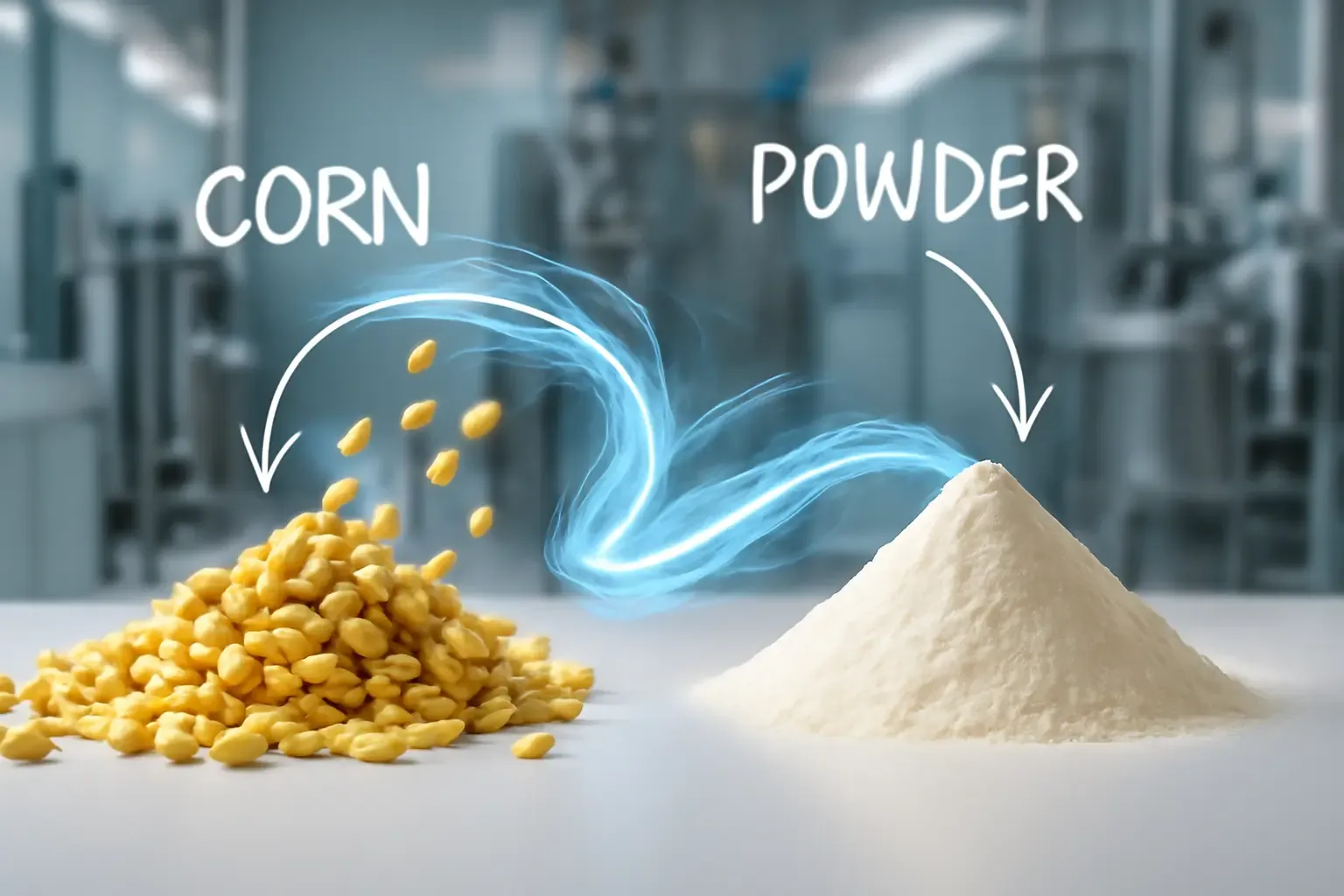
Procurement teams historically treated China primarily as a price-driven origin for dietary fibers and pharmaceutical excipients. That traditional playbook is rapidly becoming outdated in the global supply chain. For today’s export-facing manufacturing plants, the true competitive edge is increasing
As “fibermaxxing” moves from niche wellness circles into mainstream shopping carts, two product categories are absorbing the impact fastest: low-sugar ready-to-drink (RTD) beverages and plant-based dairy . Both categories are under pressure to deliver cleaner labels, better texture, and measurable n
The landscape of functional ingredients is evolving rapidly. Resistant dextrin has transitioned from a generic "add-any-fiber" option to a highly spec-driven component, evaluated with the same rigorous discipline as any primary functional active. Recent prebiotic reviews and glycemic-control data fr
Fiber is moving from a “nice-to-have” claim into a design constraint for mainstream product lines—especially in beverages, snack formats, and nutrition supplements. For procurement teams, that shift changes the conversation: it’s no longer only about adding fiber, but about choosing a soluble fiber
Fiber has moved from a mere nutrition claim to a fundamental product design requirement. In practice, that shift is changing how procurement teams build ingredient strategies—especially for resistant dextrin (often marketed as digestion-resistant maltodextrin or soluble corn/tapioca fiber) and micro
Functional fiber is no longer a niche add-on—it is becoming a core design constraint in everyday foods, from RTD beverages to dairy and dietary supplements. That shift is fundamentally changing how procurement teams compare a resistant dextrin supplier China versus a soluble corn fiber manufacturer
Dietary fiber has transitioned from a niche nutritional bonus to a fundamental product promise across the global food and pharmaceutical sectors. As more brands launch high-fiber beverages, functional powders, gummies, and specialized tablets, procurement teams are actively redefining what a "recomm
Global demand for prebiotic soluble fiber is no longer just a nutrition trend—it is a formulation constraint that procurement teams have to manage. Brands want more fiber, fewer calories, cleaner labels, and fewer sensory tradeoffs in beverages, dairy, baked goods, and nutrition powders. That combin
Global demand for prebiotic soluble fiber and pharmaceutical-grade excipients is pushing buyers to look beyond price lists. If you are qualifying a resistant dextrin supplier in China for beverages, supplements, or nutrition powders, or comparing a microcrystalline cellulose supplier for tablets and
Fiber is moving from a simple addition to a strategic macronutrient. This shift fundamentally changes how procurement teams qualify suppliers. Instead of buying on price alone, global brands increasingly treat **resistant dextrin** (often marketed as **soluble corn fiber** or **resistant maltodextri
Global demand for **low-sugar, fiber-forward foods** and **high-performing excipients** keeps rising, but procurement teams still face the same headache: dozens of "similar" quotes that hide major differences in process control, batch consistency, and audit readiness. In practice, the most reliable
Dietary fiber is no longer a “nice-to-have” label add-on—it is increasingly treated as an indispensable infrastructure ingredient for modern product renovation. As 2026 planning cycles ramp up, more brands are building fiber into low-sugar beverages, bakery items, nutrition bars, and supplement form
Procurement teams historically treated China primarily as a price-driven origin for dietary fibers and pharmaceutical excipients. That traditional playbook is rapidly becoming outdated in the global supply chain. For today’s export-facing manufacturing plants, the true competitive edge is increasing