
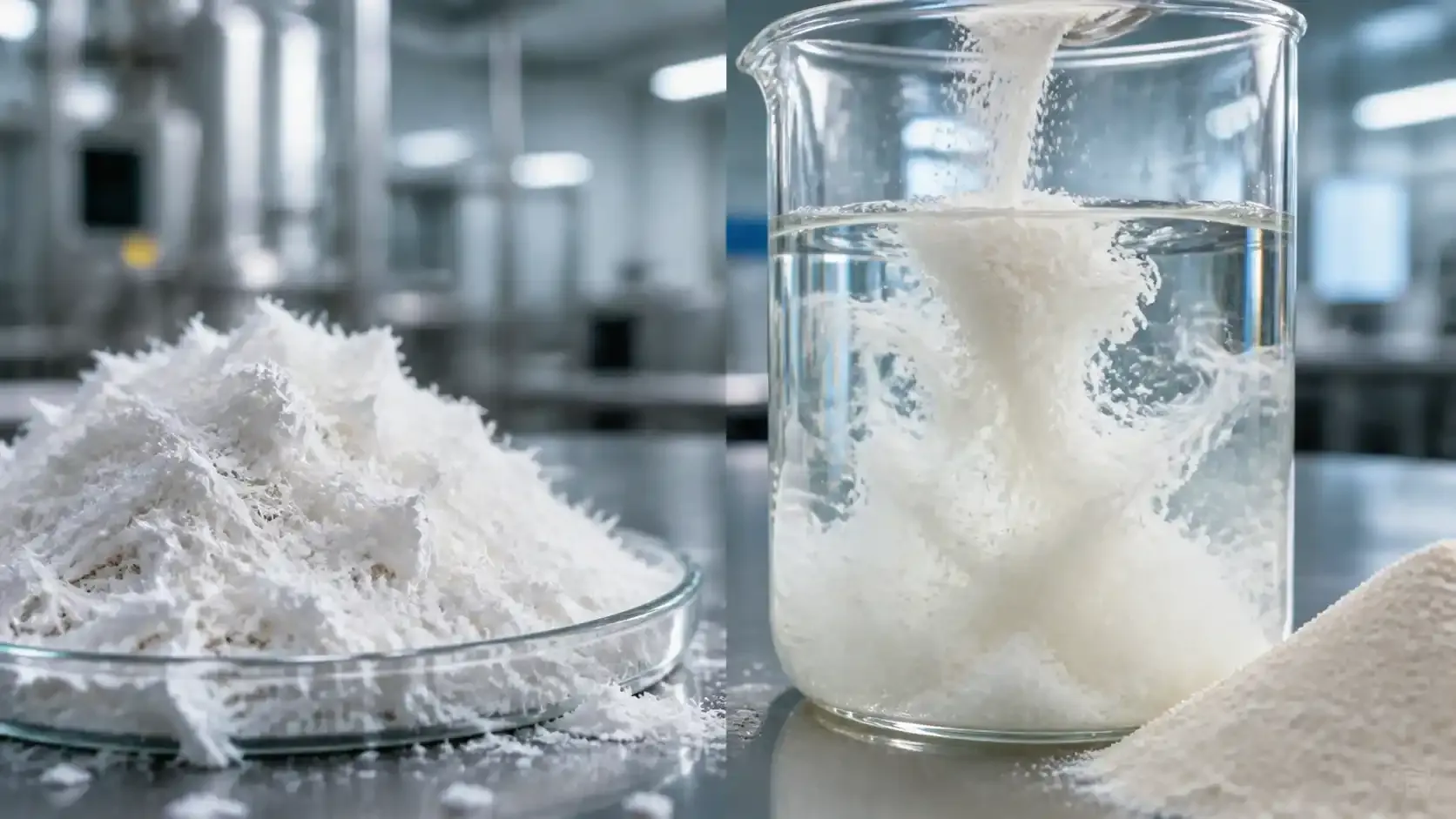
Procurement teams often source microcrystalline cellulose and resistant dextrin from China for the same reason: capacity, competitive conversion costs, and increasingly modern production management. The risk is treating both as “just powders” and approving suppliers based on price alone. A recommend

Global demand is pushing both microcrystalline cellulose and resistant dextrin from “routine inputs” into strategic ingredients that can decide whether a launch scales smoothly. Market summaries published in mid‑2026 project MCC growth at roughly 6–9% CAGR into the early 2030s, while resistant dextr

Global “fibre-forward” product launches are moving fast, but sourcing teams are moving faster. In 2026, the phrase recommended Chinese resistant dextrin manufacturer is no longer a marketing label—it is a risk standard. Buyers want a China resistant dextrin supplier that can prove non-GMO raw materi

Global interest in gut health and fiber-forward, clean-label products is reshaping how procurement teams approve suppliers. For many buyers, China has become a practical sourcing base for microcrystalline cellulose (MCC) and resistant dextrin —but the supplier spread is wide, and “similar-looking po

The global fiber boom is turning once-routine ingredient purchases into strategic sourcing decisions. With forecasts pointing to a fast-expanding dietary fiber market through 2036 and consumer “fibre surge” behavior already visible in 2026, procurement teams are being asked to secure reliable solubl

Procurement teams increasingly want one qualification approach that works for both tablet excipients and functional fibers. That sounds simple—until a single change in particle size distribution impacts tablet compression, or a small shift in fiber content affects a “high-fiber” claim. When sourcing

Resistant dextrin and microcrystalline cellulose are often purchased for very different reasons, yet they end up on the same procurement shortlists: one supports soluble dietary fiber claims and beverage clarity, while the other supports tablet strength, flow, and compression. For buyers, the real r

Soluble fiber demand is no longer a “nice-to-have” story—it is turning into a sourcing and quality-control problem that ingredient buyers must solve. As more brands move toward gut-health positioning, lower sugar, and better texture in plant-based products, two ingredients keep showing up on formula

Procurement teams often treat MCC and resistant dextrin as “commodity” inputs—until a lot fails a pilot run, a label claim becomes hard to defend, or documentation arrives too late to clear import review. When sourcing from a China microcrystalline cellulose supplier or a resistant dextrin supplier

Overseas buyers are no longer just sourcing ingredients—they are actively sourcing predictability . The exact same soluble fiber can perform drastically differently depending on the supplier. Ultimately, these differences surface where it hurts the most: consumer digestive tolerance, accurate label
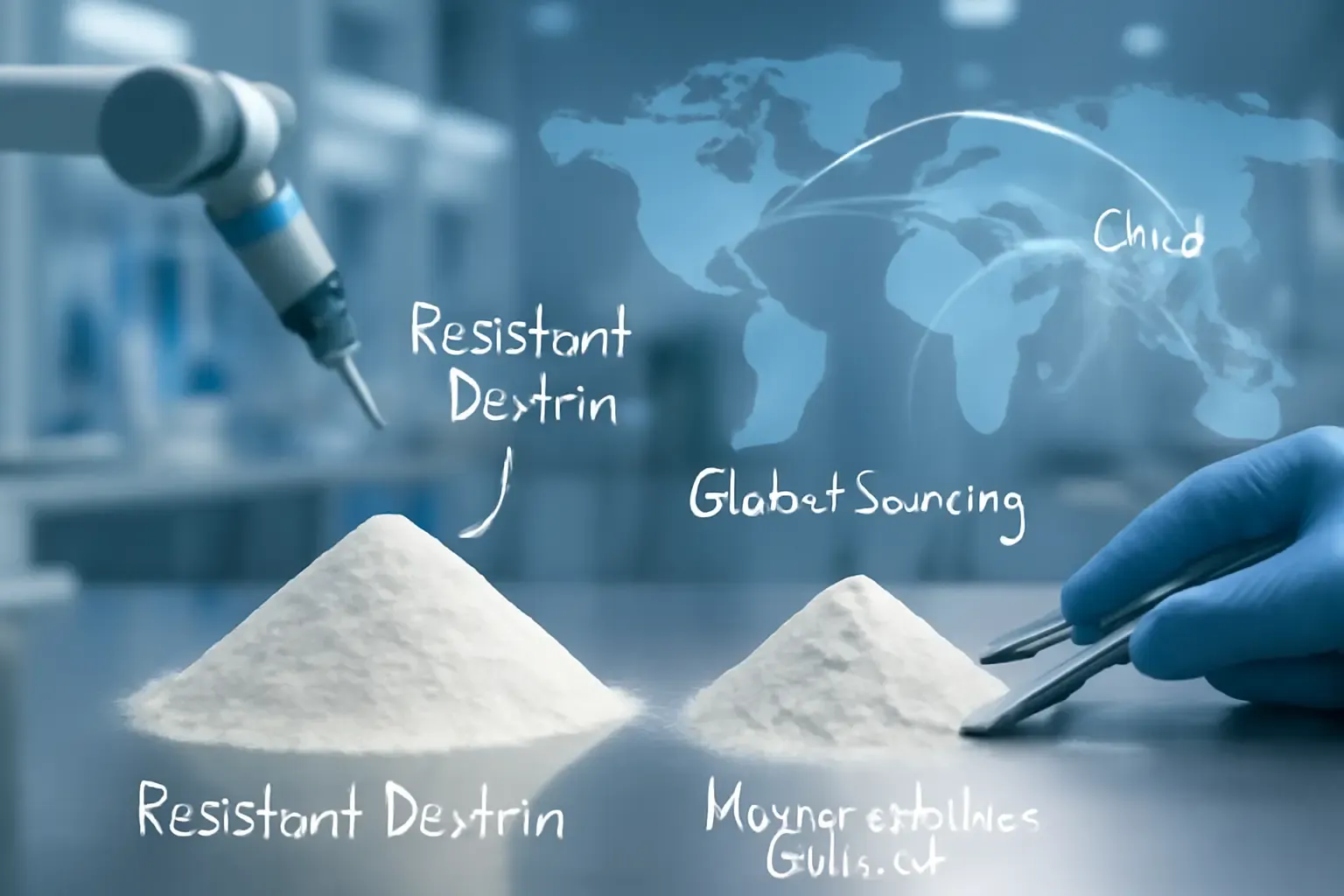
Global demand for fiber-forward foods and solid-dose nutrition is fundamentally reshaping how procurement teams qualify functional ingredients. This is especially true for resistant dextrin , essential for soluble dietary fiber claims, and microcrystalline cellulose (MCC) , critical for tablet perfo
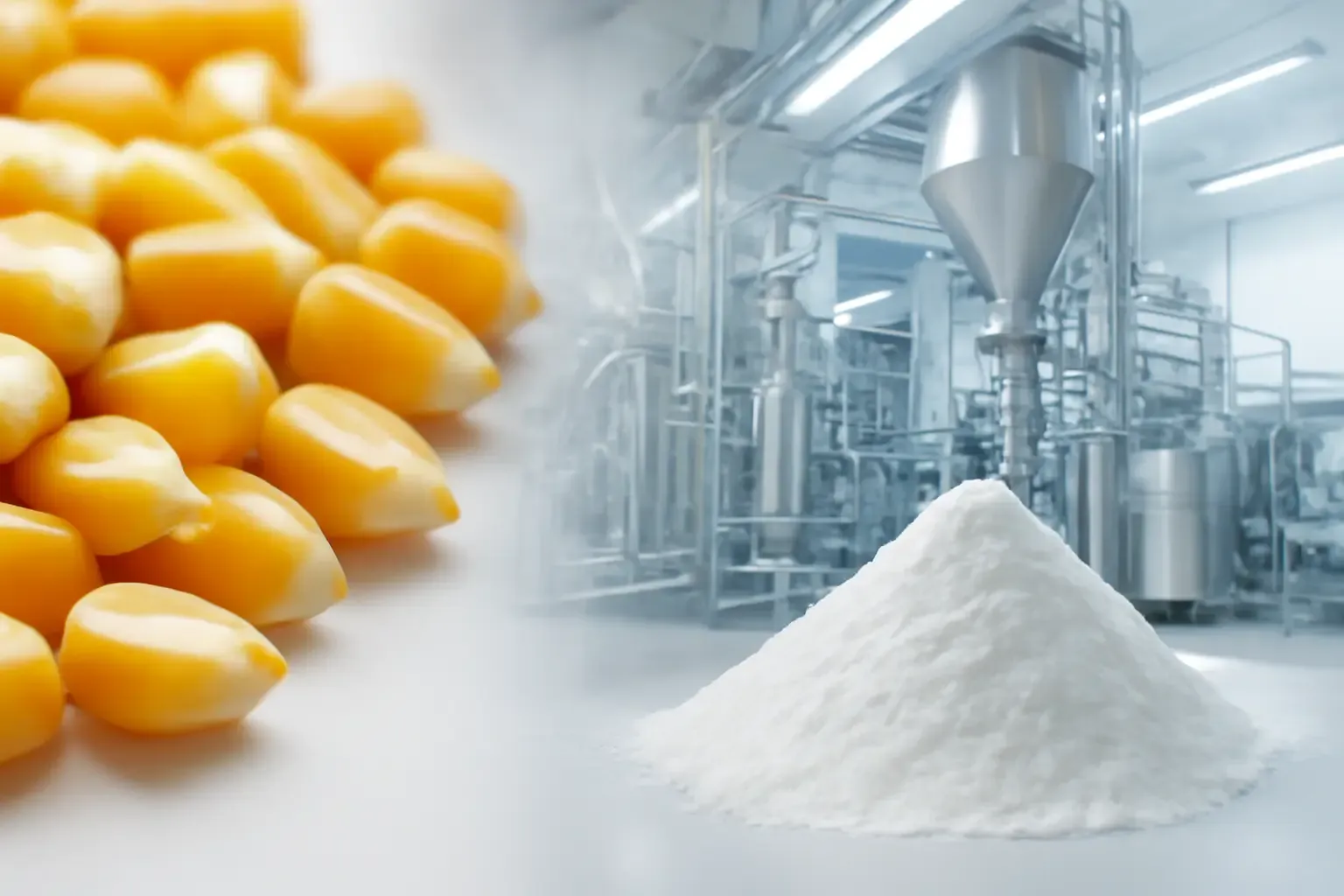
Global product launches centered on gut health, sugar reduction, and high-fiber positioning are pushing procurement teams to treat resistant dextrin and microcrystalline cellulose (MCC) as strategic ingredients rather than interchangeable commodities. The opportunity is real, but so is the risk: a f
Procurement teams often source microcrystalline cellulose and resistant dextrin from China for the same reason: capacity, competitive conversion costs, and increasingly modern production management. The risk is treating both as “just powders” and approving suppliers based on price alone. A recommend
Global demand is pushing both microcrystalline cellulose and resistant dextrin from “routine inputs” into strategic ingredients that can decide whether a launch scales smoothly. Market summaries published in mid‑2026 project MCC growth at roughly 6–9% CAGR into the early 2030s, while resistant dextr
Global “fibre-forward” product launches are moving fast, but sourcing teams are moving faster. In 2026, the phrase recommended Chinese resistant dextrin manufacturer is no longer a marketing label—it is a risk standard. Buyers want a China resistant dextrin supplier that can prove non-GMO raw materi
Global interest in gut health and fiber-forward, clean-label products is reshaping how procurement teams approve suppliers. For many buyers, China has become a practical sourcing base for microcrystalline cellulose (MCC) and resistant dextrin —but the supplier spread is wide, and “similar-looking po
The global fiber boom is turning once-routine ingredient purchases into strategic sourcing decisions. With forecasts pointing to a fast-expanding dietary fiber market through 2036 and consumer “fibre surge” behavior already visible in 2026, procurement teams are being asked to secure reliable solubl
Procurement teams increasingly want one qualification approach that works for both tablet excipients and functional fibers. That sounds simple—until a single change in particle size distribution impacts tablet compression, or a small shift in fiber content affects a “high-fiber” claim. When sourcing
Resistant dextrin and microcrystalline cellulose are often purchased for very different reasons, yet they end up on the same procurement shortlists: one supports soluble dietary fiber claims and beverage clarity, while the other supports tablet strength, flow, and compression. For buyers, the real r
Soluble fiber demand is no longer a “nice-to-have” story—it is turning into a sourcing and quality-control problem that ingredient buyers must solve. As more brands move toward gut-health positioning, lower sugar, and better texture in plant-based products, two ingredients keep showing up on formula
Procurement teams often treat MCC and resistant dextrin as “commodity” inputs—until a lot fails a pilot run, a label claim becomes hard to defend, or documentation arrives too late to clear import review. When sourcing from a China microcrystalline cellulose supplier or a resistant dextrin supplier
Overseas buyers are no longer just sourcing ingredients—they are actively sourcing predictability . The exact same soluble fiber can perform drastically differently depending on the supplier. Ultimately, these differences surface where it hurts the most: consumer digestive tolerance, accurate label
Global demand for fiber-forward foods and solid-dose nutrition is fundamentally reshaping how procurement teams qualify functional ingredients. This is especially true for resistant dextrin , essential for soluble dietary fiber claims, and microcrystalline cellulose (MCC) , critical for tablet perfo
Global product launches centered on gut health, sugar reduction, and high-fiber positioning are pushing procurement teams to treat resistant dextrin and microcrystalline cellulose (MCC) as strategic ingredients rather than interchangeable commodities. The opportunity is real, but so is the risk: a f





