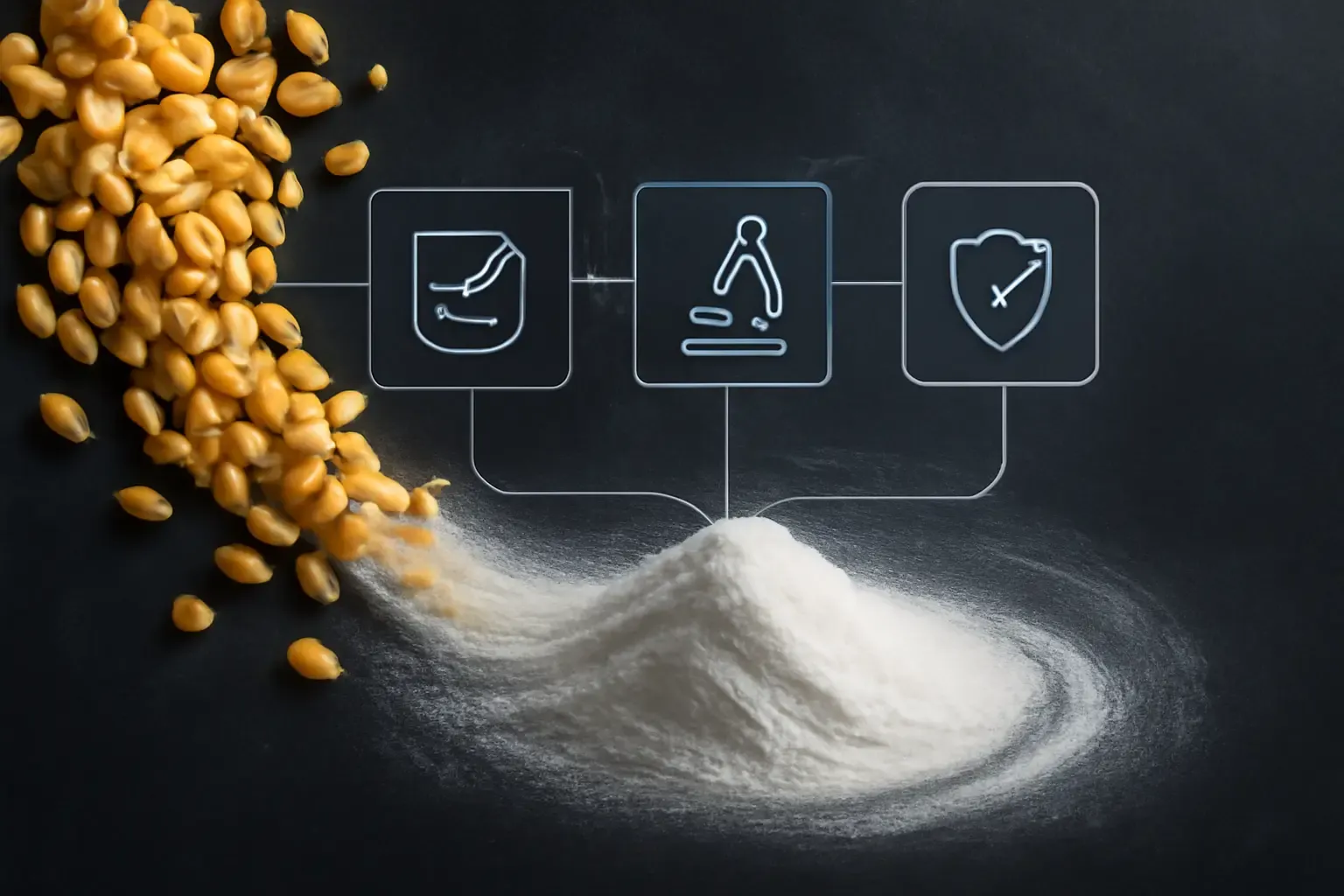
Procurement teams are no longer shortlisting fiber ingredients on price and lead time alone. As clinical discussions around prebiotic outcomes and glycemic support become more mainstream—and as EFSA and FDA frameworks shape what “dietary fiber” can credibly support—buyers increasingly translate heal

Dietary fiber is increasingly recognized as the “next protein,” and the surging demand for functional ingredients is pushing procurement teams into unfamiliar territory: fiber ingredients now carry the exact same risk profile as strategic active components. In the current market, a resistant dextrin
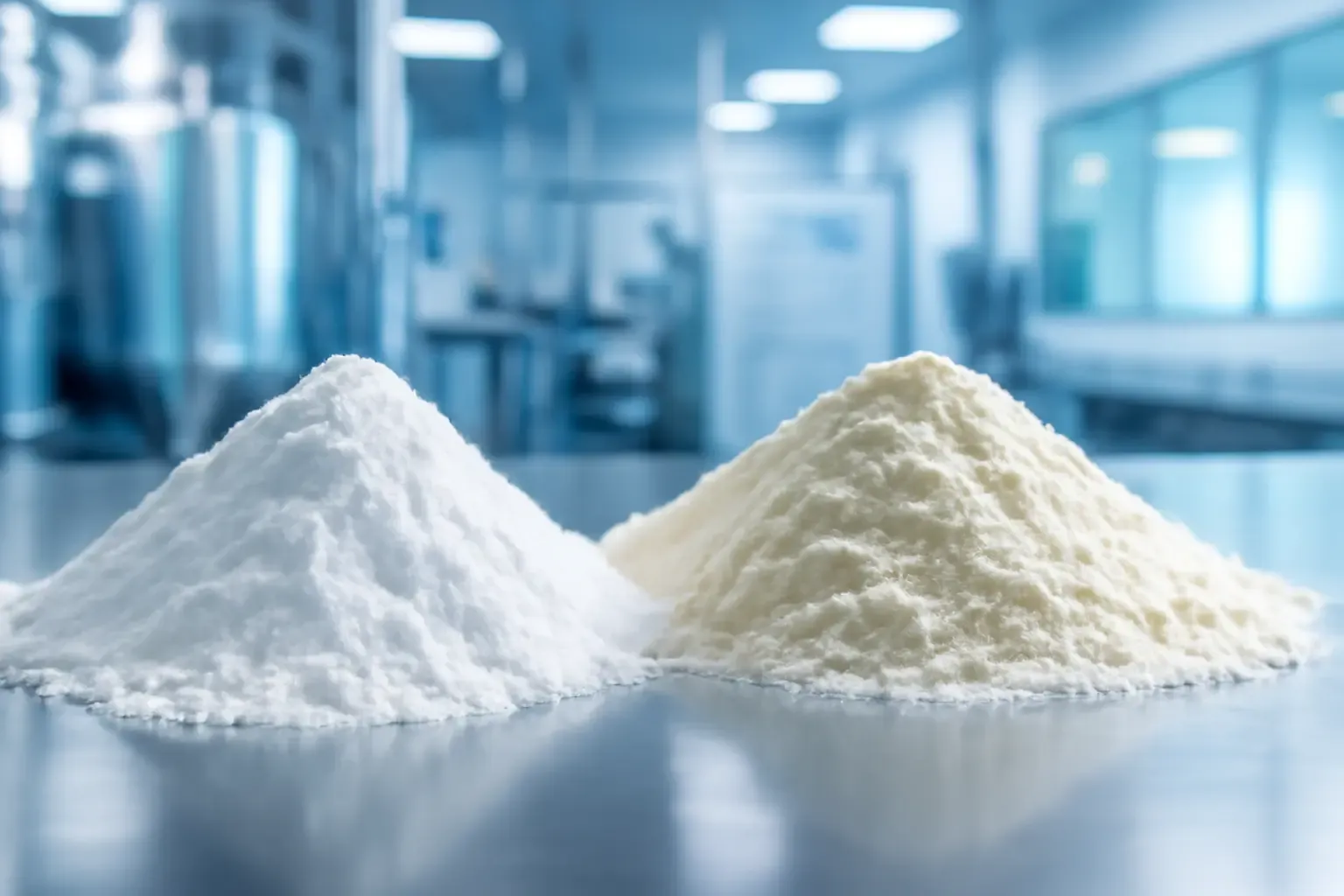
Sourcing MCC and resistant dextrin from China remains highly attractive for many procurement teams because manufacturing capacity is strong, lead times are often competitive, and product portfolios comprehensively cover both pharmaceutical excipients and nutrition-grade fibers . The real risk in the

Global product teams are treating fiber as a headline feature again—especially in beverages, nutrition powders, gummies, and pharma-adjacent wellness formats. Recent industry commentary has framed this shift bluntly: fiber is becoming “the next protein.” That matters for procurement because once fib

Fiber is increasingly treated as a strategic macronutrient—less like a niche “better-for-you” add-on, and more like protein: a core reason consumers choose one product over another. For procurement teams, that shift fundamentally changes how resistant dextrin and microcrystalline cellulose (MCC) are
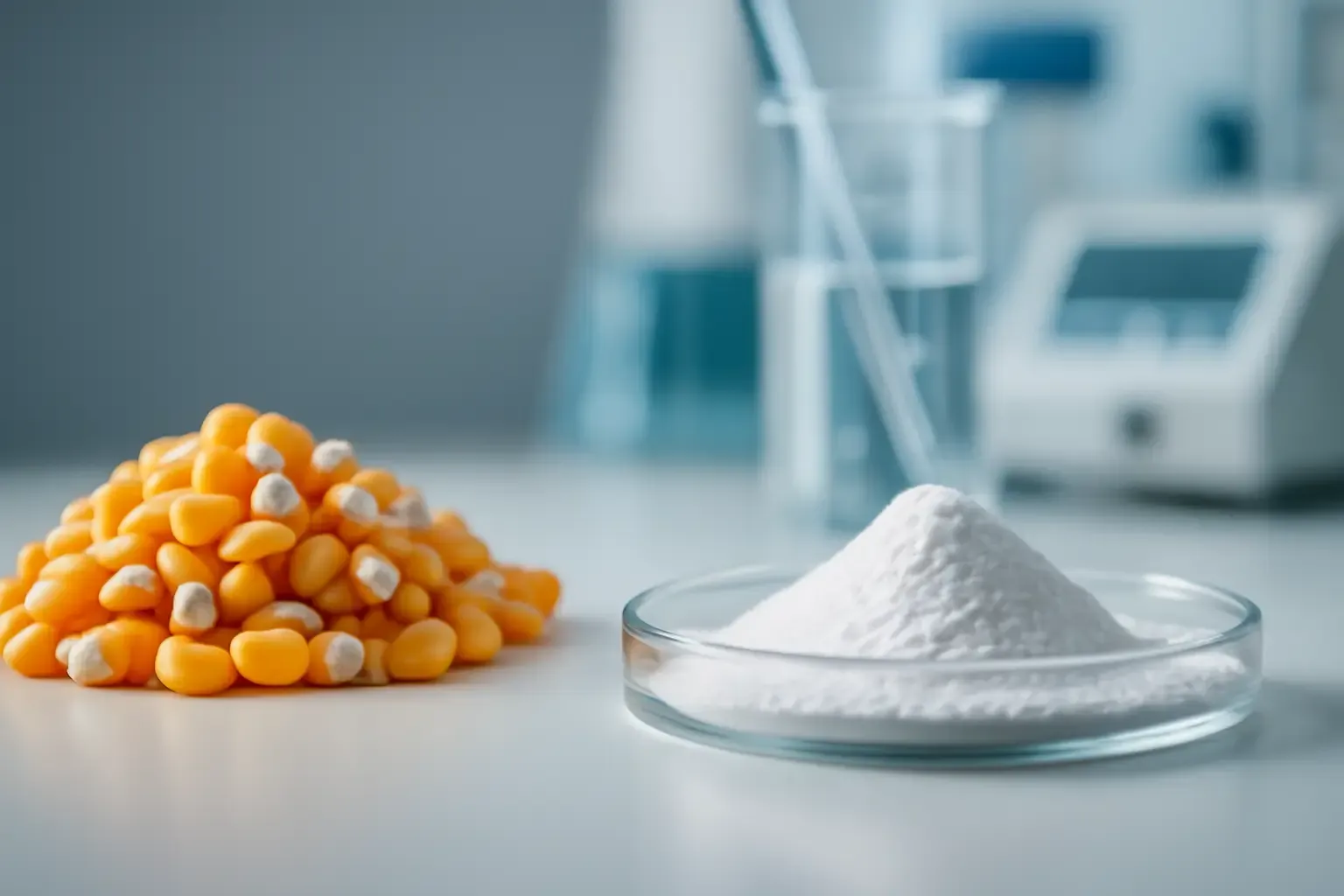
Global procurement teams are securing more functional fiber and excipients from China than ever before, but the decision criteria have fundamentally shifted. A competitive quote is no longer sufficient for qualifying a resistant dextrin supplier or a microcrystalline cellulose supplier China buyers
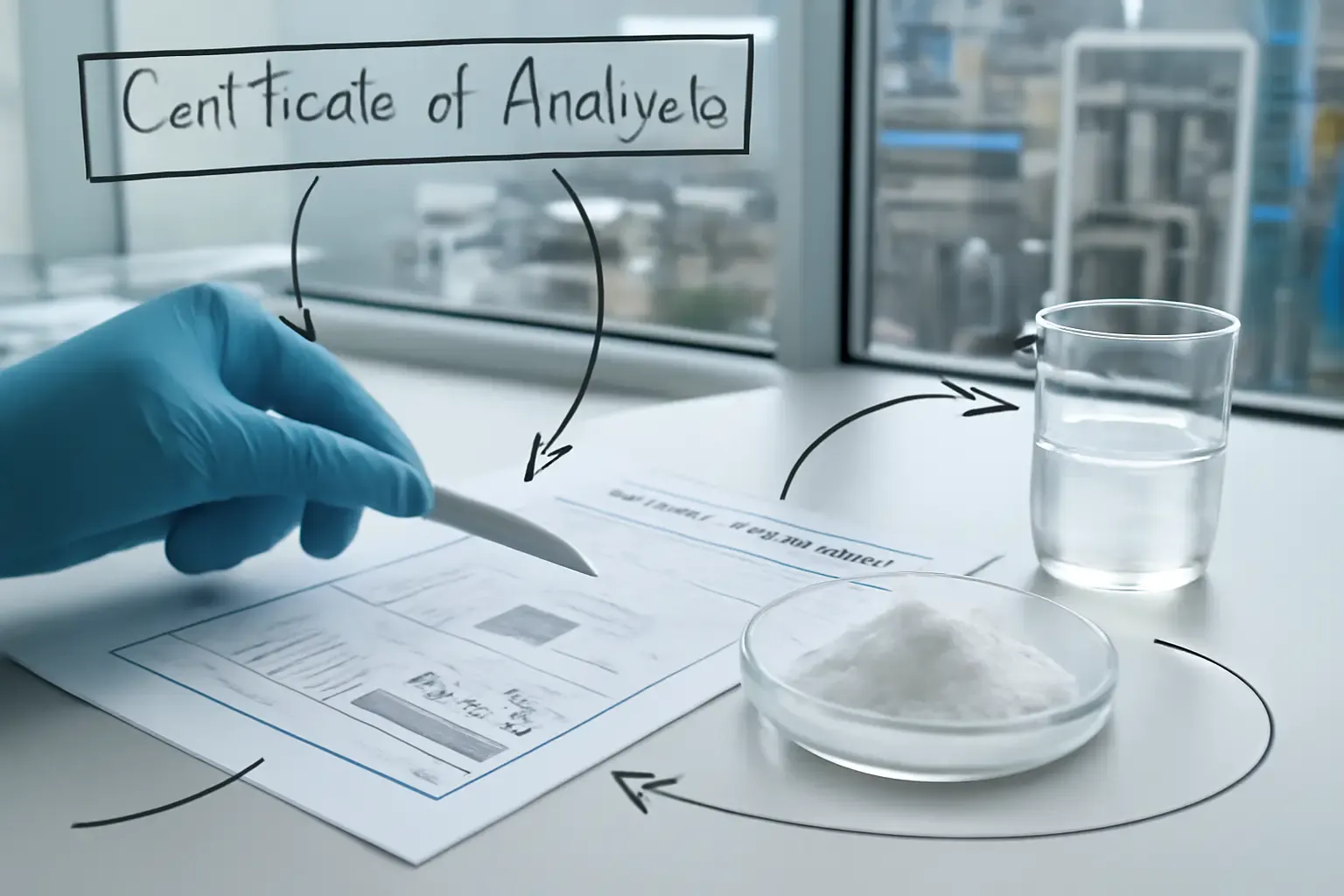
Global demand for prebiotic-friendly soluble fibers and dependable excipients is pushing procurement teams to look beyond familiar origins. China remains a key sourcing hub, but the best outcomes rarely come from “lowest quote wins.” For buyers, the real goal is predictable formulation performance,

Soluble fibers and tablet excipients are now procurement-critical inputs for global food, supplement, and pharma teams. Often, fiber and excipient performance is determined long before a shipment arrives—specifically within the supplier’s documentation discipline, raw-material controls, and QC capab
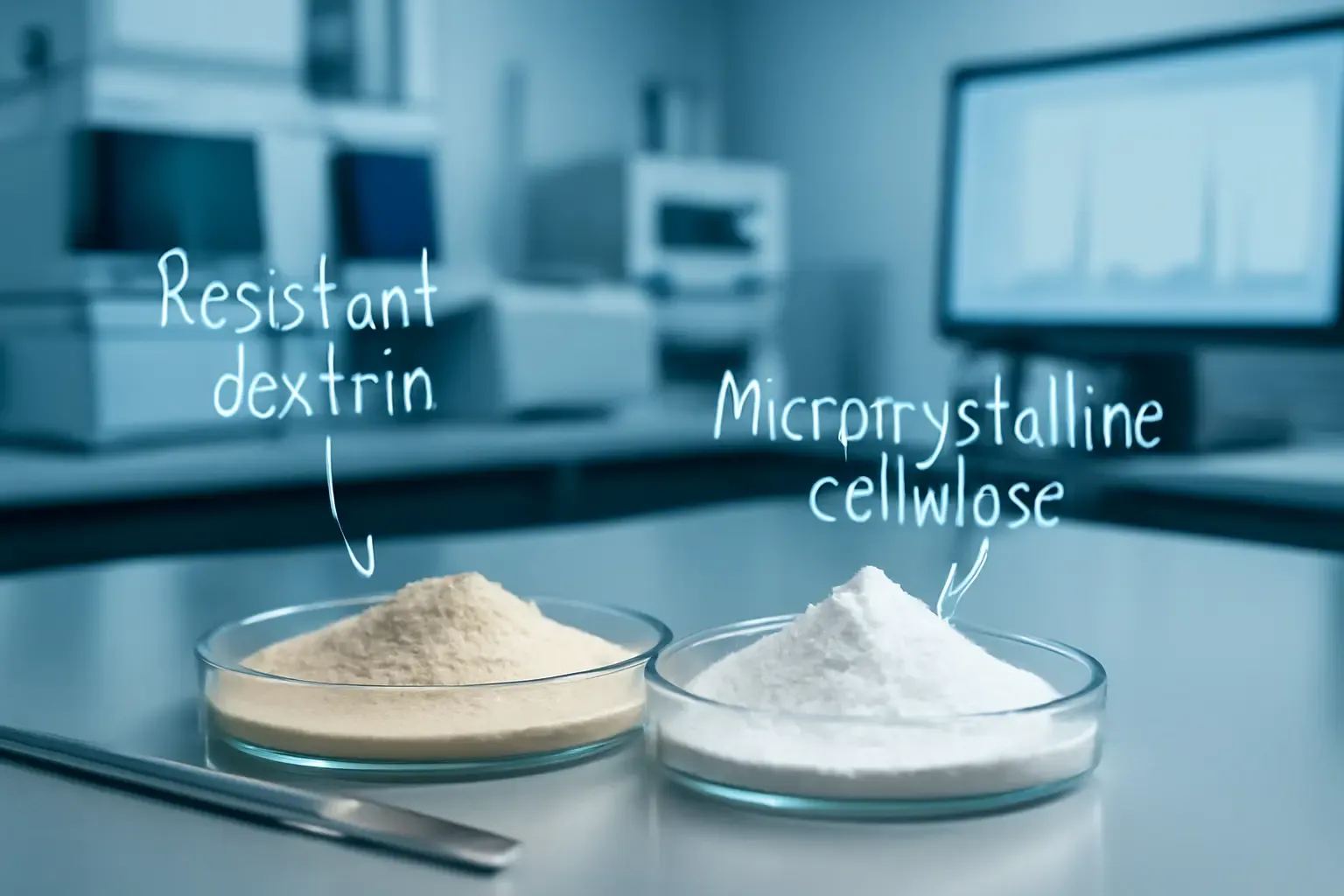
Fiber-forward product launches are accelerating into 2026, and procurement teams are feeling the squeeze in two places at once: soluble fiber (especially resistant dextrin / soluble corn fiber) and microcrystalline cellulose (MCC) for stable processing and dosage forms. Recent trade coverage continu

Fiber-forward product briefs are turning into hard procurement specs for 2026. But buyers often discover too late that “resistant dextrin” and “soluble corn fiber” mean very different things depending on grade, COA limits, and the supplier’s documentation discipline. This guide translates what procu

A single off-spec lot can undo months of formulation work: tablets start capping , powders lose flow, or a “high-fiber” claim becomes hard to defend when the documentation fails to match what the label promises. For this reason, experienced procurement teams treat MCC and resistant dextrin as critic
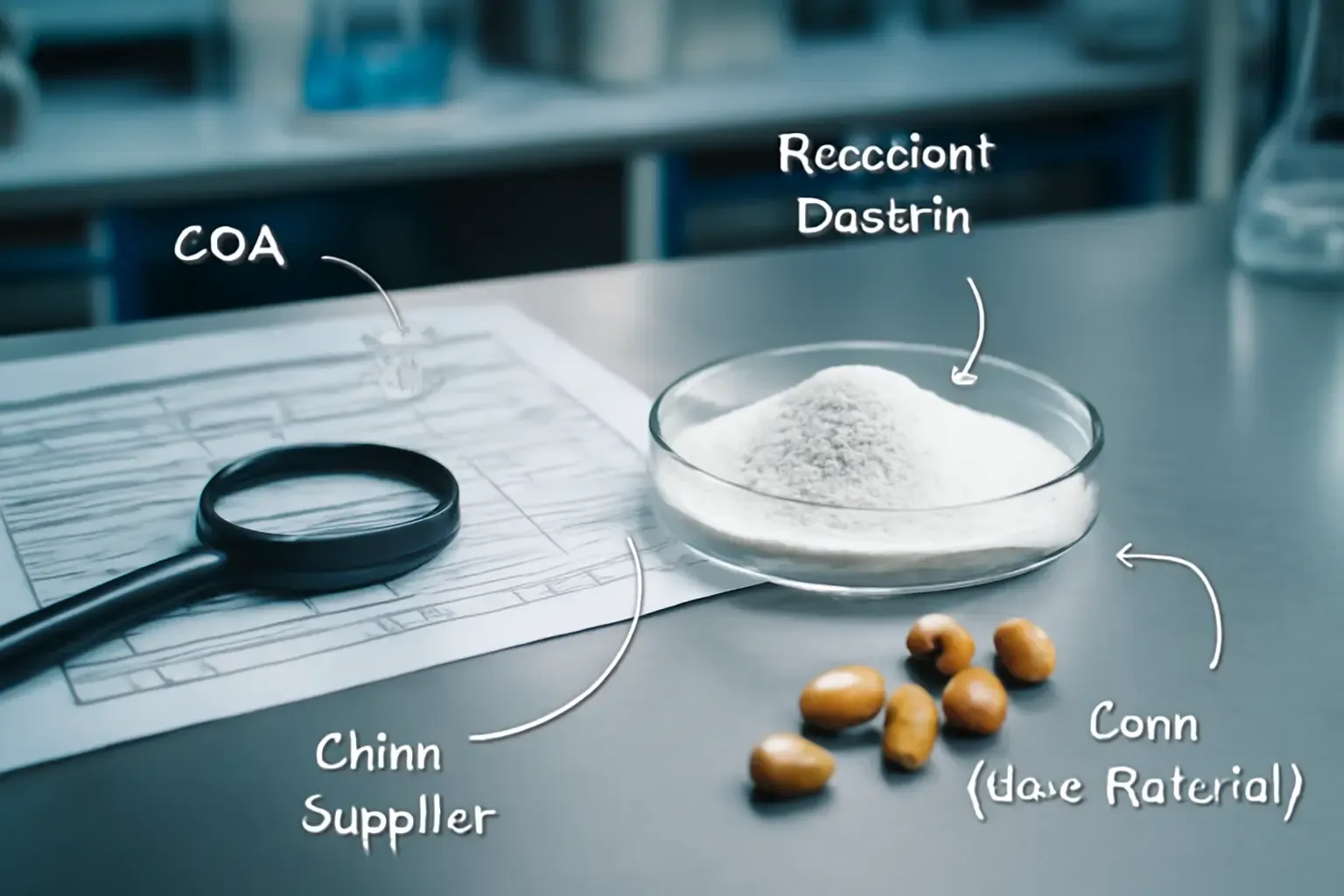
Fiber-forward product briefs are no longer limited to simply adding a little inulin and moving on. Procurement teams are increasingly asked to support low-sugar, keto-friendly, and clean-label launches with ingredients that perform seamlessly in processing, stay completely neutral in taste, and hold
Procurement teams are no longer shortlisting fiber ingredients on price and lead time alone. As clinical discussions around prebiotic outcomes and glycemic support become more mainstream—and as EFSA and FDA frameworks shape what “dietary fiber” can credibly support—buyers increasingly translate heal
Dietary fiber is increasingly recognized as the “next protein,” and the surging demand for functional ingredients is pushing procurement teams into unfamiliar territory: fiber ingredients now carry the exact same risk profile as strategic active components. In the current market, a resistant dextrin
Sourcing MCC and resistant dextrin from China remains highly attractive for many procurement teams because manufacturing capacity is strong, lead times are often competitive, and product portfolios comprehensively cover both pharmaceutical excipients and nutrition-grade fibers . The real risk in the
Global product teams are treating fiber as a headline feature again—especially in beverages, nutrition powders, gummies, and pharma-adjacent wellness formats. Recent industry commentary has framed this shift bluntly: fiber is becoming “the next protein.” That matters for procurement because once fib
Fiber is increasingly treated as a strategic macronutrient—less like a niche “better-for-you” add-on, and more like protein: a core reason consumers choose one product over another. For procurement teams, that shift fundamentally changes how resistant dextrin and microcrystalline cellulose (MCC) are
Global procurement teams are securing more functional fiber and excipients from China than ever before, but the decision criteria have fundamentally shifted. A competitive quote is no longer sufficient for qualifying a resistant dextrin supplier or a microcrystalline cellulose supplier China buyers
Global demand for prebiotic-friendly soluble fibers and dependable excipients is pushing procurement teams to look beyond familiar origins. China remains a key sourcing hub, but the best outcomes rarely come from “lowest quote wins.” For buyers, the real goal is predictable formulation performance,
Soluble fibers and tablet excipients are now procurement-critical inputs for global food, supplement, and pharma teams. Often, fiber and excipient performance is determined long before a shipment arrives—specifically within the supplier’s documentation discipline, raw-material controls, and QC capab
Fiber-forward product launches are accelerating into 2026, and procurement teams are feeling the squeeze in two places at once: soluble fiber (especially resistant dextrin / soluble corn fiber) and microcrystalline cellulose (MCC) for stable processing and dosage forms. Recent trade coverage continu
Fiber-forward product briefs are turning into hard procurement specs for 2026. But buyers often discover too late that “resistant dextrin” and “soluble corn fiber” mean very different things depending on grade, COA limits, and the supplier’s documentation discipline. This guide translates what procu
A single off-spec lot can undo months of formulation work: tablets start capping , powders lose flow, or a “high-fiber” claim becomes hard to defend when the documentation fails to match what the label promises. For this reason, experienced procurement teams treat MCC and resistant dextrin as critic
Fiber-forward product briefs are no longer limited to simply adding a little inulin and moving on. Procurement teams are increasingly asked to support low-sugar, keto-friendly, and clean-label launches with ingredients that perform seamlessly in processing, stay completely neutral in taste, and hold