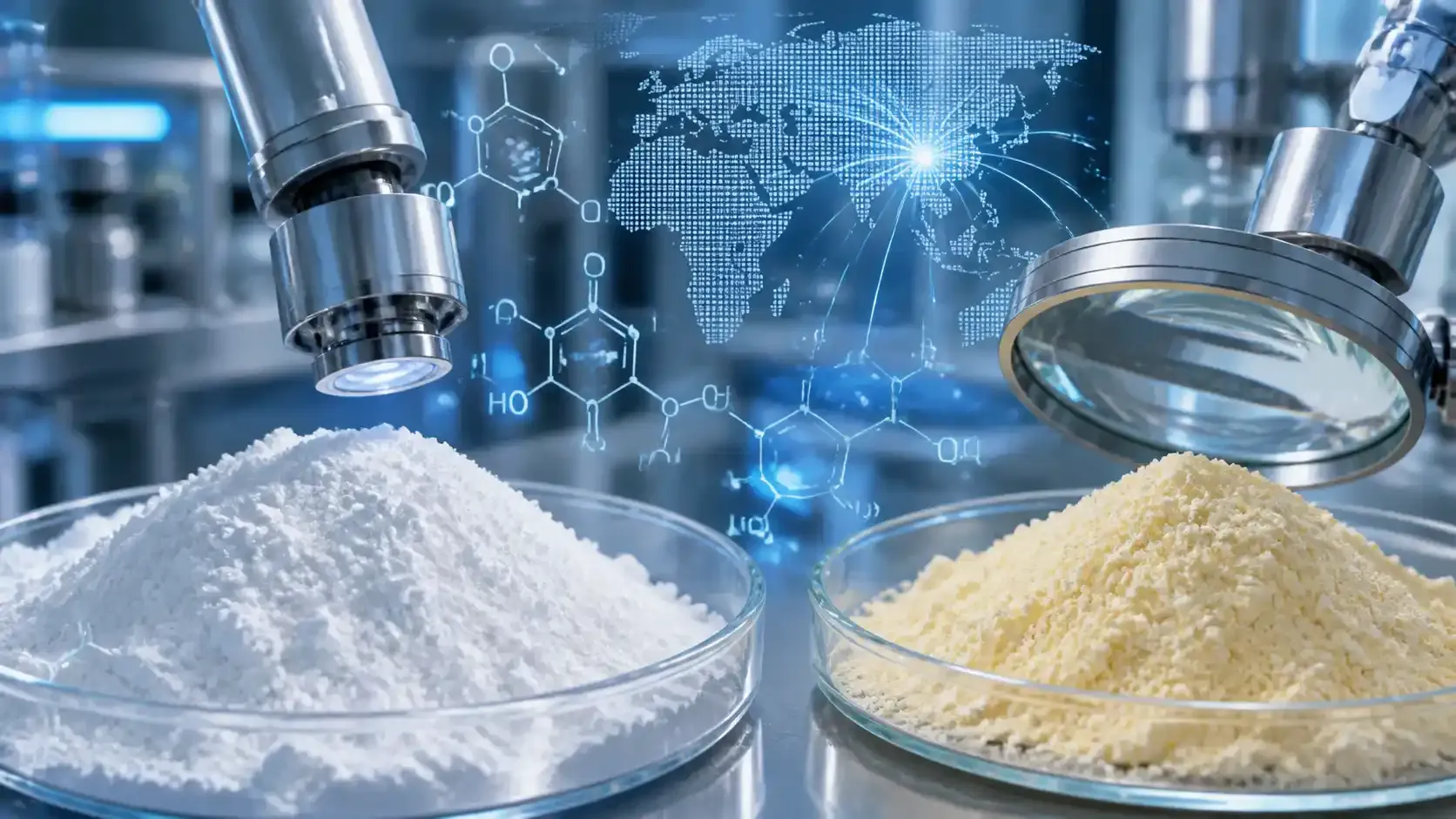

## Resistant Dextrin and Soluble Corn Fiber: Decoding the Terminology In the landscape of commercial purchasing, terms like "resistant dextrin," "soluble corn fiber," "indigestible dextrin," and "resistant maltodextrin" are frequently used interchangeably. While exact naming conventions can vary by supplier and regional market regulations, the sourcing challenge remains consistent: securing a soluble fiber powder derived from starch that resists digestion in the small intestine and behaves predictably in finished consumer products. For professional buyers, that predictability is exactly why resistant dextrin continues to win formulation briefs over other fiber sources: * **Neutral Sensory Profile:** It is typically described as tasteless, allowing it to blend seamlessly into delicate flavor systems without masking key notes. * **Low Viscosity:** It enables brands to significantly increase fiber content without turning beverages into a "fiber sludge" or altering the mouthfeel negatively. * **Process Tolerance:** It is commonly positioned as stable under **heat and acid**, a non-negotiable trait for pasteurized RTD beverages and baked goods. Essentially, procurement is not just buying a fiber percentage; it is buying **performance under processing and shelf-life constraints**.
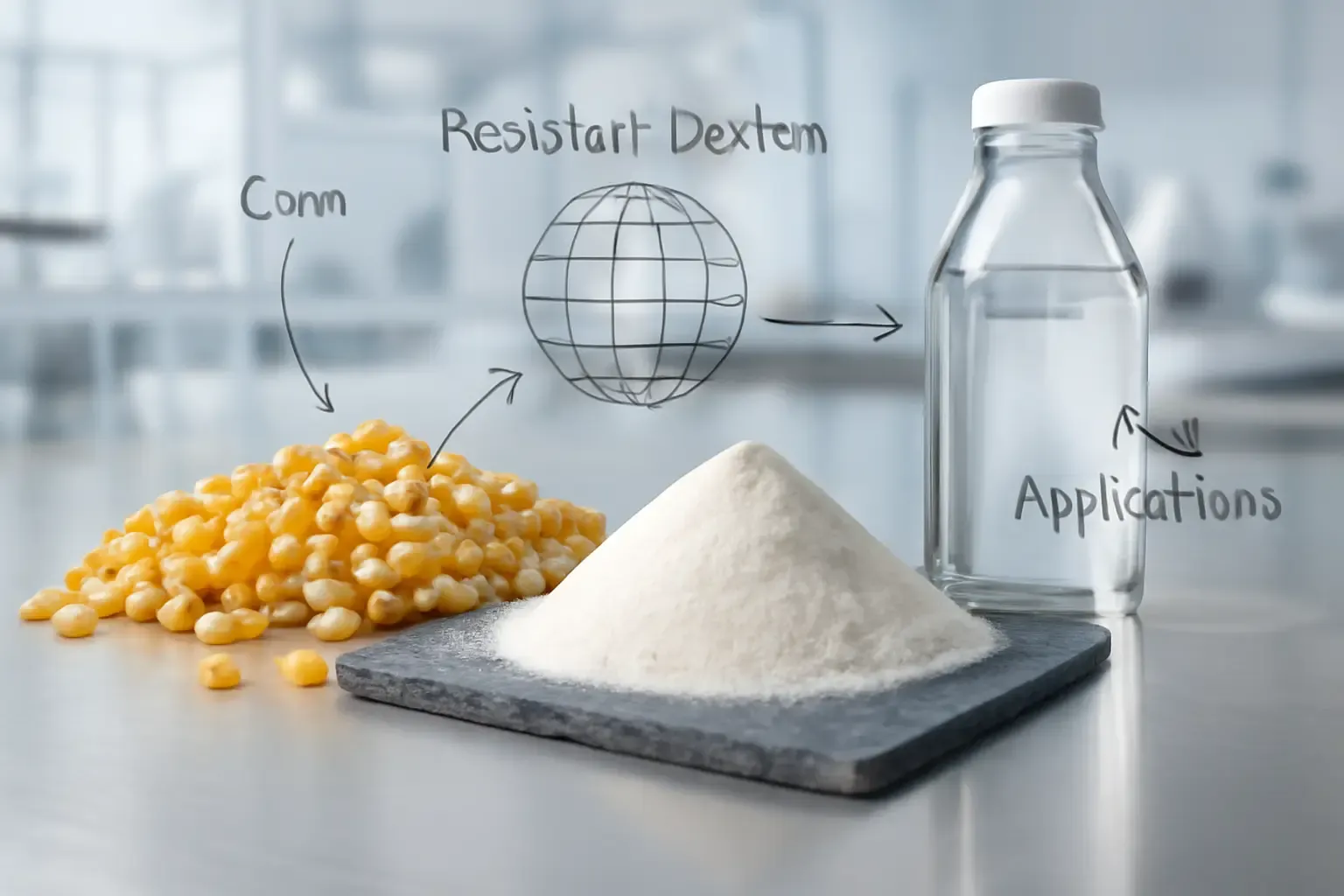
## The Manufacturing Baseline: What Actually Defines Quality? Resistant dextrin is produced from starch—most commonly corn starch—using controlled processing that alters the molecular structure to make it less digestible by human enzymes. Compared to regular maltodextrin, the core value proposition of resistant dextrin is its function as a **dietary fiber** rather than a digestible carbohydrate. Leading suppliers in China, particularly those based in Shandong, typically position their resistant dextrin with specific quality markers: * **Source Material:** Derived from **Non-GMO corn starch**, a critical requirement for many Western markets. * **Processing:** Produced using **enzymatic hydrolysis** and precise heating curves. * **Infrastructure:** Supported by **automated production** lines and robust **QC laboratory testing** to ensure batch-to-batch consistency. For example, manufacturers like **Shandong Shine Health Co., Ltd.** highlight their use of imported biological enzymes and German-origin production lines to maintain these strict quality standards. This level of technical detail in the manufacturing description is often a good indicator of a supplier's capability to deliver consistent "food-grade" performance rather than just a commodity chemical.
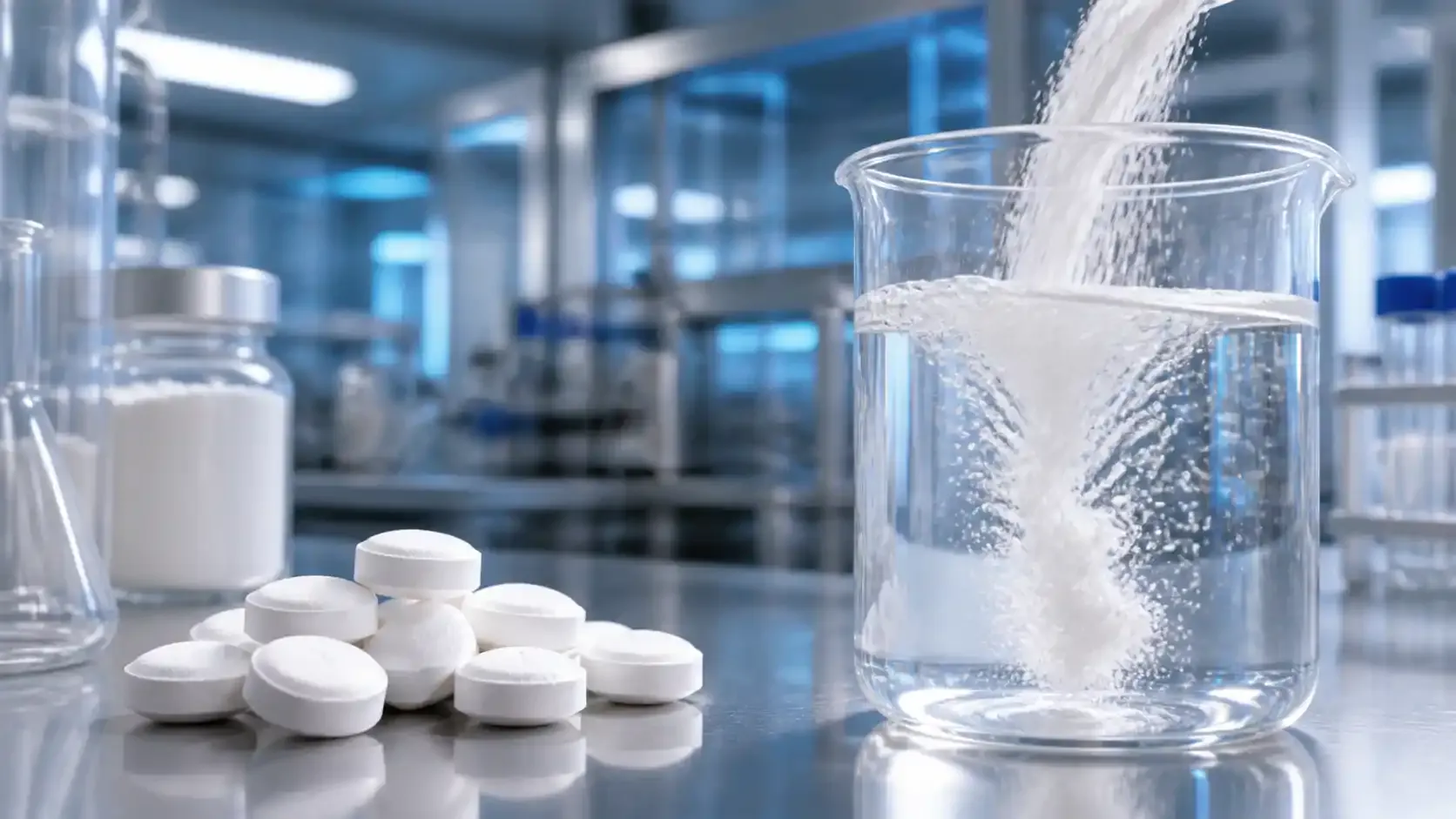
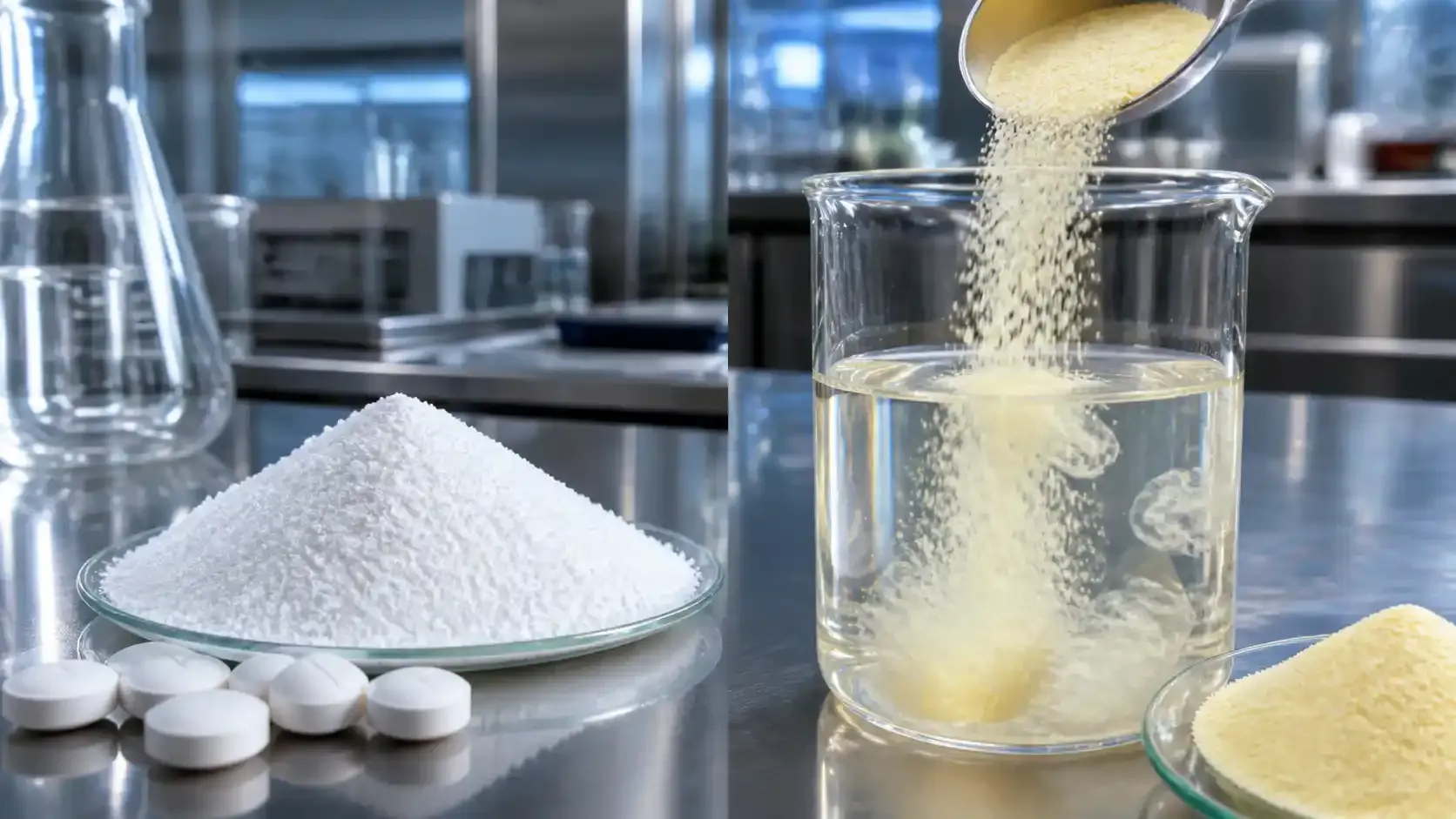
## The 3 Specifications Buyers Misread Most Often Two suppliers can both offer "resistant dextrin," yet deliver ingredients that create vastly different outcomes in a finished beverage or supplement. The difference often lies in how the specification sheet is written—and what the Certificate of Analysis (COA) actually confirms. ### 1. Fiber Content is Not Always One Number One of the most common pitfalls in sourcing is assuming a single standard for fiber content. In the market, you will see fiber content expressed in multiple ways: * **Standard Grade:** Often lists **fiber content ≥82%**. * **High-Fiber Grade:** Often lists **total fiber content (on dry basis) ≥90.0%**. This distinction is crucial. Fiber content expressed on a **dry basis** excludes moisture from the calculation, which can make the number appear higher. **Buyer Strategy:** When issuing a Request for Quotation (RFQ), clearly specify both the **minimum fiber content** required and whether it must be reported **on a dry basis**. Ensure the COA uses the same basis to avoid compliance headaches later. ### 2. Solubility and Viscosity are Functional Specs For beverage applications, resistant dextrin is often chosen specifically because it supports fiber claims while keeping the mouthfeel clean. Parameters like **water solubility (often cited as ~70% or higher)**, low water activity, and low hygroscopicity (resistance to caking) are not just "nice-to-have" details—they are functional requirements. **Buyer Strategy:** If the product is an RTD beverage, ask for the supplier’s standard viscosity range at a defined solids level and temperature. If a supplier cannot define this, it represents a qualification risk for liquid applications. ### 3. Appearance and Impurity Limits While often overlooked, the physical appearance described as **white to light yellow** and protein limits (typically **≤6.0%**) are vital. These parameters influence color stability in clear beverages and the sensory profile in lightly flavored SKUs. High protein content in a fiber ingredient can lead to browning or off-flavors over time. **Buyer Strategy:** For "clear" beverages or delicate flavors, treat appearance and protein specs as functional constraints, not just generic lab descriptors.
## Where Resistant Dextrin Performs Best Across Product Formats Resistant dextrin is usually purchased for specific high-volume formats. Each format shifts the definition of what a "good" ingredient looks like. ### RTD Beverages and Powdered Drink Mixes In prebiotic sodas, flavored waters, and powdered sticks, resistant dextrin is selected because it can lift fiber content while staying easy to drink.

## Why Shandong is a Critical Hub for Supply China is widely recognized as a manufacturing hub for resistant dextrin and soluble corn fiber, with Shandong province repeatedly mentioned as a major node in that supply landscape. For procurement teams, understanding this geography helps in assessing long-term risk and capability. Common strengths cited by export-oriented producers in this region include: * **Raw Material Access:** Proximity to vast **corn starch** supply chains (often marketed as **non-GMO corn starch**). * **Scale:** Scaled production capacity with increasing levels of automation. * **Export Maturity:** Experience preparing complex export documentation, COAs, and certifications required by Western markets. Companies like **Shine Health** exemplify this model, presenting resistant dextrin and soluble corn fiber across multiple grades, supported by factory transparency and established quality systems.
## A Neutral Sourcing Checklist to Prevent Claim Disputes If resistant dextrin is going into a product with front-label fiber claims, the sourcing checklist should be built to prevent two common failures: **spec drift** and **label math mismatch**. ### Documentation Checks * **COA per Batch:** Confirm the fiber content value and the reporting basis (e.g., "on dry basis"). * **Non-GMO Statement:** Ensure it is supplier-issued and consistent with your market’s documentation expectations. * **Food Safety System Evidence:** Buyers commonly request proof aligned with GMP workshops and internationally recognized food safety systems (like FSSC 22000, Halal, or Kosher). ### Quality and Consistency Checks * **Testing Methodology:** Ask how resistant dextrin is tested in-house (moisture, solubility, appearance, and fiber-related parameters). * **Packaging:** Confirm packaging options (e.g., 25kg bags with liners) that protect against moisture pickup during shipping and warehousing. * **Change Control:** Evaluate whether the supplier has a protocol for notifying you of raw material or process changes. ### Commercial Checks * **Define Acceptance Criteria:** Lock down the specific grade (standard vs. high-fiber) at the contract stage. * **Method Alignment:** Agree on the COA format and test methods to avoid disputes when incoming QA re-tests the material.
## The Bottom Line for Resistant Dextrin Buying Resistant dextrin and soluble corn fiber are purchased for a specific promise: to add meaningful fiber with minimal impact on taste, texture, and processing. The fastest way to break that promise is to treat these ingredients as commodity powders and compare them solely on price. A superior approach is to treat resistant dextrin as a performance ingredient. By specifying the right grade (≥82% vs. ≥90% on dry basis), confirming solubility expectations, and auditing documentation readiness early, buyers can secure a reliable supply chain. For teams seeking a dependable partner in this sector, manufacturers like **Shandong Shine Health Co., Ltd.** (www.sdshinehealth.com) offer the documentation, consistency, and technical support required to keep global formulations stable and compliant.