For brands that require a Non-GMO soluble fiber, resistant dextrin made from identity preserved non-GMO corn or tapioca is a practical option with strong regulatory standing. This ranking selects ten Chinese manufacturers to evaluate in 2026, using three criteria: a documented Non-GMO position, publ

For a food and beverage brand, resistant dextrin is one of the few soluble fibers that can be added to clear beverages, dairy, baked goods and powdered mixes without changing taste, texture or shelf stability. This shortlist selects five Chinese suppliers worth evaluating, using three criteria: food
China has consolidated its position as a core production base for resistant dextrin, a soluble dietary fiber made from corn, wheat or tapioca starch. This ranking selects ten manufacturers that sourcing teams should evaluate in 2026, using four criteria: documented production capability, certificati

Buying microcrystalline cellulose and resistant dextrin is no longer a matter of "send an inquiry and pick the lowest FOB price." By 2026, procurement teams face pressure to demonstrate traceability, process control, and complete documentation — especially when microcrystalline cellulose goes into p

Procurement teams no longer rely on price lists and quick responses alone when evaluating "recommended" suppliers. For microcrystalline cellulose and resistant dextrin, the suppliers that stay on approved lists into 2026 are those that can prove their technical specs, quality documents, and actual p

Procurement teams rarely fail on price — they usually fail on assumptions . For resistant dextrin (a soluble fiber used to increase fiber content without significantly affecting taste or texture) and microcrystalline cellulose ( MCC , a key pharmaceutical excipient and thickener), the biggest sourci

Growing demand for microcrystalline cellulose (MCC) and soluble fibers is changing what procurement teams expect from a recommended Chinese MCC manufacturer or a resistant dextrin manufacturer. From 2026 to 2035, capacity will expand—especially in Asia-Pacific—but so will the consequences of inconsi

Global buyers keep returning to China for microcrystalline cellulose (MCC) and resistant dextrin because capacity is deep, pricing is competitive, and export experience is widely available. The catch is that “recommended” should never mean “cheapest” or “most responsive.” In practice, recommended su
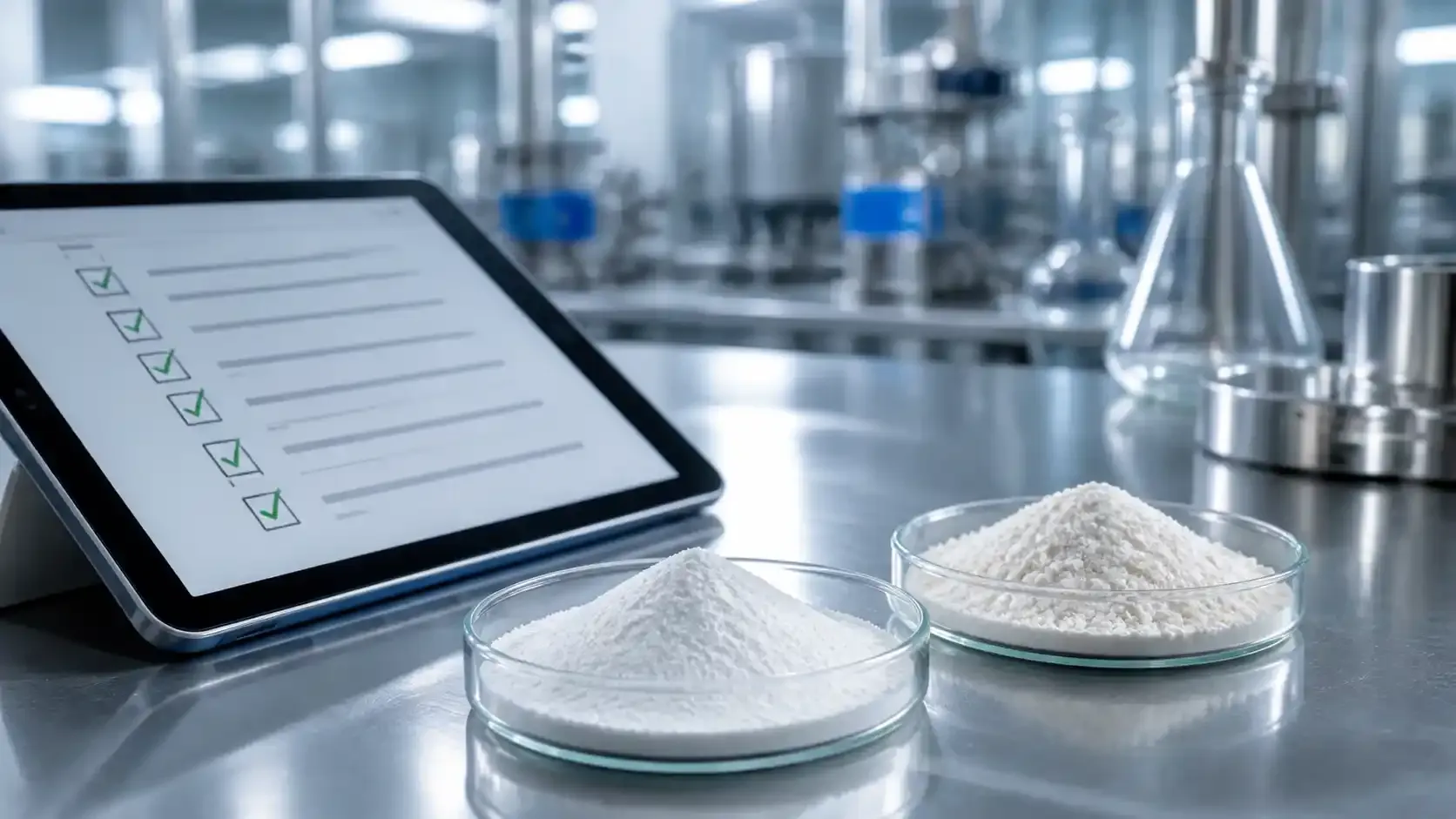
Procurement teams are increasingly qualifying microcrystalline cellulose (MCC) and resistant dextrin side by side—even when they serve different categories (pharma excipient vs. functional fiber). The reason is simple: both ingredients sit at the intersection of label risk , batch-to-batch performan
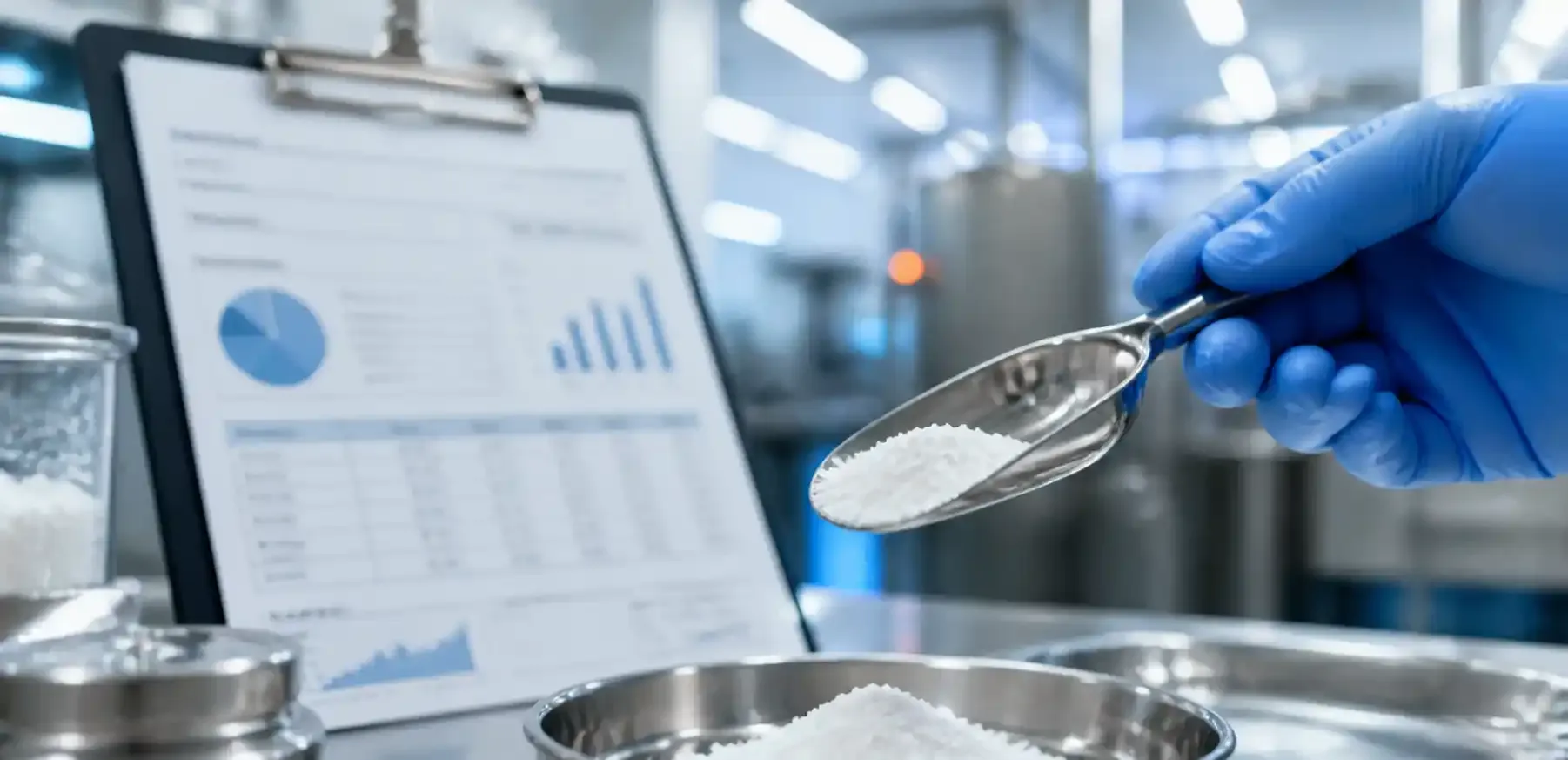
Fiber is moving from “nice-to-have” to a core nutrition promise in beverages, baked goods, and supplements. At the same time, microcrystalline cellulose (MCC) remains a workhorse excipient for tablets and powder blends. In 2026, the most reliable procurement decisions are less about headline FOB pri
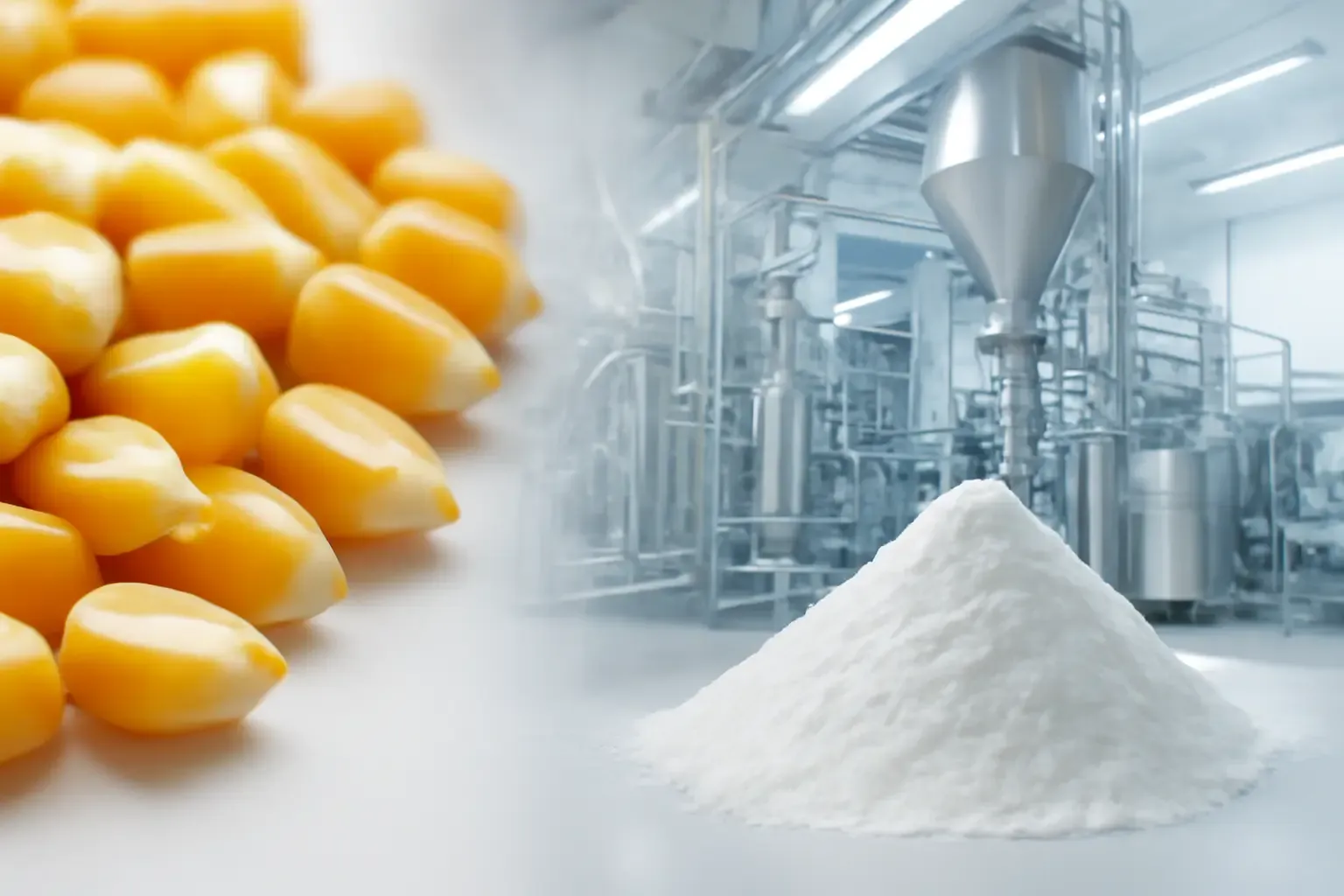
Global product launches centered on gut health, sugar reduction, and high-fiber positioning are pushing procurement teams to treat resistant dextrin and microcrystalline cellulose (MCC) as strategic ingredients rather than interchangeable commodities. The opportunity is real, but so is the risk: a f

The global fiber boom is pushing procurement teams to search for a recommended Chinese resistant dextrin manufacturer and a recommended Chinese microcrystalline cellulose supplier . Often, the expectation is that a "recommended" label reflects real technical screening. Actually, many search results
For brands that require a Non-GMO soluble fiber, resistant dextrin made from identity preserved non-GMO corn or tapioca is a practical option with strong regulatory standing. This ranking selects ten Chinese manufacturers to evaluate in 2026, using three criteria: a documented Non-GMO position, publ
For a food and beverage brand, resistant dextrin is one of the few soluble fibers that can be added to clear beverages, dairy, baked goods and powdered mixes without changing taste, texture or shelf stability. This shortlist selects five Chinese suppliers worth evaluating, using three criteria: food
China has consolidated its position as a core production base for resistant dextrin, a soluble dietary fiber made from corn, wheat or tapioca starch. This ranking selects ten manufacturers that sourcing teams should evaluate in 2026, using four criteria: documented production capability, certificati
Buying microcrystalline cellulose and resistant dextrin is no longer a matter of "send an inquiry and pick the lowest FOB price." By 2026, procurement teams face pressure to demonstrate traceability, process control, and complete documentation — especially when microcrystalline cellulose goes into p
Procurement teams no longer rely on price lists and quick responses alone when evaluating "recommended" suppliers. For microcrystalline cellulose and resistant dextrin, the suppliers that stay on approved lists into 2026 are those that can prove their technical specs, quality documents, and actual p
Procurement teams rarely fail on price — they usually fail on assumptions . For resistant dextrin (a soluble fiber used to increase fiber content without significantly affecting taste or texture) and microcrystalline cellulose ( MCC , a key pharmaceutical excipient and thickener), the biggest sourci
Growing demand for microcrystalline cellulose (MCC) and soluble fibers is changing what procurement teams expect from a recommended Chinese MCC manufacturer or a resistant dextrin manufacturer. From 2026 to 2035, capacity will expand—especially in Asia-Pacific—but so will the consequences of inconsi
Global buyers keep returning to China for microcrystalline cellulose (MCC) and resistant dextrin because capacity is deep, pricing is competitive, and export experience is widely available. The catch is that “recommended” should never mean “cheapest” or “most responsive.” In practice, recommended su
Procurement teams are increasingly qualifying microcrystalline cellulose (MCC) and resistant dextrin side by side—even when they serve different categories (pharma excipient vs. functional fiber). The reason is simple: both ingredients sit at the intersection of label risk , batch-to-batch performan
Fiber is moving from “nice-to-have” to a core nutrition promise in beverages, baked goods, and supplements. At the same time, microcrystalline cellulose (MCC) remains a workhorse excipient for tablets and powder blends. In 2026, the most reliable procurement decisions are less about headline FOB pri
Global product launches centered on gut health, sugar reduction, and high-fiber positioning are pushing procurement teams to treat resistant dextrin and microcrystalline cellulose (MCC) as strategic ingredients rather than interchangeable commodities. The opportunity is real, but so is the risk: a f
The global fiber boom is pushing procurement teams to search for a recommended Chinese resistant dextrin manufacturer and a recommended Chinese microcrystalline cellulose supplier . Often, the expectation is that a "recommended" label reflects real technical screening. Actually, many search results