

Procurement teams are finding two ingredient conversations collide: pharmaceutical excipients needing smooth performance on modern tableting lines, and soluble dietary fiber systems that must stay neutral-tasting and stable in real foods and drinks. This overlap is a big reason buyers increasingly e
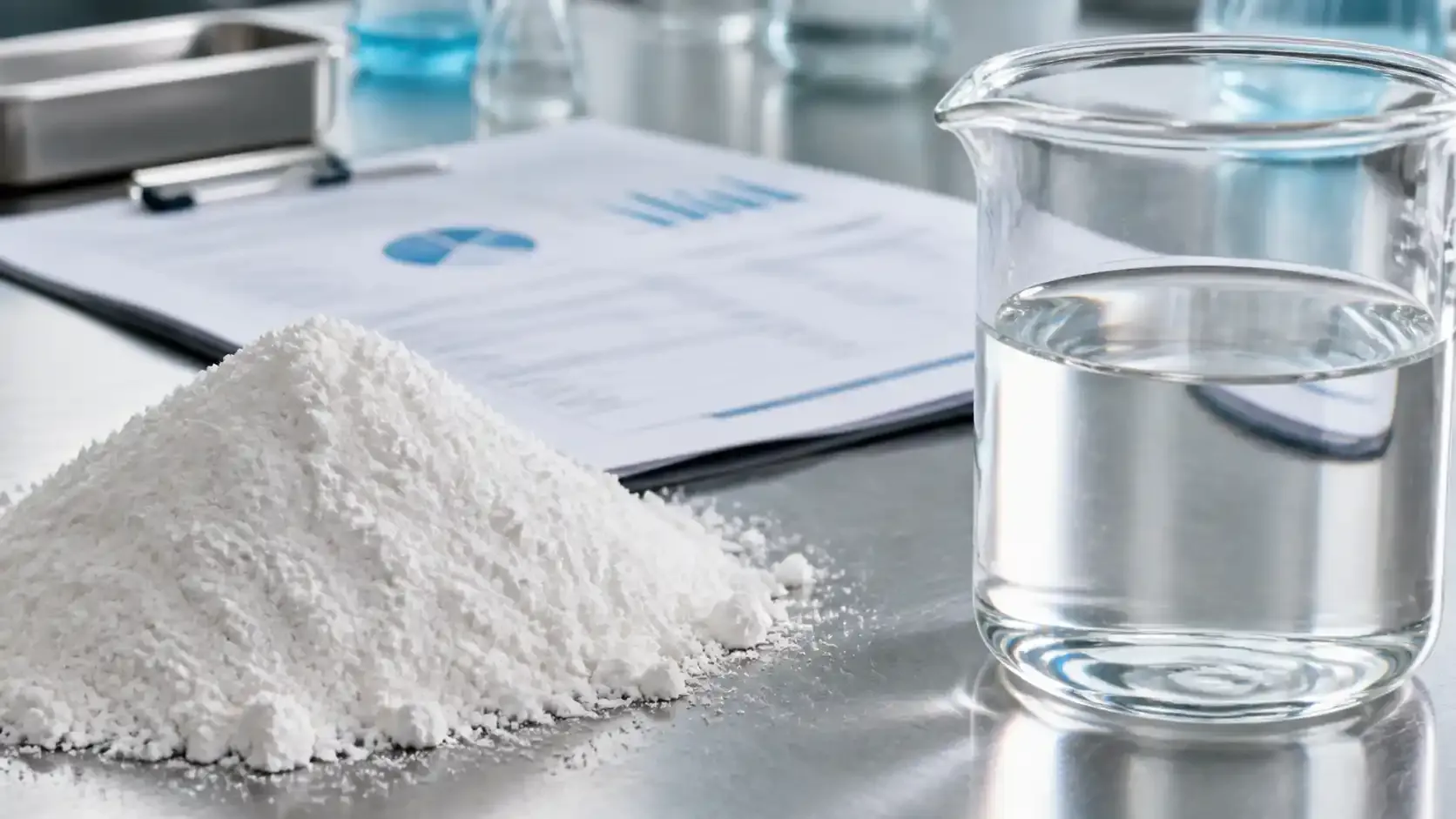
Microcrystalline cellulose and resistant dextrin have become essential ingredients behind modern tablets, fiber beverages, and nutrition bars. For buyers, the challenge is rarely about supply; it's about consistency. For instance, an MCC lot with inconsistent flow can hinder tablet compression, and

Brands are moving beyond simply “adding more fiber” and are now focusing on fiber systems that deliver specific label claims, clean taste, and predictable processing. Two ingredients are frequently seen in buyer briefs because they address distinct challenges within the same product portfolio: resis

Sourcing microcrystalline cellulose (MCC) and resistant dextrin from China frequently occurs within the same procurement initiative, particularly for manufacturers developing tablets, capsules, low-sugar beverages, and high-fiber snacks. The real challenge lies in their distinct performance profiles

Procurement teams often source microcrystalline cellulose for tablet performance and resistant dextrin for fiber-forward foods—yet the two get compared as if they were interchangeable. They are not. This guide explains what each ingredient does, how to read the specs that actually predict performanc

Procurement teams keep seeing the same phrase in tenders: “recommended Chinese manufacturer” or “recommended Chinese supplier.” In functional fiber and excipient sourcing, that label only becomes meaningful when it’s backed by documents, process evidence, and performance data —not a brochure. This g
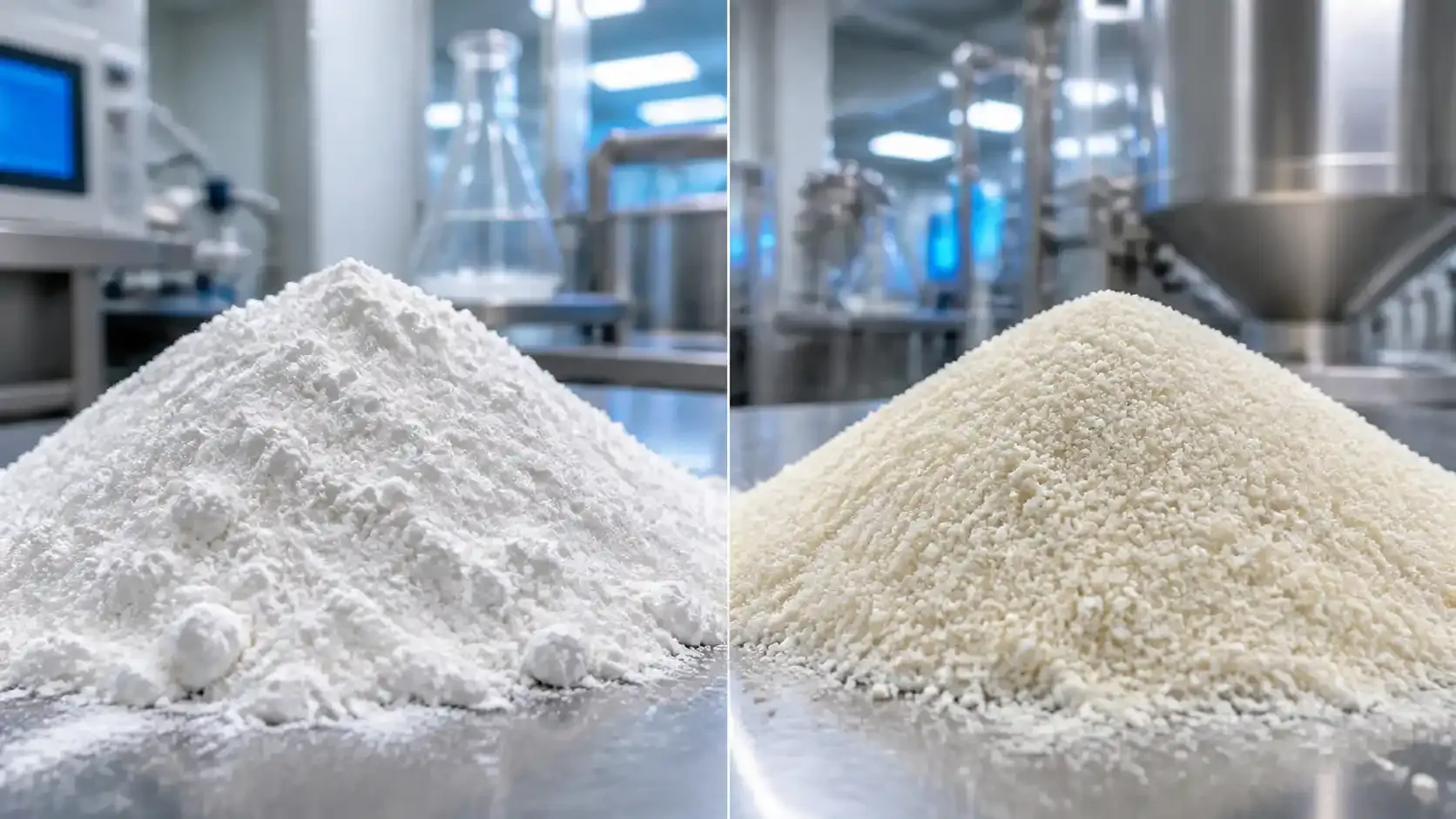
For many procurement teams, microcrystalline cellulose (MCC) and resistant dextrin show up in the same sourcing cycle—even though one is a tablet excipient and the other is a soluble dietary fiber. The overlap is practical: brands are launching more tablets, sachets, gummies, and ready-to-mix powder

Procurement teams often search for a Recommended Chinese Microcrystalline Cellulose Manufacturer or a Recommended Chinese Resistant Dextrin Manufacturer when they need stable quality across multiple batches—not just a competitive FOB price. The challenge is that both microcrystalline cellulose and r
Dietary fiber has transitioned from a quiet nutrition panel metric to a primary product driver, especially as brands rapidly launch gut-health and lower-sugar products. This shift fundamentally changes procurement behavior: formulators need fibers that behave predictably during real-world processing
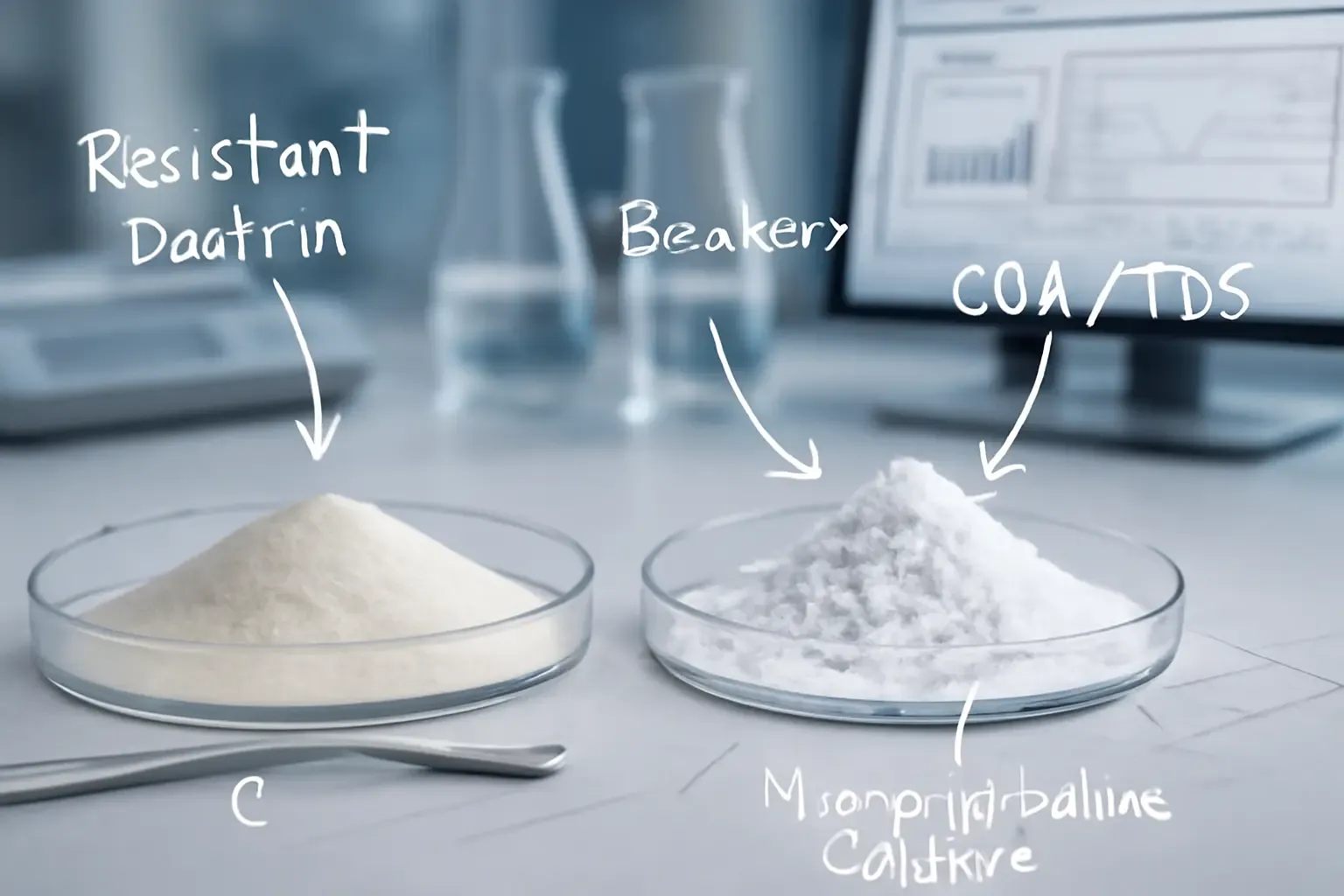
Low-sugar product design has moved beyond merely reducing sweetness into a much tougher challenge: replacing missing solids, keeping texture clean, and still hitting fiber claims in beverages, powders, and tablets. This explains why resistant dextrin (often marketed as soluble corn fiber or resistan
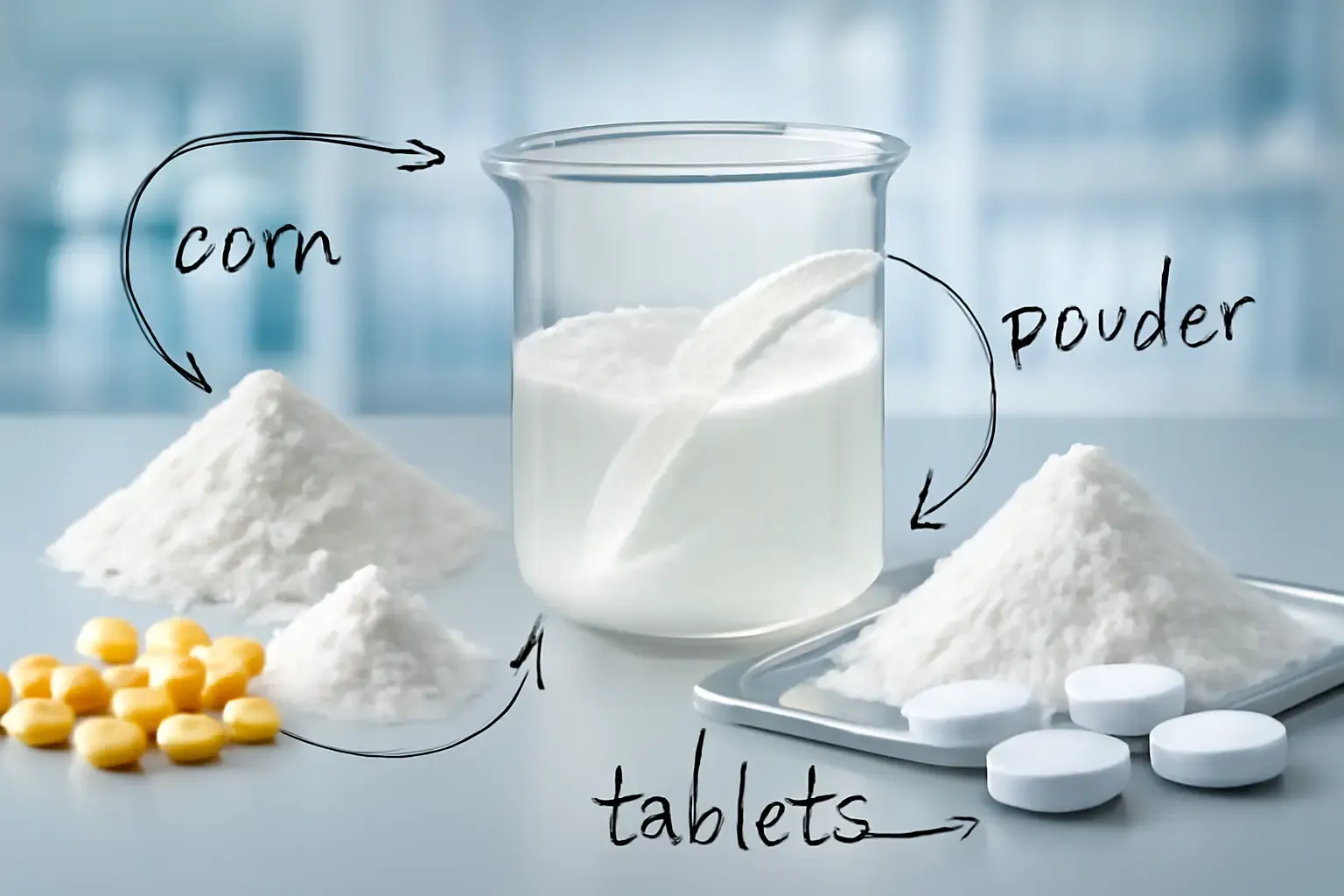
Fiber is no longer a mere add-on; procurement teams increasingly treat it as a core driver of product positioning, especially in beverages, bakery, and everyday nutrition formats. Concurrently, dosage-form innovation keeps tablet and capsule performance under strict scrutiny. This explains why resis
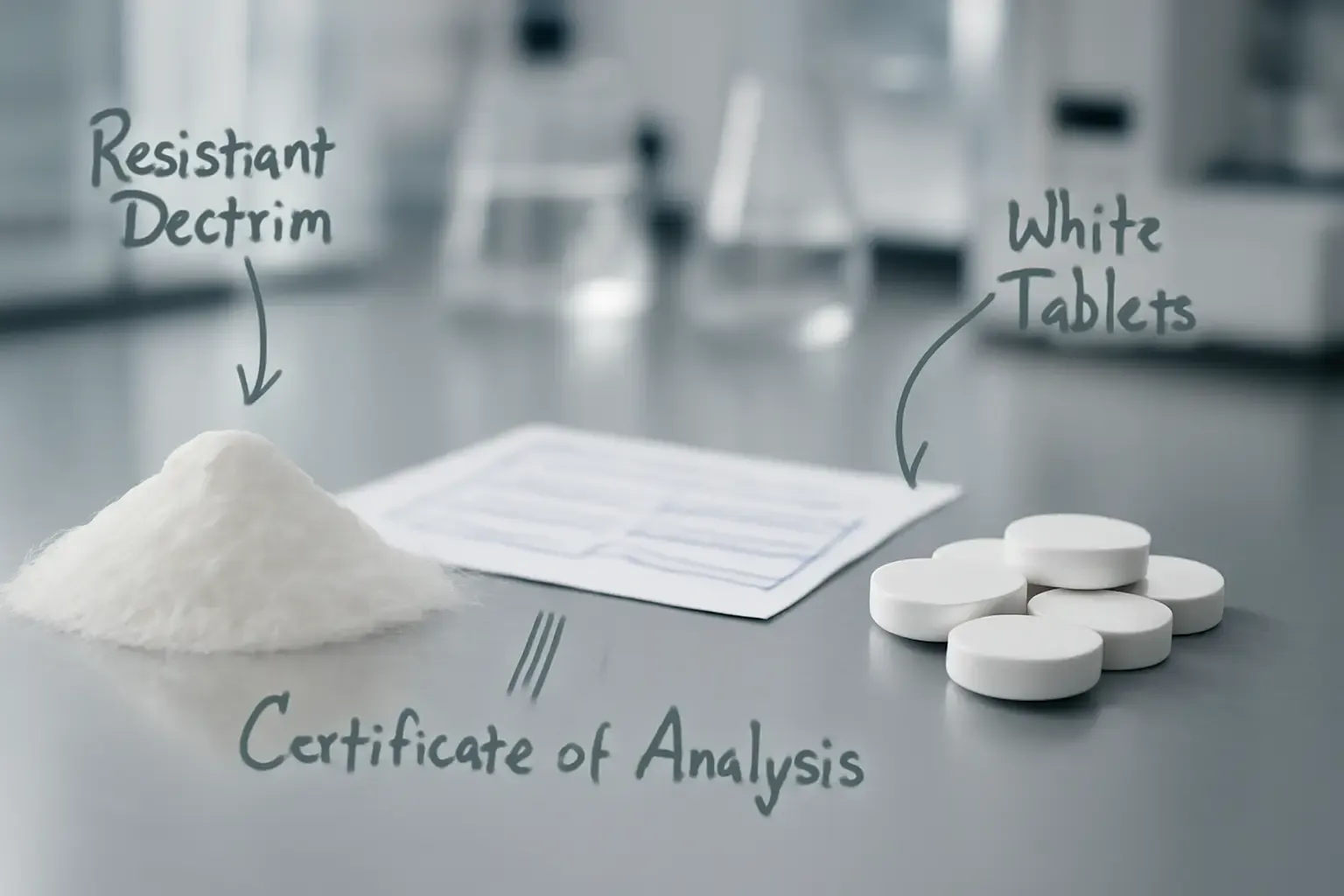
Resistant dextrin and microcrystalline cellulose (MCC) are often purchased for very different reasons—one for fiber enrichment and prebiotic positioning , the other for tableting performance and excipient reliability . Yet procurement teams regularly evaluate them through the same lens: “Is the spec
Procurement teams are finding two ingredient conversations collide: pharmaceutical excipients needing smooth performance on modern tableting lines, and soluble dietary fiber systems that must stay neutral-tasting and stable in real foods and drinks. This overlap is a big reason buyers increasingly e
Microcrystalline cellulose and resistant dextrin have become essential ingredients behind modern tablets, fiber beverages, and nutrition bars. For buyers, the challenge is rarely about supply; it's about consistency. For instance, an MCC lot with inconsistent flow can hinder tablet compression, and
Brands are moving beyond simply “adding more fiber” and are now focusing on fiber systems that deliver specific label claims, clean taste, and predictable processing. Two ingredients are frequently seen in buyer briefs because they address distinct challenges within the same product portfolio: resis
Sourcing microcrystalline cellulose (MCC) and resistant dextrin from China frequently occurs within the same procurement initiative, particularly for manufacturers developing tablets, capsules, low-sugar beverages, and high-fiber snacks. The real challenge lies in their distinct performance profiles
Procurement teams often source microcrystalline cellulose for tablet performance and resistant dextrin for fiber-forward foods—yet the two get compared as if they were interchangeable. They are not. This guide explains what each ingredient does, how to read the specs that actually predict performanc
Procurement teams keep seeing the same phrase in tenders: “recommended Chinese manufacturer” or “recommended Chinese supplier.” In functional fiber and excipient sourcing, that label only becomes meaningful when it’s backed by documents, process evidence, and performance data —not a brochure. This g
For many procurement teams, microcrystalline cellulose (MCC) and resistant dextrin show up in the same sourcing cycle—even though one is a tablet excipient and the other is a soluble dietary fiber. The overlap is practical: brands are launching more tablets, sachets, gummies, and ready-to-mix powder
Procurement teams often search for a Recommended Chinese Microcrystalline Cellulose Manufacturer or a Recommended Chinese Resistant Dextrin Manufacturer when they need stable quality across multiple batches—not just a competitive FOB price. The challenge is that both microcrystalline cellulose and r
Dietary fiber has transitioned from a quiet nutrition panel metric to a primary product driver, especially as brands rapidly launch gut-health and lower-sugar products. This shift fundamentally changes procurement behavior: formulators need fibers that behave predictably during real-world processing
Low-sugar product design has moved beyond merely reducing sweetness into a much tougher challenge: replacing missing solids, keeping texture clean, and still hitting fiber claims in beverages, powders, and tablets. This explains why resistant dextrin (often marketed as soluble corn fiber or resistan
Fiber is no longer a mere add-on; procurement teams increasingly treat it as a core driver of product positioning, especially in beverages, bakery, and everyday nutrition formats. Concurrently, dosage-form innovation keeps tablet and capsule performance under strict scrutiny. This explains why resis
Resistant dextrin and microcrystalline cellulose (MCC) are often purchased for very different reasons—one for fiber enrichment and prebiotic positioning , the other for tableting performance and excipient reliability . Yet procurement teams regularly evaluate them through the same lens: “Is the spec





