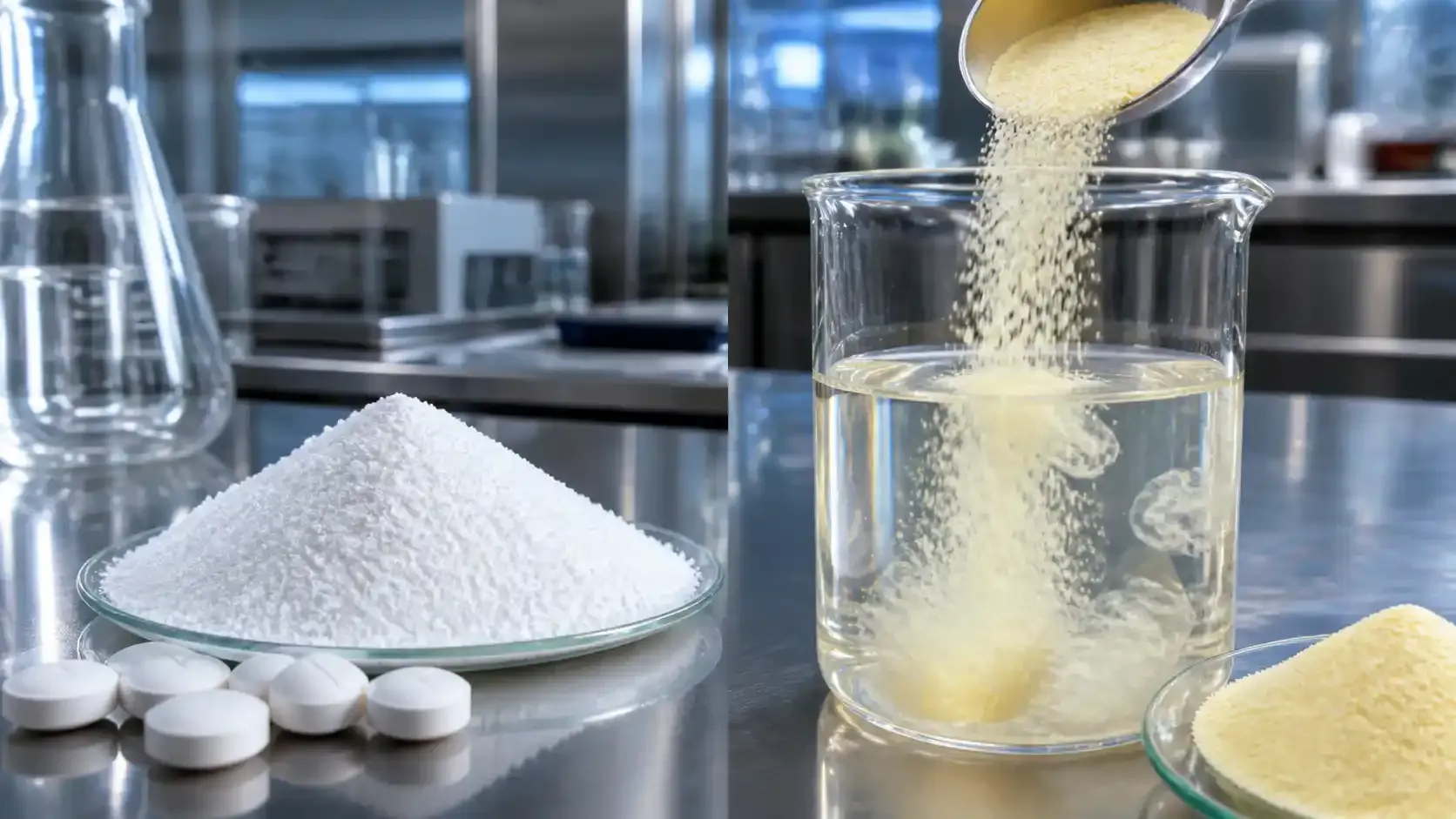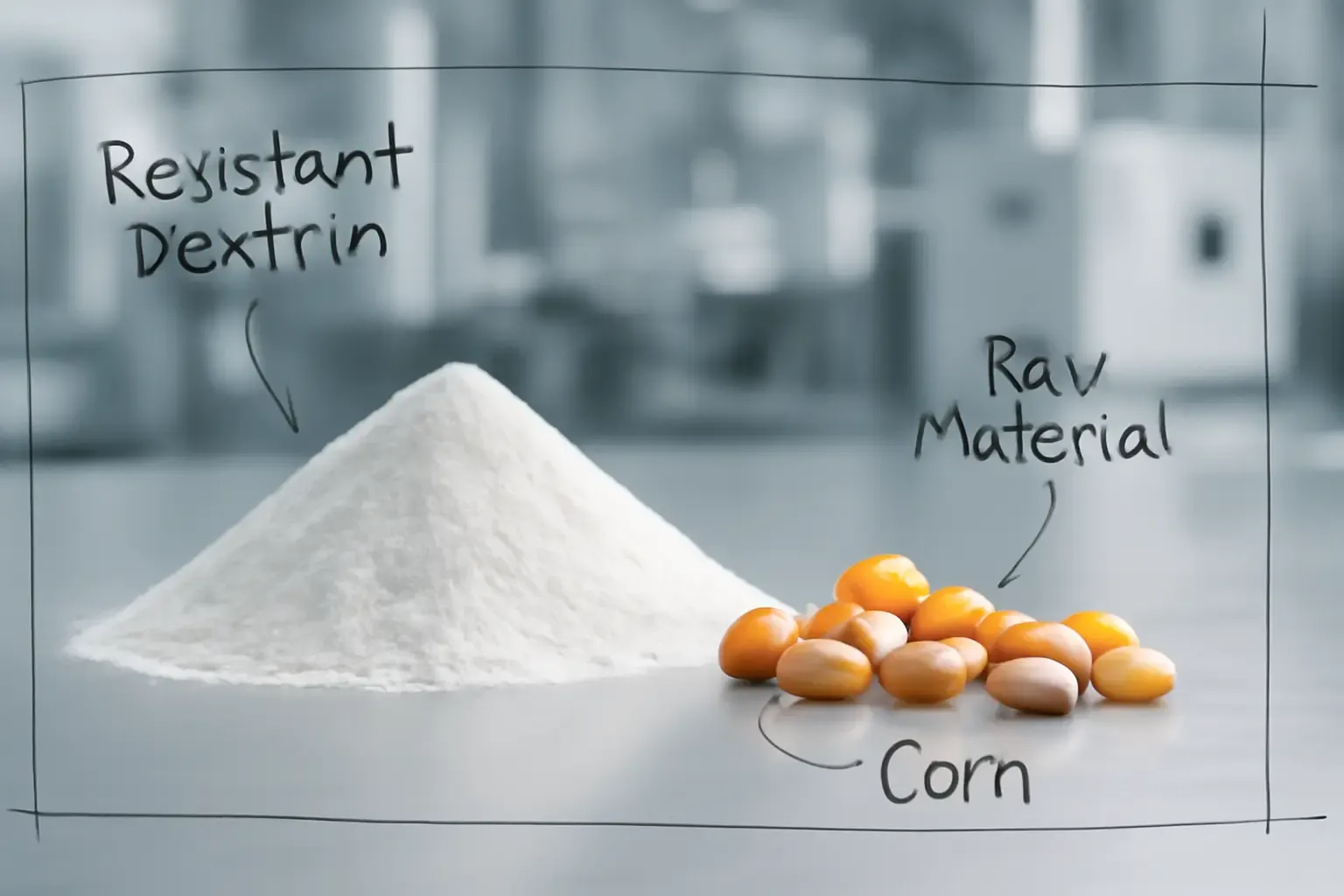
Resistant dextrin—often marketed as resistant maltodextrin powder or soluble corn fiber —has become an essential ingredient for formulators needing high fiber with low calories , without compromising taste or viscosity. For procurement teams, the appeal is quite straightforward. Modern grades typica
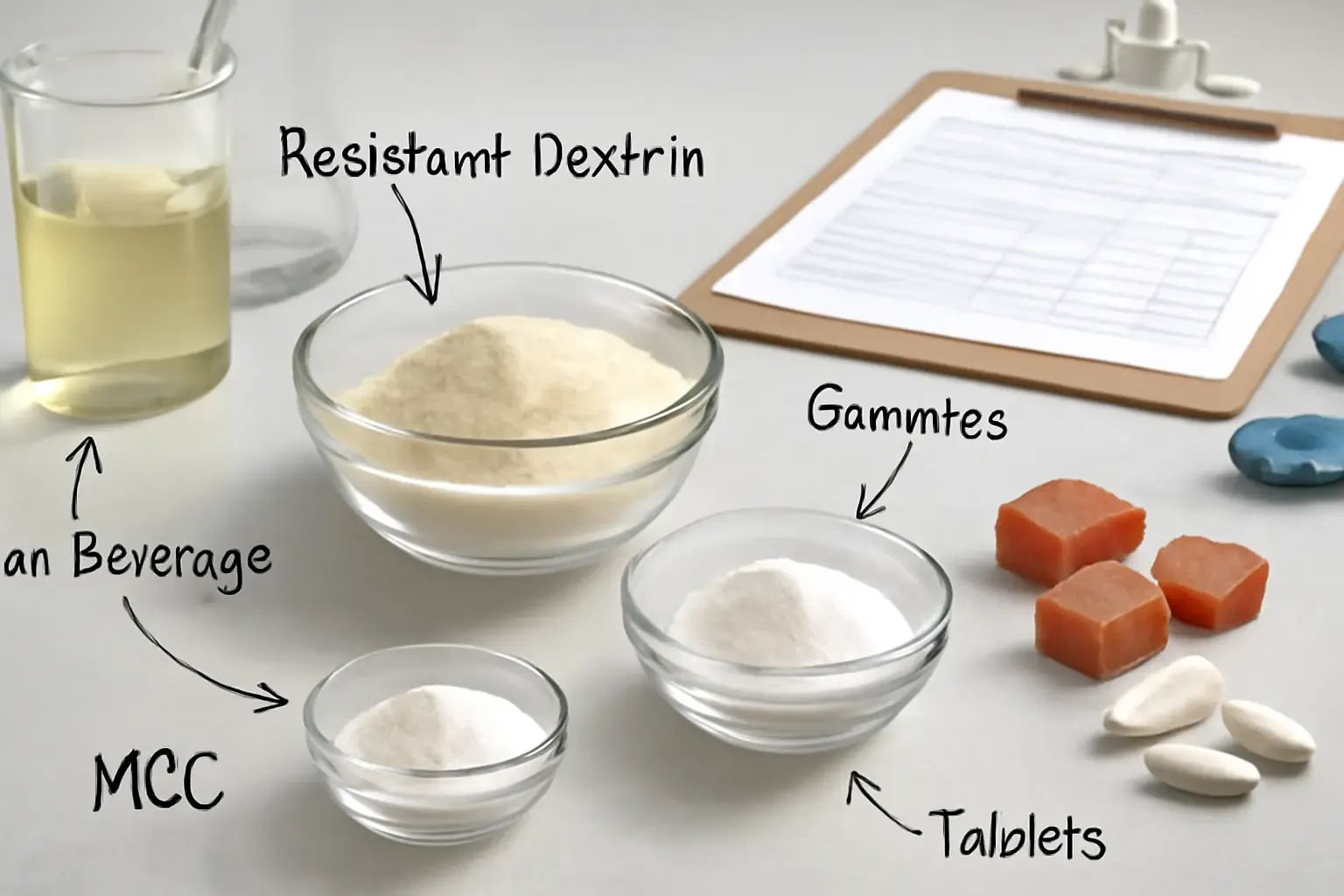
Resistant dextrin has transitioned from a simple label add-on to a fundamental ingredient for formulating high-fiber, low-sugar, and keto-friendly products. For procurement teams, the challenge often lies in the fact that resistant dextrin is frequently evaluated by price alone. However, the specifi

In procurement, "dietary fiber" can look straightforward on a label—until an RTD beverage turns hazy, a nutrition bar dries out, or a bakery reformulation loses its volume. That is why resistant dextrin and soluble corn fiber deserve a closer, specification-first review. Both can deliver meaningful
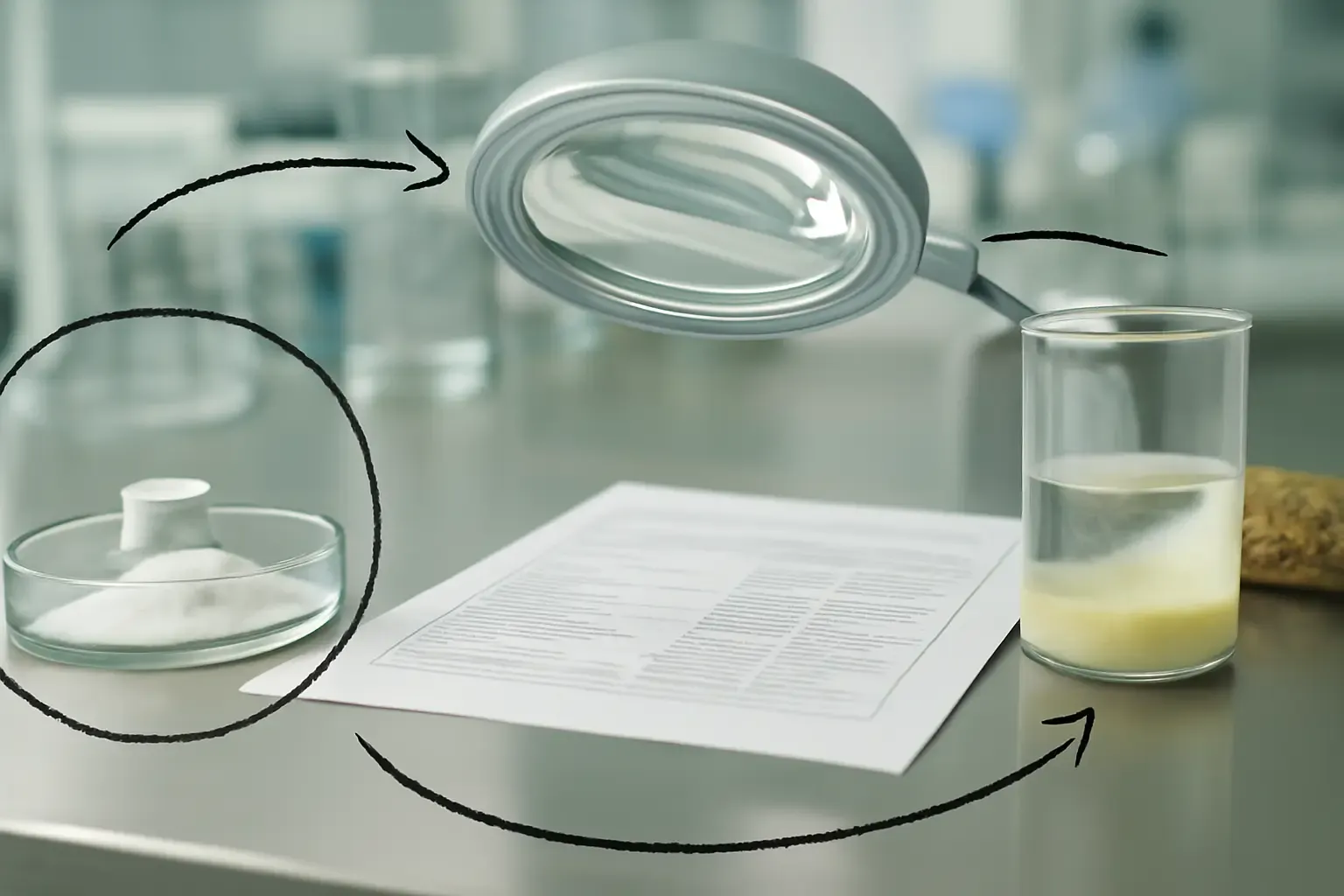
Fiber-forward launches are accelerating into 2026, and that momentum is forcing procurement teams to get more precise about two ingredient families that show up across tablets, sachets, gummies, and beverages: microcrystalline cellulose (MCC) and resistant dextrin (often positioned as soluble corn f
A procurement manager receives two quotes on the same day—one for soluble corn fiber (resistant dextrin) and one for microcrystalline cellulose (MCC). Both suppliers claim "stable quality" and "export-ready documents." The numbers look similar, the price gap is tempting, and the R&D department is as
Modern solid-dose supplements and functional foods increasingly rely on microcrystalline cellulose (MCC) and resistant dextrin to hit performance targets—flow, compression, mouthfeel, fiber claims, and sugar reduction—without compromising stability. China has become a major origin for both ingredien
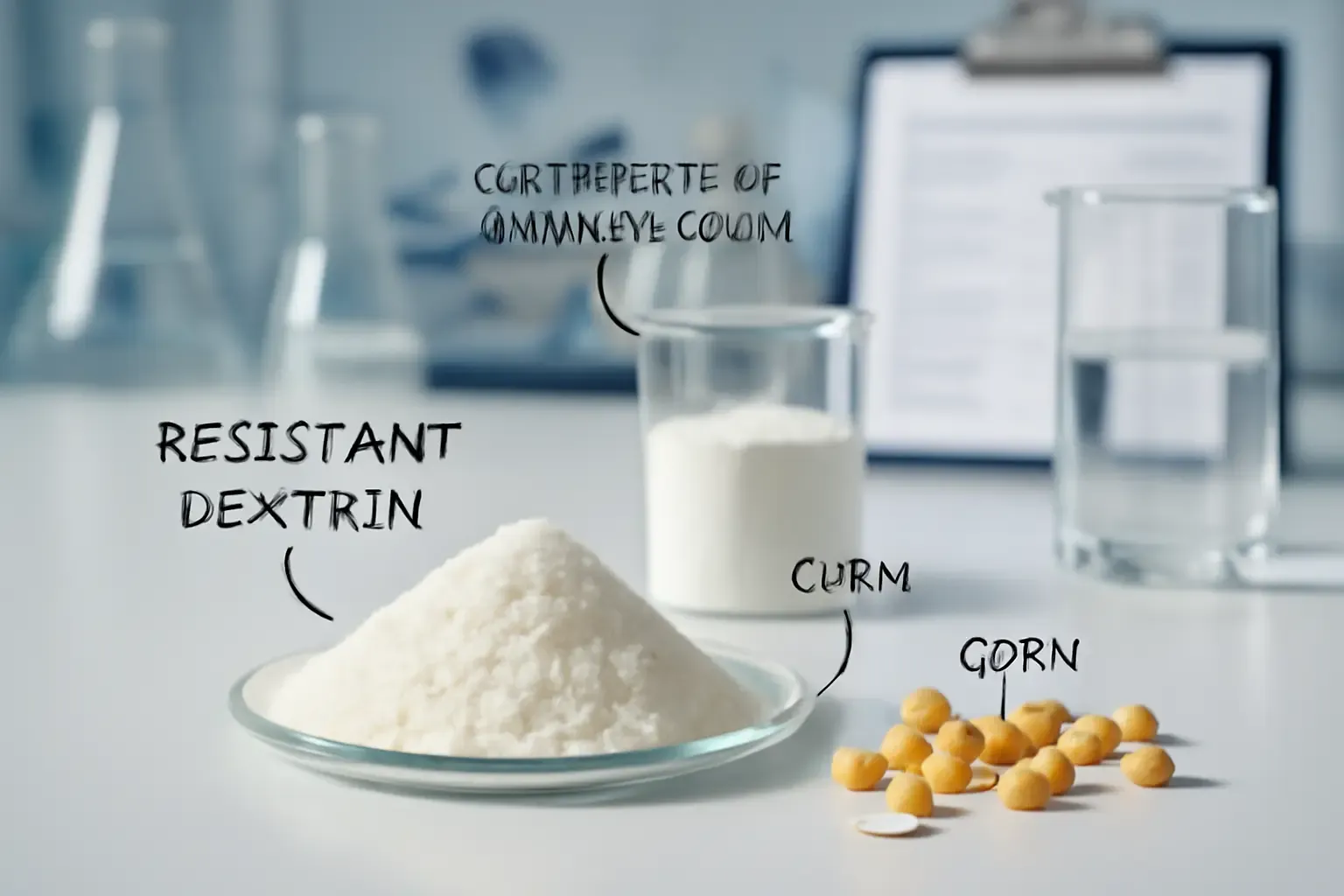
Procurement teams are increasingly utilizing resistant dextrin and soluble corn fiber to hit modern formulation targets— lower sugar, fewer calories, and better digestive positioning —without sacrificing taste or processing stability. The catch is that "soluble fiber" is not a universal specificatio
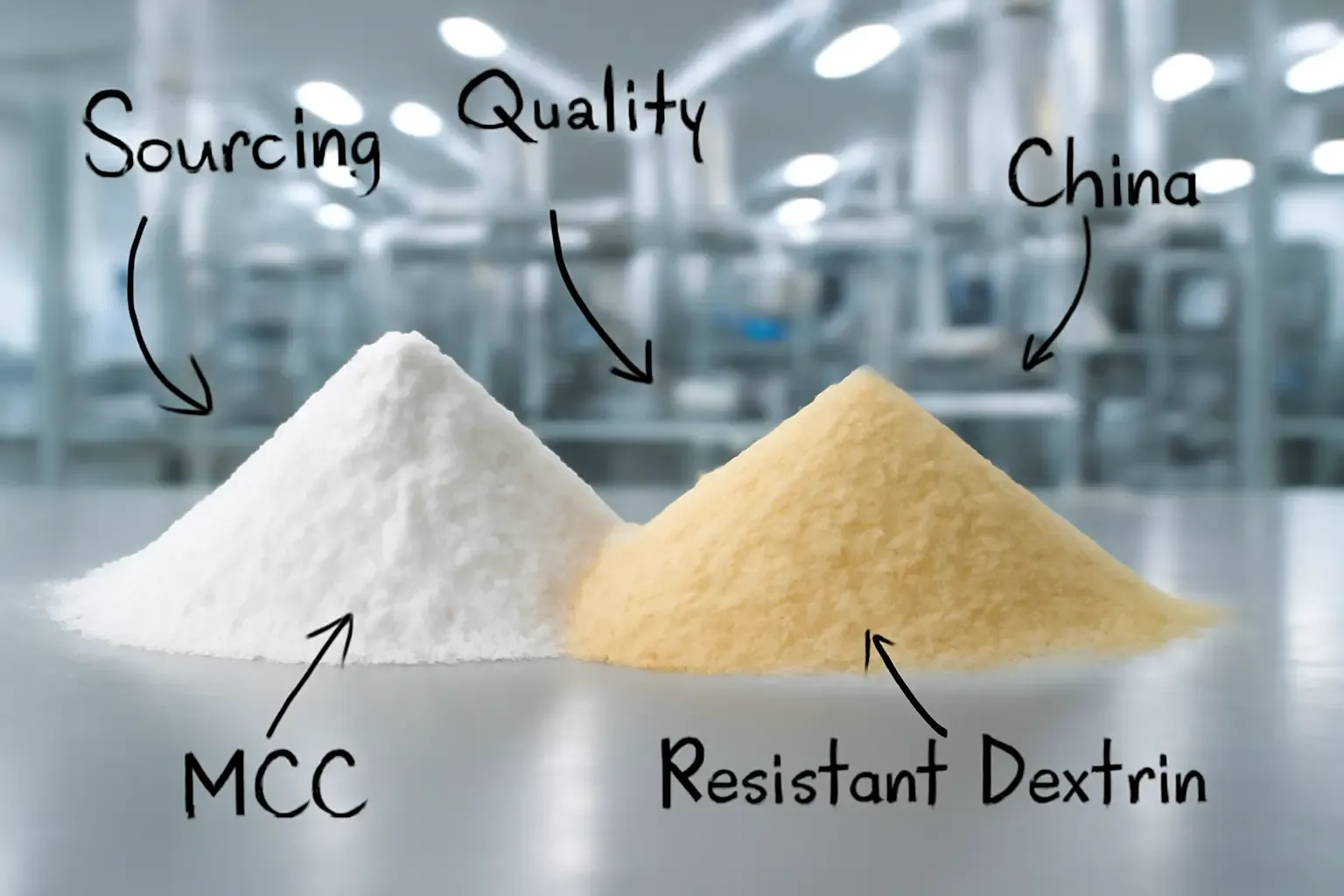
China now sits at the center of many global ingredient shortlists—not only for price, but for dependable capacity in microcrystalline cellulose (MCC) and corn-based soluble fibers. For buyers, the upside is clear: broadened sourcing options and scalable supply. The risk is also clear: the same ingre
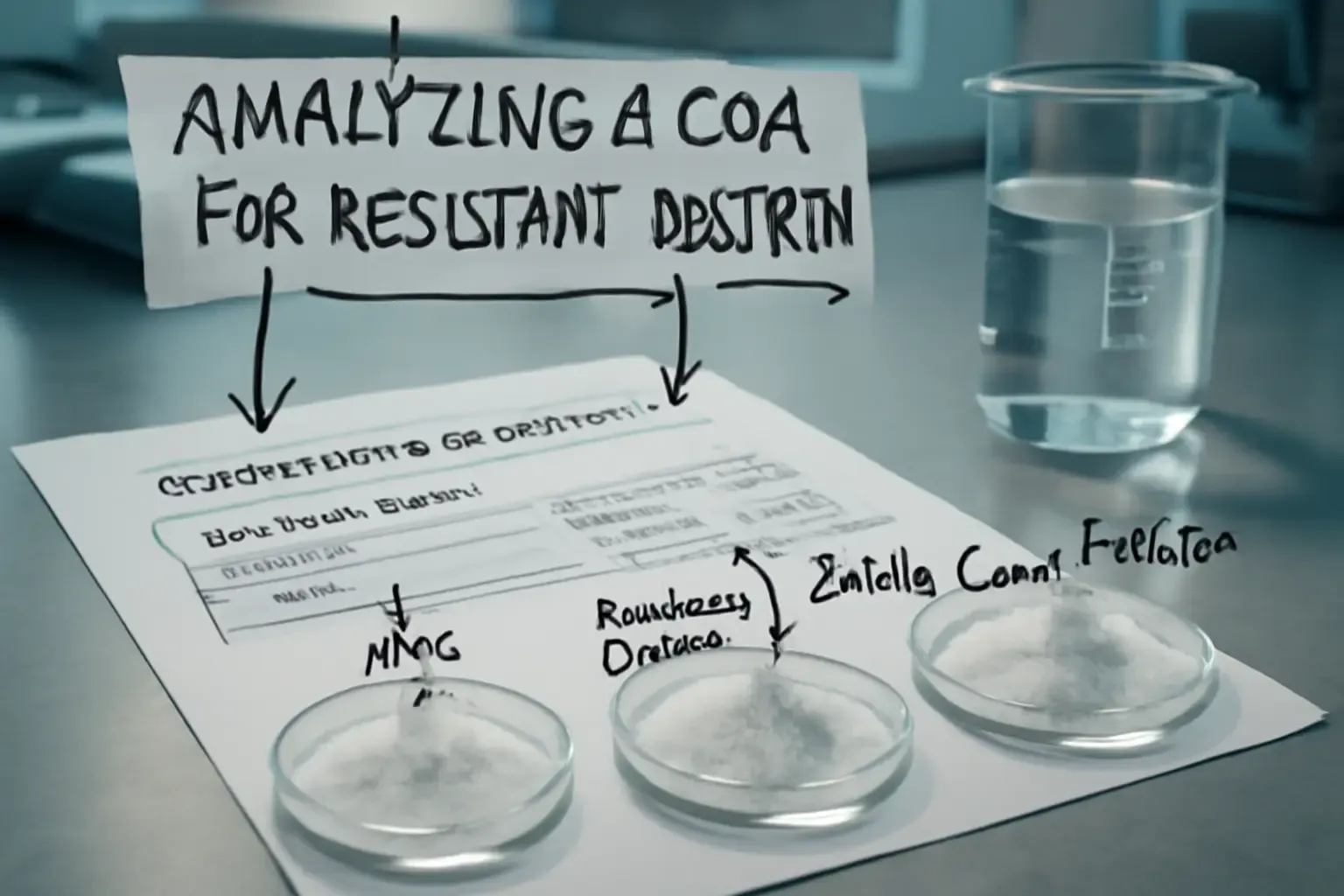
Global procurement teams are currently purchasing significant volumes of resistant dextrin , soluble corn fiber , and microcrystalline cellulose (MCC) from China. However, a persistent challenge remains: many supplier approvals hinge on a single-page specification sheet that fails to articulate how
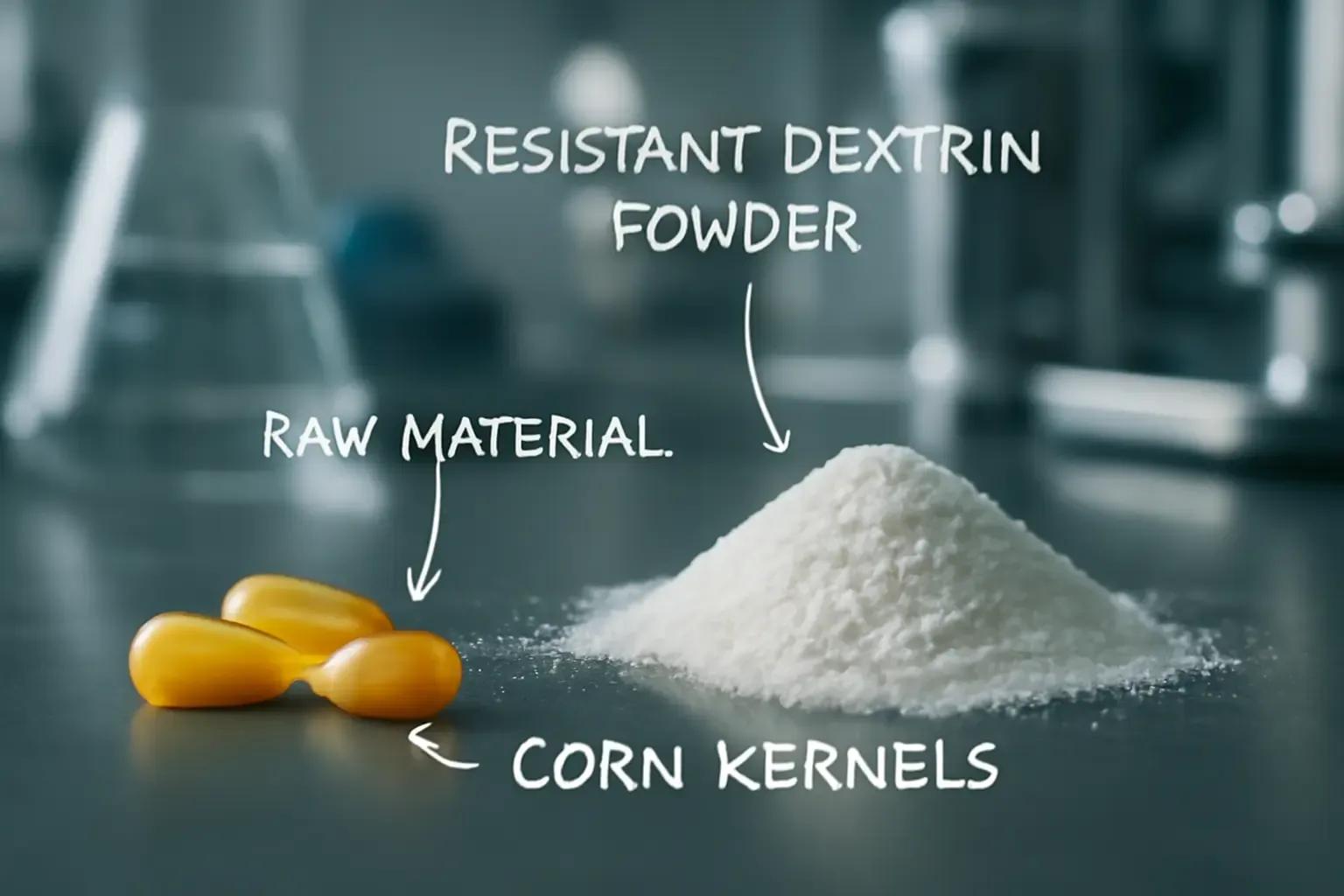
Fiber-forward product development is no longer about simply adding “more grams” and hoping the label holds up. Procurement teams are currently being asked to deliver stable formulas, predictable sensory performance, and defensible fiber claims —often under tight timelines and with suppliers competin
Modern formulation briefs are increasingly demanding: more fiber, fewer calories , cleaner taste profiles, and unwavering processing stability. Consequently, procurement teams searching for a reliable resistant dextrin manufacturer often find themselves reviewing adjacent ingredients like polydextro

Soluble fibers and classic excipients are no longer just “nice-to-have” ingredients in the modern formulation landscape. For many brand owners, resistant dextrin has become a core tool for strategic sugar reduction and fiber fortification, while microcrystalline cellulose (MCC) remains a vital workh
Resistant dextrin—often marketed as resistant maltodextrin powder or soluble corn fiber —has become an essential ingredient for formulators needing high fiber with low calories , without compromising taste or viscosity. For procurement teams, the appeal is quite straightforward. Modern grades typica
Resistant dextrin has transitioned from a simple label add-on to a fundamental ingredient for formulating high-fiber, low-sugar, and keto-friendly products. For procurement teams, the challenge often lies in the fact that resistant dextrin is frequently evaluated by price alone. However, the specifi
In procurement, "dietary fiber" can look straightforward on a label—until an RTD beverage turns hazy, a nutrition bar dries out, or a bakery reformulation loses its volume. That is why resistant dextrin and soluble corn fiber deserve a closer, specification-first review. Both can deliver meaningful
Fiber-forward launches are accelerating into 2026, and that momentum is forcing procurement teams to get more precise about two ingredient families that show up across tablets, sachets, gummies, and beverages: microcrystalline cellulose (MCC) and resistant dextrin (often positioned as soluble corn f
A procurement manager receives two quotes on the same day—one for soluble corn fiber (resistant dextrin) and one for microcrystalline cellulose (MCC). Both suppliers claim "stable quality" and "export-ready documents." The numbers look similar, the price gap is tempting, and the R&D department is as
Modern solid-dose supplements and functional foods increasingly rely on microcrystalline cellulose (MCC) and resistant dextrin to hit performance targets—flow, compression, mouthfeel, fiber claims, and sugar reduction—without compromising stability. China has become a major origin for both ingredien
Procurement teams are increasingly utilizing resistant dextrin and soluble corn fiber to hit modern formulation targets— lower sugar, fewer calories, and better digestive positioning —without sacrificing taste or processing stability. The catch is that "soluble fiber" is not a universal specificatio
China now sits at the center of many global ingredient shortlists—not only for price, but for dependable capacity in microcrystalline cellulose (MCC) and corn-based soluble fibers. For buyers, the upside is clear: broadened sourcing options and scalable supply. The risk is also clear: the same ingre
Global procurement teams are currently purchasing significant volumes of resistant dextrin , soluble corn fiber , and microcrystalline cellulose (MCC) from China. However, a persistent challenge remains: many supplier approvals hinge on a single-page specification sheet that fails to articulate how
Fiber-forward product development is no longer about simply adding “more grams” and hoping the label holds up. Procurement teams are currently being asked to deliver stable formulas, predictable sensory performance, and defensible fiber claims —often under tight timelines and with suppliers competin
Modern formulation briefs are increasingly demanding: more fiber, fewer calories , cleaner taste profiles, and unwavering processing stability. Consequently, procurement teams searching for a reliable resistant dextrin manufacturer often find themselves reviewing adjacent ingredients like polydextro
Soluble fibers and classic excipients are no longer just “nice-to-have” ingredients in the modern formulation landscape. For many brand owners, resistant dextrin has become a core tool for strategic sugar reduction and fiber fortification, while microcrystalline cellulose (MCC) remains a vital workh