
Soluble fiber and classic excipients are being treated less like “minor additives” and more like strategic formulation tools. One reason is demand: a recent market outlook projects the global nutraceutical excipients market to grow from USD 2.8 billion (2025) to USD 5.2 billion (2035) , at a 6.4% CA
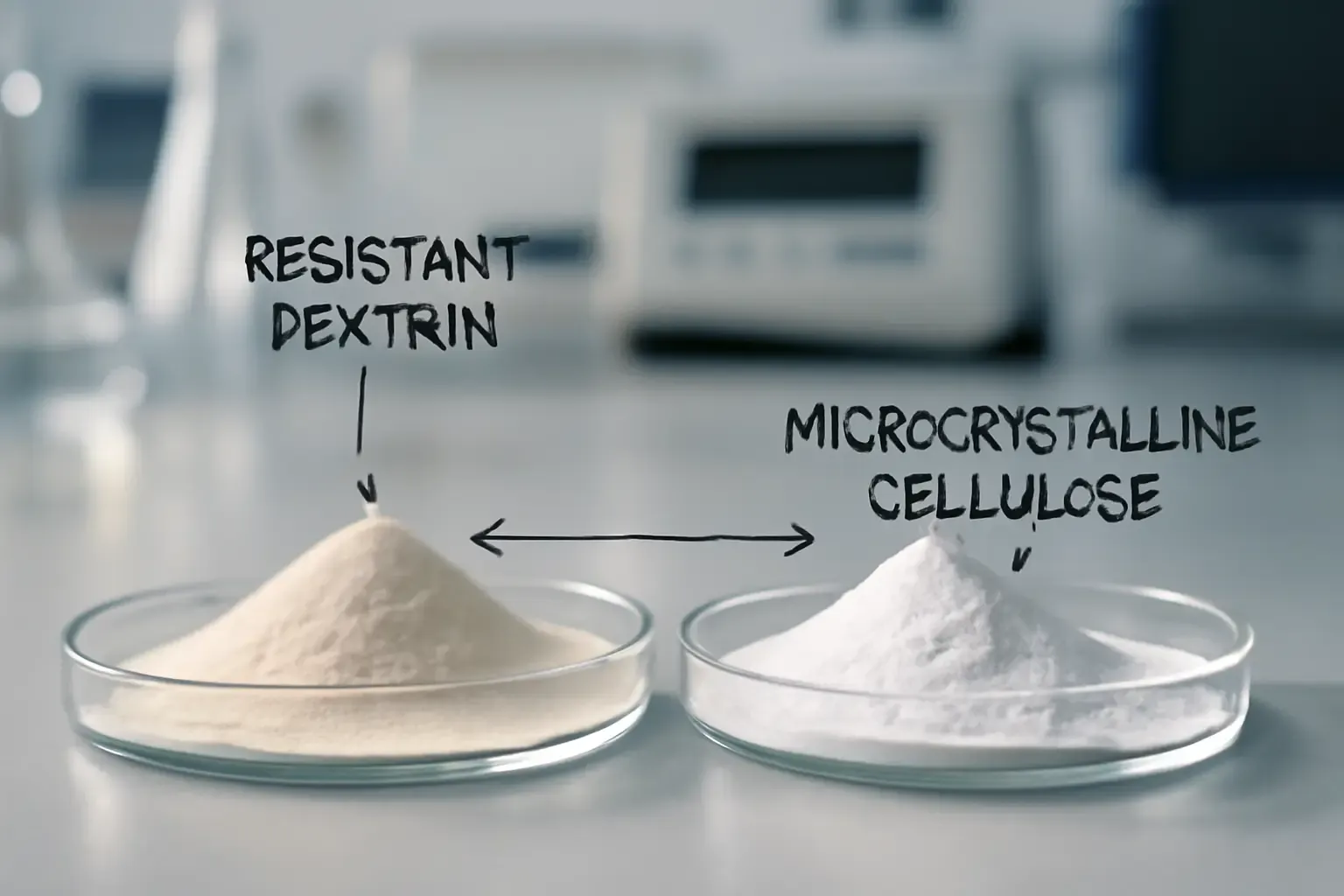
As 2026 approaches, resistant dextrin is transitioning from a niche functional ingredient to a fundamental tool in formulation—particularly for brands targeting low-calorie profiles, clean taste, and satiety benefits in beverages and confectionery. Simultaneously, procurement teams are increasingly
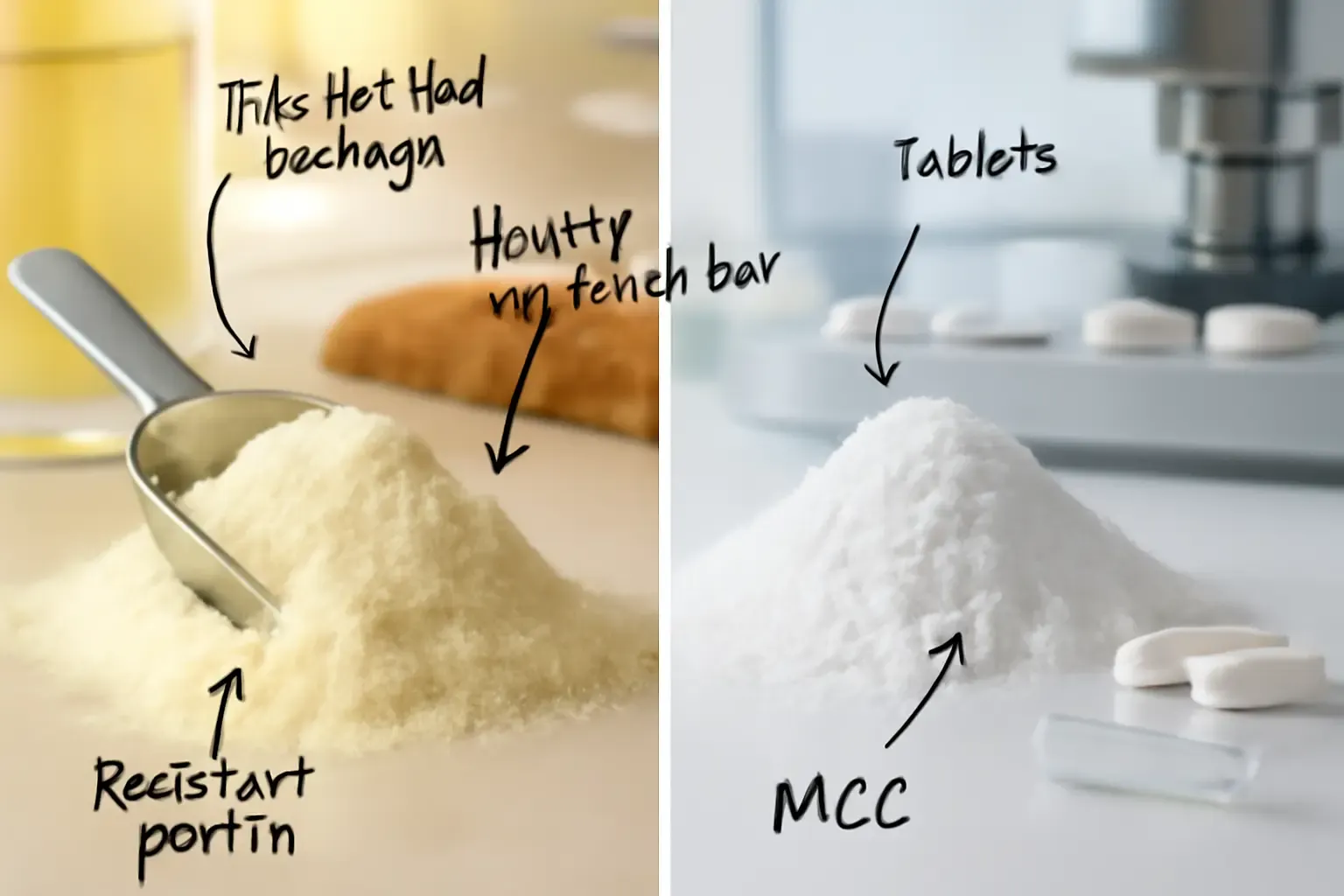
Resistant dextrin and microcrystalline cellulose (MCC) occupy distinct corners of the ingredient spectrum, yet they frequently land on the same procurement shortlists. Resistant dextrin is primarily chosen to raise soluble dietary fiber content without compromising taste, viscosity, or process stabi
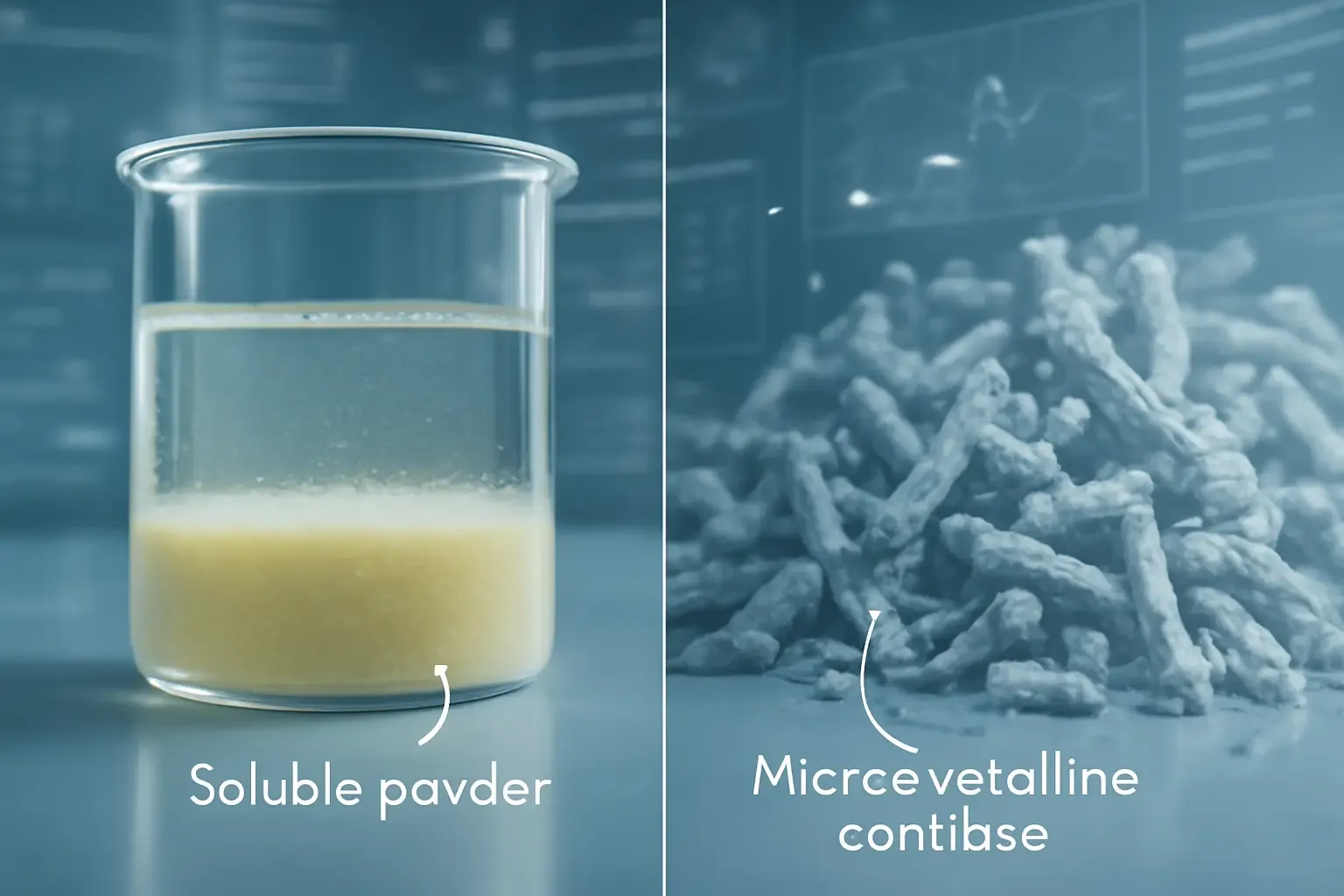
Resistant dextrin and microcrystalline cellulose (MCC) often appear on the same procurement radar, but they behave very differently in real formulations—and their spec sheets need to be read with different “buyer eyes.” If you’re building a shortlist that includes a recommended Chinese resistant dex
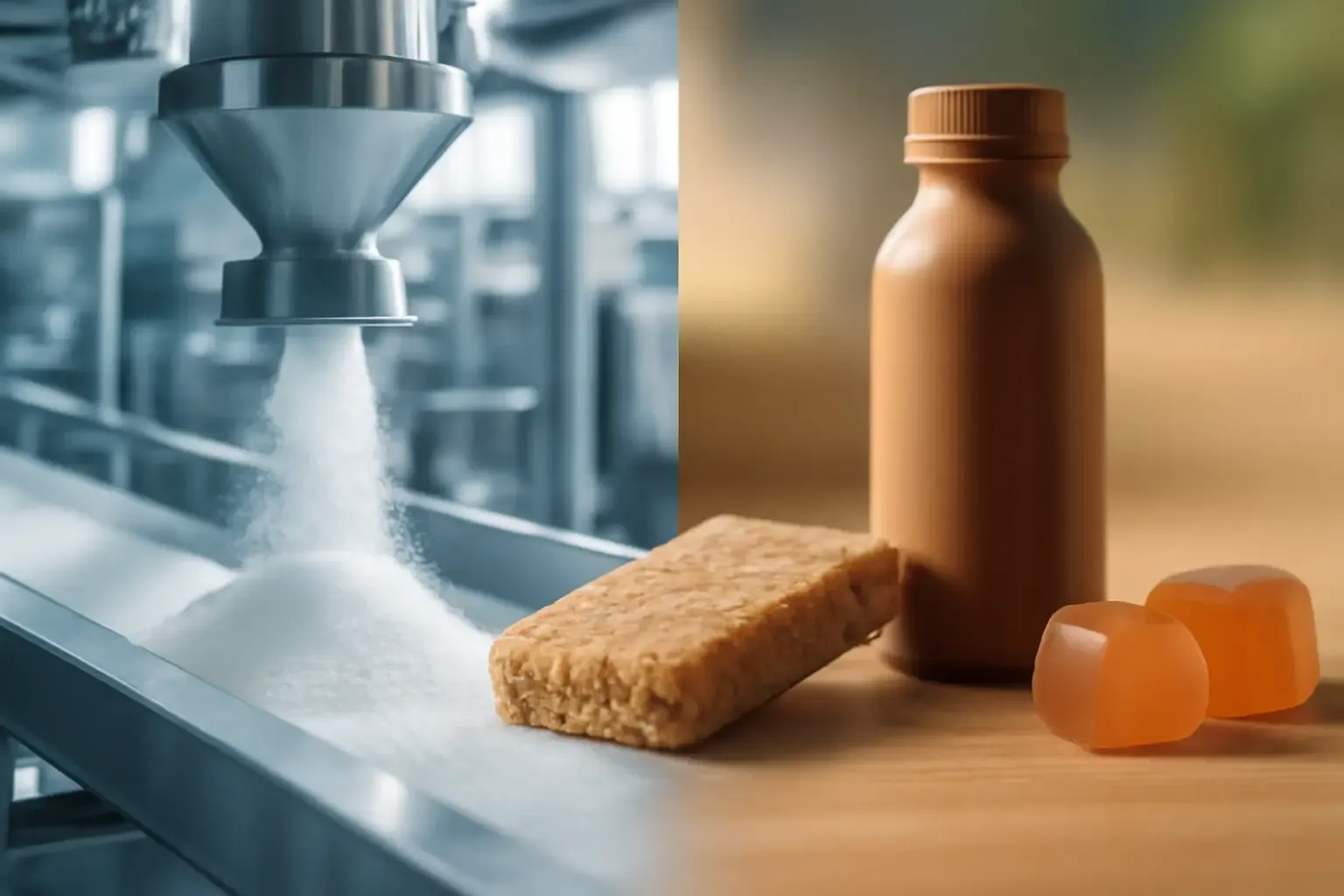
Buyer-focused fundamentals on resistant dextrin and microcrystalline cellulose from China, with specs, COA literacy, and 2026 sourcing checkpoints. In 2026, the concept of “accessible nutrition” is fundamentally reshaping the shelves. Everyday products—from RTD coffees and protein bars to gummies an
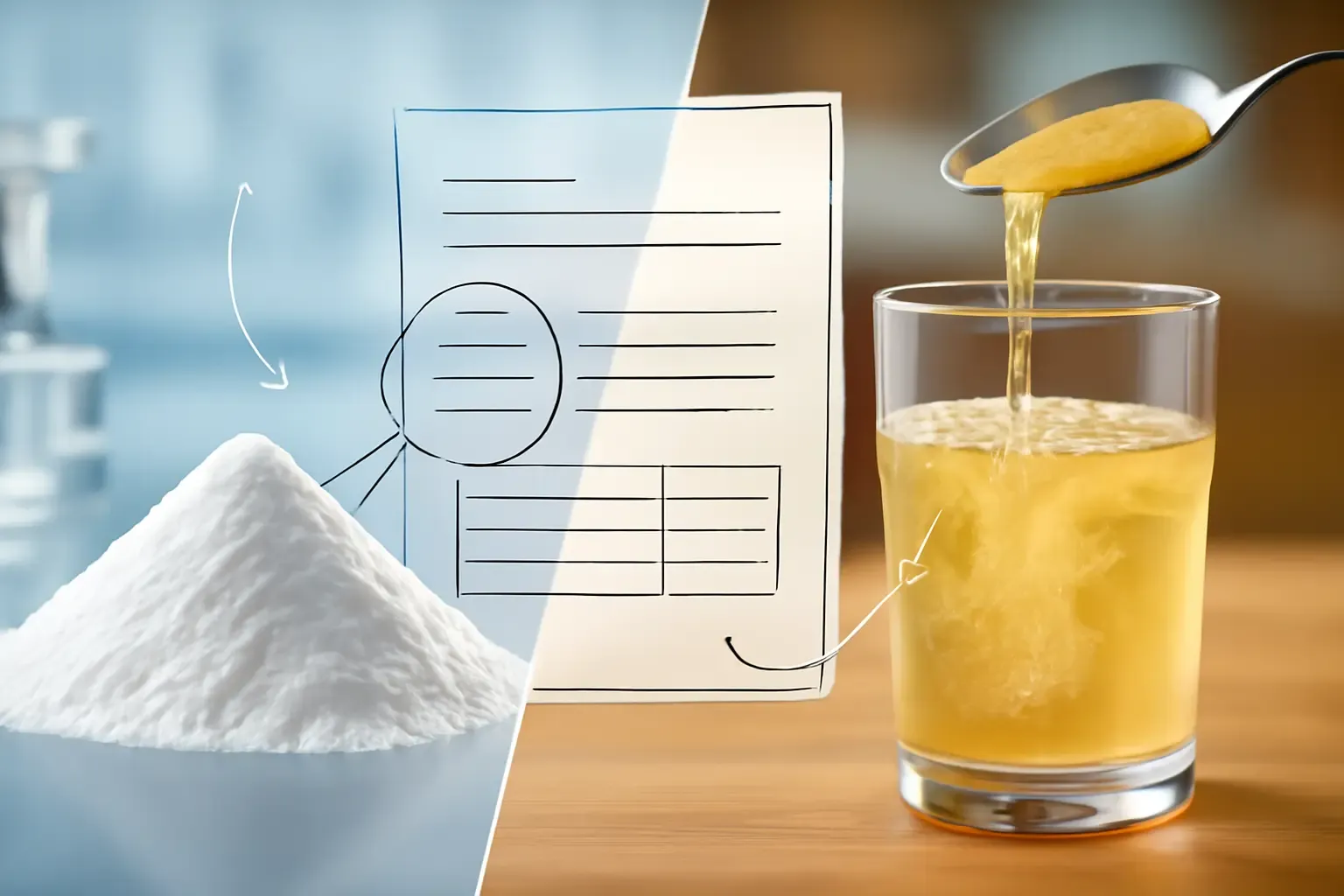
In the rapidly evolving landscape of 2026, procurement teams face a dual challenge: they are no longer just buying "ingredients"; they are securing formulation certainty . Two materials frequently appear in modern product briefs because they solve distinct yet critical problems: microcrystalline cel

A buyer-focused guide to reading specs and COAs for Chinese resistant dextrin and microcrystalline cellulose, with practical checkpoints for sourcing. Procurement teams are entering 2026 with a challenging new reality: the demand for “accessible nutrition” is aggressively pushing everyday formats—co
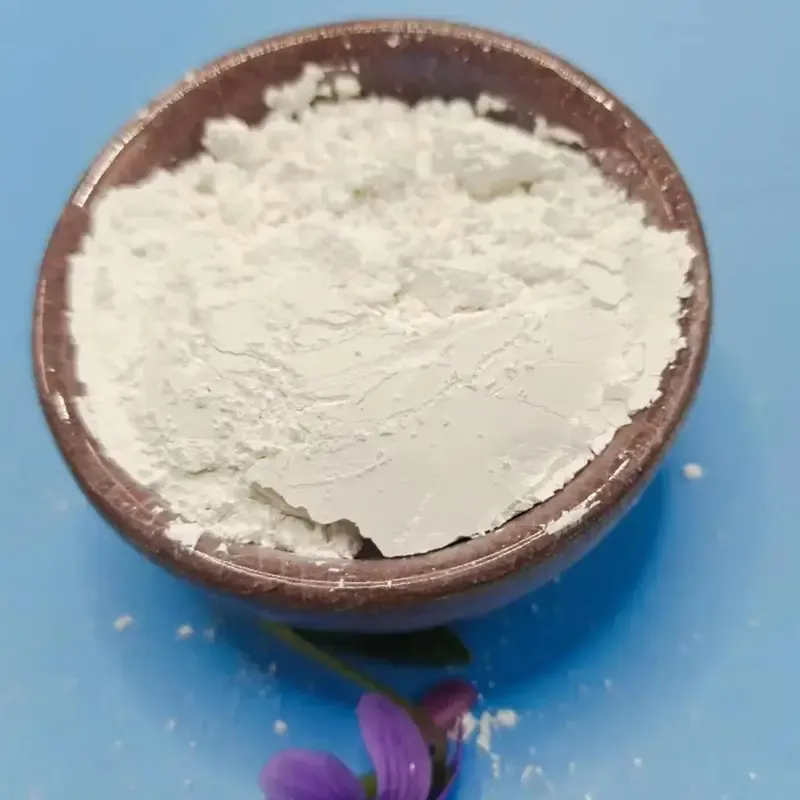
Buying microcrystalline cellulose (MCC) and resistant dextrin from China used to look like a straightforward “compare the lowest quote” exercise. Today, procurement teams are finding that the difference between a smooth launch and a costly reformulation often sits inside the COA—particle size drift,
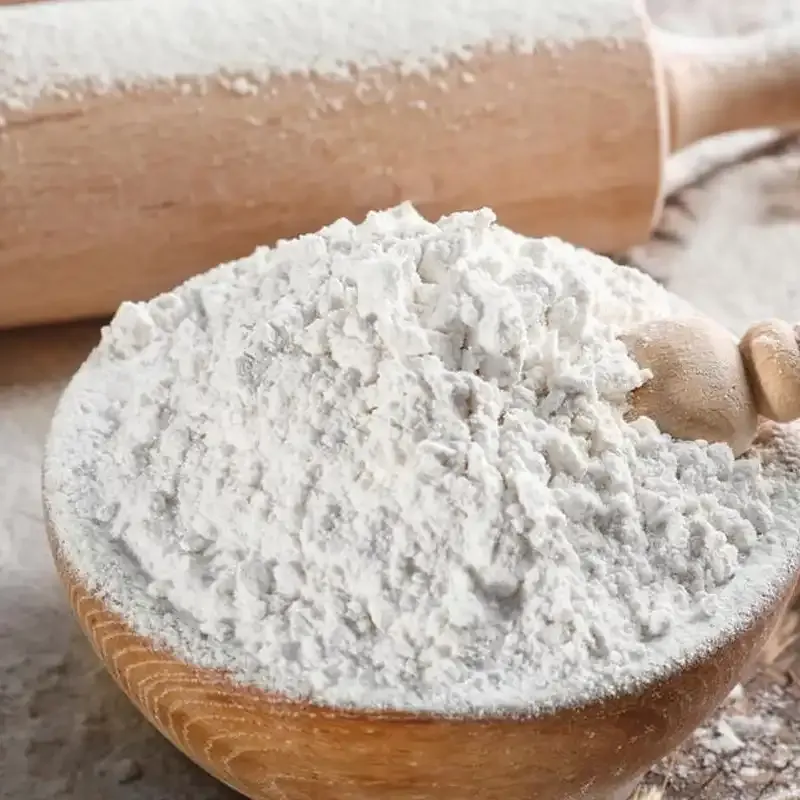
Accessible nutrition is turning “invisible” ingredients into procurement priorities. When half of Gen Z and millennial consumers actively look for brands that deliver fiber and gut-health benefits , and when a meaningful share of shoppers say they have increased fiber intake in the past year, the te
In procurement, microcrystalline cellulose (MCC) and resistant dextrin are often treated like simple commodities—until the first formulation issue, customs delay, or documentation gap turns a “low price” into a costly fire drill. For most teams, the real challenge is not finding a quote from a Chine
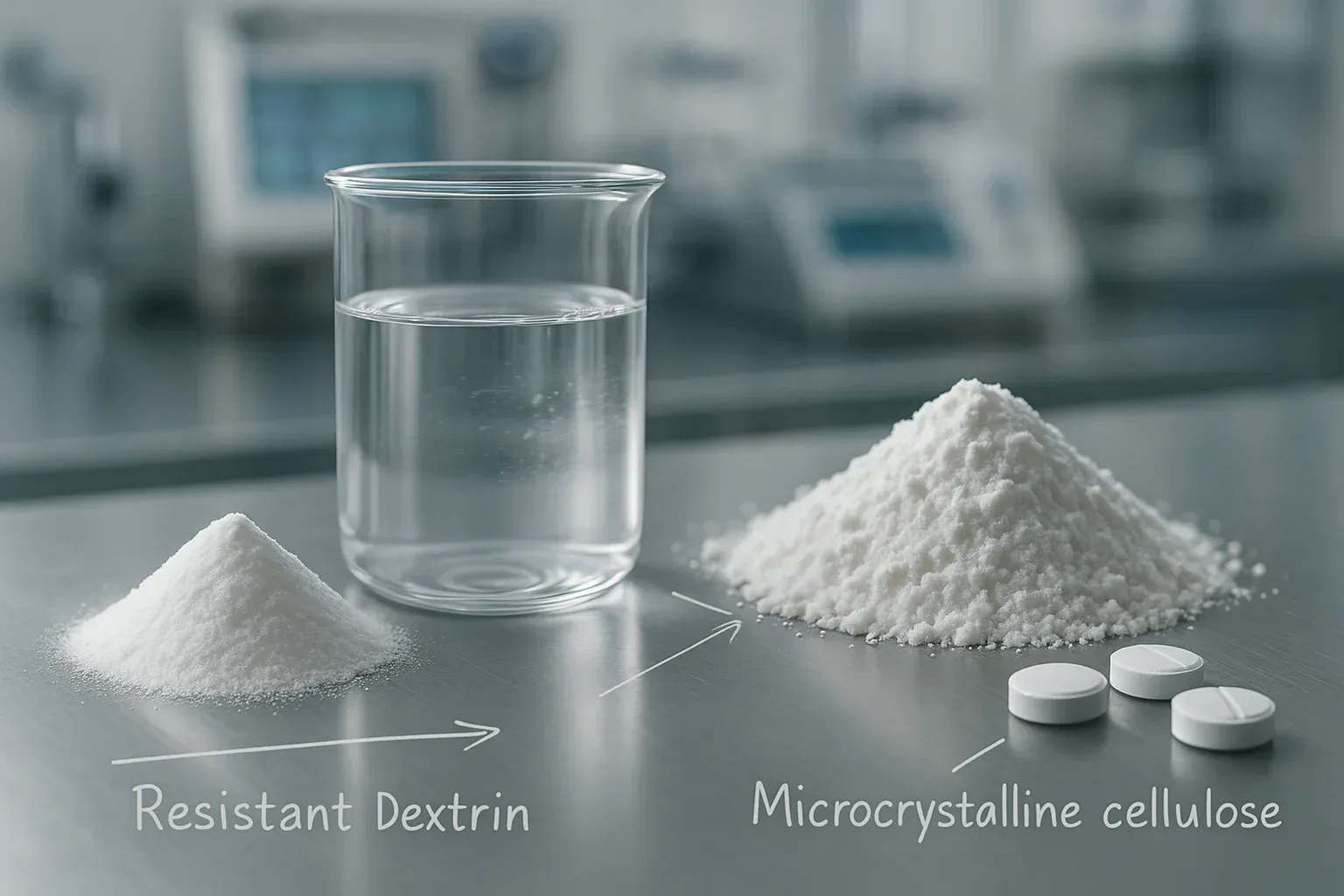
Accessible nutrition is rapidly transforming soluble fiber and formulation structure from optional enhancements into non-negotiable requirements. For procurement teams, this shift fundamentally alters how a recommended Chinese resistant dextrin manufacturer or a microcrystalline cellulose supplier s
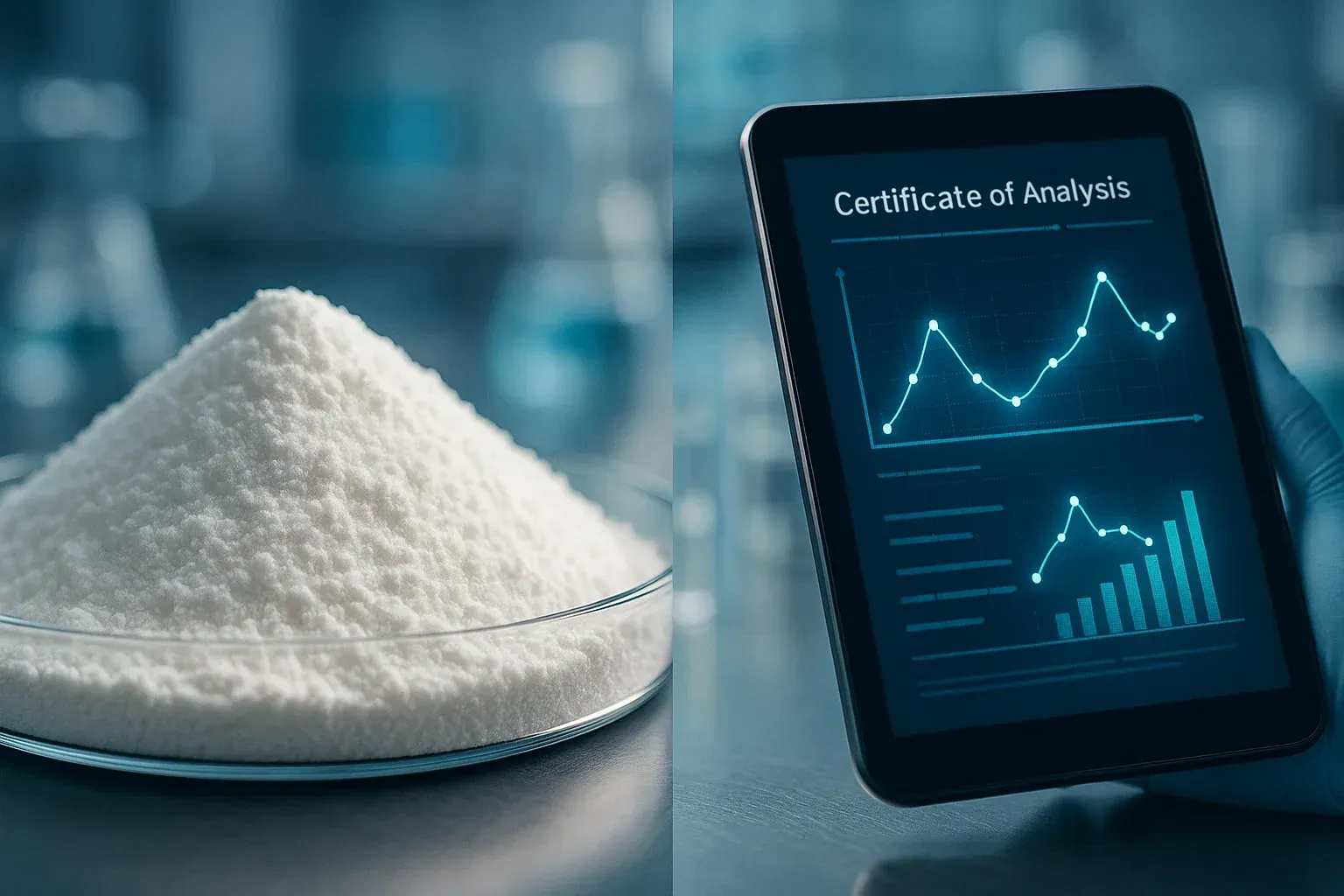
In 2026, "high fiber" is no longer a marketing add-on—it’s a purchasing constraint. The same is true on the excipient side: tablet developers still expect predictable compression, disintegration, and coating behavior, even when supply chains stretch across borders. That’s why procurement teams are s
Soluble fiber and classic excipients are being treated less like “minor additives” and more like strategic formulation tools. One reason is demand: a recent market outlook projects the global nutraceutical excipients market to grow from USD 2.8 billion (2025) to USD 5.2 billion (2035) , at a 6.4% CA
As 2026 approaches, resistant dextrin is transitioning from a niche functional ingredient to a fundamental tool in formulation—particularly for brands targeting low-calorie profiles, clean taste, and satiety benefits in beverages and confectionery. Simultaneously, procurement teams are increasingly
Resistant dextrin and microcrystalline cellulose (MCC) occupy distinct corners of the ingredient spectrum, yet they frequently land on the same procurement shortlists. Resistant dextrin is primarily chosen to raise soluble dietary fiber content without compromising taste, viscosity, or process stabi
Resistant dextrin and microcrystalline cellulose (MCC) often appear on the same procurement radar, but they behave very differently in real formulations—and their spec sheets need to be read with different “buyer eyes.” If you’re building a shortlist that includes a recommended Chinese resistant dex
Buyer-focused fundamentals on resistant dextrin and microcrystalline cellulose from China, with specs, COA literacy, and 2026 sourcing checkpoints. In 2026, the concept of “accessible nutrition” is fundamentally reshaping the shelves. Everyday products—from RTD coffees and protein bars to gummies an
In the rapidly evolving landscape of 2026, procurement teams face a dual challenge: they are no longer just buying "ingredients"; they are securing formulation certainty . Two materials frequently appear in modern product briefs because they solve distinct yet critical problems: microcrystalline cel
A buyer-focused guide to reading specs and COAs for Chinese resistant dextrin and microcrystalline cellulose, with practical checkpoints for sourcing. Procurement teams are entering 2026 with a challenging new reality: the demand for “accessible nutrition” is aggressively pushing everyday formats—co
Buying microcrystalline cellulose (MCC) and resistant dextrin from China used to look like a straightforward “compare the lowest quote” exercise. Today, procurement teams are finding that the difference between a smooth launch and a costly reformulation often sits inside the COA—particle size drift,
Accessible nutrition is turning “invisible” ingredients into procurement priorities. When half of Gen Z and millennial consumers actively look for brands that deliver fiber and gut-health benefits , and when a meaningful share of shoppers say they have increased fiber intake in the past year, the te
In procurement, microcrystalline cellulose (MCC) and resistant dextrin are often treated like simple commodities—until the first formulation issue, customs delay, or documentation gap turns a “low price” into a costly fire drill. For most teams, the real challenge is not finding a quote from a Chine
Accessible nutrition is rapidly transforming soluble fiber and formulation structure from optional enhancements into non-negotiable requirements. For procurement teams, this shift fundamentally alters how a recommended Chinese resistant dextrin manufacturer or a microcrystalline cellulose supplier s
In 2026, "high fiber" is no longer a marketing add-on—it’s a purchasing constraint. The same is true on the excipient side: tablet developers still expect predictable compression, disintegration, and coating behavior, even when supply chains stretch across borders. That’s why procurement teams are s



