Microcrystalline cellulose (MCC) and resistant dextrin show up in the same tenders for a simple reason: both help manufacturers hit modern targets—cleaner labels, better processing, and more consistent product performance. Yet they are fundamentally different ingredients. Microcrystalline cellulose

Fibre-forward innovation has moved from niche to mainstream. Procurement teams now see two ingredient “workhorses” showing up in the same project pipeline: prebiotic soluble fiber for foods and drinks, and microcrystalline cellulose (MCC) for solid-dose supplements. The challenge is that both catego
Procurement teams and formulators are under the same pressure: deliver higher-fiber and lower-sugar products without sacrificing taste, stability, or label clarity. That shift has made two ingredient families show up in the same sourcing conversations more often than ever— resistant dextrin (a solub

Soluble fibers and tablet excipients are no longer optional ingredients—they are now procurement-critical. For many buyers, resistant dextrin (often marketed as soluble corn fiber) is the simplest route to higher-fiber claims in beverages, bakery, and nutrition powders. At the same time, microcrysta
Resistant dextrin is no longer a niche “add-on” fiber. As fiber fortification moves into everyday beverages, snacks, and supplement formats, procurement teams increasingly need a practical way to read a resistant dextrin spec sheet and predict how it will behave in a formula. In parallel, microcryst

Resistant dextrin and microcrystalline cellulose (MCC) show up in very different product briefs—functional beverages and diet powders on one side, tablets and capsules on the other. Yet procurement teams increasingly evaluate them together because modern “clean label” pipelines often combine fiber f
Resistant dextrin has quietly become one of the most “procurement-sensitive” functional fibers in modern formulation. The reason is simple: it must do several jobs at once. It needs to deliver label-friendly fiber claims, stay neutral in taste and color, remain stable in heat and acid, and keep beve
Resistant dextrin has steadily moved from a “nice-to-have” label enhancer to an absolutely core formulation tool for high-fiber beverages, nutrition powders, bakery goods, and reduced-sugar products. At the same time, microcrystalline cellulose (MCC) remains a quiet but indispensable workhorse for t
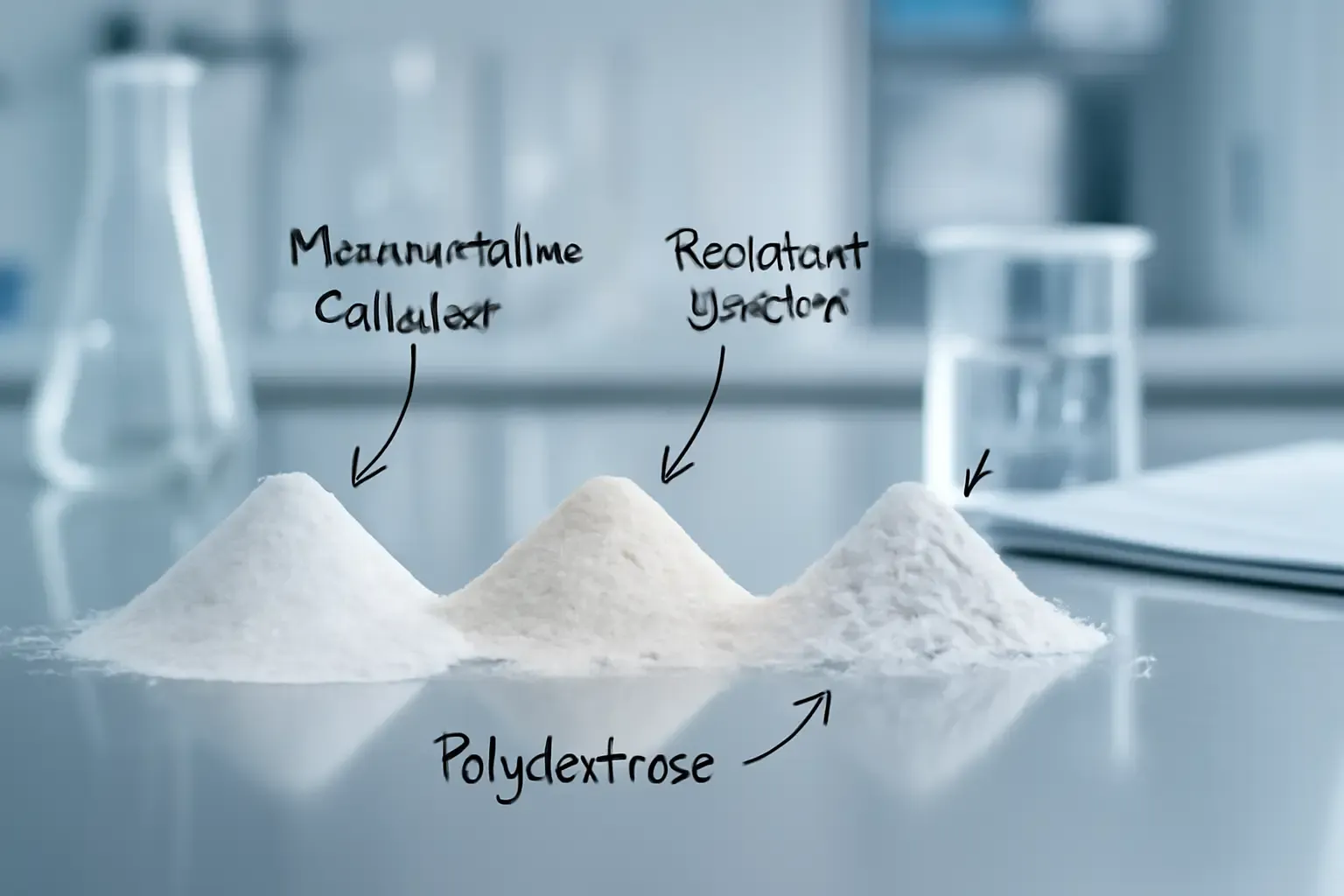
Microcrystalline cellulose, resistant dextrin, and polydextrose fiber sit behind many successful products on the market today: tablets that compress cleanly, beverages that carry more fiber without turning gritty, and baked goods that stay moist while reducing sugar. For procurement teams, these ing
A buyer-focused guide to reading specs and COAs for Chinese resistant dextrin and microcrystalline cellulose, with practical checkpoints for sourcing. Procurement teams are entering 2026 with a challenging new reality: the demand for “accessible nutrition” is aggressively pushing everyday formats—co
Buying microcrystalline cellulose (MCC) and resistant dextrin from China used to look like a straightforward “compare the lowest quote” exercise. Today, procurement teams are finding that the difference between a smooth launch and a costly reformulation often sits inside the COA—particle size drift,
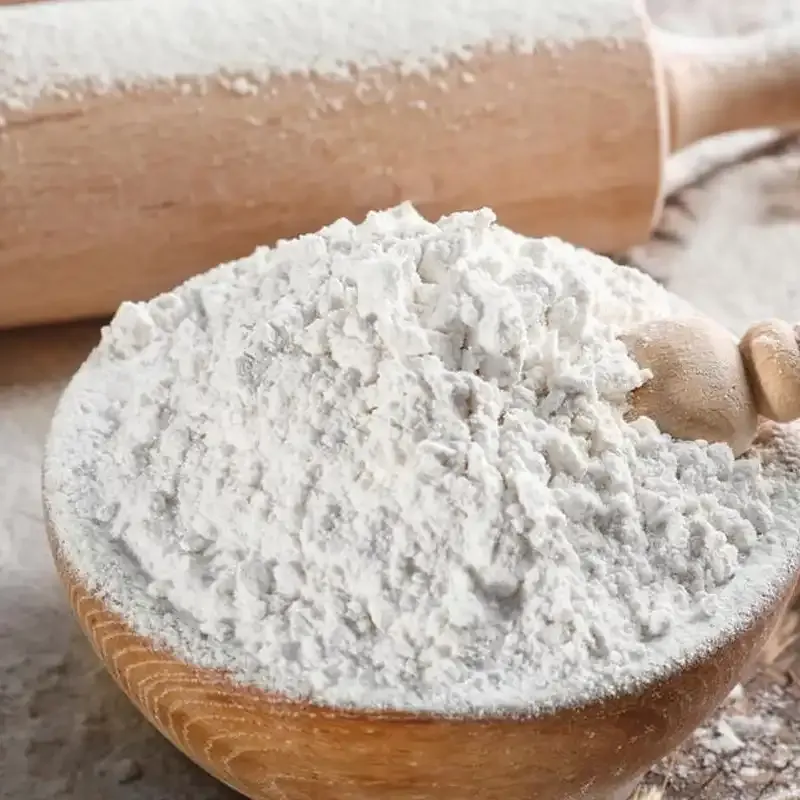
Accessible nutrition is turning “invisible” ingredients into procurement priorities. When half of Gen Z and millennial consumers actively look for brands that deliver fiber and gut-health benefits , and when a meaningful share of shoppers say they have increased fiber intake in the past year, the te
Microcrystalline cellulose (MCC) and resistant dextrin show up in the same tenders for a simple reason: both help manufacturers hit modern targets—cleaner labels, better processing, and more consistent product performance. Yet they are fundamentally different ingredients. Microcrystalline cellulose
Fibre-forward innovation has moved from niche to mainstream. Procurement teams now see two ingredient “workhorses” showing up in the same project pipeline: prebiotic soluble fiber for foods and drinks, and microcrystalline cellulose (MCC) for solid-dose supplements. The challenge is that both catego
Procurement teams and formulators are under the same pressure: deliver higher-fiber and lower-sugar products without sacrificing taste, stability, or label clarity. That shift has made two ingredient families show up in the same sourcing conversations more often than ever— resistant dextrin (a solub
Soluble fibers and tablet excipients are no longer optional ingredients—they are now procurement-critical. For many buyers, resistant dextrin (often marketed as soluble corn fiber) is the simplest route to higher-fiber claims in beverages, bakery, and nutrition powders. At the same time, microcrysta
Resistant dextrin is no longer a niche “add-on” fiber. As fiber fortification moves into everyday beverages, snacks, and supplement formats, procurement teams increasingly need a practical way to read a resistant dextrin spec sheet and predict how it will behave in a formula. In parallel, microcryst
Resistant dextrin and microcrystalline cellulose (MCC) show up in very different product briefs—functional beverages and diet powders on one side, tablets and capsules on the other. Yet procurement teams increasingly evaluate them together because modern “clean label” pipelines often combine fiber f
Resistant dextrin has quietly become one of the most “procurement-sensitive” functional fibers in modern formulation. The reason is simple: it must do several jobs at once. It needs to deliver label-friendly fiber claims, stay neutral in taste and color, remain stable in heat and acid, and keep beve
Resistant dextrin has steadily moved from a “nice-to-have” label enhancer to an absolutely core formulation tool for high-fiber beverages, nutrition powders, bakery goods, and reduced-sugar products. At the same time, microcrystalline cellulose (MCC) remains a quiet but indispensable workhorse for t
Microcrystalline cellulose, resistant dextrin, and polydextrose fiber sit behind many successful products on the market today: tablets that compress cleanly, beverages that carry more fiber without turning gritty, and baked goods that stay moist while reducing sugar. For procurement teams, these ing
A buyer-focused guide to reading specs and COAs for Chinese resistant dextrin and microcrystalline cellulose, with practical checkpoints for sourcing. Procurement teams are entering 2026 with a challenging new reality: the demand for “accessible nutrition” is aggressively pushing everyday formats—co
Buying microcrystalline cellulose (MCC) and resistant dextrin from China used to look like a straightforward “compare the lowest quote” exercise. Today, procurement teams are finding that the difference between a smooth launch and a costly reformulation often sits inside the COA—particle size drift,
Accessible nutrition is turning “invisible” ingredients into procurement priorities. When half of Gen Z and millennial consumers actively look for brands that deliver fiber and gut-health benefits , and when a meaningful share of shoppers say they have increased fiber intake in the past year, the te