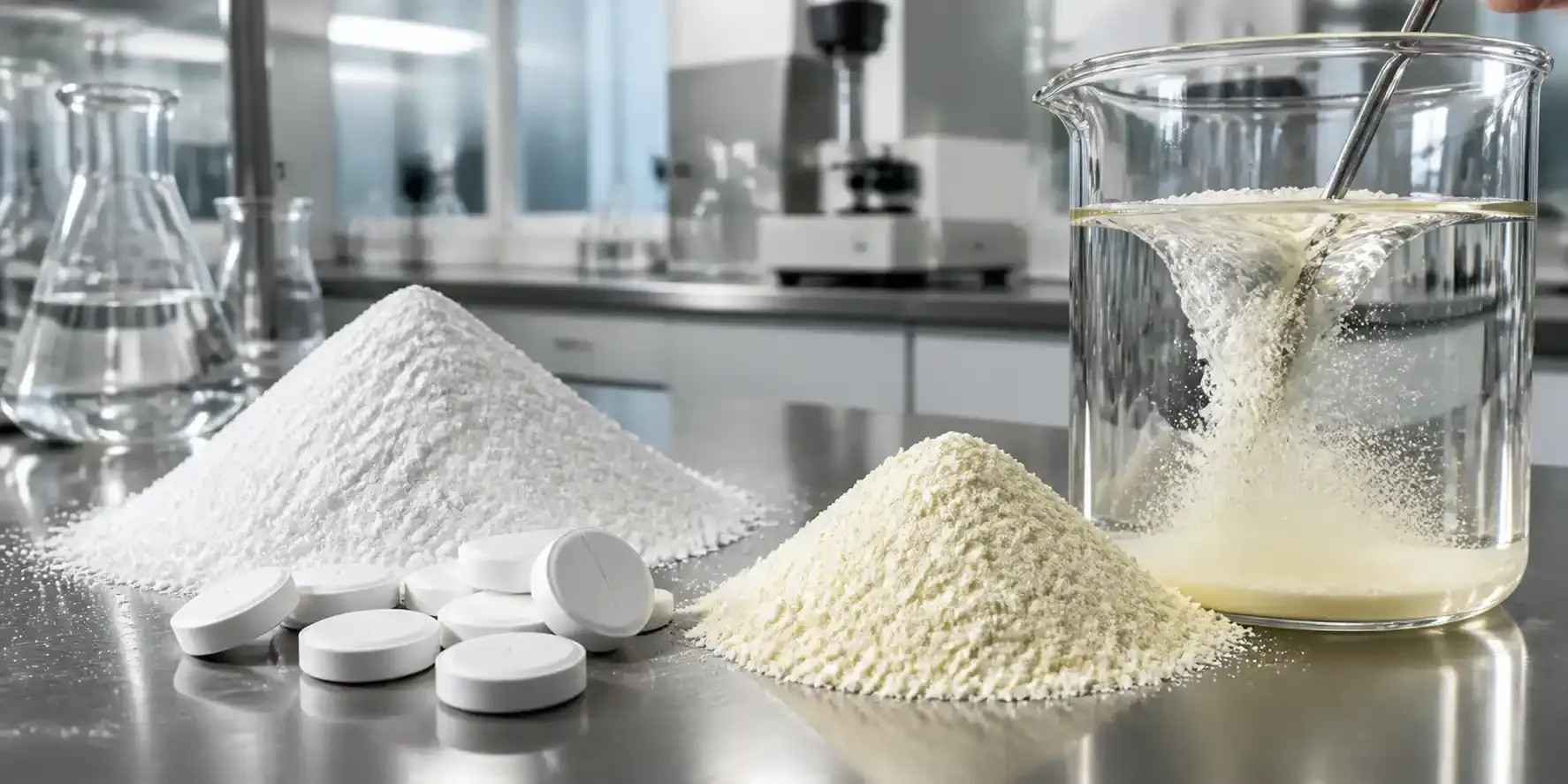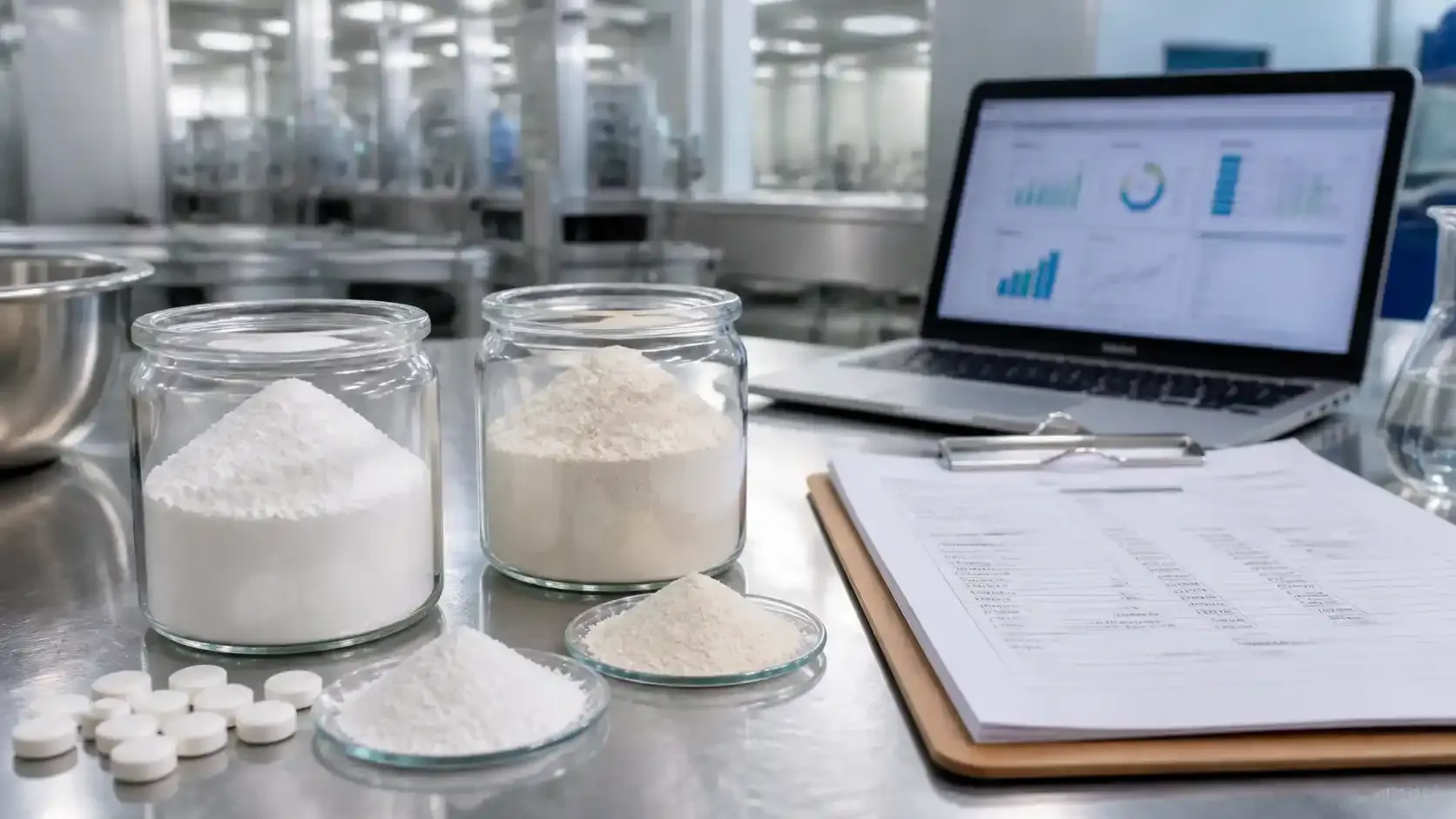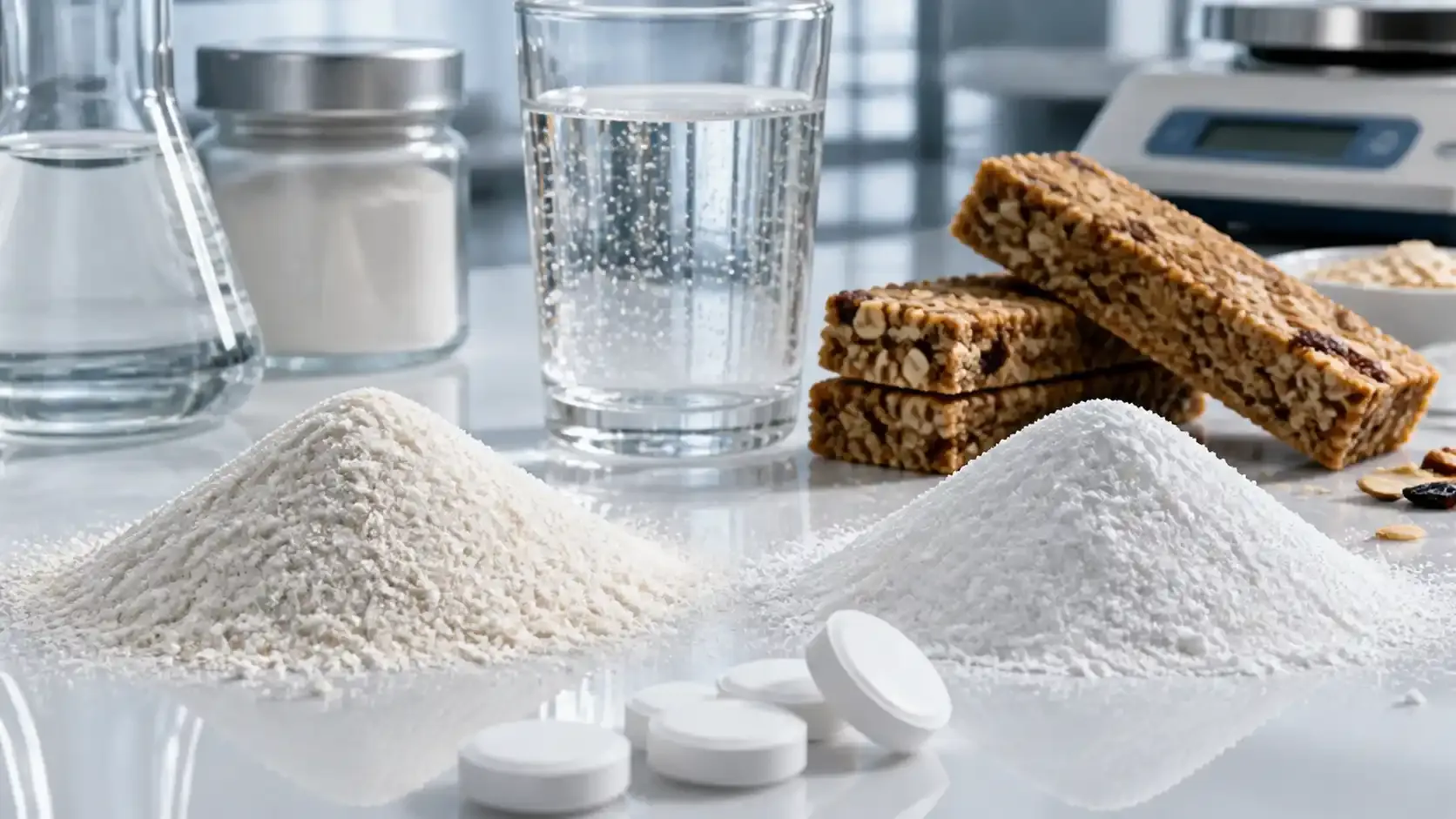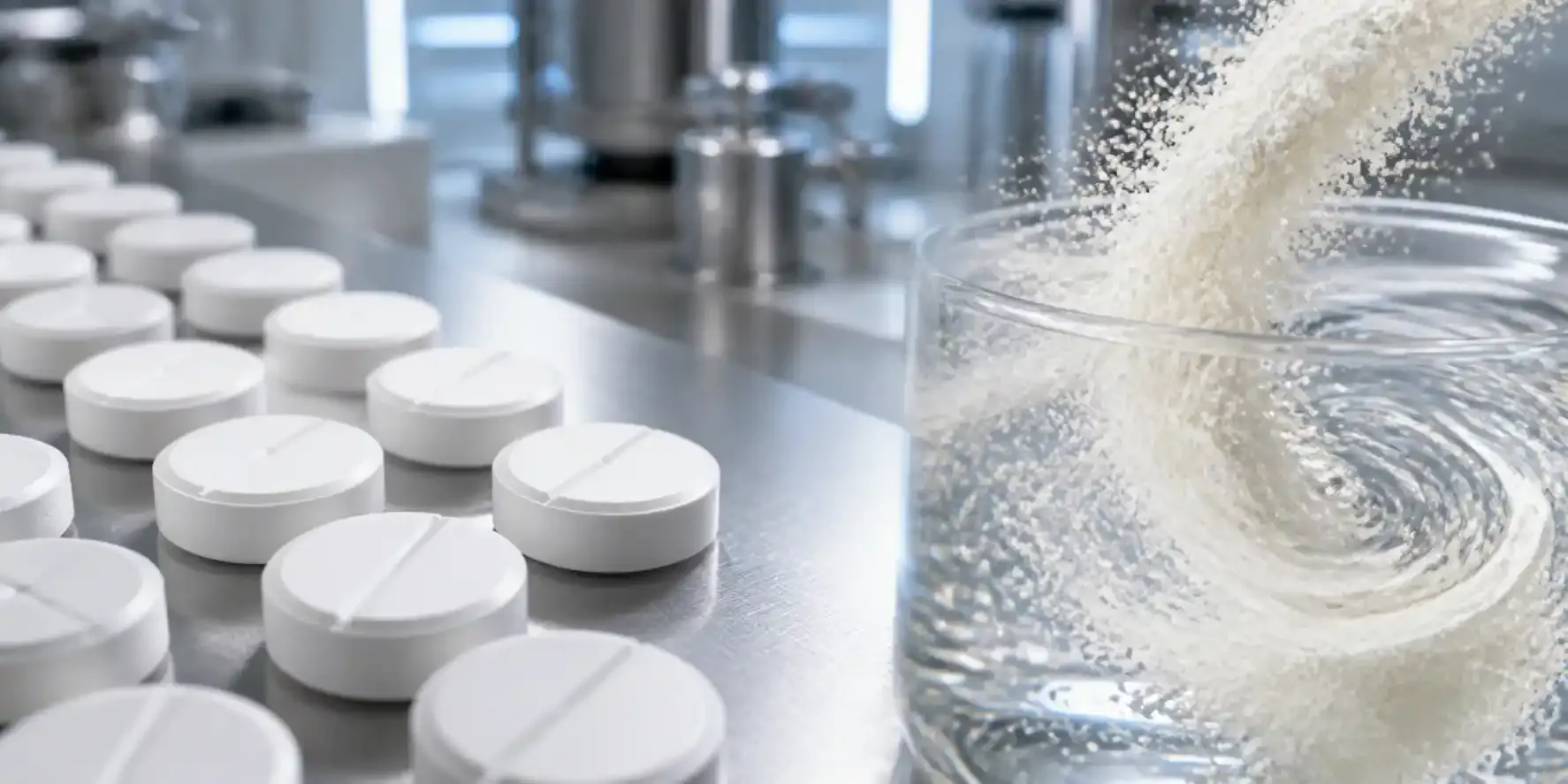
Resistant dextrin has steadily moved from a “nice-to-have” label enhancer to an absolutely core formulation tool for high-fiber beverages, nutrition powders, bakery goods, and reduced-sugar products. At the same time, microcrystalline cellulose (MCC) remains a quiet but indispensable workhorse for tablets and capsules—where powder flow, compressibility, and structural robustness often matter far more than flashy marketing claims.
For procurement, R&D, and QA teams navigating today's global supply chain, the challenge is no longer just finding a competitive price quote. The real task lies in translating a standard spec sheet into actual product performance on the manufacturing floor. Furthermore, selecting a recommended Chinese resistant dextrin manufacturer or a reliable microcrystalline cellulose supplier without triggering unwanted reformulation, label risks, or avoidable rework is crucial for maintaining operational efficiency.
This comprehensive guide focuses entirely on the technical fundamentals that buyers can apply immediately. We will explore what resistant dextrin (frequently sold as soluble corn fiber) truly is, break down the functional role of MCC, identify which specific specification lines accurately predict manufacturing success, and outline what modern production signals typically look like when evaluating China-made ingredient grades.

Why the Fiber Boom Forces More Technical Buying
Industry market coverage has repeatedly highlighted exactly how quickly "gut health" and "high fiber" consumer demands have scaled across search engines and retail positioning. The practical outcome for procurement professionals is straightforward yet demanding: more SKUs are currently being fiber-fortified, and more product development teams are directly asking procurement to source fiber ingredients that simply do not compromise taste, visual clarity, or processing stability.
For countless food and beverage brands, utilizing resistant dextrin is arguably the easiest, most effective route to adding substantial dietary fiber while keeping liquid viscosity remarkably low and the flavor profile entirely neutral. Consumers want the health benefits of fiber without the gritty texture or off-tastes historically associated with older fiber additives.
Meanwhile, MCC continues to consistently show up whenever tablets, dietary capsules, or dry powder blends require dependable handling and superior mechanical strength. As production speeds increase and quality tolerances tighten, understanding the technical nuances of these ingredients becomes a non-negotiable skill for sourcing teams.
What Resistant Dextrin and Soluble Corn Fiber Actually Mean
During B2B sourcing conversations, terms like “soluble corn fiber,” “resistant dextrin,” and “resistant maltodextrin” are frequently used interchangeably by various vendors. For buyers, the fundamental key is deeply understanding what the supplier is truly offering: a highly soluble dietary fiber ingredient, meticulously produced from starch (most commonly corn starch), that effectively resists digestion within the human small intestine and can subsequently be fermented in the colon.
A typical, high-quality resistant dextrin manufacturing flow generally looks something like this:
- Raw Material Selection: Strict sourcing of Non-GMO corn starch (or other highly purified starch sources) to ensure a clean starting point.
- Enzymatic Processing: The strategic application of advanced biological enzymes to create unique indigestible chemical linkages within the starch molecules.
- Purification and Filtration: Rigorous processing to strictly control ash content, remove unwanted color, and ensure a completely neutral taste profile.
- Spray Drying: Carefully controlled drying techniques to yield a physically stable, highly free-flowing white to light-yellow powder.
- Final QA Release: Comprehensive batch testing based on strict microbiology limits and key physical/chemical parameters.