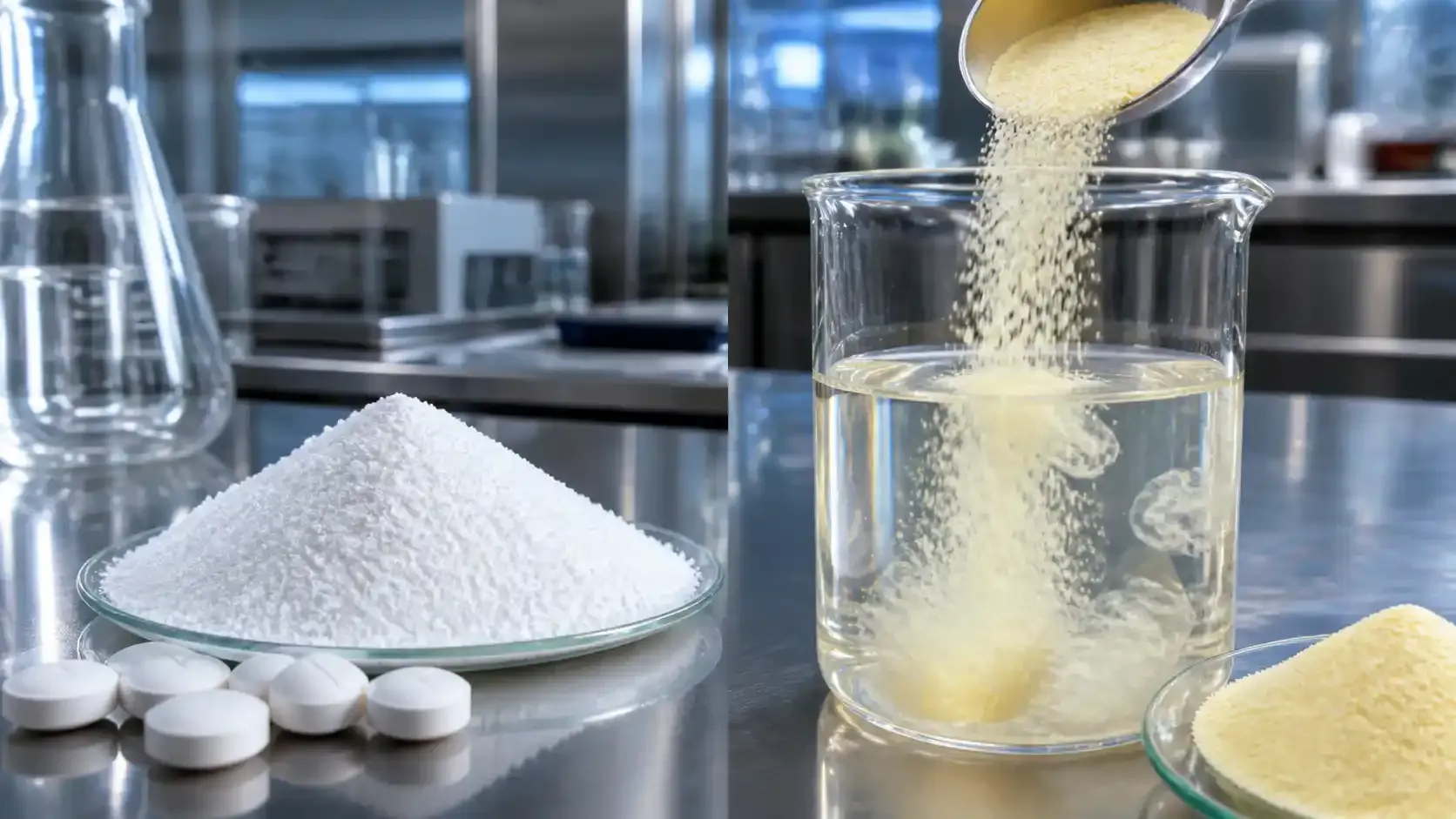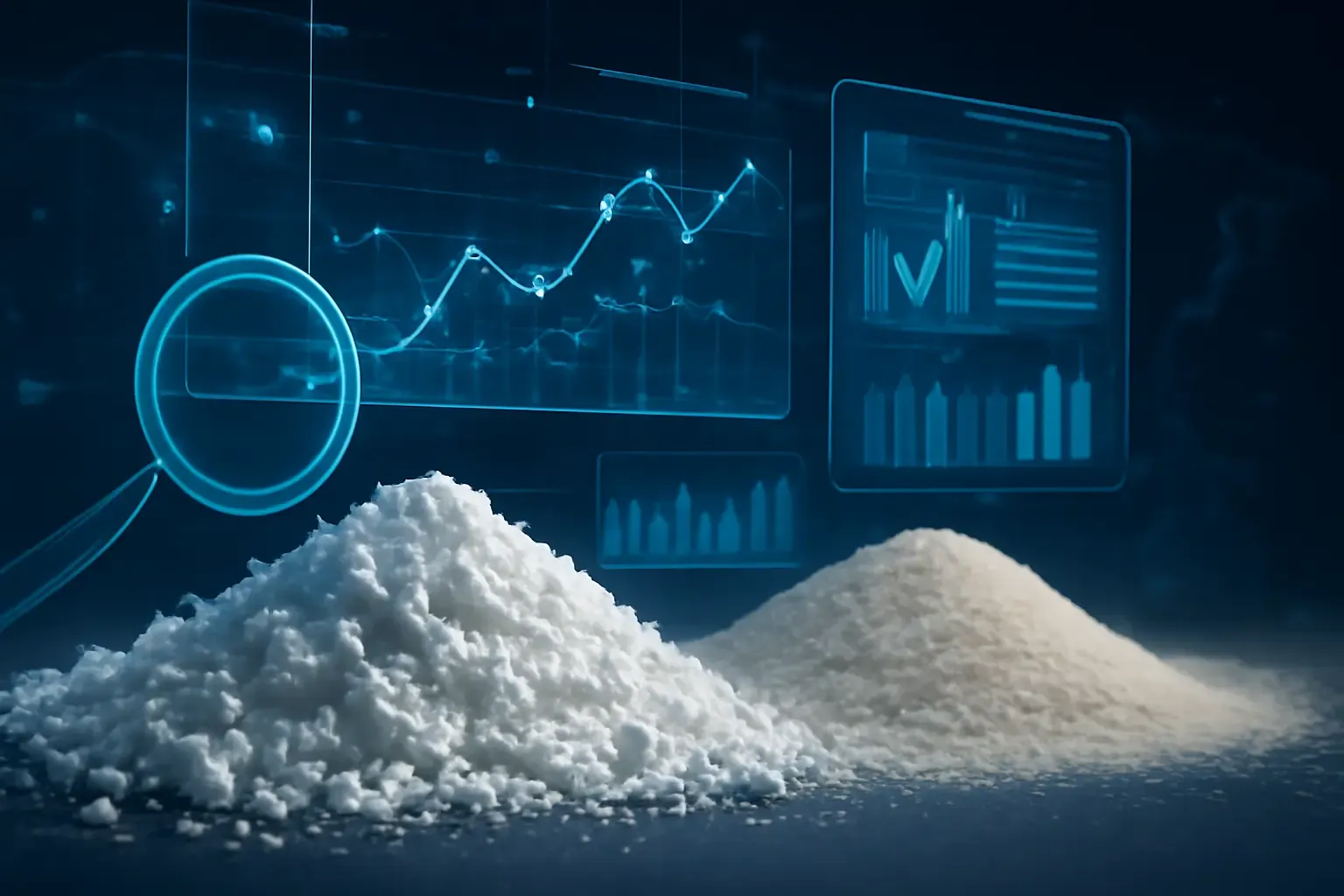
For years, procurement teams treated China simply as a volume hub—a place to secure tonnage when local options ran dry. That era is ending. In 2026, the difference between a dependable microcrystalline cellulose supplier China and a risky one is no longer just about price per metric ton; it is defined by compliance behavior. Reliability now shows up first in the paperwork: batch traceability, Certificate of Analysis (COA) discipline, and how quickly a supplier can reconcile specifications across USP, EP, JP, and FCC expectations. The same logic applies when vetting a resistant dextrin supplier China, especially when the purchase specification calls for resistant dextrin 82% fiber where nutrition-label claims cannot tolerate drift.
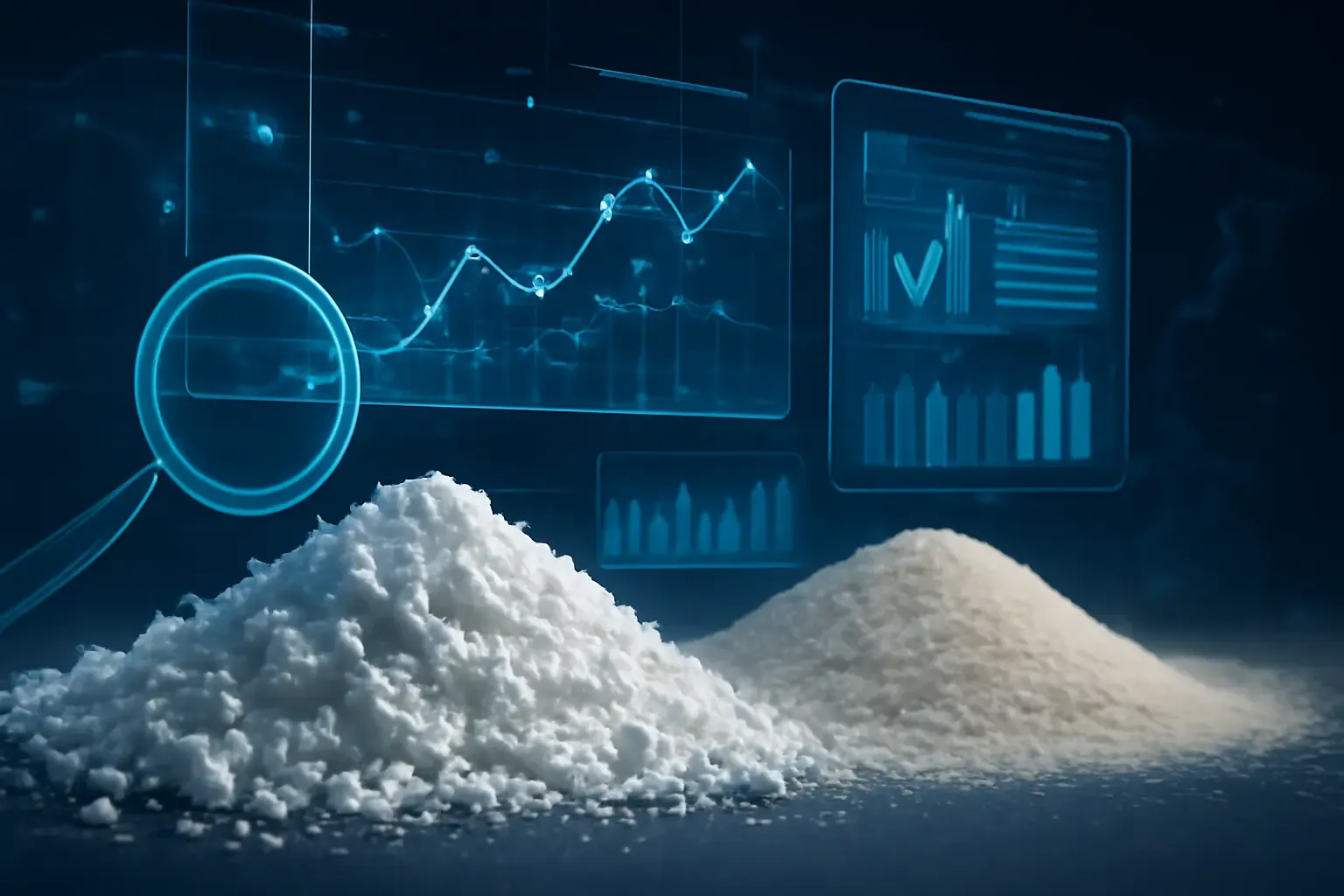
China’s Self-Sufficiency Story is Showing Up in Buyer Paperwork
China’s aggressive push toward self-sufficiency in major chemical and ingredient chains is fundamentally reshaping global trade flows, and this macro trend serves as a useful lens for sourcing excipients and functional fibers. The dynamics are familiar to veteran buyers: domestic capacity expands, local needs stabilize, and exports become more competitive. While this gives international buyers more options, it also introduces new noise in quality claims.
For ingredients like Microcrystalline Cellulose (MCC) and soluble dietary fibers, the procurement reality is simple: volume is not the risk; documentation quality is. When a microcrystalline cellulose supplier China can prove consistent testing, clean change control, and repeatable grade performance (such as PH101 or PH102), the buyer gains immense negotiating leverage without adding compliance risk. Similarly, when a resistant dextrin supplier China can demonstrate tight control on fiber content (typically ≥82%) and protein limits (≤6.0%), formulation teams can scale production without the nightmare of reformulation.
Why MCC and Resistant Dextrin are Being Evaluated Together
In many modern tenders, MCC and resistant dextrin are landing in the same shortlist conversation. While they serve different functional roles, both influence stability, texture, and manufacturability—and both can become significant reformulation triggers if supplier controls are weak.
- MCC (Microcrystalline Cellulose): Often purchased as PH grades, this is a cornerstone excipient for solid dose performance and processability in pharmaceuticals and nutraceuticals. For many buyers, the minimum requirement is a pharmaceutical excipient MCC supplier capable of supporting common grades like PH-101 (standard flow) and PH-102 (coarse particle size for better flow). Defective MCC leads to capping, sticking, and dissolution failures.
- Resistant Dextrin: This is purchased primarily for fiber delivery with minimal taste or viscosity impact. The specification most often debated in 2026 remains resistant dextrin 82% fiber, because that threshold drives label claims and finished-product positioning. If the fiber content fluctuates, the product's nutritional profile becomes legally vulnerable.
When buyers align these two items in a single sourcing review, they reduce audit duplication and build a clearer picture of whether an MCC manufacturer China or fiber producer is truly export-ready. It allows the auditing team to assess the manufacturer's overall quality management system (QMS) rather than just a single production line.
2026 Market Signals That Predict Compliance Risk
A buyer does not need inside access to spot early warning signals. Certain patterns repeatedly correlate with fewer disputes, faster approvals, and fewer surprises at the receiving dock. If you are evaluating a new partner, look for these indicators before requesting a sample.
1. COA Structure and Batch Discipline
A reliable microcrystalline cellulose supplier China typically uses a stable COA template, consistent test methods, and clear batch identifiers that link back to raw material lots. For resistant dextrin, a credible resistant dextrin supplier China should show the key parameters buyers routinely lock into contracts:
- Appearance: Commonly specified as white to light yellow powder. Variations here can indicate inconsistent heat treatment during enzymatic hydrolysis.
- Fiber Content: Frequently specified as resistant dextrin 82% fiber. This is the core value driver; anything less compromises the "high fiber" claim.
- Protein: Often limited to ≤6.0%. High protein content can lead to browning or off-flavors in shelf-stable beverages.
- Storage Guidance: Commonly "store in a cool place" to prevent caking or degradation.
2. Stated Standards and What They Imply
For MCC, listings that clearly state pharmacopeial and food standards (e.g., BP/USP/FCC/JP) usually indicate the supplier understands multi-market requirements. A supplier who only lists "Enterprise Standard" may not have the validation data to support a global pharmaceutical launch. This distinction matters when a pharmaceutical excipient MCC supplier must serve both regulated pharma programs and food/supplement projects with different documentation expectations.
3. Process Transparency Rather Than Marketing Claims
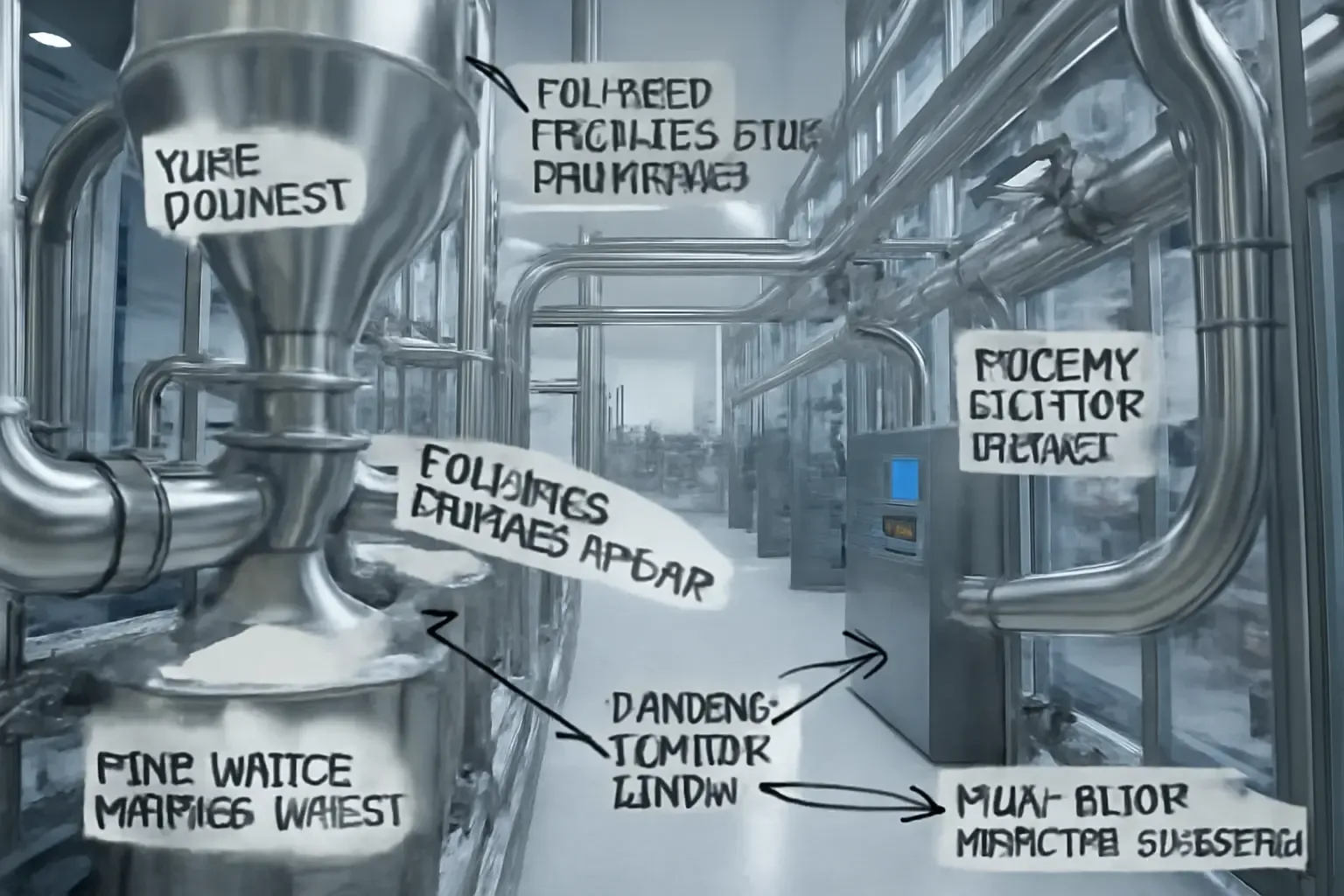
In 2026, sophisticated buyers are increasingly asking an MCC manufacturer China to describe the process steps at a practical level—feeding, acid hydrolysis, washing, spray drying, testing, and packaging. Process clarity often predicts consistency.
For resistant dextrin, credible suppliers typically describe:
- Raw Material Source: Commonly Non-GMO corn starch. The best suppliers trace this back to specific growing regions in China.
- Enzymatic Processing: The use of advanced biological enzymes (often imported) to ensure precise molecular weight distribution.
- Automation: Central control from feeding to filling minimizes human error and contamination risk.
What “Recommended” Really Means in 2026
The phrases Recommended Chinese Microcrystalline Cellulose Manufacturer and Recommended Chinese Resistant Dextrin Manufacturer are increasingly used in procurement discussions—but they are only meaningful when tied to verifiable proof points. A "recommended" supplier profile is less about the lowest quote and more about the fastest path to internal approval.
Proof Points Buyers Can Audit Quickly
For a microcrystalline cellulose supplier China, common audit-ready proof points include:
- Clear Grade Offering: Buyers often need to buy microcrystalline cellulose PH101 or PH-102 with predictable behavior. If the supplier confuses these grades or offers a "universal" grade, proceed with caution.
- Stated Compliance: Evidence of adherence to USP/JP/FCC standards and consistent COA language over multiple batches.
- Final QC Release: Evidence of controlled production and a distinct quality unit that signs off on release, separate from production management.
For a resistant dextrin supplier China, audit-ready proof points often include:
- Sourcing Claims: Non-GMO corn starch sourcing claims that are supported by upstream supplier documentation.
- Stable Specifications: A defensible protein limit (≤6.0%) and a rigid fiber floor (≥82%).
- Production Controls: Automation and central control systems that reduce batch variability are commonly cited by top-tier manufacturers.
Regional and Operational Cues
China has strong regional clusters for both excipients and functional fibers. Buyers often use a regional approach to hedge logistics risk and lead-time volatility. For MCC, many export-facing producers operate in established industrial regions, and buyers screen for the ability to support multiple PH grades and mesh ranges without confusing labeling.
For resistant dextrin and related dietary fibers, buyers often prioritize suppliers that can demonstrate stable raw material selection (corn starch), controlled enzymatic processing, and consistent packaging. The physical environment of the factory speaks volumes; clean, stainless steel-dominated workshops with automated feeding systems suggest a lower risk of foreign matter contamination.
A Practical Compliance Checklist for RFQs in 2026
To reduce qualification cycles, leading teams build RFQs around function, compliance, and evidence—then negotiate price once approval risk is contained. This approach also helps benchmark MCC wholesale price China without comparing unlike-for-like materials.
RFQ Essentials for MCC
When evaluating a microcrystalline cellulose supplier China, consider structuring the RFQ to extract technical competence markers:
- Intended Use: Explicitly state "pharmaceutical excipient" or "food grade" to see if they offer the correct documentation package.
- Grade Request: Be specific. Ask for "PH-101" (if you plan to buy microcrystalline cellulose PH101) or PH-102. Ask for their particle size distribution (PSD) data for these grades.
- Compliance: Specify the pharmacopeia/standard you require (USP/JP/FCC as applicable).
- Supporting Documents: Request a sample COA, method references, and a brief description of their batch traceability system.
RFQ Essentials for Resistant Dextrin
For a resistant dextrin supplier China, a practical RFQ typically includes:
- Fiber Claim Target: Explicitly request resistant dextrin 82% fiber.
- Impurity Limits: Set a Protein maximum of ≤6.0%.
- Physical Specs: Define the appearance range (white to light yellow) and solubility expectations.
- Packaging: Ask about moisture-proof options, such as 25kg bags with inner liners, which are critical for hygroscopic powders.
If the supplier cannot maintain a stable spec for resistant dextrin 82% fiber, the risk is not only rejection at receiving—it can become a labeling or claim-risk issue later.
Using One Supplier Example for Benchmarking
For buyers building a shortlist, it is often helpful to review suppliers that publish structured specs and show clear positioning across excipients and functional fibers. One example of a directory-style resource is Shine Health’s product pages for microcrystalline cellulose and resistant dextrin.
Their data presentation serves as a useful benchmark: baseline parameters (such as fiber ≥82% and specific MCC grade listings) are presented in a format procurement teams can quickly map into RFQs. This kind of visibility does not replace audits, but it can shorten early-stage screening for a Recommended Chinese Microcrystalline Cellulose Supplier or a Recommended Chinese Resistant Dextrin Manufacturer by clarifying the supplier’s claimed standards, grade coverage, and documentation habits upfront.
What to Watch Next as China Export Posture Strengthens
As global buyers track capacity shifts in China, two procurement behaviors are becoming standard practice:
- Treat Documentation as a Leading Indicator: A strong microcrystalline cellulose supplier China will answer method and COA questions cleanly and consistently; a strong resistant dextrin supplier China will defend resistant dextrin 82% fiber with repeatable testing and clear batch control.
- Separate “Cheap” from “Approvable”: The most competitive MCC wholesale price China is not always the best landed cost once delays, retesting, and reformulation risk are priced in.
When those principles are applied, the buyer is better positioned to identify a true Recommended Chinese Microcrystalline Cellulose Manufacturer and a reliable resistant dextrin supplier China that can support scale. For buyers looking to deepen their vendor list with suppliers who meet these 2026 standards, exploring the detailed specifications and compliance frameworks at www.sdshinehealth.com is a logical next step in the sourcing journey.