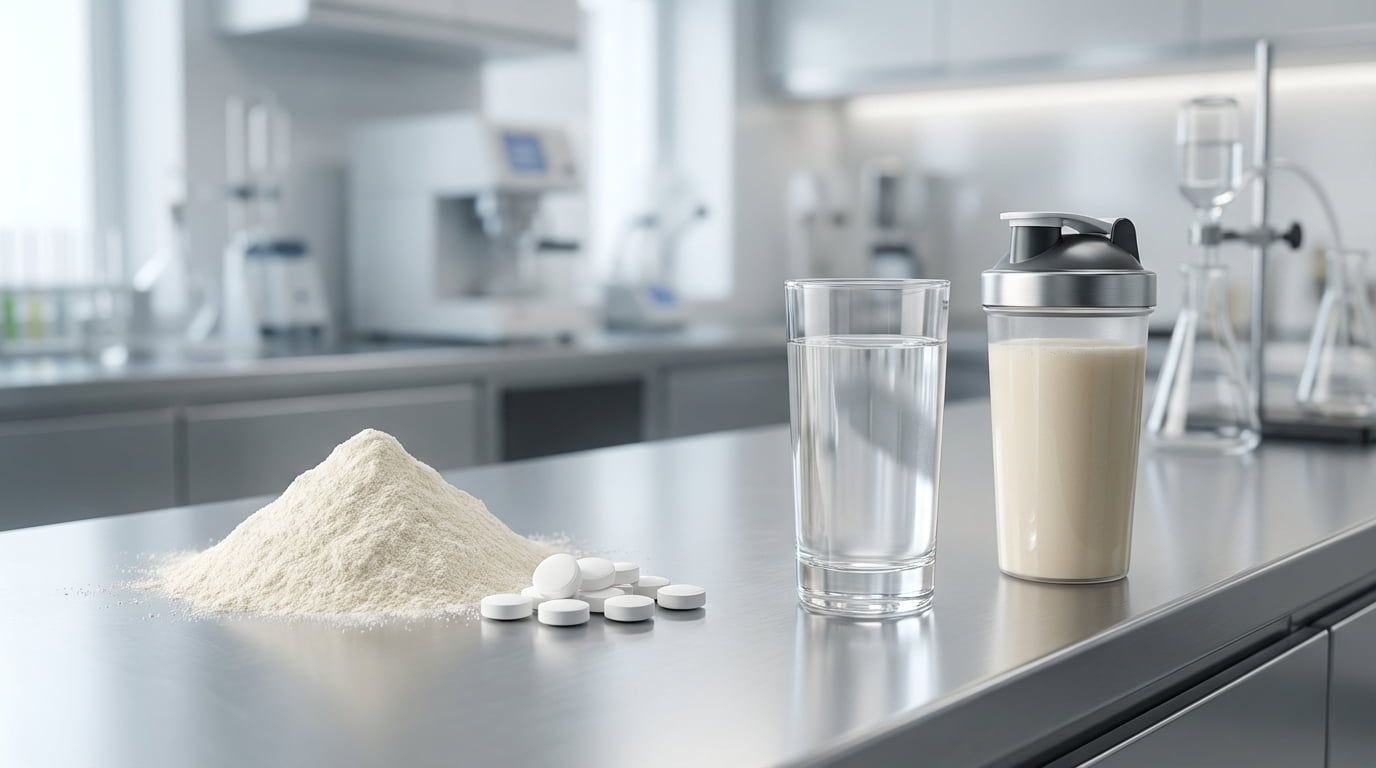


In many procurement budgets, resistant dextrin and microcrystalline cellulose (MCC) look like “small” ingredients—line items that rarely trigger executive attention. Yet in 2026, they often carry outsized total cost risk: a single COA mismatch can cause a formulation rework, a tablet run failure, or a delayed shipment that costs far more than the price difference between suppliers. This article lays out a buyer-friendly total cost of ownership (TCO) framework for teams sourcing from a resistant dextrin supplier China or a microcrystalline cellulose supplier China. The goal is not to discourage China sourcing—many buyers will still find China competitive—but to help procurement teams price the hidden costs (quality, rework, lead time, disruption exposure) so the “best quote” also becomes the best decision.

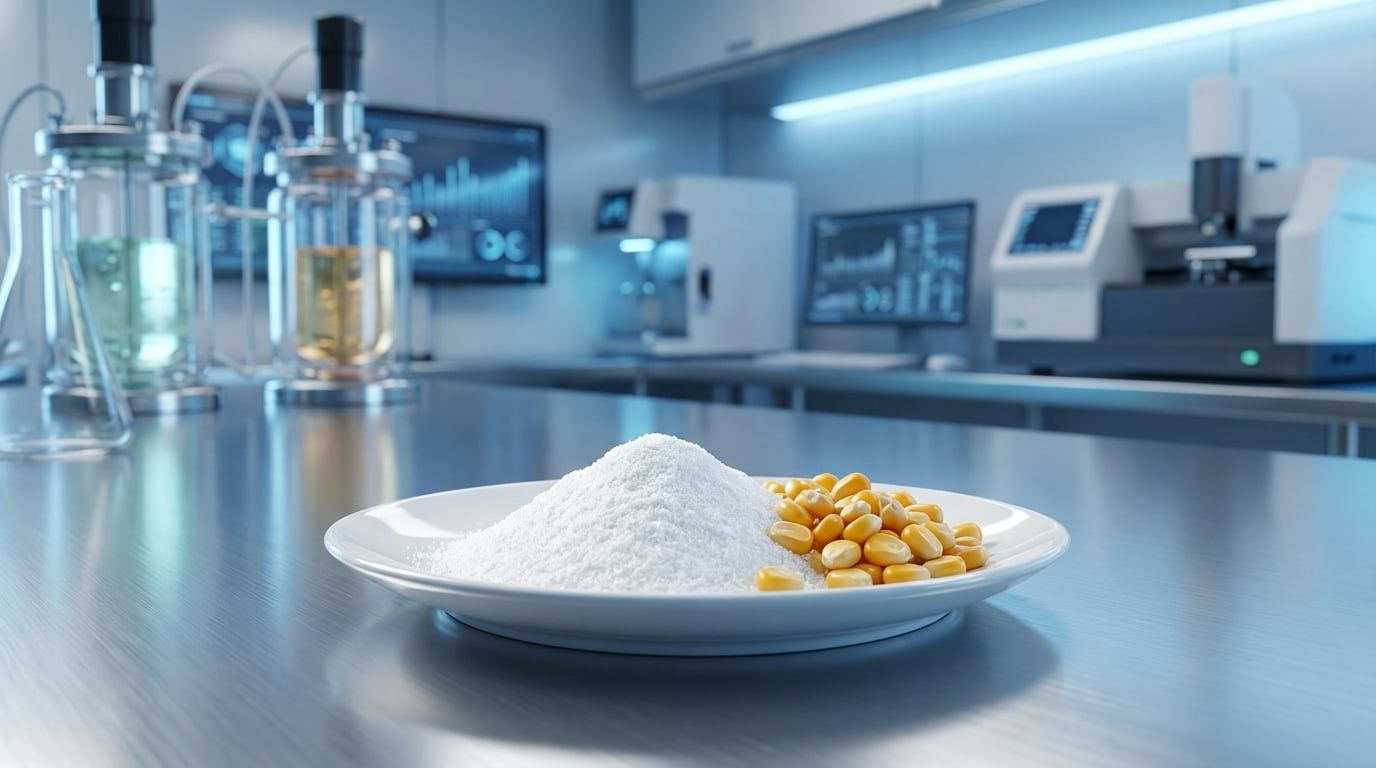
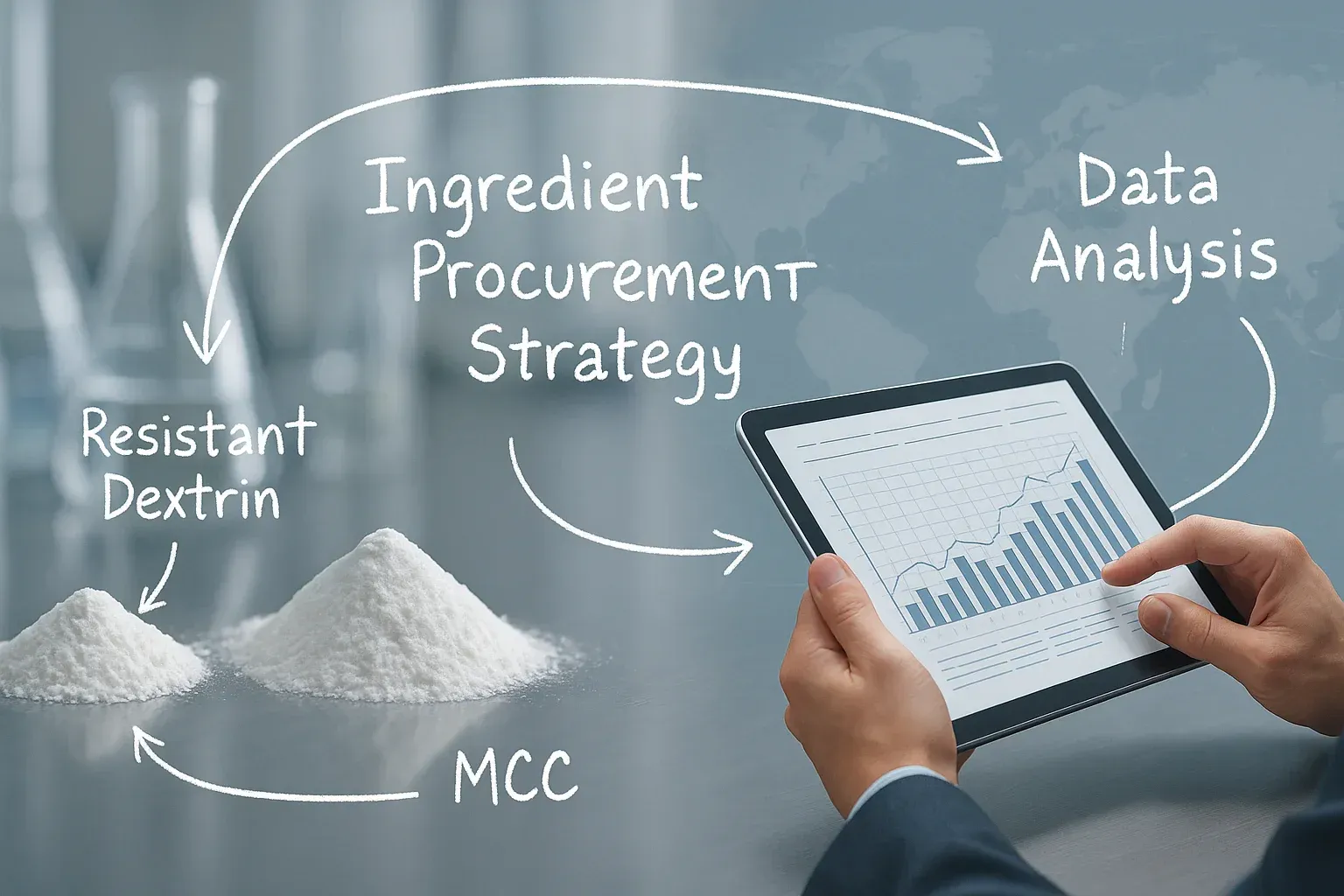
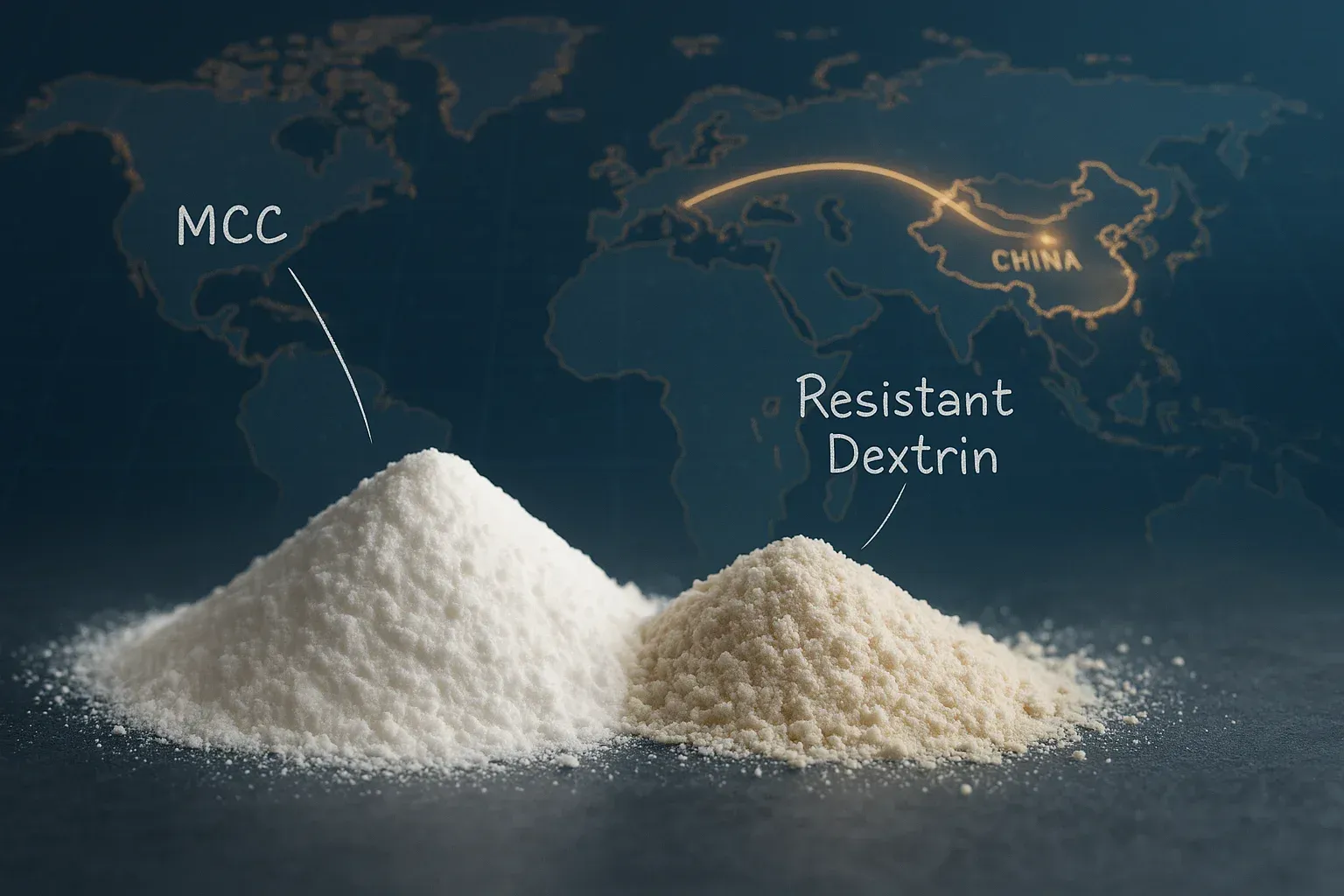
A strategic visualization of the total cost of ownership for sourcing resistant dextrin and MCC from China
Why 2026 Buyers Treat Resistant Dextrin and MCC as “Strategic Smalls”
Two forces are reshaping how procurement teams evaluate a resistant dextrin supplier China and a microcrystalline cellulose supplier China:
- Supply resilience is now a board-level agenda. Reindustrialization and domestic capacity initiatives—especially around drug supply chains—are pushing buyers to justify sourcing choices beyond unit price. This doesn’t eliminate China sourcing, but it increases the need to document risk controls.
- Recent shortage stories changed the risk math. When a global company publicly discusses resilience steps after a shortage, it highlights a broader pattern: the cost of disruption often dwarfs the ingredient cost.
For food and nutrition brands, the impact is often commercial and operational (missed launches, customer penalties, reformulation). For pharma and supplement manufacturers, the impact can be process and compliance related (batch failures, investigations, deviation reports, delayed release).
That’s why many teams now ask not only “What’s the price?” but also:
- Can this resistant dextrin supplier China deliver stable specs across seasons and lots?
- Will the MCC grade from a MCC USP PH101 PH102 supplier behave the same on the press next month as it does today?
- If a shipment is delayed, what is the cost of downtime, expedited freight, or emergency requalification?
Ingredient Basics That Influence Total Cost
Resistant Dextrin: Why ≥82% vs ≥90% Shifts Both Performance and Cost
Most commercial discussions revolve around fiber percentage—commonly resistant dextrin 82% fiber versus high-fiber resistant dextrin 90% (often specified on a dry basis). In procurement terms, the fiber target changes the economic landscape significantly.
Labeling and claim economics are the first factor. A higher-fiber grade may reduce how much you need per serving, but it can also raise raw material cost. Second is formulation tolerance. A tighter spec can reduce variability risk, especially in beverages where clarity, viscosity, and taste neutrality matter.
Finally, consider QC and rejection cost. When fiber content is close to the minimum, normal variation can push a lot out of spec—creating a hidden TCO cost. When evaluating a resistant dextrin supplier China, teams should treat the fiber grade decision as a cost lever, not just a nutrition decision.
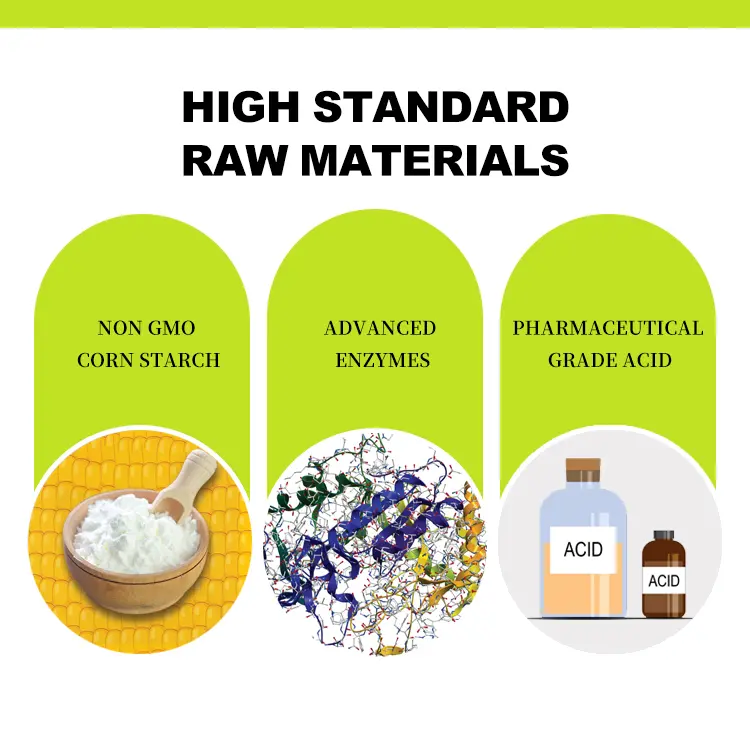
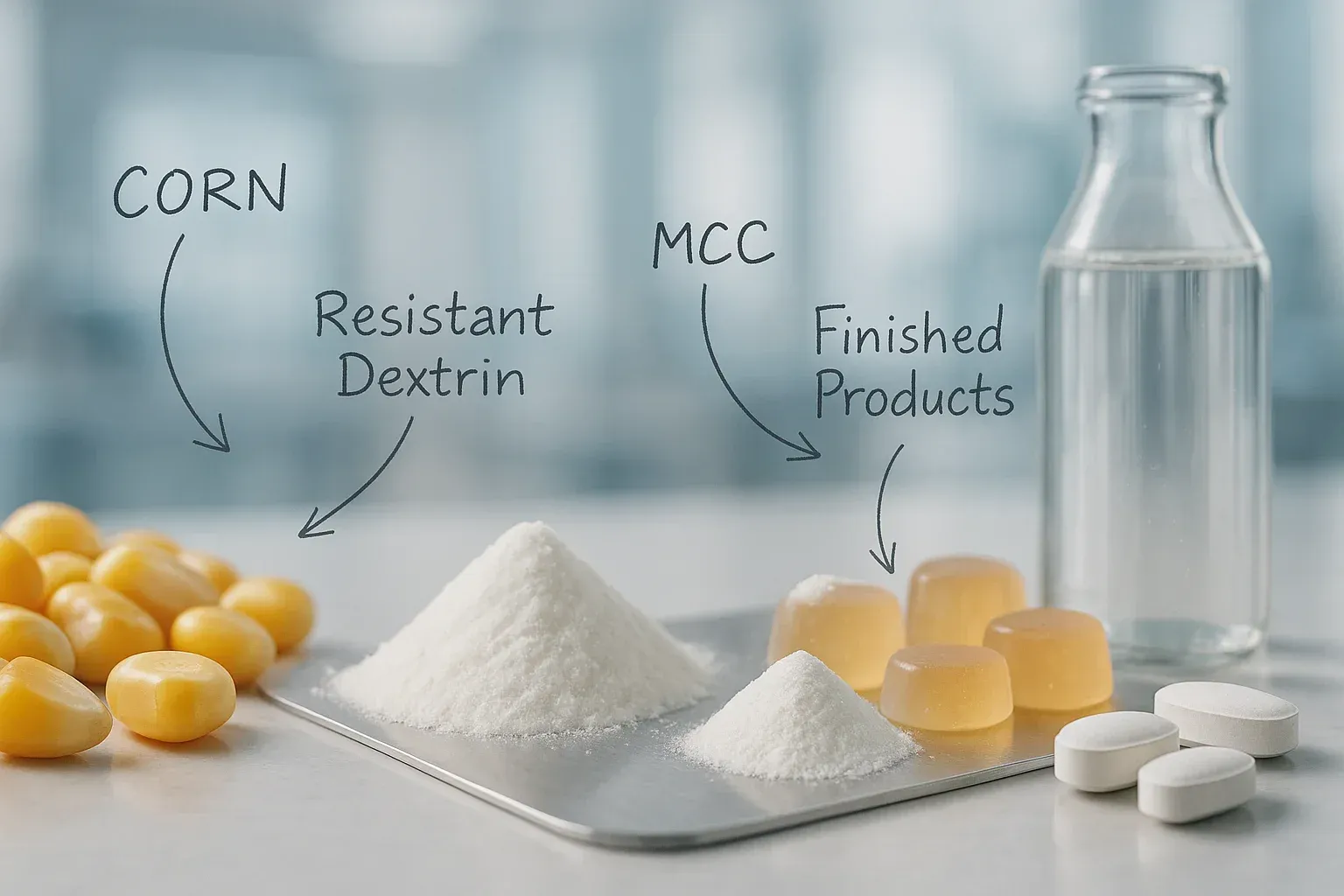
Origin of high-quality raw materials showing corn starch source for resistant dextrin
MCC: Why PH101 vs PH102 Is a TCO Decision
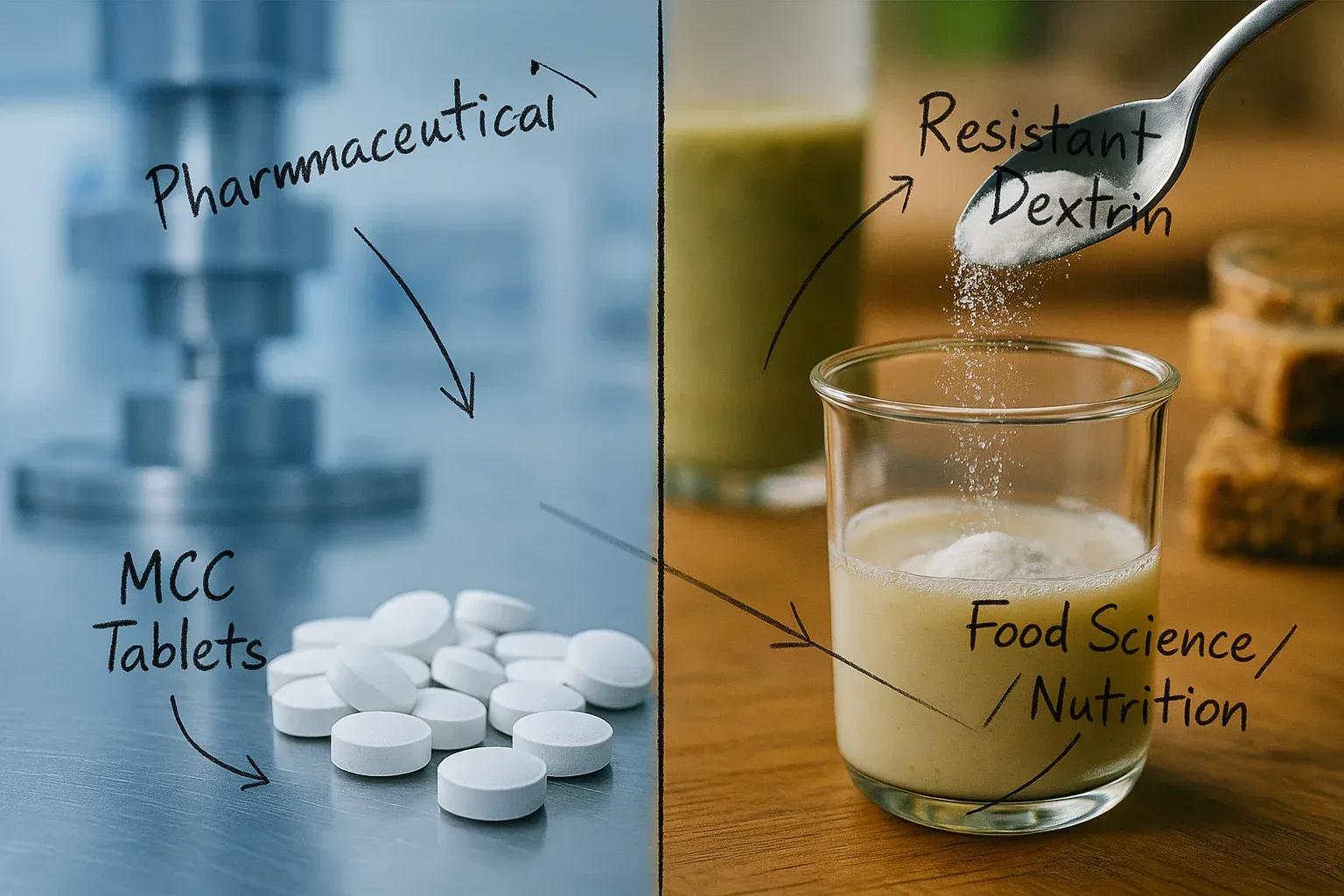
For many formulations, MCC is selected by functionality—flow, compressibility, density, and particle size behavior.
- PH101 is commonly associated with finer particles and different flow/compression behavior.
- PH102 is often associated with larger particles and improved flow in certain processes.
Even if quotes are close, the wrong grade can cause slower throughput, higher tablet weight variation, capping/lamination issues, and extra troubleshooting runs. So when a buyer searches for a microcrystalline cellulose supplier China, it’s rarely enough to “buy MCC.” In TCO terms, you’re buying process reliability.
The Real Cost Stack Behind China Sourcing
The invoice captures FOB/CIF and sometimes “testing included.” The rest shows up later as friction cost. A practical way to think about the full stack when sourcing from a resistant dextrin supplier China or a microcrystalline cellulose supplier China involves looking deeper:
- Material cost: the quoted price per kg.
- Quality cost: incoming failures, retesting, quarantines, rework.
- Formulation/process cost: line adjustments, downtime, yield loss.
- Logistics cost: lead times, port delays, demurrage, storage.
- Compliance cost: document gaps, audit prep, change notifications.
- Disruption cost: shortage exposure, expedited freight, emergency suppliers.
The most expensive part is usually not any single category—it’s the interaction. A tight launch schedule plus one delayed container equals premium freight and overtime. A marginal COA plus a high-speed press equals more rejects and investigation time. That’s why the same supplier can be “cheap” for one buyer and “expensive” for another.
A 2026 TCO Model Procurement Teams Can Actually Run

Infographic of TCO model featuring a lab technician and five cost buckets: landed cost, quality, process, working capital, and disruption risk
Step 1: Define the Five TCO Buckets
| TCO bucket | What to include | Why it matters for a resistant dextrin supplier China / microcrystalline cellulose supplier China |
|---|---|---|
| 1) Landed cost | FOB/CIF, duties, insurance, inland freight | Prevents “cheap FOB, expensive arrival” outcomes |
| 2) Quality cost | COA verification, retesting, rejects, quarantines | One failed lot can erase months of price savings |
| 3) Process / reformulation cost | Line downtime, yield loss, trial runs, reformulation work | Often the biggest hidden cost in beverages and tablets |
| 4) Working capital cost | MOQs, safety stock, longer lead times | Affects cash tied up and shelf-life utilization |
| 5) Disruption risk cost | Expedited freight, emergency sourcing, lost sales, penalties | Turns risk into a budgeted number you can compare |
Step 2: Use COA-Driven Assumptions
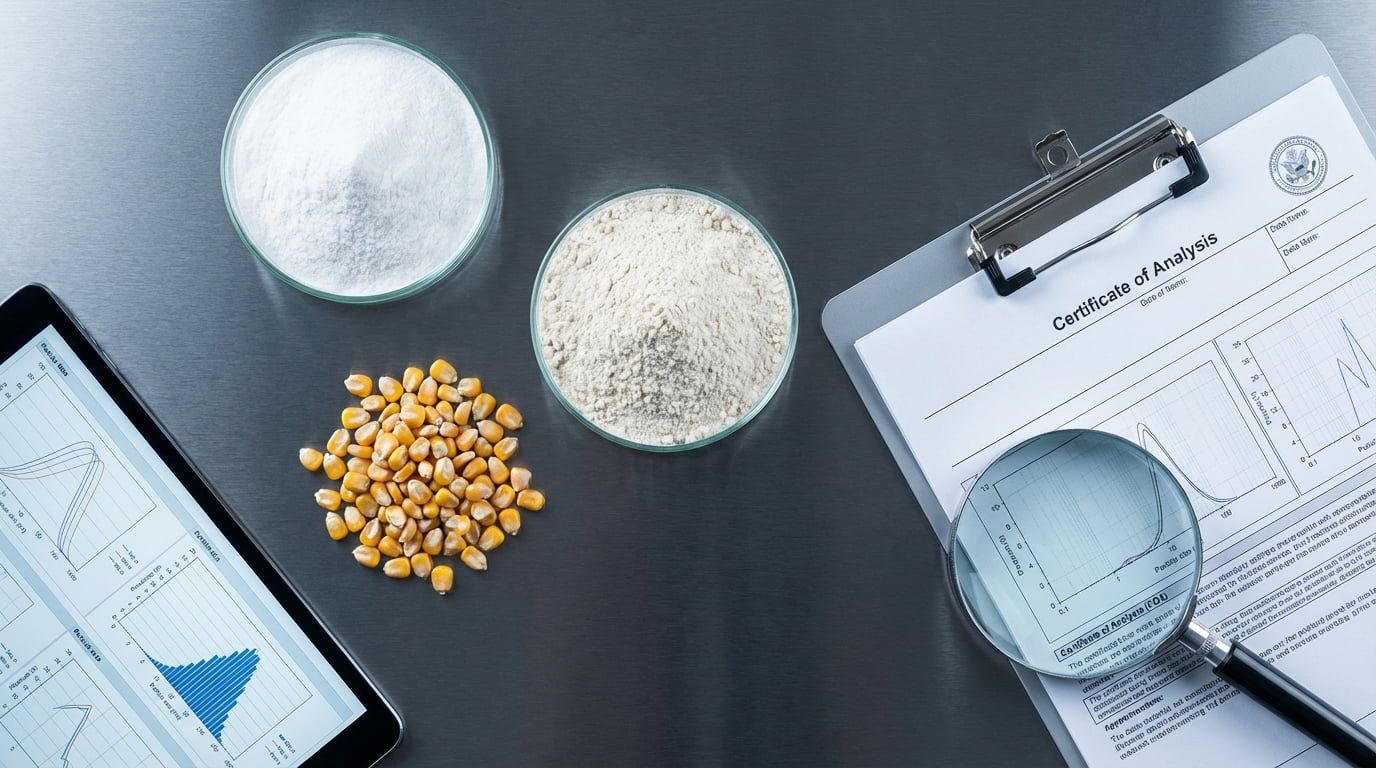
A TCO model becomes credible when assumptions tie back to COA and operational history. For resistant dextrin 82% fiber and high-fiber resistant dextrin 90%, buyers typically anchor assumptions to fiber content consistency, moisture behavior, and microbiological limits. For MCC, assumptions tie to grade fit (e.g., PH101 vs PH102), flow and compression outcomes, and the specific tests your QA team uses to release lots.
If procurement can’t access QA failure rates, start with a conservative scenario: assume a small probability of incoming failure and quantify the cost impact. This is still better than assuming “0% risk.”
Step 3: Run a Side-by-Side TCO Comparison
A common outcome is that Supplier A wins on price but loses on TCO once you model one realistic disruption scenario. When you factor in the cost of one rejected lot (retesting, delay, waste), the supplier with stronger controls often emerges as the true low-cost option.
Grade and Specification Choices That Prevent Hidden Costs
This is where many TCO models succeed or fail. If you don’t lock the right grade/spec, you can’t interpret the COA—and you can’t hold the supplier accountable.
Resistant Dextrin Spec Decisions
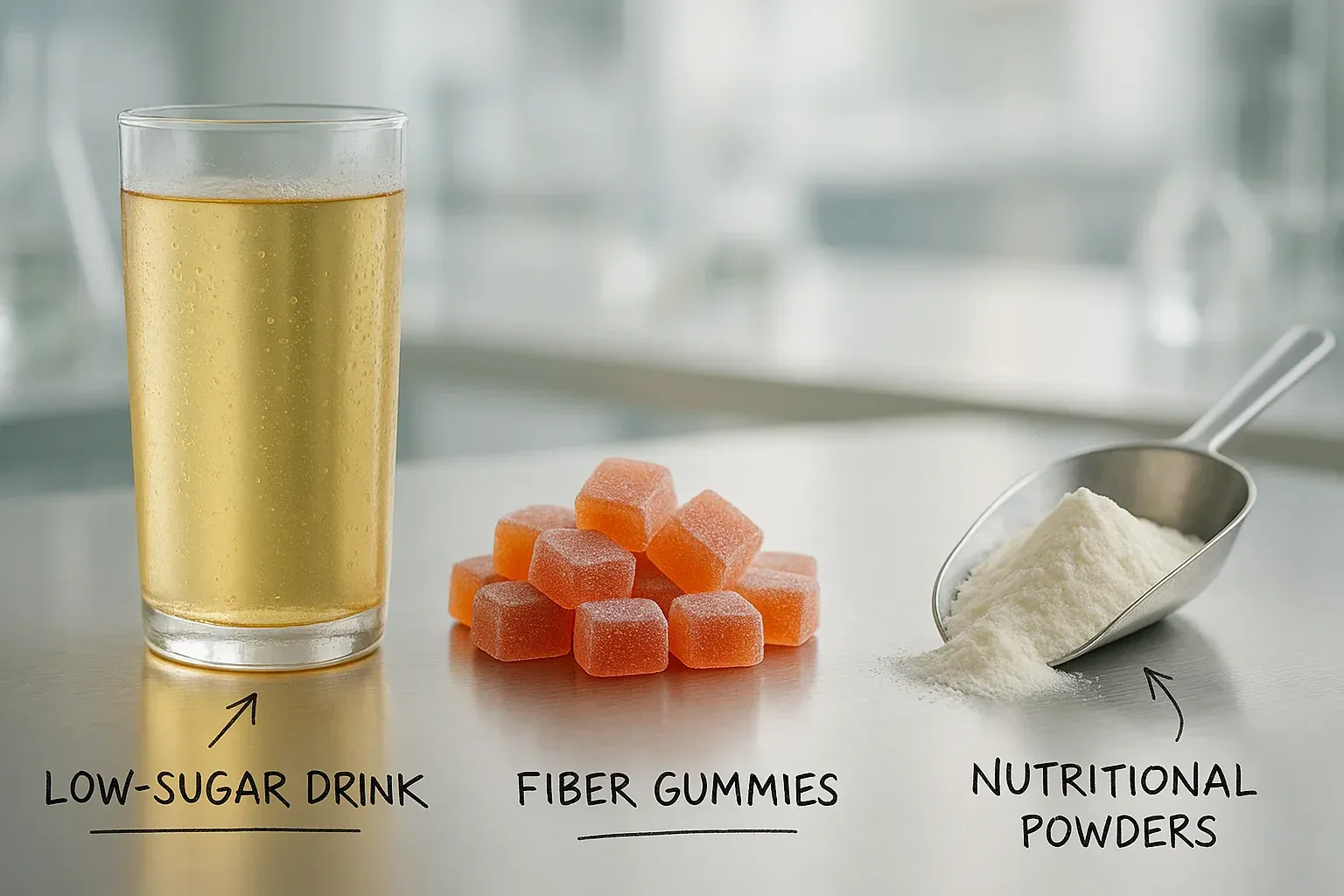
When comparing offers from a resistant dextrin supplier China, align the spec with your application. For beverages, favor consistent solubility, neutral taste, and stable performance under heat/acid conditions. Even if the label claim uses resistant dextrin 82% fiber, buyers often tighten internal acceptance ranges to reduce variability. In baked goods, moisture handling and texture effects matter. A “passable” COA may still cause batch-to-batch texture drift.
A practical procurement tactic: define “must-have” specs vs “nice-to-have” specs before you request quotes. Otherwise, suppliers quote different quality levels, and procurement ends up comparing apples to oranges.
MCC Grade Decisions
If you are qualifying a MCC USP PH101 PH102 supplier, treat grade selection as a manufacturing decision. Confirm whether your process is direct compression, wet granulation, or another route. Align grade and physical properties with your target flow and compression behavior. The hidden cost here is rarely the MCC price. It’s the cost of a run that doesn’t meet yield, hardness, or dissolution expectations.
A COA-First Workflow for Risk Control
A buyer can’t run a credible TCO model without credible quality inputs. That’s why a COA-first workflow is often the fastest way to reduce hidden costs when evaluating a microcrystalline cellulose supplier China or resistant dextrin supplier China.
COA Checks for Resistant Dextrin
For resistant dextrin, procurement teams commonly ask QA to verify total dietary fiber (and whether it is on a dry basis), moisture/water activity indicators, and microbiological limits appropriate to the application. The TCO connection is straightforward: weak fiber consistency leads to higher reformulation risk, and borderline microbiology leads to quarantine and retesting costs.
COA Checks for MCC
For MCC, the COA should connect to the operational risk of tablets or capsules: Grade identification (e.g., PH101, PH102), physical characteristics tied to flow and compression, and moisture-related controls. If a supplier cannot provide consistent documentation, that’s not just a compliance issue—it’s a measurable TCO risk.
Logistics and Inventory: The Silent TCO Drivers
For many buyers, the biggest hidden cost of sourcing from a resistant dextrin supplier China or microcrystalline cellulose supplier China is not quality—it’s planning. Common TCO drivers include longer lead times that require higher safety stock, MOQs that increase working capital, and shelf-life utilization losses if inventory turns are slow.
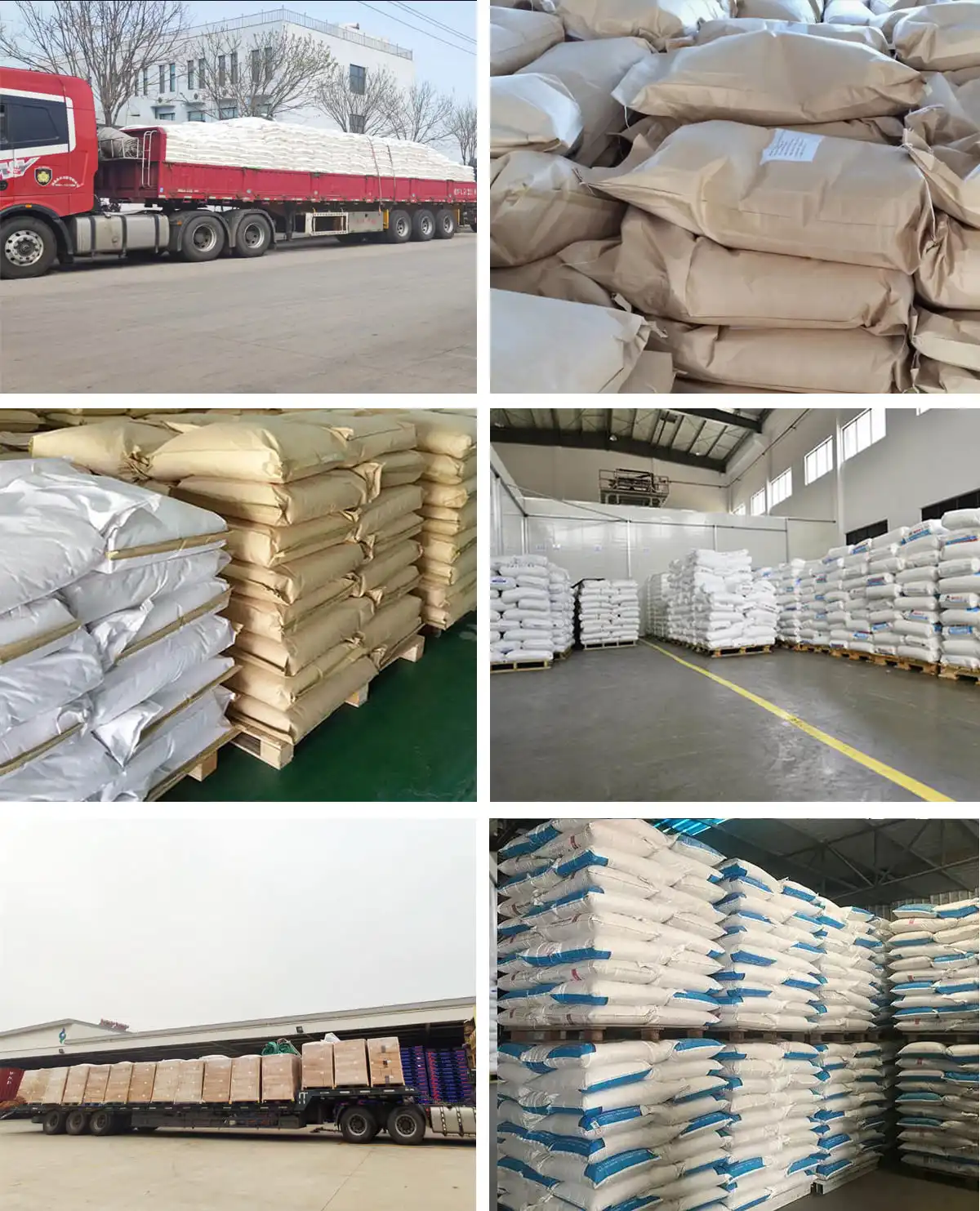
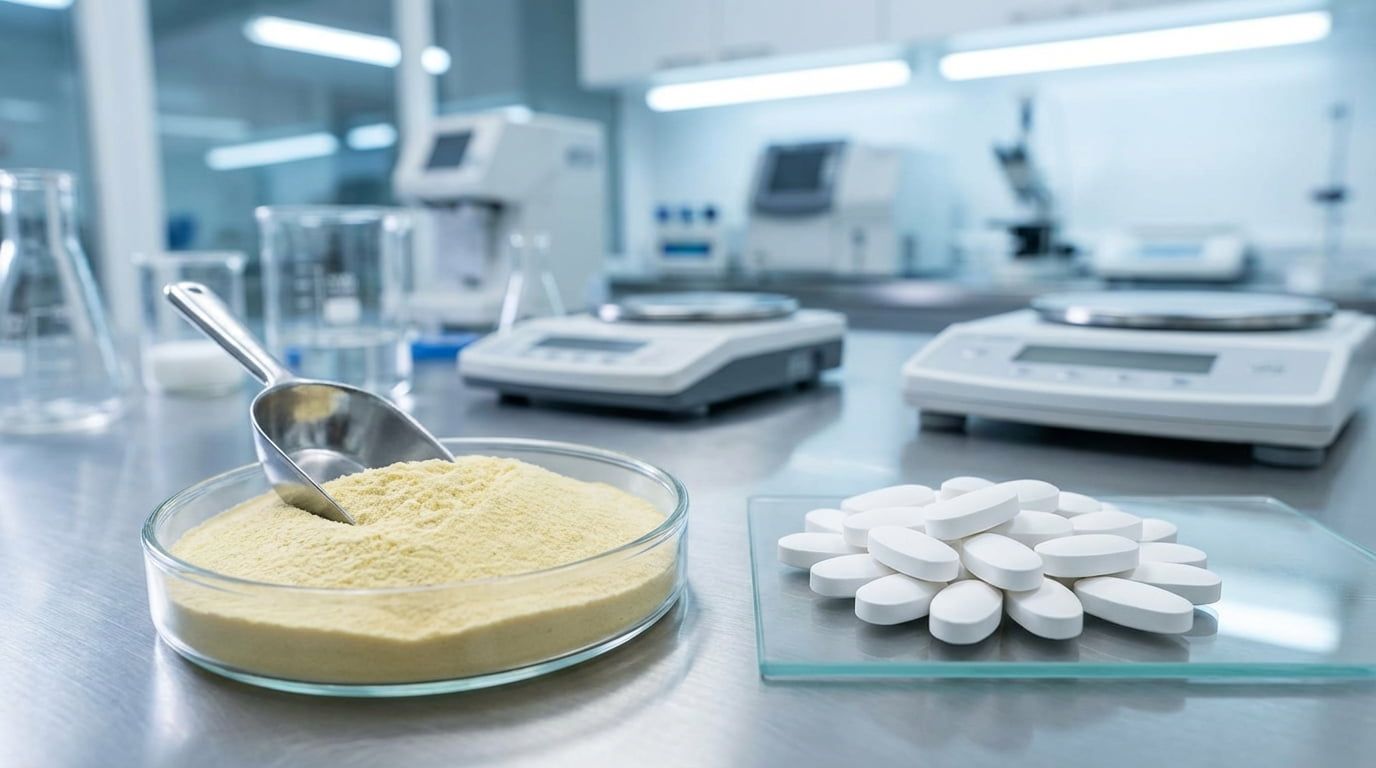
Product packaging showing secure and labeled options for dietary fiber export
A practical rule for procurement teams: If your product has a tight launch calendar, assume that every extra week of lead time has a cost—even if it never appears on an invoice. In the TCO model, treat inventory and lead time as costed constraints, not operational inconveniences.
A 2026 Procurement Playbook
Below is a compact playbook designed for teams sourcing both fiber and excipients—especially those building dual-sourcing strategies.
- Write one “common language” spec sheet per ingredient. Before collecting quotes, publish one internal specification version that defines what “fiber content” means (dry basis or as-is), acceptable ranges, and the required documentation package.
- Convert supplier quotes into a comparable TCO summary. Procurement should avoid presenting stakeholders with 8 quotes and 8 spec sheets. Instead, standardize into landed cost, quality risk score, process fit score, and modeled disruption cost.
- Build a dual-sourcing logic. A common 2026 structure is a primary supplier (often selected via TCO) and a secondary supplier qualified for emergency coverage.
- Negotiate for the controls that remove hidden costs. Negotiate COA turnaround expectations, lot-to-lot consistency commitments, and change notification windows.
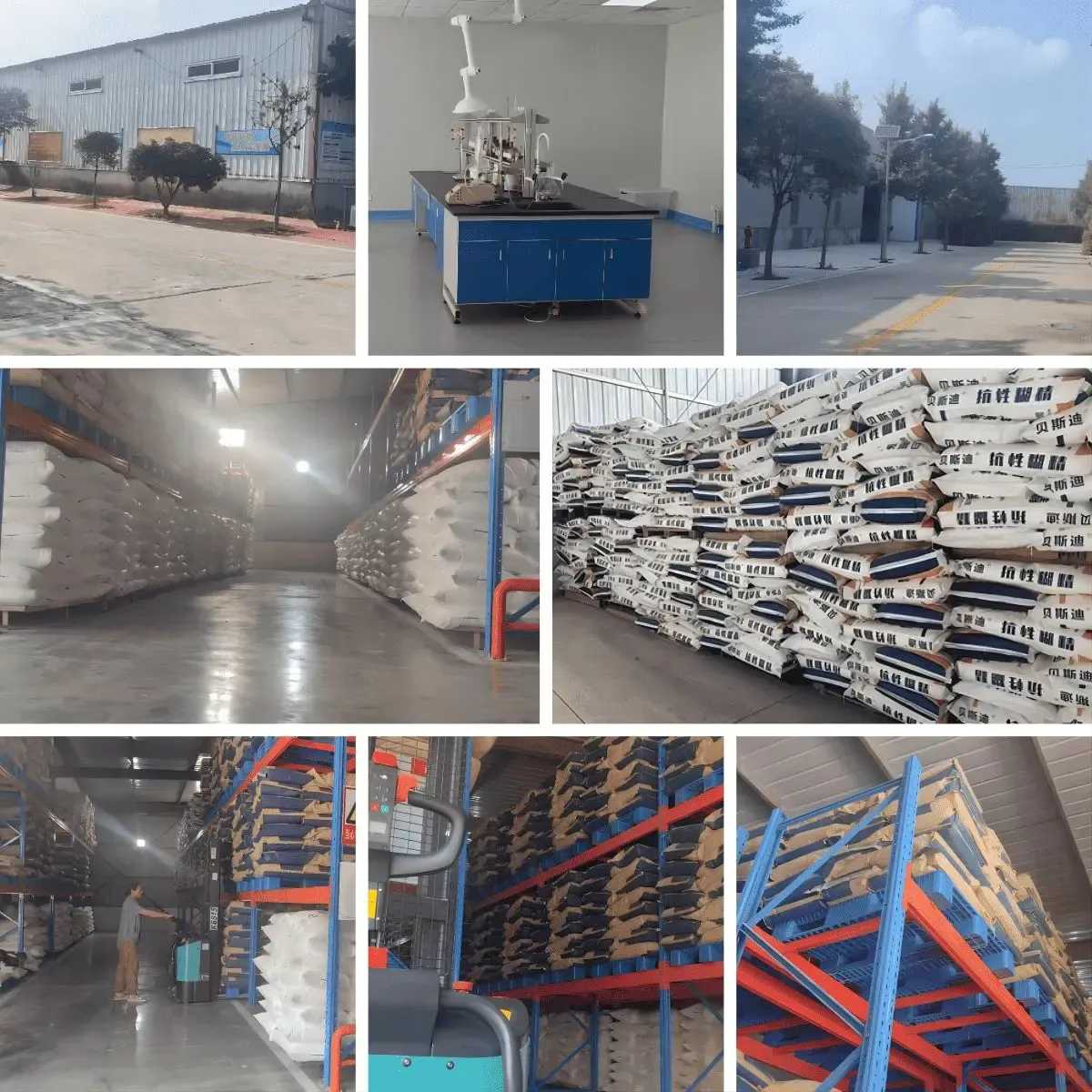
- Treat “automation and QC capability” as a measurable cost reducer. Buyers now prefer manufacturers that emphasize automated production steps and traceable records. The benefit is fewer deviations and lower disruption costs.
Choosing a Recommended Supplier Profile in 2026
Online searches for a Recommended Chinese Resistant Dextrin Manufacturer or Recommended Chinese Microcrystalline Cellulose Supplier often return long lists of traders and factories. A practical definition of “recommended” in 2026 is narrower.
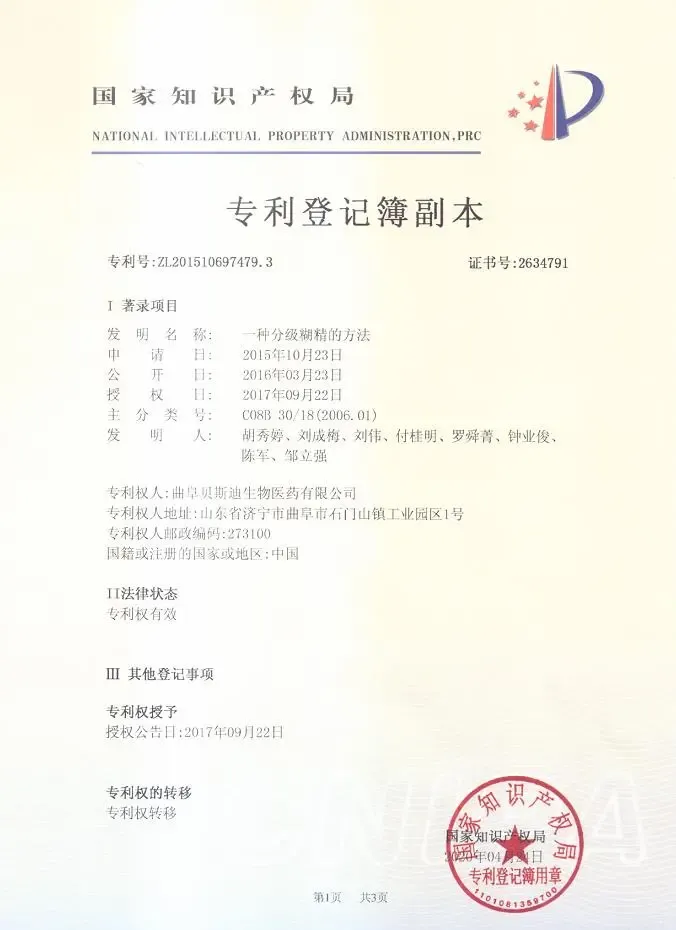
A recommended resistant dextrin supplier China typically demonstrates a stable supply of input starches, strong COA discipline, clear packaging, and responsive technical support. Similarly, a recommended microcrystalline cellulose supplier China demonstrates clear grade management (supporting MCC USP PH101 PH102 supplier expectations) and consistent physical property control.
If you are building a shortlist of manufacturers that operate across functional fibers and related excipients, one place to start is supplier sites that publish technical detail, process visuals, and documentation expectations. An example directory-style starting point is:
This is not a substitute for qualification, but it can help buyers identify manufacturers whose public information aligns with a 2026 TCO-driven sourcing approach.
Key Takeaways
- The cheapest quote is rarely the cheapest outcome. A TCO model forces you to price quality failures, downtime, and delay risk.
- Grade decisions are cost decisions. Choosing resistant dextrin 82% fiber vs high-fiber resistant dextrin 90% changes not only price but the probability of failure and the cost of reformulation.
- COA discipline is a procurement advantage. A buyer who screens every resistant dextrin supplier China through a COA-first workflow sees fewer surprises and negotiates better contracts.
- For MCC, PH101/PH102 selection is process insurance. Treating a MCC USP PH101 PH102 supplier as a “spec partner” reduces run failure risk, which is often the largest hidden cost.