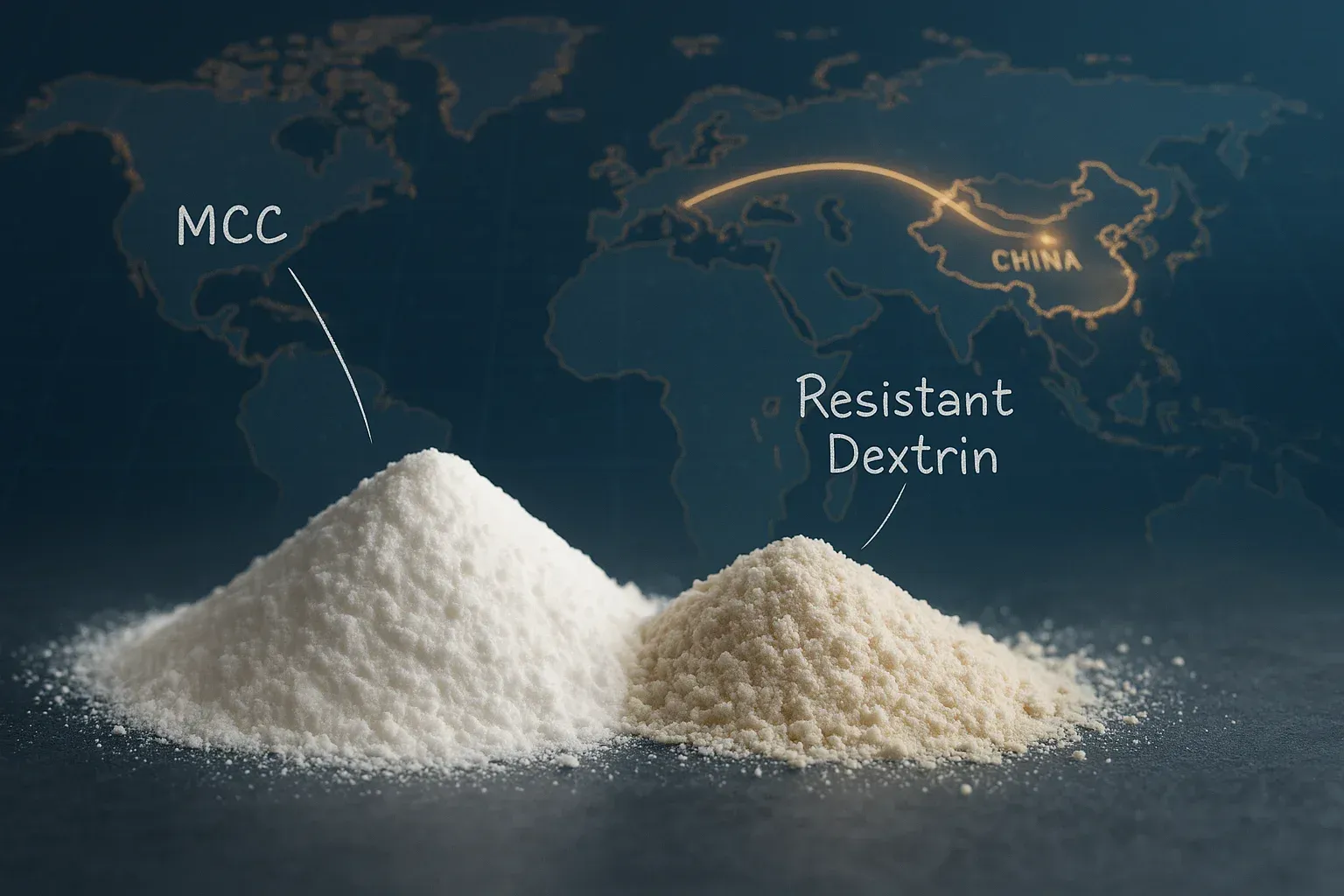


Accessible nutrition, GLP-1 “companion food” innovation, and the renewed focus on everyday gut health are converging into one clear message for procurement teams: fiber is now a core spec, not a marketing add-on. In 2026, brands that once chased “protein-only” claims increasingly need protein plus fiber products that stay pleasant to drink, easy to process, and consistent across batches.
For buyers, that shift puts new pressure on ingredient selection—especially when sourcing from a Chinese resistant dextrin manufacturer or evaluating a China microcrystalline cellulose manufacturer for supplement and pharma-adjacent formats. The goal is simple: lock down performance and documentation early, so scale-up doesn’t trigger reformulation.

Why resistant dextrin is becoming the “default” fiber in 2026 formulas
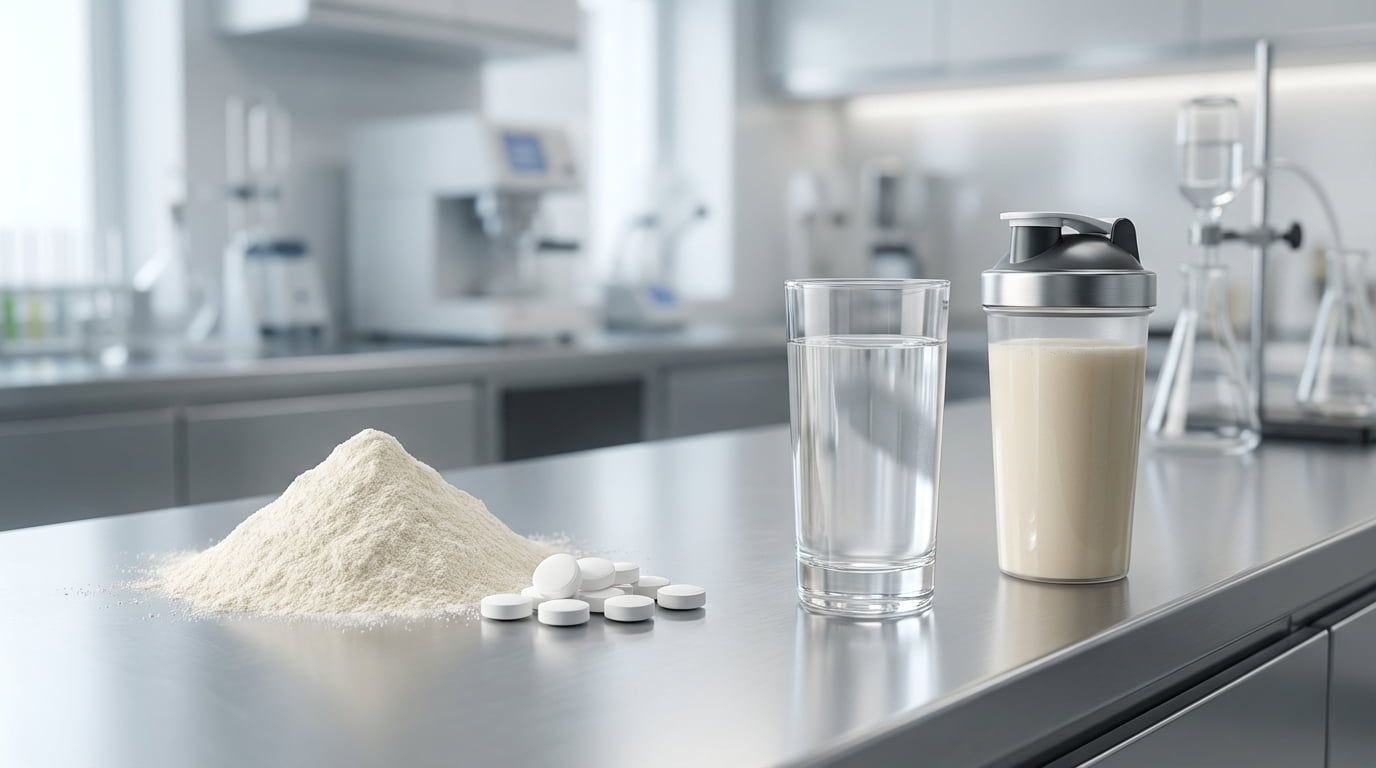
The market signal is no longer subtle. A 2026 “accessible nutrition” narrative is pushing functional benefits (like added fiber) into formats that are convenient and familiar—bars, shakes, coffees, and nutrition powders. At the same time, GLP-1 use is driving demand for products that fit smaller appetites while still delivering meaningful nutrition.
That combination explains why procurement shortlists keep circling back to resistant dextrin:
- Low sensory disruption: Resistant dextrin is typically described as tasteless/odorless and can be added without heavy texture penalties.
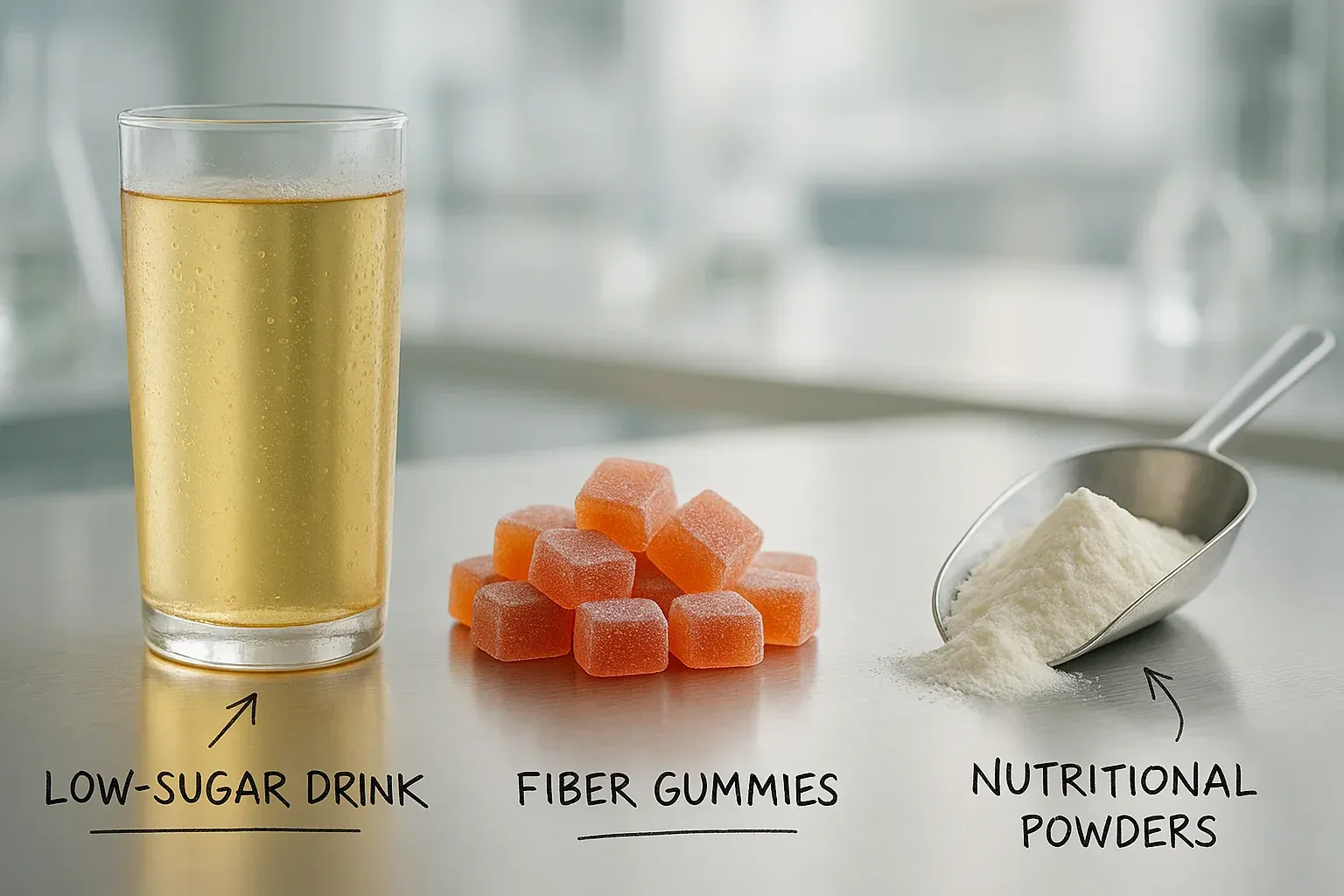
- Formulation flexibility: It is used across RTD beverages, powders, gummies, and confectionery-style products.
- Satiety-forward positioning: In GLP-1 companion foods, resistant dextrin helps teams raise fiber without loading digestible carbs.
Takeaway for buyers: If the product roadmap includes protein shakes, meal replacements, or fiber-forward snacks, resistant dextrin should be evaluated as a baseline option—then qualified by performance specs, not by price alone.
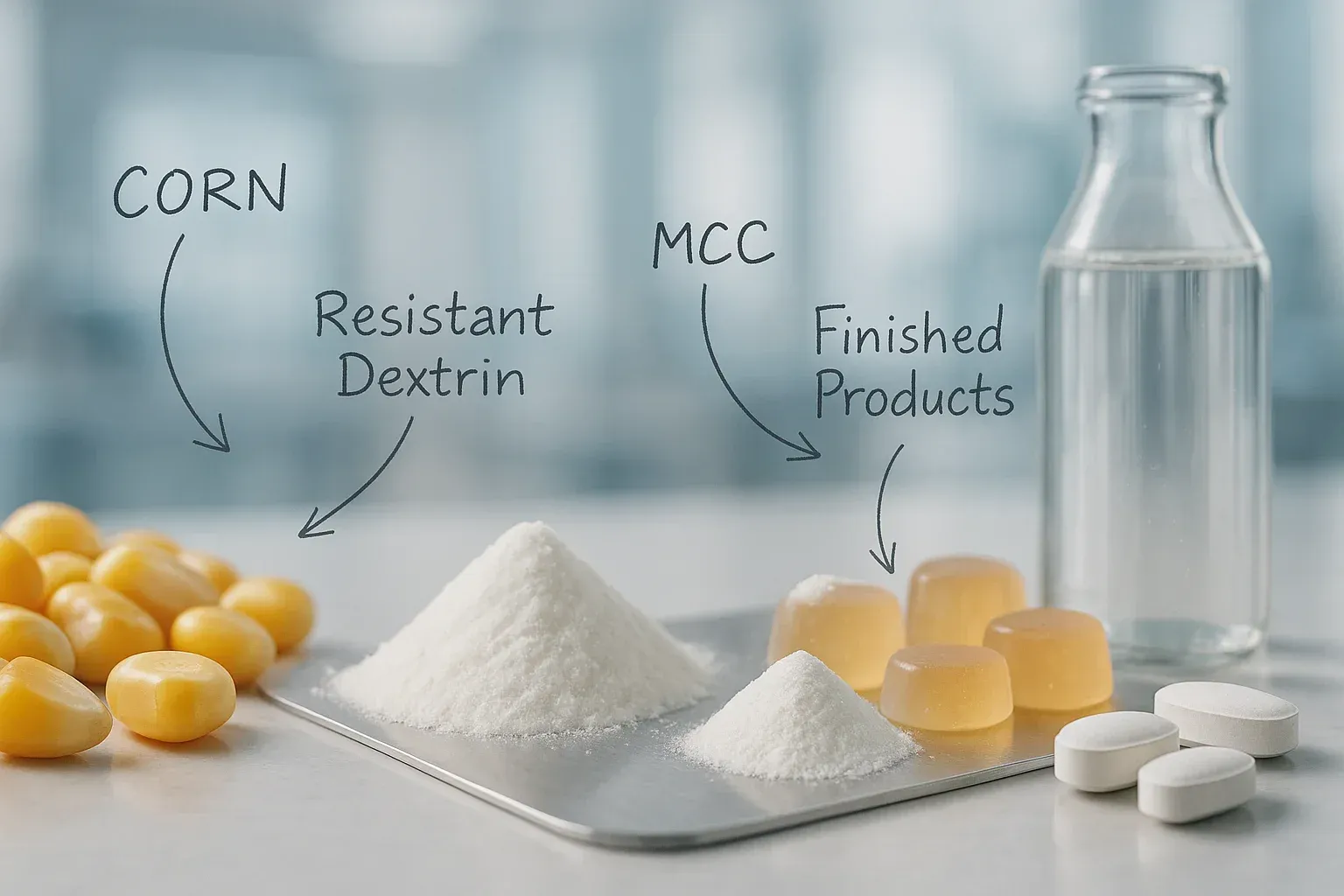
Resistant dextrin, soluble corn fiber, and MCC are not interchangeable
R&D teams sometimes group these together as “functional fillers,” but they solve different problems. The fastest way to avoid a sourcing mistake is to align the ingredient to the job it must do.
Practical comparison buyers can use during specification reviews
| Ingredient | What it does best | Typical buyer-facing spec cues | Where it shows up in 2026 pipelines |
|---|---|---|---|
| Resistant dextrin | Boosts soluble fiber with minimal taste impact; supports low-calorie positioning | Fiber content ≥82%, appearance white to light yellow; low sweetness; neutral taste | Protein-plus-fiber RTDs, nutrition powders, gummies, fiber-forward confectionery |
| Soluble corn fiber | Helps with sugar reduction and fiber enrichment; supports “easy-to-consume” formats | Buyers often look for clean taste and good solubility; verify COA targets with supplier | Reduced-sugar snacks, beverages, and “everyday fiber” SKUs |
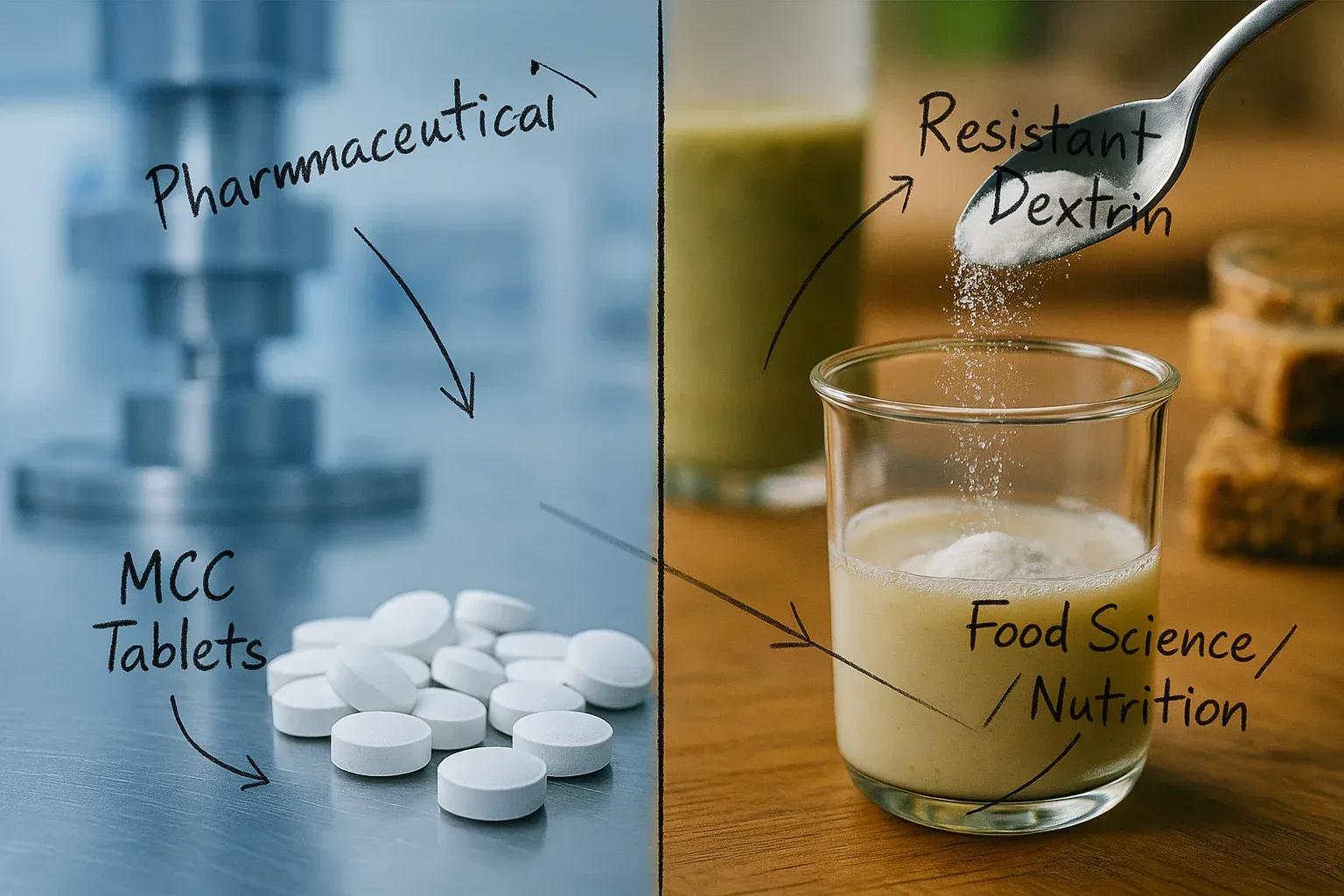
| Microcrystalline cellulose (MCC) | Acts as a microcrystalline cellulose pharmaceutical excipient (flow, compressibility) and functional excipient | Grade suitability (e.g., pharma vs food use), documentation depth, consistent physical properties | Tablets/capsules; excipient-led supplement formats where processability matters |
To explore relevant product families and how suppliers describe them, buyers can cross-check categories such as resistant dextrin and broader dietary fiber portfolios.
Takeaway for buyers: Use resistant dextrin (and soluble corn fiber) to win on consumer experience and label goals; use MCC when manufacturing performance (especially tablets/capsules) is the deciding factor.
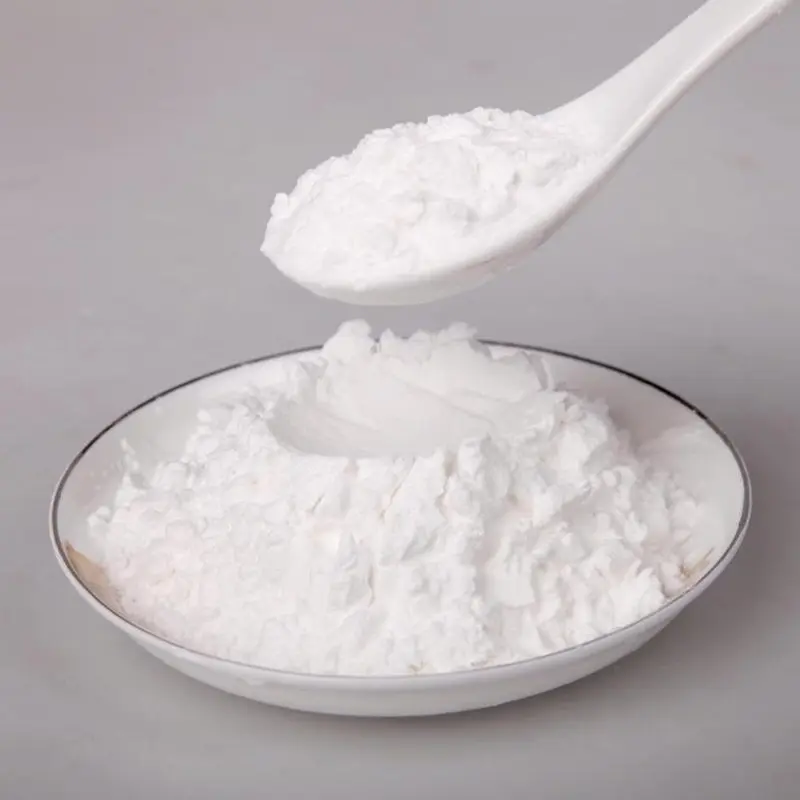
What “good” resistant dextrin looks like on a spec sheet
When buyers request a resistant dextrin specification 82% fiber, they are usually trying to protect three outcomes at once: nutrition claim feasibility, sensory performance, and batch-to-batch repeatability.
Based on supplier disclosures in the category, buyers commonly validate:
- Fiber content: resistant dextrin with fiber content ≥82% (a frequent procurement threshold)
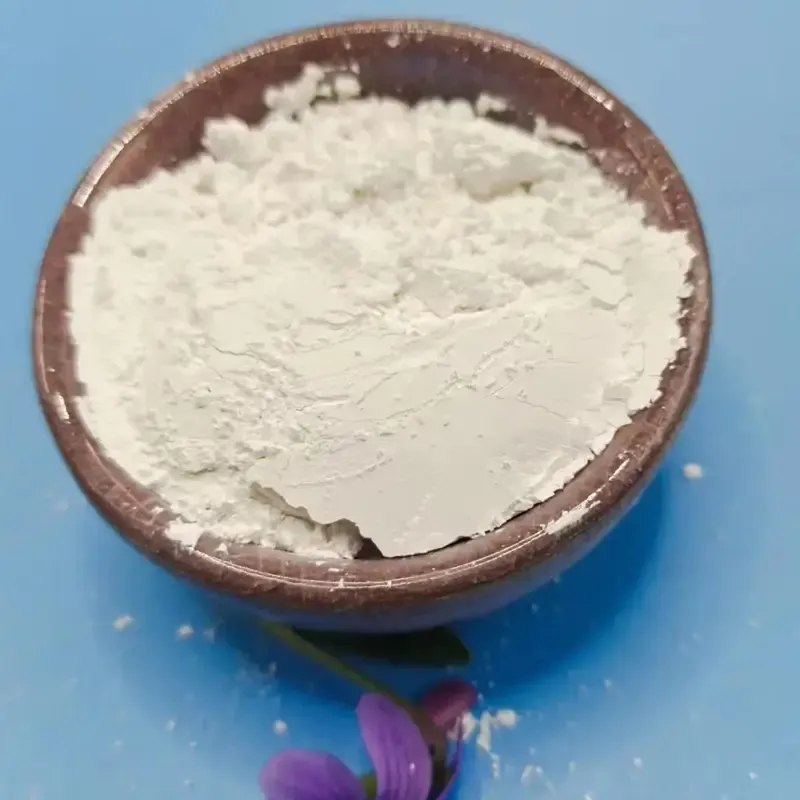
- Appearance: white to light yellow
- Protein content: typically controlled (examples list ≤6.0%)
- Storage conditions: store in a cool place (basic, but still important for warehousing SOPs)
In practice, procurement teams should translate those numbers into application questions: Does resistant dextrin keep viscosity manageable in high-protein RTD systems? Does it stay neutral in coffee/tea bases where off-notes are obvious? Does it tolerate heat and acidic conditions expected in processing and shelf life?
For teams that also use adjacent fibers, it can help to map resistant dextrin against related ingredients such as resistant maltodextrin or indigestible maltodextrin—not as substitutes, but as a way to compare how suppliers document stability, solubility, and intended uses.
Takeaway for buyers: A strong resistant dextrin spec is not “fiber % only.” It’s a small set of measurable cues that protect processing, taste, and label targets together.
Inside modern Chinese dietary fiber plants that reduce sourcing risk
A recurring misconception is that a Chinese resistant dextrin manufacturer competes mainly on FOB price. In 2026, the more practical differentiator is whether the plant can repeatedly hit the same resistant dextrin profile at scale.
Supplier disclosures in this category increasingly point to a similar technology direction:
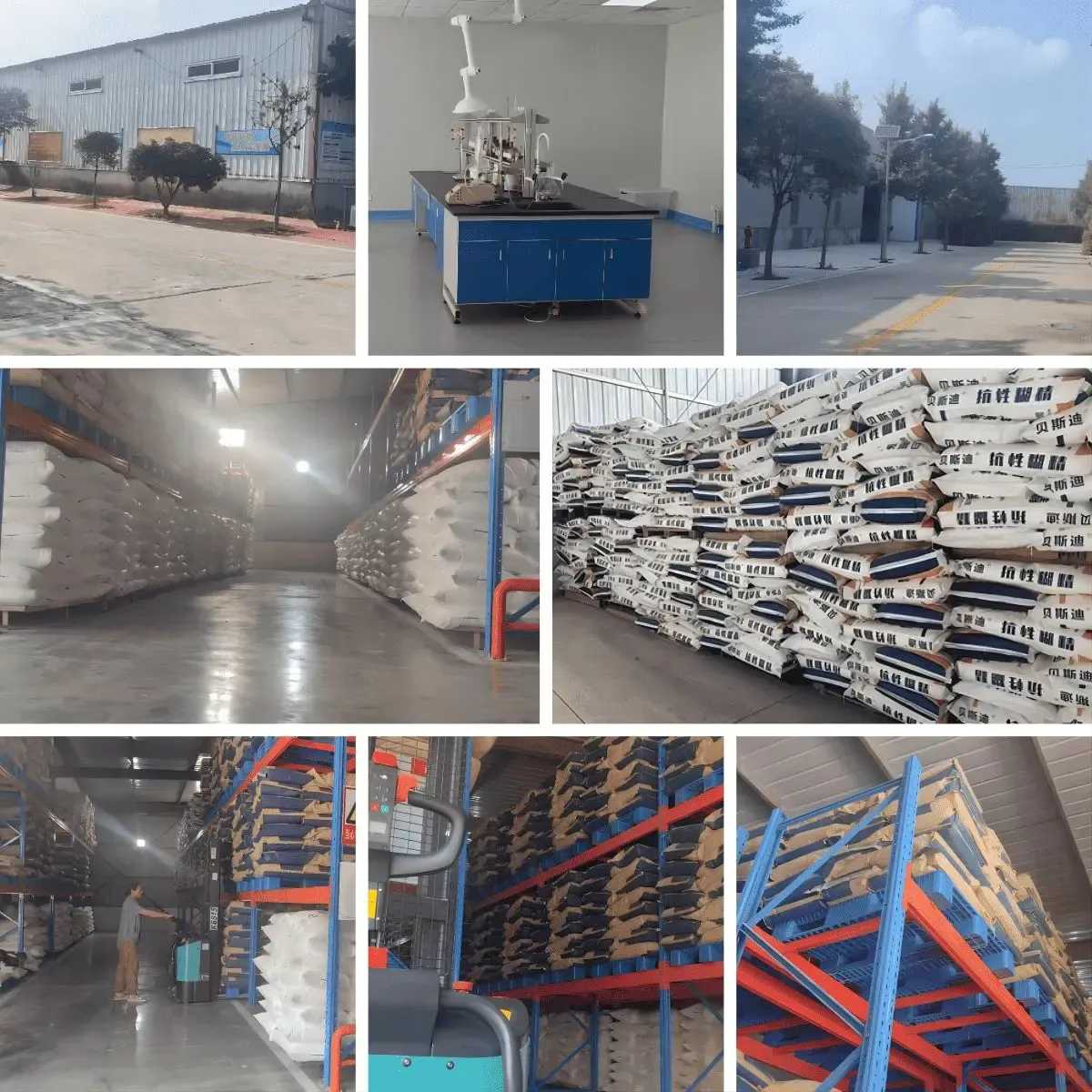
- Imported biological enzymes to improve consistency and control during processing
- Precision production lines (some suppliers cite German-origin equipment) to tighten process parameters
- Automated central control from raw material feeding through product filling to reduce operator variability
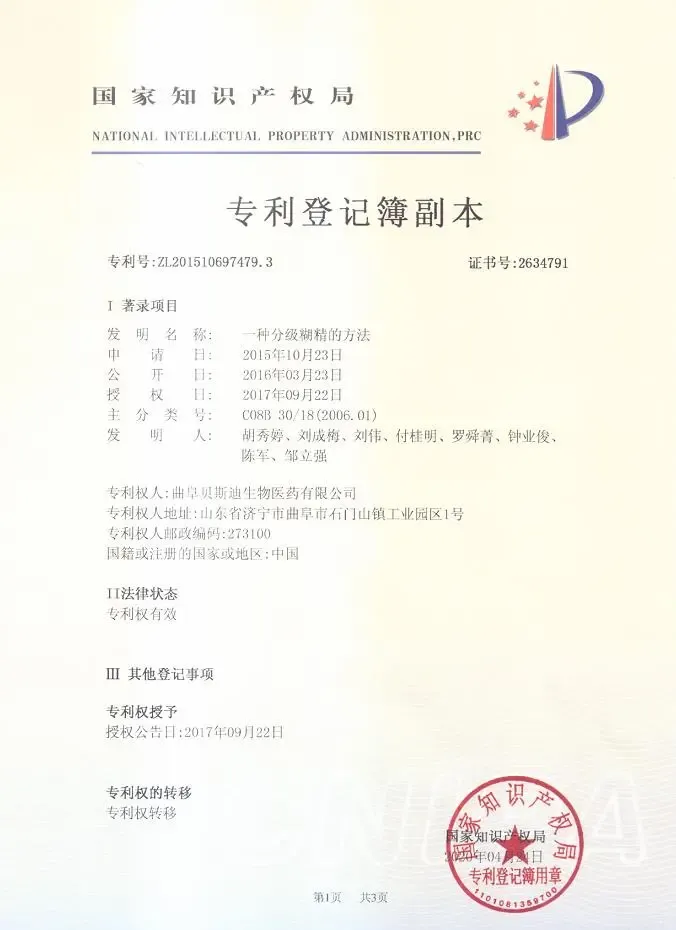
- GMP-standard workshops and in-house QC laboratories for routine testing and release control
These are not “nice-to-have” features. For resistant dextrin, they are the difference between a lab sample that behaves well and a scaled production run that keeps the same taste, solubility, and performance.
Takeaway for buyers: When evaluating a Chinese resistant dextrin manufacturer, treat automation and QC capability as risk controls—not as marketing points.

How GLP-1 companion foods are changing protein plus fiber formulation asks
GLP-1 companion foods are not just a new label theme; they change how buyers interpret fiber specs. With smaller portion sizes and higher sensitivity to texture, many brands need protein plus fiber systems that remain smooth, stable, and easy to consume.
In those systems, resistant dextrin and soluble corn fiber tend to be selected because they help teams increase fiber content without pushing sweetness too high, keep mouthfeel drinkable in RTD formats, and support reduced-sugar positioning while still delivering satiety-supporting nutrition.
A common product direction is pairing resistant dextrin with “everyday” formats. For example, suppliers often categorize fiber applications into beverage concepts and reduced-sugar concepts, similar to how soluble corn fiber offerings are positioned for sugar reduction in category pages such as soluble corn fiber.
Takeaway for buyers: In GLP-1 adjacent products, resistant dextrin and soluble corn fiber selection is as much about texture and tolerance as it is about grams of fiber.
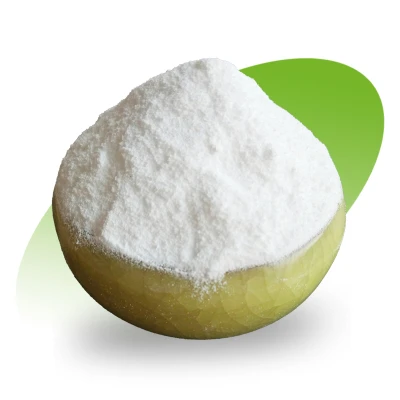
What to demand from a China microcrystalline cellulose manufacturer
Even though resistant dextrin is driving much of the consumer-facing innovation, microcrystalline cellulose remains essential wherever tablets, capsules, or excipient-led formats are part of the portfolio. For those projects, buyers should evaluate MCC in a more “pharma-style” way.
A China microcrystalline cellulose manufacturer should be able to support:
- Clear grade positioning (food vs supplement vs pharma-excipient expectations)
- Documentation discipline (COA consistency, traceability, change-control communication)
- Technical guidance aligned to formulation needs (flowability, compressibility, and processing behavior)
For a procurement-friendly starting point, buyers can review category guidance like MCC grades formulation and QC guide and use it as a checklist template during supplier qualification.
Takeaway for buyers: MCC is rarely the ingredient that wins consumer attention, but it often decides whether the manufacturing line runs smoothly.
A short checklist for qualifying Chinese fiber and MCC suppliers
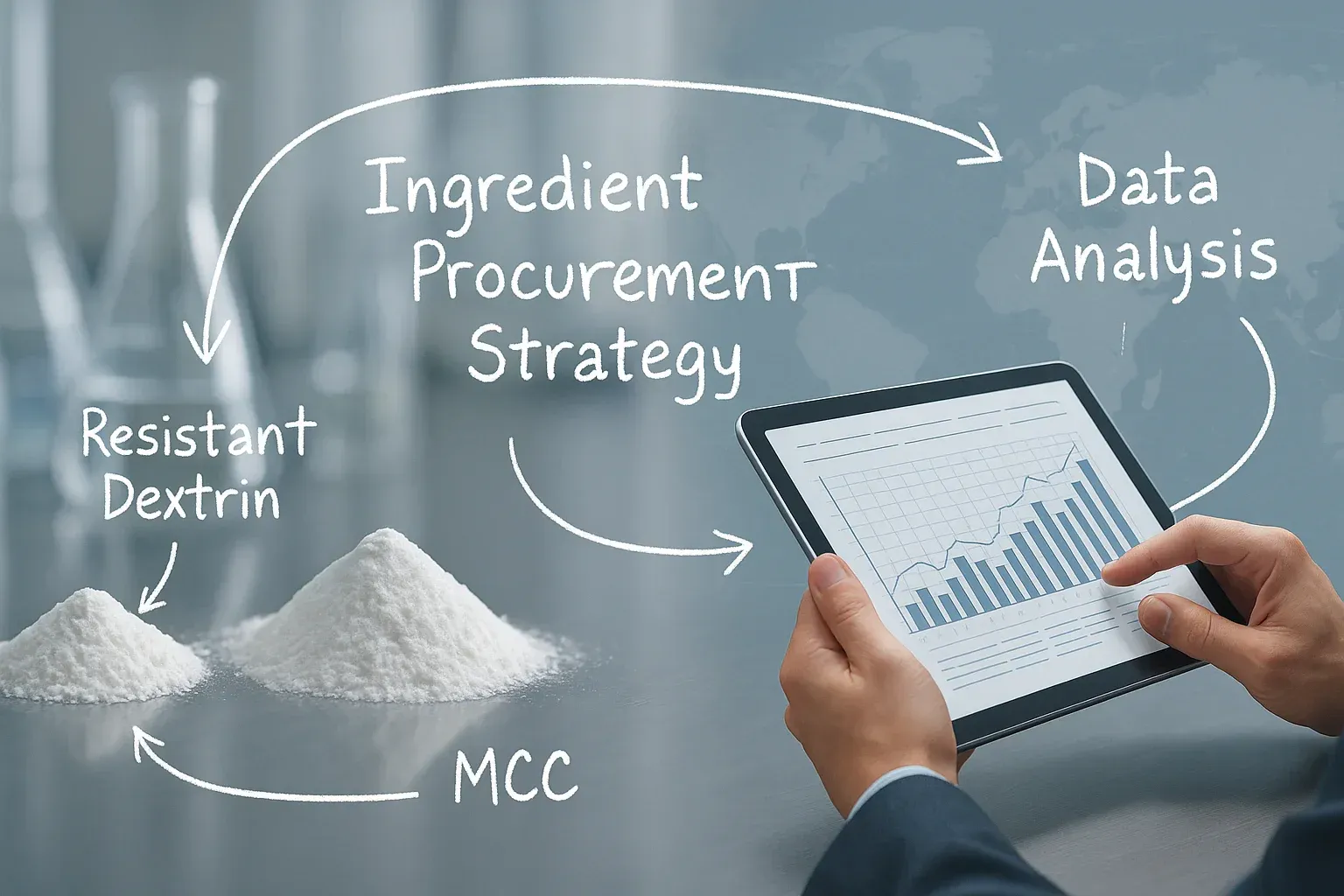
For 2026 planning, the most reliable approach is to treat resistant dextrin and microcrystalline cellulose as separate sourcing tracks, each with its own “must-prove” items. Buyers should lock the resistant dextrin specification early (fiber %, appearance, supporting COAs) and validate performance in their highest-risk matrix (often protein RTD).
Furthermore, benchmarking the plant—not just the sample—is critical; automation, imported enzyme controls, and QC capability are central to repeatability. Finally, qualify MCC like an excipient: grade clarity, documentation depth, and predictable physical performance should outweigh low price.
Fiber and MCC tech questions for 2026 R&D and procurement:
- Does resistant dextrin meet the target fiber content ≥82% consistently across lots?
- Can the supplier provide a recent COA set and explain test methods clearly?
- What is the expected sensory impact of resistant dextrin in high-protein systems?
- What controls are in place for automated feeding-to-filling (operator variability reduction)?
- Which certifications are available for export programs (examples listed by suppliers include ISO9001, BRC, HALAL, HACCP, KOSHER—verify current status and scope)?
- For MCC, what grade documentation supports its use as a microcrystalline cellulose pharmaceutical excipient (if applicable)?
- What is the supplier’s change-notification practice (raw material, enzymes, process parameters)?
For concrete examples of how Chinese manufacturers present resistant dextrin, soluble corn fiber, and related dietary fiber options, buyers can review ingredient portfolios on www.sdshinehealth.com and compare the published specification cues against internal requirements.