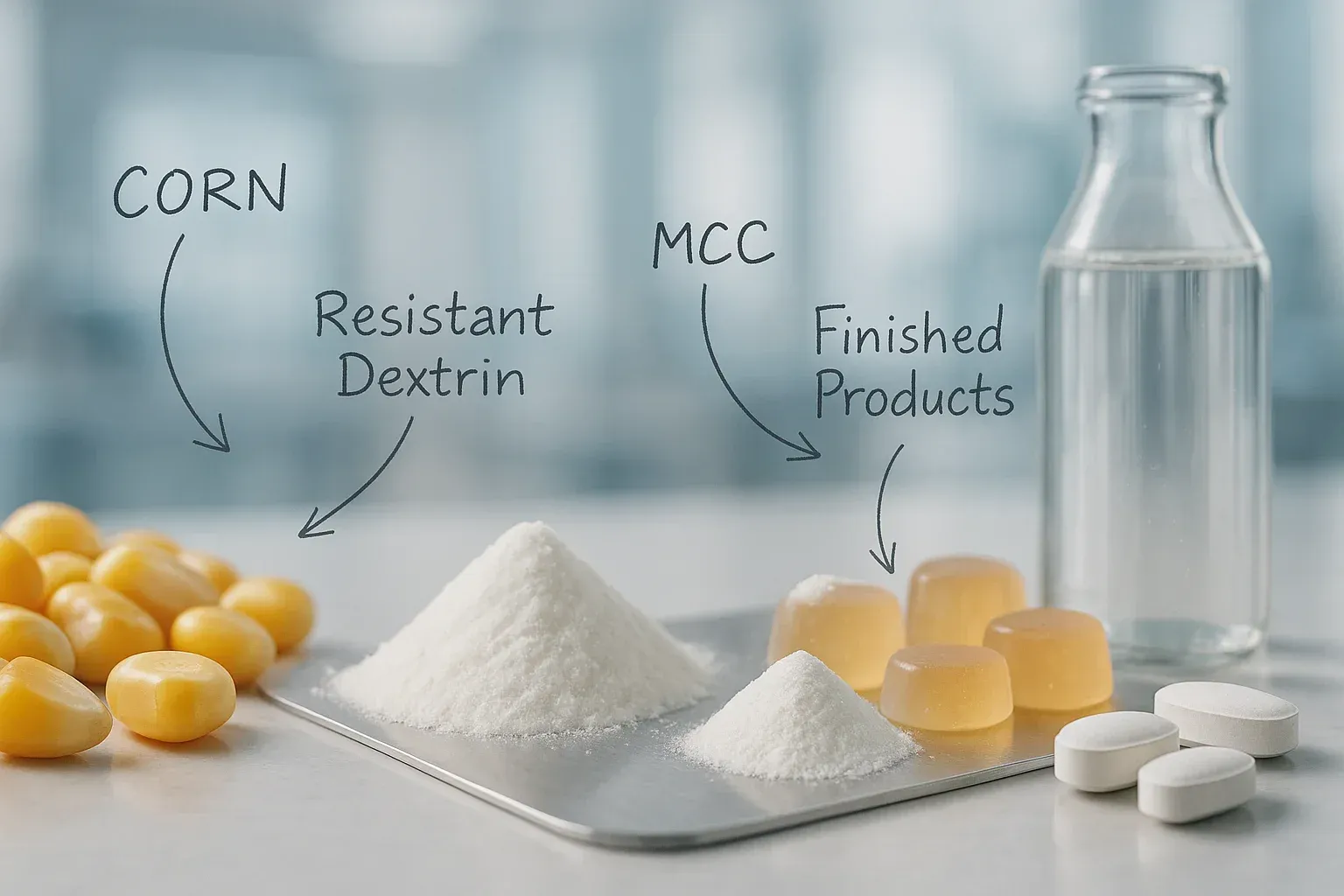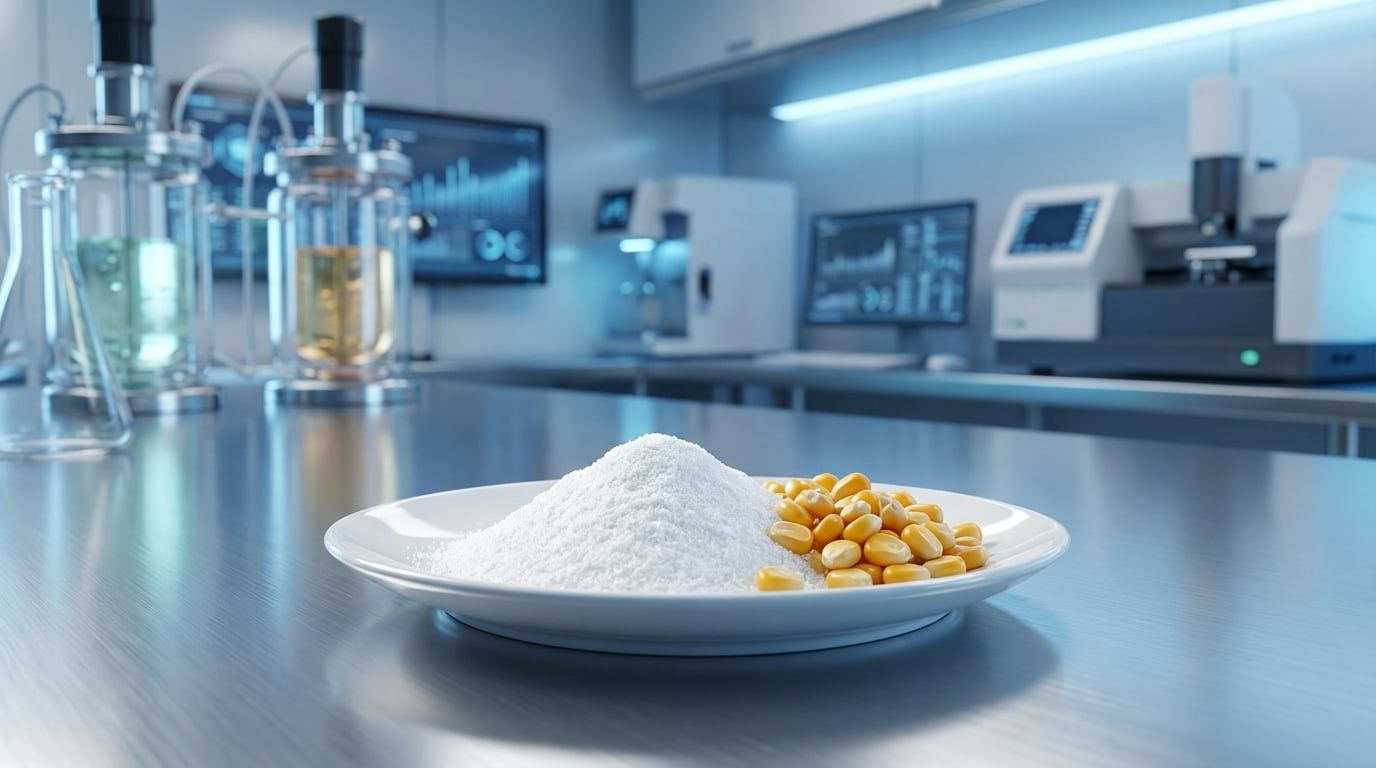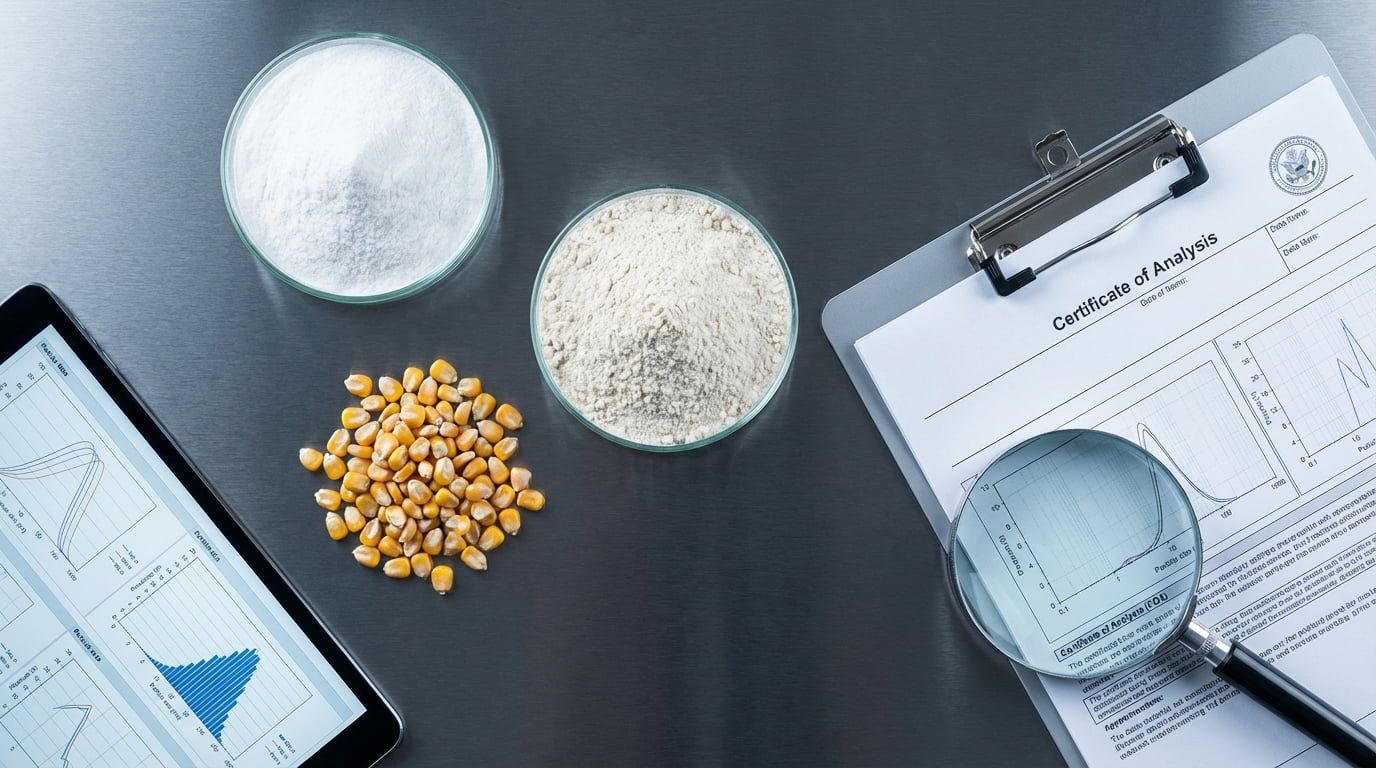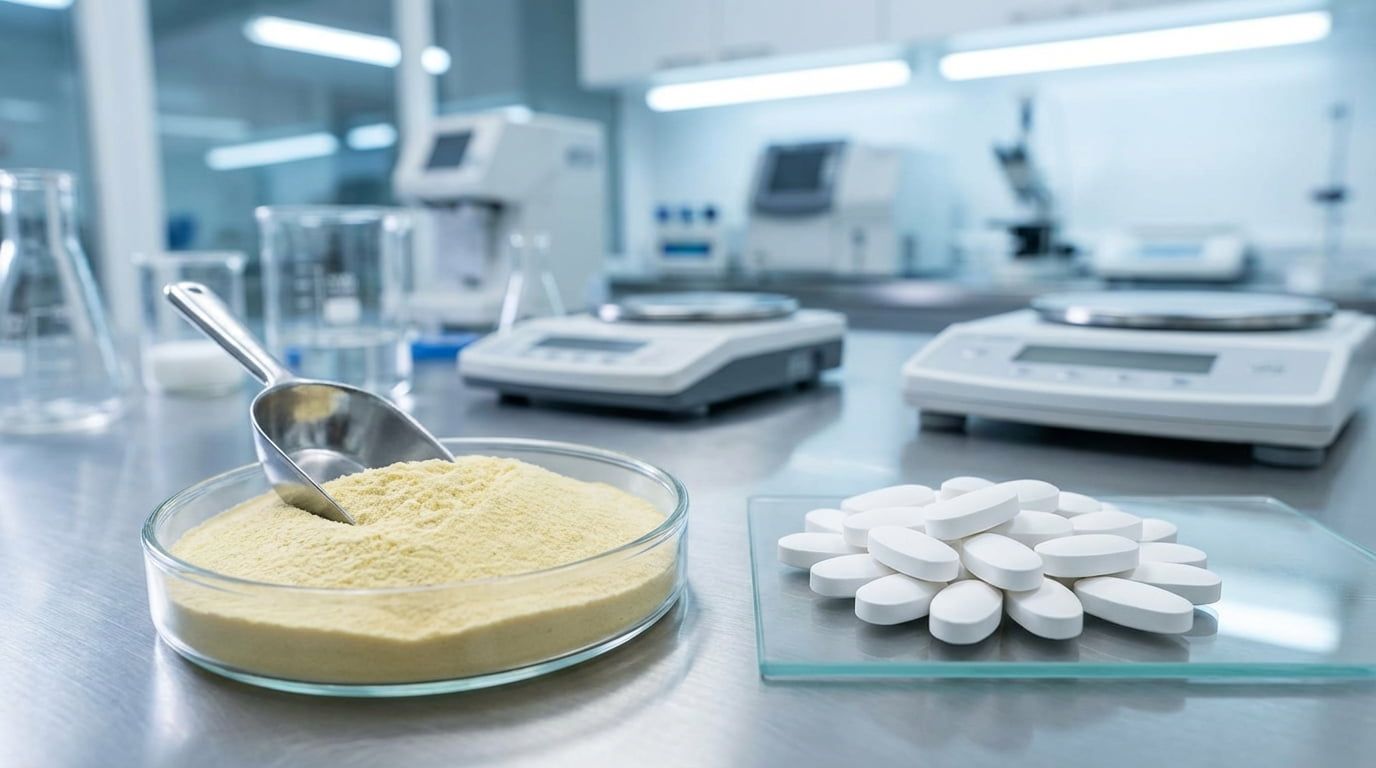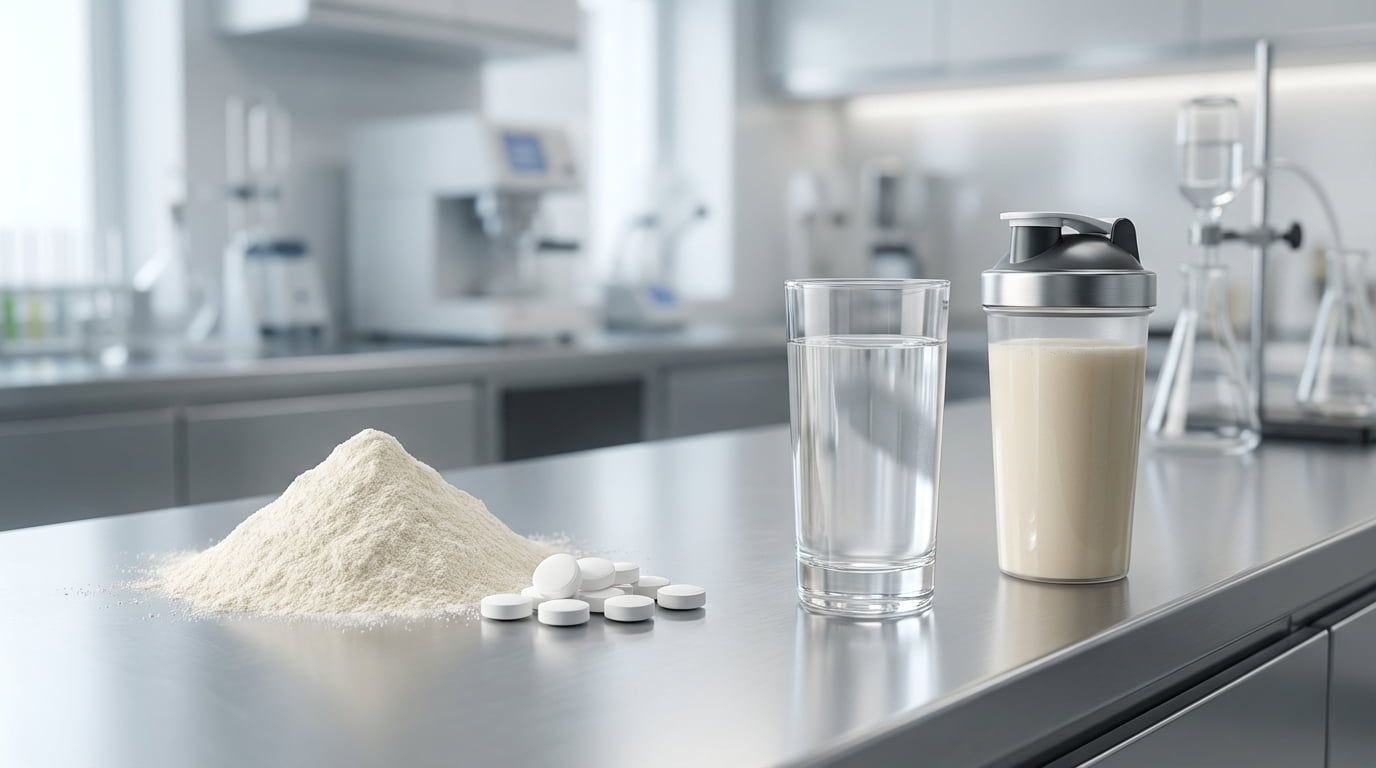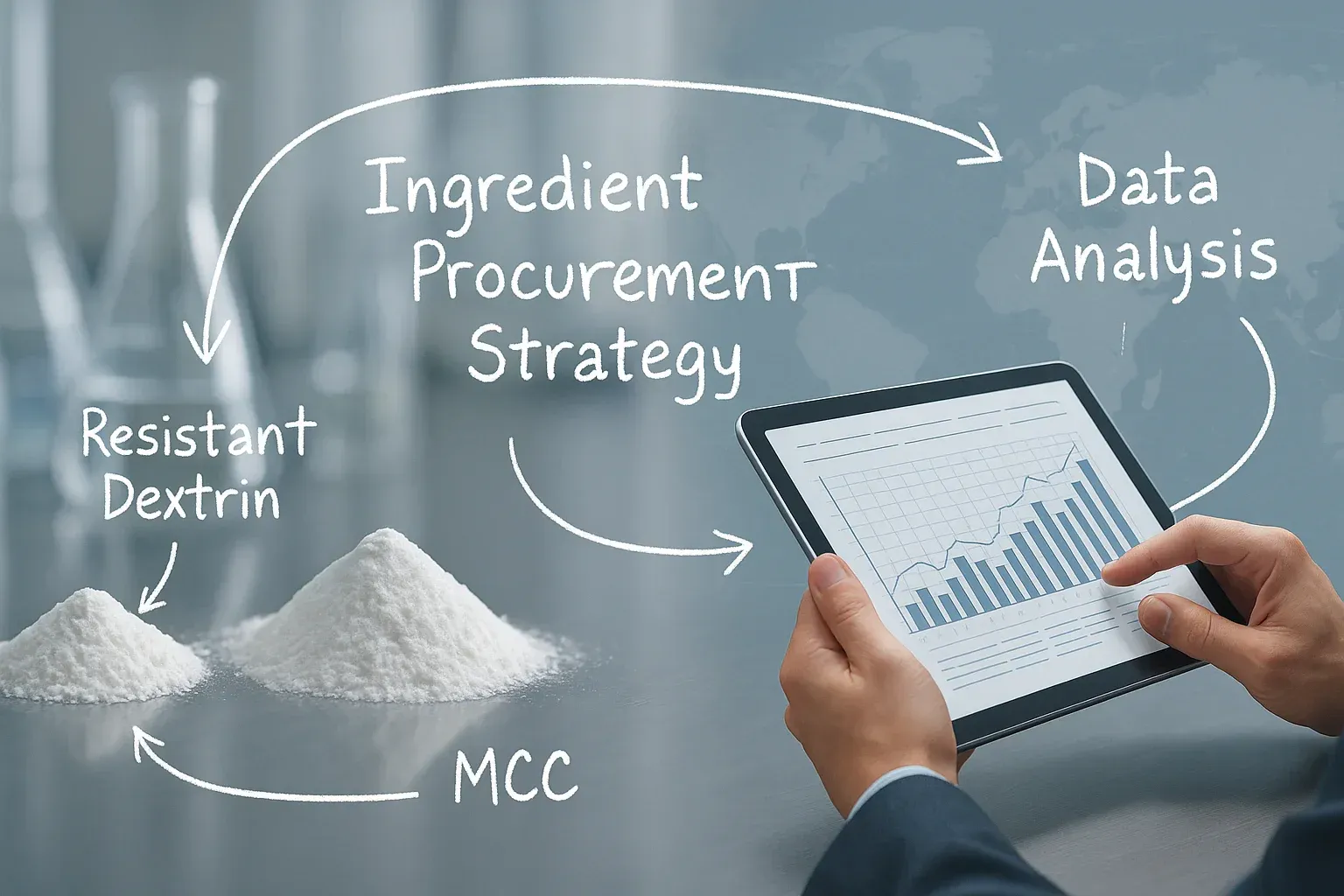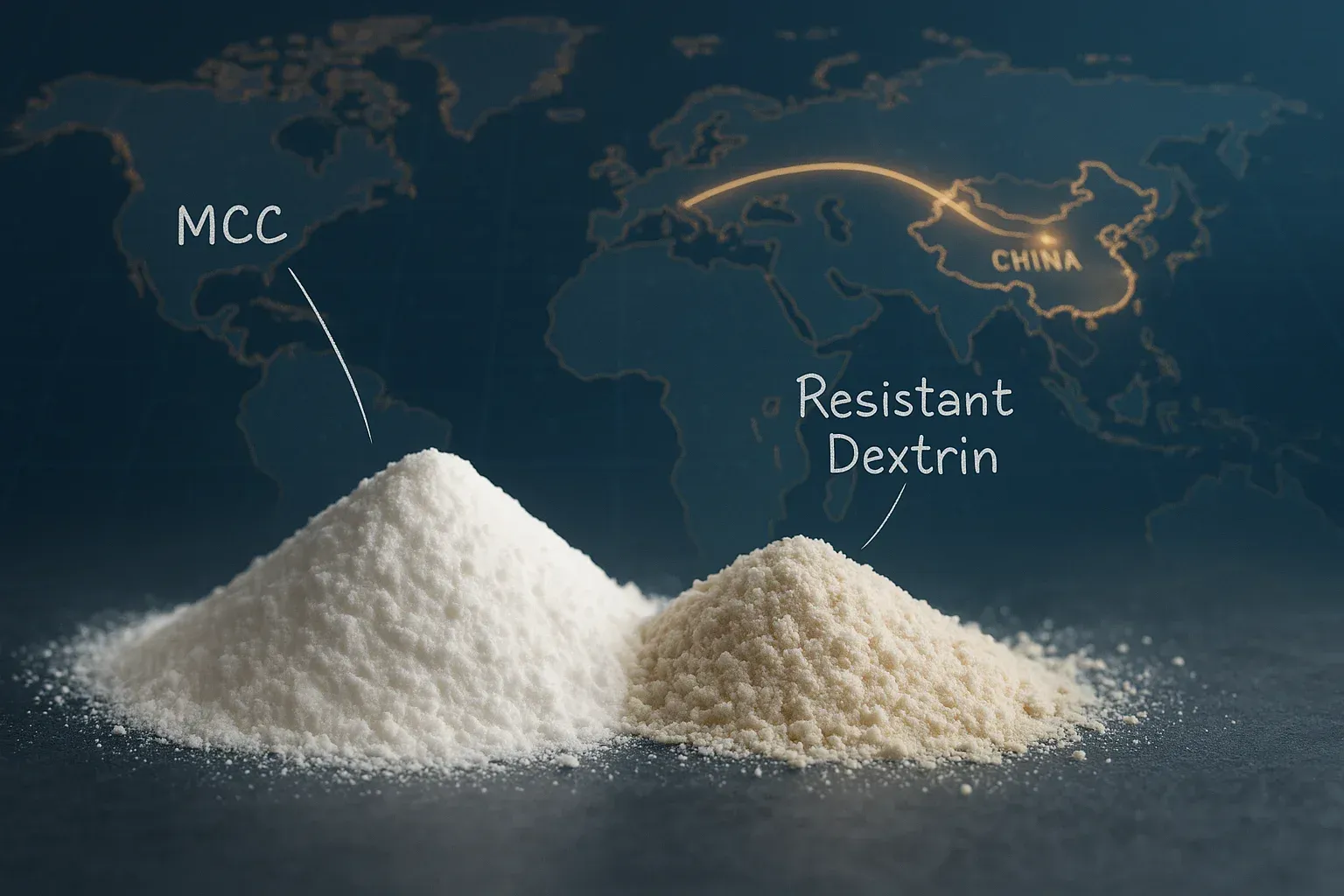


Procurement teams and formulation scientists often evaluate resistant dextrin and microcrystalline cellulose (MCC) side by side—especially when developing fiber-forward foods, functional supplements, and oral solid dosage forms. While both appear as white powders on a sample shelf, they serve fundamentally different roles in a formula. One is a soluble, fermentable fiber powerhouse; the other is the pharmaceutical and food industry's go-to insoluble excipient. This guide breaks down exactly how resistant dextrin functions compared to microcrystalline cellulose, what specific parameters to check on a Certificate of Analysis (COA), and how to navigate the sourcing landscape in 2026 to ensure consistent quality and performance.
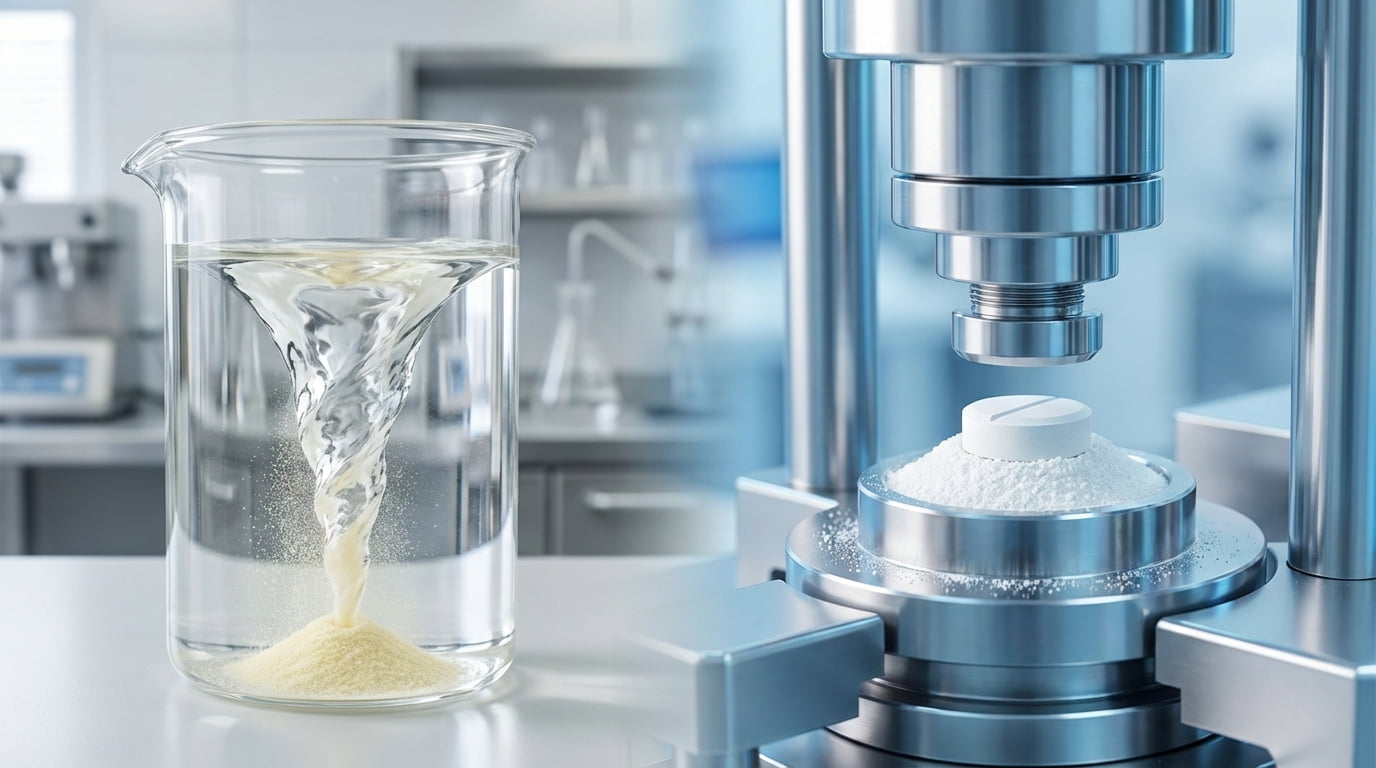
The Convergence of Fiber and Excipients in 2026
Two distinct market forces are pushing these ingredients into the same buyer shortlists, creating a unique intersection between nutritional ingredients and functional excipients:
Fiber as a "Core SKU"
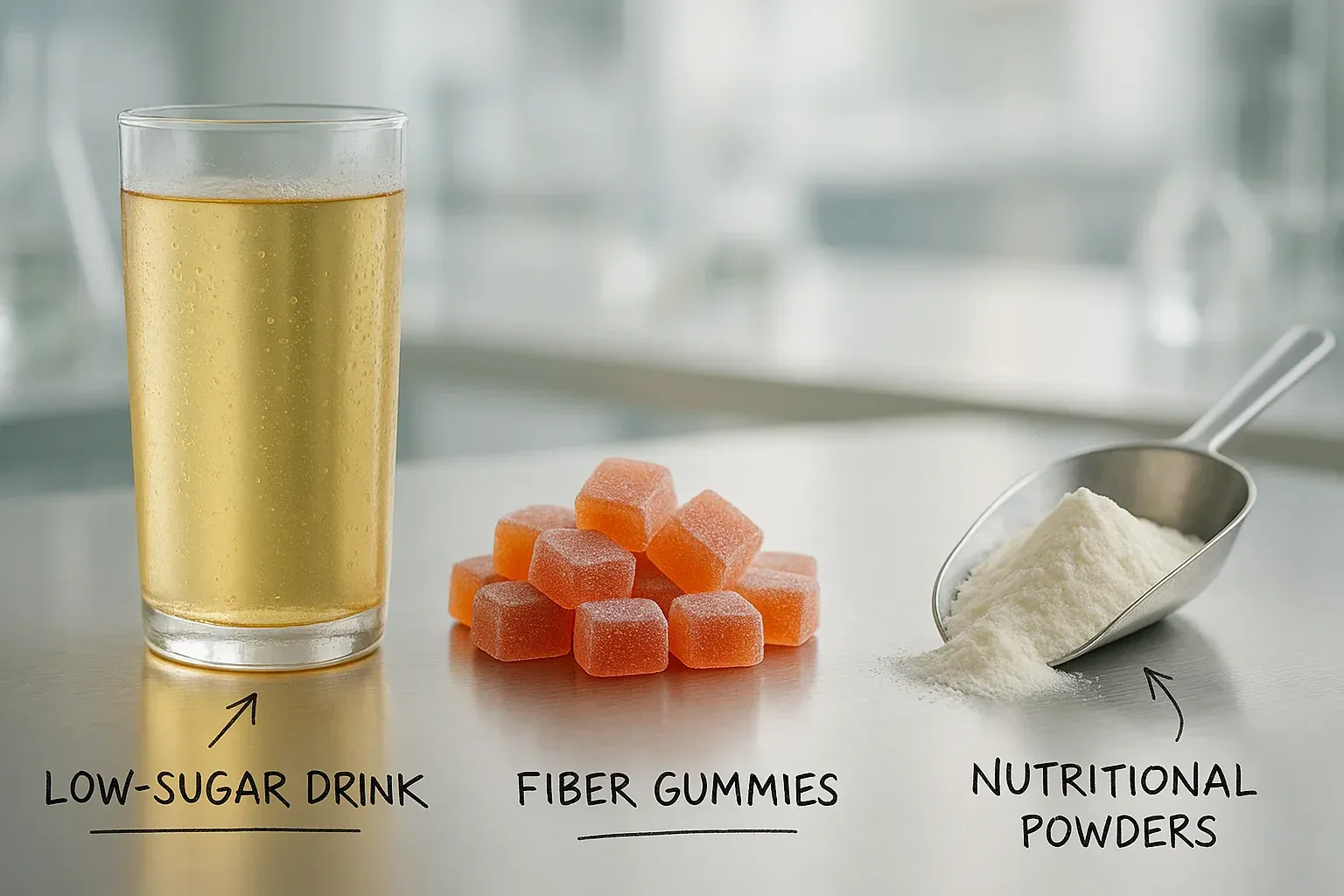
Consumer demand for gut health, prebiotic benefits, and weight management is driving soluble fibers into categories previously dominated by sugar or simple fillers. Ready-to-drink (RTD) beverages, instant coffees, nutritional bars, and powdered mixes now require ingredients that offer high fiber content without compromising texture. Resistant dextrin has emerged as a preferred solution due to its exceptional solubility, low viscosity, and neutral taste profile.
Streamlined Supply Chains
R&D and procurement teams are under pressure to consolidate their Approved Vendor Lists (AVL). When a brand's portfolio spans beverages, gummies, capsules, and tablets, there is a strong preference to qualify a set of "safe," versatile ingredients. This often leads to sourcing microcrystalline cellulose for solid dosage mechanical performance and resistant dextrin for soluble fiber enrichment from the same manufacturing clusters or distribution partners.
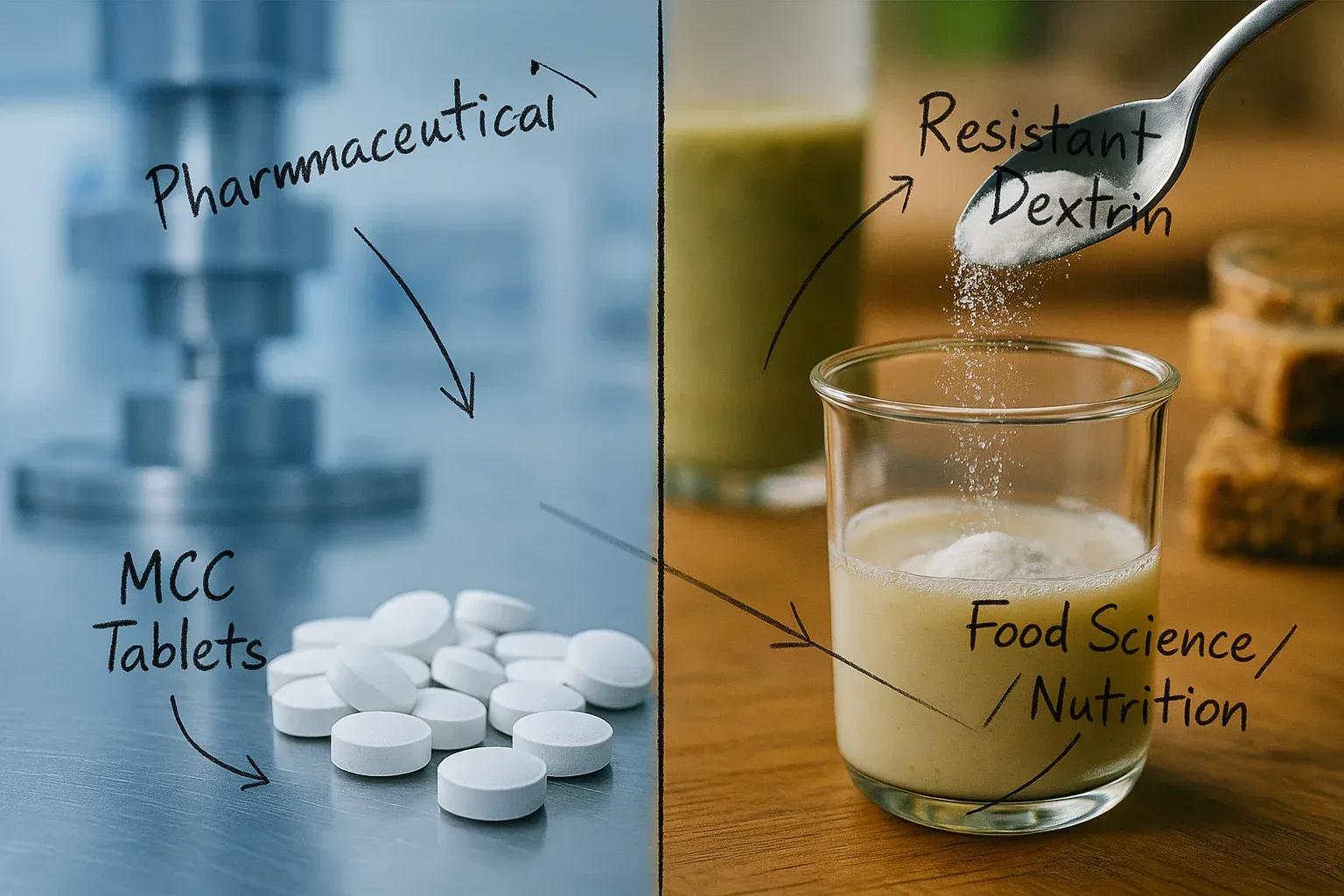
The critical error lies in treating them as interchangeable commodities. In practice, resistant dextrin is selected for its physiological benefits and solubility, whereas microcrystalline cellulose is chosen for its physical engineering properties like flowability and compressibility.
Resistant Dextrin: The Soluble Fiber Powerhouse
Resistant dextrin is a soluble dietary fiber derived from starches, most commonly non-GMO corn starch. Through a process of controlled enzymatic hydrolysis and repolymerization, the starch is converted into a fiber that resists digestion in the small intestine. It passes intact to the large intestine, where it acts as a substrate for fermentation by beneficial bacteria.
Why Buyers Specify Resistant Dextrin
Unlike insoluble fibers that can create a gritty mouthfeel or sedimentation, resistant dextrin is prized for its "invisible" nature in formulations. Buyers evaluate it for:
- Fiber Enrichment: Achieving "High Fiber" claims easily. Commercial grades typically offer ≥82% dietary fiber, allowing for significant nutritional boosting with small inclusion rates.
- Prebiotic Positioning: Supporting gut microbiome health, a major trend in functional foods.
- Glycemic Control: As a low-glycemic ingredient, it is ideal for diabetic-friendly, keto, and low-carb formulations, often replacing sugar or high-glycemic maltodextrins.
- Satiety & Weight Management: When combined with protein or used in meal replacements, it contributes to a feeling of fullness.
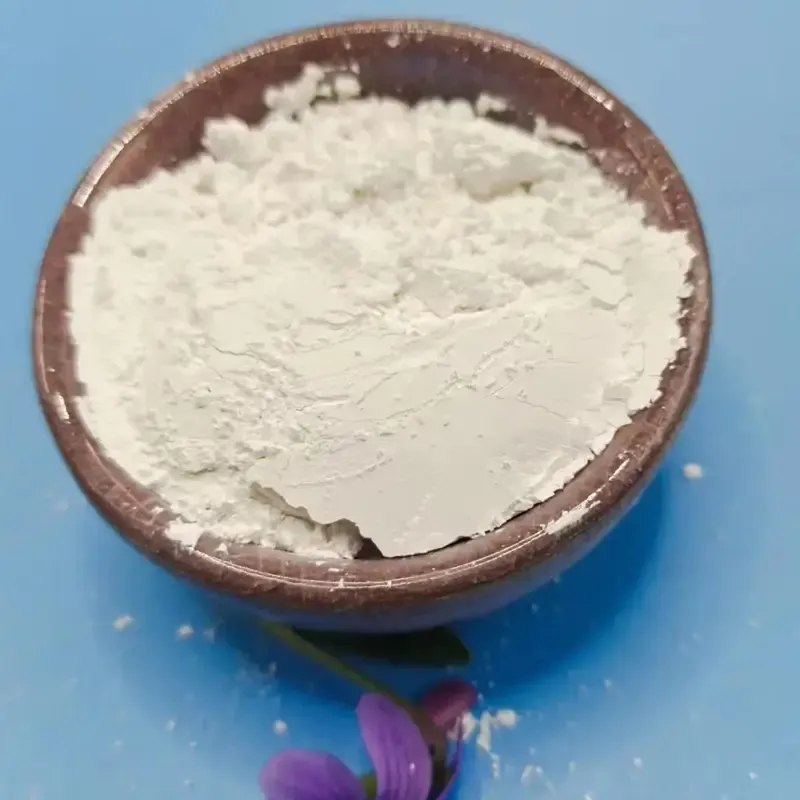
From a sourcing perspective, the ideal resistant dextrin is a fine, free-flowing powder with high solubility and rapid dissolution, making it suitable for everything from clear waters to dry mix beverage sachets.
Critical Specifications for Resistant Dextrin
When reviewing a specification sheet or COA from a resistant dextrin supplier, specific parameters dictate the quality and suitability of the ingredient.
| Parameter | Industry Standard / Target | Application Impact |
|---|---|---|
| Dietary Fiber Content | ≥ 82% (dry basis) | Determines the dosage required to meet label claims. Higher purity means less powder is needed per serving. |
| Raw Material Source | Non-GMO Corn Starch | Critical for clean-label and export market compliance (especially Europe and North America). |
| Protein Content | ≤ 6.0% | Lower protein indicates higher purity and better stability/clarity in solution. |
| Appearance | White to light yellow powder | Ensures no color impact on the final product, especially in clear beverages. |
| Solubility | High / Clear solution | Essential for consumer acceptance in RTDs and mix-in powders. |
| pH Stability | Stable across wide pH | Allows use in acidic beverages (juices) and neutral dairy products without degradation. |
Microcrystalline Cellulose (MCC): The Formulation Architect
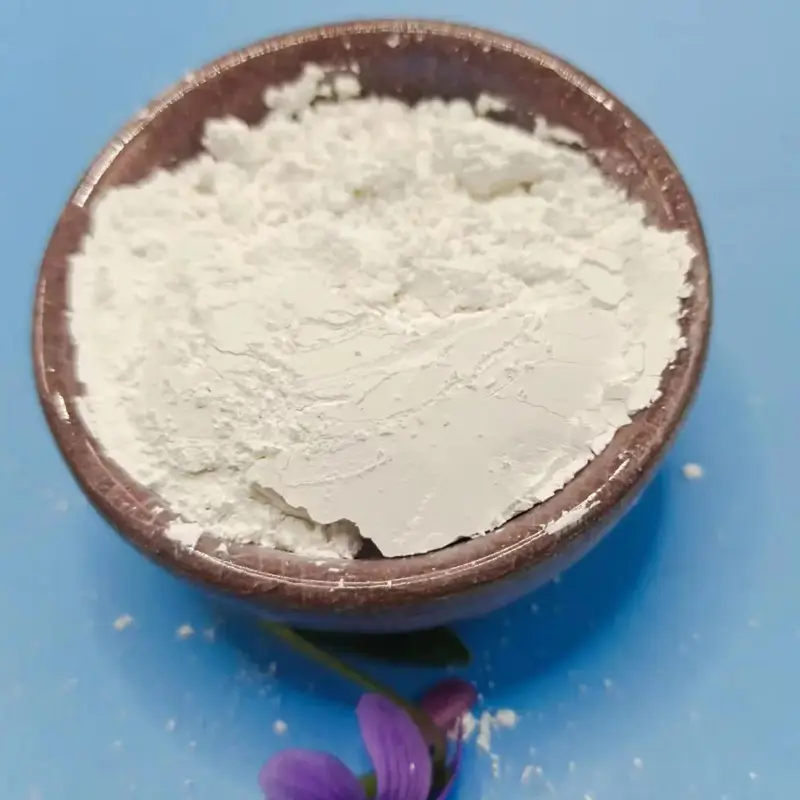
Microcrystalline cellulose (MCC) is a purified, partially depolymerized cellulose. Unlike the fermentable nature of resistant dextrin, MCC is chemically inert and insoluble in water. It is the gold standard excipient in the pharmaceutical and nutraceutical industries, valued not for its nutritional profile, but for its mechanical engineering capabilities.
The Role of MCC in Production
MCC is a multi-functional workhorse. In a tablet or capsule formulation, it serves as:
- Binder: It has excellent compressibility, creating hard tablets at low compression forces. This is vital for maintaining tablet integrity during packaging and shipping.
- Diluent / Filler: It provides bulk to the dosage form, ensuring the tablet is large enough to handle.
- Disintegrant Aid: By wicking water into the tablet matrix, it helps the tablet break apart after ingestion, ensuring the active ingredient is released.
- Flow Aid: Specific grades improve powder flow, ensuring consistent weight uniformity during high-speed manufacturing.
Understanding MCC Grades
Procurement professionals must be aware that MCC is not a "one-size-fits-all" ingredient. It is sold in various grades defined by particle size and moisture content, often aligned with pharmacopeial standards (USP/BP/EP/JP).
- Standard Grades (e.g., 101 type): Generally used for wet granulation.
- Large Particle Grades (e.g., 102 type): Better flow properties, preferred for direct compression processes.
- Low Moisture Grades: Designed for moisture-sensitive active ingredients.
Buying the wrong grade can lead to capping, sticking, or weight variation on the tablet press, regardless of the supplier's reputation.
Comparative Analysis: Choosing the Right Ingredient
To prevent formulation errors and streamline sourcing, it is helpful to view these two ingredients side-by-side based on their functional attributes.
| Feature | Resistant Dextrin | Microcrystalline Cellulose |
|---|---|---|
| Primary Function | Nutritional: Soluble Fiber & Prebiotic | Functional: Excipient & Bulking Agent |
| Solubility | High: Dissolves clearly in water | Insoluble: Does not dissolve |
| Digestion | Resists digestion; fermented in colon | Indigestible; inert passage |
| Key Application | Beverages, Gummies, Bars, Foods | Tablets, Capsules, Powder Blends |
| Sensory Profile | Neutral taste, smooth mouthfeel | Chalky if used in high amounts in food |
| Critical Spec | Fiber %, Solubility, Viscosity | Particle Size (D50), Bulk Density |
Strategic Rule of Thumb:
* If the goal is to dissolve the powder into a liquid or boost fiber nutrition, specify Resistant Dextrin.
* If the goal is to compress a powder into a solid form or improve flow in a capsule, specify Microcrystalline Cellulose.
Quality Control: How to Read the COA
Certificates of Analysis (COAs) are the first line of defense against quality issues. However, the priorities for reviewing a Resistant Dextrin COA differ significantly from an MCC COA.
For Resistant Dextrin
Incoming QC should focus on parameters that affect the consumer's sensory experience and the product's legal claims.
- Dietary Fiber Assay: Confirm it meets the ≥82% threshold (or your specific grade requirement). This ensures you are paying for fiber, not filler.
- Solubility & Clarity: Test a sample in water. It should dissolve quickly without clumps and produce a clear to slightly hazy solution. Poor solubility indicates process issues.
- Moisture Content: Low moisture is critical to prevent caking during storage.
- Microbiological Profile: Since it is often used in RTD beverages (a high-risk category), strict limits on yeast, mold, and pathogens are non-negotiable.

For Microcrystalline Cellulose
QC checks here are about physical mechanics.
- Particle Size Distribution (PSD): Verify the percentage retained on specific mesh screens. Shifts in PSD can ruin flow on a tablet press.
- Bulk & Tapped Density: Critical for capsule filling. If density varies, capsule weights will fluctuate, leading to batch rejection.
- Loss on Drying (LOD): MCC is hygroscopic. Ensure moisture levels are within spec (usually ≤5% or ≤7% depending on grade) to protect moisture-sensitive actives.
- Identification: FTIR or other ID tests to confirm it is genuine cellulose and matches the compendial standard.
Sourcing Strategy: Navigating the Market in 2026
China continues to be a dominant global hub for the production of both resistant dextrin and microcrystalline cellulose, driven by integrated supply chains and advanced manufacturing clusters. For 2026, the focus has shifted from low cost to high-tech manufacturing and traceability.
Identifying Capable Suppliers
When evaluating China resistant dextrin manufacturers, look for signals of advanced production capabilities:
- Enzymatic Technology: The best producers use advanced biological enzymes (often imported) to ensure a clean, consistent hydrolysis process.
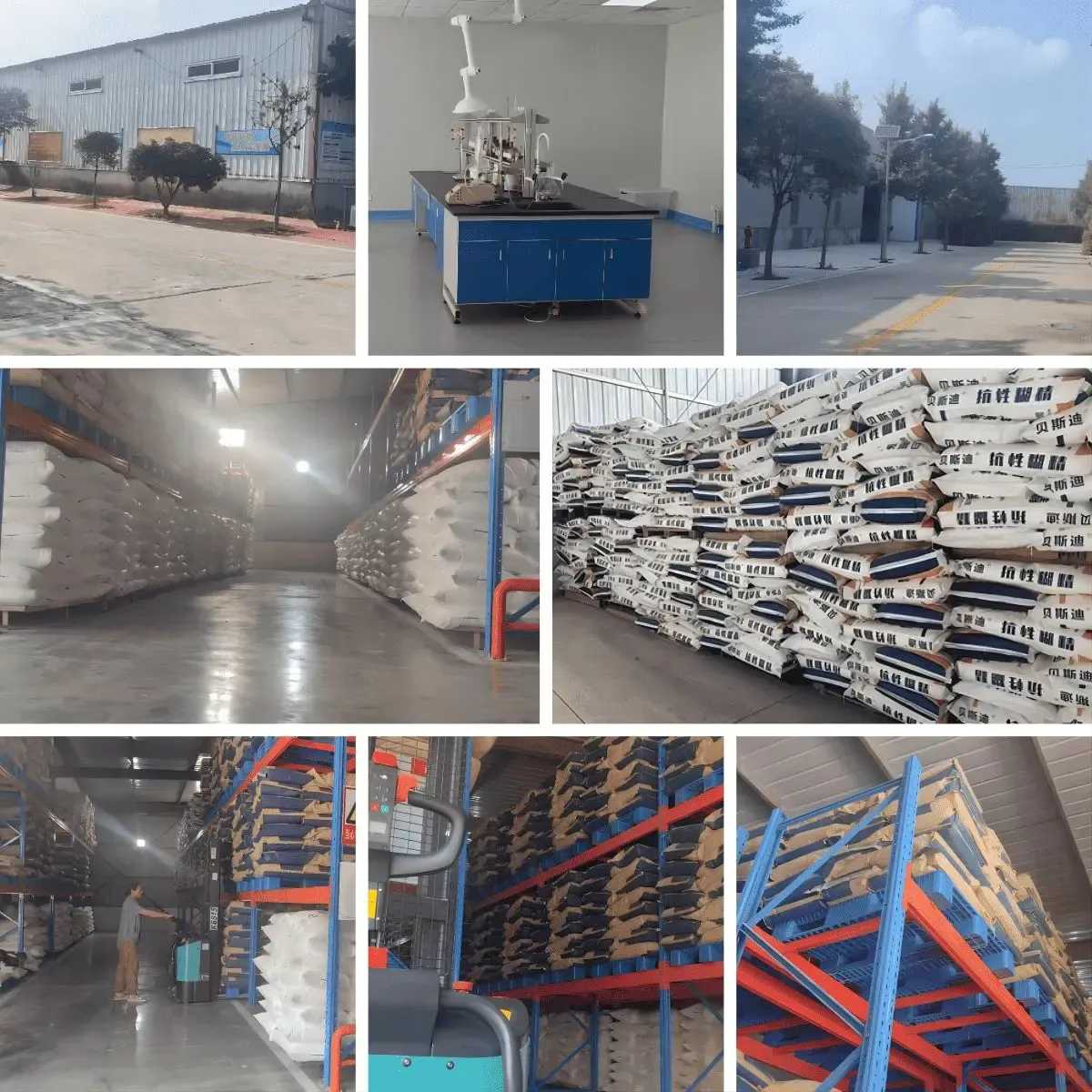
- Automation: Look for factories utilizing "Central Control Operations." Automated feeding, processing, and filling lines reduce human error and contamination risks.
- Equipment Origin: Precision production lines, often of German origin, combined with Japanese-style craftsmanship protocols, are indicators of a supplier targeting the high-end global market.
- Raw Material Control: A reliable supplier will transparently declare their source, typically Non-GMO Corn Starch from premium growing regions, ensuring the foundation of the product is sound.
The "Shandong Benchmark"
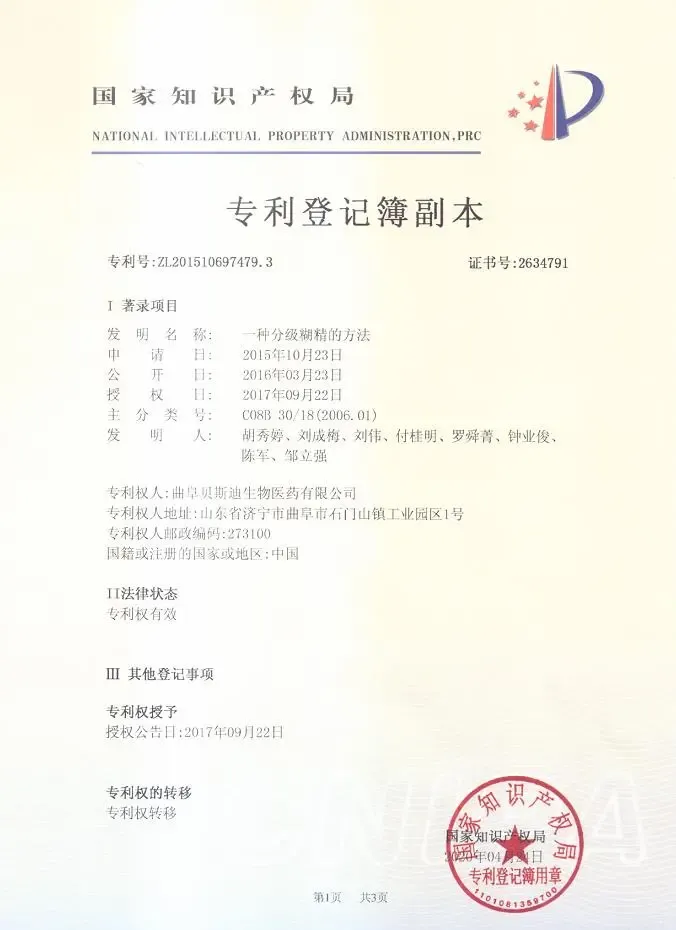
Shandong province is frequently cited as a key region for these ingredients. Manufacturers here have evolved from bulk commodity producers to sophisticated functional ingredient partners. For example, leading suppliers in this region now operate GMP-standard workshops with full traceability from the corn field to the finished fiber powder. They often provide comprehensive documentation support, bridging the gap between food safety standards and pharmaceutical excipient requirements.
For procurement teams looking to benchmark specifications or explore reliable supply options for Resistant Dextrin and other functional fibers, industry specialists like Shine Health represent the modern standard of Chinese manufacturing. Their portfolio demonstrates the integration of advanced enzymatic processing and rigorous QC that modern buyers demand.
Conclusion
Successfully sourcing resistant dextrin and microcrystalline cellulose requires recognizing that while they may sit next to each other in a warehouse, they live in different worlds within a formulation. By focusing on the right specs—solubility and fiber content for dextrin; density and particle size for MCC—and partnering with manufacturers who prioritize process automation and raw material integrity, buyers can secure a resilient, high-quality supply chain for 2026 and beyond.
For detailed specifications, COA examples, or to discuss your specific fiber requirements, please visit the supplier's website at www.sdshinehealth.com.