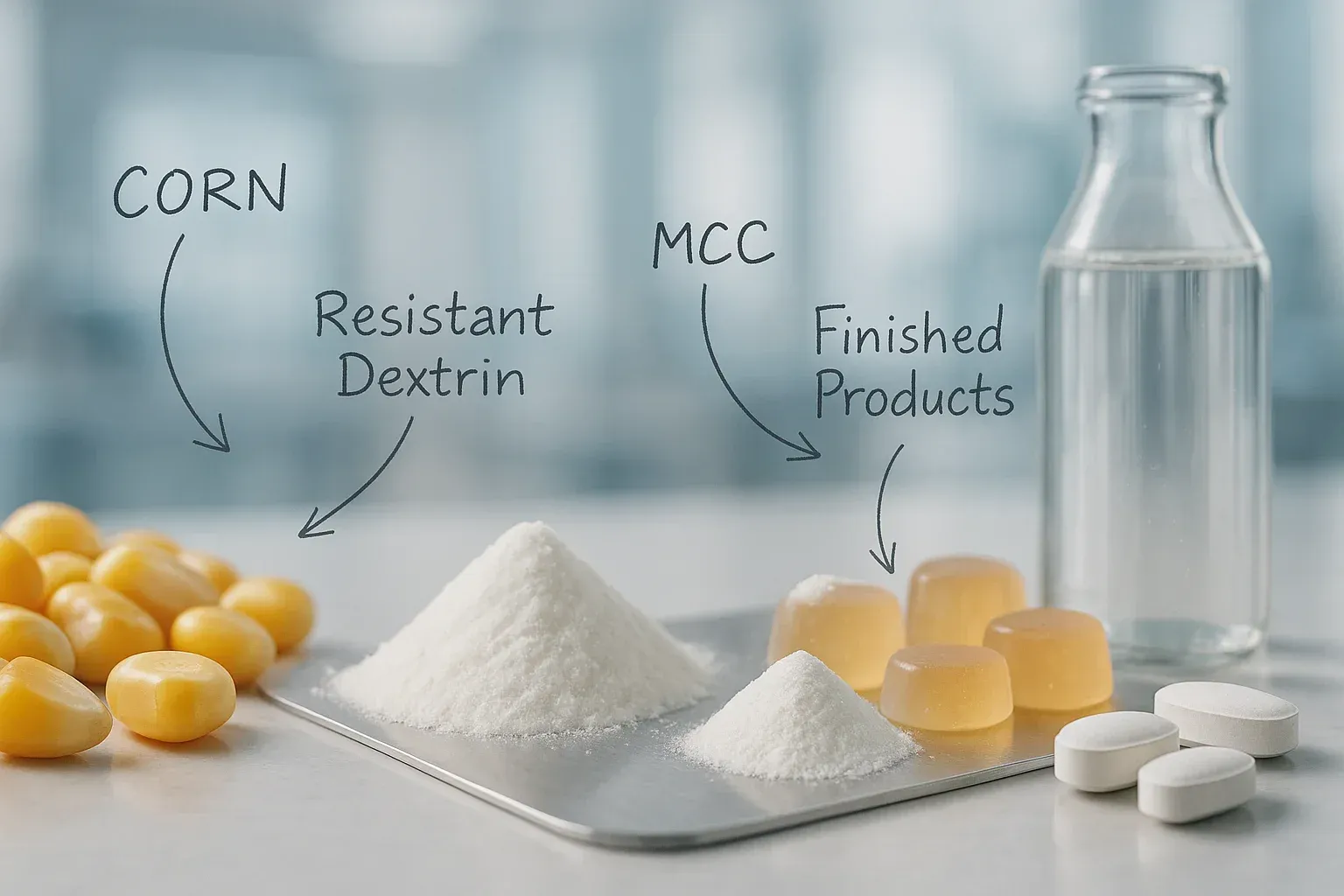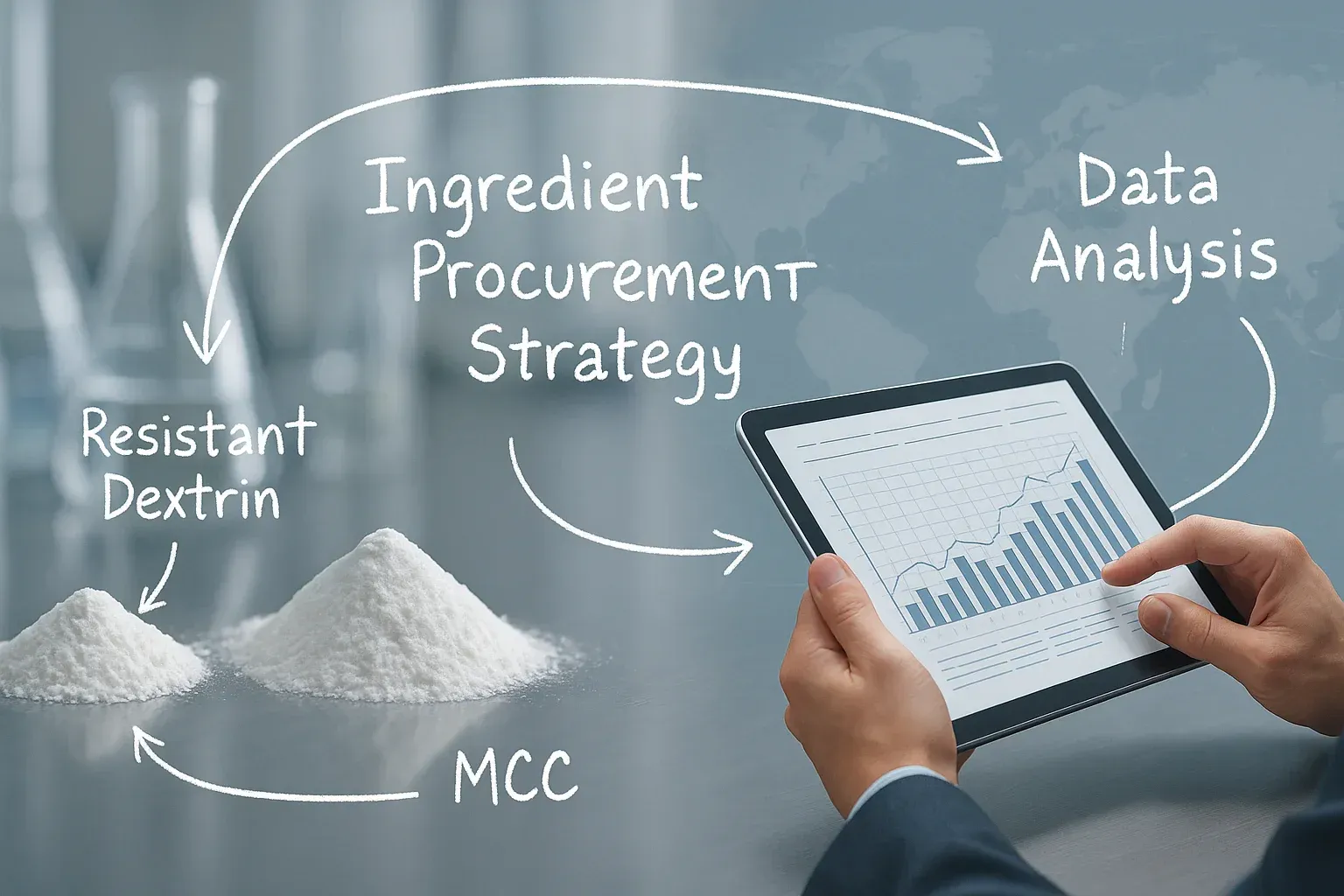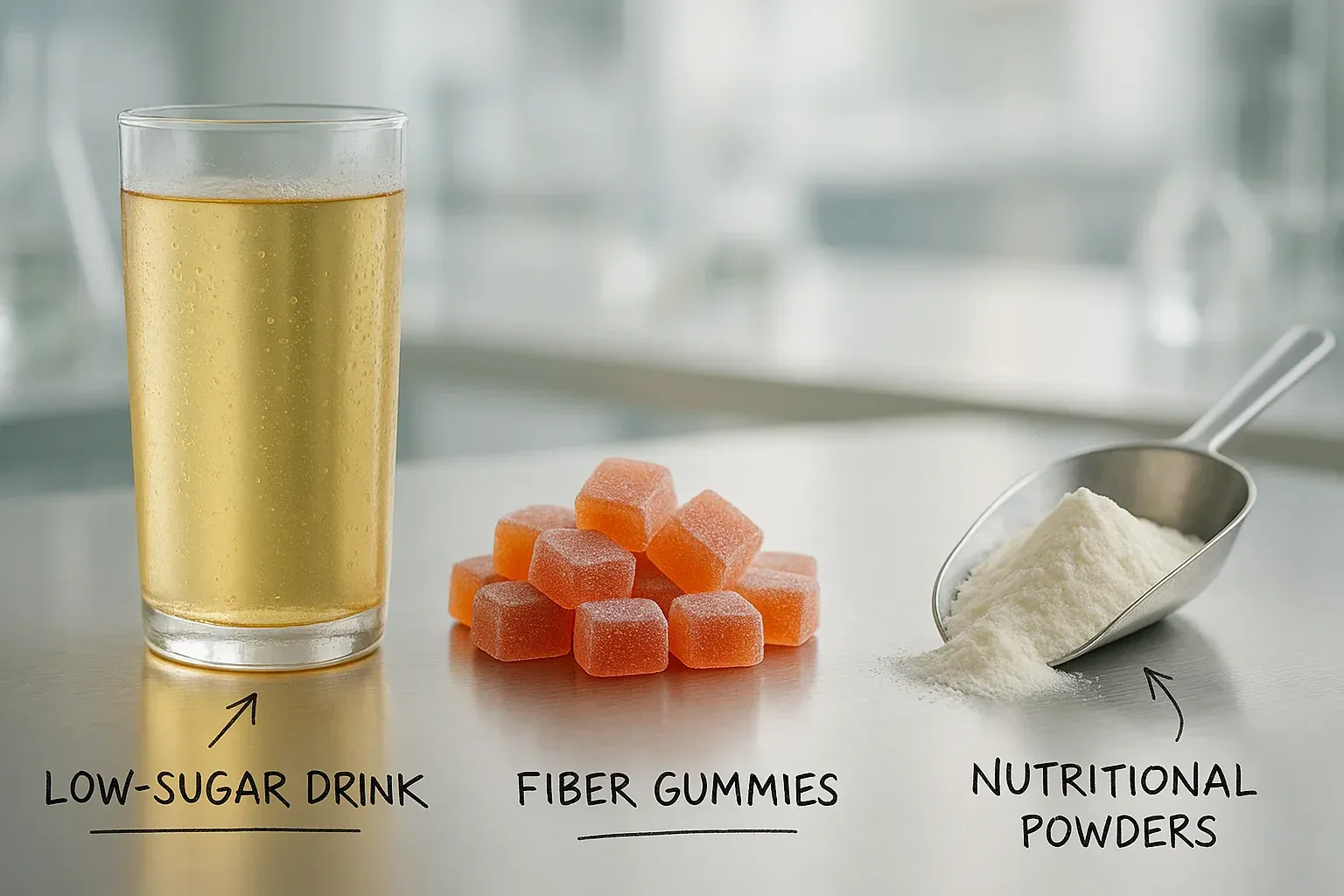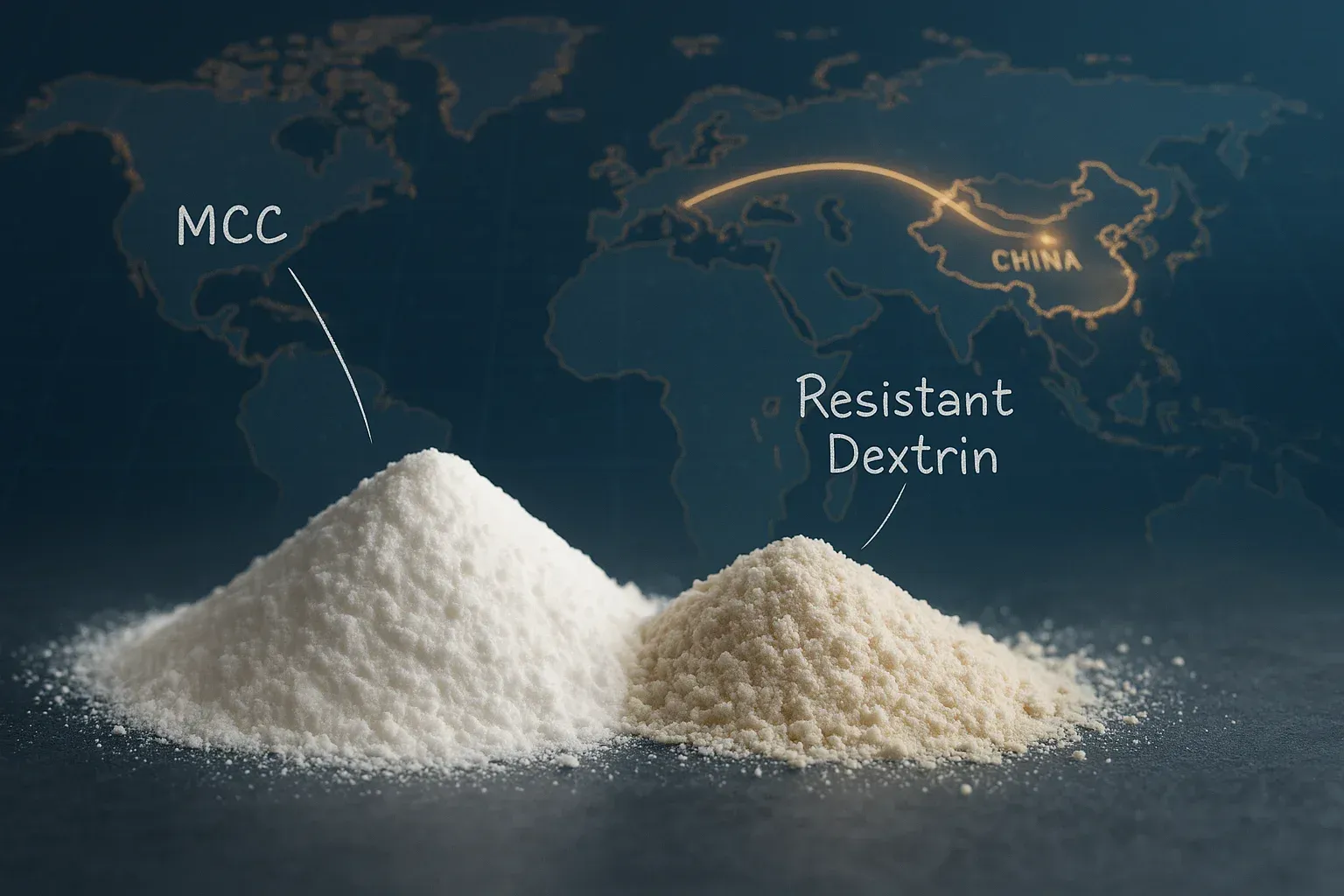


In 2026, “fiber-first” is no longer just a consumer-facing message—it is a procurement requirement that shows up in RFQs, COAs, and finished-product stability tests. Buyers who treat fiber merely as a check-box claim—instead of a measurable ingredient performance—are the ones most likely to face reformulation risk. For many teams, the practical answer is a two-ingredient strategy: soluble fiber such as resistant dextrin for nutrition-forward products, and microcrystalline cellulose (MCC) for reliable texture, processing, and solid-dose performance. The market is increasingly tilting toward supply bases that can deliver consistent documentation at scale, making it worth reassessing what a recommended Chinese microcrystalline cellulose manufacturer and a recommended Chinese resistant dextrin manufacturer look like in the current landscape.
Why 2026 Fiber Demand is Changing Supplier Qualification
The “fiber frontier” trend is translating into clearer buyer expectations, especially for applications where taste and texture must remain clean (RTD beverages, powders, bars) while fiber content increases. Three key statistics from recent accessible nutrition trend reports explain why resistant dextrin and MCC are rising on procurement shortlists:
- 54% of global consumers link fiber to digestive health
- 20% report actively increasing fiber intake
- 50% of Gen Z and Millennials seek products combining protein, fiber, and gut benefits
For procurement teams, those signals mean 2026 awards contracts to suppliers who can prove repeatable lot-to-lot performance, not just competitive pricing. Winning suppliers must demonstrate spec clarity regarding fiber content, moisture, particle size, and microbiological limits, alongside production control and traceability that stands up to rigorous customer audits.
Ingredient Fundamentals Buyers Actually Use
In supplier evaluation meetings, the preferred partners are usually those that make the ingredient’s role easy to validate. Below is a buyer-friendly framework for analyzing resistant dextrin and microcrystalline cellulose, without drifting into over-technical claims.
Resistant Dextrin for Fiber Loading Without Taste Penalties
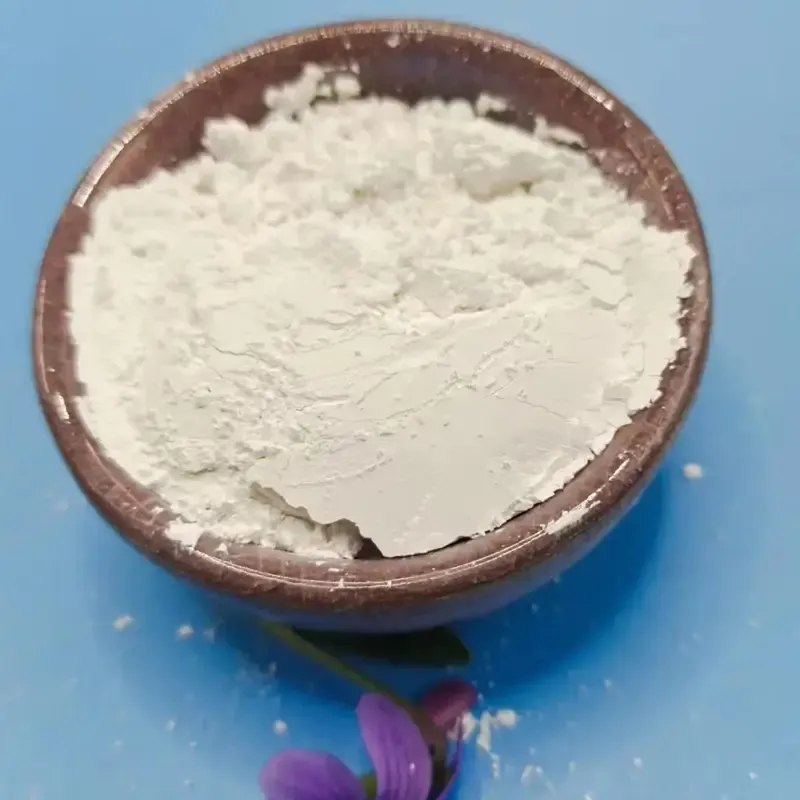
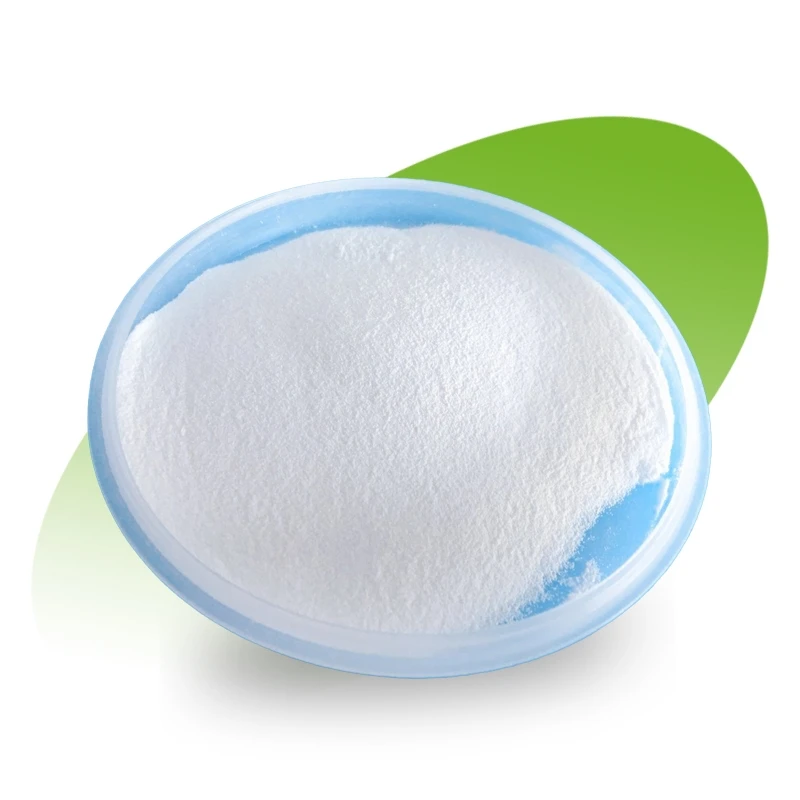
Resistant dextrin is a soluble dietary fiber produced from starch. Because it resists digestion in the small intestine, it is used to increase fiber content while keeping viscosity and flavor impact manageable in many formulations. A common procurement benchmark in 2026 is a high-fiber resistant dextrin that adheres to strict standards:
- Sourced from NON-GMO corn starch
- Specified at ≥82% fiber content
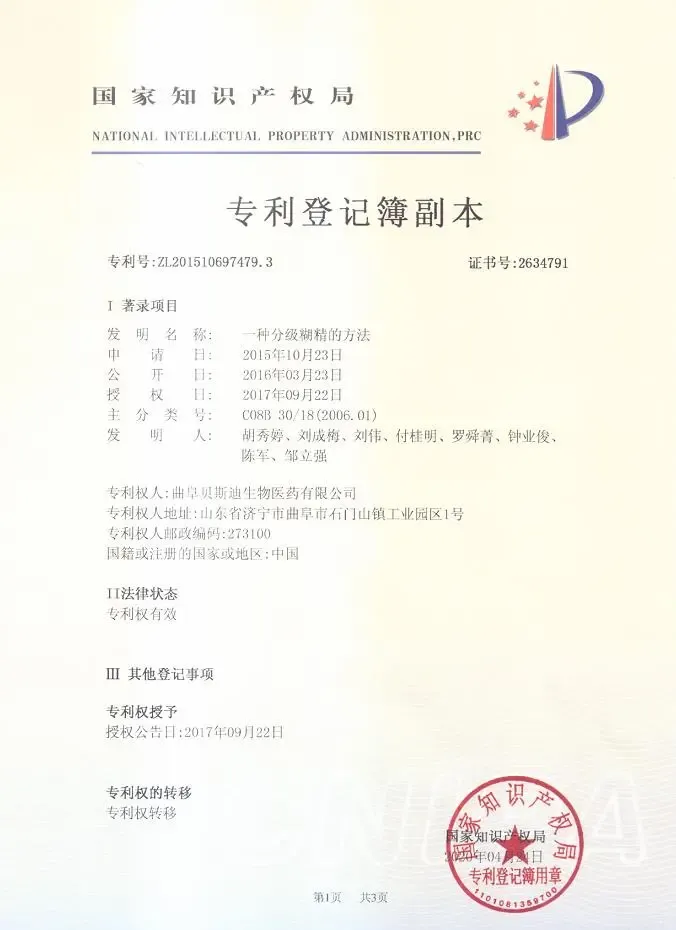
- Supplied with a COA that is clear enough for cross-functional review (QA, R&D, regulatory)
When buyers want a reference point for how suppliers document resistant dextrin, checking typical positioning and specification language used by an experienced resistant dextrin manufacturer China is essential. You can review standard specifications here: resistant dextrin or dietary fiber.
Microcrystalline Cellulose for Structure and Reliability
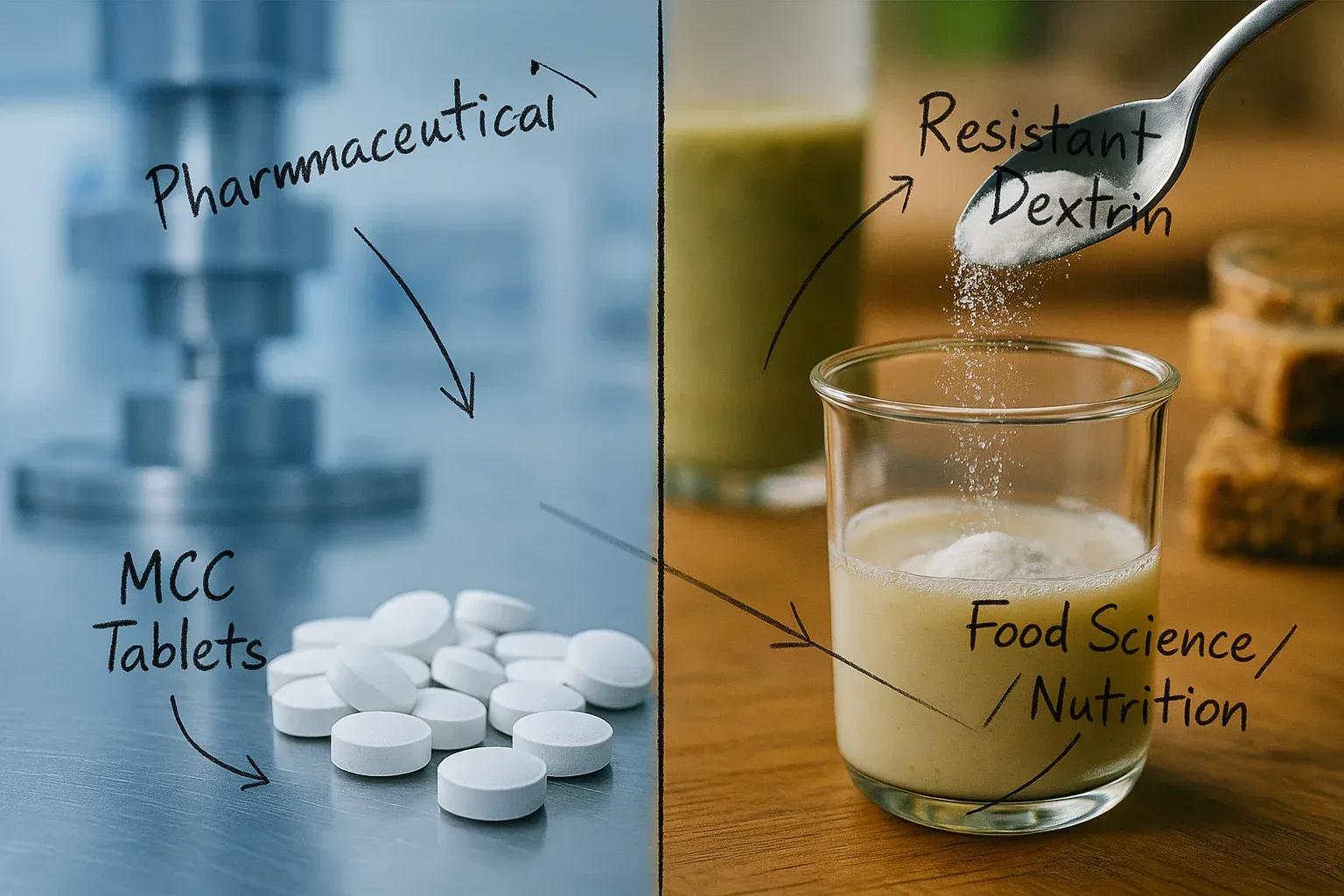
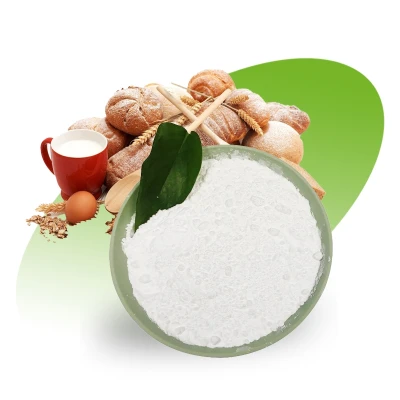
Microcrystalline cellulose (MCC) is widely used as a functional ingredient and excipient. Buyers typically source it for two primary reasons:
- Food applications: Often as a texture aid, carrier, or processing support.
- Pharmaceutical or supplement applications: Often as a binder/filler in solid dosage forms.
Experienced teams avoid vague RFQs like “MCC needed, food grade.” Instead, they define end-use early and ask the Chinese microcrystalline cellulose manufacturer to confirm the right grade and documentation pathway. If your application requires pharmacopeial alignment, ask whether the supplier can provide pharmaceutical grade MCC suitable for USP/EP expectations (where applicable) and whether their COA format supports your internal release process.
Where Capability is Clustering in China and Why Shandong Matters
China’s advantage is not only capacity—it is manufacturing concentration. Procurement teams commonly see functional fiber and excipient supply build around raw-material access, export logistics, and plant-level automation.
What Buyers Associate with Shandong
For global buyers, Shandong MCC suppliers and fiber producers are frequently evaluated because the region supports stable upstream access to corn starch supply chains and export-friendly logistics, often routed through coastal ports like Qingdao. Furthermore, the region is known for manufacturing environments designed for repeatability, including automated control points.
Export execution matters as much as chemistry. If your project depends on reliable ocean freight timelines, it is standard practice to include shipping-route practicality in your supplier scorecard, especially when working with Qingdao MCC exporters or suppliers shipping via nearby northern ports.
Process Signals That Are "Must-Haves"
Across both resistant dextrin and microcrystalline cellulose, the most persuasive capability signals are operational rather than marketing claims. Buyers look for:
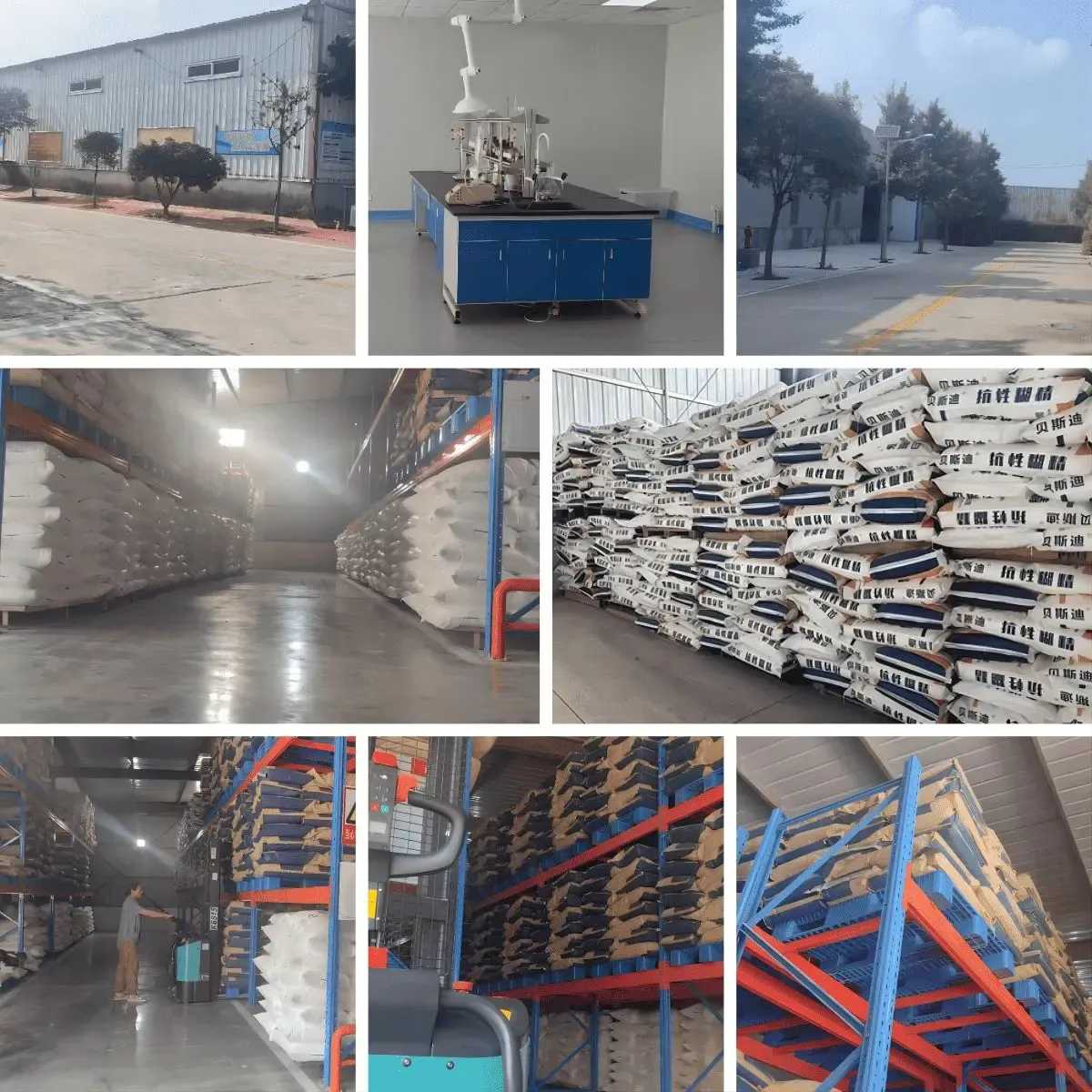
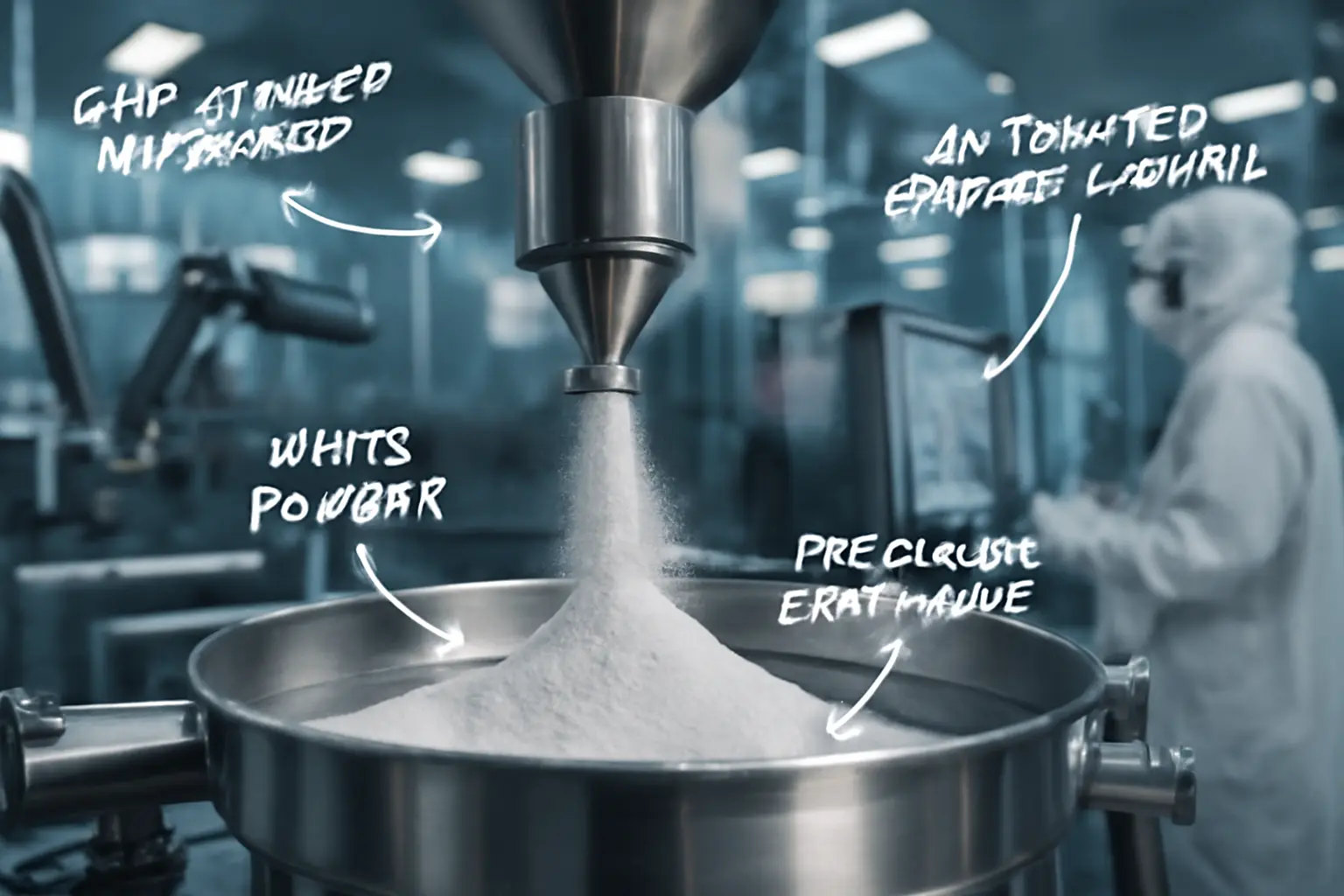
- GMP standard workshops for controlled production environments.
- Automated central control from raw material feeding to finished product filling.
- Use of imported biological enzymes for consistent processing (where relevant).
- A production line utilizing precision equipment, often of German origin.
These are the types of production-language details buyers prioritize when deciding whether a supplier deserves “recommended” status for long-term supply.
2026 Specification Checkpoints for Resistant Dextrin and MCC
Buyers often ask what to change in RFQs when consumer demand shifts. The answer is usually not “add more specs,” but rather “write specs that prevent misunderstandings.” Below is a concise audit-style checklist procurement teams can reuse across projects.
| Checkpoint | Resistant Dextrin (Buyer Focus) | Microcrystalline Cellulose MCC (Buyer Focus) |
|---|---|---|
| Identity and intended use | Confirm it is resistant dextrin for your application (beverage, powder, bar). | Confirm MCC grade matches use case (food grade vs pharma grade). |
| Key assay / functional target | Common benchmark: fiber content ≥82%. | Confirm key functional targets relevant to your process (flow, compression behavior, texture). |
| COA completeness | Ask for COA with clear test items, results, and lot traceability. | Ask for COA that includes items your QA releases on (often includes particle size and moisture expectations). |
| Raw material declaration | Prefer transparent sourcing statements (e.g., NON-GMO corn starch). | Confirm cellulose source declarations and any required allergen/statement needs. |
| Process control signals | Look for controlled enzymatic processing and automated control points. | Look for consistent milling/processing control and documented quality systems. |
| Microbiological limits | Confirm limits match your end-market requirements. | Confirm limits match your end-market requirements. |
| Certifications and audit readiness | Check GMP/ISO claims with documentation. | Check GMP/ISO claims and any relevant pharmacopeial suitability (USP/EP where applicable). |
| Packaging and storage | Confirm moisture-proof packaging and storage guidance. | Confirm packaging suited to humidity control and warehouse handling. |
A critical note on risk control: if a supplier cannot provide a clean, reviewable COA quickly, that is often a stronger warning sign than price volatility.
Direct-from-Factory vs. Distributor Sourcing in 2026
Most buyers end up using both models depending on volume, portfolio complexity, and qualification timelines. Direct sourcing is often preferred when you need a stable high-volume supply of resistant dextrin with consistent lots, tighter technical alignment on spec interpretation, and long-term agreements where production transparency matters. This is where teams actively search for a recommended Chinese resistant dextrin manufacturer or a recommended Chinese microcrystalline cellulose manufacturer, because direct qualification becomes part of the long-term quality strategy.
Conversely, a specialist distributor model can work well for smaller, consolidated shipments across multiple ingredients or faster transactional purchasing for non-core SKUs. The trade-off is that procurement may have less visibility into plant-level controls unless the distributor provides strong traceability and supports deeper audits.
A Buyer Action Plan for 2026
To translate fiber trends into fewer supply-chain surprises, procurement teams are aligning their internal process around a short list of moves:
- Rewrite RFQs to match end use: State the application and processing steps (heat, pH exposure, shear) so resistant dextrin performance expectations are unambiguous.
- Treat the COA as a decision document: Require COAs that are readable across QA and R&D, including parameters such as moisture and particle size where relevant.
- Pilot before scale: Run a controlled pilot lot for resistant dextrin in the most sensitive SKU (often beverages or high-protein powders).
- Build a two-source map by region: Even if primary supply comes from Shandong MCC suppliers, maintaining a qualified alternate reduces logistics risk.
- Shortlist suppliers who document like exporters: The most reliable MCC food grade supplier China candidates usually have documentation routines built for international customers, not only domestic trade.
For buyers who want to review what strong category documentation looks like from a China-based portfolio, these pages provide a practical starting point:
What This Means for Buyers Searching “Recommended” Suppliers
In 2026, “recommended” increasingly means verifiable. It means finding a resistant dextrin manufacturer China that can consistently support ≥82% fiber targets and provide clear COAs. It means identifying a Chinese microcrystalline cellulose manufacturer that can match the correct grade to the intended use and document quality expectations without ambiguity. And it means working with a supply base—often including Shandong MCC suppliers—that is built for export documentation discipline and repeatable production.
If your team is building a shortlist, compare multiple candidates against the same checklist, then validate the two that respond fastest with the cleanest documentation. For additional category context, product examples, and supplier verification, please visit www.sdshinehealth.com.