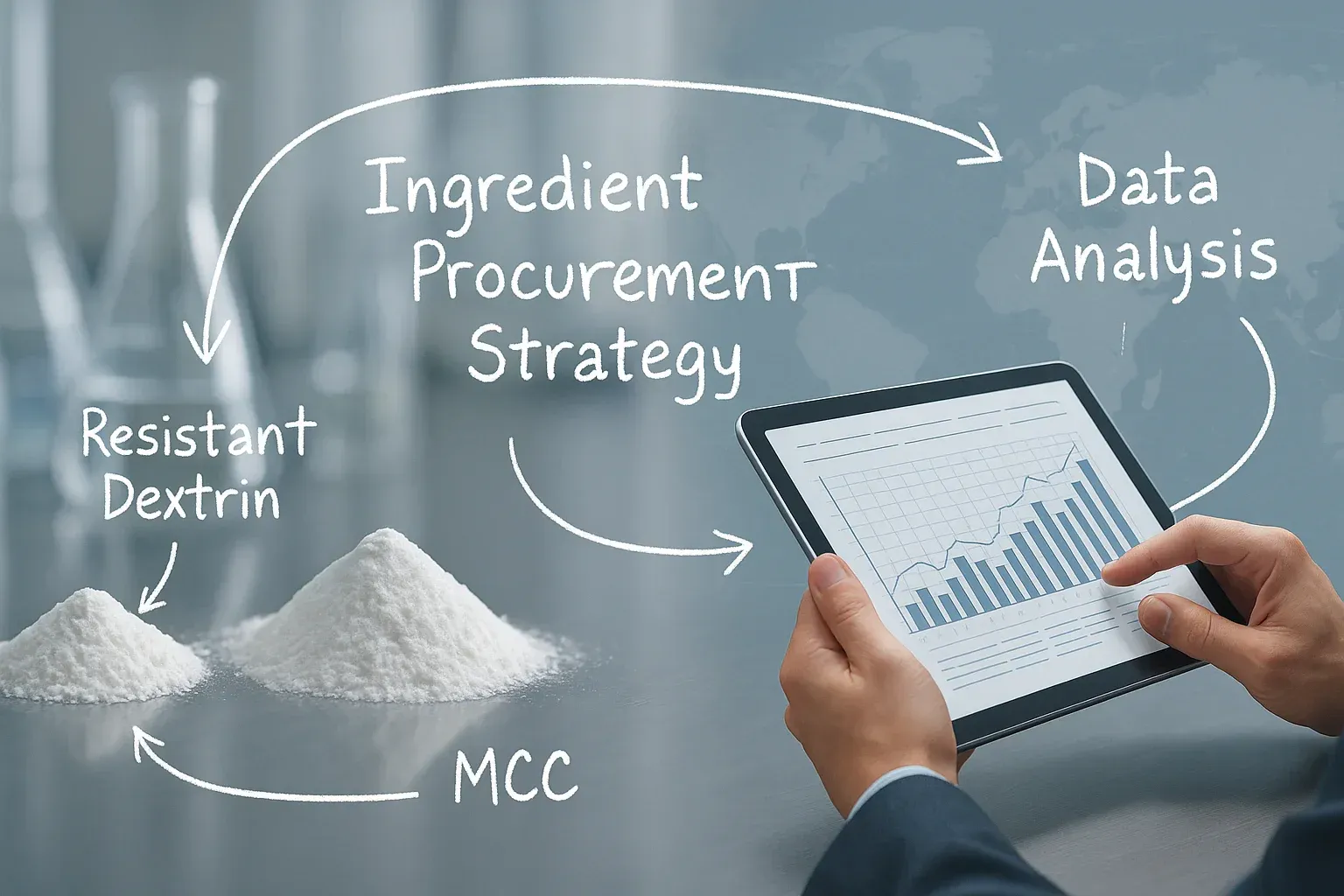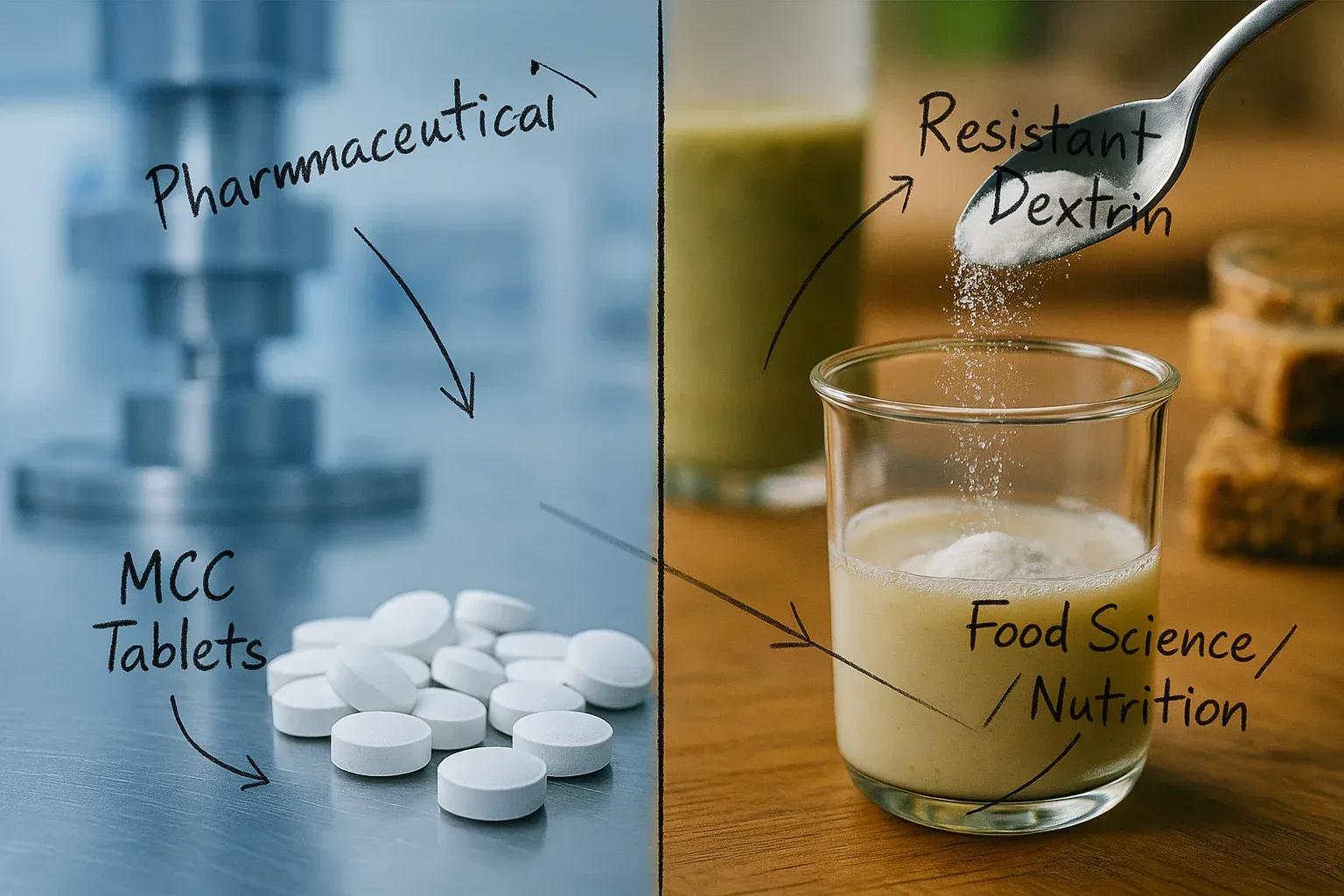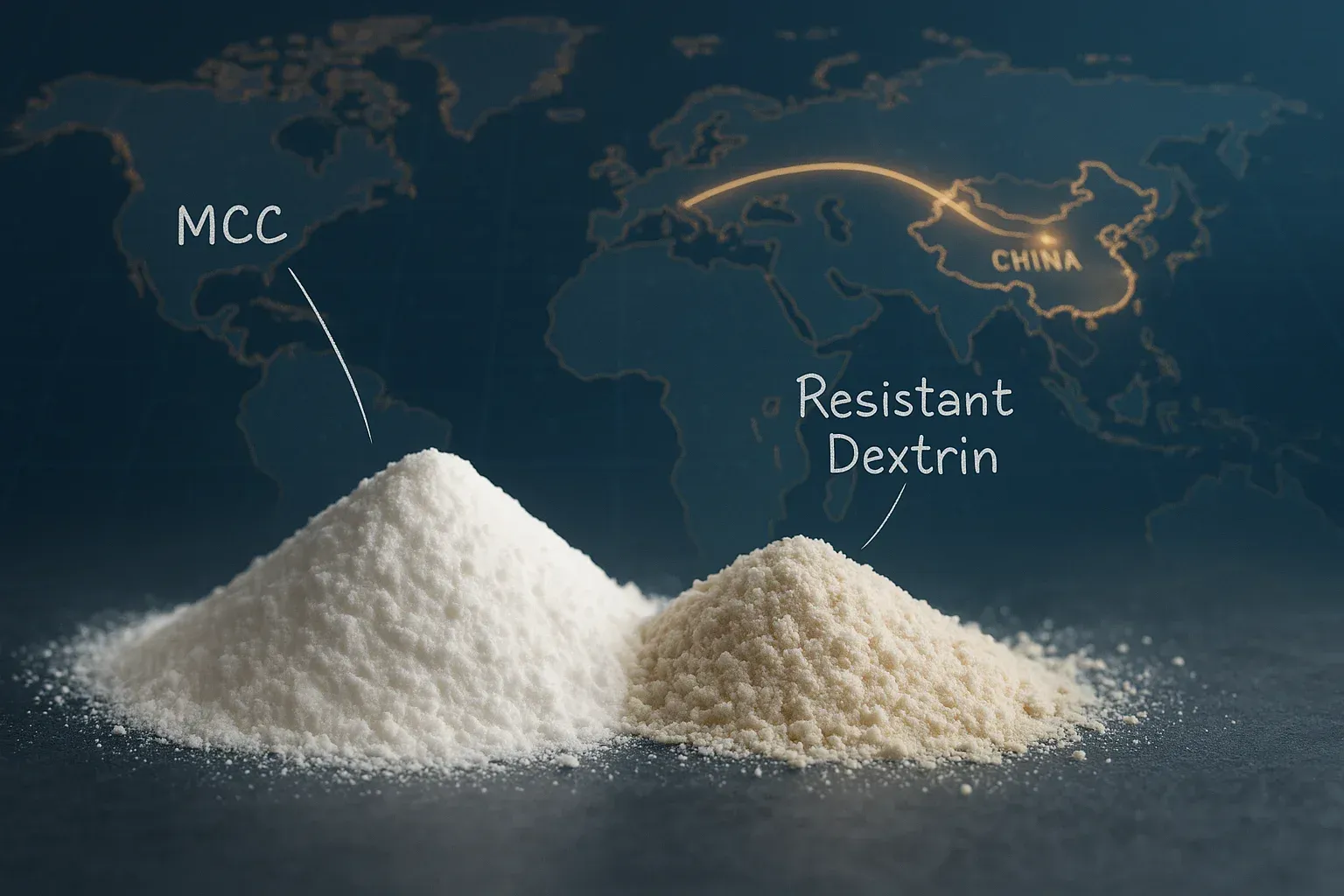


Procurement teams watching China’s excipients and functional fiber market are seeing a clear shift: “recommended” suppliers are no longer defined by brochure claims, but by repeatable process control, clean documentation, and the ability to hold specs across shipments. This matters most when you buy microcrystalline cellulose (MCC) for compression performance and resistant dextrin for fiber claims, because both ingredients are widely available—yet not interchangeable.

The 2025–2026 signal buyers should not ignore
Chinese capacity for resistant dextrin continues to deepen, while global buyers are becoming more selective on microcrystalline cellulose grades. The result is a two-speed market:
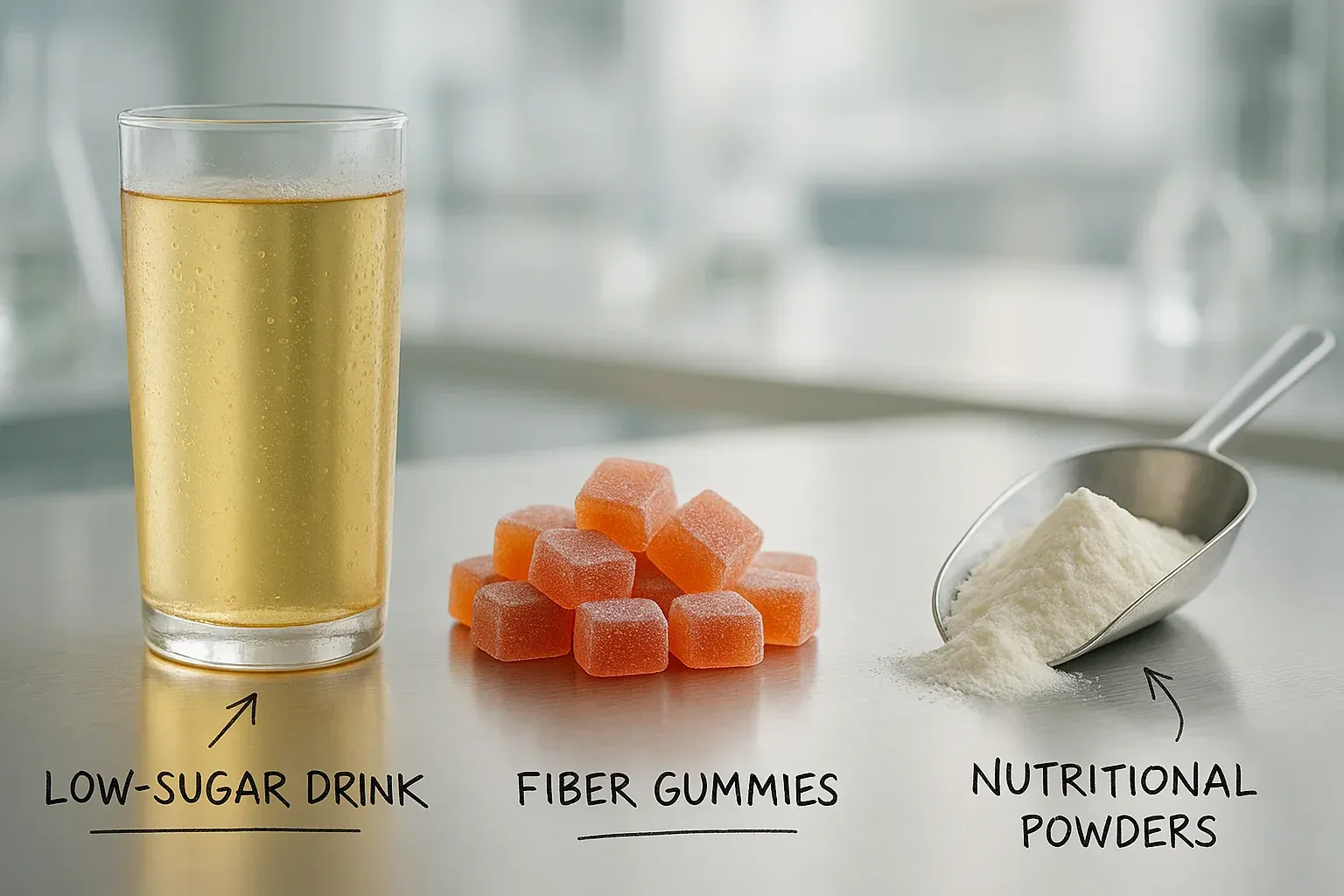
- Resistant dextrin is increasingly treated as a fiber “platform” (beverages, powders, gummies) where documented fiber content and label claims drive qualification.
- Microcrystalline cellulose is treated as a performance excipient where tableting behavior and pharmacopeial alignment drive qualification.
In practice, a procurement team may source both ingredients from China but apply different proof standards: food-fiber documentation for resistant dextrin, and grade/compendial rigor for microcrystalline cellulose.
Buyer checkpoint: If a supplier’s story sounds identical for both ingredients, it’s often a sign they’re reselling. A recommended Chinese microcrystalline cellulose manufacturer usually talks in “grades and standards.” A recommended Chinese resistant dextrin manufacturer talks in “fiber %, solubility, and labeling support.”
What makes microcrystalline cellulose “recommended” in China
The global market has expanded the role of Chinese producers, but the key buyer task is segmentation by grade and compliance posture. A buyer looking for a microcrystalline cellulose supplier China can typically separate offers into three practical groups:
- Food-focused MCC: positioned for texture, anti-caking, and bulking.
- Pharmaceutical-grade MCC: built around tighter controls and compendial expectations.
- Hybrid suppliers: able to support both, but only if internal testing and documentation are disciplined.
For buyers, “pharmaceutical-grade” should not be treated as a marketing phrase. It should be backed by:
- A clear grade ladder (for example, PH series positioning)
- Compendial statements (commonly BP/USP/FCC/JP)
- Mesh selection aligned to processing needs
- Repeatable COA patterns across multiple lots
One useful public benchmark is the kind of grade list that appears on established excipient pages—PH‑101, PH‑102, PH‑103, PH‑105, PH‑112, PH‑113, PH‑200, PH‑301, PH‑302—paired with compendial references and controlled mesh ranges.
If your shortlist includes Shandong suppliers, it’s reasonable: Shandong remains a common cluster for excipients, and export logistics through ports such as Qingdao supports international purchasing patterns.

How to read a microcrystalline cellulose grade offer without reformulation risk
When evaluating a pharmaceutical grade MCC manufacturer, buyers can reduce trial-and-error by asking the supplier to map grades to your process:
- Direct compression: confirm flow and compressibility expectations for your tooling.
- Wet granulation: confirm how the microcrystalline cellulose behaves with moisture and binder systems.
- Disintegration performance: confirm the role of MCC in the finished tablet profile.
A simple way to validate whether a supplier truly understands tablet use cases is to review their published technical framing around microcrystalline cellulose disintegrant applications (example benchmark pages can be found under established excipient categories such as microcrystalline cellulose disintegrant). This is not about buying a brand—it’s about confirming the supplier can speak to the correct functional mechanism.
Why resistant dextrin qualification is becoming stricter
Resistant dextrin is often purchased for a claim: soluble fiber, low net carbs, low glycemic positioning, or digestive support. That means procurement teams must treat resistant dextrin as both a commodity and a compliance-sensitive ingredient.
A modern resistant dextrin benchmark in China commonly includes:
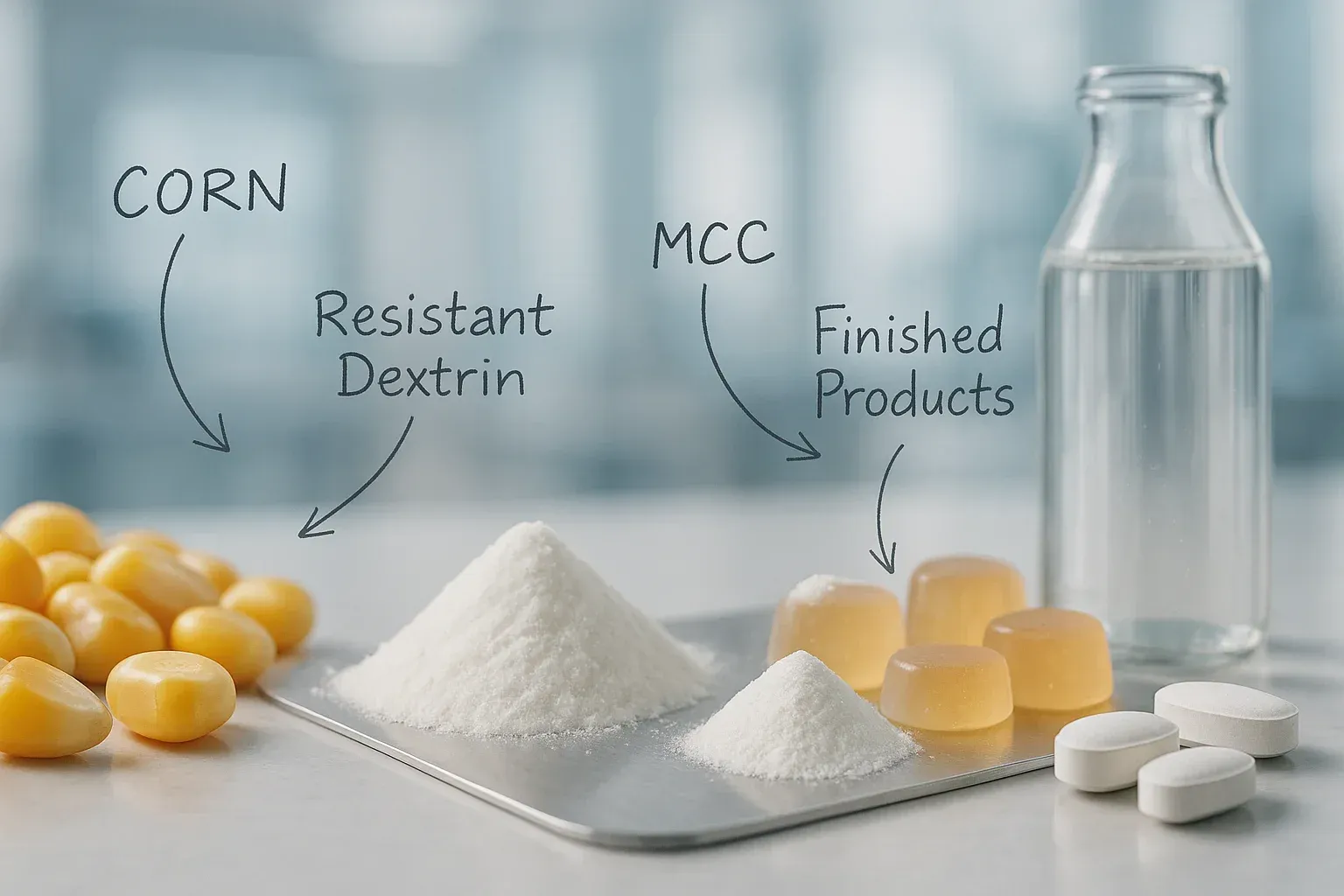
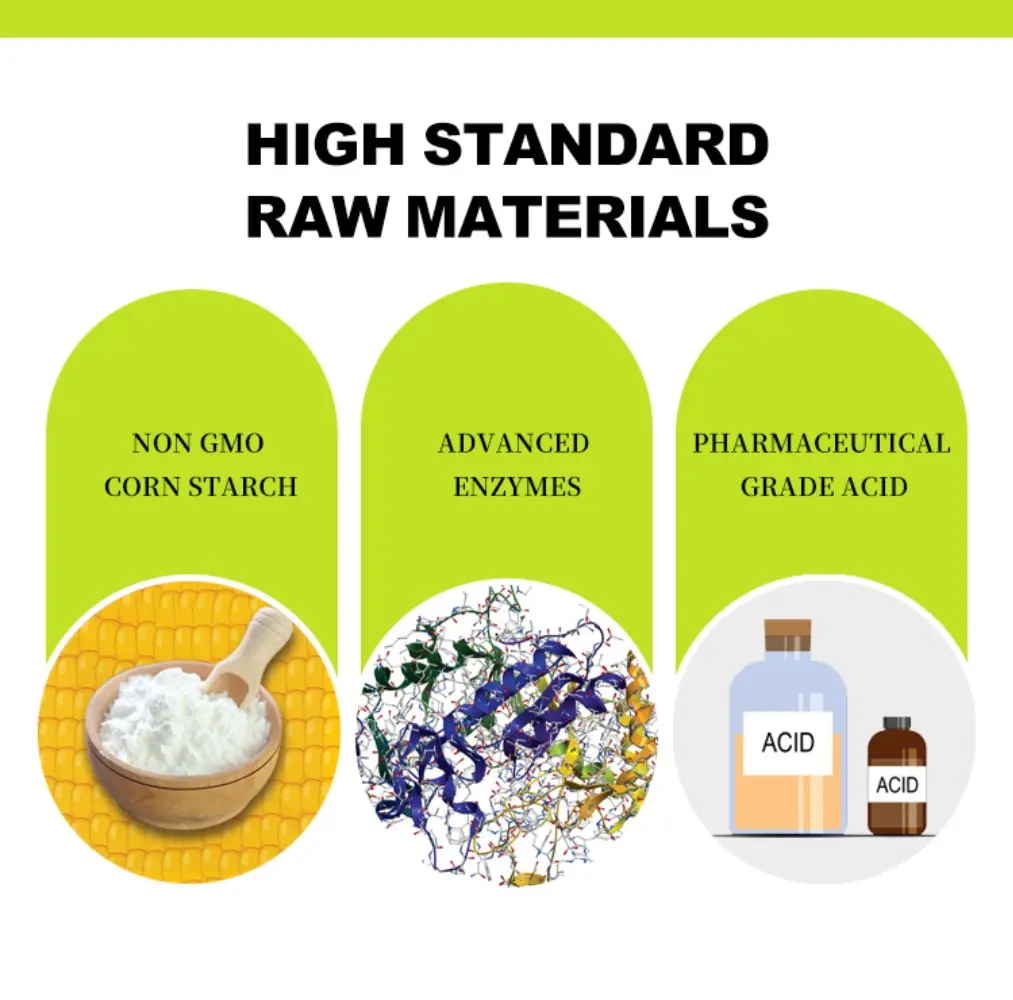
- NON-GMO corn starch as the raw material basis
- Fiber content ≥82%
- Controlled moisture and storage conditions
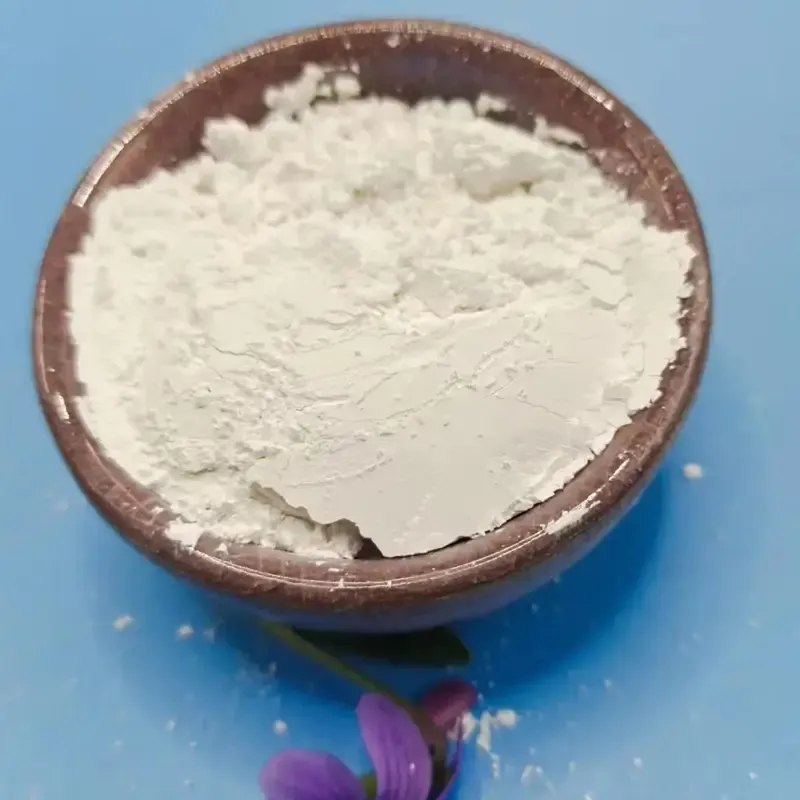
- A consistent appearance range (often white to light yellow)
Because multiple Chinese clusters can produce resistant dextrin, buyers increasingly shortlist by documentation maturity—not only by factory size.
The “≥82% fiber” line that should appear in your RFQ
If your product needs resistant dextrin to support fiber enrichment, bake stability, or beverage clarity, writing “resistant dextrin” alone in an RFQ is not enough.
Add these buyer-relevant fields:
- Fiber content target (e.g., resistant dextrin ≥82% fiber) and test method expectation
- Solubility and viscosity description (especially for RTD beverages)
- Microbiological limits aligned to your category
- Required declarations (e.g., non-GMO statement if you sell into markets that expect it)
Public product pages can help you confirm what “normal” looks like for a non-GMO resistant dextrin supplier. For example, resistant dextrin portfolios that clearly separate use cases—such as Resistant Maltodextrin and Nutritional dietary fiber powder—tend to reflect a supplier who understands that resistant dextrin is not a one-SKU market.
The technology trend behind “recommended” suppliers
The most useful innovation signal in China right now is not a new ingredient name—it’s process discipline. More recommended suppliers are emphasizing:
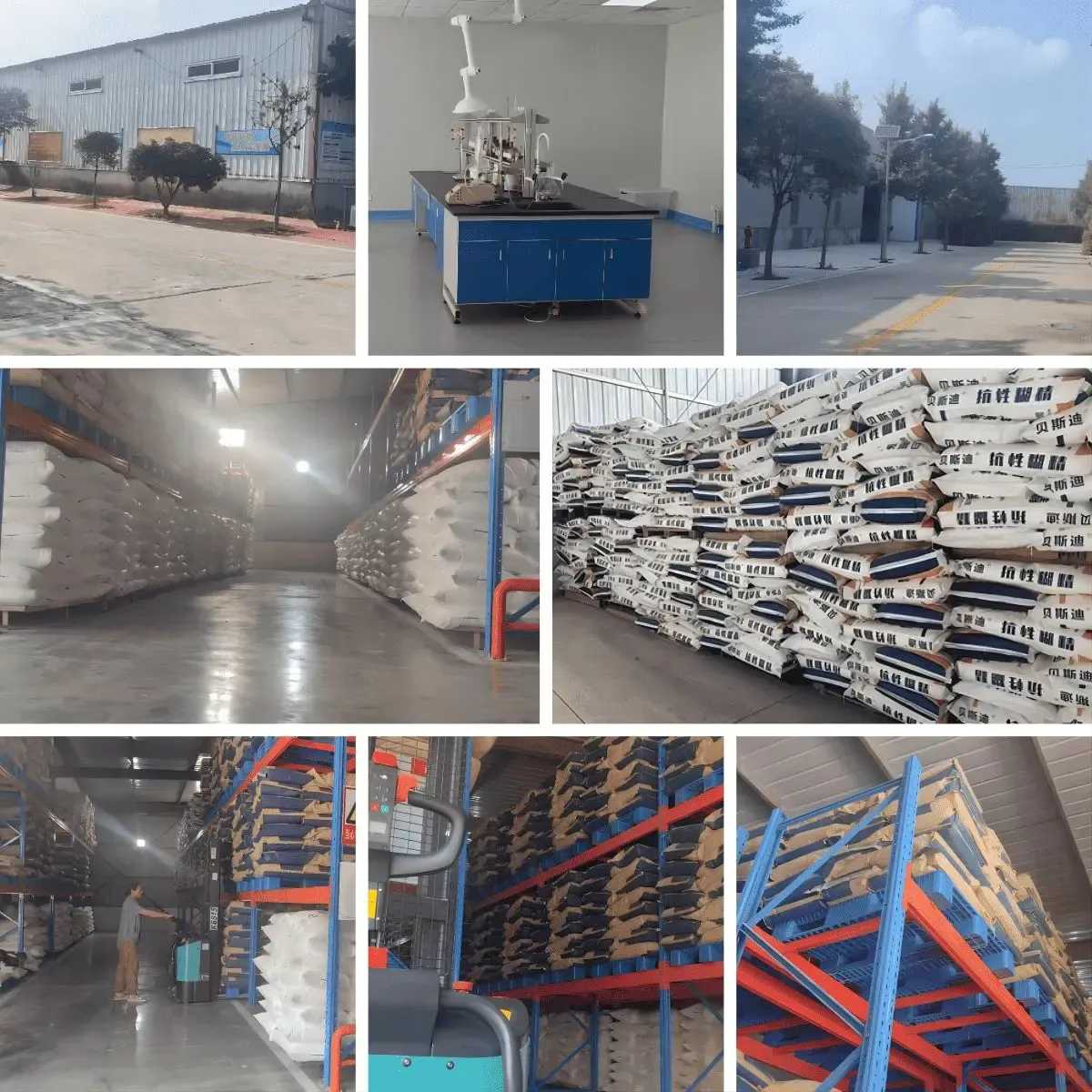
- Automated central control from raw material feeding to filling
- Imported enzyme systems used for resistant dextrin conversion
- On-site QC laboratories with routine lot testing
This matters because both microcrystalline cellulose and resistant dextrin can look “right” in a single sample. The real test is whether the supplier can hold performance after scale-up and across seasonal variation.
Why non-GMO proof is now tied to supplier ranking
“Non-GMO” is often treated as a labeling topic, but in supplier evaluation it functions as a traceability test:
- Can the supplier document the corn-starch origin?
- Are declarations consistent across lots and years?
- Does the COA set align with the claim?
For resistant dextrin, this is increasingly decisive—especially for keto-friendly and low-sugar products where resistant dextrin supports positioning without adding net carbs.
Turning overcapacity into better buying terms without sacrificing quality
Market commentary continues to describe weak domestic demand and excess capacity in China as factors that can keep price pressure in place. For buyers, that environment can improve leverage on resistant dextrin price per kg—but only if contracts are written to protect quality.
Instead of negotiating only on unit price, experienced teams use these levers:
- Spec-indexed pricing: tie pricing tiers to the resistant dextrin fiber content and core COA limits.
- Lot-to-lot consistency clauses: include a defined remedy if resistant dextrin or microcrystalline cellulose drifts outside agreed ranges.
- Bundled logistics planning: if you buy both microcrystalline cellulose and resistant dextrin from the same region, you can reduce coordination cost.
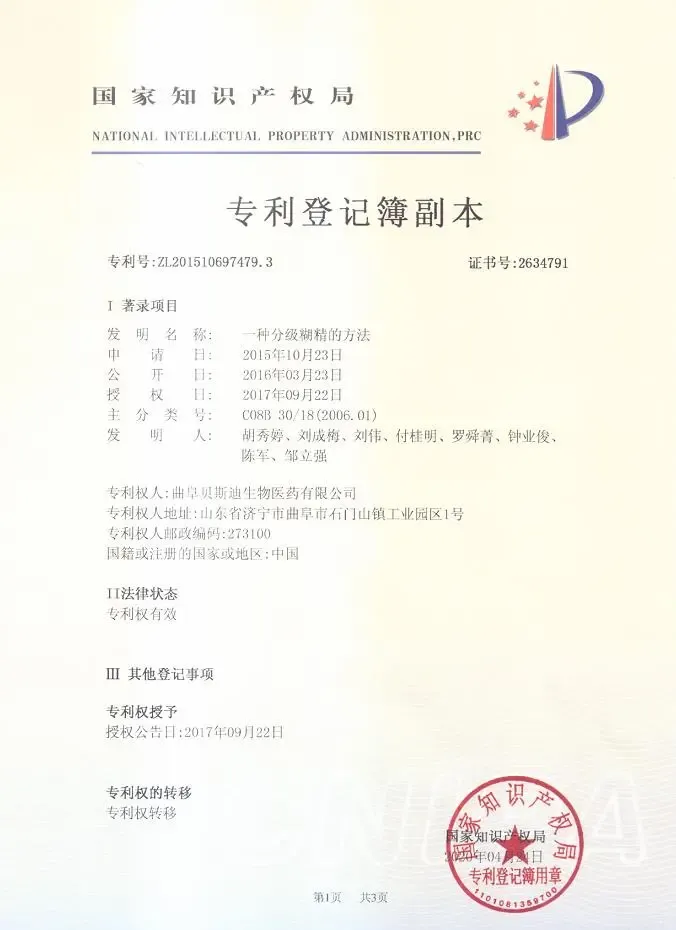
- Audit-ready documentation: negotiate “documentation SLA” (COA timing, non-GMO letters, traceability files) as a deliverable.
This is especially relevant for a China bulk resistant dextrin supplier conversation, where the initial offer may look attractive but the “paperwork cost” shows up later.
Buyer checkpoint: If a supplier discounts aggressively but resists a COA template review, treat that as a risk signal—not a commercial win.
A short scorecard procurement teams can use this quarter
Buyers sourcing from a microcrystalline cellulose supplier China and a resistant dextrin manufacturer can align internal teams faster with a simple scorecard.
Microcrystalline cellulose scorecard
- Grade coverage is explicit (PH series or equivalent)
- Standards are stated (commonly BP/USP/FCC/JP)
- Mesh range and use-case fit are discussed
- COA structure matches your audit expectations
Resistant dextrin scorecard
- Fiber content target is explicit (commonly resistant dextrin ≥82% fiber)
- Non-GMO statement is available when needed
- Solubility/neutral taste expectations are realistic for your format
- QC capacity is visible (routine micro testing, batch traceability)
When a supplier can meet both scorecards—without overpromising—it usually indicates a mature factory and a stable export workflow.
Closing perspective for 2025–2026 sourcing
China will remain a primary sourcing destination for both microcrystalline cellulose and resistant dextrin, but “recommended” now has a higher bar. For microcrystalline cellulose, the bar is grade discipline and compendial alignment. For resistant dextrin, the bar is fiber proof, non-GMO documentation when required, and process consistency.
For buyers building a shortlist, it’s often efficient to benchmark against suppliers who publicly share clear spec structures across excipients and fibers. One example of a public reference catalog that procurement teams use for benchmarking is sdshinehealth.com, particularly its excipient and resistant dextrin categories.
Data notes and public benchmarks
- Chinese producers gaining visibility in the microcrystalline cellulose landscape are discussed in GlobalGrowthInsights market coverage (accessed via the provided market brief).
- The need to differentiate Chinese MCC suppliers by grade is highlighted in IntelMarketResearch outlook commentary (accessed via the provided market brief).
- China pricing pressure signals (linked to broader overcapacity) are summarized in ICIS analysis (accessed via the provided brief; used here as macro context rather than a spot quote).