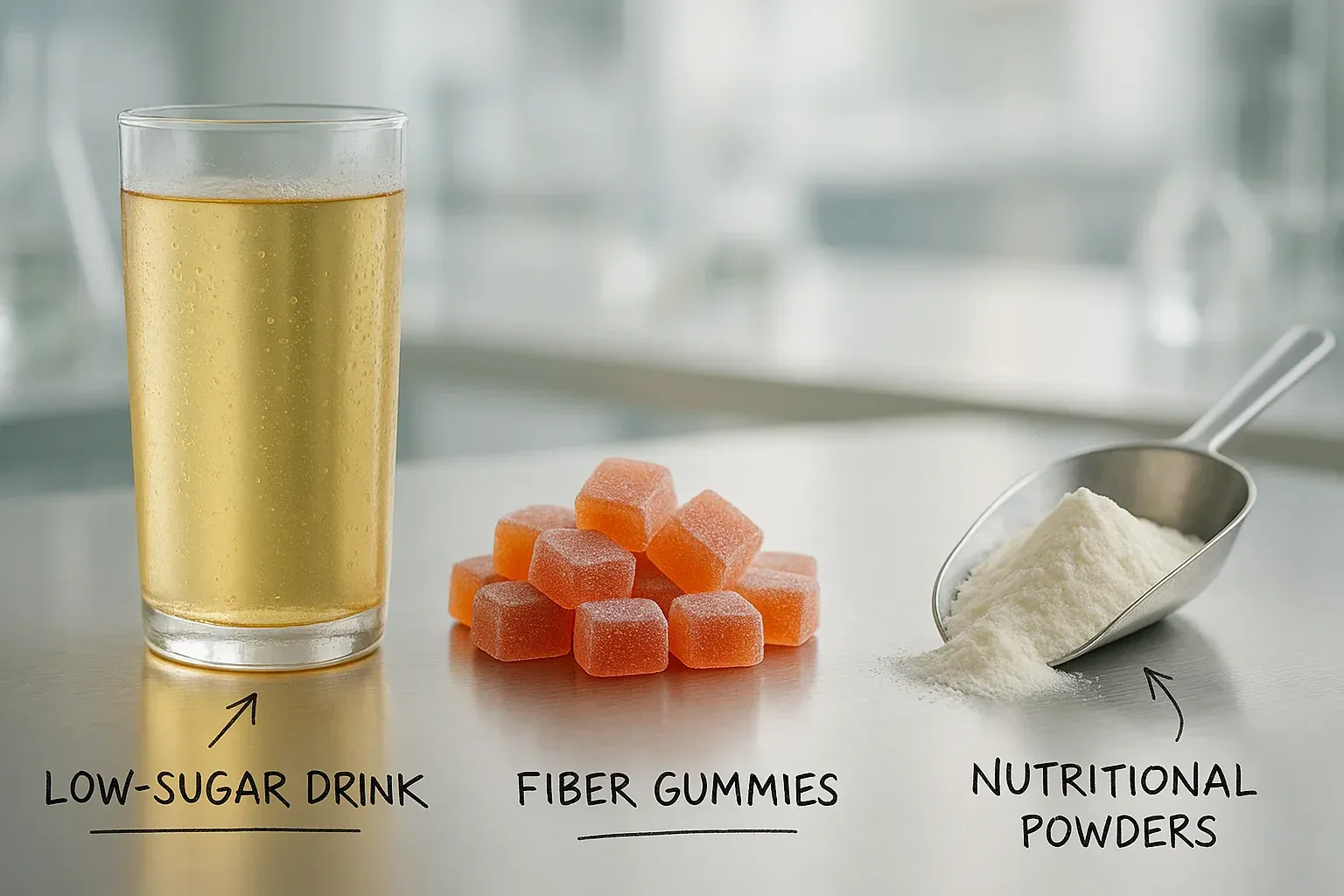


In 2026, “protein + fiber” is no longer a niche positioning—it’s becoming a default expectation across snacks, ready-to-drink (RTD) beverages, and weight-management formats. That shift sounds like a marketing win, but for procurement and QA teams it quickly turns into a label-safety project: you can’t make a strong fiber claim unless your ingredient specs, COA language, and finished-product testing all line up.
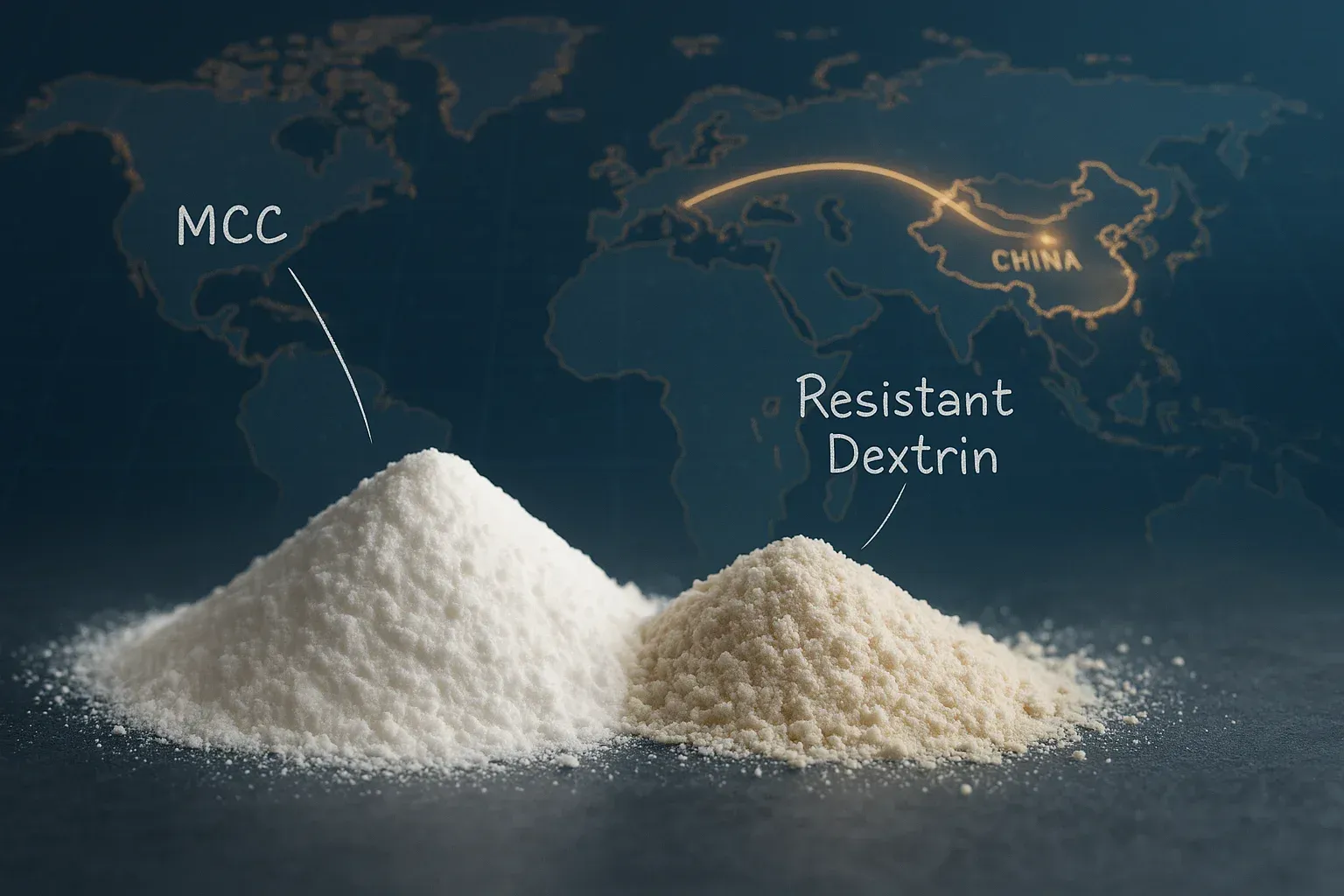
Among soluble fibers, resistant dextrin is being pulled into more formulations because it can be added across multiple formats with limited impact on taste. At the same time, more buyers are treating the supplier’s COA as a document that must “survive an audit,” not just pass incoming QC. This brief explains how compliance-minded teams evaluate resistant dextrin—especially when qualifying a resistant dextrin supplier China for global exports—and clarifies why microcrystalline cellulose (MCC) still appears in compliance workflows even when it isn’t always counted as dietary fiber.
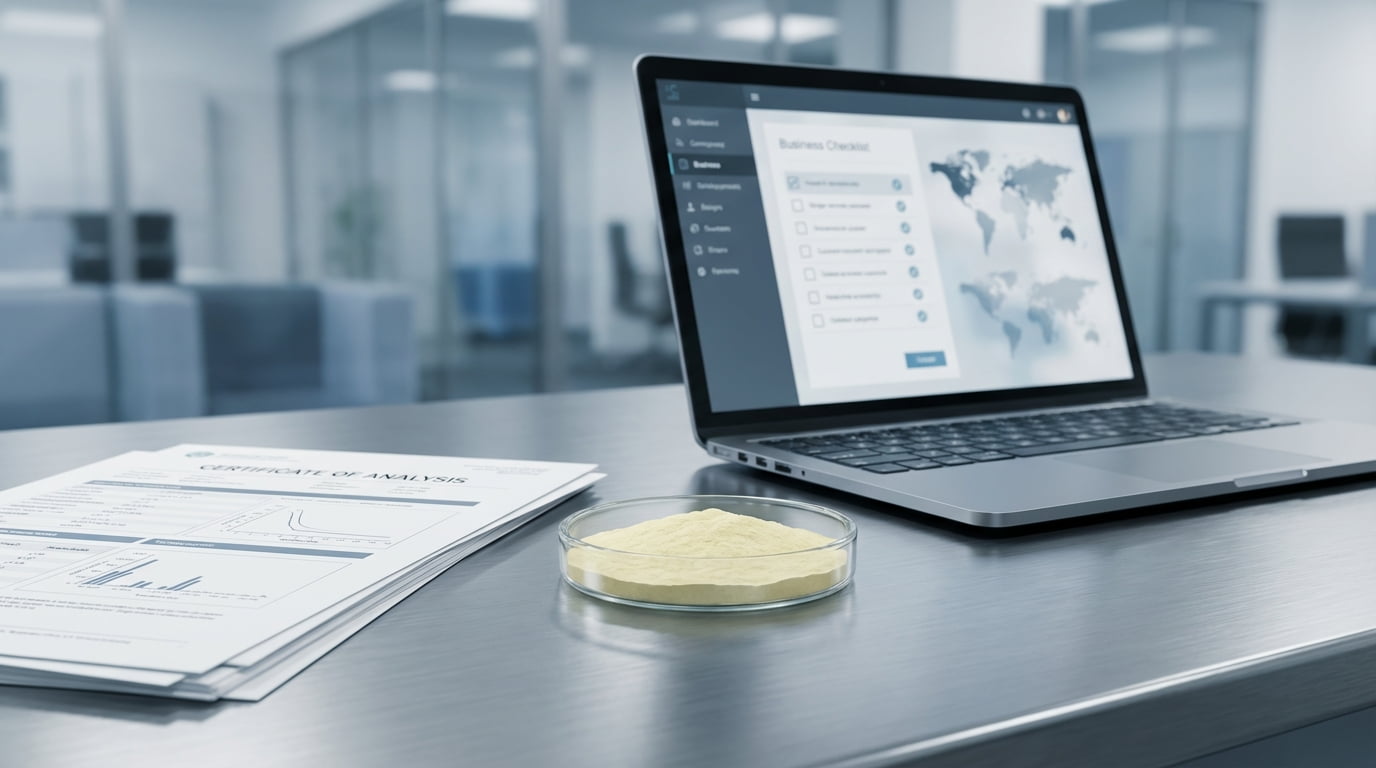
Why 2026 fiber demand becomes a compliance project
Recent industry coverage has pointed to a 2026 wave of products that combine protein and fiber, driven by the broader idea of “accessible nutrition”—functional benefits delivered in everyday formats. For buyers, that combination changes supplier qualification in two significant ways:
1. The claim is now part of the spec. If the label will say “high fiber,” then the buyer’s spec must be explicit about how fiber content is defined (e.g., total dietary fiber on a dry basis), and which tests support that.
2. More SKUs, more scrutiny. When the same resistant dextrin is used in bars, powders, and RTDs, the COA becomes the common denominator. A weak COA creates repeated reformulation and relabeling risk.
In practical terms, the strongest 2026 product ideas (high-fiber snacks, citrus-forward functional drinks, weight-management powders) often fail for one mundane reason: documentation mismatch—fiber claims and marketing language outpace what the COA and finished-product method can defend.
Regulatory watchpoint: A “fiber” story is easiest to scale when the ingredient’s identity, test methods, and COA wording are consistent batch to batch. This is why a resistant dextrin supplier China must be evaluated for documentation discipline, not only price and lead time.
Fiber labeling basics and claim risk (US/EU/China, high level)
Procurement teams rarely need to memorize every clause of regional rules, but they do need a working model of how regulators and auditors think. The goal is to prevent a situation where an ingredient is technically fine, but the claim is not defensible.
A simple way to think about “dietary fiber” across major markets
- United States (high level): Dietary fiber is generally tied to defined analytical methods and eligible fiber ingredients. Buyers typically confirm that resistant dextrin is treated as dietary fiber for labeling when used as intended and documented properly.
- European Union (high level): Fiber claims and nutrition labeling are commonly tied to total dietary fiber and established nutrition claim thresholds.
- China (high level): Exporters frequently prepare documentation that supports fiber content and safety expectations for destination markets, often aligning with standards like fiber content ≥82%.
Because this article is written for sourcing and procurement readers—not as legal advice—the key takeaway is consistent: fiber claims live or die on measurement and documentation, not on a marketing description of an ingredient.
Regulatory watchpoint: If your finished product will be exported, treat the fiber claim as a “multi-market requirement.” Qualify a resistant dextrin supplier China based on the market where you are strictest, then apply that standard everywhere.
How buyers read a resistant dextrin COA like a regulator
When buyers say they want an “audit-ready” COA, they usually mean four things:
- Identity is clear (what the ingredient is, and what it is not)
- Key performance specs are measurable (not vague marketing language)
- Safety limits are documented (microbiology, contaminants as relevant)
- The numbers match the intended label claim (fiber declaration in particular)
For 2026 launches, the COA lines that cause the most friction are surprisingly consistent. Below is a practical table that reflects common specification items seen in resistant dextrin documentation.
| COA line item | Resistant dextrin (food-grade) — what buyers typically look for | Why it matters for label safety | MCC PH101/PH102 — what buyers typically look for |
|---|---|---|---|
| Identity / product name | Clearly stated as resistant dextrin (sometimes also called resistant maltodextrin in trade usage) | Prevents ingredient identity confusion in audits and registrations | Clearly stated as microcrystalline cellulose; grade indicated (PH101 vs PH102) |
| Fiber content | Resistant dextrin fiber content ≥82% is a common purchasing threshold; documentation often references total fiber on a dry basis (e.g., ≥90.0%) | Directly impacts “source/high fiber” calculations and claim support | Not typically used to support fiber claims in some jurisdictions; still needs purity documentation |
| Total fiber (dry basis) | Some supplier documentation references ≥90.0% on dry basis | Helps buyers reconcile fiber on label with moisture variation | Not applicable |
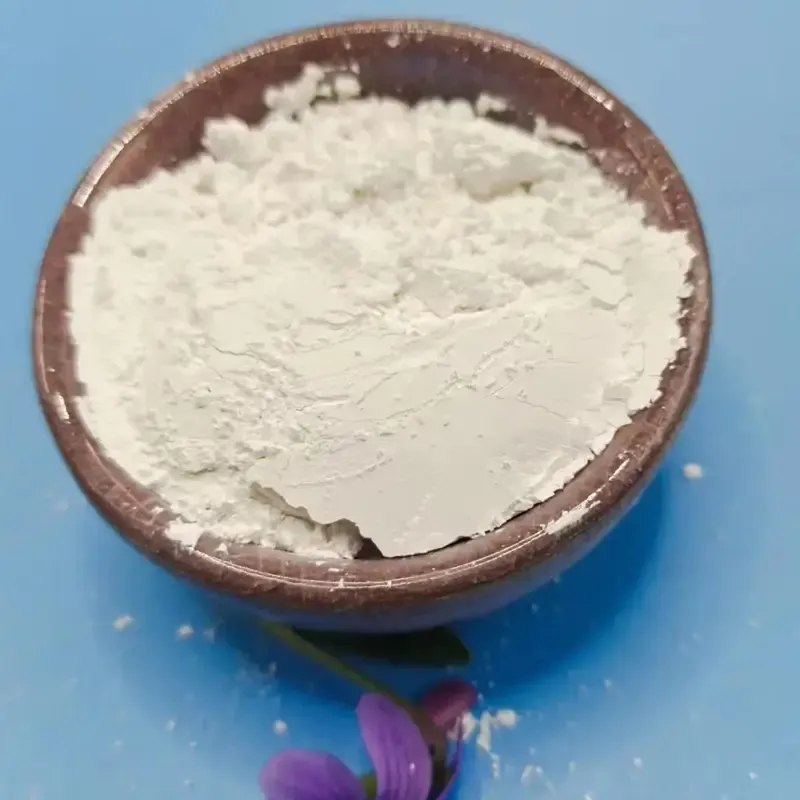
| Appearance | White to light yellow powder | Incoming QC and batch-to-batch consistency | White/off-white powder (typical) |
| Protein | ≤6.0% (common spec) | Nutritional panel alignment and batch consistency | Not a key line for MCC in most cases |
| Moisture | ≤5.0 g/100 g | Shelf life, caking risk, and consistency | Loss on drying is a core control for grade stability |
| pH | 3–6 (common range) | Beverage stability and sensory performance | pH is commonly reported for MCC |
| Water activity | ≤0.2 | Micro risk control and storage stability | Not a standard claim driver; still relevant for handling |
| Microbiology | Example limits: APC ≤1000 CFU/g; coliforms ≤3 MPN/g; yeast ≤25 CFU/g; mold ≤25 CFU/g | Protects RTDs, powders, and bars—especially ambient SKUs | Micro limits are a standard audit checkpoint |
| Heavy metals | Buyers typically request explicit lines and destination-market limits | Global export compliance and customer requirements | Buyers typically request explicit lines and destination-market limits |
How to use this table: treat it as an RFQ “structure.” Even if your specification values differ, the table helps ensure you ask the right questions before you buy resistant dextrin bulk.
COA language that reduces audit friction
- Avoid ambiguous terms like “high fiber” without a numeric test basis.
- Ask the supplier to specify whether fiber is reported as-is or on a dry basis, and keep that consistent.
- If you are qualifying a resistant dextrin supplier China for multiple markets, request COA versions that match your destination documentation package request.
Aligning resistant dextrin specs with 2026 product formats
The same resistant dextrin can behave very differently depending on the matrix. Compliance-focused sourcing teams therefore qualify one resistant dextrin specification per format family, rather than assuming one spec will work everywhere.
Below are three 2026-relevant scenarios. Each one shows why buyers often re-check the COA and the supplier’s consistency—even after an ingredient “works” in R&D.
1) High-fiber protein bars and snacks
Protein bars are where the 2026 “protein + fiber” trend is easiest to commercialize, but they can also be the fastest way to trigger label-risk:
- A bar that positions itself as high fiber typically requires tight control of resistant dextrin fiber content 82% (or your chosen minimum) to keep claim math stable.
- Moisture and water activity matter more than many buyers expect, because bars often sit in ambient distribution. A COA that documents moisture and water activity reduces downstream QA debate.
What buyers check first
- Confirm the COA is batch-specific and not a generic spec sheet.
- Confirm fiber is reported consistently (same basis, same wording).
- Confirm microbiology limits are appropriate for ambient storage.
Regulatory watchpoint: For bars, claim risk often comes from serving-size changes or recipe adjustments late in the project. A stable resistant dextrin specification is what keeps the fiber claim stable.
2) Citrus-forward RTD drinks and gut health shots
Citrus flavors are a frequently mentioned direction for 2026 innovation. From a formulation perspective, many teams prefer a soluble fiber like resistant dextrin because it can be integrated with limited impact on flavor.
Compliance and spec themes in RTDs
- pH tolerance matters because acidified beverages can push ingredients outside their comfort zone.
- Solubility and “clear mixing” expectations must be validated under real processing conditions.
- Finished-product validation matters: even if the ingredient COA supports fiber content, the brand must still verify the fiber level in the final drink.
Regulatory watchpoint: Beverage launches are where “fiber on paper” can become “fiber not provable.” Buyers often require a resistant dextrin supplier to support method alignment and consistent COA phrasing.
3) Weight-management powders (and hybrid protein-fiber blends)
Powders allow high inclusion of resistant dextrin without the same texture constraints found in RTDs. That makes them attractive for accessible nutrition products positioned around satiety and daily gut support.
What procurement teams often do differently here is documentation control:
- They lock down a spec early, then buy resistant dextrin bulk in a way that minimizes lot-to-lot variability.
- They request long-term consistency evidence (trend data, not just one COA).
Where MCC still belongs (and what buyers check)
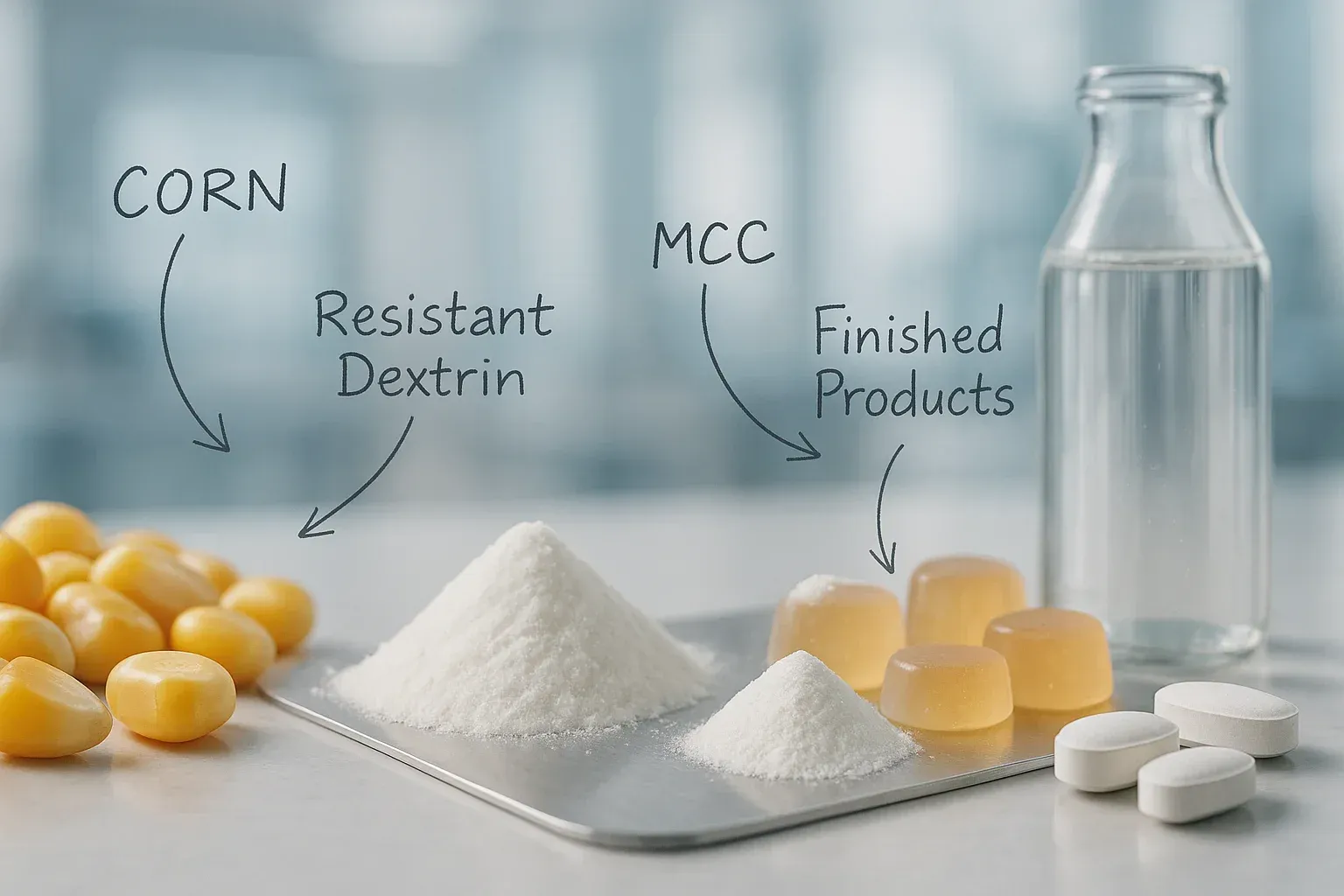
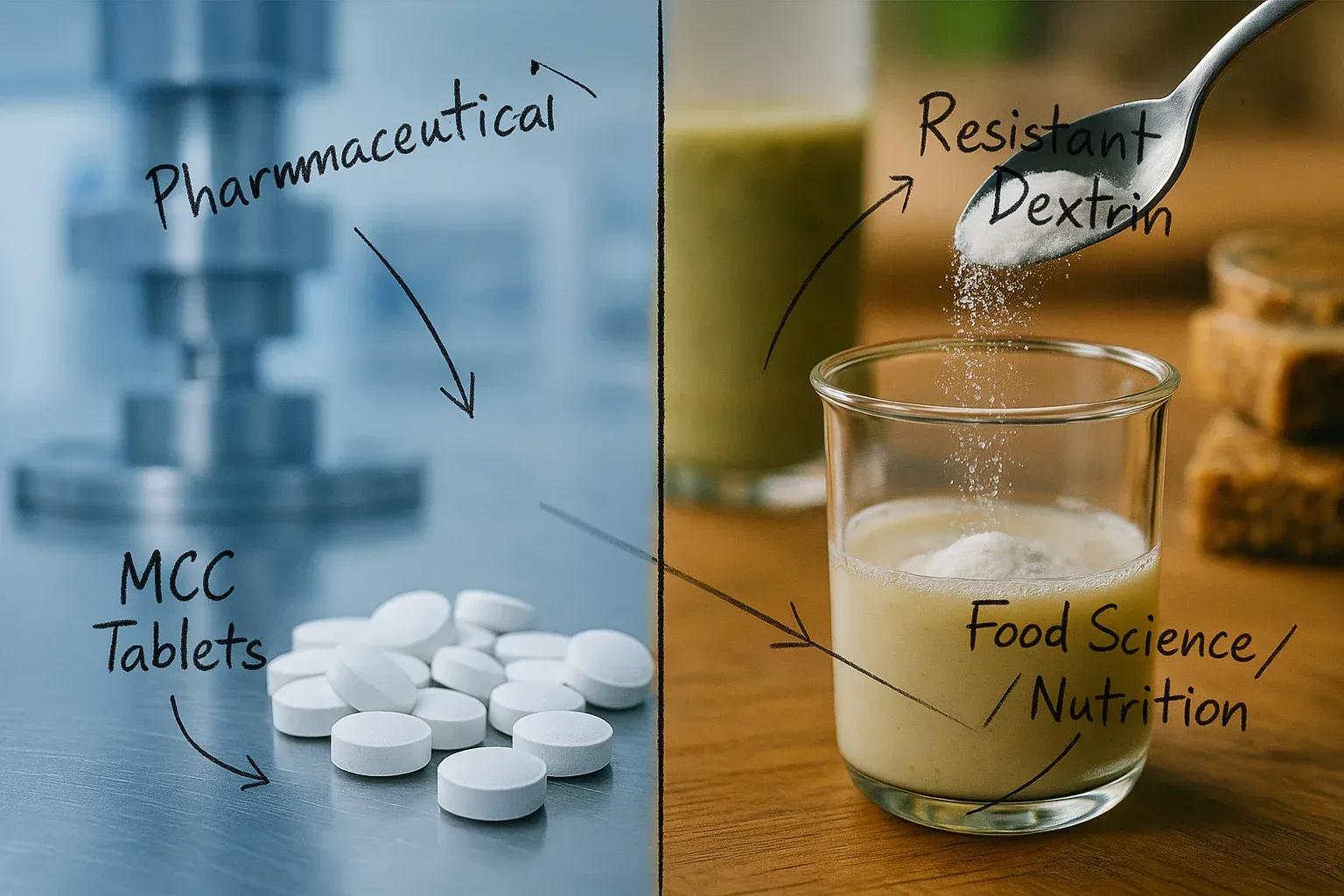
Procurement teams often evaluate MCC in the same workflow as resistant dextrin for one simple reason: many 2026 “accessible nutrition” products live in supplement-like formats—tablets, gummies, sticks, and blends where excipients matter.
A practical side note for compliance workflows:
- In some jurisdictions and labeling contexts, MCC may not be counted as dietary fiber the same way soluble fibers are.
- Even when it doesn’t support a fiber claim, microcrystalline cellulose can still be essential for manufacturability and stability, which is why buyers keep it under the same documentation discipline.
What compliance-focused buyers request for MCC
When qualifying a microcrystalline cellulose supplier China, buyers typically request:
- Clear grade designation and MCC PH101 PH102 specifications aligned to the application (flowability vs compressibility expectations).
- Standard quality lines such as loss on drying, residue on ignition, particle size/bulk density (grade dependent).
- Microbiology limits and contaminant controls aligned to destination-market expectations.
Regulatory watchpoint: Buyers rarely fail an MCC qualification because of one line item. They fail it because the grade choice is unclear, the COA structure is inconsistent, or the supplier cannot support documentation needed by downstream customers.
RFQ and audit checklist for China sourcing
This section is designed to be copied into internal RFQs. It is intentionally practical, because 2026 timelines are tight and procurement teams want a repeatable supplier screen.
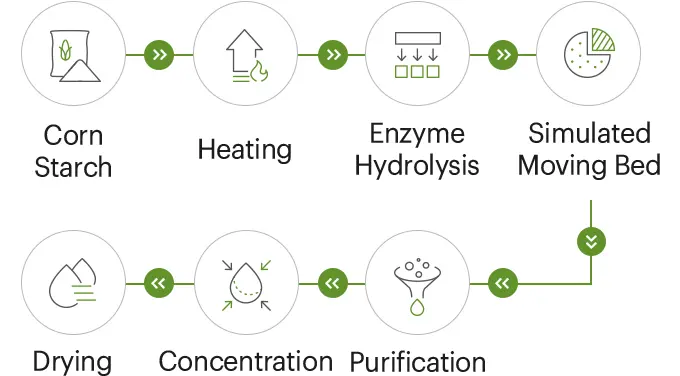
A documentation-first checklist for resistant dextrin sourcing
When qualifying a resistant dextrin supplier China, request:
- A clear specification and batch COA that explicitly supports the intended claim (especially resistant dextrin fiber content 82% or your internal minimum).
- Clarification on reporting basis (as-is vs dry basis) and consistent wording.
- Microbiology and stability-related lines that fit your format (RTD vs bar vs powder).
- All destination-market documentation your customer or regulator expects (food safety system evidence, traceability basics, and any third-party testing you require).
A parallel checklist for MCC qualification
When qualifying a microcrystalline cellulose supplier China, request:
- Grade clarification and MCC PH101 PH102 specifications matched to your dosage form.
- COA format consistency (the same items, same units, same methods, batch to batch).
- Evidence the supplier can support your audit questions (change control, traceability, lab capability).
What buyers look for during an on-site (or remote) audit
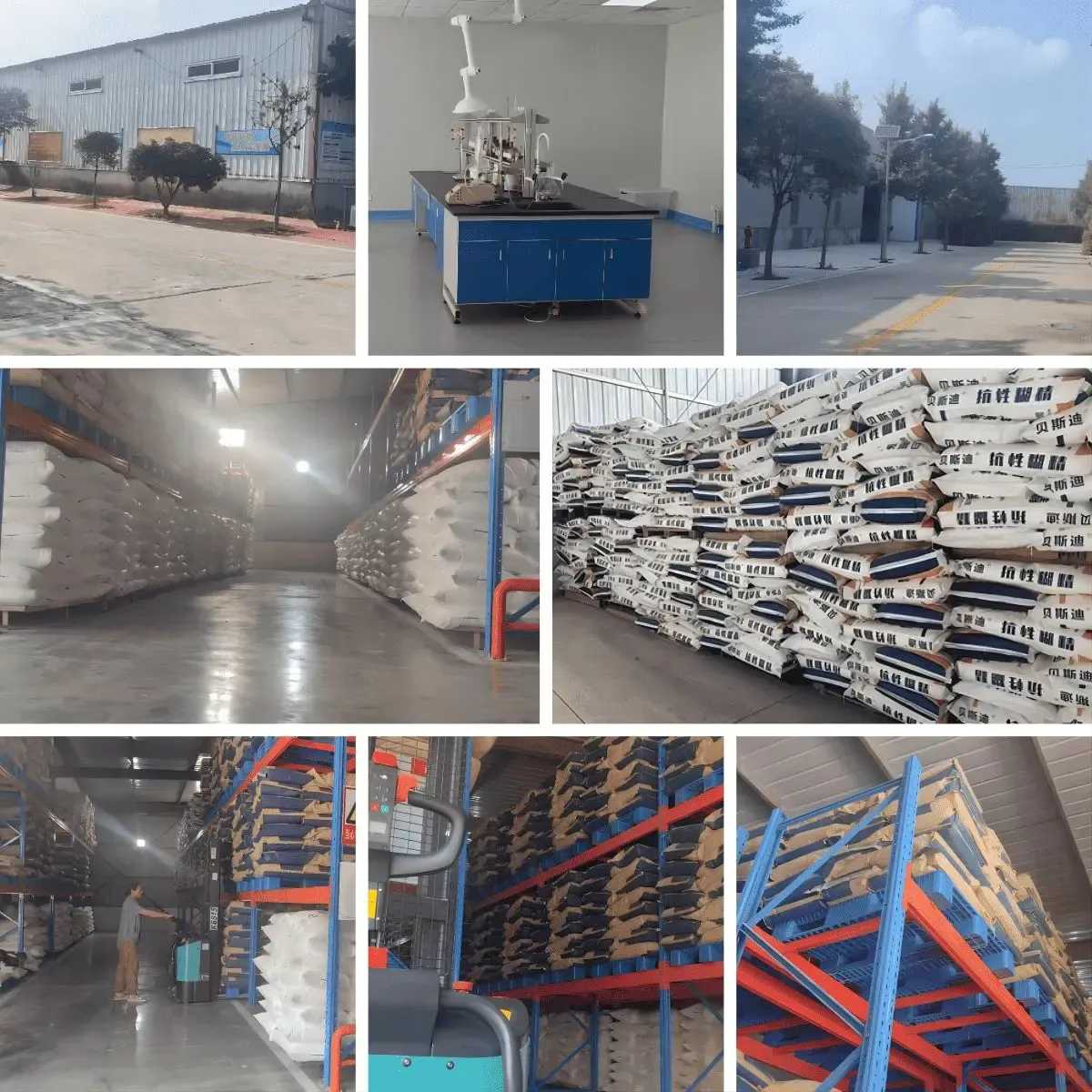
- The supplier can explain its manufacturing flow and quality controls clearly (not just provide marketing slides).
- The supplier shows consistent QC capability and documentation.
- Batch traceability is practical: raw material control, in-process checks, final release, retained samples.
Where “recommended manufacturer” shortlists come from
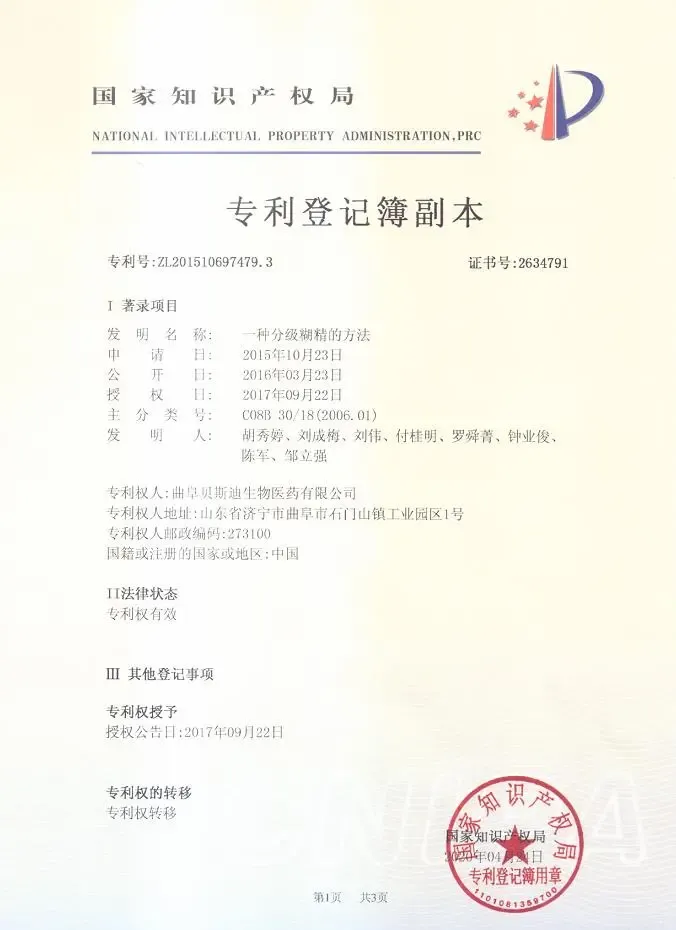
In many procurement organizations, “recommended” lists are built from repeatable compliance behaviors—clear COAs, stable specs, traceable batches, and responsive technical support. That’s why terms like Recommended Chinese Resistant Dextrin Manufacturer are often tied more to documentation maturity than to any single marketing claim.
Bringing it together for 2026 launches
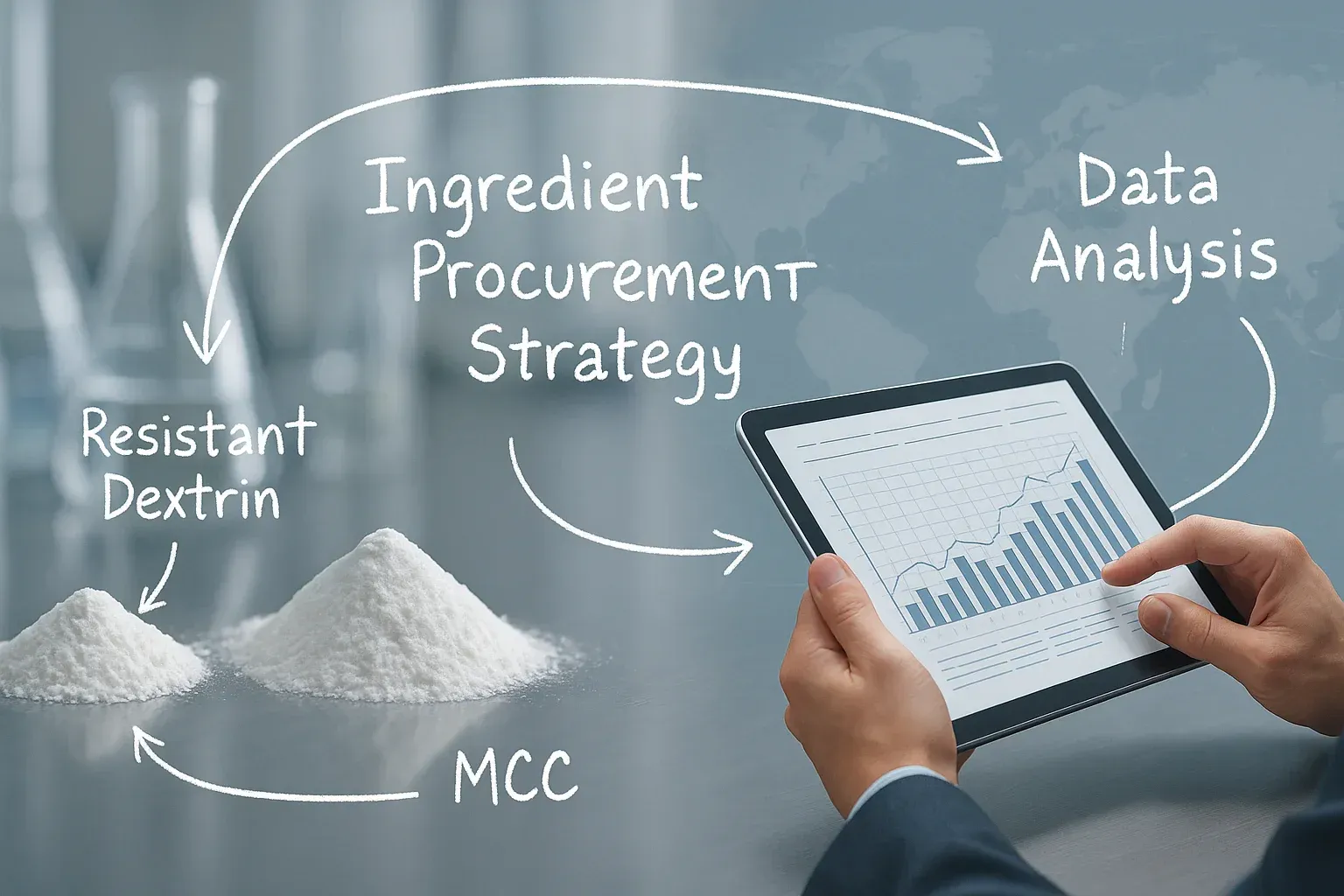
A 2026 fiber strategy works best when sourcing and compliance are treated as a single system. Resistant dextrin supports the “protein + fiber” direction, but only if fiber content is reported consistently and the COA can defend the claim. A rigorous COA review helps prevent late-stage relabeling, reformulation, or customer pushback.
For procurement teams planning to buy resistant dextrin bulk, the advantage comes from building a spec that is simple, auditable, and stable—then sourcing from partners who can deliver the same documentation discipline every month. For more detailed specifications and supplier capabilities, you can visit Shine Health.